
Introduction
Motorcycle fairing mounts are integral components that attach a motorcycle’s fairing to its frame, significantly influencing overall performance and rider experience. Each motorcycle model and year presents unique mounting requirements, shaping the importance of understanding the various types of mounts available. This article endeavors to outline the different types of motorcycle fairing mounts, emphasizing the critical nature of proper installation, and offering a comparative analysis of OEM versus aftermarket options to assist business owners in making informed decisions regarding their inventory and customer offerings.
Tables of Contents
Chapter 1: Understanding Motorcycle Fairing Mounts: A Dive into Design and Functionality
- Exploring the Versatility of Bolt-On and Integrated Fairing Mount Systems
Chapter 2: Types of Motorcycle Fairing Mounts: An Overview of Quick-Release Mechanisms and Custom Configurations
- Harnessing the Power of Quick-Release Mechanisms and Specialized Designs in Motorcycle Fairing Mounts
Chapter 3: Ensuring Peak Performance and Safety Through Motorcycle Fairing Mount Integrity
- Maximizing Aerodynamic Efficiency and Rider Safety with Properly Installed Fairing Mounts
Chapter 1: Understanding Motorcycle Fairing Mounts: A Dive into Design and Functionality
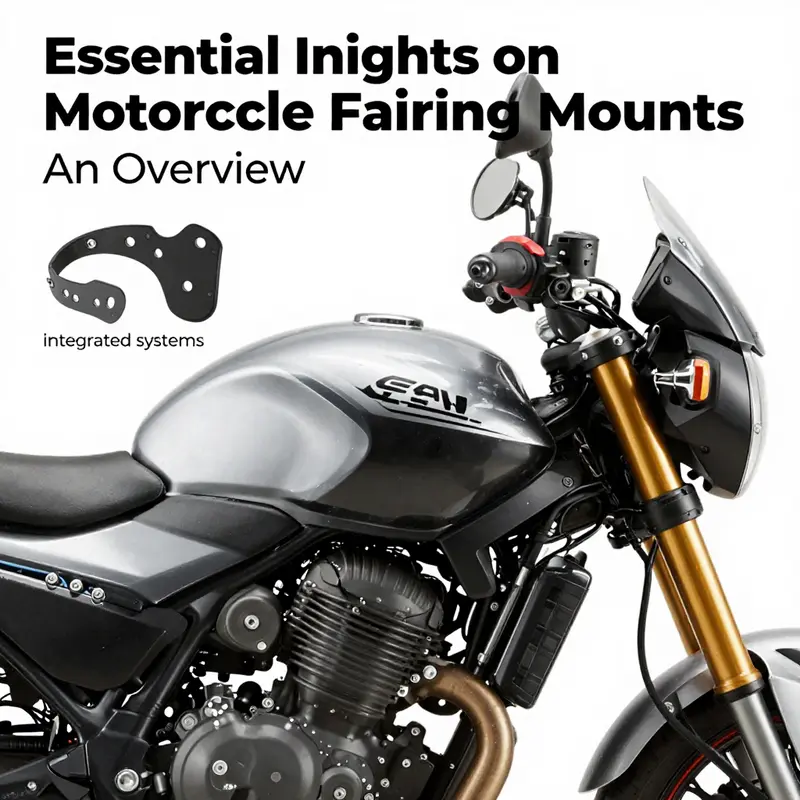
1. Exploring the Versatility of Bolt-On and Integrated Fairing Mount Systems
The world of motorcycle fairings is not just about aesthetics; it intertwines functionality, safety, and performance. The way fairings are mounted on motorcycles, whether through bolt-on or integrated systems, plays an important role in achieving these goals. By examining these two primary types of mounting systems, we uncover how design influences user experience and maintenance.
The Appeal of Bolt-On Fairings
Bolt-on fairings represent a highly popular choice among motorcycle enthusiasts for several compelling reasons. One of their standout features is ease of installation and removal, which makes them particularly appealing for riders who enjoy both riding and tinkering with their bikes. These systems are designed to be mounted using screws, bolts, or fasteners, allowing for straightforward assembly and disassembly. This accessibility is vital, as it enables quick maintenance, repairs, or even cosmetic changes that can refresh the look of a motorcycle without the need for significant technical expertise.
For many, customization is part of the ownership experience. Bolt-on systems provide the modularity that allows for upgrades or replacements without requiring extensive renovations to the motorcycle’s core structure. Whether you’re swapping out old fairing panels for new ones or seeking to add a unique custom look to your ride, bolt-on mounts facilitate these modifications. The functionality does not end with aesthetics, as these mounts also play a crucial role in preserving the structural integrity of the motorcycle during high-speed maneuvers.
Unlike other mounting options, bolt-on fairings often use standard hardware that can be sourced from a variety of manufacturers. Many well-known suppliers emphasize that their bolt motorcycle hardware meets or exceeds OEM specifications, ensuring reliability. With a focus on versatility, these mounts are compatible across many sportbike models, including those from popular brands like Honda and Yamaha. Such universal design proves to be a significant advantage when looking for replacements or upgrades, as riders can often find what they need without being constrained by model or make.
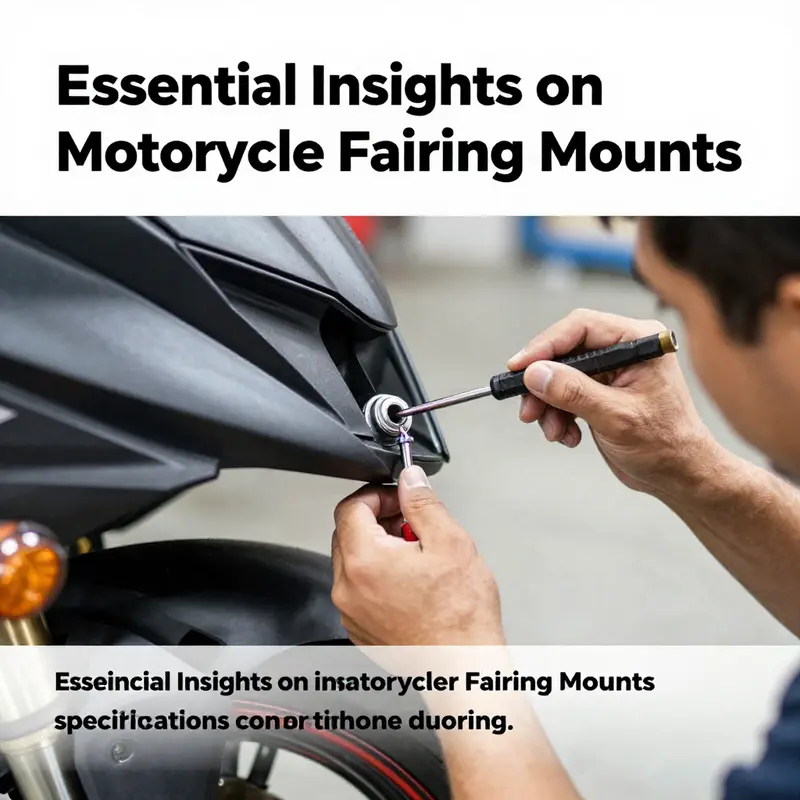
However, while the ease of installation is one of the selling points of bolt-on fairings, it is paramount to pay attention to alignment and torque specifications during installation. Improper handling can lead to misaligned panels, which may cause vibrations, noise, or even fatigue failures over time. Thus, adhering to the recommended guidelines ensures that the fairing provides optimal performance and durability.
Advantages of Integrated Fairing Systems
On the other end of the spectrum, integrated fairing systems present another approach that departs from the modularity offered by bolt-on solutions. These designs are permanently bonded or molded into the motorcycle’s chassis during manufacturing, resulting in a seamless and visually appealing appearance. The aesthetic benefit cannot be overstated; integrated fairings contribute significantly to a motorcycle’s overall style, providing a sleek and modern look that bolt-on systems often cannot match. The fewer gaps and joints present in integrated designs not only enhance the bike’s presence but also contribute to superior aerodynamic properties by minimizing drag during higher speeds.
While they offer a much cleaner look and improved function in terms of airflow, integrated fairing systems come with their own set of complexities. One major drawback is the increased difficulty of repair. In the unfortunate event of damage, repairing integrated systems can be both time-consuming and costly, as they often require specialized knowledge and materials that are not necessary with bolt-on systems. This complexity makes some riders hesitant to choose integrated fairings, especially for those who prioritize ease of maintenance and user-serviceable parts.
Additionally, integrated fairings do not always provide comprehensive wind protection for the rider, particularly those models that only cover the upper front section of the motorcycle. While these types shield critical components from debris and weather, the direct wind exposure can detract from comfort, especially on long rides at speed. Riders who prefer long-distance touring might find traditional integrated fairings less suitable compared to those that can be equipped for additional coverage.
Balancing Performance and Aesthetics
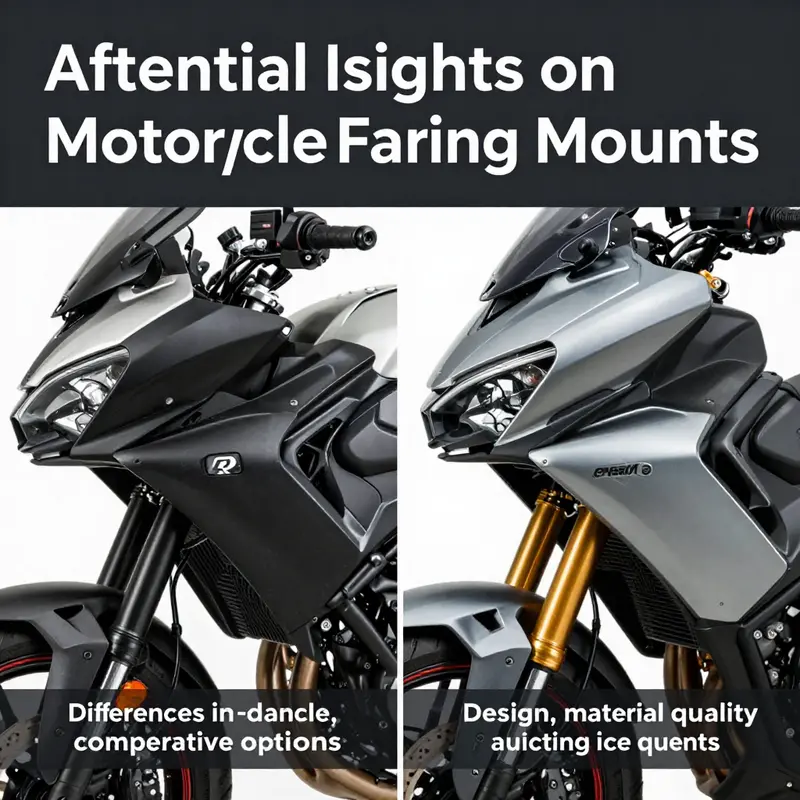
When weighing the pros and cons of bolt-on versus integrated fairings, one must consider the balance between performance needs and aesthetic desires. Riders who enjoy a hands-on approach often lean towards bolt-on systems, valuing the ability to customize their motorcycles regularly while performing all necessary maintenance without the need for specialized tools or extensive knowledge.
In contrast, those who prioritize cutting-edge design and aerodynamic efficiency might choose integrated fairing systems. While they tend to be more expensive and complex to maintain, their production values emphasize performance enhancements that can have a noticeable impact on handling and speed.
Compatibility with Accessories
Both systems are not merely limited to the fairings themselves; they also allow compatibility with various accessories that enhance the riding experience. Whether it involves installing a phone holder for GPS navigation or adding additional lighting systems, the type of mounting system can influence how easily you can incorporate modern features into your bike.
Bolt-on fairings, with their modular design, often make it simpler to attach accessories. Many aftermarket products are designed with bolt-on compatibility, ensuring that users have a variety of options to complement their motorcycle’s functionality. For instance, certain handlebar-mounted phone mounts offer quick-release mechanisms, enabling riders to detach their devices seamlessly when off the bike while also providing vibration damping to protect delicate electronics during rides. This integration of technology into bolt-on systems enhances the rider’s experience without compromising crucial performance factors.
Conversely, while integrated fairing systems have also adopted accessory compatibility, the fitment may not be as straightforward due to the nature of their installation. Accessories can be more challenging to implement without compromising the streamlined design of the fairing. As manufacturers begin to bridge this gap, some riders find new integrated options that support additional features without detracting from aesthetics, though this is often less common than with bolt-on systems.
Summary of Considerations
In conclusion, the decision to opt for either bolt-on or integrated fairing mounts fundamentally depends on the rider’s individual priorities. Bolt-on systems are synonymous with flexibility, practicality, and ease of modification, positioning them as an ideal choice for many DIY enthusiasts and custom bike builders. Riders valuing high adaptability and the ability to perform straightforward repairs may find these mounts more accommodating.
On the other hand, integrated fairing systems cater to those who seek a polished, aerodynamic profile that enhances the motorcycle’s visual appeal. Although they typically come with a higher initial cost due to their durable design and the precision required in repairs, they often deliver on performance enhancements that are hard to overlook.
Ultimately, the right choice becomes a reflection of the rider’s philosophy regarding motorcycle usage, maintenance, and aesthetics. Each rider will weigh factors such as cost, ease of maintenance, desired visuals, and the need for specific functionalities differently. Regardless of the choice made, the proper alignment, torque specifications, and consideration of associated accessories remain paramount to ensure that the motorcycle remains safe, functional, and a true expression of individuality.
This balance of utility and style underscores the importance of understanding the nuances of different fairing mounting systems, ultimately deepening the appreciation for the engineering behind motorcycle designs. As the market for motorcycle upgrades continues to evolve, riders benefit from a growing understanding of their options, allowing them to make informed decisions that enhance both their riding experience and the lifespan of their machines.
Chapter 2: Types of Motorcycle Fairing Mounts: An Overview of Quick-Release Mechanisms and Custom Configurations
1. Harnessing the Power of Quick-Release Mechanisms and Specialized Designs in Motorcycle Fairing Mounts
Motorcycle fairing mounts are fundamental not only to a motorcycle’s aesthetic appeal but also to its performance. They play a critical role in aerodynamics, providing a streamlined appearance that enhances speed and reduces drag. Quick-release mechanisms have emerged as one of the most innovative developments in this sphere, enabling riders to swiftly attach and detach fairings based on their riding needs. This adaptability is especially advantageous for track enthusiasts who require frequent changes to shift between racing and street configurations.
Quick-release Mechanisms
Quick-release motorcycle fairing mounts are designed with functionality in mind. They come in two primary forms, each with distinct advantages. U-shaped mounting brackets, typically secured with M6 bolts, are robust and offer a secure hold, making them suitable for both high-speed races and off-road environments where vibration and impact are concerns. This configuration provides a stability that minimizes the risk of fairing detachment, ensuring that the fairing withstands the challenges posed during aggressive riding.
Alternatively, 1/4-turn fastener clips present a modern solution for those who prioritize speed and convenience. These fasteners allow for a tool-free attachment and detachment process, making them perfect for racers who need to make quick adjustments on the fly. Major motorcycle brands, such as Honda, Yamaha, Suzuki, Kawasaki, Ducati, and Aprilia, have integrated these mechanisms into their race fairings, significantly enhancing their practicality and functionality on the track.
Furthermore, the quick-release functionality contributes to a versatility that resonates with a variety of riding scenarios. Adaptations for everything from casual rides to professional stunts illustrate the adaptability of motorcycles equipped with these advanced mounting systems. This versatility is reinforced by specialized configurations tailored for professional-grade bikes, where durability and reliability must be uncompromised. Riders in extreme environments benefit from mounts that feature reinforced structures capable of absorbing vibrations and impacts while maintaining the fairing’s position.
Niche Applications of Quick-Release Fairing Mounts
The design of quick-release mounts accommodates niche applications as well. For instance, modular or lightweight fairings that cover only the upper areas of the bike provide essential protection for the engine and exhaust components without fully enclosing the rider. This particular style of fairing enables airflow around the rider, which can enhance handling, particularly which is ideal for sport and adventure motorbikes.
Moreover, integrating practical accessories, such as smartphone mounts, into a quick-release fairing system can be a game-changer for modern riders. These mounts allow for easy access to navigation tools and music controls during rides. The combination of a fast-release mechanism with a secure phone holder represents the evolving nature of motorcycle setups, blending both form and function. As riders seek to enhance their motorcycle’s capability, this combination becomes increasingly popular.
Experts in the industry suggest that the fusion of durable, quick-release fairing mounts with effective smartphone holders portrays a new paradigm in rider safety and convenience. The designs are intended not only to look good but to serve a vital function. For detailed insights into various implementations, referring to guides on technical specifications and best practices surrounding motorcycle mounts can be beneficial.
Not just limited to aesthetic improvements or riding convenience, quick-release fairings also facilitate easier maintenance. Riders can efficiently access the underlying components for repairs, checks, or upgrades without the tedious process of removing the entire bodywork. This ease of maintenance represents an essential aspect of motorcycle ownership, particularly for those who consider each ride an opportunity to delve deeper into their machine’s performance.
Efficiency and Protection
Equipped with quick-release mounts, motorcyclists experience enhanced protection against debris and adverse weather conditions. Though some fairings may not provide complete wind protection, they significantly diminish rider exposure to projectiles such as rocks, dirt, and other hazards on the road. Thus, these mounts cater to performance enthusiasts living in the fast lane while ensuring functional enhancements arise from practical design elements.
Furthermore, each brand incorporates these mounts into their aesthetics, allowing them to meld seamlessly with the motorcycle’s overall design language. Riders can choose fairings that align with their bike’s styling, offering both operational efficiency and visual synergy.
In summary, quick-release fairing mounts have evolved into a cornerstone of modern motorcycle design, significantly impacting performance, accessibility, and rider experience. Options such as U-shaped brackets or 1/4-turn fasteners provide flexibility for various riding styles. Enthusiasts must recognize the importance of selecting the appropriate mounts to complement their motorcycle’s performance profile. Choices range from robust, bolt-on systems ideal for high-speed conditions to rapid-release options that suit competition requirements.
Ultimately, as the design and functionality of motorcycle fairing mounts continue to advance, riders can expect smoother rides, enhanced safety, and unparalleled riding experiences. Those looking to enhance their bike’s performance can explore a multitude of fairing options that align with their unique needs and riding preferences, while detailed guides on fairing mounts further enrich the overall understanding of these essential riding components. For additional information on specific models and brands, consider resources from Ram GPS Motorcycle Mount Explained: Structure, Properties, and How to Implement in Industry.
Chapter 3: Ensuring Peak Performance and Safety Through Motorcycle Fairing Mount Integrity
1. Maximizing Aerodynamic Efficiency and Rider Safety with Properly Installed Fairing Mounts
The installation of motorcycle fairing mounts is a critical procedure that greatly influences both aerodynamic performance and rider safety. Ensuring that these mounts are installed correctly, aligned properly, and securely fastened is not merely a matter of aesthetics; it is paramount for the operational efficiency and safety of the motorcycle. Misalignment or poor installation can lead to increased drag, instability while riding, and potential catastrophic failure of the fairing during operation, ultimately endangering the rider.
Aerodynamics: The Role of Fairing Mounts in Performance Enhancement
Properly installed fairing mounts contribute significantly to a motorcycle’s aerodynamic profile. Aerodynamics, the study of how air interacts with moving objects, plays a vital role in motorcycle design, impacting everything from fuel efficiency to handling stability at high speeds. The fairing on a motorcycle is designed to streamline airflow, minimizing turbulence and drag, which in turn enhances speed and overall performance. When the fairing mounts are secured correctly, the fairing remains in the intended shape and position, allowing it to efficiently manage airflow around the motorcycle.
When mounts are misaligned, they can create gaps or distortions in the fairing’s surface. This disruption can significantly affect how air flows over the motorcycle. For instance, if there are gaps at the seams between bodywork parts, air can slip through where it shouldn’t, leading to turbulence and an increase in drag. Riders may find a noticeable decrease in fuel efficiency, resulting in decreased performance during long rides or high-speed maneuvers. Additionally, the distorted fairing can create aerodynamic lift, which diminishes rider control and stability, especially at higher speeds. This lift can become dangerous, causing the motorcycle to feel loose or unpredictable—particularly unsettling for those riding sport bikes that are designed for precision and speed.
Consequently, ensuring the correct installation and alignment of fairing mounts results in smoother airflow and a cohesive aerodynamic structure, which is crucial for maximizing both fuel efficiency and the overall riding experience.
Safety: The Crucial Link Between Fairing Integrity and Rider Protection
Beyond impacting performance, the safety implications of properly installed fairing mounts are profound. A securely mounted fairing provides essential protection for various motorcycle components, such as the headlight, instrument cluster, and engine area. When a fairing is inadequately secured, these sensitive parts are exposed to the elements and potential damage from wind and debris, which can lead to costly repairs and may compromise rider safety.
The dangers of a poorly mounted fairing cannot be overstated. In a worst-case scenario, a fairing that becomes dislodged during ride could lead to catastrophic outcomes. The fairing may detach and become debris on the road, posing hazards not just to the rider but to other road users as well. Additionally, if a fairing were to shift during a high-speed maneuver, it may obstruct the rider’s view or disrupt their sense of spatial control, resulting in a loss of balance. Such disruptions can drastically escalate the chance of an accident.
The meticulous installation of fairing mounts is thereby paramount. Technical guidance often emphasizes aligning the fork mounts as the most challenging aspect of the entire installation process. This alignment sets the foundation for the fairing’s stability, ensuring it fits snugly against the motorcycle’s design. Once secured, the fairing should be tested under conditions similar to those it will encounter during normal usage—turning the handlebars, accelerating, and decelerating—to ensure that it does not shift or produce any unexpected vibrations.
By paying attention to torque specifications and utilizing the appropriate tools, riders can significantly enhance their safety on the road.
Final thoughts
Understanding motorcycle fairing mounts is essential for both business owners and riders. The right choice of mounts can enhance a motorcycle’s performance and reliability. By appreciating the different types of mounts, recognizing the necessity of proper installation, and weighing the benefits of OEM versus aftermarket parts, businesses can better serve their customers and ensure safety and satisfaction. Keeping these insights at the forefront will empower businesses to effectively meet the needs of enthusiasts who seek precision and quality in their motorcycle parts.
Ready to elevate your ride? Summit Fairings delivers premium, custom-fit fairings that blend style and durability. Whether you’re chasing speed or turning heads, we’ve got your bike covered. Don’t wait—transform your machine today. Click, customize, and ride with confidence. Your perfect fairing is just a few clicks away. Act now!
About us
We are one of the leading motorcycle fairing export sites, offering over 3,000 styles that cater to almost all motorcycle models. Shop at summitfairings.com to enjoy prices 10-40% lower than those of competitors. Our commitment to customer service ensures that any questions will be answered within six hours.