
Motorcycle fairing plastic clips are often overlooked yet play a crucial role in the structural integrity of fairing panels. Ensuring these clips are not only durable but also compatible with specific motorcycle models is essential for maintaining optimal bike performance and rider safety. This article delves into the significance of motorcycle fairing plastic clips, exploring their importance, material composition, installation procedures, compatibility and safety risks, and the evolving market trends that influence their demand. Each chapter highlights key aspects, reinforcing the central theme that these small fasteners are fundamental to motorcycle functionality and safety.
Holding the Line: How Plastic Clips Fortify the Structural Truth of Motorcycle Fairings
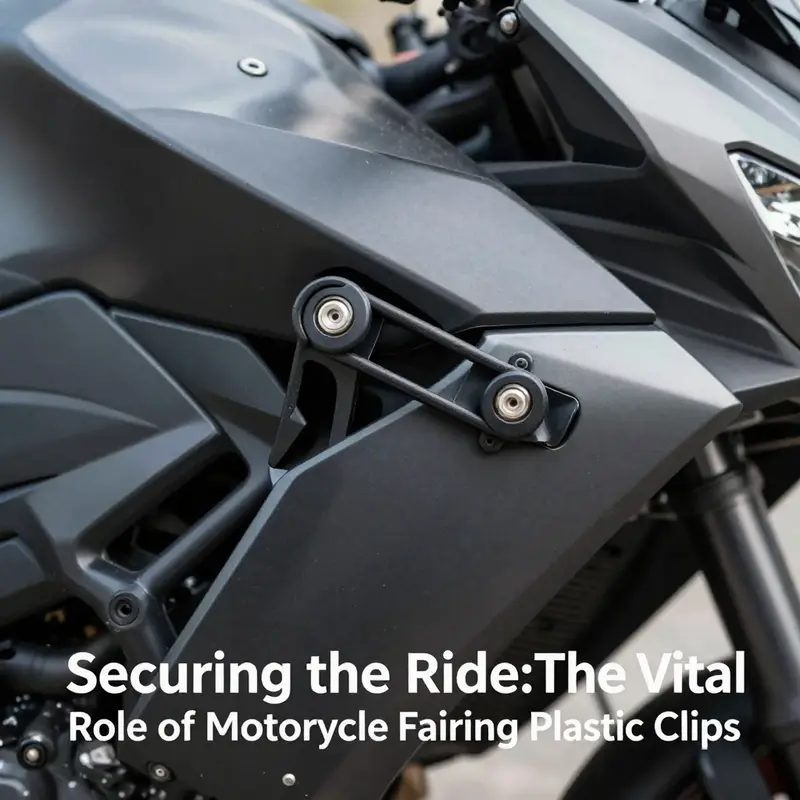
The quick click of a plastic clip may seem a minor detail in the grand machinery of a motorcycle, but it is one of the most consequential interactions between bodywork and chassis. Far from being a decorative fastener, the clip functions as a hinge, a shield, and a load path all at once. It anchors the fairing panels to the frame, preserves alignment, and helps the entire cladding system behave as a coherent, aero-efficient shell rather than a loose collection of panels. When the engine hums at highway velocity and the road rattles beneath, those clips feel the entire spectrum of stresses: vibration, temperature swings, wind pressure, and the occasional jolt from a pothole or a driveway lip. In that moment, the clips are not merely holding plastic; they are maintaining integrity, aerodynamics, and ultimately rider safety.
Durable, flexible materials are chosen precisely for their ability to endure those conditions without cracking or yielding. Nylon and reinforced polymers strike a balance between rigidity and give, which helps the fairing panels absorb tiny impacts without transferring all that stress directly to the mounting points. A clip that cracks or deforms even slightly can shift panels out of true, creating gaps, wind noise, or chatter that spoils the smooth flow of air over the bike. More critically, misalignment can alter the intended load paths within the fairing system, inviting excess strain on fasteners and mounting bosses. In a subtle but meaningful way, the clip becomes part of the fairing’s structural conversation with the frame; it’s a connector, a damper, and a mediator between disparate materials that must flex together as traffic, weather, and speed demand.
The interplay between fairings and the chassis is not accidental. Modern bodywork is designed to share some load with the frame, especially where the panels act as an external skin that helps manage cooling ducts, intake channels, and surface stiffness. In this context, the clip’s role extends beyond keeping a panel in place. It helps preserve the intended composite stiffness of the fairing system, contributing to the bike’s overall structural rigidity. If a clip loosens or fails, the panels can sag or bind, and the aerodynamics that rely on precise curve lines and gaps begin to degrade. The consequences ripple: increased drag, wind noise, and, in a worst-case scenario, a panel detaching at speed, which can be dangerous for the rider and others nearby. The clip, in effect, is a keystone in the arch of bodywork integrity.
A credible body of industry guidance reinforces this view. The Motorcycle Industry Council has underscored that proper installation and the use of high-quality clips significantly influence the performance of the fairing system, particularly in high-stress events such as a crash where every load path must be reliable. Their guidance suggests that improper installation or substandard replacements can diminish the effectiveness of the entire fairing system by a substantial margin—up to a forty percent reduction in protective capability in certain crash scenarios. That statistic is not a scare tactic; it reflects real physics: when the panels shift or separate, they no longer shield vital components, and the debris dynamics around a moving motorcycle change in ways that can magnify injury risk. The MIC’s advice is clear and practical: rely on OEM or certified replacements to safeguard fit and performance, and follow meticulous installation procedures that respect the material and geometry of the clips.
To translate those cautions into everyday practice, one must consider the specific fitment realities of different models and fairing kits. Although the core principle remains universal, the exact clip geometry, mounting points, and snap-in behavior are tailored to each design. A clip that fits one model precisely may not perform as intended on another, even within the same family of bikes, because the panels and frame connections have unique contours and load paths. This compatibility emphasis is why many riders and technicians seek out clips from sources that provide exact-fit guidance and technical specifications. Correctly matched clips help sustain alignment over the life of the bike, reducing the likelihood of panel rattling and minimizing the effort required during routine maintenance when panels must be removed for inspections or part replacement.
From a maintenance perspective, the clip is a serviceable component, not a disposable one. Routine inspection should become part of a rider’s pre-ride checklist, especially after long trips, off-road days, or any incident that involved a strike or impact near the fairing line. Visual checks can reveal cracks in the clip body, compromised locking tabs, or deformation at the mounting bosses. A tactile test—gently wiggling each panel to feel for unusual play—can help identify a clip that has begun to lose its grip. Replacing worn or damaged clips before they fail is a straightforward preventive measure that pays big dividends in reliability and ride comfort. It is also worth carrying a small assortment of spare clips and the appropriate removal tools, so a quick panel swap can restore integrity without forcing the rider into a long teardown.
Installation and removal techniques deserve emphasis for anyone aiming to preserve structural integrity over time. Clips are designed to be quick-release points that speed maintenance, but speed must not trump care. During installation, the panels should be aligned first using reference points and mounting bosses, then the clips should snap into their seats with a deliberate, even pressure to avoid stress concentrations. Over-tightening is as harmful as under-tightening, because excessive force can crack a clip or crack the panel near the mounting hole. Cleanliness matters too; a thin film of dirt, wax, or road grime can impede the clip’s engagement and create a loose feel that grows with vibration. When panels are removed, the process should be recorded or marked so that reassembly preserves the exact alignment. These steps may seem meticulous, but they are the practical translation of the structural principles at work: every clip must return to its original geometry so that the load continues to flow along the intended path.
The practical geometry of a fairing assembly also informs design choices that go beyond the clip itself. In some kits, multiple fasteners and a combination of snaps and screws work together to hold a panel in place. The clip acts as the first line of defense, providing rapid, repeatable attachment that can tolerate a certain amount of panel flex, while screws offer the more robust hold required for a longer service interval and for severe operating conditions. This hybrid approach reflects a design philosophy that prioritizes both accessibility and reliability. For riders who frequently service their own bikes or visit independent shops, the clip’s ease of replacement becomes a critical advantage. It means less downtime, lower maintenance costs, and less risk of a panel being left unsecured after a maintenance session.
Beyond the mechanics of fit and the physics of load transfer lies a broader lesson about how fairing systems contribute to the riding experience. Aerodynamics are not solely about sleek shapes; they depend on the precision of the seams, gaps, and alignments that the clips help maintain. A fairing that sits proud of its intended line almost always generates more drag and turbulence than a panel that hugs the frame with clean, consistent joints. And when wind flows predictably over a well-aligned surface, riders experience steadier balance at speed, more predictable feedback through the handlebars, and a quieter, more stable cockpit. In other words, plastic clips are not a cosmetic footnote; they are an essential part of the aeronautical logic of a motorcycle, translating the raw energy of motion into an efficient, controllable ride.
To connect this general perspective with practical choices, consider the model-specific realities of fairing kits. The same fairing line may be offered in several versions tailored to different sub-models or production years, each with its own set of clip types and mounting patterns. A technician or enthusiast who understands this will approach maintenance with a binder of reference data: which clips fit which panels, where the mounting bosses live, and how the clips engage with the corresponding holes and threads. This awareness reduces the risk of cross-model mismatches that can produce loose panels or inconsistent gap tolerances. It also underscores the value of sourcing clips from reputable suppliers who provide clear compatibility guides and technical specifications. For riders seeking a direct path to a considered, model-respecting fit, exploring a curated catalog that clearly labels which clips suit a given fairing kit can save time and preserve the structural intent of the original design. A practical way to bridge this need is to explore manufacturer-aligned collections that focus on precise-fit components for specific fairing families, such as a dedicated line of panels and clips that align with a particular model’s geometry. For instance, the broader documentation and catalogs maintained by reputable suppliers often present the exact-fit options alongside the relevant fairing panels, ensuring that maintenance and replacement preserve the intended stiffness and alignment. An example of how this alignment is presented in a compatible catalog is the GSXR-1000 fairing family page, which features a dedicated collection of panels and clips designed for that generation and chassis geometry.
Riders who take this approach often discover that clips are one of the most overlooked aspects of keeping a bike looking and behaving like new. They keep the bodywork snug against the frame, maintain the crucial tolerances that prevent rattling, and support the intended aerodynamic profile that contributes to stability at speed. In practice, this means a more confident ride on highways and a more predictable response when lane-splitting or maneuvering through traffic, where tiny shifts in panel alignment can amplify through the frame and handlebars. The simplicity of a clip belies its significance; a small part that quietly supports a large fraction of the bike’s structural and aerodynamic performance. The chapter’s central message returns to a single, pointed idea: if the goal is to preserve the fairness and effectiveness of the bike’s design, attention to the clips is not optional—it is essential.
For readers who want to see how this translates into real-world sourcing and fitment, consider looking into model-specific fairing collections that emphasize compatibility and proper mounting geometry. These resources provide precise-fit clips and panels that align with the measured points of the bike’s chassis, reducing the guesswork and the risk of misfit. It is a practical reminder that the integrity of the fairing system rests on disciplined attention to the detail that might seem small but is, in fact, foundational. As riders, technicians, and enthusiasts trade tips about maintenance routines, the consensus remains clear: the health of the entire bodywork system hinges on the reliability of its fasteners, with the plastic clip at the core. A well-chosen, properly installed clip can preserve alignment, protect aerodynamics, and keep the rider safe by preventing panels from loosening or detaching when the ride matters most.
If you want to explore a model-specific collection that emphasizes precise compatibility and ease of obtaining the exact-fit components, you can refer to a dedicated fairing catalog that covers a popular sportbike line and its fairing kits. This resource provides the kind of compatibility guidance that supports fast and accurate replacements and helps maintain the structural integrity of the bodywork. GSXR-1000 fairings collection.
For further reading and official maintenance guidelines that reinforce the critical role of correct fasteners, the MIC offers a detailed, technical resource on maintenance and bodywork care. The guidance covers best practices for installation, replacement, and inspection, underscoring the importance of using OEM or certified clips to ensure that the fairing system continues to perform as designed in both routine riding and emergency scenarios. See the official maintenance guidelines for motorcycle bodywork for a comprehensive, model-appropriate approach to keeping the entire bodywork assembly in peak condition. https://www.motorcycleindustry.org/resources/maintenance-guidelines-for-motorcycle-bodywork
Under the Skin: Material Science and Endurance of Motorcycle Fairing Clips
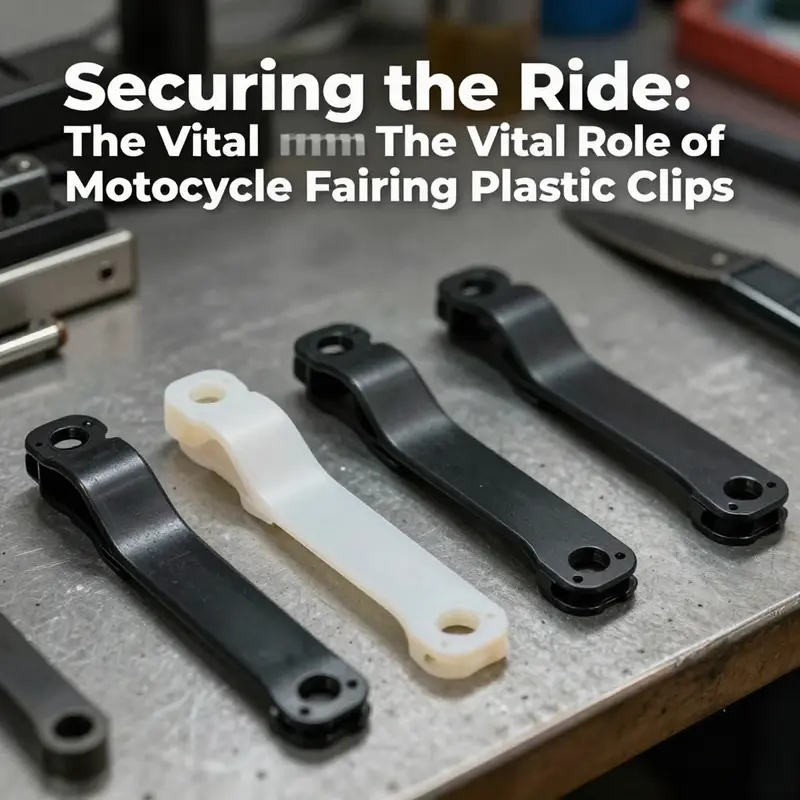
The fasteners that secure a motorcycle’s plastic fairings work in conditions their designers rarely advertise. They endure heat and cold, direct sunlight, and relentless vibrations. They tolerate road salt, rain, and the occasional sticker shock of a curb assault. Yet they are often the first line of defense against the kind of panel misalignment that can turn the bike into a wind-noise instrument or, worse, expose vulnerable edges to the elements. When people talk about the durability of a motorcycle, they typically discuss engines, brakes, and tires. But the quiet workhorse behind the aesthetics—the plastic clips that hold the fairing panels to the frame—deserves attention. These clips are usually made from durable, flexible plastics designed to resist cracking and loosening while absorbing some kinetic energy from minor impacts. The material choice, while seemingly small, governs a clip’s life span and its behavior under stress. In practical terms, the right material and the right geometry can keep a fairing panel secure through thousands of road hours, even in less-than-ideal weather, and can make maintenance a simpler, faster process for riders and technicians alike.
At the core of most durable fairing clips is a polymer with a proven track record for toughness, light weight, and environmental resistance. Acrylonitrile Butadiene Styrene, commonly known by its polymer shorthand ABS, is a frequent choice for trim panels and fasteners in modern motorcycle kits. ABS has a well-balanced combination of rigidity and impact resistance, which means it can resist embedded shock without shattering. It also offers good dimensional stability across a range of temperatures, which is crucial on bikes that ride from chilly mornings to hot afternoons without a rider freezing or the clip warping. ABS’s resistance to UV exposure is another reason it surfaces in exterior applications. Without stable UV performance, a clip that looks black and sleek in the showroom could fade, become brittle, and lose its grip after a season on the road. The durability equation for fairing clips thus begins with material selection, but it is completed by thoughtful design.
Design is more than just shape; it is a strategy for how a clip interfaces with the panel and the frame. A lot of modern clips use an expanding mechanism, a feature that secures panels with a clamping action rather than a rigid lock. This expands the range of panel thicknesses the clip can accommodate and reduces the need for precise, one-to-one hardware alignment. The result is a fastening system that remains reliable under normal vibrations and thermal cycling, while also allowing for easy removal when maintenance or repairs are required. The practical effect of this design idea is clear when a rider or mechanic slices the bike’s bodywork apart for access, and then reassembles it. The clip’s resilience makes reassembly straightforward and reduces the risk of misalignment during reassembly—the kind of risk that can lead to wind noise or panel flutter at high speeds.
The material’s endurance, however, is not a standalone triumph. It is closely tied to how the clip is manufactured and finished. In highly engineered castings or molded parts, tolerances matter. Even small deviations in height, width, or the precise diameter of a hole can cascade into looseness or a premature failure of a clip under load. That is why the market has grown toward standardized packaging, like 50-piece assortments of plastic rivet clips with common hole sizes such as 6 mm or 8 mm. These packs frequently specify a height around 25 mm and a consistent color, often black, to maintain an aesthetic uniformity across the bike’s panels. When these dimensions are accurate and consistent, a vast majority of fairing kits can be assembled with predictable performance, model after model and year after year. It is a quiet sort of reliability, the kind that comes from engineering discipline as much as from material science. Real-world riders report that properly engineered clips retain their grip under normal riding conditions, with minimal creep or loosening, which translates into a stable fairing that behaves as it should in the wind and under cornering loads.
The durability conversation cannot ignore the interaction between clip and panel. ABS is not an inert material in a vacuum; it must contend with the flexural demands of a moving body panel that expands and contracts with temperature, vibrates with engine and road input, and sometimes encounters the occasional impact from debris or a scuff with a parking lot barrier. Good clip design acknowledges this reality. It uses a geometry that distributes stress away from a single point of failure and provides a margin for tolerance stack-ups across diverse production lots. In the field, a clip that is too aggressive in its bite can crack the panel itself, while a clip that is too forgiving may permit panel shift that steadily worsens wind noise or creates water ingress pathways. The aim is a synergy: a clip that remains snug without becoming hostile to the panel over time and a panel that is forgiving enough to be consistent with a clip’s performance envelope.
From a maintenance perspective, the choice of material and the clip’s design influence serviceability. A panel that detaches or loosens easily is not just an inconvenience. It invites repeated disassembly and reassembly cycles, which wear the mounting points and can lead to misaligned gaps and mismatched lines across the fairing. In high-traffic riding environments, where exposure to heat and sunlight is relentless, a durable clip resists the relentless push-and-pull of panel removal and reinstallation, resisting the temptation to become brittle or lose its grip. A well-chosen ABS formulation not only resists cracking but also maintains its elasticity, so a clip can flex slightly to accommodate panel demounting without losing its clamping force when reassembled. This balance is critical; it ensures that a repair or a replacement does not set off a chain of adjustments elsewhere on the fairing’s geometry.
Another factor that strengthens confidence in these clips is model-specific compatibility. Fairing kits are designed around tight tolerances and precise mounting points. A clip that fits well in one model year’s fairing kit may be out of spec for another due to slight shifts in panel thickness, mounting boss position, or the curvature of the bodywork. The risk of using mismatched clips is not merely cosmetic. When panels don’t sit flush, the gaps can channel air in unexpected ways, creating noise, flutter, or even panel rubbing against the tire or brake lines. In the worst cases, improper fitment could lead to panel detachment under high-speed wind loads—dangerous and expensive to remedy. Therefore, material choice is not only about the raw strength of the clip but also about the precision that accompanies the entire mounting system. It is this interplay of material science and accessory design that gives riders confidence that the fairing will stay attached when the ride matters most.
For riders and technicians seeking to navigate the vast landscape of model compatibility, there is value in looking at model-specific catalogs and collections that group together parts designed to fit particular bikes. In practice, these resources help ensure that a clip’s dimensions and expansion behavior align with the corresponding fairing kit. When a clip and a panel have been engineered as an integrated pair, the result is a more durable and predictable fastening system. For readers who want to explore compatible fairing sets and see how a given model’s mounting hardware is framed within a broader kit, a visit to a dedicated parts collection can be informative. For example, a browse of the Honda fairings collection can illustrate how a standardized approach to fasteners, while not universal across all models, can reflect a consistent philosophy toward durability and serviceability. This approach—viewing the whole kit rather than a single clip in isolation—helps riders understand how the material and the design choices play into long-term reliability. Honda fairings collection provides a practical window into how manufacturers and retailers align components to the needs of a specific bike family, reinforcing the principle that material selection and mechanical geometry work together to produce a robust, maintainable system.
In considering the future of fairing clips, several trends offer promise. The push toward more sustainable manufacturing has researchers and designers exploring recycled-content polymers and bio-based substitutes that meet or exceed the environmental and performance standards set by traditional ABS. However, these transitions must preserve the crucial trade-off between rigidity and impact absorption, along with UV and thermal stability. Advanced polymer blends and surface treatments can further enhance resistance to scuffing and color fading, helping clips maintain their appearance and grip for longer periods. The average rider benefits when clips retain color uniformity and mechanical integrity across seasons, since cosmetic wear can be as jarring as mechanical failure in the eyes of a casual observer. The ongoing development of expanding-clip mechanisms also promises easier, tool-free maintenance while retaining strong retention forces. The engineering challenge remains the same: to harmonize material properties with the dynamic demands of a motorcycle’s bodywork and the realities of riding environments.
This discussion, while technical, ties back to a practical truth about motorcycles: the small parts, when well chosen and well designed, quietly support big outcomes. The durable plastic clips that fasten fairings do more than hold a panel in place. They help preserve the bike’s aerodynamic silhouette, maintain consistent gaps and reflections for a clean look, and protect sensitive internal components from exposure to grit and moisture. They also influence the ease with which riders can access and service the bike. A well-made clip system reduces maintenance time and lowers the risk of incidental damage during disassembly. In turn, this reliability builds confidence in the bike’s overall mechanical integrity, encouraging riders to push a little harder and enjoy the road with fewer interruptions.
As with any component that bridges design, materials science, and real-world use, the story of motorcycle fairing clips is one of balance. The right combination of polymer choice, manufacturing precision, durable geometry, and model-specific compatibility yields a fastening system that is more than the sum of its parts. It is the foundation of a fairing that remains elegant and functional from the showroom to the long, winding miles beyond. And it is a reminder that longevity in the biking world often rides on the strength of the smallest pieces—the clips that quietly keep the look, the form, and the function together, through heat, wind, and the world that spins by in a blur of color and chrome.
External reference: Plastic fairing clips details
Quiet Fit, Strong Hold: Installing and Maintaining Motorcycle Fairing Plastic Clips for Reliability and Aerodynamics
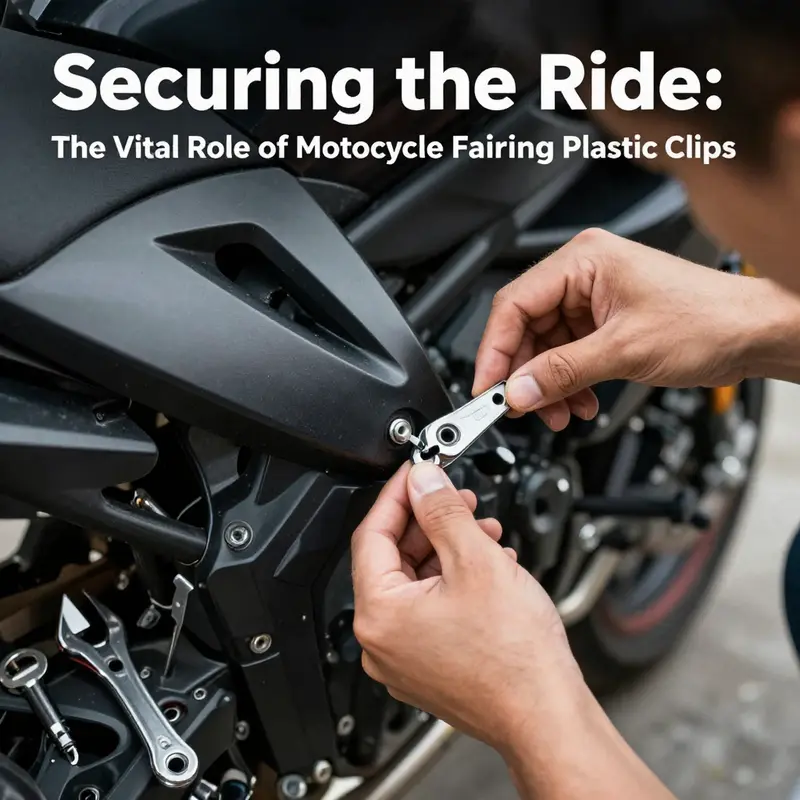
Small, tough, and almost invisible when the bike is in motion, the plastic clips that anchor motorcycle fairings are among the quiet workhorses of riding performance. They endure constant vibration, shifting temperatures, road grime, and the occasional impact without surrendering the panel-to-frame connection that keeps the fairing in its designed position. Yet their role goes beyond simply holding pieces together. Properly chosen and correctly installed clips preserve the aerodynamic profile of the bike, reduce wind noise, and protect the fragile plastic panels from stress concentrations that can lead to cracks or outright detachment. In short, these unglamorous fasteners influence handling feel, rider comfort, and even the longevity of the bodywork kit. As riders and technicians, we quickly learn that the difference between a smooth, quiet ride and a fluttering, rattling fairing is often the difference between a quick maintenance task and a much larger repair bill. The path to that reliability begins with understanding not just the clips themselves, but how they interact with the fairing geometry, the mounting points, and the surrounding environment. The materials these clips are made from—durable nylons and reinforced plastics—are selected for their balance of strength, flexibility, and resistance to vibration. They are designed to flex under load and rebound when the stress eases, a critical property for withstanding the constant micro-movements that occur as the bike travels down a bumpy road or sits in a windy parking lot. The friction fit that characterizes most plastic clips means there is no wrenching involved; rather, the clip is pressed into a prepared hole until it seats with a satisfying click. When installed correctly, this snap sound is not just an audible cue; it is a confirmation that the mounting point and the clip are aligned and engaged, ready to absorb minor impacts without transferring full load into the fairing panel. Misalignment or a mismatched clip, by contrast, can produce a cascade of issues—from uneven panel gaps and increased wind noise to cracks at mounting points and, in the worst case, detachment at speed. Given this reality, the best practice is to treat the clip as part of the fairing system rather than as a disposable add-on. It is a subtle but essential element that must be checked, cleaned, and replaced with the same care you devote to the screws, rivets, and the panel itself. As a practical matter, most modern fairing assemblies rely on a combination of fasteners, with clips serving as the primary attachment method because they enable easy removal during maintenance while still delivering a secure hold for daily riding. To ensure compatibility, it is crucial to match the clip design to the exact mounting points and hole geometry of the fairing kit being installed. Incompatibility can lead to loose panels or misaligned gaps, which not only look unsightly but also compromise the bike’s aerodynamics and the effectiveness of any seals or air channels designed into the fairing. It is a reminder that even a single incorrect clip can upset the carefully engineered balance of the bodywork. For those exploring options within a broader catalog of fairing hardware, the Honda fairings collection provides a useful reference point for comparing clip styles, mounting point configurations, and panel fits across multiple kits. This kind of reference improves the odds of finding a clip that seats correctly and holds its position under real-world riding conditions, rather than relying on an approximation that might fail under vibration or temperature changes. To keep a fairing system performing at its best, the maintenance routine should be straightforward and repeatable, focusing on the clips as a key maintenance item just like any other fastener. Regular inspections are the backbone of this routine. A rider or shop technician should look for signs of cracking, deformation, or detachment at every session or after any ride that involved rough road surfaces or a heavy wind gust. Cleaning is equally important. Plastic clips can trap dirt, salt, and road grime in their channels, which can impede their ability to snap firmly into place or gradually erode the grip of the friction fit. A mild soapy solution and a soft brush are usually sufficient to clear away buildup without stressing the material. Harsh chemicals should be avoided, as some cleaners can degrade the plastic or weaken the clip’s surface over time. High-pressure washes are not the friend of plastic fasteners; the same pressure that cleans can also drive dirt deeper into the clip’s engagement points or force water into gaps that should stay dry. In many garages, riders keep a spare pack of clips—often in a neutral color like black—which makes it easy to replace any clip that shows even a hint of cracking or looseness. Having spare clips on hand offers a simple hedge against the frustration of waiting for a replacement part to arrive. It also allows maintenance to proceed quickly when a panel is removed for service, ensuring that no temporary solution becomes a long-term compromise. When considering replacement strategies, it is helpful to think beyond the immediate clipping task. The environmental context—temperature fluctuations, humidity, road salt, and exposure to sunlight—plays a major role in how well plastic clips age. In extremely cold climates, nylon and reinforced plastics can become brittle if they are subjected to sudden shocks or rapid temperature swings. In those conditions, a conservative approach favors clips with a slightly higher resistance to brittleness and a design that distributes load more gradually around the hole. In hot, sunny environments, UV exposure and heat can accelerate aging, reducing the elasticity and snap strength of some clip formulations. In these cases, checks during routine maintenance are even more important, ensuring that no panel is held by clips on the edge of failure. The simple rule is this: treat the clip as a wear item that benefits from a proactive replacement schedule, not a piece that can be ignored when it seems to function. This approach helps preserve the aerodynamic and aesthetic integrity of the bike by maintaining consistent panel gaps, ensuring seals stay in place, and preventing wind noise caused by loose edges. When installing new clips, the fundamental steps are straightforward but deserve careful attention. Preparation begins with a clean mounting area on both the fairing and the frame. Debris, old adhesive residues, or corrosion can create uneven seating surfaces that undermine the clip’s grip. A failure to clean thoroughly can result in angled insertions or a clip that feels secure but shifts under vibration. Alignment is the next critical stage. The fairing panel should be positioned over the frame with the existing holes or attachment points precisely aligned. Temporary tape or alignment pins can help hold the panel in place during the initial positioning, reducing the risk of cross-threading or misalignment when the clip is inserted. With alignment secured, the insertion process begins. Push the clip through the hole from the inside (the frame side) toward the fairing. The clip should snap into place as it seats. A firm, even application of pressure is often all that is required. Jaw-tight or sudden force can distort the hole or the clip, which weakens the grip and may cause premature failure. Unlike metal fasteners that require torque to clamp, plastic clips derive their holding power from the friction fit. It is essential to avoid over-insertion, which can damage the clip or the surrounding plastic, reduce the clip’s engagement, or crack the hole itself. After installation, a gentle wiggle test on each panel section confirms that every clip is engaged and holding. Any clip that refuses to lock, or that allows noticeable movement, should be replaced immediately to prevent future rattle or panel separation. Maintenance is a continuous process. Regular checks every few months or after long rides, particularly in harsh weather, help catch problems before they escalate. Cleaning remains part of the routine, using soap and soft brushes to keep dirt away from engagement points. Harsh chemicals and high-pressure washers should be avoided because they can degrade the material, reducing its lifetime. Replacement becomes a routine matter when a clip shows cracking, deformation, or loss of grip. Having a spare pack on hand speeds up repairs and minimizes downtime. The environmental context continues to shape maintenance strategies. In cold climates, a light silicone-based lubricant applied to moving joints or adjacent connection points can help reduce stress during temperature shifts, though care should be taken not to overstress any area or attract dirt. The goal is to minimize micro-movements that contribute to wear while preserving the friction-based hold that is the essence of these plastic clips. In practice, the success of a clip-driven fairing system rests on the synergy between correct part choice, precise installation, and disciplined maintenance. Each component complements the others: the clip secures, but only when the mounting points are clean and aligned; the panel rests perfectly only when the clip seats with a definitive snap; and the ride quality remains quiet and predictable only when the entire system remains in good condition. For riders who want to deepen their understanding, a targeted reference can help. A broader catalog of compatible fairings and mounting hardware, such as the Honda fairings collection, provides a practical resource for evaluating how different clip designs work across a spectrum of kits and mounting configurations. This awareness matters because even within a single brand family, fairing variations can call for slightly different clip geometries, hole diameters, or engagement lengths. The goal is to match the clip to the panel, the hole, and the frame in a way that preserves the original design intent of the fairing system. The result is not merely a secure attachment; it is a system that preserves aerodynamics, reduces wind noise, and protects the investment in the bike’s bodywork. Those who follow a thoughtful process—from preparation through alignment, insertion, and post-installation inspection—lay the groundwork for a longer lifespan for their fairings and a more comfortable ride overall. The lesson extends beyond one install or one repair. It becomes part of a rider’s or technician’s standard operating procedure, a small but meaningful discipline that pays dividends in performance and peace of mind. For anyone who wants to explore further resources on installation techniques, the external guide from a trusted automotive parts source offers detailed steps and images that can reinforce best practices and help troubleshoot when the fit isn’t perfect. Access the guide at https://www.motocycleparts.com/guides/fairing-clip-installation. In the end, the mechanics of clips are a reminder that high-performance motorcycle design relies on countless tiny decisions. Each clip is a hinge on which comfort, safety, and speed can turn. When those hinges operate smoothly, the rider feels nothing and the bike behaves as if it were sculpted from wind itself. And when a clip slips or cracks, the problem is immediately visible in the form of a creak, a wobble, or a misaligned line across the panel—a reminder that in this domain, quality shows up in almost every quiet moment on the road.
Rivet Realities: Why Clip Compatibility Shapes Safety, Fit, and Longevity in Motorcycle Fairings
The plastic skin that coats a motorcycle is more than a cosmetic shell. Behind every sleek line lies a pragmatic network of fasteners that keep fairing panels aligned with the frame, shield wires and components, and help sculpt the bike’s aerodynamics. Among these fasteners, 6mm push-in rivets emerge as a quiet workhorse. They are small, but their role is large: they secure, allow for service, and transmit loads across the panel interface. When everything is designed and fitted correctly, these clips vanish from the rider’s consciousness, doing their job with minimal fuss that good engineering demands. When they fail or are ill suited, consequences travel far beyond a rattling panel; they creep into ride quality, safety, and long term durability. The chapter delves into why compatibility matters, how quality shapes outcomes, and what riders and technicians can do to safeguard their fairings and safety on the road.
Compatibility is not a peripheral concern; it is a core design and maintenance criterion. Clip compatibility encompasses exact hole size, mounting geometry, and the exact panel-to-frame relationship prescribed by the fairing kit. A clip that does not securely engage the hole may seem to hold temporarily, but vibrations will soon reveal the weakness. Panels may shift, lines may misalign, and gaps can widen. The aerodynamic harmony of the bike depends on this precise fit; even a small misalignment can alter wind flow enough to increase drag, generate noise, or create a vented path for debris and moisture to invade the bodywork. In extreme cases, misfit can escalate into panel detachment, which is not merely an aesthetic setback but a safety hazard capable of alarming a rider at speed. The risks scale with riding conditions, weather, and the stresses of aggressive cornering or high-speed cruising, where the fairing must stay glued to its intended place and shape.
The 6mm push-in rivet is a practical standard because it balances secure engagement with serviceability. It anchors a panel in a way that is straightforward for a mechanic to remove without specialized tooling, a quality that matters during routine maintenance or quick field repairs. Yet the same simplicity invites a misleading belief that all 6mm clips are interchangeable. The reality is more nuanced. Compatibility hinges not only on diameter but on the exact hole finish, the surrounding ribbing, and how the panel seats against the frame. Subtle differences in hole depth, edge thickness, or the precise curvature of a mounting tab can turn a seemingly perfect fit into a stubborn bind. In a market that emphasizes aftermarket availability, it becomes essential to verify the clip geometry against the manufacturer’s documentation and the fairing kit’s mounting plan. Otherwise, riders risk a panel that is in place but not truly seated as intended, with consequences that multiply through the ride cycle, the tone of a rattle, the look of a panel edge, and the measurable effects on aerodynamics.
Quality is the hinge on which compatibility swings from possibility to reliability. High-grade plastics designed for fasteners in the harsh environment of a motorcycle are more than a matter of pigment and texture. They must resist impact and flex without cracking, endure UV exposure that can embrittle or discolor, and survive thermal cycles that swing between sun-baked heat and cool shade. A robust clip material will absorb micro moments of stress when the fairing encounters road vibration or a light impact from a stone or branch without transferring that energy into the panel edge. Cheaper materials may perform adequately for a time, but their fatigue characteristics can show up as hairline cracks around the mounting hole or a loss of elasticity that makes the clip easier to pull out. The combined effect of material choice and precision molding determines how well a clip ages under daily riding, wash cycles, and the occasional off-road encounter when a fairing panel encounters a curb or a stray object.
All mechanics recognize that the best clip in the world cannot compensate for a poor mounting plan. A panel that is anchored by a sole 6mm clip may appear secure in a static test, yet under dynamic loading the panel can press unevenly, creating a point load that wears a slot, lifts an edge, or propagates small fractures around the hole. The practice of using a mixed fastening approach—clips often paired with screws or additional fasteners—remains common because it distributes loads and reduces the likelihood of a single point of failure. The aim is not brute force but graduated, stable support that resists movement while still allowing deliberate removal. In practice, the most reliable installations exhibit a thoughtful distribution of fasteners along each panel line, with attention paid to where the most bending, twisting, or vibration occurs during riding. The net effect is fewer hassles during maintenance and a bodywork fit that holds its line over thousands of miles.
The decision between OEM fasteners and aftermarket equivalents is a recurring theme for riders who pull apart and reassemble fairings. OEM parts are designed to match exact hole diameter, mounting geometry, and engagement behavior that the manufacturer built into the bike. This fidelity pays off in predictable fit and consistent performance across the life of the motorcycle. The trade-off, however, is cost. OEM clips can be expensive when purchased individually, and some owners face a higher total bill when replacing large sections of fairing hardware. Aftermarket options, by contrast, can offer competitive reliability at a lower per-piece price, but they require circumspection. Even when an aftermarket part is marketed as compatible, that label does not guarantee a precise hole-to-panel match. The best practice is to verify model-specific compatibility through official or high-quality vendor documentation, and to scrutinize the clip’s geometry, not just the material type or the general 6mm designation. In the end, the choice reflects a balance between the assurance of factory-grade fit and the practicality of cost and availability. The rider’s priorities, whether to maximize fidelity to factory standards or to optimize for long-term maintenance affordability, will guide the decision.
Installation, while seemingly routine, is a critical phase in the life of a clip system. Proper seating demands clean burr-free holes and an aligned panel before the clip is fully engaged. Debris and rough edges can abrade the clip during insertion, reducing its effective grip and inviting early wear. Alignment must be verified across the entire length of the fairing; a single misaligned hole can force a panel out of plane, producing gaps and a perceptible kink in the line of the bodywork. A clip that shows signs of cracking, stress marks, or elongation must be replaced rather than reinserted. This is not just about appearance; it is about ensuring that the fastener can endure the repeated cycles of vibration, flex, and temperature change that occur during riding. The practice of routine inspection—checking for looser panels, unusual movement, or shifting alignment during cleaning—acts as a guardian against slow-developing failures. A small amount of moisture trapped in a gap can be a subtle early signal that a clip is failing to seal properly and that a replacement is warranted before the problem worsens.
The broader implications of clip quality extend into the rider’s experience and the machine’s service life. A well-chosen, correctly installed clip system supports smoother airflow, which preserves the intended aerodynamic profile and protects nearby components from stress. It minimizes wind noise and ensures the fairing’s edges stay in close, consistent contact with the frame. Conversely, a compromised clip system invites movement, increases friction against panel edges, and can accelerate wear on the adjacent plastic. Over time, that wear manifests not only as unsightly scratches or cracks but also as a less precise fit, which invites further adjustments, more frequent maintenance, and a cycle of mounting and remounting that erodes the fairing’s structural integrity. The ripple effects emphasize why compatibility and quality are not a footnote but a foundation of safe, reliable riding.
For those who want to approach this with a methodical mindset, a clear set of priorities emerges. First, always confirm hole size and mounting geometry against the actual model and fairing kit. Do not rely on a generic 6mm label alone if the part is intended for a specific bike family. Second, invest in high-quality materials that tolerate environmental stress without cracking or losing color. Third, recognize that the combination of clips with other fasteners can provide superior performance, because shared loads reduce the risk of failure at any single point. Fourth, treat the clips themselves as serviceable components: replace worn or damaged pieces rather than reusing them, and plan maintenance checks that include visual and tactile assessment of all fasteners along the fairing perimeter.
To connect practical maintenance with a broader resource, enthusiasts can explore a broader range of parts designed to work with specific maker lines by visiting the Suzuki fairings collection. This link provides access to a curated assortment of fairing pieces, making it easier to match components to the intended geometry of your machine: Suzuki fairings collection. In addition to model-specific guidance, the literature on material performance reinforces the value of choosing durable plastics that can absorb shocks and withstand the elements without succumbing to cracking or yellowing. For readers who want to deepen their understanding of the materials themselves, a respected independent guide discusses the properties of motorcycle body plastics, including grades and applications for fairings. That external resource offers a deeper dive into why certain polymers perform better under heat, UV, and environmental exposure: https://www.osp.co.uk/motorcycle-body-plastics-kits-fairing-covers-material-grades-properties-and-uses/
Riding the Clip Economy: Market Currents in Motorcycle Fairing Plastics
The motorcycle fairing ecosystem is not only a collage of forms and colors; it is a tightly woven economy built around the small, decisive plastic clip. Molded from durable polymers, clips hold panels that slice through air, weather, and vibration, shaping both aesthetics and performance. When we map the market for fairing fasteners, plastic clips emerge as a quiet but powerful lever. In 2025 the broader fairing market was approaching USD 15.3 billion, and analysts project a robust CAGR of around 10 percent from 2026 to 2033, with potential to push market value toward the mid-30s billions. Those figures reflect more than revenue; they signal priority shifts across OEMs, aftermarket retailers, and riders. Aero efficiency, durability, and appearance all hinge on how securely a fairing remains fastened, and clips are the unsung enablers of that balance.
To understand momentum in this space, consider what riders want from modern fairings. The primary goal is drag reduction without compromising structural integrity. A clean, aerodynamically tuned profile lowers wind resistance, improves stability at speed, and supports better fuel economy. The clip is the hinge between design ambition and real-world performance: it must hold panels securely while tolerating vibration, temperature swings, and exposure to sun, rain, and grime. The ideal plastic clip is not simply cheap and easy to install; it should absorb minor impacts, resist cracking, and sustain thousands of mounting cycles through maintenance and repairs. The cost dynamics—low per-unit price paired with high cumulative value—explain why clips win favor with both OEMs and aftermarket suppliers.
Rising demand for distinctive visuals also elevates customization. Riders increasingly seek aftermarket fairing kits that span from full kits to race replicas or solo-seat configurations. This trend changes not only appearance but also the scope and complexity of fastener systems. High-performance clips are required to sustain a secure hold under dynamic riding, while still enabling rapid, tool-free access for repairs. A kit that looks right but performs poorly in the real world quickly loses favor because loose panels increase wind noise and jeopardize safety at speed. In this context, clip technology becomes inseparable from perceived value.
Material science has advanced to meet these demands with resilient, UV-stable polymers designed for long life. Innovations in plastic rivets and clip geometries deliver components that resist environmental attack and mechanical stress while keeping costs in check. These materials are engineered to endure sun exposure without embrittling, tolerate heat cycling without losing grip, and resist chemical exposure from fuels and cleaners. Sustainability threads run through this development as well, with riders and manufacturers gravitating toward parts that pair longevity with eco-conscious materials and responsible production.
The OEM–aftermarket interface is a key driver of the clip economy. OEMs prize ease of assembly, minimal tooling, and repeatable performance across production lines. Clips that snap in with minimal tools speed assembly, reduce labor, and support rapid model updates. Aftermarket players compete on fit, finish, and price, offering alternative polymers, color-matched options, and design variants that enable bold aesthetics. This dual market fosters a steady stream of innovations: new clip geometries that better absorb vibrational energy, improved materials that resist UV and heat, and cleaner, less labor-intensive installation methods that lower repair barriers. In short, quality and reliability are the currency; the consequences of poor fasteners extend beyond cosmetics.
Beyond basic fit and hold, the economics of clips mirror broader industry shifts. Global production requires resilience to disruptions, and plastics—with their low tooling costs and scalability—fit that need. But resilience also means predictability: standardizing clip families so one tooling setup supports multiple variants enables faster response to demand spikes in different regions or model families. Distributors and retailers then optimize stock to cover both popular OEM configurations and growing aftermarket kits. The result is a marketplace where a single clip type can support dozens of panel configurations across many models.
Regional dynamics shape the market in meaningful ways. In Asia-Pacific and Europe, riding culture and licensing influence the pace of new model introductions and, by extension, demand for quick-install clip systems. In North America, the aftermarket segment often drives growth as riders pursue personalization and performance enhancements after purchase. These regional patterns interact with the broader push toward sustainable materials and longer-lasting components. When manufacturers plan next-gen fairing clips, they weigh today’s unit price against long-term maintenance costs, warranty risk, and consumer satisfaction across markets.
The move toward modular, kit-based customization adds complexity—and opportunity. Riders want distinctive looks and optimized aerodynamics, so clip systems must accommodate a wider variety of panel layouts and mounting points. This motivates standardized, modular clip families that can be repurposed across fairing designs, plus robust compatibility guides and precise specification data. Proper fit reduces misalignment, wind noise, and panel damage during riding or handling. For manufacturers, success hinges on mating geometry, material compatibility, and retention force across temperature and humidity ranges. The sweet spot blends performance, durability, and cost across a spectrum of fairing configurations.
Advances in manufacturing are making these objectives more attainable. Injection molding, precision extrusion, and automated quality control enable tighter tolerances and more consistent clip performance. The ability to produce clips with complex geometries lets designers tailor retention forces to specific panels, whether lightweight decorative pieces or heavier, load-bearing sections. The result is a more reliable system overall: panels stay in place at speed, yet can be removed with modest effort for routine maintenance. This reliability translates into lower warranty costs for OEMs and smoother aftermarket experiences for retailers.
Sustainability considerations shape the economics of fairing clips as well. The push toward longer-lasting components reduces waste and maintenance needs. Producers are exploring recycled-content resins and ternary blends that maintain performance while lowering environmental impact. This aligns with broader consumer preferences for durability and responsible production. At the same time, high-performance polymers can have different cost curves than commodity plastics, requiring thoughtful product positioning. The most successful clip programs balance performance, durability, and cost—and they recognize that rider trust depends on predictable, long-lived performance.
As the market evolves, accurate compatibility and fit remain central. Clips are not one-size-fits-all; each mounting point, panel thickness, and edge geometry can demand a distinct retention profile. For manufacturers and retailers, cataloging and communicating specifications is essential. This reduces misfit during assembly, post-purchase modifications, or routine maintenance, and helps consumers choose components for their bikes whether shopping in-showroom or online. A well-documented, consistent lineup of clips underpins consumer confidence and loyalty in a world where appearance and performance are inseparable.
Looking ahead, the trajectory mirrors related polymer-fabricated automotive and two-wheeled accessories. Demand for durable, lightweight, and customizable bodywork components will likely rise as polymer science advances, aerodynamics are refined, and a culture that values speed and style persists. Practitioners will succeed by delivering secure, user-friendly installation, robust resistance to environmental stressors, and the flexibility to adapt to evolving fairing designs. The clip, small though it is, remains a pivotal hinge on the motorcycle’s aesthetics and performance.
For readers curious about practical configurations, regional variations offer useful context. Industry analyses emphasize not only market size and growth rates but also the importance of collaboration across design, materials science, and supply-chain disciplines. The convergence of these domains explains why a component as simple as a plastic clip can be a strategic asset in a highly competitive market. It is a reminder that innovation in the motorcycle world often travels through fasteners, not just engines or aero shaping.
If you want a tangible map of how fairing pieces come together in real bike builds, a broad reference can illustrate how panels, mounting points, and retention methods interlock to form a ride-ready shell. For example, an overview of a broad collection can show how different panels and mounting points align across model lines while staying compatible within a family. Such references help explain why a single clip choice can ripple through fit, noise, and durability.
External resources that discuss the larger market context can be illuminating. See the detailed analysis at Grand View Research for a comprehensive assessment of market size, share, and trends from 2026 to 2033: https://www.grandviewresearch.com/industry-analysis/motorcycle-fairing-market.
Final thoughts
Motorcycle fairing plastic clips play an indispensable role in ensuring not just the aesthetic appeal of the bike but also its safety and reliability. As the industry moves towards more advanced materials and designs, understanding these components’ function and significance becomes vital for motorcycle enthusiasts and business owners alike. By investing in high-quality clips that guarantee compatibility and durability, motorcycle retailers can significantly enhance the customer experience and safety. As market trends evolve and the demand for quality motorcycle parts continues to grow, staying informed about these small yet crucial components can lead to better business decisions that ensure loyal customers and safer rides.