
Introduction
As a motorcycle business owner, understanding the nuances of motorcycle fairing repair costs is crucial. Fairings are not only essential for the aesthetic appeal of the bikes but also play a vital role in aerodynamics and protection. This article delves into various aspects of fairing repairs—from DIY options to professional services—and provides a detailed evaluation of costs associated with different materials and motorcycle types. Each chapter will offer insights that can help guide your decision-making process, ensuring you choose the most economical and effective repair solution for your inventory.
Tables of Contents
Chapter 1: Navigating the Costs of DIY Motorcycle Fairing Repair: An Insightful Guide
- Unpacking the Economics of DIY Motorcycle Fairing Repairs: A Cost-Effective Choice
- Navigating the DIY Motorcycle Fairing Repair Process: A Hands-On Approach
- Navigating the Costs of Essential Materials for DIY Motorcycle Fairing Repairs
Chapter 2: Understanding the Financial Implications of Motorcycle Fairing Repairs
- Navigating Cost Variables in Professional Motorcycle Fairing Repairs
- Deciding When Expert Help Is Essential for Motorcycle Fairing Repairs
- Making the Case for Professional Motorcycle Fairing Repairs: Prioritizing Safety and Performance
Chapter 3: Understanding the Price Points of Motorcycle Fairing Replacement: Factors at Play
- Unpacking the Cost Drivers in Motorcycle Fairing Replacement: Key Considerations
- Evaluating Cost vs Quality: Making an Informed Choice Between OEM and Aftermarket Fairing Options
- Understanding the Financial Ripple Effects of Motorcycle Fairing Modifications on Insurance and Resale Value
Chapter 4: Evaluating the Financial Landscape of Motorcycle Fairing Materials: An In-Depth Cost Comparison
- Economic Implications of Repairing Motorcycle Fairings: A Comparative Look at ABS and Carbon Fiber Costs
- Navigating the Complexities of Repair Costs: How Material Choice Influences Motorcycle Fairing Repairs
- The Economic Landscape of Fairing Repair Materials: Evaluating Plastic and Carbon Fiber
Chapter 5: Understanding the Cost Dynamics of Motorcycle Fairing Repairs Across Different Models
- Budgeting for Motorcycle Fairing Repairs: A Focus on Standard Models
- Impact of Motorcycle Design on Fairing Repair Costs: A Focus on Sport Bikes and Larger Displacement Models
- The Cost Dynamics of Fairing Repairs in Premium and Custom Motorcycle Models
Chapter 1: Navigating the Costs of DIY Motorcycle Fairing Repair: An Insightful Guide

1. Unpacking the Economics of DIY Motorcycle Fairing Repairs: A Cost-Effective Choice
When faced with the need to repair a motorcycle fairing, riders are often confronted with a pivotal question: should they repair or replace? Understanding the costs associated with a DIY approach for fairing repairs can illuminate the budget-friendly benefits of this practical route. The complexity of the task largely hinges on the damage’s severity, the fairing’s material, and the tools required to restore it to its former glory.
For minor issues such as superficial scratches or small cracks, utilizing a DIY repair kit surface as an economical and efficient option. These kits, generally priced between $20 to $50, include essential materials like epoxy resin, filler compounds, sandpaper, and matching paint. Many riders have reported successful repairs that bring their fairings back to life for a fraction of the price of a replacement. For instance, a Reddit user shared a transformation story about a cracked plastic fairing that cost about £36 to fix, showcasing a repair that looked practically new compared to the over £80 needed for a brand-new part. This anecdote highlights not just cost efficiency but also the capabilities of everyday enthusiasts with the right tools and know-how.
However, the scope of damage plays a critical role in determining the feasibility of a DIY repair. Significant damage—such as large cracks, structural deformation, or deep gouges—can necessitate a more complex approach. This may include labor-intensive methods like heat shaping or even replacement of a section. In such cases, material costs can incrementally increase, and the risk of improper repair heightens if the rider lacks the requisite skills or experience.
In addition to the direct costs of materials, another key factor is the time commitment involved in a DIY repair. While mechanically inclined individuals may find satisfaction and enjoyment in undertaking repairs, novices could face steep learning curves that potentially lead to increased repair mistakes. Furthermore, inadequate adhesion or compromised structural integrity could result in unsafe riding conditions, emphasizing the importance of proficiency in DIY repairs.
To add another dimension to this decision-making process, it’s noteworthy that many aftermarket suppliers now offer OEM-compatible fairings at competitive prices. Sourced predominantly from manufacturing hubs like Guangdong and Zhejiang in China, these parts benefit from efficient production and logistics, often making replacement fairings more accessible than anticipated. Consequently, when contemplating between repairing and replacing, evaluating the prices of new fairings—especially when they are just marginally more than the cost of a DIY repair—becomes essential.
Ultimately, the DIY path remains the most prudent financial choice for repairing minor to moderate damage, allowing riders to keep their fairings functional and aesthetically pleasing without incurring the high costs associated with professional services or full replacements. However, for those facing significant damage, the potential investment into professional repair or even full replacement should not be overlooked, especially when the integrity of the motorcycle’s structure and value is at stake. For additional aftermarket fairing options, check out these resources.
2. Navigating the DIY Motorcycle Fairing Repair Process: A Hands-On Approach
Repairing a motorcycle fairing can seem daunting, but with the right guidance, it’s a manageable project that saves money and enhances your skills. Start by thoroughly assessing the damage to determine the repair’s complexity. Minor scratches or chips can often be remedied quickly, while larger cracks or structural damage may require more involved techniques. Using a flashlight at an angle can help highlight subtle imperfections that may not be immediately visible.
Once you have evaluated the damage, gather your tools and materials. The essential supplies for a basic repair typically include sandpaper, fiberglass repair kits for larger flaws, and a basic plastic welding kit for ABS plastic fairings. The estimated cost for these necessary items ranges from $90 to $200. For instance, sandpaper costs approximately $5–$10, while a reliable fiberglass repair kit may set you back $15–$30. Don’t underestimate the importance of safety gear such as gloves and goggles, which add an extra layer of protection during repairs.
Next, prepare the surface where the repair will take place. Clean the damaged area using isopropyl alcohol to eliminate dust and grease. Lightly sand the surface with 80-grit sandpaper to promote adhesion. In cases of significant damage, like a hole or break, reinforce these areas with fiberglass cloth or a patch of scrap plastic on the back side before proceeding with the repair itself.
You’re now ready to tackle the repair. For cracks and holes in fiberglass or composite materials, mix the resin and hardener according to the instructions, then apply this mixture over the damaged area. Let it cure for several hours before sanding it smooth with 220-grit sandpaper. On the other hand, if your motorcycle features ABS plastic fairings, utilize a plastic welding kit. Heat the tip of the welder and apply melted plastic along the break, forming a strong bond that typically outperforms adhesive in durability.
Once the epoxy or welded area is firm, it’s time to prime and paint. Using automotive primer, apply a layer to the repair site and ensure it dries completely. Follow up with automotive paint that matches your bike’s original color. Multiple light coats yield the best results, creating a professional finish. A clear coat at the end provides added UV protection and a glossy appearance.
While DIY repairs are gratifying and budget-friendly, it’s imperative to understand your limitations. More significant structural repairs affecting aerodynamics may require a professional’s touch for safety and aesthetic alignment. Similarly, if the complexity of your motorcycle’s fairing design overwhelms you, considering a professional repair could ultimately mitigate further costs down the line.
In summary, a successful DIY fairing repair can not only spare you significant expenses—potentially saving between $200 to $500 compared to professional services—but it also gives you a fulfilling hands-on experience. With dedication, patience, and the right materials, transforming your damaged fairing into a visually striking, functional part of your motorcycle is entirely feasible. For those embarking on this journey, consulting resources such as Summit Fairings can aid in sourcing the specific parts you need.
3. Navigating the Costs of Essential Materials for DIY Motorcycle Fairing Repairs
When tackling a DIY motorcycle fairing repair, understanding the costs associated with materials is paramount. The nature of the damage, the type of fairing—whether it’s a full fairing, half fairing, or a custom design—and the materials you select can greatly influence your overall expenditure.
For minor damages such as small dents or scratches, the outlay for basic repair kits typically ranges from $20 to $50. These kits generally include essential items like fiberglass resin, polyester resin, filler compounds (like body filler or epoxy putty), sandpaper, primer for massing, and matching paint. Combining these ingredients can allow you to restore a fairing to an appearance comparable to its original condition, emphasizing the savings compared to more costly replacement parts.
In terms of materials, fiberglass resin serves as a foundational item due to its strength and adhesion qualities. Similarly, polyester resin is an economical option for non-structural repairs, although it may not hold up as well under stress. A common choice among DIY enthusiasts is a mixed approach involving both resin types, maximizing the benefits of each.
When repairs require a more serious intervention—large cracks or sections lacking structural integrity—the cost of materials can climb significantly. High-quality, durable materials such as epoxy-based resins or specialized automotive-grade fillers might add to the investment. With such requirements, it’s not uncommon for expenditures to escalate towards the $150 to $500+ range, depending on the scope of the repair.
In addition to the materials themselves, remember to account for the necessary tools. While you might possess some general tools, investing in specialized equipment can enhance your repair outcomes. Tools like heat guns, mixing sticks, and safety equipment—gloves and masks—are essential, and they can add to your initial costs. Moreover, using subpar tools or inadequate materials can lead to further issues down the road. Common problems, such as delamination, cracking, or uneven finishes, can make an initially cheerful DIY project turn costly in the end.
It’s also critical to consider the evolution of motorcycle fairings over time. Modern fairings often incorporate advanced composite materials or injection-molded plastics that necessitate not just unique adhesives but also specific repair techniques that might not be covered in standard kits. Matching your repair materials to the original manufacturer’s specifications not only boosts the longevity of your work but also ensures you maintain aesthetic consistency, which is crucial for any motorcycle enthusiast.
For sourcing and pricing, companies like Eastwood cater specifically to motorcycle repair needs, providing a comprehensive range of materials, including primers, fillers, and UV-resistant paints suitable for outdoor exposure. By considering these aspects, you can tailor your DIY repair project to fit both your motorcycle’s needs and your budget. You can explore a variety of options for fairing parts, especially if you ride a popular model, at sites like Honda CBR Fairings.
In conclusion, while undertaking motorcycle fairing repairs yourself can be a fruitful endeavor, it’s wise to carefully weigh material costs, the necessary tools, and matching them to your motorcycle’s requirements to truly benefit from a DIY approach.
Chapter 2: Understanding the Financial Implications of Motorcycle Fairing Repairs
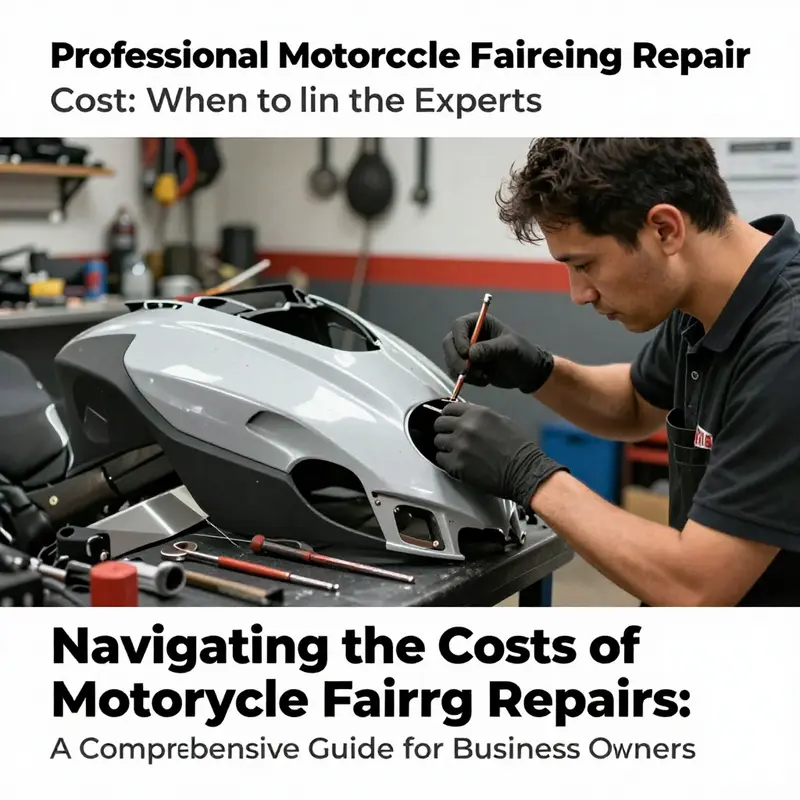
1. Navigating Cost Variables in Professional Motorcycle Fairing Repairs
The costs associated with professional motorcycle fairing repairs are influenced by a multitude of factors that can significantly affect the overall expenditure. Understanding these variables is essential for motorcycle owners assessing whether to repair or replace damaged fairings.
One of the first aspects to consider is the type of fairing. Motorcycles are often fitted with different fairing styles, such as full fairings, half fairings, or naked frames. Full fairings, which enclose the motorcycle’s entire body, are particularly complex due to their multi-section design, enhancing both aerodynamics and rider protection. This design complexity frequently leads to higher repair costs due to the intricate labor involved in fixing or replacing multiple panels. Half fairings, while less encompassing, still demand a certain level of expertise when repairs are necessary, as they cover only the upper front section of the bike. Their popularity among commuter and sport-touring motorcycles indicates a balance of aerodynamics and access but can expose these models to wear and repair frequency due to increased wind and debris exposure.
The material quality of the fairings also impacts repair costs significantly. High-end materials such as ABS plastic or composite polymers offer durability and resistance to impact, translating to higher pricing both in terms of initial procurement and subsequent repairs. While these materials provide robust protection against the elements and road hazards, their cost increases the total expense when repairs are needed. Conversely, fairings made from lower-grade plastics may be cheaper upfront, but they tend to suffer damage more easily. This may lead owners to face more frequent repairs, cumulatively driving up expenses over time.
Moreover, the manufacturing complexity associated with fairing repairs also plays a pivotal role in the cost. Custom-fitted parts that are engineered specifically for certain models—think the exact specifications for a Honda CBR1000RR, for example—require precise tooling and setups, which naturally inflates labor costs during both the manufacturing and repair processes. The recognition of a brand’s reputation also factors into repair expenses; well-established brands might charge more for their fairings thanks to their promise of quality, warranty, and authorized service networks.
Finally, labor costs can vary widely by region, as well as the level of expertise of the technician. In urban areas where living expenses are higher, repair costs may also escalate. Technicians with specialized skills in dealing with complex fairing systems command higher hourly rates, which can sometimes tally to costs on par with the replacement parts themselves.
In conclusion, the interplay of these various factors culminates in a pricing spectrum that can range widely, affecting a motorcycle owner’s decisions on whether to repair or replace their bike’s fairings. To gain a deeper understanding of why fairings are priced as they are, consider exploring further through detailed analyses that highlight the intricacies involved in motorcycle fairing maintenance and repair.
2. Deciding When Expert Help Is Essential for Motorcycle Fairing Repairs
Repairing motorcycle fairings can be a nuanced process, especially when assessing whether to tackle repairs personally or to seek professional assistance. While minor cosmetic fixes may seem manageable, recognizing the signs that indicate the need for expert intervention is critical for both safety and the integrity of your motorcycle.
Firstly, structural damage or significant cracks are telltale signs that professional help is necessary. If your fairing exhibits fractures, especially near mounting points or areas critical for stability during rides, attempting a DIY fix could jeopardize your safety. Compromised sections risks not only the fairing’s integrity but can also lead to disastrous consequences if the panel fails while riding. Professionals utilize specialized materials and techniques—such as epoxy resins and fiberglass—to ensure that the repair restores both strength and shape, something the average DIY kit simply cannot achieve.
In addition to structural concerns, misalignment can occur even with minor impacts. Initially imperceptible, these subtle misalignments can lead to increased wind resistance and an uncomfortable riding experience. If you notice uneven panel gaps or the fairing doesn’t sit flush, contacting a professional mechanic will help guarantee that your motorcycle’s aerodynamics are preserved, which is crucial for both performance and fuel efficiency.
For motorcycles adorned with complex paint jobs—including intricate designs, decals, or custom finishes—expert help becomes even more paramount. Without access to professional-grade equipment such as sprayers and paint-matching technology, amateur attempts at repainting can result in unsightly seams and mismatches. Professional restorers are equipped to deliver flawless finishes that closely resemble the original factory appearance, ensuring your bike not only rides well but also looks pristine.
Furthermore, utilizing compatible materials is essential for a durable repair. Aftermarket solutions can lead to a variety of problems including poor adhesion and adverse chemical reactions. Professionals understand the need for manufacturer-approved materials that not only adhere correctly but are also tested for longevity and performance.
Another key consideration is the involvement of safety-critical areas impacted by damage, such as those affecting lighting or cooling systems. If the integrity of components like headlight housings or air intake vents is compromised, it’s vital to have a professional assessment. Incorrect repairs in these areas can impact visibility or airflow, presenting serious safety risks that should never be underestimated.
Finally, if your motorcycle is still under warranty, opting for non-certified repairs can void this protection. Keeping repairs in the hands of certified professionals ensures that your warranty remains intact, preserving the bike’s long-term value and safeguarding your rights as a owner.
In conclusion, while minor scratches and surface blemishes can often be effectively tackled with DIY kits, critical repairs concerning structural stability, alignment, intricate finishes, and safety features must always be left to the experts. Investing in professional repairs not only enhances the bike’s appearance but also fortifies your investment and riding experience. For specific motorcycle models and parts, check out the relevant fairing collections that cater to your motorcycle’s needs.
3. Making the Case for Professional Motorcycle Fairing Repairs: Prioritizing Safety and Performance
Repairing motorcycle fairings is not merely an aesthetic consideration; it plays a crucial role in ensuring the safety, performance, and compliance of the bike on the road. With the potential for serious implications from riding with damaged fairings, the benefits of opting for professional repairs become apparent, as they encompass both immediate safety needs and long-term investment protection.
Motorcycle fairings are designed with aerodynamics in mind. Their primary function is to minimize wind drag and enhance the bike’s handling capabilities at various speeds. When damage occurs, such as cracks or breaks, the fairing’s shape becomes compromised. This alteration can lead to unpredictable airflow, making the motorcycle less stable. A rider may find themselves battling for control during high-speed rides, significantly raising the risk of accidents. A riding experience that should be thrilling can swiftly become perilous due to seemingly small damages.
Moreover, the presence of loose or flapping fairing components not only endangers the rider but also threatens the safety of others on the road. Pieces of fairing can detach and cause hazards to nearby vehicles, resulting in potential accidents or injury. Therefore, addressing such damages promptly through professional repairs becomes a matter of public safety.
Legal compliance is another critical factor. Many jurisdictions have explicit regulations regarding the roadworthiness of vehicles. Riding a motorcycle with visibly damaged fairings can lead to fines, demerit points, or even failing mandatory inspections. In many cases, a small investment in professional repair services ensures adherence to the law and provides peace of mind.
The aesthetic aspect is important too; a motorcycle in pristine condition reflects the owner’s pride and care. Damaged fairings can detract from the bike’s visual appeal, leading to a drop in its market value. Maintaining a motorcycle’s appearance, especially when considering future resale, is a practical reason to invest in professional repairs, which restore the fairing to its original splendor.
Choosing professional services often means personnel equipped with specialized tools and techniques. This level of expertise allows for precise fitment and restoration of the fairing’s original integrity, enhancing its protective function. While DIY repairs may seem appealing due to lower costs, they rarely achieve the same level of durability and precision. A botched repair can lead to future complications that could negate any initial savings, resulting in greater long-term costs.
Furthermore, professional repair services typically conduct comprehensive inspections of related components, including mounting brackets and wiring, ensuring that any underlying issues are addressed. This holistic approach to repair contributes significantly to the motorcycle’s safety and performance.
Ultimately, securing professional fairing repairs is an investment that goes beyond aesthetics. It amplifies safety, compliance, and the overall longevity of the motorcycle, making it a decision that every responsible rider should carefully consider. Still, when evaluating options, ensuring a balance between cost and quality is essential to protect both the rider and the motorcycle. As fairings can embody a significant part of a motorcycle’s character and functionality, finding the right repair solution is paramount for those who value their ride.
For those looking for high-quality replacement options, several specialized retailers offer a variety of fairings tailored for popular motorcycle models. Explore Honda’s offerings and find a perfect fit for your bike.
Chapter 3: Understanding the Price Points of Motorcycle Fairing Replacement: Factors at Play
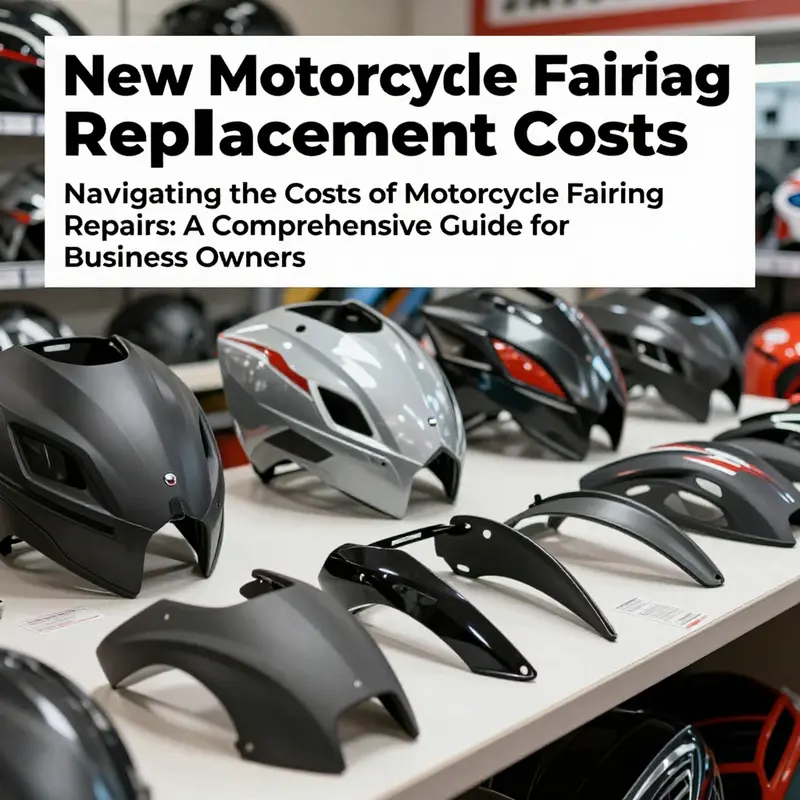
1. Unpacking the Cost Drivers in Motorcycle Fairing Replacement: Key Considerations
When deciding to replace motorcycle fairings, several overlapping factors come into play, each significantly influencing cost. Understanding these elements is crucial for riders looking to manage their expenses effectively while ensuring they make a valued investment in their motorcycle’s aesthetics and performance.
Material Quality is perhaps the most evident cost determinant. Fairings can be constructed from various materials, each linked to distinct price ranges. Premium materials like carbon fiber and high-grade polycarbonate offer superior durability and lightweight benefits, making them more expensive due to their production complexity. For instance, carbon fiber fairings are famed for their aerodynamic efficiency and robustness, but they also require specialized processes and skilled craftsmanship, leading to a notable price increase. On the other hand, lower-end options, such as ABS plastic, offer budget-friendly solutions but may sacrifice some durability and overall design refinement.
Next, Brand Reputation also plays a critical role. Established brands, known for their engineering precision and quality assurance, often demand higher prices than lesser-known manufacturers. This premium can be justified not only by the brand’s track record of performance but also by the comprehensive customer support and extended warranties those brands usually offer. In contrast, lesser-known brands might present enticing pricing but could potentially lead to future disappointments in quality or fitting.
Manufacturing Complexity is another factor that impacts labor costs linked to fairing replacements. Intricate designs may necessitate longer production times and a higher degree of skill, meaning higher labor costs for installation and adjustments. The fairing’s manufacturing process often dictates the final retail price. For example, a complex full fairing kit with multiple panels will generally command more than simpler fairings designed for ease of production.
The level of Labor Expertise required for installation further compounds the costs. Because higher-quality fairings can require specially skilled technicians for installation, it is essential to factor in their rates when calculating overall expenses. In many instances, skilled installation ensures that fairings maintain their integrity and snug fit, thereby reducing the likelihood of damage or additional costs during the installation process.
Finally, Demand Velocity directly affects fairing pricing as well. Limited-edition designs or those tied to specific motorcycle models can see inflated prices due to their scarcity and desirability. Certain color schemes or patterns often enhance exclusivity, contributing to a higher cost structure. Riders looking for aftermarket alternatives might find options that balance aesthetics and functionality without straying too far from their budget.
Riders should weigh these considerations against personal priorities. For those looking for enhanced performance, premium materials may be worth the investment. Similarly, aesthetic appeal can significantly vary between brands and materials, influencing long-term satisfaction. According to surveys, well-integrated custom-fit fairings often lead to higher rider satisfaction, while generic alternatives might serve functional roles at lower prices.
Ultimately, the choice of replacement fairings should reflect a balance between budget constraints and quality expectations, ensuring that the purchase enhances both the motorcycle’s protection and the rider’s experience. Understanding these key cost drivers will allow for a more informed and ultimately satisfying decision about motorcycle fairing replacements. For specific sourcing options, peruse high-quality selections tailored for various models, such as those available at Honda Fairings.
2. Evaluating Cost vs Quality: Making an Informed Choice Between OEM and Aftermarket Fairing Options
Choosing between OEM (Original Equipment Manufacturer) and aftermarket fairings is one of the key decisions you’ll face when considering motorcycle fairing replacement costs. This choice can profoundly affect not just your wallet but also the performance, durability, and aesthetic appeal of your ride.
OEM fairings are crafted by the motorcycle manufacturer and designed to match the original specifications, ensuring that they fit perfectly with your specific model. The major appeal of OEM parts lies in their quality and reliability; they are built with stringent quality controls and are typically more durable due to the brand’s commitment to maintaining performance standards. What’s more, OEM fairings offer seamless integration with your bike’s existing components—such as lights and mirrors—reducing the likelihood of fitment issues. However, with these advantages comes a higher price. OEM fairings often carry a premium cost due to manufacturing overhead, brand alignment, and the limited availability implying you might pay upwards of $1,000 just for replacement parts.
On the other side of the equation are aftermarket fairings, which afford riders a much broader range of choices regarding style, performance enhancements, and budget. Sourced from third-party manufacturers, aftermarket fairings can significantly cut costs—often ranging from $300 to $600 depending on the style and materials used, with some ultra-performance or specialty varieties going even higher. The variety in materials, such as fiberglass, ABS plastic, and carbon fiber, allows motorcycle enthusiasts to personalize their bike’s appearance and function. While some aftermarket products closely approximate the quality of OEM parts, others may present fitment challenges requiring modifications during installation, leading to potential additional costs.
Additionally, the appeal of aftermarket fairings extends beyond mere aesthetics. Many manufacturers focus on features like improved aerodynamics or airflow management directly benefiting performance, especially for those who ride distances or participate in racing events. However, a few aftermarket options may compromise on quality, so it is crucial to research brand reputations and customer reviews—ensuring you don’t sacrifice durability for cost-effectiveness.
Ultimately, the choice between OEM and aftermarket fairings boils down to personal preference and specific riding needs. If maintaining the factory look and ensuring a flawless fit are your priorities, investing in OEM fairings may be the right call. Conversely, if you aim to customize your motorcycle, enhance performance, or save costs, aftermarket options serve as a worthy alternative. Make sure to conduct thorough research on specific brands, customer experiences, and whether the fairings will fit your model correctly. For those looking into aftermarket fairings specifically for popular models like Honda CBR600RR, you can explore various online retailers that offer extensive selections, ensuring that you find parts tailored to your needs.
3. Understanding the Financial Ripple Effects of Motorcycle Fairing Modifications on Insurance and Resale Value
Replacing a motorcycle fairing can have profound implications on your finances, both in terms of insurance premiums and resale value. While a new fairing may elevate the aesthetics and performance of your motorcycle, it also invites a series of financial considerations that go beyond immediate repair or replacement costs.
Insurance Implications
One of the first things to consider when replacing a motorcycle fairing is how it affects your insurance policy. Typically, insurance companies base their premiums and risk assessments on a motorcycle’s factory specifications. When you replace a fairing—especially with aftermarket or performance components—this modification can impact your insurance coverage and final costs. Insurers might categorize a new fairing as an enhancement that could increase the overall value of your motorcycle, potentially raising your premiums.
Moreover, it’s critical to communicate such changes to your insurer. If you neglect to do so, you risk complications down the line, especially during claim processes. In the event of an accident, if you attempted to claim damages related to a modified fairing without declaring the change to your insurer, you might find yourself uncovered under your standard policy. Many insurers offer options like “additional equipment insurance” or “added accessories coverage” to protect against such scenarios, but these require separate purchases and must be specified on your policy. Ignoring these policies can leave you financially vulnerable if your new fairing sustains damage.
Resale Value Considerations
The potential impact of a fairing replacement extends to its influence on the resale value of your motorcycle. A well-executed fairing replacement, particularly if it involves high-quality parts that match the original equipment manufacturer’s (OEM) specifications, can enhance the resale appeal. Buyers who appreciate aesthetics and customization might be willing to pay more, especially in niche markets where custom motorcycles are sought after.
However, the opposite can also be true. If the replacement fairing is of low quality or poorly installed, it may deter potential buyers who prefer a factory stock motorcycle. Moreover, extensive modifications can lower resale values if the changes do not align with prevalent market trends or the buyer’s expectations. Vehicles with unreported modifications might also face challenges during inspections or title transfers, complicating the sales process further.
The balance between improving styling or functionality and maintaining financial value is precarious. While an upgraded fairing may beautify your ride and possibly provide performance benefits, it is vital to weigh these enhancements against insurance liabilities and future selling potential. Thoroughly evaluate whether these changes align with your long-term ownership goals. Understanding the financial ripple effects of fairing modifications is essential in making informed decisions.
For further insights into motorcycle fairing replacement and to explore various models, consider checking resources that specialize in motorcycle components. These insights may help you better assess your investment in motorcycle parts that enhance both functionality and long-term value.
Chapter 4: Evaluating the Financial Landscape of Motorcycle Fairing Materials: An In-Depth Cost Comparison
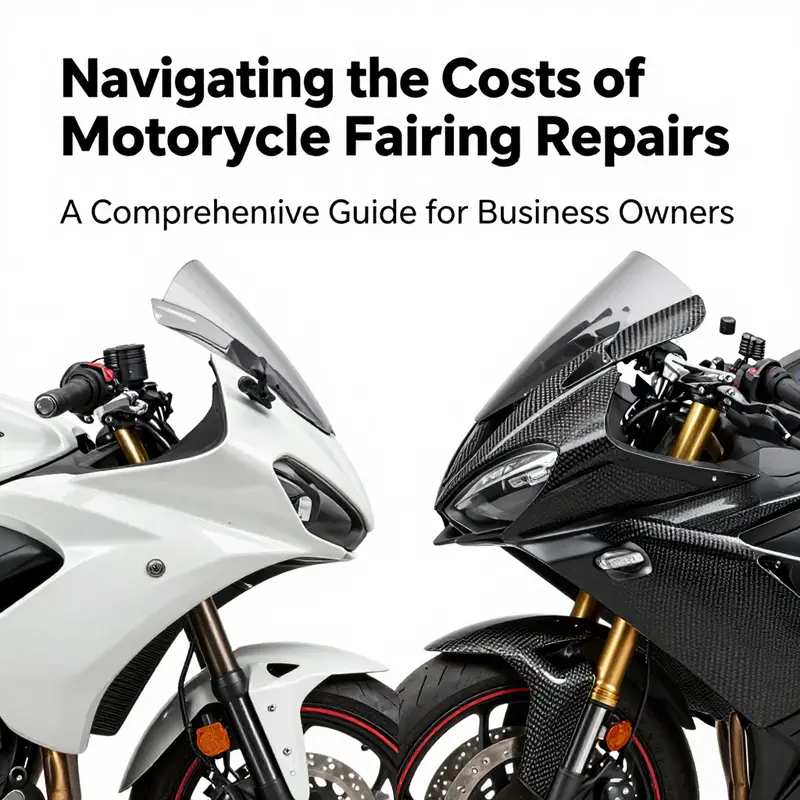
1. Economic Implications of Repairing Motorcycle Fairings: A Comparative Look at ABS and Carbon Fiber Costs
The financial considerations surrounding the repair of motorcycle fairings hinge significantly on the choice of materials, primarily between ABS plastic and carbon fiber. Understanding the dynamics of these materials reveals not just their properties but also how they influence repair costs across different scenarios.
Starting with ABS fairings, which are favored for their robust nature and affordability, they present a unique cost-benefit proposition. ABS, or acrylonitrile butadiene styrene, is a thermoplastic polymer noted for its structural strength and impact resistance, making it a common choice for many motorcycle models. The immediate costs associated with ABS fairings are typically lower; even minor damages involving cracks or scrapes can often be repaired using relatively inexpensive DIY kits available on the market for prices ranging from $20 to $50. However, repairing ABS as opposed to replacing it fully can sometimes be a convoluted process, especially as extensive damage often requires a complete replacement rather than a simple patch, ultimately escalating repair expenses. The necessity for complete replacements rather than viable repairs suggests that while initial costs might be low, the overall long-term expense could equal or exceed that of carbon fiber repairs.
In contrast, carbon fiber fairings are known for their superior strength-to-weight ratio and aesthetic appeal. However, the cost of carbon fiber manufacturing is inherently higher due to the complexity of its production processes. Repairing carbon fiber can entail advanced techniques such as resin infusion and heat curing, which, if performed correctly, can lead to more cost-effective long-term solutions. Even so, the expertise required to execute these repairs safely and effectively comes at a premium. The limited availability of skilled craftsmen to repair carbon fiber components means that individuals may face higher labor costs, with repair fees often starting at $150 and potentially exceeding $500 depending on the damage severity.
When evaluating both immediate and long-term financial implications, ABS fairings might first appear to be the more economical choice. Indeed, general maintenance for ABS can be performed more affordably due to the straightforward nature of the materials and the repair techniques involved. However, one must also consider the potential longevity and durability associated with carbon fiber. While repairs can be costlier initially, the long-term benefits—provided one can access skilled labor—might offset the higher investment depending on the riding habits and repair frequency of the motorcycle owner. This complexity raises a vital consideration: the decision between ABS and carbon fiber fairings involves weighing immediate repair costs against future maintenance needs and potential durability lingering over time.
Ultimately, the choice between these materials should consider individual riding preferences, the likelihood of damage, and financial strategy for repairs. Prospective owners or riders looking for cost-effective long-term solutions typically benefit from thoroughly evaluating or consulting detailed resources that compare the maintenance of different fairing types. A prime example would be specialized motorcycle parts suppliers that provide insights on durable components for various models—whether it’s a classic Honda or a state-of-the-art Yamaha. For instance, sites like Summit Fairings offer extensive collections specific to different motorcycle models, which could serve as a valuable resource when making an informed decision about fairing repairs.
2. Navigating the Complexities of Repair Costs: How Material Choice Influences Motorcycle Fairing Repairs
When considering the costs associated with repairing motorcycle fairings, the choice of material emerges as a pivotal factor. Plastic fairings are often the go-to option for many riders due to their relatively low materials cost and established repair methods. Techniques such as thermoplastic welding, filler patching, and localized replacement can be easily executed, making these repairs both economical and user-friendly. For instance, minor cosmetic damage that manifests as surface scratches or small cracks can typically be remedied with DIY repair kits, priced between $20 and $50. Such kits provide the essentials—a combination of fillers, sandpaper, and paint—and yield finished results that can closely match the original appearance, with users reporting costs as low as £36 for repairs that would otherwise exceed £80 for new parts.
In contrast, carbon fiber fairings present a more complex landscape. While undeniably superior in strength, weight, and aesthetic appeal, the intricacies involved in repairing carbon fiber components significantly elevate costs. Professional repairs on carbon fiber require advanced techniques, including precise temperature control and specialized tools, along with skilled labor. The repair process is not only time-intensive but also requires an in-depth assessment for damages that may not be visible, such as internal delaminations or micro-cracks. These hidden issues often necessitate diagnostic tools like ultrasonic testing, adding layers of expense to the overall repair cost. As a result, the price of repairing carbon fiber components can easily escalate, often exceeding several hundred dollars, depending on the specific circumstances of the damage.
Moreover, the inherent physical properties of each material dictate the appropriateness of repair methodologies. Plastic fairings typically show damage through external cracks or dents, making it straightforward to identify and address the issues at hand. Conversely, carbon fiber’s propensity to suffer from invisible structural issues complicates the diagnosis and repair process. This complexity can lead to a longer turnaround time when entrusting repairs to professionals, further inflating costs.
Ultimately, the decision between plastic and carbon fiber for motorcycle fairings should encompass various factors, including the intended performance, environmental considerations, and long-term maintenance costs. For high-performance vehicles that prioritize lightweight design and enhanced aerodynamics, carbon fiber may indeed be the ideal choice, despite the financial implications of repairs. Conversely, riders with budget constraints or those using motorcycles for daily commuting may find plastic fairings to be the more pragmatic solution. Their affordability in both initial investment and repair is particularly appealing in today’s market.
Thus, it is essential for motorcycle owners to evaluate not only the upfront costs but also the potential long-term expenses associated with the type of fairing material selected. This understanding will ultimately guide them in making informed decisions that align with their riding needs and financial realities. For those seeking replacements, visiting specialized online suppliers can provide valuable insights into pricing and availability, making it easier to navigate the choices available in the market.
3. The Economic Landscape of Fairing Repair Materials: Evaluating Plastic and Carbon Fiber
The economic landscape surrounding motorcycle fairing repairs is profoundly influenced by material selection, particularly when comparing ABS plastic and carbon fiber. These two materials present significant disparities in cost, repair complexity, and long-term durability, impacting riders’ decisions and overall bike performance.
Starting with ABS plastic, it stands out as the more economically viable option for fairing repairs. Its cost-effectiveness is largely due to its relatively low production costs and the straightforward nature of repairs. ABS is resistant to moderate impacts and can be effectively welded or repaired using commonly available materials and techniques, such as polyester resin. This ease of repair allows bike enthusiasts and casual riders alike to engage in DIY projects, which can be both fulfilling and budget-friendly, often costing between $20 to $50 for minor damage. Moreover, high-volume production through injection molding processes makes ABS widely accessible, ensuring that replacement fairing kits can be provided at favorable prices.
On the other end of the spectrum lies carbon fiber, which, while offering exceptional performance characteristics—such as lightweight design and remarkable stiffness—comes with an associated price tag that truly reflects its advanced manufacturing process. The intricacies involved in producing carbon fiber components, particularly the autoclave-based layup techniques, contribute to longer lead times and elevated costs often surpassing a few hundred dollars just for the material. Repairs for damaged carbon fiber are not only more expensive due to the need for specialized expertise but can also require intricate bonding techniques and monitoring during the curing process, leading to charges ranging from $150 to $500 or even more for significant damage. Consequently, while carbon fiber components might appeal to performance enthusiasts or those engaged in competitive biking, the actual costs associated with repairs can be substantial.
This juxtaposition of materials illustrates a fundamental economic trade-off between affordability and performance. Riders who desire reliable, budget-conscious solutions typically gravitate toward ABS. In contrast, those who prioritize weight reduction and enhanced aerodynamics will often justify the higher costs associated with carbon fiber, particularly in racing or high-demand conditions.
The segmentation within the motorcycle parts market is further driven by these preferences. Fleet operators, whose focus is often on maintaining cost efficiency, will favor ABS for its manageable repair costs. Alternatively, high-end riders may opt for carbon fiber, recognizing that investing upfront could yield long-term benefits regarding bike performance and durability.
Ultimately, the decision on fairing materials is a balancing act between immediate economic factors and long-term performance goals. As riders evaluate their options, understanding the implications of their material choices will not only inform their repair strategies but also shape their overall riding experience. For those looking to navigate these options further, popular suppliers provide a variety of fairing kits, such as those found at Summit Fairings, ensuring that every rider can find a solution tailored to their specific needs.
Chapter 5: Understanding the Cost Dynamics of Motorcycle Fairing Repairs Across Different Models
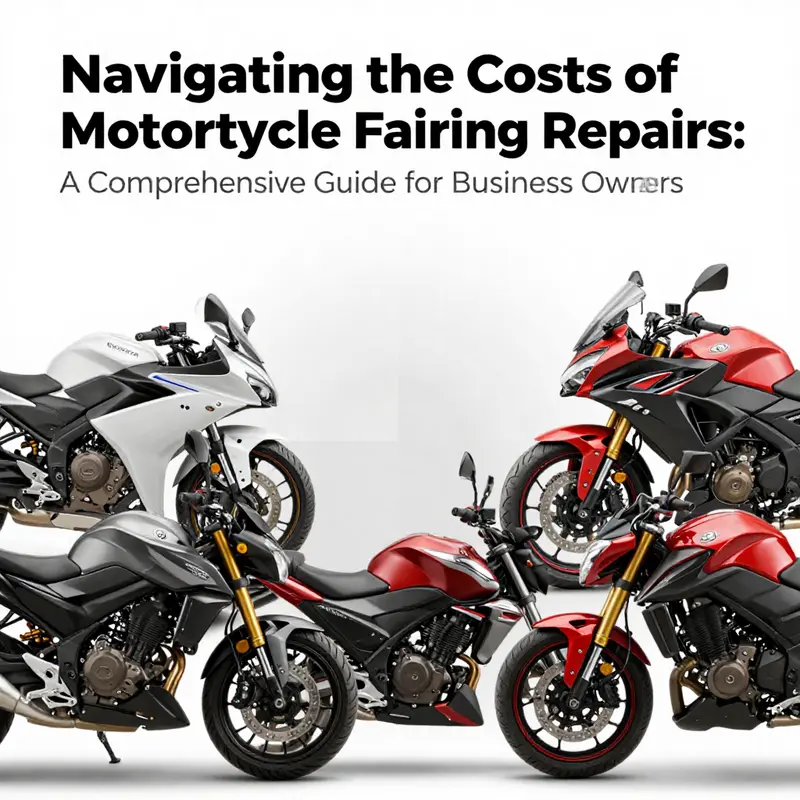
1. Budgeting for Motorcycle Fairing Repairs: A Focus on Standard Models
When it comes to motorcycle fairing repairs, standard motorcycle models typically offer an array of economics that can ease the financial burden of maintaining these essential components. Characterized by their straightforward designs and practical functionality, standard motorcycles frequently boast lower repair costs than their performance-focused counterparts. Several factors play into this cost dynamic, particularly the types of materials used, the modular nature of their fairing designs, and the ease of repair techniques available.
Material Choice is one of the most influential factors affecting repair costs. Standard motorcycle fairings are often crafted from ABS plastic or polycarbonate, materials that are not only relatively inexpensive but also easier to work with. This contrasts sharply with higher-end models that utilize carbon fiber or intricate composite materials, which drive up costs significantly due to their expense and the specialized skills required for repairs. For standard motorcycles, finding aftermarket options and replacement parts is generally straightforward, reducing repair costs even further.
Another critical aspect is the modular design of fairings found on standard motorcycles. These models often feature a modular system that allows for individual components—like front fenders or side panels—to be replaced rather than requiring the entire fairing system to be addressed. This is particularly advantageous as it means that owners can often manage minor repairs without incurring high expenses, allowing for a more tailored and budget-friendly approach to maintenance.
In many cases, repairs for minor damages such as scratches or small dents can be resolved with techniques such as paintless dent repair or simple touch-up painting. These methods not only save money but are typically accessible through local auto body shops, and many DIY kits are readily available online for as little as $20 to $50. Alternatively, when the damage is more extensive—like large cracks or structural failures—professionals may need to step in. Still, the overall costs for these more complex repairs often range from $100 to $300 for standard motorcycles, which is considerably less than what one would expect for a sport bike or touring model.
In comparison, higher-end motorcycles like the Harley-Davidson® Road Glide or Yamaha YBR125 encounter distinctly elevated repair costs. These bikes may have fairing designs that involve proprietary parts and complex labour for fitting, which can inflate the price of repairs substantially, sometimes reaching upwards of $500 or more for comprehensive refurbishments. In these cases, unique features such as integrated lighting systems not only add to the aesthetic appeal but also to the potential for costly repairs.
Given these insights, motorcycle owners seeking to minimize their repair expenditures should consider leveraging reputable aftermarket suppliers and investigating effective preventive measures like paint protection films to safeguard against damage. Standard motorcycle models, while sturdy and reliable, still benefit from informed and proactive ownership. Overall, understanding the specifics behind fairing damages and repair costs can significantly contribute to making informed decisions, safeguarding both a rider’s investment and their riding experience on the road.
For more information on aftermarket options for standard motorcycles, visit Summit Fairings.
2. Impact of Motorcycle Design on Fairing Repair Costs: A Focus on Sport Bikes and Larger Displacement Models
When considering the repair costs associated with motorcycle fairings, it is essential to delve into the specific design features of different types of motorcycles, particularly sport bikes versus larger displacement models. The distinction between full fairings, semi-fairings, and naked bikes profoundly influences both the complexity of repairs and the associated costs.
Full Fairings: A Costly Affair
Sport bikes, including many larger displacement models, typically come equipped with full fairings. These fairings are designed for aesthetic appeal and aerodynamics, providing an enveloping structure that enhances speed while offering protection for vital components. However, their complex designs can lead to significantly higher repair costs. Should a sport bike experience damage, such as cracks or scrapes, the requirement for specialized labor and tools becomes evident. The intricacies of the fairing not only dictate the level of skill needed for repairs but also necessitate careful alignment upon reinstallation. Thus, the average repair costs for full fairings can range anywhere from $150 to upwards of $500, depending on the damage’s severity.
Semi-Fairings: A More Manageable Option
In contrast, touring and sport-touring motorcycles often sport semi-fairings, which encapsulate only key sections of the bike, leaving other areas exposed. This design tends to offer a simpler structure that is more cost-effective to repair. Damage to semi-fairings generally results in lower repair bills compared to full fairings, primarily owing to the less complicated dismantling and reassembly process. For minor issues, repair costs for semi-fairings may not exceed $150. As such, for riders seeking affordability, the advantages of semi-fairing designs become evident.
Naked Bikes: No Fairings, No Worries
On the opposite end of the spectrum are naked bikes, which do not utilize fairings at all. For owners of these models, the question of fairing repair costs is moot, as the absence of fairings eliminates this variable entirely. As such, riders of naked bikes often benefit from reduced overall maintenance costs, especially when compared to the more intricate fairing-equipped models.
Comparative Analysis and Insights
While exact comparative figures between a modest 200cc sport bike and a robust 1,000cc model remain elusive, observations suggest that high-performance sport bikes with full fairing systems, regardless of displacement, face the highest repair costs due to their more complex framings. Moreover, minor accidents can be significantly more expensive when involving full fairings; a simple drop could lead to costs far exceeding DIY repair attempts, which often range from $20 to $50 for minor damages.
Ultimately, understanding the relationship between motorcycle type, fairing design, and repair costs is crucial for owners contemplating their options. For tailored estimates, consulting with local repair shops remains the best approach, allowing riders to gauge repair needs through the lens of current market conditions.
For those looking to purchase parts, checking out dedicated online resources can provide insights on fairing costs tailored to specific models, such as those available for popular brands like Honda and Yamaha, ensuring riders are well-equipped for necessary repairs.
3. The Cost Dynamics of Fairing Repairs in Premium and Custom Motorcycle Models
The landscape of motorcycle fairing repairs is intricate, especially when delving into premium and custom motorcycle models. The expenses associated with repairing or replacing fairings for these bikes often soar due to advanced materials, proprietary designs, and intricate manufacturing processes.
Full fairings, predominantly found on high-end sport bikes such as the Ducati Panigale and Honda CBR1000RR, exemplify this trend. These fairings are usually crafted from high-grade ABS plastic or sophisticated composites like carbon fiber, which, while enhancing the bike’s aerodynamic efficiency and weight distribution, significantly raise production costs. Consequently, the cost for repairs or replacements of full fairings on premium models can range from $600 to over $2,000. The expense varies based on factors such as whether original equipment manufacturer (OEM) parts are utilized or if custom components are fabricated. Moreover, custom fairings, often hand-sculpted to perfection and finished with unique designs, can command prices exceeding $3,000 due to the specialized labor and artistry involved in their craftsmanship.
Conversely, semi-fairings, which are typically featured on sport-touring and touring motorcycles like the BMW S1000XR, offer a slightly lower price point. These parts cover only the front of the motorcycle, meaning repairs or replacements are generally more cost-effective, typically falling between $400 and $1,200. However, the repair process is far from straightforward, often requiring meticulous alignment and matching of curves alongside integrated lighting systems, all of which can complicate both the time and costs involved.
Custom or aftermarket fairings add yet another layer of complexity to repair costs. These fairings, designed for enhanced performance or aesthetic appeal on premium bikes, often incorporate advanced materials. Though these materials might improve the bike’s durability or remove unnecessary weight, they also increase the challenge of repair. This challenge is reflected in the labor costs, where a repair process that requires extensive sanding, priming, and multi-stage painting can lead to total costs soaring above $1,500. This is especially true when striving for perfect color matching with the vehicle’s original paint code or when achieving a flawless finish to match the bike’s premium aesthetics.
In stark contrast, standard or budget-friendly models demonstrate a markedly different cost structure. Models like the Honda Rebel or Kawasaki Ninja 400 typically have fairings made from standard ABS plastic, leading to much easier and economical repairs or replacements. In these cases, the financial range is considerably more approachable, often between $100 and $300. However, this affordability does not negate the maintenance and repair expenses associated with premium or custom builds, where intricacies of design and material quality drive costs higher.
Understanding these cost dynamics is crucial for owners of premium and custom motorcycles. Given the direct relationship between fairing repair costs and a motorcycle’s engineering complexity, material quality, and unique design traits, riders should prepare for potential maintenance expenses, particularly from day-to-day wear, accidents, or debris impacts. When considering repairs, it is essential to consult specialized repair services or reach out to official manufacturer resources to navigate pricing accurately and maintain performance standards. For those looking for specific replacements, resources like Summit Fairings offer an array of options that cater to diverse motorcycle models.
Final thoughts
Understanding motorcycle fairing repair costs is essential for business owners looking to maintain optimal performance and appearance. From budget-friendly DIY options to professional repair services, each choice carries implications for your bottom line and customer satisfaction. Additionally, recognizing how material choices and motorcycle types influence repair costs will enable you to make informed decisions that enhance your service offerings and maximize profitability. Prioritize quality repairs and replacements to keep your motorcycles in impeccable condition and your customers satisfied.
Ready to elevate your ride? Summit Fairings delivers premium, custom-fit fairings that blend style and durability. Whether you’re chasing speed or turning heads, we’ve got your bike covered. Don’t wait—transform your machine today. Click, customize, and ride with confidence. Your perfect fairing is just a few clicks away. Act now!
About us
We are one of the leading motorcycle fairing export sites, with over 3,000 styles across almost all motorcycle models. Buy from summitfairings.com, and pay 10-40% less than the prices on other sites. If you have any questions, we promise we will have your answer within six hours.