
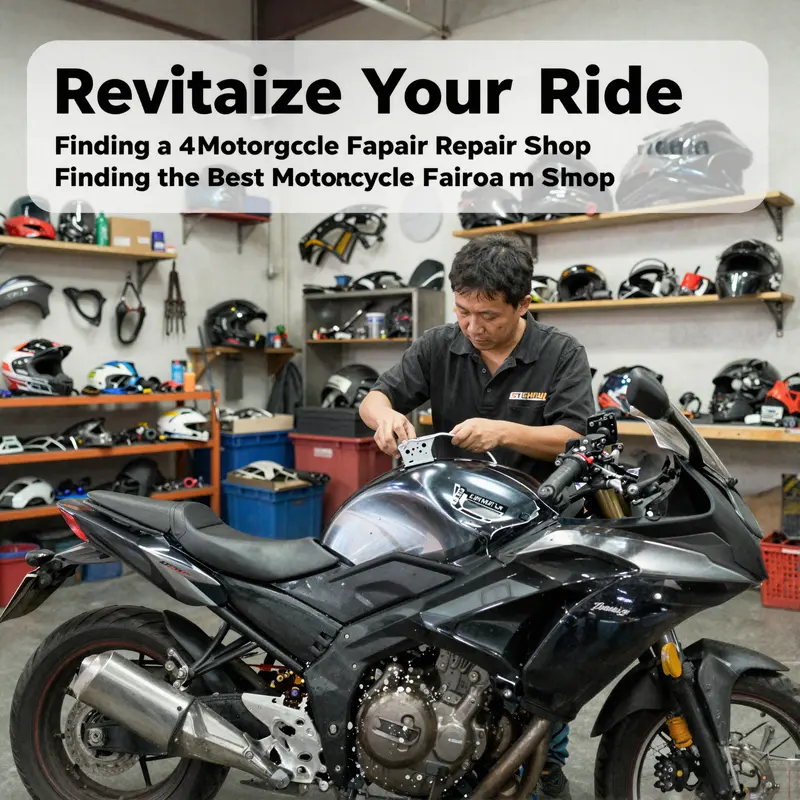
For motorcycle enthusiasts and business owners alike, keeping your ride in top condition is essential. Motorcycle fairing repairs play a critical role not only in maintaining the aesthetic appeal of the bike but also in ensuring its performance and safety. Whether you’re a business owner relying on motorcycles for your operations or an enthusiast wanting to maintain your pride and joy, finding the right fairing repair shop near you is vital. In the upcoming chapters, we will explore how to locate exceptional motorcycle fairing repair services, understand the specifics of what these services include, learn the importance of timely fairing repairs, and evaluate the cost considerations that accompany them.
null
null
Repairing the Shield: A Practical Guide to Motorcycle Fairing Services Near You
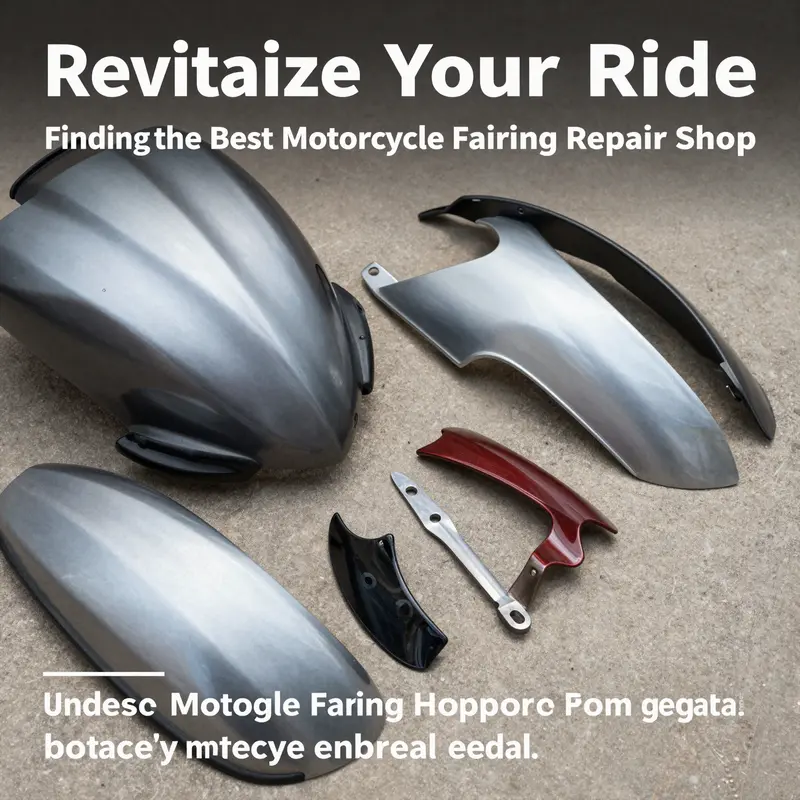
Fairing repair is more than cosmetic work. It preserves aerodynamics, protects core components, and keeps the ride safe. After a crash or impact, the fairing can suffer cracks, dents, and mounting damage. A reputable shop will diagnose whether damage is cosmetic or structural, check mounting points, and plan a path that preserves the bike’s balance and wind protection. Materials like ABS plastic and fiberglass respond differently to heat and adhesion, so technicians must tailor their approach. Common techniques include plastic welding, filler application, sanding, and careful repainting to match color and gloss. In some cases, paintless dent repair or targeted touch-up may be feasible for minor issues. The goal is a repaired surface that performs as well as the original and looks nearly invisible from riding position. When choosing a shop, look for experience with OEM and aftermarket fairings, transparent estimates, warranties, and a diagnostic step. A careful test ride after repair helps confirm alignment, wind protection, and stability at speed. For those considering replacements or aftermarket options, a reputable shop can advise on fit, color matching, and how new components will integrate with the existing chassis.
Why Fairing Repairs Matter: Safety, Performance, and Finding Local Expertise
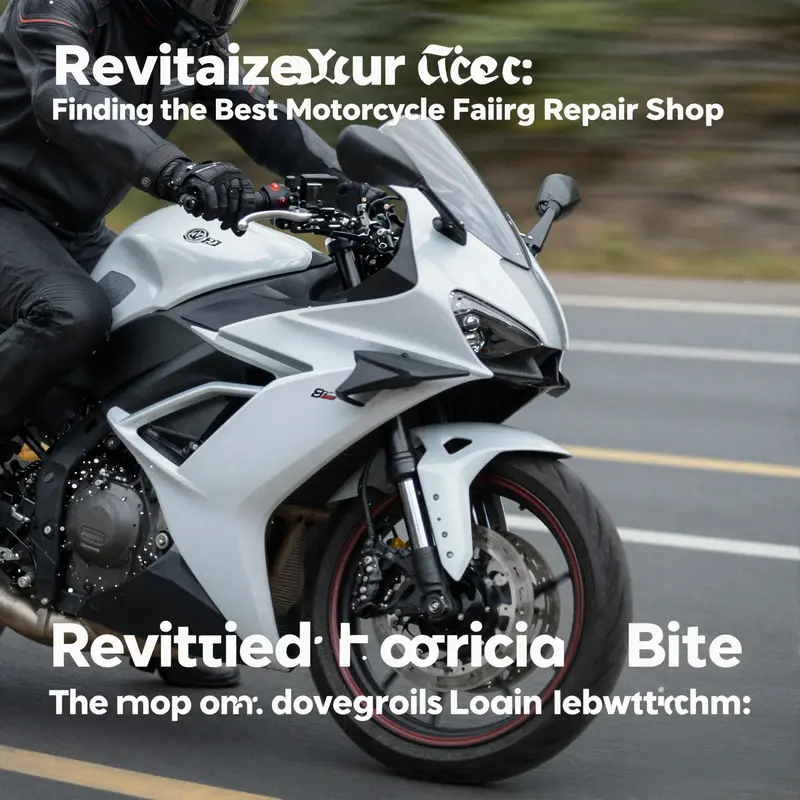
A motorcycle fairing is more than a cosmetic shell; it is a structural and aerodynamic element that affects safety, rider comfort, and mechanical reliability. When the fairing is cracked, loose, or poorly reinstalled, the consequences can be subtle at first and severe over time. A small chip in a lower panel can let water and grit reach wiring harnesses. A warped windscreen alters airflow and increases rider fatigue. A missing mount lets vibration loosen nearby components. Seeing fairings only as paintable plastic underestimates how much they contribute to the bike’s performance envelope.
Fairings shape airflow around the motorcycle. They cut wind buffeting, smooth the path of air across the engine and exhaust, and reduce drag. Even half-fairings — which cover the upper front section from the headlight to the instrument cluster — are engineered to manage pressure zones and direct air away from vital controls. Damage that changes the fairing’s contour shifts those pressure zones. That creates a ripple effect: higher wind resistance, worse fuel economy, and less stable handling at speed. For riders who commute or tour long distances, the extra fatigue from wind blast or the marginal loss of fuel efficiency adds up quickly.
Beyond aerodynamics, fairings perform a defensive role. They shield the engine, cooling systems, electrical connectors, and exhaust headers from road debris, salt, and water. A scrape that tears a mounting tab may expose an ignition coil or a sensor to the elements. Moisture intrusion can corrode electrical terminals and generate intermittent faults that are hard to diagnose. Road grime can accelerate wear on braided hoses or rubber lines tucked behind the panels. Addressing fairing damage promptly prevents these secondary failures and reduces the chance of being stranded by what began as a cosmetic issue.
Structural integrity also matters in a crash. Fairings absorb and distribute impact energy in ways that can alter how forces transmit through the frame and footpeg mounts. A weakened fairing may crack further on a follow-up impact, exposing sharp edges or allowing panels to detach. Detached pieces can snag on the roadway or on other moving parts, creating additional hazards. Proper repair restores the intended load paths and mounting geometry, reducing the risk of unexpected behavior during an emergency.
Costs for fairing repair or replacement can seem high when compared with changing tires or brake pads. Yet the economics shift when secondary damage is considered. Replacing damaged clips and fasteners is inexpensive; repairing a cracked panel and refinishing it demands time, materials, and skill. That investment pays off by preserving resale value and preventing collateral damage. In practice, the difference between a quality repair and a rushed patch is visible not only in appearance but in how the motorcycle behaves on the road.
Choosing where to have fairings repaired matters. Local repair shops that specialize in motorcycle bodywork understand the specific stresses and mounting standards for sport, touring, and naked bikes. A shop that works regularly with fairing materials — whether fiberglass, ABS, or composite blends — will select repair techniques that match the panel type. Welding thermoplastics, using proper adhesive bonding, and reinforcing mounting points require different tools and materials than sheet-metal work. A general collision shop may handle metal panels well but lack the specialized knowledge for motorcycle fairings.
When you search for a “motorcycle fairing repair shop near me,” prioritize shops that can show examples of past repairs and explain their approach. Look for technicians who will inspect mounting points, not just the visible crack. Good shops assess hidden damage, test-fit panels before painting, and ensure vents and ducts retain their intended shape. They replace worn hardware and ensure fasteners are torqued to spec. Those steps take time, but they ensure the repaired fairing functions like the original.
Rider comfort is another practical reason to keep fairings in top shape. Windscreens that are scratched, warped, or reinstalled at the wrong angle create turbulent flow that increases neck and shoulder strain. That fatigue reduces concentration and reaction time. Maintaining the fairing’s original shape and alignment preserves the wind protection intended by the manufacturer. Even small adjustments to windscreen height or bracket alignment can change comfort dramatically, so precise reassembly matters.
Aesthetics and identity are valid concerns, too. Motorcycles are expressions of taste and care. A clean, well-matched paint finish and seamless panel fit preserve the bike’s character and market value. But aesthetics are not just vanity; they are a proxy for underlying quality. A shoddy paint job that hides poor bonding or an improperly aligned panel can create bigger problems down the road. Ask prospective repair shops how they match color and texture and whether they perform bonded repairs or rely on mechanical fasteners. Knowing their methods reveals whether repairs will be durable.
For owners who like to personalize or replace panels, sourcing compatible parts is part of the process. Aftermarket fairing options are plentiful for popular models, and choosing the right material and fit matters. Replacing an original ABS panel with a poorly fitting aftermarket piece increases vibration and wear on mounting points. Conversely, a well-made aftermarket replacement can restore appearance and function at lower cost. If new panels are needed, a reputable shop will advise on fitment, shipping times, and whether any trimming or reinforcement is required.
Routine inspection of fairings should become part of regular maintenance. Check fasteners for tightness, look for hairline cracks near mounting holes, and inspect vents for obstructions. After a drop or tip, inspect the underside of panels and mounting brackets — some damage hides where you won’t see it at a glance. A small technician-grade repair now can prevent a larger job later. Keeping a visual log of repairs also helps when selling the bike or diagnosing recurring issues.
Safety considerations extend to electrical and lighting components often housed behind fairings. Turn signals, instrument clusters, and headlight assemblies are vulnerable when panels move or flex. A loose panel can press on wiring looms or reflectors, misaligning lights. Properly refitted fairings restore the designed clearances and mounting points so electrical systems remain secure. That reduces the odds of short circuits or intermittent failures that could compromise visibility on the road.
When choosing a local repair shop, practical steps reduce risk. Call ahead to confirm they repair fairings and ask about materials and methods. Request references or look for before-and-after photos. Confirm the shop will test-fit panels before painting and will replace damaged fasteners. Ask about turnaround times and whether they offer pickup or transport assistance if the bike is not rideable. These questions separate shops that do occasional cosmetic fixes from those that provide thorough, long-lasting repairs.
If you find a nearby facility that lists motorcycle bodywork among its specialties, evaluate how they document repairs. A written estimate that separates labor, materials, and paint work shows transparency. A reassembly check and road test demonstrate a commitment to functional restoration, not just appearance. Some shops provide limited warranties on repairs; a reasonable warranty reflects confidence in workmanship.
For riders in urban areas, proximity matters. A local specialist can inspect your bike quickly after an incident and advise on whether repair or replacement is the better route. When damage is minor, quick repairs minimize downtime. When damage is extensive, a nearby shop can coordinate part orders and keep you informed about progress. That responsiveness matters when timing and mobility are important.
Ultimately, fairing repairs are an investment in the motorcycle’s safety, longevity, and pleasure. Attention to mounting geometry, material-appropriate techniques, and thorough reassembly ensures the fairing continues to do what it was designed to do: manage airflow, protect mechanical and electrical systems, and preserve rider comfort. By choosing local expertise and asking the right questions, riders protect both their machine and their time on the road.
For riders researching parts as they plan repairs, checking compatible fairing collections for common models can give a sense of fit and finish options; for example, a curated Honda fairings collection illustrates common shapes and mounting patterns. For more on how fairing types and materials affect performance, see this comprehensive guide: https://www.motorcycle.com/motorcycle-faring-types-properties-performance/.
Understanding the True Cost of Motorcycle Fairing Repair Near You

Cost is more than a number; it tells a story about materials, skill, and long-term value. When you search for a motorcycle fairing repair shop near me, the price you’re quoted reflects a chain of choices: the type of fairing, its material, the damage’s complexity, the parts required, and the shop’s experience. Those elements combine differently for each bike and each incident. Grasping how they interact helps you get a fair quote, avoid surprises, and make decisions that protect both looks and safety.
Start with the fairing itself. Full fairings cover a large surface area and often integrate vents, mounting points, and aerodynamic shapes. Repairing them usually requires more time, more matching of contours, and often more replacement pieces than a simpler half fairing. Half or sport-touring fairings expose fewer components and can be quicker to fix, but complexity still varies by model and design. The visible size of a part is one indicator of cost, but the unseen structural pieces behind that visible skin matter just as much. Support brackets, inner mounts, and fasteners sometimes break in a crash even when the outer shell looks repairable. Replacing those hidden components raises parts and labor bills.
Material choice has a direct line to cost and to future value. Fiberglass, ABS plastic, polyurethane, and more exotic composites each behave differently under impact and during repair. Fiberglass can be patched and reshaped with relative ease but may need more sanding and finishing to look factory-new. ABS is common and can be heat-welded or glued, but matching texture and gloss demands professional paint and clearcoat work. Cheaper plastics reduce upfront costs but often lead to repeat repairs. Investing in higher-grade panels or professionally repaired pieces can save money over years by preserving fit, finish, and aerodynamic performance.
Damage assessment is where estimates diverge most. A crack along an edge often requires plastic welding or a reinforced patch. A shattered panel might be beyond repair and need replacement. Surface scuffs mean paint work only; structural warping requires precision alignment. Custom paint or complex graphics add hours of painstaking work—color matching, blending, and multiple coats of clear finish take time and skill. Shops that guarantee color match and gloss will factor that into labor rates. When a repair involves rebuilding mounting points or re-aligning parts to factory tolerances, expect higher costs because these steps ensure safety and correct fit.
Labor rates vary by region and by the shop’s specialization. Some shops focus on bodywork and painting; others provide general mechanical service and occasional fairing repair. Specialized bodywork technicians typically charge more per hour because of their training and tools. Across many regions, fair hourly rates range from about $50 to $150. A small repair might take one to two hours; a full replacement with paint and finish can run many more. When you get an estimate, ask how many labor hours are included. A low flat fee that hides a multi-hour job can lead to sticker shock when the final bill arrives.
Parts costs are equally variable. Original manufacturer panels or support kits cost more than aftermarket or reproduction parts, but they often offer precise fit and matching attachment points. Aftermarket fairings can be considerably cheaper, but they sometimes need modification to fit correctly and may require additional finishing. Small parts—clips, bushings, supports—can add up quickly. For some models, a single support kit or bracket can cost several hundred dollars, while generic fasteners are inexpensive. If a repair calls for unique mounting hardware, the parts supplier’s availability and shipping times also affect the final cost.
Specialized equipment and finishing techniques add another dimension. Proper repair often needs sanding, priming, paint matching, and clear coats. Shops that run dedicated paint booths, color-matching systems, and curing ovens provide a higher-quality finish, and their estimates will reflect those investments. Techniques like plastic welding, structural reinforcement, and professional blending between old and new paint require experience and take time. The difference between a repair that looks acceptable up close and one that is invisible can be several hundred dollars.
Beyond line-item costs, think about long-term value. A low-cost repair that uses inferior materials or shortcuts can lead to premature failure. A poorly matched paint job can stand out immediately and reduce resale value. More importantly, a weak repair that fails to restore mounting strength or proper alignment can create safety risks at speed. Paying a little more for a thorough repair from a shop experienced with fairings tends to protect the bike’s performance and resale value. When in doubt, ask for examples of previous work—good shops will show before-and-after photos and explain their process.
Location matters. A nearby shop may save you towing costs and make pickup easier, but not all local garages specialize in fairings. If you live near a larger metro area, specialty shops equipped for bodywork and painting may charge higher hourly rates, but their finished quality can justify the price. If you’re located in a smaller town, you might have lower labor costs but fewer options for complex color-matching or composite repairs. Always call ahead and describe the damage; some shops offer free visual estimates over the phone or request photos before you visit. This saves time and helps you compare several quotes.
Insurance interacts with repair decisions in practical ways. If the damage is claim-worthy, an insurer may prefer using certain shops or authorize only OEM parts. That can affect whether you pay a deductible and how much of the bill the insurer covers. When insurers direct repairs to preferred vendors, ask about finish warranties and whether aftermarket parts are acceptable to you. If you choose to pay out-of-pocket for an upgrade—better materials or custom paint—get that written into the estimate so expectations are clear.
Get multiple estimates but compare apples to apples. One shop’s low quote might assume that you accept slight color mismatch or aftermarket parts. Another shop’s higher quote may include full disassembly, OEM clips, new supports, and a multi-stage paint process. Request a written breakdown: parts, labor hours, paint and materials, and any warranty. Ask about turnaround time as well; quicker work may cost more. Also confirm whether the shop includes post-repair adjustments, such as re-aligning mirrors, vents, or fairing gap settings, which can restore the bike’s original function and finish.
Warranty and guarantees matter. Reputable shops back their workmanship with a warranty on paint adhesion, structural repairs, and parts fitted. Warranties vary in duration and in what they cover. A short-term warranty may only cover immediate defects, while longer warranties indicate confidence in materials and technique. Ask for warranty terms in writing. If something separates or the paint dulls prematurely, you’ll want recourse without paying again.
Make decisions that align with use. If your bike is a daily rider, durable repairs and impact-resistant finishes may be more valuable than flawless showroom gloss. If your bike is a weekend street machine or a show bike, invest in top-tier paint and cosmetic restoration. For track bikes, structural integrity and secure attachment are priorities; cosmetically perfect panels may be less important than properly reinforced mounting points.
Finally, plan ahead. Preventative measures reduce future costs. Simple things like protective film, fairing guards, or timely touch-ups can prevent small chips from growing into larger cracks. Keep spare fasteners and basic repair kits on hand for quick field fixes. When you locate a reliable repair shop, develop a relationship. Regular customers often get better estimates, expedited service, and honest advice about when repair is worthwhile versus when replacement makes more sense.
If you need parts or want to compare replacement fairings, consider browsing specialized fairing collections for your model. For riders looking specifically at common sportbike replacements, the Honda fairings collection is a useful reference point for part styles and options: https://www.summitfairings.com/collections/honda-fairings
For tailored quotes and model-specific pricing, consult local shops and online parts suppliers. A reputable parts marketplace provides model-matched components and can help you estimate parts costs before visiting a shop: https://www.motorcyclespareparts.com/
Weigh each estimate against durability, finish quality, and safety. A clear, itemized quote, a workmanship warranty, and examples of past jobs are signs that the cost reflects value rather than just price. Keep the bike’s use and long-term ownership goals in mind. The right repair choice balances immediate expense with ongoing performance, looks, and safety so your motorcycle continues to ride, protect, and inspire.
Final thoughts
Finding a reliable motorcycle fairing repair shop near you is more than a mere convenience; it’s an investment in the safety and performance of your motorcycle. As reflective business owners or enthusiasts, prioritizing fairing repairs ensures longevity and optimal functioning of your bikes while safeguarding vital components. As we’ve outlined throughout the chapters, understanding the services offered, recognizing the importance of these repairs, and being aware of cost factors can guide you toward making informed decisions. With the right repairs, not only will your motorcycle look great, but it will also perform at its best.