
Introduction
Maintaining the aesthetic appeal and protective qualities of motorcycle fairings is crucial for any business owner invested in motorcycle sales and repairs. Motorcycle fairing touch-up paint serves as a vital solution for addressing minor blemishes, scratches, or chips that can mar the appearance of a bike. From enhancing the visual allure to safeguarding against environmental damage, this guide will delve into the importance, selection criteria, and optimal application techniques tied to motorcycle fairing touch-up paint. Understanding these elements not only fortifies customer satisfaction but also contributes to the longevity and resale value of motorcycles.
Tables of Contents
Chapter 1: Motorcycle Fairing Touch-Up Paint: A Vital Element of Maintenance and Care
- Preserving Aesthetics and Functionality: The Critical Role of Motorcycle Fairing Touch-Up Paint
Chapter 2: Mastering Motorcycle Fairing Touch Up Paint: Techniques for Longevity and Aesthetic Perfection
- Crafting Flawless Touch-Ups: Strategies and Best Practices for Motorcycle Fairing Enhancement
Chapter 3: Navigating Choices in Motorcycle Fairing Touch Up Paint: Weighing OEM and Generic Options
- Precision vs. Affordability: Decoding the Pros and Cons of OEM and Generic Touch-Up Paints for Motorcycles
Chapter 1: Motorcycle Fairing Touch-Up Paint: A Vital Element of Maintenance and Care
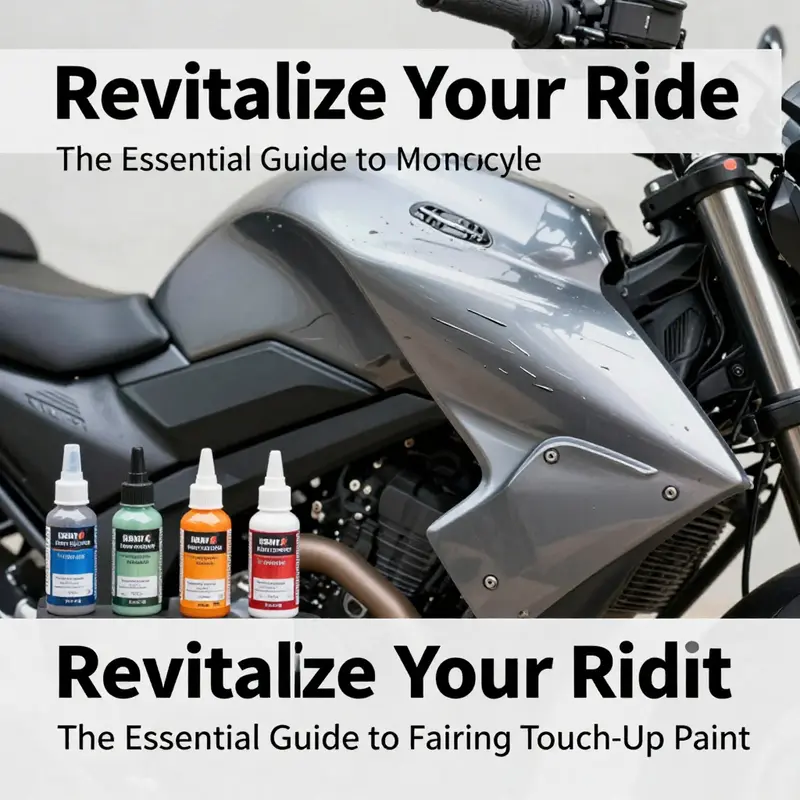
1. Preserving Aesthetics and Functionality: The Critical Role of Motorcycle Fairing Touch-Up Paint
Motorcycle fairings are essential components of a motorcycle’s design, playing a critical role that extends far beyond mere aesthetics. These streamlined panels not only enhance the motorcycle’s sporty appearance but also serve practical functions that impact performance, safety, and the longevity of the vehicle. Over time, however, these fairings are subject to the wear and tear of the road, facing challenges from environmental exposure, debris, and the occasional mishap. Thus, the role of motorcycle fairing touch-up paint becomes paramount in the maintenance process, providing both a cosmetic solution and a protective measure.
Importance of Aesthetics
The visual appeal of a motorcycle is often what initially draws a rider to a particular model. High-performance machines, such as the iconic GSXR 750, are designed with an aggressive stance, characterized by sleek lines and vibrant colors that capture the essence of speed and power. However, minor imperfections such as scratches or chips can mar that flawless look, detracting from the overall impression and potentially impacting the market value. This can be particularly disconcerting for enthusiasts and collectors who take pride in their machines.
Touch-up paint offers a straightforward solution to these aesthetic issues. OEM-matched paints, like those available from specialty brands, ensure that any repairs blend seamlessly with the original color and finish of the motorcycle. This is crucial; a mismatched hue can be glaringly obvious, pulling attention away from the motorcycle’s beauty instead of enhancing it. By using high-quality touch-up paint, riders can effectively conceal blemishes, ensuring their bike remains visually striking even after exposure to the rigors of the road.
Protecting Structural Integrity
While enhancing aesthetics is undeniably important, the structural integrity of motorcycle fairings is equally critical. Fairings are constructed from materials such as plastic or composite that, while lightweight and effective in their role, can become compromised if not properly maintained. Touch-up paint plays an indirect but crucial role in protecting these materials from further damage. Unattended scratches and chips can expose the underlying surface to moisture, UV rays, and chemical pollutants. Over time, this exposure can lead to degradation in the material, resulting in brittleness, cracking, and even complete failure of the fairing.
Applying touch-up paint not only addresses the visual issue but also acts as a protective barrier against the elements. By restoring the paint layer, riders can help seal the fairing surface, preventing environmental factors from penetrating and causing deterioration. This form of prevention can extend the lifespan of the fairing significantly, thus avoiding the need for costly repairs or replacements down the line. Investing time and resources into touch-up solutions is a smart maintenance strategy for anyone serious about motorcycle upkeep.
Advanced Touch-Up Solutions
Modern touch-up solutions are increasingly sophisticated, offering features that go beyond traditional paint applications. Many products now come equipped with integrated clear coats designed to enhance durability and resistance against abrasion and weathering. For example, a transparent paint guard can provide an additional protective layer that shields against everyday wear and tear, effectively doubling as both a cosmetic and functional enhancement. These advanced formulations are engineered to withstand the specific conditions a motorcycle faces, including fluctuations in temperature and exposure to harsh environments.
By utilizing these modern products, riders can achieve a professional finish that not only restores the bike’s appearance but also contributes to its long-term performance. The availability of color-matched options makes it easier than ever to maintain a cohesive look across all parts of the motorcycle. This ensures that every touch-up is not just a repair but a continuation of the bike’s original story, preserving its integrity and personality.
Importance of Proper Application
To fully realize the benefits of touch-up paint, however, proper application is crucial. Cleaning and preparing the surface before applying paint cannot be overstated. Dirt, grease, or old paint residues can significantly impact adhesion, making future repairs more challenging. Riders should take the time to thoroughly wash and dry the area to ensure that the paint will adhere properly and provide a lasting finish.
Furthermore, following manufacturer instructions regarding application techniques, drying times, and curing processes is essential. Ensuring optimum conditions during application, such as temperature and humidity, can significantly affect the longevity and effectiveness of the repair. Additionally, in situations where multiple coats of paint are required, patience is key. Rushing the process can lead to uneven finishes that are counterproductive to their intended effect.
Conclusion
In the realm of motorcycle maintenance, touch-up paint represents an essential element of care that balances aesthetics and function. For owners of high-performance motorcycles, the act of investing in quality touch-up solutions is a commitment not only to the bike’s appearance but also to its enduring functionality. The right products can preserve the visual allure of a motorcycle while also ensuring that its structural integrity remains intact. By investing in proper maintenance and using top-tier touch-up paints, riders can enhance their experience on the road, knowing their machines are both beautiful and built to last.
For reputable touch-up paint options, explore various brands that specialize in color-matched products, ensuring you’ll find the perfect solution for your bike. Whether you’re touching up a Harley-Davidson or a Honda model, finding the right color match can enhance both aesthetic appeal and functional protection far beyond the journey ahead. For motorcycle enthusiasts, the importance of maintaining the fairing goes hand in hand with the passion for riding, ensuring every journey is as thrilling as the last.
Chapter 2: Mastering Motorcycle Fairing Touch Up Paint: Techniques for Longevity and Aesthetic Perfection
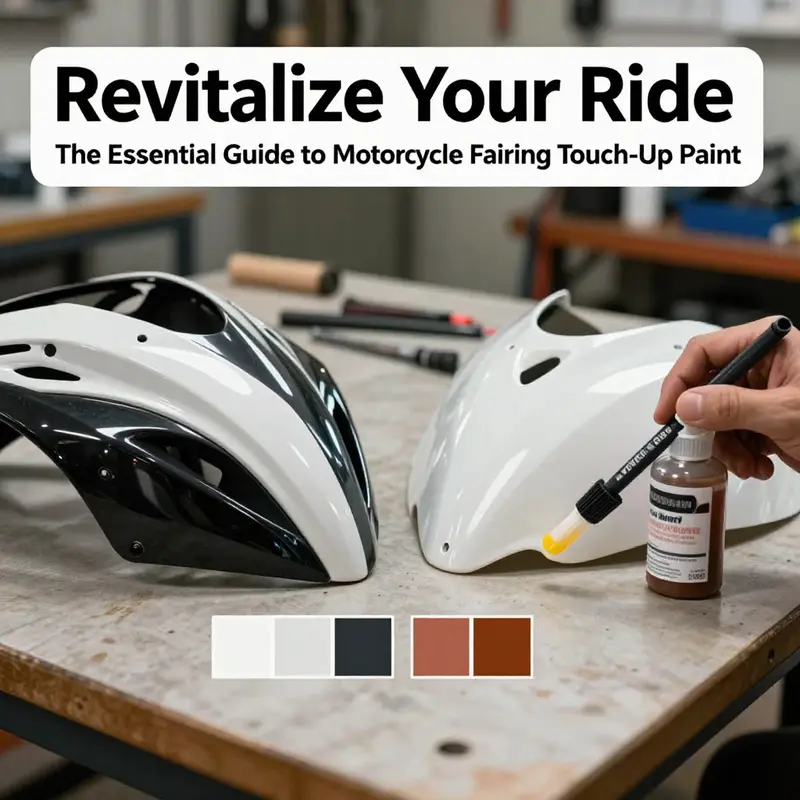
1. Crafting Flawless Touch-Ups: Strategies and Best Practices for Motorcycle Fairing Enhancement
Motorcycle fairings are not merely protective shells; they are integral to the aesthetic and aerodynamic performance of your ride. For models renowned for their speed and design—like the Suzuki GSX-R750—maintaining the fairing’s flawless appearance is vital for both functionality and style. Over time, however, these surfaces can become marred by scratches, chips, or fading caused by environmental exposure, road debris, and even minor impacts. This is where the importance of motorcycle fairing touch-up paint comes into play. Not only does it serve to restore the visual integrity of the motorcycle, but it also helps maintain its protective qualities, making it essential for any motorcycle enthusiast.
The applications of touch-up paint extend beyond simple repairs. They represent a commitment to preserving the bike’s original aesthetic, allowing riders to retain the clean, sleek look that characterizes high-performance motorcycles. For touch-up paint to be effective, meticulous attention to detail in the application process is crucial, as is selecting a product perfectly matched to the specific color and finish of the motorcycle.
Preparation for a Seamless Repair
The key to a successful touch-up lies in preparation. Begin the process by cleaning the damaged area thoroughly. Use a degreaser to eliminate dirt, oil, and wax that may have accumulated on the surface. This step is fundamental because any contaminants can hinder the bonding of the paint, leading to an unsatisfactory finish. Once the area is clean, inspect the damage. If there are any flaking paint or rough edges, lightly sanding the surrounding area is advisable. This not only removes any loose material but also provides a key for the new paint, enhancing adhesion and minimizing the risk of a noticeable repair.
After sanding, a second cleaning session is vital. Dust and debris from sanding can interfere with the painting process, so using a lint-free cloth to wipe down the surface ensures a clean slate for application.
Once the surface is adequately prepared, consider whether a primer is necessary. While many touch-up paints incorporate built-in primers, you may want to apply an additional primer for particularly damaged areas. A primer can enhance adhesion and durability, making it an intelligent choice for repairs on plastic or composite fairings. If you opt to use a primer, ensure it is compatible with the paint type you will use to avoid any bonding issues.
Methodical Application of Touch-Up Paint
With preparation completed, it’s time to apply the paint. For optimal results, use a fine spray gun or aerosol can designed for even arching application. Begin by shaking the paint thoroughly; this ensures a uniform consistency essential for a smooth finish. Apply the paint in light, even coats, allowing for ample drying time between applications. A single heavy coat can lead to runs or uneven texture—effects that can compromise the visual appeal of the repair.
For intricate fairing designs, particularly on sportbikes with contoured shapes, multiple thin layers of paint are preferable. This allows each layer to dry and settle, preventing unsightly drips while enabling the contrasts in color and texture to meld smoothly. Adhering to the manufacturer’s guidelines is essential during this phase, especially regarding recommended drying times and layering.
Once satisfied with the color and coverage, a clear coat serves as the final touch, offering additional protection against UV rays, weathering, and everyday wear and tear. This clear coat further acts to blend the repaired sections with the surrounding surface, ensuring a cohesive look.
Utilizing High-Quality, Matted Touch-Up Paints
Given the various models and finishes available, it is paramount to utilize manufacturer-matched or OEM-quality touch-up paint. For instance, brands such as Suzuki Motorcycles produce official paint kits specifically formulated for their models. These kits usually contain detailed instructions, primer options, and clear coats tailored to the specific year and color code of the motorcycle. Such precision ensures that the repaired sections harmonize seamlessly with the bike’s original finish.
When considering where to purchase high-quality touch-up solutions, online retailers like Suzuki Parts Direct offer genuine products conveniently categorized by bike models. This allows riders to select precisely what they need based on their bike’s specifications, ensuring they receive a product that delivers both visually and functionally. Accessing high-end paints accommodates various colors, finishes (from matte to gloss), and unique customizations, positioning your motorcycle for a long-lasting aesthetic that retains its value.
Another critical aspect to keep in mind during this process is the environmental condition of your workspace. Ideally, repairs should be made in a controlled environment, free of dust and debris. A temperature between 50–75°F (10–24°C) is recommended for optimal paint curing. Avoid conducting touch-ups in high humidity, as moisture can adversely affect paint adherence and finish quality.
The Aesthetic and Practical Benefits
Investing time and resources into motorcycle fairing touch-up paint serves both practical and aesthetic purposes. For example, maintaining the pristine condition of a high-performance motorcycle not only enhances its visual appeal but also helps to uphold its resale value. A well-cared-for bike great looks appealing and signifies a responsible owner, potentially attracting buyers when it’s time to sell or trade up.
Additionally, protecting the fairings prolongs the lifespan of the motorcycle’s components. Fairings shield critical parts from environmental dangers, including sun damage, grime, and accidental scratches. By restoring and maintaining the surfaces, riders ensure that their bikes remain protected, which can save on replacement costs and downtime later.
Perfecting Your Technique
As with any skill, practice makes perfect. Developing a keen sense for applying touch-up paint effectively takes time and experimentation. Start on less visible areas, such as the underside of the fairing, to gauge your technique without the pressure of a perfect finish. Familiarizing yourself with different paint types will help you understand the nuances of working with various finishes.
Once you’ve honed your skills, don’t hesitate to tackle more challenging repairs. Occasionally, you may encounter complex patterns or unique color blends that challenge your abilities. Engaging with online motorcycle communities or forums can offer valuable insights, tips, and shared experiences that can enhance your understanding and skills in paint application and fairing maintenance.
Additionally, don’t shy away from reviewing manufacturer tutorials if available. They often provide practical demonstrations that break down the process, highlighting essential approaches that lead to an impeccable outcome. Videos featuring skilled technicians can be especially enlightening, showing the typical pitfalls and best practices in action.
The Bottom Line
In conclusion, the application of motorcycle fairing touch-up paint is both a technical practice and an art form. With careful preparation and methodical application, riders can preserve their motorcycles’ sleek appearance and robust structure. Choosing high-quality, OEM-matched paint products, following meticulous procedures, and ensuring a suitable work environment are all steps toward achieving flawless results. Taking on this task not only revitalizes your motorcycle but also reinforces your commitment as a rider who values craftsmanship and aesthetics. A well-maintained fairing resonates with your dedication to the ride, turning heads and instilling pride in ownership. For specific models, you can always check out dedicated suppliers for OEM fairing paint, like those offered at websites specializing in motorcycle parts.
Chapter 3: Navigating Choices in Motorcycle Fairing Touch Up Paint: Weighing OEM and Generic Options
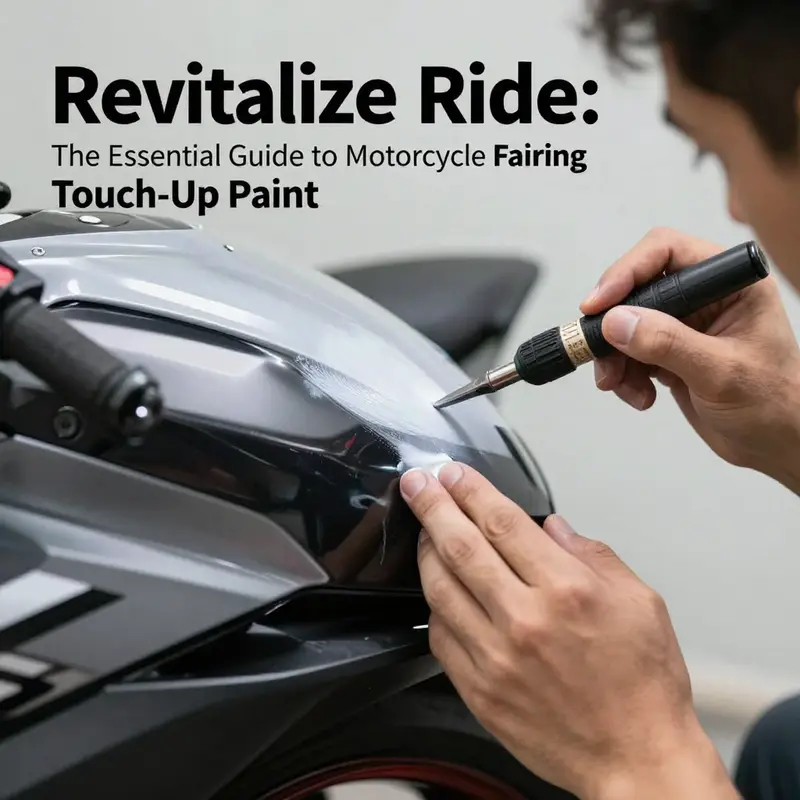
1. Precision vs. Affordability: Decoding the Pros and Cons of OEM and Generic Touch-Up Paints for Motorcycles
When it comes to maintaining the aesthetic and structural integrity of motorcycle fairings, the choice of touch-up paint is crucial. Riders often find themselves at a crossroads: to opt for OEM (Original Equipment Manufacturer) touch-up paint or choose a more budget-friendly, generic option. Each choice presents its unique set of benefits and drawbacks, affecting not only the appearance of the bike but also its longevity and protection against environmental factors. This deep dive into OEM and generic touch-up paints will explore the nuances of each option, helping riders make an informed decision that aligns with their priorities.
Understanding OEM Touch-Up Paint
Choosing OEM touch-up paint is often seen as the gold standard for motorcycle repairs. This paint is formulated specifically to replicate the exact color, finish, and qualities of the original factory-applied paint on the motorcycle. This precision in color matching is particularly crucial in high-visibility areas like the fairings, where discrepancies can be glaringly obvious. For example, a minor scratch on a bright red motorcycle could become more than just a cosmetic concern; it could detract from the bike’s overall aesthetic appeal if the touch-up paint doesn’t match perfectly. When precision is key, OEM paints provide that assurance.
Additionally, durability is a defining feature of OEM paints. They are designed to withstand not only the wear and tear of daily riding but also environmental stressors such as UV rays and temperature fluctuations. A study conducted by various manufacturers indicates that OEM paints maintain their sheen and prevent chipping for a significantly longer period than many generic alternatives. As a result, riders can rest assured knowing that their investment in quality paint will pay off by preserving their bike’s appearance over time.
However, the benefits of using OEM paints do come at a cost. Premium pricing is one of the most significant drawbacks associated with these products. Budget-conscious consumers may struggle to justify the expense, particularly if the repairs they are making are minor or if they don’t plan on keeping the motorcycle for many years. Additionally, OEM paints may not be readily available in retail settings, often necessitating special orders, which can further delay necessary repairs. This unavailability can pose a challenge for riders looking for immediate solutions when their bike sustains damage.
Exploring Generic Touch-Up Paint On the other side of the spectrum lies generic touch-up paint, which presents itself as a cost-effective alternative to the premium offerings of OEM manufacturers. Generic options appeal to those who are budget-conscious and can be found in abundance at local auto shops and online marketplaces. Their accessibility makes them an attractive choice for quick fixes, especially for minor blemishes and scratches that don’t impact the overall look of the motorcycle.
The affordability of generic paint can be particularly enticing. Riders can invest in these options without breaking the bank, making it feasible to address cosmetic damages that may not warrant the expense associated with OEM solutions. For instance, if a rider experiences a small chip on a less prominent part of their fairing, they might opt for a generic touch-up paint purely for its economic appeal.
Nevertheless, the lower price point also comes with significant compromises. One of the most notable limitations of generic touch-up paints is their color matching capabilities. Though some manufacturers excel in this area, many generic brands lack the precise formulation needed to perfectly replicate the original paint. This can result in visible mismatches in hue, gloss, and texture that become especially noticeable under direct sunlight or varying lighting conditions. This discrepancy can lead to unsightly patches that detract from the bike’s overall appearance, potentially diminishing its value and appeal.
Moreover, the durability of generic paints often does not measure up to OEM alternatives. Many generic formulations are not engineered with the same level of resilience to weathering, meaning that they might wear off or fade more rapidly over time. Consequently, riders may find themselves needing to reapply touch-up paint more frequently with generic options, negating any upfront savings made on the original purchase.
Another consideration is the risk of inconsistent results when using generic paints. While they may offer a viable solution for minor scratches, the potential for inconsistent application or lack of compatibility with the original substrate can lead to long-term complications. Such issues highlight a paradox that riders face: while generic paints may serve as an immediate fix, they can, in the long run, result in more extensive damage if not handled with precision.
Balancing Priorities
Ultimately, the decision between OEM and generic touch-up paints circles back to personal priorities and the specific needs of the motorcycle. For riders who prioritize visual perfection, particularly in high-value or custom motorcycles, investing in OEM matches will likely yield superior results. Their warranties and assurances of color accuracy and durability further bolster the reputation of these products. On the other hand, motorcycle maintenance for budget-conscious enthusiasts often leads to the adoption of generic alternatives, particularly for quick fixes that do not affect the bike’s core identity.
Riders need to weigh the urgency of repairs against the outcomes they desire. If a rider is looking for a perfect finish that matches the factory paint closely, OEM remains the superior choice. Generic paints may suffice for quick touch-ups, but they often come with the caveat of less-than-perfect results. For those unsure about their specific motorcycle model’s color, referring to a manufacturer’s paint code can ensure better results regardless of the type of paint chosen.
Conclusion
In the end, the decision to choose between OEM and generic touch-up paints requires a careful assessment of one’s budget against the value of aesthetic integrity and long-term performance. By understanding the unique characteristics of both options, motorcycle owners can make a decision that not only suits their immediate repair needs but also aligns with their vision for their cherished motorcycles. When it comes to ensuring that a bike remains as beautiful as the day it rolled off the assembly line, being educated about the available choices is fundamental. For riders keen on exploring more about motorcycle fairings, you can find insightful resources here.
Final thoughts
Motorcycle fairing touch-up paint is not just about repairing minor imperfections; it’s a critical component in the overall maintenance and appeal of motorcycles. By investing in quality products and mastering the application techniques, business owners can enhance the customer experience, preserve motorcycles’ aesthetic integrity, and potentially increase their resale value. Prioritizing quality in selection and technique fosters a better connection with customers and builds trust in your services.
Ready to elevate your ride? Summit Fairings delivers premium, custom-fit fairings that blend style and durability. Whether you’re chasing speed or turning heads, we’ve got your bike covered. Don’t wait—transform your machine today. Click, customize, and ride with confidence. Your perfect fairing is just a few clicks away. Act now!
About us
We are one of the leading motorcycle fairing export sites, with over 3,000 styles across almost all motorcycle models. Buy from summitfairings.com, and pay 10-40% less than the prices on other sites. If you have any questions, we promise we will have your answer within six hours.