
The motorcycle industry in South Africa presents numerous opportunities for business owners, particularly in the segment of motorcycle fairings. These vital components enhance both the aesthetics and aerodynamic efficiency of bikes, thus capturing the growing interest among riders. As the market for motorcycles expands, understanding the avenues for sourcing fairings—both locally and internationally—becomes paramount for businesses. This article delves into the various sales channels for motorcycle fairings in South Africa, evaluates the types and models most in demand, offers practical purchasing advice, highlights regulatory standards affecting fairings, and discusses emerging market trends that could shape the future of this segment.
Riding the Curve: Bridging Local Demand and Global Supply for South African Motorcycle Fairings
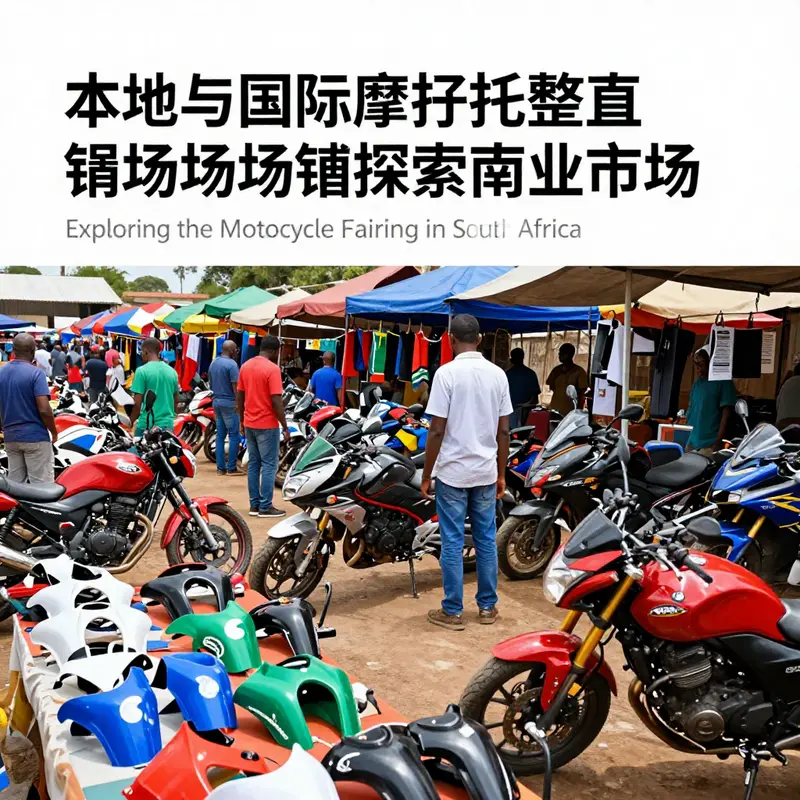
South Africa sits at a pivotal crossroads for motorcycle parts, where appetite for performance and style collides with the practical realities of logistics, climate, and regulatory standards. In many urban centers and outlying towns alike, riders are looking for ways to tailor machines that can handle long highway miles, dusty backroads, and sudden coastal showers. The market for fairings—whether to improve aerodynamics, shield riders from wind and debris, or simply upgrade a bike’s stance—exists within a broader ecosystem of motorcycle parts, aftermarket modification workshops, and wholesale suppliers. What makes the South African scene distinctive is not just the variety of bikes on the road but how quickly global supply chains can adapt to local needs when the right channels are in place. The path from factory floor to a rider’s hands in a Cape Town suburb or a Gauteng workshop is paved with decisions about distribution, service, and fitment accuracy.
Grounded experience from other regions shows that a successful market entry or expansion in South Africa hinges on three intertwined factors: local partnerships, robust logistics, and a digital-first approach to reach a dispersed customer base. Global suppliers eyeing South Africa can look to the broader pattern seen when Chinese motor brands and their partners entered African markets. They moved quickly to align product lines with local demand, set up regional stocking points, and build service networks that reduce downtime for customers. The lesson is simple but powerful: products that arrive with clear compatibility guidelines, readily available spares, and predictable lead times become trusted choices even in environments with diverse driving conditions and a patchwork of highways, dirt roads, and city streets. In this light, fairings are not merely decorative shells; they become a portable part of the rider’s ecosystem, carrying with them expectations about fit, protection, and after-sales support.
To translate this into practical market moves, it helps to think of the South African channel landscape as a mosaic of local dealers, regional distributors, and direct-to-consumer solutions that can be scaled. A local dealer network can anchor the model by offering not just a product, but a coordinated service package: compatible fairings, professional fitting, and a guaranteed supply of spare parts. When a rider needs a quick replacement or a repair, proximity matters as much as price. A regional distribution center acts as a bridge between overseas manufacturers and the street-level needs of customers who require rapid fulfillment. It shortens lead times, reduces the friction of import paperwork, and builds a buffer stock for popular models and configurations. In this sense, the distribution hub becomes a strategic asset, transforming what could be a months-long supply chain into a matter of days or even hours.
Exhibitions and trade shows also play a decisive role in shaping perception and accelerating deals. Major automotive and motorcycle events in South Africa attract buyers, mechanics, and shop owners who are scouting for reliable partners and new lines. These venues provide a concentrated venue for demonstrations, technical Q&A, and the chance to compare several design options side by side. In parallel, a disciplined digital strategy amplifies reach far beyond the event floor. Social media campaigns, targeted digital advertising, and e-commerce capabilities respond to a growing appetite for convenience. Consumers expect to browse, compare, and purchase with the same ease they experience in other sectors. For this reason, a comprehensive online presence—featuring clear fitment guides, dimensional specifications, and visualizations of how the fairing integrates with a vehicle—can convert interest into a purchase more efficiently than traditional showroom-only tactics. To support speed and reliability, manufacturers should consider establishing a local online-to-offline workflow, where customers can place orders online and pick up or have parts delivered from a nearby warehouse.
Localization must also address the realities of South Africa’s climate and road conditions. The country experiences a broad spectrum of weather, from rainy coastal zones to dry inland routes, with some evening commutes subject to sand and dust. Fairings designed for this market ought to prioritize water ingress resistance, anti-corrosion finishes, and resilient fasteners that can withstand temperature fluctuations. An emphasis on modularity can help as well, giving riders the option to adjust protection and aerodynamics without replacing the entire assembly. The design philosophy should consider security features too. Given the urban density and the prevalence of theft in certain areas, fairings that integrate or coordinate with vehicle anti-theft systems, or that offer removable panels, can add value by allowing riders to protect the parts when their machines are parked. In addition, a thoughtful approach to branding and visual styling—without relying solely on aggressive graphics—can attract riders seeking a modern, sport-leaning silhouette that complements a wide range of bikes commonly seen on South African roads.
A robust after-sales and parts ecosystem is essential. Establishing a local parts warehouse reduces downtime and supports a loyal customer base. Quick access to common fasteners, brackets, and reefing kits helps service centers perform repairs without waiting on lengthy international shipments. Riders who experience problems during touring or at remote stops should feel confident that parts are accessible nearby, not only for themselves but for workshop partners who service their bikes. In this way, the fairing becomes less about a one-off purchase and more about a lasting relationship, anchored by dependable supply, clear warranty terms, and accessible service support. The best operators in this space recognize that the value proposition extends beyond a single component; it encompasses the ongoing care and assurance that a rider’s investment remains functional over time.
The potential for growth in South Africa’s motorcycle sector is intertwined with broader regional dynamics. While current demand centers on performance and appearance, the market is positioned to evolve alongside advancements in powertrains and electrification. As electric two- and three-wheeled vehicles gain traction, the demand for lightweight, aerodynamically optimized fairings will grow. In many cases, these parts will be integral to energy efficiency and range, making them a strategic focal point for manufacturers and distributors seeking to align with the shifting preferences of riders. A forward-looking strategy therefore couples traditional, durable materials with innovative, modular designs that can be updated to accommodate new propulsion platforms without a complete system replacement. This approach not only broadens the potential customer base but also reduces lifecycle costs for riders, reinforcing the case for a long-term partnership between local distributors and international suppliers.
Within this framework, a practical option for customers seeking localized choices is to explore a curated catalog that emphasizes fitment versatility and regionally informed guidance. For example, a well-structured online store can present clear compatibility matrices across popular dual-sport and touring platforms, ensuring riders avoid mismatches that lead to returns or downtime. An integrated support system—ranging from assembly tips to instructional videos and live chat with technical staff—can further reduce friction in the buying process. The net effect is a smoother, more trustworthy experience that encourages repeat purchases and referrals, strengthening the channel network over time.
As a concrete example of how to keep product discovery hands-on while maintaining scale, consider showcasing a representative portfolio of modular fairings and their adaptable mounting options. A rider in a semi-urban environment can evaluate how a particular configuration alters aerodynamics at high speeds, while a rider in a distant town might rely on a stock-keeping unit that readily fits several models with minimal modification. For those who want to sample before committing, a regional test-rig or mobile demonstration unit—paired with a vetted installation partner network—can translate online browsing into tangible, local confidence. The aim is to blend the best of global supply with a tactile, human-centric distribution approach that respects regional realities while drawing on global expertise.
In the broader narrative of market expansion, it is helpful to keep in view the potential for data-driven decisions. Digital channels generate rich signals about which models are in demand, which regions show rising interest, and which after-sales services customers value most. When these insights are coupled with a resilient logistical backbone and an empathetic, locally attuned sales strategy, the outcome is a market that can scale with responsibility and precision. The chapter’s core finding is that the most enduring success comes from pairing local anchor partners with a global supply stream that prioritizes compatibility, serviceability, and speed. The fairing, in this sense, becomes a bridge between two worlds—the predictable reliability of established manufacturing practices and the dynamic, diverse demands of riders across South Africa.
For readers seeking a practical touchpoint, one may inspect a widely accessible catalog that demonstrates how such partnerships translate into accessible options on the ground. yamaha-fairings offers an example of a comprehensive collection that can inform local assortments and fitment guidance. yamaha-fairings provides a sense of how a catalog structure could be mirrored in a South African context, emphasizing clear categorization, model compatibility, and cross-model adaptability. This reference is illustrative rather than prescriptive, underscoring the importance of making global design principles legible and implementable for local audiences.
The narrative above aligns with a broader understanding of how international brands can integrate into African markets by prioritizing localization, speed in service, and a digitally empowered consumer experience. It acknowledges that success in South Africa is not merely about shipping parts across oceans but about building a serviceable, reliable ecosystem that riders trust. The journey from factory to fairing on a working motorcycle is thus a story of collaboration, logistics, and user-centric design that respects regional realities while drawing on global expertise.
External resource: for a broader context on how Chinese automotive and mobility players are penetrating African markets and influencing local dynamics, see this report-style overview: https://www.bbc.com/news/world-africa-68985117
从车型到风阻的抉择:在南非市场选择合适的摩托车整流罩类型
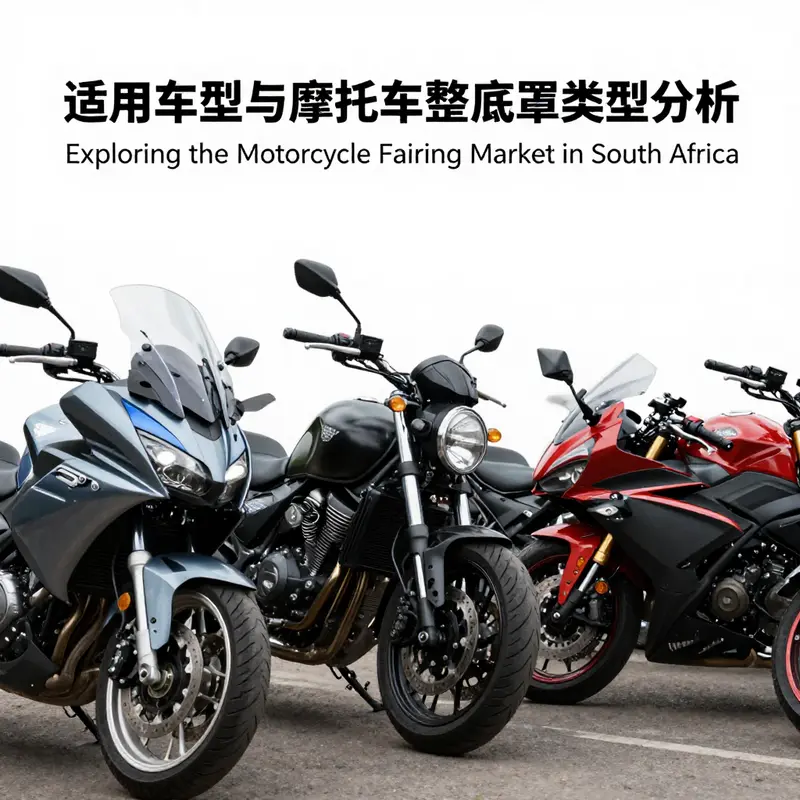
在南非的公路与山路之间,摩托车整流罩不仅是外观升级的象征,更是风阻管理、舒适度提升与长期耐用性的重要因素。要在这个市场正确选择合适的整流罩,必须把重点放在“适用车型的类型差异”与“气动学与环境条件的匹配”之上。整流罩的设计并非单一美学或单纯装饰,而是与车身的轮廓、风道走向、气流分布和驾驶者的姿态共同演化的产物。按照常见的车型划分,整流罩的类型大致可以归入仿赛车型、街车、巡航/旅行型、拉力/越野型及踏板车等几大类。仿赛车型以全包覆为主,强调在高速巡航中的稳定性与气动效率;街车则以简化或局部导流为主,兼顾城市通勤的灵活性与外观个性;巡航与旅行型更偏向大面积风挡与风阻控制,以舒适性和长期耐用性为核心;而拉力与越野型则强调模块化、可拆卸的设计,以便在公路与越野之间快速调整重量与保护程度。这样的分类并非简单标签,而是对不同路况与使用偏好的回应,尤其在南非这样多变的道路环境中,选择正确的整流罩类型往往能直接影响骑乘体验与长期维护成本。
在实际场景中,仿赛车型的整流罩往往追求连贯的空气动力学轮廓。它们从车头延伸至车尾,形成一个完整的流线外壳,能显著降低迎风系数,并提升高速中的稳定性。对于经常在高速公路上巡航的 riders 或者热带高温区域的长途骑行者来说,低风阻带来的燃油经济性与舒适性回报是非常明显的。然而,若设计不当,重量增加、散热受限甚至涡流增生都可能削弱车辆的加速性能与操控灵活性。因此,选型时需要评估整流罩的重量分布、与发动机周围风道的配合,以及是否在设计中预留了必要的通风与散热空间。另一方面,街车的整流罩则常以半整流罩或导流罩为主,保留了车体裸露的机械美感,同时通过有限的外包结构改善前方迎风体验。对于城市通勤、短途出行以及日常穿梭的驾驶者,这样的组合往往在舒适性与机动性之间取得更为平衡的结果。巡航/旅行型的整流罩则强调对风压与风浪的整体控制,通常配备更大尺寸的风挡与导流结构,以应对长途风力干扰带来的疲劳感。评估这类整流罩时,需要关注其对风阻的管理是否真正带来舒适性提升,以及在随车人员存在的情况下,是否仍能保持良好的气流分布与视野视线。拉力/越野型的整流罩则体现出对多场景适应性的偏好。它们通常采用可拆卸、模块化的设计,使骑手能够在公路行驶时获得基本风阻保护,而在越野场景中快速减重、降低被损风险。这种灵活性在南非丰富的林道、沙地与山路体验中尤为重要,因为越野驾驶与公路驾驶的需求差异往往伴随高强度的震动与复杂气流环境。踏板车与复古车的整流罩倾向于更紧凑、集成化的结构,常将储物与外观设计融为一体,以适应低速城市出行与文化审美的叙事。}
在评估车型与整流罩类型的配对时,另一个不可忽视的层面是整流罩与车辆电气系统的耦合。整流罩并非孤立的壳体,它的安装位置、边缘处理以及接口分布,往往会影响到布线的走向、转向灯的供电路径以及仪表盘的视觉定位。不同品牌、不同厂家的整流罩在接线口、夹具位置、甚至灯具的安装点上都可能存在差异,即使外形高度相似,也可能在实际更换时遭遇接口不兼容的问题。这种技术耦合的复杂性,恰恰要求购买者在南非市场中既要关注外观与气动效果,也要关注与自家车型的具体适配性、年份与品牌之间的精确匹配。因此,寻找能够提供明确“适用车型、年份及安装要点”的产品信息,成为避免后续安装困难的关键。比如,若市场上出现针对某一系列车型的整流罩说明,且明确标注了“适用于特定年份”的列项,这类信息将显著降低试错成本,提升改装的成功率。此时,专业改装店的技术人员与经验丰富的电气技师的角色就显得尤为重要,他们能在现场对连接端口、灯光系统和防水密封件进行逐步验证,确保改装后的整流罩在温差、湿度和尘土环境下的稳定性。与此同时,购置渠道的选择也应考虑南非本地物流与售后服务能力。与可靠的批发平台或具备非洲出口经验的制造商建立联系,能在运输、退换、保养与配件获取等方面提供更高的可行性和保障。对于计划进口的买家,建议在下单前就明确物流方式、关税成本、售后承诺以及是否能够提供安装所需的配件清单与技术支持。这样,整流罩的采购不再只是一次单纯的购买动作,而是与车辆整体系统、路况适应性以及未来维护计划的一体化决策。
在南非的本地市场中,尽管没有明确的专门零售商将“南非市场专属”的整流罩独立呈现,但通过跨境电商平台与南非当地的改装店,往往能获取多样化的选择。对于那些希望在不改变整车安全性与法规合规性的前提下进行美观升级的消费者来说,了解车型类型与对应整流罩的适用性就变成第一步。为进一步扩展本地资源,读者可以参考一处可供灵活比对的资源——其中涵盖多种型号的整流罩及其对应的车系适配信息,帮助用户在进口前做出更明智的判断。你也可以通过本地的汽车改装社区、二手市场以及专业论坛获取更多“本地化”的实用建议与经验分享。并且,在获取选项时,务必确认整流罩的型号与所在车型的匹配性,避免因为年份差异、接口规格不一致或安装孔位错位而带来安装困难或功能异常的问题。为便于跨境沟通,建议用清晰的表格形式记录目标整流罩的型号、适用车型、年份区间、重量、材料以及安装所需工具清单,以便与供应商沟通时减少歧义。此举不仅有助于避免返修和退换成本,也能在长期使用中维护外观与性能的一致性。
在整体采购与安装规划中,南非市场的消费者也应关注当地的法规与安全标准。某些改装部件在严格的风格与功能合规性方面可能有区域性要求,例如对前灯、后灯、警示灯等的安装标准,以及对风挡高度、车辆总宽度与稳定性的监管。对这些要求的理解不仅关系到合法合规,也直接影响到上路后的驾驶体验与保险索赔的可行性。因此,在确定最终的整流罩类型前,建议与具备当地经验的改装技师进行沟通,确保所选方案在法规框架内实现预期的气动与美学目标。
在市场动态方面,欧洲市场的增长与跨境电商的蓬勃发展也对南非有着示范性作用。随着消费者对骑行舒适性与空气动力学性能的关注度持续上升,整流罩在中高端车型中的普及率将继续上升。这一趋势在全球范围内的零部件流通中逐渐显现,跨境平台上对某些车型定制化整流罩的需求日益增加。南非的骑士群体也在逐步吸纳这种全球化趋势,将外观升级与性能优化结合起来,以适应长途行驶、沙尘天气与高温环境等现实挑战。与此同时,地方商家也在通过更灵活的定制服务来满足本地市场对风阻控制、视野保护与美观风格的综合需求。总体而言,南非市场的整流罩选择正在从单纯的外观装饰向“与车型、气动学、法规与路况综合匹配”的综合决策转变,这也为未来的供应链与技术服务提出了新的挑战与机遇。
对于继续深入了解车型与整流罩匹配的读者,以下资源可以作为进一步研究的起点。结合不同车型类别的实际体验与技术参数,读者可以在下文的收藏夹中找到与其需求最贴近的组合,并据此制定更具前瞻性的采购计划。 本田整流罩集合 提供了一系列本田系列的整流罩资源,便于对比不同车系在改装中的兼容性与美学风格。外部参考资源还包括关于欧洲市场规模与行业分析的权威研究,以帮助读者从宏观层面理解全球趋势如何传导至南非市场。外部资源: https://www.grandviewresearch.com/industry-analysis/motorcycle-market 在综合评估后,选择合适的整流罩是一个多维度的决策过程,涉及车型类型、气动学表现、材料与结构、安装与电气耦合、法规与售后服务以及本地物流与市场环境。通过系统地比对不同车型的需求,并结合本地实际路况与使用习惯,南非的骑士能够在提升舒适性与性能的同时,确保改装的长期稳定性与合规性。
Buying Motorcycle Fairings in the South African Market: Advice, Risks, and Realities
Buying motorcycle fairings in the South African market demands more than chasing a bargain price or a glossy online image. It requires a patient, informed approach that threads together model compatibility, material quality, supplier reliability, and the practical realities of logistics and regulation. In South Africa, the pool of options often blends local modification shops with a broader spectrum of imported components sold through online wholesalers and regional distributors. Riders value fairings not only for the way they shape a bike’s silhouette but for the wind protection, debris shielding, and fuel efficiency that can improve comfort on long roads and off-road stretches alike. The balance between functionality and aesthetics is delicate; a fairing must endure heat, UV exposure, and the occasional rock without cracking or discoloring. Because many of these parts are imported, market conditions shift with exchange rates, shipping costs, and the speed of customs clearance. A thoughtful buying process helps ensure the final choice supports the bike’s performance while still aligning with the rider’s budget and goals.
The first and most critical step is identifying fit. Compatibility is not a casual attribute; it is the deciding factor that determines whether a fairing will actually mount and function as intended. This means confirming the exact make, model, and year of the motorcycle, plus any regional variations that affect mounting points or instrument housings. The market often presents a spectrum—from simple cosmetic panels to complete bodywork kits that encompass several panels and fasteners. What looks like a straightforward replacement can hide subtle interface differences, such as foldable tabs, screw spacings, or the shape of mounting brackets. An ill-fitting fairing can introduce wind gaps, increase turbulence around the rider, or even interfere with headlights or turn signals. For this reason, professional guidance or a seller who provides precise fitment data is invaluable. When the information is clear, it reduces the risk of returns and the frustration of incompatible purchases.
Beyond fit, the material composition tells a story about durability and price. ABS plastic is common for factory and aftermarket panels because it blends impact resistance with affordability. It is usually reinforced with internal bracing or a light frame to resist cracks under vibration or a stray stone. Glass fiber, or FRP, offers greater rigidity and heat tolerance, which can be advantageous on longer highway rides or higher-speed conditions; it tends to be heavier than ABS but often feels sturdier in real-world use. Carbon fiber panels push the envelope on weight reduction and stiffness, providing a premium aesthetic and performance edge, yet they carry a premium price and can sometimes be less forgiving in impact scenarios if not properly reinforced. In the South African context, the choice often comes down to a trade-off between upfront cost and long-term durability, as both fuel economy and ride quality can be influenced by how well a fairing manages wind pressure and buffs off minor road debris. The better products typically combine multiple materials to optimize stiffness, impact absorption, and surface finish, delivering a finish that resists fading under sun exposure and won’t peel away with repeated heat cycling. A fairing’s finishing, including gel coats or paint-ready surfaces, matters as much as its core composition, because a well-sealed surface resists chalking and keeps color stable through seasons of sun and rain.
Finding a trustworthy supplier is perhaps the most nuanced part of the journey. The market in South Africa features a blend of local shops that offer installation services and regional distributors that ship from abroad, as well as online wholesalers that source directly from overseas manufacturers. When evaluating suppliers, it pays to look for transparent specifications about the product’s origin, materials, and finish. A seller with clear documentation about frame attachments, panel weights, and mounting hole alignments minimizes guesswork. Seller credibility can also be inferred from how they handle questions about shipping, packaging, and return policies. A robust return policy is a safety net for choosing the wrong fit or discovering a description gap after receipt. Price is important, but it should be weighed against the cost of potential shipping delays, customs duties, and the possibility of needing spare brackets or sealants to complete the installation. In this landscape, the highest value often comes from suppliers who combine detailed technical data with accessible after-sales support, offering guidance during installation and a straightforward way to address issues if parts arrive damaged.
The financial side of the decision includes several layers. The base price reflects the material choice, the complexity of the design, and the inclusion of hardware and instructions. The total landed cost—when you factor in air or sea freight, import duties, VAT, and any handling fees—can dramatically shift the final price compared with the sticker price seen online. Importantly, shipping times in the region can be unpredictable due to logistics networks and customs processing, which means a longer wait or stricter documentation could alter project timelines. For this reason, many riders lean toward ordering well ahead of planned installation windows, particularly if they are coordinating a broader bike restoration or modification project. It’s also wise to verify whether the seller provides installation guides, video tutorials, or recommended torque specs for fasteners. Clear guidance reduces the risk of overtightening or under-tightening, both of which can compromise fit and safety. In practice, prudent buyers budget not just for the part and its shipping, but also for shop time if professional fitment is chosen, and for small but essential accessories like mounting gaskets, sealants, and edge guards that help protect the finish during mounting and during subsequent rides.
Installation and legal considerations deserve careful attention. A fairing, once installed, changes the bike’s aerodynamics, comfort, and sometimes even weight distribution. The riding experience shifts as wind impact changes, which can alter throttle response and fatigue levels on long rides. In some regions, modifications that alter lighting or signaling may interact with local road-safety standards, so it is prudent to confirm any legal requirements before finalizing a purchase. Even when a modification appears purely cosmetic, ensuring it meets basic safety expectations—like not obstructing headlights or impairing visibility—is essential. A practical approach blends planning with a test-fit phase. If possible, perform a dry run of mounting with the fairing off, then assemble gradually, checking alignment at multiple points and re-tightening as the bike settles on torque specs. By treating the process as a staged procedure rather than a one-shot installation, riders preserve both the bike’s integrity and the finish on the new panels. The end result is a fairing that not only enhances the appearance but also behaves predictably in wind and weather, preserving the bike’s handling characteristics you rely on during everyday commutes and weekend adventures alike.
The South African market’s realities also shape how riders think about value and risk. Local support networks, the availability of compatible spare parts, and the ease of returning a faulty item all contribute to overall satisfaction. A well-chosen fairing should provide years of service with minimal maintenance, resisting warping, cracking, or fading under intense sun and varied climate conditions. For the curious shopper, a practical path is to use model-agnostic references and cross-check fitment data from multiple reputable sources whenever possible. Reading user feedback that highlights actual installation experiences and field performance can reveal subtle quirks that official descriptions might miss. This grounded approach helps manage expectations about what a given panel set can realistically deliver in South Africa’s diverse riding environments, from coastal highways to inland gravel stretches. In the end, the goal is not simply to slap on a new shell but to integrate form, function, and reliability into a seamless whole that enhances both the bike’s character and the rider’s confidence on every kilometer.
For those seeking a streamlined entry point into the broader fairings ecosystem, one can explore a neutral gateway that aggregates various fairing options without tying the choice to a single brand. This approach keeps the decision flexible while still offering clear, model-relevant guidance. When ready to dive deeper into specific options, riders may also consider breadth across product lines that cover multiple categories—from race-inspired panels to more subtle touring-oriented designs—keeping in mind that the best choice balances fit, finish, and future serviceability. A final word of caution: always confirm the exact mounting pattern and the required fasteners before ordering, and anticipate a realistic timeline for delivery and installation. With deliberate planning, the South African market offers a robust spectrum of fairings that can both protect a rider from the elements and elevate the bike’s presence on the road.
Internal link note: for a broad range of fairing options and guidance on model compatibility, explore the Fairings collection. This resource can serve as a baseline reference when narrowing down materials, finishes, and mounting considerations while remaining flexible about brand preferences. It helps ensure that the search remains focused on fit and quality rather than chasing the lowest price alone.
External resource: as you investigate how global wholesale platforms present and confirm product specifications, a general reference point for broader trade information is a widely used global marketplace that hosts a range of suppliers with varying shipping capabilities and documentation standards. This external resource offers context about how to compare descriptions, assess seller credibility, and plan for import-related costs. https://www.alibaba.com
Between Compliance and Confidence: How South Africa’s Standards Shape Motorcycle Fairings for Sale
On the roads of South Africa, the choice of motorcycle fairings for sale is more than a matter of aesthetics or speed. It sits at the intersection of durability, safety, and the legal framework that governs what can be fitted to a working motorcycle. This chapter traces how regulatory expectations and technical standards influence what fairings are available, how they perform, and why buyers, importers, and repair shops must think beyond looks when considering aftermarket shells. The story is not simply about surfaces; it is about the long game of road safety, product longevity, and market trust in a country where climate, terrain, and traffic mix demand resilient components.
At the heart of the discussion lies the regulatory backbone: the South African National Road Traffic Act and the standards set by the South African Bureau of Standards (SABS). Fairings, while primarily aesthetic or aerodynamic enhancements, can alter how a motorcycle handles wind forces, how visible its lighting and indicators remain, and how protected a rider is in a crash. Because these parts sit at the boundary between manufactured hardware and vehicle performance, they must be examined through a safety lens before they can be imported, sold, or installed. The regulatory logic is straightforward in intent: any part that touches a motorcycle must not undermine safety, must not obscure essential lighting or signaling, and must withstand routine environmental stress without fragmenting or degrading into dangerous debris.
From a design perspective, compliance translates into concrete material and performance criteria. South Africa’s standards explicitly address impact resistance, heat tolerance, and UV aging, among other properties. A fairing intended for South African roads cannot simply be a glossy shell; it must maintain its form under sun-baked heat, endure dusty and sandy wind, and resist cracking or warping when subjected to a fall or scrape. Achieving this requires careful material selection, whether in durable plastics, reinforced composites, or hybrid laminates. It also requires realistic testing protocols that mimic local climate conditions. A lightweight shell that deforms under heat or shatters under minor impact may look appealing, but it will fail at the first heatwave or after the first minor incident. In other words, the standards push manufacturers toward conservative reliability, not just eye-catching form.
A practical effect of this framework is a careful balance between aerodynamics and safety. Fairings are not merely external covers; they alter airflow around the engine, rider, and cooling systems. In the South African context, where riding may occur at altitude, in variable humidity, or across long stretches of open road, the aerodynamics must contribute to stability at speed while not compromising visibility or signal integrity. This is why the standards emphasize compatibility with headlamps, rear lighting, reflectors, and mirrors. If a shell covers or impedes a light or a signal, it can fail the conformity assessment. The consequences extend beyond one rider: a non-compliant fairing can lead to a vehicle failing a roadworthiness check, or worse, being deemed unsafe for operation. The result is a market that rewards manufacturers who design with forward compatibility in mind and with end-use realities in South Africa in view.
Import pathways reflect a second axis of influence. South African importers operating in the motorcycle aftermarket must navigate documentation, conformity statements, and, where applicable, local market approvals. The global supply chain—where shells can originate from manufacturing hubs abroad—means regulators scrutinize not only the product but the evidence of its safety and performance. This often includes material specifications, testing reports, and statements of compliance aligning with SABS expectations. For buyers, this translates into a prudent question set: Does the shell withstand the local climate? Will it maintain its finish after sun exposure? Does it preserve the visibility of headlights and indicators? Is it compatible with the model families common in the region, including dual-sport bikes and touring motorcycles that predominate on South African roads? A positive answer to these questions is a gateway to legal and practical acceptance on local streets and highways.
The market consequences of adherence to or deviation from standards are significant. When a fairing meets the technical criteria, it does more than offer a protective and aerodynamic option. It becomes a credible part of a motorcycle’s overall risk management profile. For workshops and retailers, compliance becomes a signal of trust. A compliant shell reduces the chance of later disputes over safety, enhances warranty viability, and supports a brand’s reputation for quality. Conversely, non-compliant parts introduce a cascade of risks: unexpected degradation, warranty disputes, potential recalls, and regulatory penalties. In markets with mixed climates and varied road conditions, these incentives are amplified. South Africa’s diverse weather patterns—from arid interior to coastal humidity—amplify the importance of long-term durability. A shell that looks sharp but peels or delaminates within a year can undermine a retailer’s credibility and invite costly returns. The alignment between technical standards and consumer expectations thus becomes a competitive differentiator in a market where riders value resilience as much as aesthetics.
From a consumer lens, the compliance framework influences purchasing decisions in layered ways. First, riders gain confidence that the fairing will remain intact under the rough-and-tumble realities of local roads. Second, the option that aligns with local lighting and signaling requirements reduces the risk of post-purchase issues during annual inspections or roadworthiness checks. Third, the availability of certified or clearly labeled products lowers the perceived risk of buying from untested sources, a non-trivial consideration in markets with broad imports and a robust second-hand scene. In practice, buyers tend to gravitate toward suppliers who emphasize documentation, technical data, and transparent fitting guides. This preference is not about pedigree alone but about predictable performance in the conditions most riders actually experience.
The landscape of suppliers is global, with some manufacturers openly exporting to Africa and signaling intent to meet regional needs. Yet the same global ties that broaden choice also raise questions about after-sales service and part compatibility. Importers and repair shops can mitigate these concerns by establishing clear service networks, offering compatible mounting solutions, and providing installation guidance that respects the engineering intent of the fairing and the needs of the motorcycle platform. The goal is not to push a one-size-fits-all solution but to curate options that preserve critical factors such as fitment accuracy, ignition and lamp alignment, and rider protection. In this sense, the market’s maturity rests on the ability to translate stringent standards into practical, serviceable realities for riders who depend on dependable performance in a wide range of environments, from urban corridors to remote touring routes.
Finally, the regulatory emphasis has implications for the broader image of the aftermarket sector in South Africa. Companies that commit to compliant design, thorough testing, and transparent labeling reinforce consumer trust and establish a higher baseline for quality across the sector. This, in turn, benefits new entrants by elevating expectations and elevating the visibility of responsible practices. As demand grows for longer-lasting, safer, and better-performing fairings, the market opportunity aligns with the duty to keep riders safe and vehicles roadworthy. The outcome is more than a procurement decision; it is a strategic choice about how the aftermarket supports safe riding culture, predictable maintenance, and a resilient supply chain in a country famed for its vibrant roadways and diverse riding communities.
In sum, the influence of compliance and technical standards on motorcycle fairings for sale in South Africa is a layered narrative. It weaves together regulatory intent, material science, aerodynamic performance, and market dynamics into a coherent frame. The standard’s reach extends from the moment a shell is designed to the point it is fitted, tested, and inspected on public roads. For riders, importers, and workshops alike, this means choosing fairings with proven compatibility, documented performance, and a track record of durability under the country’s climatic and road realities. The more thoroughly a fairing speaks to safety, visibility, and reliable performance, the more confident a buyer can be that its visual appeal will endure where it matters most: under the sun, in wind, and through countless miles of South Africa’s roads.
External resource for regulatory details: https://www.sabs.co.za/standards/motor-vehicle-regulations/
Further context on practical considerations for the local market can be explored by reviewing industry discussions and maintenance practices in regional forums and consumer guidance pages. Although model-specific fitment can vary, the underlying principle remains consistent: compliance is not a burden to be endured but a framework that enables safer, more durable, and more trustworthy riding experiences. As the market evolves, the emphasis on harmonized standards and transparent testing will continue to shape which fairings are readily available, how they are sold, and how riders perceive value in the South African motorcycle scene.
南非地区摩托车整流罩市场趋势与未来展望:风动美学与本地化机遇
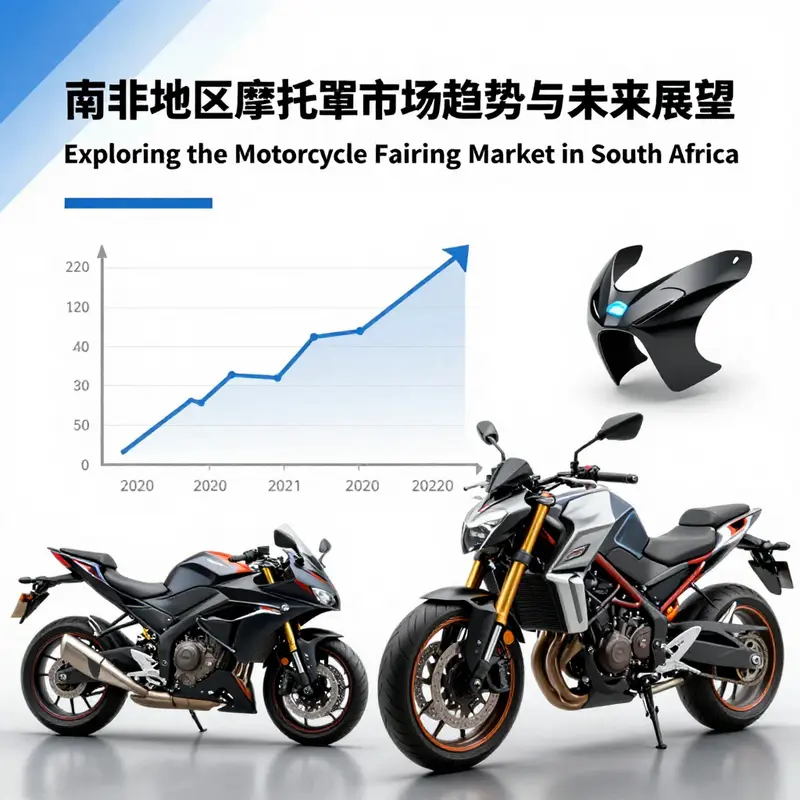
在南非,摩托车市场的演变并不仅仅停留在引擎和排气的层面,更逐渐转向外观与空气动力学的综合改装领域。整流罩作为外观与功能的交汇点,正在被越来复杂的需求所驱动:提升高速稳定性、降低风阻对骑手的疲劳影响、保护仪表和前风挡免受尘沙侵袭,同时满足个性化审美的诉求。这一趋势在南非市场的显现,既来自全球化的供应链,也源于本地消费偏好与改装文化的成长。整体上,南非的摩托车市场正经历一个渐进的升级阶段,整流罩作为核心配件之一,具备较高的渗透潜力。
首先,宏观层面的市场信号指向需求的稳步增长。南非市场多年来对经济型与中端交通工具的需求保持韧性,尤其在城市通勤与乡村通行的多样化需求推动下,改装件的市场边界逐渐扩大。如今,越来越多的骑手将整流罩视为提升行驶舒适性与外观个性化的重要途径。这种需求不仅来自新车购买者,也包括寻求升级与二手车改装的车主。整流罩的选择空间越来越大,从经典的旅行/公路风格到更具越野气质的空气动力化设计,均成为消费者比较与采购的重点。
其次,产品类型的多样化与个性化诉求正在推动市场的发展。品牌方与改装工作室为了在竞争中脱颖而出,开始提供更丰富的风格与材料选项。轻量化、高强度复合材料的应用,使得整流罩不仅仅是装饰性的外饰,更成为提升性能的一环。对于南非的双用途(Dual-Sport)与旅行型(Touring)摩托车而言,合适的整流罩能显著改善在高风速下的稳定性,降低风压对头部与肩部的冲击,从而延长骑行的时间与距离。因此,消费者在选择时会关注适配性、安装难度、颜色与纹理等因素,同时也希望获得与本地气候和道路条件相匹配的耐用性与保养便利性。
在供应链层面,南非作为非洲市场的重要节点,吸引了来自全球的配件供应商与分销渠道。尽管目前没有明确的南非本地独立零售商专注于整流罩的公开信息,但跨境出口的模式在区域内形成了可行的购买路径。来自中国等地区的制造商通过批量出口、经销商网络或线上批发平台,将带有整流罩的整车或可选装整流罩的车型提供给非洲市场,包括南非。这种模式的优势在于品类多、价格竞争力强,且供应商通常愿意在物流、海关报关、以及售后服务等方面提供对南非市场的针对性支持。对消费者而言,批发平台与跨境电商的存在降低了进入门槛,使得更广的风格选择可以进入南非市场。与此同时,南非本地的改装店、二手市场和社群交易平台,如社交媒体与分类信息平台,也成为本地化获取选项的重要渠道。
合规性与车型匹配是购置整流罩时不可忽视的环节。不同型号的摩托车在整流罩的形状、安装点、进气口设计等方面存在差异,因此在购买前进行准确的车型适配性确认尤为重要。南非的道路与安全法规也对改装部件有一定的要求,涉及灯光、反射材料、及排放相关的合规性等方面。消费者应在购买前核对型号兼容性,并与供应商确认物流、保修与售后服务的范围。对于希望在南非市场中进行长期投资的买家,评估本地市场的售后网络与配件可得性同样关键,因为整流罩作为易损件之一,替换件的供应稳定性直接关系到长期使用成本。
在未来几年,整流罩市场在南非的成长很可能与两条主线密切相关。第一,是市场对个性化与风格表达的持续追求。随着消费群体对“骑行身份”的进一步定义,越来越多的车主愿意通过外观改装来塑造独特的视觉风格,而整流罩恰恰提供了高价值的改装入口。第二,是新能源摩托车与轻量化设计趋势的逐步显现。尽管目前电动摩托车在南非的市场份额尚未占据主导,但电动车普及后,对空气动力学与车身线条的要求将更高,定制化的、轻量化的整流罩将成为新车型改装的重要组成部分。
在供应链与本地化生产潜力方面,南非及周边区域若在未来建立本地化组装基地,整流罩等零部件的本地化生产将成为现实可能。这样不仅可以缩短交付周期,提升售后服务的响应速度,还能够帮助降低关税与物流成本,进而提升对南非市场的整体竞争力。跨区域的组装与本地化生产也将促使更多小型工作室与制造商进入本地供应链,形成以定制化、快速周转为核心的新型商业模式。
在消费者层面,购买路径也在持续演变。越来越多的南非车主通过线上渠道浏览风格、材质与可选颜色,随后在本地改装店完成现场安装与调校。这种“线上浏览—线下落地”的模式提高了购物体验的即时性,也促使本地商家提升技术服务水平。对那些希望掌握更多风格与型式的买家而言,浏览一个整合了多种风格与型号的集合页面成为一个高效的起点。相关的整流罩风格多样,且通常具备对多品牌车型的兼容选项,购物者在评估时会关注图纸匹配、安装成本、以及未来的可替换部件,以确保长期的性价比。若要快速获取不同风格的选项,可以浏览“fairings collection”这一集合页,其提供多样的设计与材质选择,为消费者的初步筛选提供直观的参考。
综合以上因素,南非地区的摩托车整流罩市场展现出一个渐进但明确的增长轨迹。它不是靠单一品牌或单一渠道支撑,而是多条路径共同作用的结果:跨境供应商的多样性、本地改装生态的成熟、以及对个性化与新能源汽车未来设计需求的持续拉动。对于行业参与者而言,成功的关键在于建立稳固的物流与售后网络,确保兼容性与耐用性,并在对话中强调本地化服务与快速响应。对于消费者而言,重要的是在正确的渠道中获得可信赖的型号信息、清晰的安装方案与透明的价格结构。只有在这三者之间建立平衡,南非的整流罩市场才能实现稳定的成长与长久的消费信任。
外部资源方面,全球层面的市场趋势分析与数据能为理解地方市场提供参考。一个有用的外部资源入口可以帮助读者把握全球摩托车市场的宏观动态,以及对设计、材料与供应链的影响。这类信息有助于理解南非市场为何在未来几个年度中对整流罩部件有较高的关注度。External resource: https://www.statista.com/topics/3163/motorcycles-worldwide/
Final thoughts
The market for motorcycle fairings in South Africa shows great potential for growth as interest in motorcycles continues to rise. Understanding local and international sourcing options, identifying popular models and configurations, and adhering to compliance standards will empower business owners to excel in this niche market. As trends lean towards customizable and performance-enhancing designs, staying informed and adaptable will be crucial in meeting consumer demands and fostering success in the industry.