
Motorcycle fairings are vital for both the protection of critical components and the enhancement of riding experience. They embody an artful blend of aerodynamics and aesthetics, optimizing performance while attracting admiration from motorcycle enthusiasts. This article delves into the different types of fairings available—each providing unique advantages. The impending chapters will explore full fairings for maximum protection and aerodynamics, three-quarter fairings that balance protection and engine accessibility, half fairings that offer versatility without the bulk, and finally, the world of aftermarket fairings that allow for customization. Together, these sections will inform business owners about the benefits of investing in quality fairings, ultimately enriching their offerings and driving sales in the motorcycle accessories market.
Aero Armor: How Full Fairings Shape Speed, Shield, and Safety in Modern Motorcycles
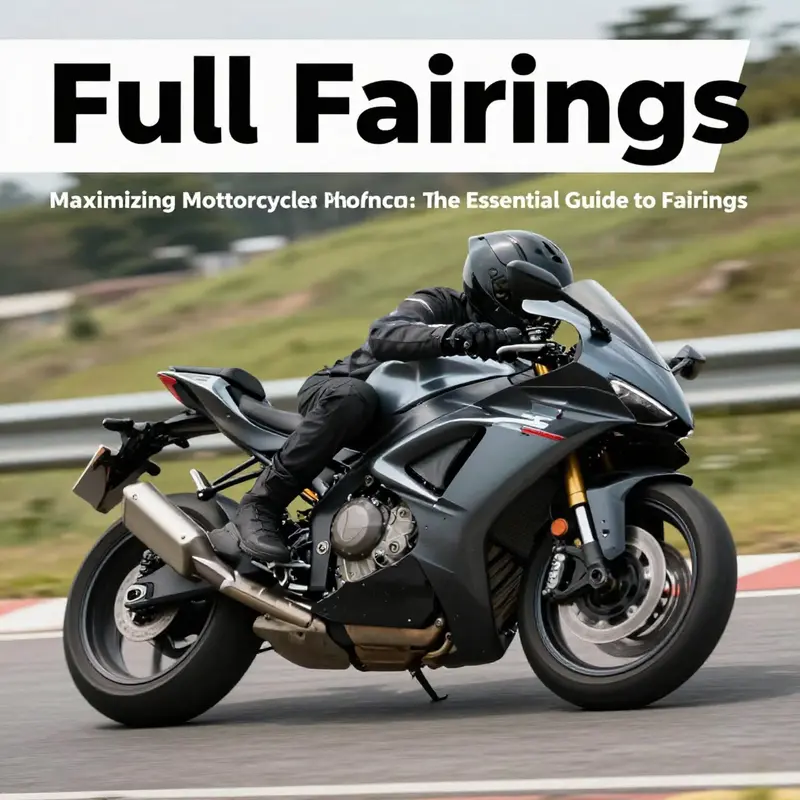
Full fairings are more than cosmetic shells; they are aero armor that wraps the front, sides, and sometimes the rear of a motorcycle to tame wind and weather. In the best designs, they form a continuous, carefully contoured surface that interacts with the bike’s frame and rider posture to create something greater than the sum of its parts. The purpose is twofold: to minimize air resistance and to maximize rider protection. When a rider sits in a compact, leaned position, the air has a clear path around the body and the engine. A well-sculpted fairing reduces pressure differences that would otherwise produce buffeting, turbulence around the helmet, and fatigue over hours on the road. The result is not just higher top speed or better fuel economy, though those are tangible outcomes. It is also a more predictable and stable ride, with less front-end push at speed and more confidence when steering through gusts or over irregular surfaces. The wind shield and the fairing’s side panels act as a single aerodynamic organism, a concept that designers pursue through wind tunnel testing, computational fluid dynamics, and hands-on testing with real riders in real conditions. The aero goal is to smooth the flow around the bike, reducing form drag and interference drag while guiding the air to stay attached to the fairing surface. When the airflow remains attached rather than separating abruptly off a corner, the pressure field remains favorable, which translates into a lower overall drag coefficient and a steadier ride. This steadiness matters as speeds climb toward highway cruising or track-level acceleration. The rider experiences less wind pressure on the chest and shoulders, and helmet buffeting becomes a thing of the past rather than a constant nuisance. The science of aerodynamics might sound abstract, but it translates into practical truths riders feel every time they twist the throttle and lean into a curve: less yaw, less energy spent pushing through air, and more energy left for the road ahead. Beyond the math of drag, full fairings shape the motorcycle’s character. The silhouette they create influences how a bike sits in the wind, how the rider perceives speed, and how the bike communicates stiffness and control. A clean, uninterrupted surface looks fast even when the bike is standing still, and that perception matters for rider confidence as much as actual performance. Yet the aerodynamic advantages depend on proper integration with the bike’s geometry and rider posture. A fairing that is too tall, too wide, or misaligned with the handlebars or footpegs can create unexpected turbulence or mechanical contact that offsets any gains. This is why fitment is not a minor detail but a central design criterion. The relationship between fairing shape and seating position is intricate. The rider’s torso angle, the distance from handlebars to the tank, and the seat height all influence how air negotiates the space around the rider’s body. When the curvature of a fairing matches the rider’s stance, air follows the contour with minimal separation, reducing both drag and vibration. Conversely, a mismatch can amplify wind pressure on the chest and helmet, leading to fatigue and degraded precision in steering at speed. The science of fairings has evolved with materials and construction techniques that allow more complex forms without an outsized weight penalty. Many OEM full fairings are produced from ABS plastic due to its impact resistance, rigidity, and lightness. ABS offers good resistance to shattering in a crash and can be formed into tight radii that cradle the bike’s front geometry. It is commonly reinforced with internal bracing and mounting points designed to hold fasteners, brackets, and trim pieces in a way that maintains the fairing’s robust shape under stress. The material choice is a balancing act. The lightweight, stiff yet forgiving character of ABS makes it a practical foundation for mass production, but many riders seek alternatives when they want even more stiffness or a premium finish. Carbon fiber composites, for example, deliver a higher stiffness-to-weight ratio and excellent fatigue resistance, but they come at a higher cost and require meticulous craftsmanship to avoid shattering when hit. Fiberglass, while less expensive than carbon, offers versatility in shaping and repair but tends to be heavier and more porous to impacts if not properly sealed. In the realm of full fairings, construction quality matters as much as material type. Rapid, consistent production methods produce panels that fit together with tight seams and uniform gaps, ensuring clean lines that reduce sites where air can detach. When seams are gapped or misaligned, the flow becomes chaotic around the joint, compromising the aero performance. A well-made full fairing is about more than just the surface; it is an integrated assembly that includes mounting hardware, brackets, rubber grommets, and sometimes internal channels for cables, hoses, and electronic wiring. The fairing is thus a structural element, tying together the front end with the rider’s cockpit and the engine’s exposed components. The protective role of full fairings extends beyond wind and weather; it includes shielding engine and electrical components from exposure to rain, dust, and road debris. While no fairing can be fully weatherproof in a downpour or a gravel-laden road, the envelope it creates significantly reduces the likelihood that water finds its way into critical connectors or sensitive electronics. This protective function is particularly valuable on touring and sport motorcycles, where riders spend long hours on highways and in variable climates. A full fairing also contributes to safety in a more direct sense. In the event of a tip or a slide, the outer panels absorb some of the impact energy and distribute it away from the rider and the most fragile components. The energy absorption characteristic is not a guarantee against damage, but it provides a layer of resilience that can reduce repair costs and protect essential systems during a crash. The level of protection depends on the fairing’s design, the quality of the panel joints, and how well the panels are anchored to the frame. Integrated stiffness promotes not only aero performance but also stability in cornering and high-speed runs. A rigid front end reduces the likelihood of flex under load, which can alter the bike’s steering feel and the way air flows around the bike while negotiating a turn. When the fairing works in harmony with the bike’s chassis, the rider experiences a more connected sensation: the bike feels like it is cutting cleanly through air, with a predictable line of wind across the torso and a controlled push into the wind pressure on the helmet. This harmony is not accidental; it is the result of careful attention to geometry, panel shape, and the interplay of air with the rider’s body. Of course, the advantages of full fairings do not come without trade-offs. Full fairings add weight and cost relative to lower particle solutions. They are more complex to design and assemble, so they require precise fitting and sometimes longer maintenance when a panel is damaged. Accessing the engine and other internals can require the removal of multiple panels, which adds time and skill to routine maintenance. This is a consideration for riders who prefer easier serviceability or for older bikes that have repeatedly been tuned and modified. The decision to choose full fairings is therefore a balance between aerodynamic efficiency, rider protection, and practical serviceability. It is worth noting that even with full fairings, the rider remains exposed to heat sources such as the engine and exhaust. Proper cooling and heat management remain essential, and the fairing should support intentional airflow to the radiator or engine bay. The geometry must allow heat to escape while the rider remains shielded from direct flux. A well-designed full fairing uses vents, ducts, and carefully shaped inlets and outlets to maintain a stable thermal environment, particularly on longer rides or in warmer climates. When considering full fairings, riders should also think about maintenance compatibility. Replacement panels, paint matching, and the tension of fasteners at the joints all influence long-term ownership costs and the bike’s aesthetic integrity. A damaged fairing can create sharp, ragged edges that not only spoil the look but also create uneven surfaces that disrupt airflow. For those who value customization and personal expression, aftermarket or remnant panels offer a path to tailoring the bike’s silhouette without sacrificing the benefits of a full fairing. The caveat here is fitment accuracy and finish quality; not all aftermarket panels align perfectly with every model, and an imperfect fit can alter aero performance and create vibration. Achieving a seamless fit often requires careful preparation, test fitting, and sometimes professional modification. In contrast, OEM full fairings are designed as a single, integrated system that aligns with the bike’s manufacturing tolerances. This integration ensures a consistent aero profile and predictable maintenance access, though it comes at a higher price and a fixed design. The broad lesson for riders is simple: the choice of a full fairing, and the specific form it takes, should reflect how the bike is used. A sport-focused rider who clocks long hours on highways may prioritize drag reduction and helmet comfort, while a touring rider might emphasize maximum protection against wind and rain, even at the cost of some weight. The modular reality of many modern motorcycles—where fairings can be swapped or rebuilt in sections—still applies here. Even within a full fairing, sections may be replaced or upgraded to tune aero behavior, weather protection, or weight distribution. In this sense, the fairing becomes a dynamic tool rather than a static aesthetic panel. When evaluating a full fairing, one should seek a design that respects the bike’s fundamental geometry: the line from the headstock to the tank, the angle of the forks, and the rider’s seating position. The best designs achieve a dialogue between rider, bike, and wind, enabling a confident, composed ride rather than a chase of raw top speed alone. In the broader context of motorcycle design, full fairings symbolize a convergence of engineering disciplines: aerodynamics, materials science, thermal management, and human factors. They are not merely a cover over the bike’s bones but a functional system that interacts with every aspect of riding—accessibility for maintenance, protection against weather and debris, and the inescapable truth that air is a fierce, shaping force at speed. For readers who want to explore this topic further, the external resource provides a practical overview of what fairings are, how they work, and what considerations matter when choosing or replacing them. It is a concise primer on the physical principles, the trade-offs, and the maintenance realities that come with embracing full fairings as a core aspect of motorcycle design and ownership.
Three-Quarter Fairings: Precision Wind Shielding and Open Access—Finding Comfort Without Compromise
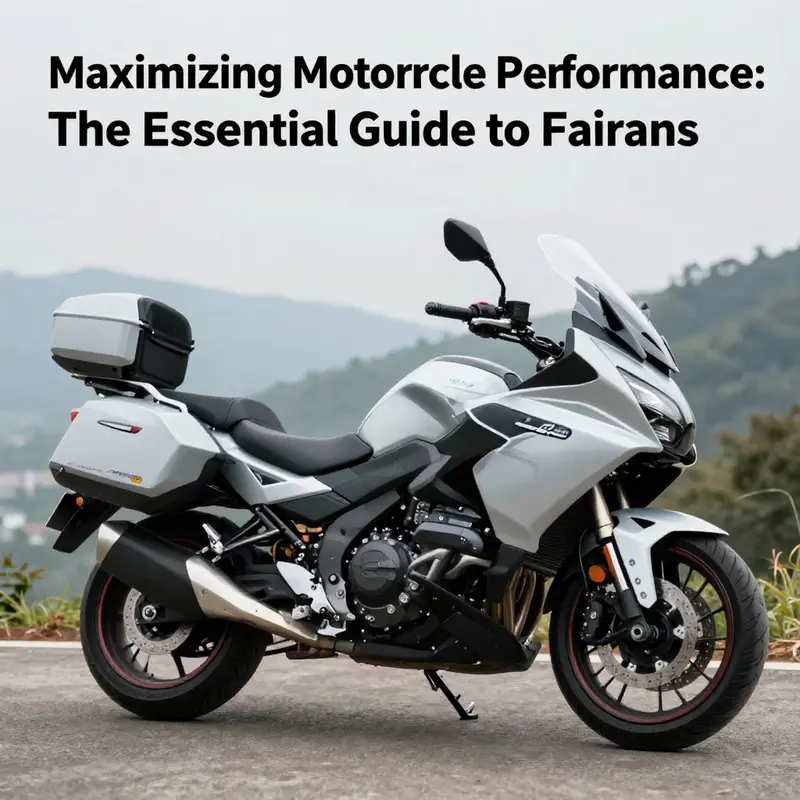
Fairings on a motorcycle are more than cosmetic armor. They are the sculpted bridge between the rider and the open road, shaping both how the bike moves through air and how a rider experiences that motion over time. Among the family of fairings, the three-quarter design sits in a thoughtful middle ground. It is not the wall of wind protection seen on full fairings, nor is it the nearly naked exposure of a naked bike. Instead, it wraps around the rider with deliberate proportion, providing meaningful wind and weather shelter while keeping critical components accessible for maintenance and routine checks. This balance matters, because a bike designed for long days in the saddle must manage not just top-speed aerodynamics but also the practical realities of upkeep and repair. The three-quarter fairing is thus not merely a stylistic choice; it is a functional philosophy, a compact compromise that harmonizes performance with practicality.
What defines a three-quarter fairing is its footprint. It typically covers roughly three-quarters of the bike’s front and sides, enough to smooth the rider’s passage through air and shield the torso from wind pressure, rain, and airborne debris. Yet it deliberately leaves much of the engine and frame exposed, a design that preserves accessibility for maintenance and inspection. This partial exposure is not simply a matter of easier access; it also reduces weight and complexity, which translates into more agile handling and lower service costs compared to a full fairing. The result is a riding experience that carries a sense of wind protection without the heavier commitment of a full-body shell. In practice, the 75 percent coverage can cut through buffeting and fatigue on longer rides while keeping the hands, arms, and chest within a comfortable aerodynamic envelope. The rider remains connected to the bike rather than insulated from it, which is a virtue for those who crave a more direct sense of the machine and the road.
The architectural cues of a three-quarter fairing reveal themselves in the details. Integrated headlight housings, which contribute to a compact, cohesive silhouette, and handlebar covers that help streamline the upper intake of air play structural roles as well as aesthetic ones. The result is a look that reads as purpose-built: a sport-leaning stance softened by the amenity of wind protection. Since the engine and many key service points stay reachable, routine maintenance—changing filters, inspecting connections, swapping spark plugs, or checking valve clearances—can be accomplished with less disassembly than a full fairing would require. This combination of style and serviceability makes three-quarter fairings particularly appealing to riders who split time between weekend rides and weekday commutes, or who log lengthy miles on a regular basis.
From an aerodynamics perspective, three-quarter fairings offer a measured advantage. They reduce wind pressure on the rider’s chest and torso, which translates to lower fatigue during sustained speed or steady highway cruising. The effect on stability is nuanced. The rider still benefits from a relatively clean airflow, especially at highway speeds, but the air is not channeled as aggressively as with full fairings. Buffeting is not eliminated; it is mitigated, and a calmer wind environment is often complemented by better shoulder and arm comfort. In addition, because the fairing does not enclose the entire engine bay, lightness is preserved. The bike’s overall weight distribution remains favorable for predictable handling, with the rider feeling a more connected sense of balance during cornering and lane changes. For many riders, this equilibrium between protection and openness yields the most natural, confident ride across varied road surfaces and weather conditions.
The applications and suitability of three-quarter fairings extend beyond a single category of motorcycle. They are a natural fit for bikes oriented toward touring and adventure riding, where riders frequently encounter long stretches, changing weather, and the need for straightforward access to the machine for checks and adjustments on the road. They also appeal to riders who prefer a slightly more aggressive look without sacrificing daily usability. In this sense, the three-quarter fairing is a flexible platform that supports a spectrum of riding styles—from long-haul commuters who value shelter from wind to sport-adventure enthusiasts who prize quick maintenance access after a day on dirt or backcountry roads. The practical balance they offer helps many riders move between spirited riding and reliable, unhurried touring without the constant trade-offs that a full fairing would impose.
Material choices play a decisive role in how well three-quarter fairings perform in real-world conditions. In many OEM applications, high-grade ABS plastic provides a robust combination of impact resistance and lightness. ABS is known for its ability to absorb energy and resist cracking when subjected to minor impacts, which is crucial in everyday riding where small encounters with debris or tips of rocks are possible. The aftermarket ecosystem has embraced similar materials and even more advanced composites, including carbon fiber and multi-material laminates. Carbon fiber, for instance, can deliver exceptional rigidity and a favorable strength-to-weight ratio, which can translate to crisper steering and reduced sway in gusty conditions. The trade-off, of course, is cost and repairability; carbon fiber panels demand skilled repairs and more expensive parts, a factor riders weigh against performance benefits. For riders prioritizing balance over peak performance, ABS-based or fiber-reinforced designs from reputable manufacturers typically deliver the best compromise between stiffness, impact resistance, and affordability. Whatever the material path, the critical considerations remain the same: a three-quarter fairing should resist weather and road debris, maintain a reasonable weight, and allow straightforward access for routine maintenance and cosmetic upkeep.
A fairing’s life also includes how it behaves in imperfect conditions. While a three-quarter design doesn’t promise the total absence of weather exposure, it does provide meaningful shelter from wind and rain that would otherwise seep through the rider’s protective layers. The exposed engine and electronics are still protected by the fairing’s core envelope, but maintenance points remain accessible. In the event of a mishap, the fairing’s panels can absorb and distribute some impact energy, potentially reducing damage to more critical and expensive internal components. This protective role is not about turning a crash into a non-event, but about adding a layer of practical safety that can lower repair costs and downtime. Combined with a thoughtful riding technique and an appropriate set of protective gear, a three-quarter fairing helps riders approach weather, road spray, and debris with a more measured, controlled experience.
For riders considering their options, the decision often hinges on how they balance aero benefits against serviceability. The three-quarter design makes sense when the goal is to reduce wind fatigue on longer rides while preserving the ability to service the bike without a full disassembly ritual. It also accommodates riders who want to customize their machines with aftermarket panels or accents without committing to a full fairing rework. Those who lean toward a more modular, upgrade-friendly approach frequently favor three-quarter fairings for this reason. It is worth noting that one should verify fitment with the motorcycle’s specifications and mounting points before purchasing any fairing components. While many fairings share common geometry, subtle differences in mounting brackets, radiator clearance, and mounting hardware can influence both assembly ease and the final look. The compatibility check is a small upfront step that pays off with long-term reliability and a clean, integrated appearance.
For riders curious about the breadth of aftermarket and OEM options, a practical starting point is to explore a dedicated collection of fairings. A hands-on, model-spanning catalog can help a buyer gauge how the three-quarter fairing aligns with their bike’s geometry, intended use, and budget. A convenient approach is to consider a branded line or catalog that aggregates multiple models and fitments, providing insights into how different designs perform in terms of protection, weight, and serviceability. When browsing, look for explanations of coverage percentages, integrated headlight and handlebar components, and the quality of the attachment system. These details matter because they affect wind behavior, steering feel, and the ease with which a rider can remove the fairing for routine service. If a catalog mentions a 75 percent coverage figure, read closely about which areas are shielded and which remain exposed. It is also helpful to compare the relative stiffness of the panels, as that stiffness contributes to both aerodynamic efficiency and crash performance.
Finally, the three-quarter fairing should be evaluated in the context of the rider’s environment and cadence. In milder climates or urban settings with frequent stops, the wind protection may feel less essential, and the maintenance accessibility might become the deciding factor. In cooler or wetter climates, the shielded torso and arms can extend comfort and riding duration, making a three-quarter setup feel like a natural extension of gear selection. Riders with an emphasis on daily reliability, quick turnarounds, and a clean, uncluttered look may also find this configuration appealing. The key is to balance expectations with the realities of riding—wind, weather, maintenance, and the emotional appeal of a bike that looks as purposeful as it performs.
For those seeking a practical gateway to these considerations, a curated resource on fairing types clarifies where three-quarter designs sit within the broader ecosystem. It explains how they compare to full, half, and quarter fairings, and it helps riders map personal goals to material choices and mounting strategies. See the linked resource for a concise, real-world guide to choosing the right fairing type based on riding goals and conditions. For broader exploration and to explore compatible options, check out the Honda fairings collection, which offers a broad spectrum of styles and fitments that illustrate how a three-quarter approach can be implemented across different platforms. Honda fairings collection
External resource for further reading: BikeRadar’s Motorcycle Fairing Guide provides a comprehensive overview of fairing types, benefits, and decision-making considerations. It complements rider experience with practical, ride-tested guidance on selecting the right fairing for your bike and your riding style. https://www.bikeradar.com/uk/features/motorcycle-fairing-guide-how-to-choose-the-right-one/
Between Naked and Enclosed: The Half Fairing’s Lightweight Edge for Everyday Riding
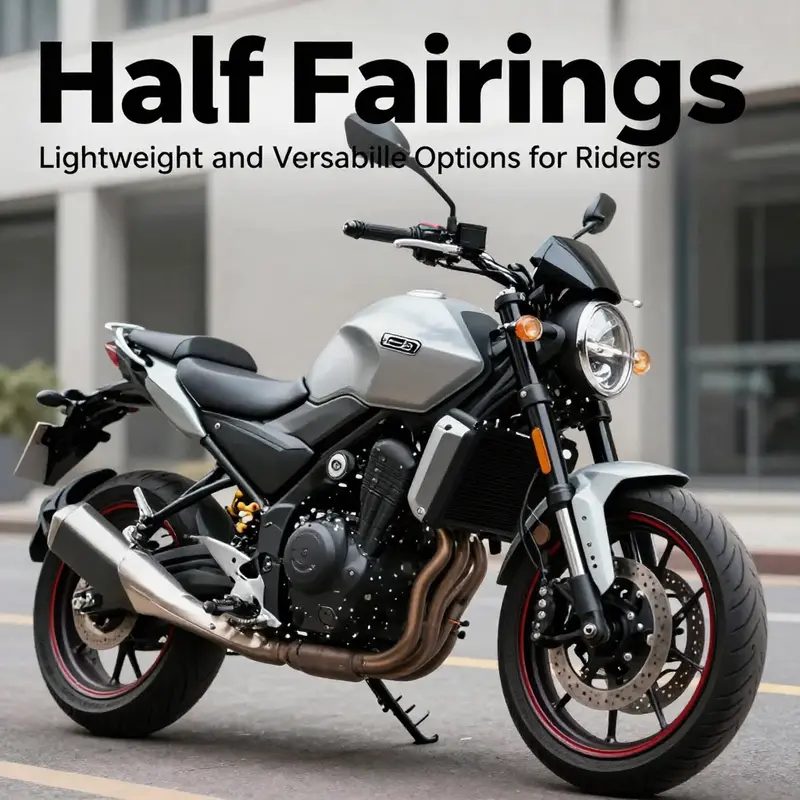
Half fairings sit in a practical middle ground. They are designed to shield the rider from the worst wind and driving rain while keeping the heart of the bike accessible and the ride feeling open. This balance matters because many riders crave protection without the claustrophobic feel that sometimes comes with full fairings. The result is a design that feels both purposeful and forgiving, a choice that suits a broad range of journeys—from daily commutes through busy streets to weekend strays onto winding back roads. The core appeal of half fairings lies in their ability to reduce wind fatigue without sealing off the rider from the machine. The windscreen and the partial side panels catch and redirect a portion of the air, easing shoulder and chest strain on long rides, especially at highway speeds. Yet the engine remains visible, the forks and frame breathe, and the rider can hear the mechanical heartbeat of the bike. For many riders, that openness is part of the thrill. It is not just about function; it is about a riding experience that remains intimate with the bike’s personality while offering a tempered degree of protection against the elements.
The aerodynamic logic behind half fairings is straightforward but effective. The upper portion of the fairing acts as a shield, guiding air over the rider’s torso and down the sides of the bike rather than allowing a direct flush of air to hit the chest and arms. This reduces wind pressure on the rider, which in turn lowers fatigue during longer stretches of uninterrupted riding. At the same time, the exposed engine and midsection preserve a sense of engine note and heat, which many riders associate with real riding. The wind still flows, but it is controlled in a way that reduces buffeting and wind shear that can unsettle a rider on the move. This is particularly valuable for sport-touring setups and café racer-inspired builds, where aesthetic lines are important but practical wind protection cannot be ignored. The result is a motorcycle that feels responsive and confident at speed, yet comfortable enough to keep the rider alert over extended durations.
From a construction standpoint, half fairings are generally lighter than their full-fairing counterparts. They cover the upper front section and a portion of the sides, often including a windscreen and some protective panels. The added weight savings are not merely about nimble handling; they translate into easier installation, reduced inertia during steering inputs, and a simpler maintenance process. When a rider needs to access the engine or electrical components, half fairings typically require less disassembly, and the mounting hardware tends to be fewer and simpler. That can reduce downtime during routine maintenance tasks such as oil changes, spark plug replacements, or addressing a loose panel. The lighter weight also means the bike can feel a touch more responsive when maneuvering at city speeds or navigating tight parking lots. In short, the lightweight nature of half fairings contributes to a more agile, more approachable riding experience that does not demand the high cornering discipline demanded by full fairings.
Aesthetics play a crucial role in the half-fairing appeal. The design language emphasizes clean lines, minimal coverage, and a refined silhouette that preserves the bike’s natural stance. For many riders, this look communicates a blend of sportiness and accessibility. The absence of a full enclosure allows the frame, engine, and suspension to remain visually prominent, which can be a powerful styling statement when a bike is finished in a bold color or a high-contrast paint scheme. The visual impact of half fairings is often described as balanced and honest: the machine appears engineered for pursuit and practicality in equal measure, not a single-minded quest for drag reduction alone. This balance is particularly compelling for riders who want a bike that communicates character and capability without sacrificing daily usability.
Choosing a half fairing also makes sense for a diverse range of ride profiles. For sport-touring and longer daily commutes, riders benefit from wind protection that reduces fatigue, while still being able to access the components beneath the surface without heavy removal work. Café racer-inspired builds, with their emphasis on lightness and classic lines, can leverage half fairings to emphasize a vintage or minimal look while maintaining modern performance and reliability. In urban environments, the ease of maintenance and the improved weight distribution contribute to lighter steering and more confident handling in stop-and-go traffic. The versatility of half fairings thus extends beyond a single mission statement; they adapt to different roads, different climates, and different rider personalities without demanding a radical change in riding style.
Material choices play a pivotal role in how half fairings perform and endure. The most common OEM material remains high-grade ABS plastic, prized for its impact resistance, light weight, and cost-effectiveness. ABS provides a good balance of rigidity and flexibility, allowing panels to flex slightly upon impact and absorb minor energy without cracking. This resilience is important not just for daily use but for the occasional misjudged curb or parking lot scrape that can occur in real-world riding. Aftermarket offerings increasingly mirror or push beyond these characteristics, with options in fiberglass or carbon fiber for riders seeking higher stiffness-to-weight ratios or a distinctive look. Carbon fiber, while pricier, offers exceptional rigidity and a premium veneer that many riders appreciate for its visual appeal and performance cues. The choice of material, then, is a blend of budget, intended use, and aesthetic preference. For riders prioritizing affordability and practical durability, ABS remains a reliable default. Those chasing a lighter weight with a higher-end finish might explore carbon-fiber composites, understanding the trade-offs in price and repairability.
The mounting system for half fairings also shapes how riders experience their bikes. Proper fitment is essential to ensure consistent protection and reliable panel alignment. While some models share common mounting points, the reality is that fitment varies across brands and years. A fairing installed with compatible hardware will endure road vibrations and occasional minor impacts more gracefully than one that is not matched to the chassis. This is why the call to verify fitment with a bike’s specifications is not merely conservative advice; it is a practical step toward long-term reliability. Misaligned panels can cause vibration, rubbing, or gate-closing gaps that collect moisture or debris. A well-fitted half fairing improves aerodynamics and aesthetics while preserving access to the engine and electrical system for routine service tasks. Because maintenance and service accessibility are among the strongest selling points for half fairings, riders often weigh the ease of future repairs as part of their decision.
In the aftermarket, half fairings are widely available across brands and models, but the spectrum of quality and price can vary. Some sellers emphasize manufacturer-approved styling and precise compatibility, while others prioritize aggressive looks or custom paint finishes. The practical takeaway is that riders should look for a balance of material quality, mounting reliability, and serviceability. It is wise to assess the hardware included in the kit—screws, brackets, and sealants—as these small components hold the installation together and protect the joints from moisture ingress. A robust hardware package reduces the likelihood of rattles and misalignment after a few miles of urban riding or a weekend trip through rough two-lane roads. The long-term value of a half fairing is not simply the upfront price; it is how well the piece withstands the rigors of riding and how easy it remains to service over time.
For riders seeking inspiration and practical guidance on fitment, maintenance, and performance considerations, turning to a broad set of resources can be helpful. A comprehensive guide on types, materials, fitment, and real-world performance offers a solid foundation for decision-making. In addition, visiting specific collections or catalogs can help a rider gauge the range of options available for their motorcycle. For example, a dedicated page that concentrates on a particular brand’s fairings provides a useful reference point when evaluating compatibility, colorways, and mounting schemes. This approach helps riders narrow their focus without getting overwhelmed by a crowded marketplace. If you are curious about a brand’s fairing lineup, you can explore a curated selection that organizes products by model family and generation, making it easier to determine which panels will align with your bike’s geometry and mounting hardware. Honda fairings collection serves as a practical example of how a vendor might structure and present half-faring options, teams of mounting hardware, and installation instructions that support a straightforward upgrade path.
Beyond the practicalities, half fairings stimulate a form of riding psychology. They encourage riders to remain connected to the road and the bike’s chassis while still offering relief from the most punishing wind forces. The reduced barrier to maintenance invites more frequent checks of critical components, such as the brake lines, steering head bearings, and wiring harnesses that sit beneath the surface. The ease of access can motivate owners to perform small upgrades or repairs themselves, which, in turn, reinforces a sense of ownership and ongoing engagement with the machine. The net effect is a motorcycle culture that values hands-on knowledge and a design ethos that favors a balanced approach to performance and practicality. The half fairing becomes more than a cosmetic feature; it is a functional instrument that shapes how riders approach every ride, from the morning commute to a weekend twisty-road sortie.
For riders contemplating a change, the upgrade path might begin with a test-fit or mock-up session. Assessing the feel of wind pressure at various speeds, evaluating the ease of reaching controls, and noting how the fairing interacts with handlebars and footpegs are all part of a thoughtful evaluation. If the aim is to preserve engine accessibility, check that the chosen fairing design does not obstruct service points or require excessive panel removal for maintenance. If style is paramount, consider how the lines of the fairing align with the bike’s frame and rider position, ensuring the silhouette remains coherent with the bike’s overall stance. A well-chosen half fairing harmonizes design and function, transforming a naked or lightly dressed machine into a more capable, ergonomically balanced partner for every mile ahead.
As the discussion turns toward real-world use, the value proposition of half fairings becomes clearer. For city riders facing gusty corridors between tall buildings, the wind protection can translate into fewer interruptions for breaks and lower fatigue by late afternoon. For highway commuters, the wind shield offers a calmer air experience, reducing turbulence without erasing the rider’s sense of speed. For weekend explorers chasing scenic routes, the aerodynamic gains, combined with easier maintenance, allow longer rides with fewer detours for mechanical concerns. The half fairing’s versatility shines when a rider wants predictable performance with a lean, affordable footprint. It is a solution that respects budget constraints while delivering tangible benefits in daily life and longer trips alike. In this light, the half fairing is less a niche tweak and more a thoughtful, balanced approach to motorcycles’ ongoing dialogue between performance, protection, and personality.
In summary, the half fairing represents a practical, flexible option for riders who want a blend of wind protection, lightweight handling, and straightforward maintenance. It respects the rider’s need for an open feeling and engine access, while still delivering meaningful aerodynamic improvements over a truly naked bike. The design language favors clean lines, a purposeful silhouette, and a performance-minded stance. With a variety of materials available and a broad spectrum of mounting configurations, half fairings can be tailored to fit a wide range of bikes and riding styles. For those who value both form and function, this middle path remains a compelling choice—one that keeps the rider connected to the machine while making daily life a little easier and a little more enjoyable. And as the market continues to evolve, the half fairing will likely remain a staple for riders who want to strike a balance between protection, accessibility, and style without compromising the essence of the riding experience.
External resource for further reading: https://www.motorcycle.com
Shaping Speed and Style: How Aftermarket Fairings Turn Customization into Real-World Performance
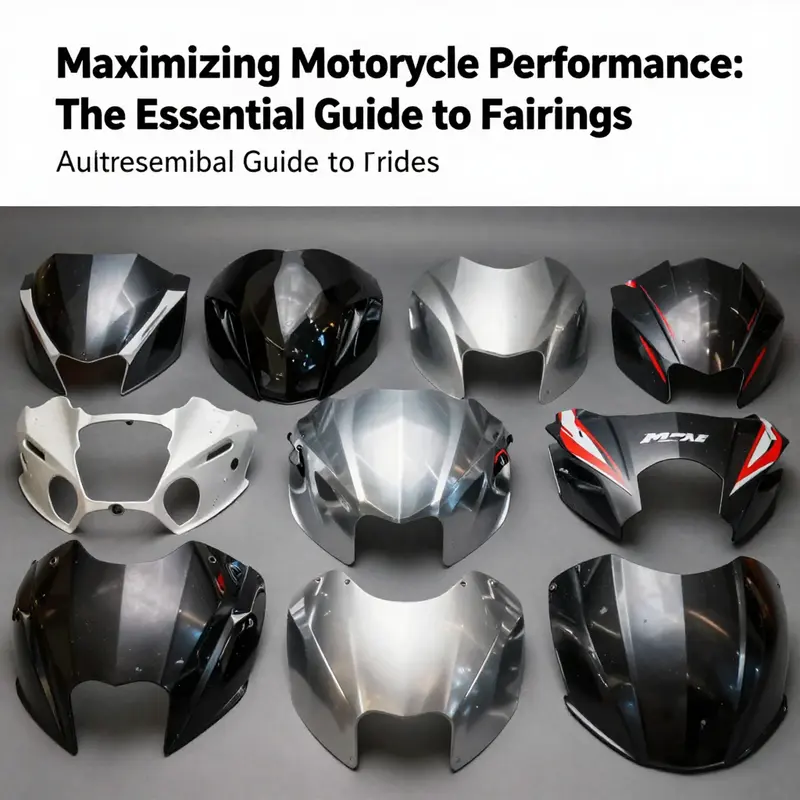
The space where aesthetics meets engineering is most visible on a motorcycle when aftermarket fairings enter the frame. These components are far from mere covers; they are tuned responses to the demands of speed, weather, wind, and rider comfort. When a rider chooses aftermarket fairings, they are selecting a blend of appearance and function that can alter how a bike behaves at the edge of its capabilities. The conversation about customization and performance in this realm is not simply about a brighter color or a fiercer graphic, though those elements matter. It is about whether a new skin on the bike can reduce drag, redirect airflow, protect valuable components, and make long miles feel shorter. The best aftermarket options acknowledge this dual purpose and treat the bodywork as an integrated system rather than a cosmetic add-on. In practice, riders who seek both personalization and real-world gains often start with a clear understanding of fit, material, and aerodynamics before they even pick a color palette or a texture.
Fit and precision sit at the core of any meaningful aftermarket upgrade. A fairing is a composite interaction of geometry, mounting points, and the surrounding chassis. If it does not align with the bike’s original lines, the result is more than cosmetic misalignment; gaps can trap air in unpredictable ways and create flutter at speed. The importance of fitment extends beyond the aesthetic. A fairing that fits poorly can rub against tires or interfere with steering, controls, or fueling. For riders who track their bikes or push toward higher speeds, even a millimeter of misalignment can translate into greater drag, extra weight, or reduced protection in a crash. This is why informed buying begins with a model-year and exact fitment check. The aftermarket landscape is rich with knockoffs that promise a flawless look but fail the test of real-world fit, durability, and long-term reliability. The prudent approach is to verify compatibility with the specific motorcycle, including year, submodel, and any factory options that alter the shape of the nose or the side panels.
Material choice anchors the balance between cost, weight, and stiffness. ABS plastic has long been the workhorse of OEM and aftermarket fairings because it delivers a practical mix of impact resistance, ease of manufacturing, and affordability. It holds paint well, tolerates the temperature swings of riding environments, and resists cracking under everyday use. Yet, as riders’ eyes drift toward performance gains, carbon fiber presents a compelling allure. It offers a higher strength-to-weight ratio and an unmistakable premium look, attributes that matter for riders who chase lighter weights and better response. The thin weave and high stiffness of carbon fiber can translate into sharper handling, especially when combined with lower wind resistance. The trade-off is clear: carbon fiber components tend to come at a steeper price, and repairs or replacements are more demanding than with ABS. Even within carbon fiber, there are variations—prepregs, volumetric layups, and resin systems—that influence stiffness, impact resistance, and UV stability. The glassy sheen of a well-executed carbon fairing can evoke a performance brochure, but the rider must weigh aesthetics against durability and cost over the life of the bike. This decision becomes even more nuanced when considering mixed-material approaches, where a carbon front section might blend into ABS or fiberglass panels elsewhere to optimize weight distribution and impact performance without sacrificing practicality.
Beyond material family, the design philosophy of aftermarket fairings carries its own implications for performance. Aerodynamics, a discipline learned on the wind tunnel floor and in the field, remains the guiding principle. Lower fairings, often mounted along the underside of the engine and frame, are not merely decorative. They are crafted to reduce turbulent air that can lift the bike’s center of gravity or push exhaust streams upward, where they can destabilize the rider’s stance or constrain heat management. A well-executed aerodynamic package can improve fuel economy, but more importantly for many riders, it stabilizes the bike at speed and reduces rider fatigue. When a rider heads toward a long day on twisty roads or a multi-hour highway stint, a thoughtfully designed fairing reduces the sensation of wind pressure on the chest, shoulders, and upper arms. The rider’s body remains less buffeted by gusts and entrained vortices, allowing a more comfortable, controlled riding posture to emerge naturally. The end result is a bike that feels more planted, with a more predictable response to throttle input and braking under high-speed conditions. The rider who has optimized airflow discovers that comfort is not a passive outcome but a direct consequence of design choices made in the early stages of a fairing project.
In the realm of customization, the aesthetic variable is nearly as consequential as the functional one. Custom and aftermarket fairings invite riders to express identity through shape, color, decals, and textures. A modern kit can deliver a variety of configurations—from full, rain-protective shells to lighter, sport-oriented shapes that preserve access to the engine for maintenance. Paint systems matter as much as panel geometry; UV-resistant clear coats, flexible paints, and compatible primers ensure that bold graphics endure through sun-soaked afternoons and rain-soaked commutes alike. Yet, with customization comes responsibility. A decision to alter the surface area around the engine or exhaust requires rethinking how heat will travel away from critical components. Too thin a panel in a high-heat zone can warp or delaminate, while a paint layer that fails to bond with the substrate can peel in a ride-through rainstorm. The craftsmanship of aftermarket fairings, then, is a careful dance between style and durability, cool looks and real-world resilience. The best custom work respects the underlying engineering while providing a canvas for personal expression.
The selection process for aftermarket fairings often involves a balancing act among fit, material, and supplier reliability. Not all suppliers operate at the same standards, and with third-party products there is an added emphasis on quality control, manufacturing consistency, and aftersales support. A reliable supplier uses precision tooling, accurate jigs, and robust finishing lines to minimize paint run, misalignment, or surface irregularities. Injection molding capabilities enable consistent wall thickness and repeatable panel geometry, which helps ensure that a broad lineup of models shares common mounting points or at least predictable mounting challenges. UV-resistant coatings are essential, particularly for riders at higher latitudes or those who spend long hours in the sun. The integration of automated painting lines and comprehensive quality checks becomes a practical indicator of whether a kit will perform as intended across multiple bikes and seasons. In that regard, the geographic roots of manufacturing can offer clues about process maturity. Among the manufacturing hubs where fairings are produced, advanced composites and polymer components often come from operations that integrate design with scalable production, enabling riders to access aesthetically compelling options without sacrificing structural integrity.
A crucial dimension of aftermarket fairings is their potential to improve protection for the bike’s most sensitive elements. While the rider’s shield—helmet and gear—remains primary, the fairing forms a sacrificial outer layer that absorbs some of the energy from small impacts, debris strikes, and abrasion from road spray or gravel. The engine, radiator, and electrical loom can be better protected when the fairing panels maintain a uniform, predictable shape that channels impact energy away from critical lines and components. Properly designed fairings can also shield radiators and cowl panels from off-track damage on gravel or wet roads, which reduces the likelihood of costly repairs after a rough stretch of pavement. This protective angle becomes increasingly relevant for touring riders who encounter varied weather and road conditions, and it complements the ergonomics of a long-distance ride by preserving the engine’s area as a clean, unobstructed airflow zone. The dual benefit—improved protection along with aerodynamic efficiency—helps explain why a large portion of customization projects starts with a fundamental question: what will we protect, and how will the protection contribute to a smoother ride at speed?
The practical dimension of aftermarket fairings often surfaces in the balance between weight, cost, and serviceability. Lightweight designs that shave precious grams may yield marginal performance increases but can also complicate maintenance if fasteners, mounting points, or gaps are designed for a snug but repair-friendly fit. Maintenance access is not a luxury; it is a necessity for riders who routinely service their bikes themselves or rely on local shops for routine upkeep. Consequently, a fairing kit that offers easy access to the radiator cap, fuse panel, or battery terminals without disassembling large sections can be a major practical advantage. The more a kit enables straightforward, on-bike adjustments or replacements, the more appealing it becomes to riders who value ownership experience as part of performance. The result is a holistic upgrade: you gain a sharper look and a potential reduction in drag, but you also gain a maintenance workflow that is more efficient and less frustrating during a busy riding season.
In this landscape, the question of customization is inseparable from the question of influence. A rider who relocates or modifies a fairing to match a particular track or road profile understands that the shape of the panel profoundly affects drag distribution, vortex shedding, and how the bike slices through air at a given speed and attitude. A well-chosen kit can complement the suspension, tires, and rider stance, creating a more cohesive overall package. Conversely, a badly conceived set of panels can introduce distortions that negate potential gains or complicate handling, leaving the rider with a bike that feels unsettled in corners or at extreme lean angles. This is why the best aftermarket fairings emerge from a thoughtful design process that involves wind-tunnel data, field testing, and a clear articulation of the intended riding scenario—daily cruising, touring endurance, or track performance. The conversations around these choices are not merely about what is possible; they are about what is sensible for the rider’s priorities, budget, and time—real-world considerations that ultimately determine whether a modification translates into a meaningful experience on the road or the track.
For riders who want a pathway into customization with a focus on performance, a measured approach is advisable. Start by identifying your goals: do you want better weather protection for long rides, more aggressive visual lines, easier maintenance, or a combination of all three? Then assess fit with your bike, paying attention to mounting points, potential interference, and the method of installation. Material choice should reflect intended use and budget; ABS offers value and resilience in everyday riding, while carbon fiber speaks to those who demand lightness and rigidity for performance contexts. When it comes to design, consider how the fairing integrates with the rest of the motorcycle’s silhouette and how color and texture align with your personal aesthetic. Finally, ensure you are sourcing from a reputable supplier who can provide fitment guidance, mounting hardware, and, if necessary, customer support for returns or adjustments. The goal is not to chase every possible improvement at once but to build a coherent upgrade that harmonizes form, function, and personal taste.
As a practical reference, riders contemplating upgrades can explore available options within established collections that catalog compatible configurations and provide a vetted starting point for customization. For example, you can browse the broader family of options for a particular make through collections that curate model-specific offerings and ensure a more reliable alignment with your bike’s geometry. This approach helps mitigate common pitfalls and shortens the path from concept to successful installation. For a broader sense of how aftermarket fairings are positioned within the ecosystem of motorcycle customization, consider consulting sources that discuss fitment, material choices, and the tradeoffs between weight, protection, and cost. The overall message remains clear: the most satisfying upgrades are those that treat the fairing as an integrated system—one that works with the bike’s geometry, enhances performance in meaningful ways, and reflects the rider’s identity.
To support thoughtful exploration, riders can begin by exploring a curated range of options that aligns with their bike’s make and model, and then drill down into the details of fit and finish, including paint systems, surface hardening, and impact resistance. When the process is approached with a clear set of criteria and a willingness to test fitment and aesthetics, aftermarket fairings become not only a customization project but a performance-enhancing modification that improves the way the bike feels and responds on the road. The result is a bike that looks more expressive while performing more efficiently, a rare combination in any automotive or motorcycling upgrade. It is this synergy—where style and performance reinforce one another—that motivates riders to look beyond the initial price tag and toward the long-term benefits of a carefully chosen fairing system.
Internal link: A practical starting point for readers exploring model-specific customization options is to view the Honda fairings collection, which gathers compatible panels and accessories in one place to simplify the selection process while preserving fit and finish integrity. Honda fairings collection
External reference for further guidance: For practical guidance on choosing aftermarket fairings, see a detailed overview of fitment, material choices, and design considerations in the context of real-world riding and maintenance at this resource. this resource.
Final thoughts
Understanding motorcycle fairings is crucial for business owners aiming to enhance their inventory and cater to diverse customer needs. Each type of fairing offers unique benefits, from full fairings providing maximum protection to half fairings delivering lightweight versatility. Aftermarket fairings present opportunities for personalization, helping riders express their individuality. By leveraging this knowledge, business owners can better serve their clients, increase customer satisfaction, and drive sales growth in the competitive motorcycle accessories market. Staying informed on fairing trends will ultimately lead to more successful customer interactions and elevated brand loyalty.