
Introduction
Motorcycle fairings play a crucial role in the performance and aesthetics of motorcycles, serving as aerodynamic panels that cover the frame and mechanical components. Their design significantly influences air resistance, rider comfort, and the overall look of the bike. Understanding the various types of fairings, the materials they are made from, and their economic impact assists business owners in making informed decisions. This article will delve into the meaning of motorcycle fairings, breaking down their aerodynamic benefits, classifications, material composition, economic considerations, and how they enhance rider experience and safety.
Tables of Contents
Chapter 1: Aerodynamic Mastery: How Motorcycle Fairings Transform Performance and Style
- The Aerodynamic Edge: Delving into the Mechanics and Benefits of Motorcycle Fairings
Chapter 2: The Multifaceted Role of Motorcycle Fairings: Aesthetic Appeal and Protective Benefits
- Enhancing Motorcycle Design: The Aesthetic and Protective Advantages of Fairings
Chapter 3: The Art and Science of Motorcycle Fairings: Enhancing Performance and Aesthetics
- Decoding Motorcycle Fairings: An In-Depth Look at Their Types and Impact
Chapter 4: Aerodynamics and Aesthetics: The Dual Role of Motorcycle Fairings
- Unveiling the Significance of Motorcycle Fairings: Aerodynamic Classifications and Their Performance Impact
Chapter 5: Material Mastery: How Composition Shapes Motorcycle Fairings and Performance
- The Critical Role of Material Choices in Defining Motorcycle Fairings
Chapter 1: Aerodynamic Mastery: How Motorcycle Fairings Transform Performance and Style

1. The Aerodynamic Edge: Delving into the Mechanics and Benefits of Motorcycle Fairings
Motorcycle fairings serve as transformative elements within the realm of two-wheeled vehicles, merging aerodynamic engineering with aesthetic appeal. These meticulously crafted body panels are designed primarily to streamline airflow around the motorcycle, creating a sleeker profile that significantly minimizes drag. The materials utilized for fairings, such as fiberglass, carbon fiber, or ABS plastic, are selected not merely for their lightweight nature but also for their ability to withstand harsh conditions while maintaining structural integrity. Each type of fairing—from full fairings that envelop much of the motorcycle to lower fairings that emphasize the front—strategically modifies how a motorcycle interacts with air.
The primary function of motorcycle fairings revolves around drag reduction. As a rider accelerates, the pressure of oncoming air exponentially increases. Without fairings, the motorcycle’s frame and mechanics create turbulence, generating higher drag coefficients that impede speed and fuel efficiency. By optimizing surface shapes and contours, fairings allow the motorcycle to slice through the wind, thereby enhancing the overall performance. Competitive race motorcycles often exemplify this advantage, as even minute reductions in drag can translate into significant increases in speed, both in terms of lap times and top-end performance.
Furthermore, the importance of thermal management cannot be overstated in the context of fairing design. Critical mechanical components, such as the engine and brake systems, produce substantial heat during operation. Fairings contribute to effective airflow management, helping to direct cooler air towards these heat-sensitive areas. This designed airflow can prevent overheating, thus prolonging the life of the engine and ensuring optimal braking performance. In this manner, the aerodynamic structure of fairings supports not only enhanced performance but also the longevity and reliability of vital motorcycle components.
While the myriad advantages of fairings are readily apparent, it is essential to acknowledge certain limitations that impact rider experience. Notably, despite their aerodynamic benefits, the degree of wind protection varies among different fairing designs. For instance, sportbike fairings are primarily engineered to enhance speed and reduce drag rather than provide comprehensive wind shielding for the rider. This often results in a pronounced blast of wind hitting the rider’s torso and face, particularly at higher speeds. Long-distance travel may become uncomfortable, and rider fatigue can set in without adequate protection from wind fatigue. Therefore, riders seeking comfort alongside performance must consider additional protective features—such as windshields or other ergonomic enhancements—to complement their fairings’ benefits.
Intriguingly, the aesthetic aspect of motorcycle fairings also plays a critical role in their integration with modern motorcycle design. Fairings transform what could be an otherwise simplistic mechanical form into a visually striking machine. The sleek lines and bold graphics of fairings not only draw the eye but also define branding and identity within the crowded marketplace of motorcycles. This infusion of personality into functionality creates motorcycles that are recognized as both machines of performance and art forms, capturing the essence of speed and freedom that enthusiasts cherish.
Moreover, choosing the right fairing also involves understanding their classification based on functionality and aesthetic appeal. Full fairings offer maximum aerodynamic advantages by enveloping the motorcycle’s frame and components entirely, thereby significantly reducing drag and enhancing rider stability at high speeds. Lower fairings cover a portion of the motorcycle’s front but often leave the upper body exposed to the wind, appealing to riders who prefer a sportier, more aggressive appearance. As motorcycle technology evolves, so too do fairing designs, which increasingly incorporate innovative features like adjustable vents and dynamic body structures capable of adapting to changing velocities.
Additionally, the use of fairings is not confined to race tracks or sportbikes. Touring motorcycles frequently feature fairings built for pronounced rider protection and comfort over long distances. These fairings integrate with windshields to create a cocoon-like environment, shielding riders from harsh weather conditions and minimizing fatigue during extended journeys. Such considerations showcase the need for balance between aerodynamic engineering and rider ergonomics, where fairings must not only perform mechanically but also support the rider’s experience.
Ultimately, integrating fairings into motorcycle design transcends mere function; it connects to a larger narrative within motorcycle culture. The evolution of motorcycle fairings reflects an intricate dance between art and engineering, where performance enhancements align with individualized expression. This duality creates a deeper appreciation for the craftsmanship involved in modelling fairings, where each contour is the result of painstaking consideration of physics, aesthetics, and rider requirements.
In summary, motorcycle fairings are essential when it comes to enhancing performance through aerodynamic sophistication. Not only do they enable motorcycles to achieve higher speeds and improved fuel efficiency, but they also facilitate better thermal management of critical components. While certain limitations in rider comfort exist, especially concerning wind protection, the aesthetic appeal of fairings cannot be overlooked; they provide motorcycles with a distinct personality that resonates deeply within the riding community. For anyone seeking to elevate their motorcycle’s performance and visual impact, understanding the role of fairings is an important step. To explore a wide range of options tailored to your motorcycle model, consider checking out specialized collections like the Honda CBR Fairings, which showcase diverse styles and designs to enhance both bike and ride.
Motorcycle fairings exemplify the intersection of functionality and design, guiding both performance and visual identity in an age where speed, efficiency, and style are paramount.
Chapter 2: The Multifaceted Role of Motorcycle Fairings: Aesthetic Appeal and Protective Benefits
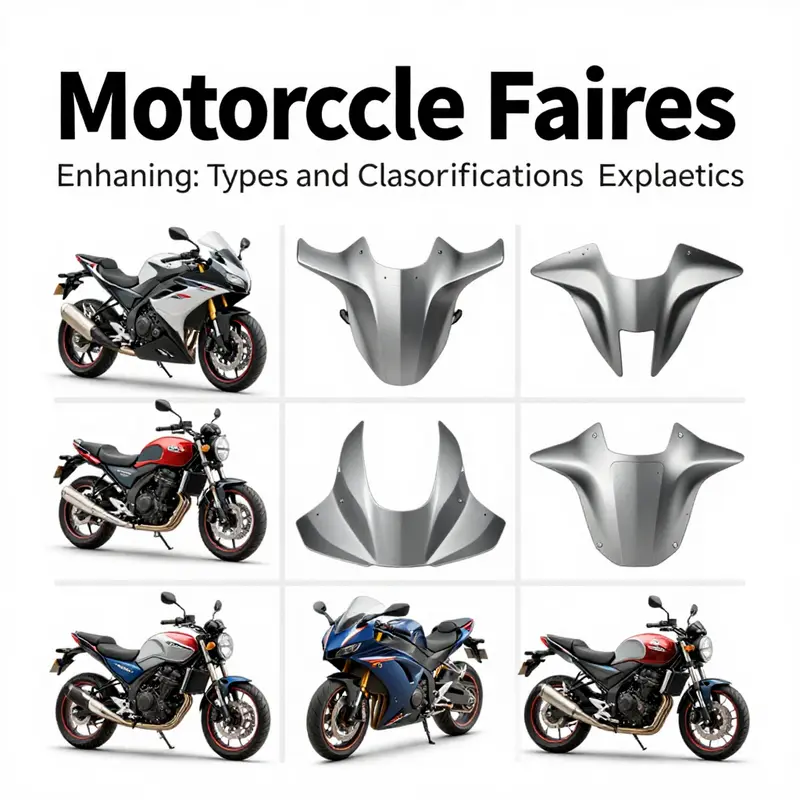
1. Enhancing Motorcycle Design: The Aesthetic and Protective Advantages of Fairings
Motorcycle fairings serve as more than just a functional accessory; they are a pivotal element in a motorcycle’s design and performance. Their integration into the motorcycle’s architecture not only optimizes aerodynamics but also imbues the bike with visual appeal, creating a harmonious blend of form and function. To fully appreciate what motorcycle fairings mean in the context of design, it’s important to explore both their aesthetic and protective benefits.
Aesthetic Advantages
The design of motorcycle fairings is critically linked to the aesthetic identity of a bike. Fairings come in various shapes and sizes; however, full fairings that encompass the entire front, sides, and top of the motorcycle are particularly known for their sleek and modern appearance. This streamlined silhouette yields a distinctly advanced look, culminating in the impression of speed and performance. Monolithic bodywork creates a cohesive design continuity often associated with high-performance or sport motorcycles.
The aesthetic appeal of fairings acts as a crucial marketing tool as well. Manufacturers leverage this visual prowess to position their models as technologically sophisticated vehicles, attracting riders who seek both looks and performance. The artistry involved in the design allows for customization possibilities, enabling riders to reflect personal style through varied color schemes, graphics, and finishes. As a result, motorcycle fairings can enhance the bike’s character, allowing it to stand out in a crowded market.
Moving beyond their mere visual representation, the sleek exterior of fully-faired motorcycles shapes public perception. Concerning design trends, riders are often drawn to models that symbolize the ideals of speed and agility. These visual cues can influence a rider’s choice and enhance brand loyalty. In essence, fairings do not simply serve a function; they contribute significantly to the character and allure of motorcycles.
Protective Benefits
However, fairings are not just about looks; their protective roles are equally paramount. A primary advantage of fairings is their ability to shield essential mechanical components and systems from environmental hazards. This protective layering extends to the engine and exhaust components, safeguarding them against debris on the road, sudden weather changes, and other external factors that could impair their functionality. The structural integrity of the motorcycle increases with the presence of fairings, ultimately extending the lifecycle of critical components.
Additionally, motorcycle fairings create a channel for airflow management, improving fuel efficiency. The aerodynamic design mitigates drag, allowing the motorcycle to glide more smoothly through the air. When wind resistance is reduced, vehicles can achieve higher speeds more efficiently while consuming less fuel—a compelling advantage for both casual riders and those who utilize motorcycles for daily commuting.
Rider Comfort
The impact of fairings goes beyond just mechanical protection and fuel efficiency; they also play a part in enhancing rider comfort. While full fairings do not completely shield riders from wind, their integrated designs can significantly reduce wind turbulence. This turbulence reduction decreases rider fatigue, which becomes increasingly valuable during long rides. Riders appreciate maintaining a level of comfort, especially on extended trips where unnecessary strain can detract from the experience.
It’s important to note, however, that half fairings may necessitate additional accessories for maximum comfort. Riders who opt for these may need to seek out windshields or other elements to compensate for the wind protection that a full fairing provides. On the whole, fairings’ integrated designs can offer a balance of style and comfort that aligns with the diverse preferences of motorcycle riders.
Material Selection in Fairings
Delving into the practicalities behind fairings, the materials chosen for their construction are crucial in delivering their benefits. Materials such as fiberglass, carbon fiber, and ABS plastic provide an optimal combination of durability, lightweight properties, and resilience. These selections are purposeful. For instance, fiberglass is well-regarded for its strength, while carbon fiber excels in lightweight performance, making it a popular choice in high-performance models. ABS plastic, known for its impact resistance and flexibility, is more commonly used in consumer motorcycles.
The materials utilized in fairings not only contribute to the aesthetics by allowing for vibrant colors and designs but also serve the crucial function of resisting weathering from environmental stressors like sun exposure or rain. This durability ensures that the visual impact of the fairings remains consistent over time while simultaneously protecting the motorcycle’s internal components.
Industry Standards and Safety Implications
Understanding motorcycle fairing composition and adherence to industry standards is essential in guaranteeing their functional performance. Recent studies, particularly those focusing on the methodology and materials used in manufacturing motorcycle fairings in various regions like China, touch upon how material integrity correlates with safety and efficiency. Proper material selection can directly influence performance during crash scenarios and protect against wear due to harsh weather.
Standards designed for motorcycle manufacturing ensure that the fairings not only meet aesthetic demands but also comply with safety regulations. When manufacturers abide by these specifications, it enhances the credibility of the designs, resulting in a greater assurance of safety for the riders. Certifications and quality checks help maintain a high level of performance, providing those in the market with confidence in the products they choose.
This multifaceted exploration of motorcycle fairings illustrates their importance in design, both in terms of aesthetics and protection. Riders opt for bikes that not only look good but also deliver safety and efficiency—all of which are made possible by the thoughtful incorporation of fairings into motorcycle design. Furthermore, as technology advances, the possibilities for improving fairing designs continue to expand, promising even greater innovations in motorcycle aerodynamics and rider experience. Ultimately, these panels are more than just components; they represent an intersection wherein engineering excellence meets rider satisfaction, sculpting the future of motorcycling in a progressive way.
Chapter 3: The Art and Science of Motorcycle Fairings: Enhancing Performance and Aesthetics
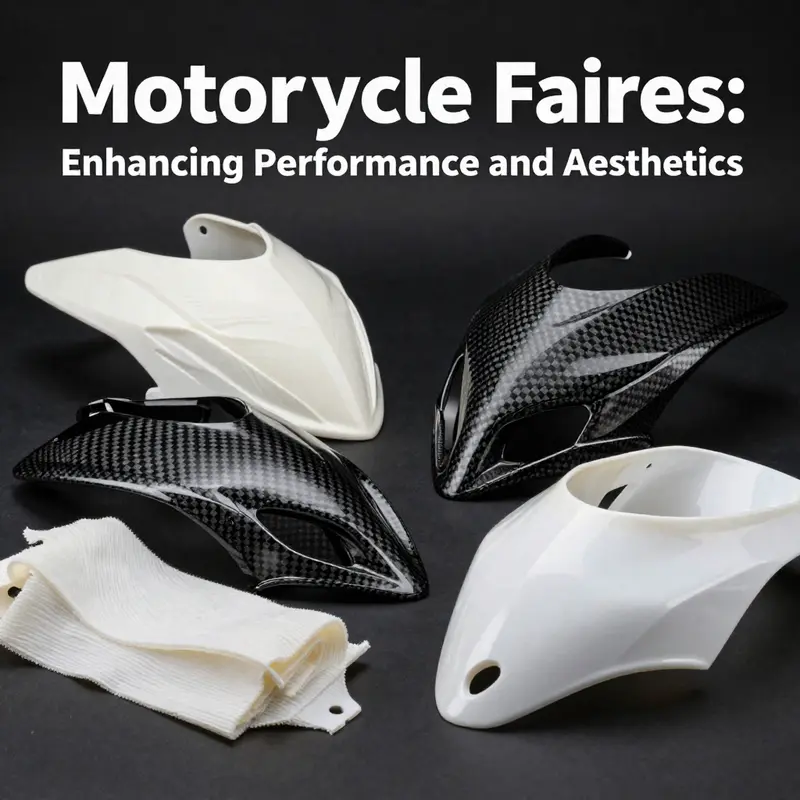
1. Decoding Motorcycle Fairings: An In-Depth Look at Their Types and Impact
Motorcycle fairings serve as a crucial bridge between performance optimization and aesthetic appeal in motorcycle design. As aerodynamic bodywork components, fairings play a significant role in minimizing wind resistance, enhancing rider comfort, and providing a visually cohesive look to the bike. The intricacies of motorcycle fairings extend beyond mere appearance; they are integral to the bike’s overall functionality. By covering critical mechanical components and shaping airflow, fairings can dramatically alter the riding experience.
Crafted from a variety of materials, including ABS plastic, fiberglass, carbon fiber, and polycarbonate, motorcycle fairings are designed to endure the rigors of both weather conditions and high-speed travel. Each material offers distinct advantages; for instance, carbon fiber, known for its exceptional strength-to-weight ratio, allows for lightweight construction without sacrificing durability, while fiberglass tends to be more affordable and is easier to repair. The choice of material often reflects a balance between performance needs, cost considerations, and personal preference.
In terms of functionality, motorcycle fairings can be defined by their aerodynamic efficiency. The primary aim of a fairing is to streamline airflow around the motorcycle, thereby reducing drag and improving fuel efficiency. This efficiency is particularly noticeable at higher speeds, where the forces of wind resistance become more pronounced. Riders who experience reduced drag can benefit from better fuel economy and increased stability during performance rides. Furthermore, fairings serve an environmental function, acting as a shield against wind, rain, and debris, which enhances rider comfort by providing a buffer against the elements.
The classification of motorcycle fairings can be broadly categorized into three main types: full fairings, half fairings, and lower fairings. Each type serves different purposes and appeals to varied riding styles.
Full Fairings cover the entire front section of the motorcycle, encasing the headlight assembly and upper body of the rider. This type of fairing offers maximum aerodynamic efficiency, allowing for greater speed and handling proficiency. The comprehensive coverage not only enhances aerodynamics but also provides substantial protection from wind and weather. Sportbikes, which are designed with speed in mind, utilize full fairings to optimize their performance capabilities. These fairings often incorporate integrated features like turn signals and mirrors, blending aesthetics with functionality.
Half Fairings, sometimes referred to as clip-ons, cover only the upper portion of the motorcycle, specifically the handlebars and instrument cluster. This design strikes a balance between maintaining aerodynamic properties while allowing for a more open and engaging riding experience. Riders who prefer a connection with the bike often gravitate toward half fairings, which shift the aesthetic focus to a sportier, more naked bike look. While not as comprehensive in terms of performance benefits, half fairings still provide adequate wind protection, making them a popular choice for both commuters and casual riders.
Lower Fairings serve a more specific purpose, extending from the front wheel well to cover the lower chassis and engine. While they do not encompass the entire bike, they significantly improve airflow around the engine and can assist in modulating cool airflow, which helps to prevent overheating during long rides. Lower fairings are often used alongside full or half fairings, offering modular solutions that allow riders to customize their setup based on personal preference and riding conditions.
A comprehensive understanding of motorcycle fairings is crucial not just for riders but also for manufacturers who design them. The impact of fairing design on the motorcycle’s performance, safety, and rider comfort cannot be overstated. Engineers and designers work diligently to leverage advancements in technology that improve fairing efficiency. With innovations such as structural analysis software and advanced material science, the development of fairings has reached new heights, benefitting both the racing circuits and casual riders alike.
Performance-oriented motorcycles benefit greatly from aerodynamic advancements, as sport bikes typically feature full fairings to maximize speed and handling capabilities. These bikes are often put through extensive wind tunnel testing to refine the shape and surface texture of fairings, ensuring they create optimal airflow patterns. Rider feedback plays a vital role in this iterative design process, where adjustments are made based on real-world riding experiences. These refinements serve to elevate riding safety, as well-functioning fairings can significantly reduce the risk of accidents caused by wind buffeting or decreased control during high speeds.
Conversely, for motorcycles like cruisers and adventure bikes, partial fairings or the absence of fairings altogether may be favored to maintain a classic aesthetic and provide a heightened sense of freedom. Riders of these motorcycles often prioritize comfort and maneuverability in various terrains over aerodynamic advantages.
Material advancements have ushered in a new era of motorcycle fairings. The introduction of lightweight carbon fiber composites has revolutionized the fabrication of fairings, enabling the creation of designs that are not only visually striking but also highly efficient. This material’s resilience means it can withstand extreme conditions, adding to the longevity of motorcycles.
Moreover, the integration of smart technologies within fairings is becoming commonplace. Features such as built-in communication systems, LED lighting for enhanced visibility, and even storage compartments have expanded the functionality of motorcycle fairings beyond their traditional roles. This trend highlights a move towards multifunctionality where fairings adapt to modern riding needs, making motorcycles not only transport methods but versatile lifestyle vehicles.
The psychological impact of fairings on rider perception is also an important consideration. A well-designed fairing can transform a motorcycle into a piece of art, a statement of identity that aligns with the owner’s personality and riding philosophy. Color schemes, graphics, and shapes allow for further customization, encouraging riders to express their individuality. These visual elements can significantly enhance the attachment a rider feels toward their motorcycle, fostering a deeper connection that goes beyond mere utility.
In essence, the meaning of motorcycle fairings extends far beyond their basic definition as body panels. They serve as vital components that influence aerodynamics, aesthetics, and operational efficiency. Whether geared towards road performance or off-road versatility, the type of fairing chosen influences not just the motorcycle’s appearance but also the essence of the riding experience itself. As technology continues to advance and consumer preferences evolve, motorcycle fairings will undoubtedly adapt, driving the industry forward with enhanced designs that speak to both function and form.
For those interested in exploring specific motorcycle models and their corresponding fairings, this resource is an excellent starting point.
Chapter 4: Aerodynamics and Aesthetics: The Dual Role of Motorcycle Fairings
1. Unveiling the Significance of Motorcycle Fairings: Aerodynamic Classifications and Their Performance Impact
Motorcycle fairings are more than just body panels adorning a bike; they serve as essential elements that enhance performance, comfort, and aesthetics. At their core, these components reduce air resistance, allowing motorcycles to slice through the wind more efficiently. This aerodynamic efficiency stands pivotal, particularly at high speeds, influencing both the rider’s experience and the overall capability of the motorcycle. By understanding the various classifications of fairings and their roles, riders can make more informed choices that align with their biking style and needs.
Functionality and Purpose of Fairings
The primary purpose of motorcycle fairings is to streamline airflow. By enclosing parts of the motorcycle, they significantly diminish drag—the force that opposes a motorcycle’s motion as it moves through the air. This aerodynamic optimization leads to a marked improvement in fuel efficiency and, crucially, enhances the motorcycle’s performance at speed. When a motorcycle is designed with effective fairings, the rider benefits from increased stability and reduced wind buffeting, leading to a more comfortable ride during long journeys or thrilling sprints.
In competitive motorcycle racing, every millisecond counts, and fairings become quintessential in achieving the piercing speeds racers aspire to. The careful design enhances not only the speed but also the handling characteristics, making it easier for riders to maneuver with precision, especially in tight curves. Moreover, fairings provide essential protection against weather elements—riders can maintain focus on the road without battling the full brunt of wind and rain.
Classifying Motorcycle Fairings
The classification of motorcycle fairings is primarily based on their design and the extent of coverage they provide. Understanding these categories can help riders choose the best fit for their motorcycle, whether for racing, commuting, or casual riding.
Full Fairings are the most comprehensive option, enveloping nearly every part of the front portion of the motorcycle, including the headlight and instrument cluster. The extensive coverage they provide translates to maximum aerodynamic benefits. By shrouding the motorcycle’s frame and components, full fairings facilitate a smoother airflow and offer significant protection from adverse weather conditions. This makes them a popular choice for sportbikes and touring motorcycles, where high speeds and comfortable long-distance rides are priorities.
On the opposite end of the spectrum, Half Fairings, also known as clip-ons, cover only a portion of the front end. They strike a balance between aerodynamic enhancement and maintaining a sporty, open feel. By preserving some of the motorcycle’s original aesthetics, they cater to riders who desire a blend of performance and style. Typically found on sportbikes, half fairings allow for enough wind protection without completely enclosing the rider, fostering a sense of connection with the motorcycle and the road.
Lower Fairings provide yet another alternative, focusing solely on the lower section of the machine. While they may not offer as significant aerodynamic advantages as full fairings, they contribute to the bike’s appearance and still provide a degree of airflow management. Their design often complements the lines of the motorcycle, making them an appealing choice for riders looking to enhance their bike’s visual impact.
The classifications directly influence both the motorcycle’s performance characteristics and its aesthetic standing in the biker community. Choosing the right type of fairing is integral to enhancing the riding experience, and it can significantly affect how the motorcycle performs under various conditions.
The Influence of Fairings on Performance Metrics
The integration of different fairing types offers distinct performance advantages that can be crucial in racing and riding scenarios. As mentioned, aerodynamics is directly linked to performance; efficient fairings can lower drag coefficients, leading to higher top speeds and improved responsiveness.
Drag and Stability are key performance parameters influenced by aerodynamics. The specific shape and smoothness of a fairing determine how air flows over the motorcycle and the rider. A well-designed fairing minimizes turbulence, which is instrumental in maintaining high-speed stability. When a motorbike is struck by turbulent air, it can become difficult to handle, effectively slowing down and adversely affecting the rider’s confidence. A streamlined fairing mitigates this issue, allowing for better handling and control.
In racing scenarios, the precise engineering of fairings becomes vital. Manufacturers often rely on advanced computational fluid dynamics (CFD) simulations and wind tunnel testing to craft fairing designs that optimize performance in specific contexts. These technologies enable designers to evaluate how changes in shape or material can impact airflow and drag, ultimately guiding the development of fairings tailored to the needs of competitive racers or serious motorcycle enthusiasts.
The materials employed in constructing fairings—such as fiberglass, carbon fiber, or ABS plastic—play an equally significant role in achieving desired aerodynamic performance. Lightweight and durable, these materials allow manufacturers to create structures that are not only efficient but also robust enough to withstand the rigors of high-speed riding.
Engineering Challenges and Innovations
Given the impact of motorcycle fairings on performance, manufacturers encounter a series of engineering challenges. The pursuit of the perfect fairing involves balancing weight, strength, and aerodynamic efficiency while ensuring the design remains visually appealing. Innovations in manufacturing techniques, such as 3D printing or advanced molding processes, have revolutionized how fairings can be produced, offering the ability to create more complex shapes that can enhance aerodynamics without significantly increasing weight.
From developing bespoke designs for professional race teams to providing readily available aftermarket options for everyday riders, the evolution of motorcycle fairings continues to push the envelope. As technology advances, so do the capabilities of fairing designs, allowing riders to not only improve performance but also personalize their machines in ways that were previously unfeasible.
In enhancing the understanding of motorcycle fairings, one can appreciate how these components are far more than aesthetic additions; they are technical marvels that embody the intersection of engineering, performance, and style. When chosen wisely, the right fairings can elevate a motorcycle’s functionality while beautifying its exterior.
Riders looking for specific fairing options for popular motorcycle models can explore collections dedicated to various manufacturers, enhancing their riding experience with the perfect fit. For instance, options for Honda’s CBR series, Yamaha’s YZF range, or Suzuki’s GSX lineup can be found at specialized retailers, ensuring that every rider can find the ideal fairing to suit their motorcycle and riding style.
Thus, understanding the role of motorcycle fairings extends beyond mere definition; it encompasses their impact on performance—whether for a racer seeking every ounce of speed and control or a commuter who desires comfort and style on everyday rides. By appreciating the classifications and engineering intricacies, riders can make informed choices, ensuring their motorcycles perform optimally while turning heads on the road.
Chapter 5: Material Mastery: How Composition Shapes Motorcycle Fairings and Performance

1. The Critical Role of Material Choices in Defining Motorcycle Fairings
Motorcycle fairings serve as more than mere adornments to the machine; they are pivotal components designed to enhance performance, safety, and aesthetics. At the core of their functionality lies the choice of materials—each with unique properties that dictate not only how a motorcycle performs under various conditions but also how safe and comfortable the rider feels. Understanding the significant impact of material choices involves examining the primary options available in the market: ABS plastic, polycarbonate, and carbon fiber, each presenting a distinct set of advantages and disadvantages.
ABS (Acrylonitrile Butadiene Styrene) is one of the most popular materials utilized in the construction of motorcycle fairings. Its appeal lies in its excellent impact resistance and heat tolerance, both of which are essential for protecting the motorcycle’s critical components from the rigors of the road and environmental factors, such as temperature fluctuations and exposure to direct sunlight. Fairings made from ABS are typically less expensive, helping to keep maintenance costs low for the average rider. However, while ABS can handle everyday wear and tear, it can show weaknesses in extreme conditions, raising concerns for those who push their machines to the limits.
On the other hand, polycarbonate (PC) stands out in its ability to offer unparalleled impact strength and transparency, making it ideal for applications requiring visibility, such as transparent sections of the fairings or windshields. Its high resistance to weathering and temperature extremes makes it an excellent choice for motorcycles that are frequently exposed to adverse weather conditions. However, its higher cost can deter some riders. Still, many agree that the durability and safety assurances offered by polycarbonate can justify the investment, especially among those who prioritize longevity and rider protection.
For performance enthusiasts, carbon fiber represents the pinnacle of material choice. It is renowned for being exceptionally lightweight while maintaining extraordinary strength. This quality results in improved acceleration, handling, and fuel efficiency—elements that are crucial for high-speed riding. Carbon fiber fairings not only enhance the aerodynamics of the motorcycle but also add a sleek, high-end appearance that appeals to those looking to make a statement. However, the beauty of carbon fiber comes with a price; its production processes are more complex than those of ABS or PC, typically resulting in a significantly higher cost per unit. Moreover, while lightweight, carbon fiber can be less impact-resistant compared to tougher materials, necessitating careful handling to prevent damage.
The safety impact of these material choices cannot be overlooked. Consumer safety guidelines emphasize that motorcycle fairings must possess robust impact resistance and weather resistance. A fairing that deforms or breaks upon impact can compromise rider safety, leading to potentially severe consequences in the event of an accident. In fact, the material selected can be the difference between a rider escaping a fall with minor bruises or suffering critical injuries. Riders must consider their typical riding environments and styles when selecting material, balancing safety with performance needs.
A comprehensive look at these materials reveals a clear relationship between their characteristics and their impact on motorcycle function and rider experience. Lightweight materials such as carbon fiber indeed contribute to superior performance, enhancing speed and agility on the road, but they do create a higher financial barrier. Conversely, ABS offers affordability and satisfactory protection, making it a solid choice for daily riders or those less likely to encounter extreme conditions. Polycarbonate stands poised as a versatile choice—offering both durability and usability for riders who require a balance of visibility and strength.
Ultimately, the optimal choice of material hinges on the rider’s intended use of the motorcycle. For track enthusiasts demanding peak performance, the investment in carbon fiber fairings may yield dividends in competitive advantage. Touring riders favoring comfort and all-weather resilience might consider polycarbonate options to enhance visibility without sacrificing safety. In contrast, daily commuters looking for cost-effective solutions may find ABS fairings sufficient for their needs while ensuring reasonable protection from wind and debris.
The discussion around motorcycle fairing materials also encompasses an aesthetic perspective. More than their practical functionalities, fairings ornament the bike, contributing to its overall identity. Riders often seek materials that not only perform well but also resonate with their personal style and model identity. The visual impact of carbon fiber can distinguish a premium machine or a custom build, while brightly colored ABS fairings may enhance a more playful or rugged appearance.
In modern motorcycling culture, there is an increasing trend towards customizing and personalizing motorcycles to fit individual riding styles and preferences. This customization extends to the choice of materials used in fairings, where riders might mix technology with art, seeking not just a marketable product but a reflection of their passion for biking. Consequently, the material choice extends beyond functional attributes; it becomes an assertion of identity.
Considering the breadth of materials and their resulting implications, it is essential for motorcycle enthusiasts to remain informed about what is currently available. With advancements in manufacturing technology, new material options are emerging continuously, introducing innovative hybrids that promise to push the boundaries of performance and safety even further.
For more information on different fairing choices, including those made from ABS or carbon fiber, you can explore a diverse selection at various dedicated motorcycle fairing retailers that highlight specific models and versions of popular motorcycles. Riders can find crucial information regarding fitment and compatibility, which aids in making the best-informed decision regarding material and style.
In summary, the choice of material in motorcycle fairings significantly influences not only the aerodynamic properties and aesthetics of the motorcycle but also impacts rider safety and comfort. The interplay of performance, cost, durability, and visual appeal will guide riders in selecting an option that best suits their needs. As riders weigh their choices, they should consider their riding style and needs—and explore the latest advancements in materials to ensure they are equipped with the right protection on the road. For those keen on understanding material safety standards and making informed selections, browsing resources like the People’s Daily may provide insightful guidelines and broader perspectives on safety in motorcycle accessories.
Final thoughts
In summary, motorcycle fairings are far more than mere aesthetic enhancements; they are pivotal in optimizing performance, reducing drag, and improving rider safety. For business owners, understanding the multifaceted benefits of fairings—including their types, materials, and economic implications—can empower more informed decisions and foster better customer relationships. As the motorcycle industry continues to evolve, so do the opportunities to innovate and enhance the riding experience through advanced fairing designs.
Ready to elevate your ride? Summit Fairings delivers premium, custom-fit fairings that blend style and durability. Whether you’re chasing speed or turning heads, we’ve got your bike covered. Don’t wait—transform your machine today. Click, customize, and ride with confidence. Your perfect fairing is just a few clicks away. Act now!
About us
We are one of the leading motorcycle fairing export sites, with over 3,000 styles across almost all motorcycle models. Buy from summitfairings.com, and pay 10-40% less than the prices on other sites. If you have any questions, we promise we will have your answer within six hours.