
Motorcycle fairings serve not just aesthetic purposes but also play a vital role in optimizing performance, safety, and rider comfort. Businesses involved in manufacturing, aftermarket modifications, or supplying motorcycle components must understand the qualities and capabilities of the materials used in fairings. This article examines prominent plastics such as ABS, polycarbonate, and their blends, as well as alternative materials that contribute to the overall performance and appearance of motorcycles. Each chapter highlights a specific material, providing insights crucial for business owners looking to enhance their offerings and cater to customer needs effectively.
The Quiet Backbone of the Wind: How ABS Shapes the Soul of Motorcycle Fairings
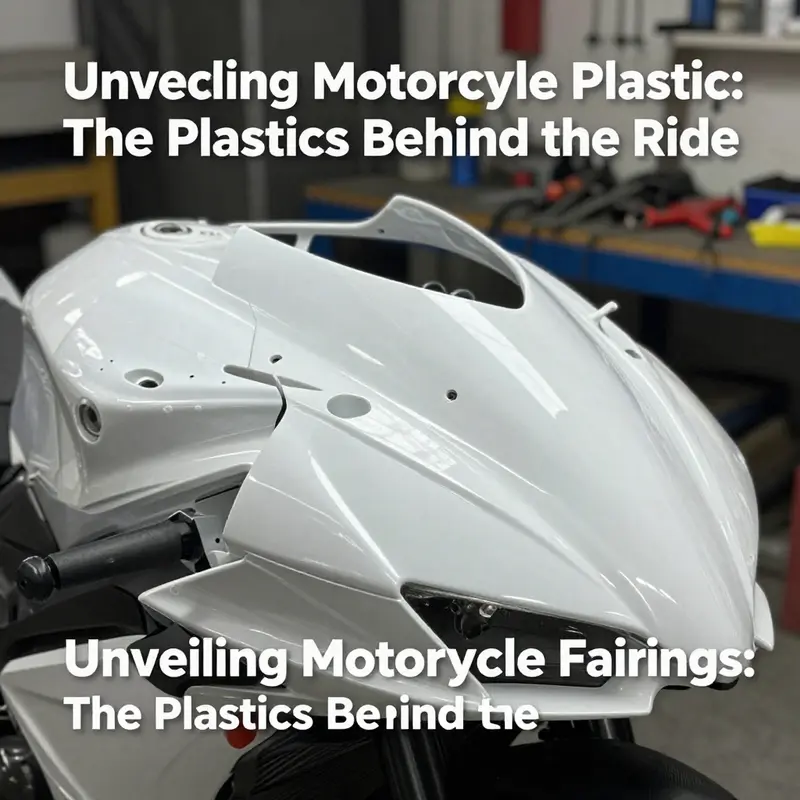
Riders often judge a motorcycle by its silhouette, by the way the fairings cradle the machine and slice through air. Yet the true story of that blend of form and function begins not with aesthetics but with material science. In the world of motorcycle fairings, certain plastics have earned a kind of quiet dominance, and among them, ABS stands as the workhorse, the reliable workhorse that keeps the bike light, strong, and affordable enough to be mass-produced without surrendering performance. The topic at hand—what plastic makes a motorcycle fairing—unfolds into a narrative about balance: the balance between weight and strength, between shape and manufacturability, between cost and durability. ABS, or acrylonitrile butadiene styrene, has earned its place because it threads together competing demands into a single, usable material that can take a rider’s daily grind and a machine’s occasional misadventure with equanimity.
The case for ABS rests on a practical triad: strength, impact resistance, and ease of manufacture. These are not abstract properties but directly observable realities on the road. ABS is a thermoplastic, which means it can be heated, shaped, cooled, and reshaped many times without substantial chemical change. This recyclability and processability underpin a production ecosystem that must deliver complex, integrated fairings at scale. The material’s strength arises not only from its stiffness but from its energy-absorbing behavior under load. When a bike leans into a corner or a rider must catch the bike during a drop, ABS panels distribute energy in a way that reduces the risk of shattering, yet preserve the panel’s integrity enough to survive other road insults—debris, branches, gravel, and the everyday gnarl of urban travel.
Weight, a decisive factor in motorcycle dynamics, becomes a straightforward win for ABS. The difference between a fairing built from ABS and one formed from heavier alternatives is not just a single percentage; it translates to tangible improvements in acceleration response, steering precision, and overall handling. The lighter structure meaningfully lowers the moment of inertia around the bike’s front end, allowing the rider to steer more responsively and to recover from a gust or a lane-drift more readily. The research material notes a weight advantage of roughly a fifth when comparing ABS-formed fairings to fiberglass counterparts. That isn’t just about performance; it’s about efficiency and longevity of components, as lower overall mass can modestly improve fuel economy and reduce wear on drivetrain strain during long rides.
Durability is not merely about resisting a scratch or a bruise. ABS’s durability is multi-faceted: it resists impact, stands up to environmental exposure, and holds colors and gloss over years of sun and weather. UV resistance, in particular, is a critical attribute. The belt of UV rays can degrade many plastics over time, causing color fading, chalking, and surface cracking that makes a pale, weathered panel look old beyond its years. ABS formulated with UV stabilizers can withstand sunlight much longer, preserving the gloss that riders often equate with new-bike aesthetics. A high-gloss, scratch-resistant finish becomes not just a cosmetic choice but a protective layer that helps keep the fairing’s surface resilient to abrasion and micro-scratches that accumulate with road grit and wash cycles. In a marketplace where aesthetics and performance must endure, the ability to retain color and sheen without frequent re finishes translates into lower maintenance costs and greater resale value.
The manufacturing side of ABS is equally important. The material’s moldability is one of its strongest selling points. Injection molding, a standard process for production fairings, benefits from ABS’s flow characteristics. The resin can fill complex cavities and achieve tight tolerances, enabling sleek, integrated surfaces and sharp edges that would be costly or unfeasible with less forgiving plastics. This moldability feeds into the wind-tunnel optimization that many fairing designs pursue. When engineers push for a fairing that cleanly negotiates air with minimal drag, the ability to form precise curves and smooth transitions into a lighter structure becomes essential. The result is not just a good-looking shell but one that contributes to aerodynamic efficiency. In some studies and practical applications, well-executed ABS fairings have supported measurable improvements in drag reduction and high-speed stability, which, translated into rider comfort, means steadier handling at interstate speeds and reduced buffeting at open-throttle conditions.
Maintenance and repair are practical concerns every rider understands. The modularity that ABS enables—panelized designs that can be swapped or repaired without gutting an entire fairing kit—translates to lower ownership costs and shorter downtime. A damaged section can be replaced on a per-panel basis, preserving the rest of the assembly and the bike’s overall aesthetic. This is not merely convenience; it’s a sustainability win. Rather than discarding an entire fairing set after a single impact, riders can restore the protective shell with replacements that match the original lines and finish. The repair-friendly nature of ABS aligns well with consumer preferences for longevity and customization, a balance that is particularly attractive to riders who view their bikes as long-term investments rather than disposable fashion statements.
A nuanced but important facet of ABS’s appeal lies in its compatibility with a range of surface finishes and coatings. UV-stable ABS can be finished with a variety of clear coats, paints, and textures, offering both protection and aesthetic versatility. A glossy finish may be pursued for its aggressive, showroom appeal, while textured or matte surfaces can be chosen to emphasize a bike’s rugged character or to reduce visible wear. In high-heat or high-humidity environments, the coating system over ABS must be chosen with care, but modern formulations reliably protect both the panel and its color from environmental assault. The net effect is that ABS fairings can be tailored to a spectrum of looks and purposes—from street-ready to sport-focused—without requiring a different baseline material for each appearance. This capability simplifies supply chains for manufacturers and makes aftermarket customization a practical reality for riders who want to align their bike’s visual language with personal taste.
Beyond the surface, ABS’s role in safety and compliance deserves attention. When fairings are certified, they are tested for drop resistance, impact absorption, and durability under cyclic load. Certification standards—while varying by region—reflect a baseline expectation for rider protection and component integrity. ABS’s predictable performance under these tests helps ensure that fairings contribute meaningfully to rider safety without introducing unpredictable behavior. This is critical not just for the rider’s confidence but for the integrity of the entire protective system around the engine and rider. The material’s known behavior under stress—its energy absorption, its resistance to fracture, and its predictable fracture patterns—enables engineers to design with tolerance for an impact, rather than to over-engineer into a brittle failure. In this way, ABS becomes a reliable partner in designing protective shells that perform in real-world conditions.
The broader ecosystem in which ABS fairings exist also benefits from the material’s compatibility with other polymers and composites. Blends such as PC/ABS combine the best of both worlds: PC contributes impact resistance and clarity, while ABS adds processability and cost efficiency. While the distinctive properties of pure ABS are well-suited for most fairings, these blends allow for higher performance in premium applications or in sections of the bike that demand greater strength or clearer visibility for windshields. Even when PC/ABS blends are employed, the underlying design philosophy remains anchored in a material that can be molded with precision and produced at scale. The evolution of blends is a reminder that ABS’s dominance is not about stagnation but about adaptability—an ongoing conversation between material science, manufacturing capabilities, and rider expectations.
In considering the practicalities of who benefits most from ABS fairings, the answer is nuanced. For mass-market motorcycles, the material offers an unbeatable mix of cost and performance that translates into lower purchase prices and lower lifetime costs. ABS aligns with the realities of mass production: a material that can be turned into thousands of identical panels, each with consistent thickness, color, and surface finish. For custom or boutique builds, ABS provides a reliable canvas for personalization without forcing buyers into the higher price tag of carbon fiber or other advanced composites. The modular nature of ABS panels supports experimentation with color schemes, textures, and graphic schemes, enabling riders to push the boundaries of personalization without risking performance penalties or excessive weight.
From a consumer-facing perspective, choosing fairings made from certified ABS plastic becomes a practical decision. Certification signals that the product has undergone testing for safety and quality, providing reassurance about durability and protective performance. While car and aircraft industries often trigger broader material discussions, the motorcycle domain benefits from a similar confidence boost: a rider can trust that the shell has met established benchmarks for impact resistance, weathering, and structural integrity under a variety of use conditions. In this sense, ABS is not merely a material choice; it is a guarantee that the fairing has been engineered to endure a rider’s life on two wheels—its rough roads, its sudden stumbles, and the occasional exuberant ride at the limit.
This is not to suggest ABS is flawless. The material does have limits, especially when pushed into extreme usage scenarios. Carbon fiber and other advanced composites offer superior strength-to-weight ratios and stiffness, which is why they occupy the high end of performance and aftermarket ecosystems. The choice between ABS and alternative materials is ultimately a matter of context: performance demands, budget constraints, and the intended riding environment. ABS remains the best-fit option for the majority of riders who seek a balanced combination of lightness, resilience, cost efficiency, and ease of manufacturing. It is the backbone that keeps fairings practical, accessible, and aesthetically versatile across a broad spectrum of bikes.
As the industry continues to explore new coatings, surface treatments, and injection-molding innovations, ABS fairings are unlikely to be displaced as the standard bearer in mass-produced motorcycles. The material’s inherent versatility—its ability to be formed into aerodynamic shapes, its resilience to environmental exposure, and its capacity to host durable finishes—ensures that it will remain central to the fairing conversation for the foreseeable future. In a market where riders demand performance without sacrificing daily usability, ABS has earned a reputation as the material that makes the bike’s shell both a protective shield and a canvas for design. The synthesis of mechanical performance, manufacturing practicality, and cost efficiency is not incidental. It is the result of decades of material innovation and iterative engineering that responded to real-world riding needs. That is why, in the overall landscape of motorcycle fairings, ABS stands as the dominant material. It is the quiet backbone of the wind, the unsung hero behind the bike’s shape, and the practical promise that a rider’s visual and functional experience remains coherent, affordable, and dependable.
For readers who want to explore further on a practical level, internal references to a broad catalog of fairing designs can provide contextual examples of how ABS is implemented across different styles and models. A curated collection page focuses on a wide range of Honda fairings, illustrating how ABS panels are adapted to various frames and rider preferences while maintaining consistency in performance and finish. This resource can serve as a bridge between the theory of material choice and the everyday reality of riding. You can explore it here: Honda fairings collection.
Looking ahead, the conversation about motorcycle fairings is likely to expand beyond pure ABS, with continued experimentation in blends and composites that push the limits of weight reduction and impact resistance. Still, the core advantage of ABS—the robust, cost-effective, and highly moldable nature that supports modern production—and its compatibility with protective finishes and repairability will keep it central to fairing design for years to come. The material’s capabilities align with the practical realities of riding: a shell that protects without adding unnecessary weight, that can be shaped into aerodynamically efficient forms, and that can be restored or upgraded panel by panel without dismantling the entire assembly. In the end, ABS doesn’t just fill space around the rider; it frames the entire riding experience, turning air into a brushstroke of motion, and giving riders a trusted, reliable shell through which the road is revealed rather than endured.
External resource for further technical background on ABS and related fairing materials: https://www.alibaba.com/product-detail/ZJMOTO-T-Sport-Fairing-Headlight-for_1602748596439.html?spm=a2700.details.0.0.7c5d6f9eXJWQwP&urlShow=true
Polycarbonate at the Frontline: The Clear Shield Shaping Modern Motorcycle Fairings
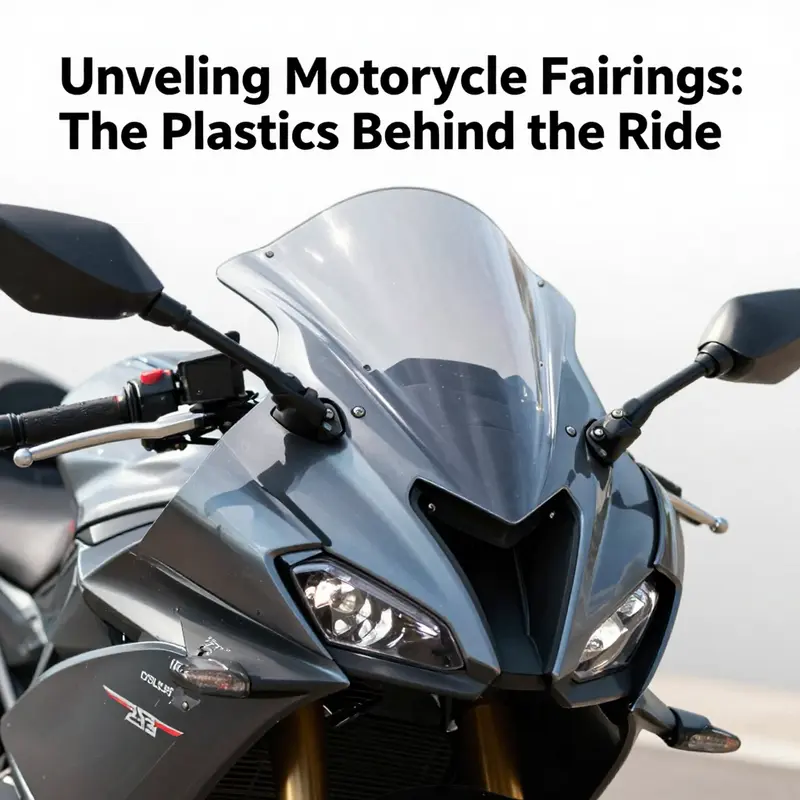
Polycarbonate at the Frontline: The Clear Shield Shaping Modern Motorcycle Fairings
The story of a motorcycle may begin with power, speed, and sound, but it is finished with a skin that must perform under weather, wind, and the unpredictable turns of fate on the road. In the world of motorcycle fairings, polycarbonate emerges not as the sole protagonist but as a central actor whose properties dictate safety, aerodynamics, and the rider’s experience. When designers seek a material that can be shaped into complex forms without compromising strength, that balance becomes an artistic and engineering challenge. Polycarbonate, with its reputation for toughness and clarity, has risen to meet this challenge in a way that complements the broader material ecosystem of fairings, which often includes ABS, PC/ABS blends, fiberglass, and carbon fiber. The result is a nuanced material landscape where polycarbonate contributes specific advantages that align with the demands of modern sportbikes, touring machines, and customized builds alike.
From the outset, the mechanical profile of polycarbonate stands as a decisive factor. Its impact resistance is well-known among engineers and fabricators, earned through years of automotive and aerospace applications. In the context of a motorcycle fairing, that impact resilience translates to real-world benefits: when a rider encounters a slide or a light crash, the fairing’s ability to absorb energy and resist cracking reduces the likelihood of sharp fragments or jagged edges reaching the rider. The physics matters not just for safety in a fall but also for the perception of safety in normal riding. A fairing that retains its shape and integrity under impact helps protect internal components, control routing, and the drivability of the bike after a mishap. Such resilience supports rider confidence and, by extension, the track- or road-performance mindset that many riders prize.
Beyond its strength, polycarbonate’s optical clarity is a standout feature that can influence both function and aesthetics. In fairing design, visibility through the windscreen and between fairing panels matters. Polycarbonate typically achieves a light transmittance in the vicinity of 85 to 90 percent, which means riders experience a clearer view through windshields, pillion windows, or integrated visors when such elements are part of the fairing system. That level of clarity isn’t just a novelty; it contributes to safer riding in conditions of glare or twilight, when visual fidelity helps the rider anticipate road texture, lighting changes, and the presence of other vehicles. This blend of transparency and toughness makes polycarbonate an attractive option for elements that require both strength and optical performance, or for composite panels that integrate clear sections with colored or textured surfaces.
The durability story of polycarbonate is closely tied to its resistance to ultraviolet (UV) radiation. Exposure to sunlight is a constant for motorcycles; fairings spend long hours under sun and heat, and color and gloss can fade when UV stability is lacking. Polycarbonate’s UV resistance helps preserve both appearance and mechanical properties over time, delaying yellowing and minimizing surface degradation. In many designs, manufacturers also combine polycarbonate with UV-stabilized blends such as ASA (acrylonitrile styrene acrylate) or other weatherable polymers to form alloys that further boost color stability and weather resistance. That synergy is crucial for riders who want their fairings to look pristine after seasons of outdoor exposure, while still maintaining the original design language that gives a bike its character.
Temperature resistance is another axis where polycarbonate proves its weight in the fairing market. The material’s heat deflection capabilities stem from a glass transition temperature around 145°C, a figure that might seem almost academic until you consider the environment near an engine and under direct sun. The surface of a fairing can heat up quickly, and repeated thermal cycling can stress materials, especially where panels hinge or fit against one another. Polycarbonate’s stability under these thermal conditions helps ensure that panels retain fit, aerodynamic behavior, and surface finish across a rider’s journey—from cool mornings to hot track days. This reliability is particularly important for riders who push bikes to the limits, where precise tolerances translate into predictable aerodynamics and handling.
Processing ease is the practical bridge between material capability and manufacturability. Polycarbonate responds well to modern injection molding technologies, enabling the creation of intricate fairing geometries with tight tolerances. If a design calls for sharp contours, delicate ribs, or integrated channels for cooling and aerodynamics, polycarbonate can be molded to deliver consistent wall thickness and surface finish. The ability to produce complex shapes without excessive tooling complexity opens possibilities for designers to craft fairings that optimize air flow while preserving a streamlined silhouette. In this space, PC’s compatibility with standard thermoplastic processing lines reduces the barrier to scaling production, which is a nontrivial consideration for manufacturers who must balance performance with cost and lead time.
One of the most interesting aspects of polycarbonate in fairings is how it coexists with other materials in the same family of products. PC on its own offers several advantages, but the real-world fairing often blends properties to achieve an optimal mix. A common pairing is PC/ABS blends, which combine polycarbonate’s impact strength and clarity with ABS’s ease of processing and surface finish. This pairing can yield a material that surpasses pure ABS in toughness while maintaining smooth molding behavior and good surface quality. In performance-focused or premium configurations, fiberglass and carbon fiber reinforcements may be layered or integrated with polycarbonate matrices to reduce weight further and enhance rigidity, though at a higher cost. Such designs show that polycarbonate isn’t simply a single-material solution but a flexible kernel around which a broader composite strategy can be built.
The practical implications of this material ecology extend to rider experience and maintenance. Polycarbonate can be more forgiving in the field where impacts are more likely than not to occur during spirited riding or occasional mishaps. Its toughness can translate into less brittle failure modes, which means fewer gaps or misalignments after a minor incident. When repairs are needed, the repairability of polycarbonate-based panels depends on the severity of damage. Small scratches are common on fairings, and polycarbonate’s scratch resistance can be improved with coatings or by careful surface finishing during manufacturing. The ability to resurface or refinished polycarbonate panels helps extend the life of a fairing, keeping an aesthetically cohesive look that harmonizes with painted surfaces and decals.
In terms of aesthetics, polycarbonate offers more than functional durability. Its glossy finish can be retained with proper surface treatments, and its translucency can be leveraged for design accents such as tinted windshields or light-weight, clear sections that showcase inner channels or branding elements. The design latitude afforded by polycarbonate means stylists and engineers can push for sharper lines, deeper recesses, or integrated air-control features without sacrificing the material’s integrity. The interplay between light and form, particularly on high-performance or sport-oriented machines, becomes a visual language. A fairing that captures sunlight with a clear, unyellowed surface communicates a sense of precision and longevity that mirrors the rider’s pursuit of speed and control.
A practical note emerges when considering the overall material ecosystem of a motorcycle fairing. The dominant material in many production bikes remains ABS, valued for its balance of cost, impact resistance, and smooth surface finishes. Yet polycarbonate occupies a complementary niche. Its higher impact resistance relative to standard ABS, combined with excellent optical properties and UV stability, positions it as a premium choice for certain panels or features where performance and clarity are paramount. This is not a replacement of ABS but rather an enrichment of the design toolbox. When choosing materials, manufacturers weigh factors such as production volume, cost per part, weight targets, and the intended riding conditions. In this calculus, polycarbonate provides an alluring set of attributes that can be dialed up or down through blends and reinforcement to meet specific performance goals without abandoning the familiar processing routes that factories already use.
For enthusiasts who want to visualize how polycarbonate-based fairings translate into a riding experience, it helps to consider how the material interacts with other design elements. The fairing’s geometry can influence downforce and aerodynamic stability, and polycarbonate’s rigidity contributes to predictable deflection under load. When wind and speed interplay with rider posture, a well-designed PC-based panel helps maintain a steady ride with less buffeting and smoother air separation along the bike’s profile. The clarity of a windscreen or a small, transparent segment on the fairing does more than look pristine; it ensures that the rider’s attention remains focused on the road ahead, aided by an unobstructed line of sight in critical moments.
As the industry continues to refine the balance between performance, cost, and longevity, polycarbonate remains a material that can adapt to evolving design languages. Advances in polymer chemistry, such as new stabilizers, blends, and surface coatings, promise to extend the life of PC-based fairings while preserving or enhancing their optical and mechanical properties. The ongoing dialogue between form and function ensures that polycarbonate will likely remain a central figure in the fairing narrative, especially for models and builds that demand a combination of tough protection, high-clarity visibility, and robust weather resistance. In short, polycarbonate’s role is not only about surviving the track or the road; it’s about helping a motorcycle present its best face—clean, coherent, and capable when it matters most.
In close, polycarbonate plays a distinct and valuable role in the architecture of motorcycle fairings. It unlocks a spectrum of performance advantages, from exceptional impact resistance and UV stability to optical clarity and processing flexibility. It sits alongside ABS and PC/ABS blends, offering a pathway to premium aesthetics and enhanced rider protection without abandoning manufacturing practicality. For riders who value both function and form, these properties translate into tangible benefits: safer confidence on landing after a corner, clearer visibility in changing light, and a fairing that maintains its shape, gloss, and color through seasons of use. The material choices behind a bike’s skin matter as much as the engine’s roar, and polycarbonate is a steadfast ally in this ongoing pursuit of speed, safety, and style.
External resource: For detailed technical specifications and applications of polycarbonate in automotive and motorcycle components, see SABIC’s polycarbonate page: https://www.sabic.com/en/products/polycarbonate
Internal reference for fairing aesthetics and replacement parts can be explored through the Yamaha fairings collection: Yamaha fairings collection
The Subtle Strength of PC/ABS Blends: How Blended Thermoplastics Shape Modern Motorcycle Fairings
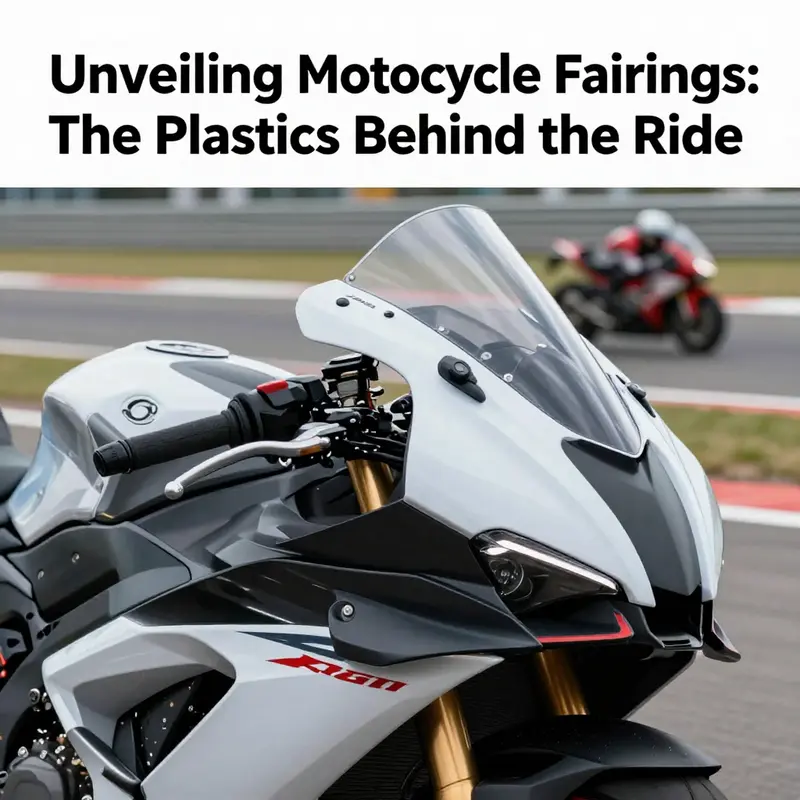
PC/ABS blends have quietly reshaped the midrange of motorcycle fairing design. They sit between the cheapest ABS and the more exotic composites, offering a practical blend of toughness, processability, and cost efficiency. This is not just a story about materials; it is a narrative about how engineers balance performance with manufacturability, color freedom with long-term durability, and the rider’s protection with the bike’s overall weight. In practice, PC/ABS blends bring together the best traits of two different plastics to create a material that can be molded into complex, aerodynamic forms while standing up to sunlight, road grit, and the occasional tip-over with less brittle failure than many might expect from plain ABS alone. The result is a fairing that is not merely a shell but a functional, enduring part of the motorcycle’s architecture, capable of carrying a rider through countless miles of weather and road conditions with grace and reliability.
At the core of PC/ABS blends is a deliberate marriage of two thermoplastics with divergent strengths. Polycarbonate (PC) contributes exceptional impact resistance and toughness. It can absorb energy from impacts without cracking, a quality riders notice when the bike is touring through rough surfaces or when gravel and debris threaten the fairing. Yet PC, by itself, presents processing challenges. It can warp under heat, and its surface finish, while tough, can be less forgiving when it comes to rapid mold filling and the intricacies of injection-molding cycles that mass manufacturers demand. Acrylonitrile butadiene styrene (ABS), on the other hand, is renowned for its rigidity, surface finish, and ease of processing. It flows well in molds, builds up smooth, paint-ready surfaces, and does so at a lower cost. ABS also handles the equipment and tooling variations that are common when producing large series of parts for different bike models.
The PC/ABS blend stages a careful compromise between these properties. The PC phase lends toughness and energy absorption, while the ABS phase contributes processability and a robust surface that takes well to finishes and coatings. The result is a material that resists scratching and small- to mid-scale gouges while maintaining a surface that can be painted to a high gloss or matte finish without costly post-processing. In the daily grind of manufacturing, this translates into lower cycle times on injection molding machines, tighter tolerances, and more consistent part quality across thousands of units. For engineers designing a fairing, the blend offers a predictable rheology that helps them push CAD-driven designs from the digital realm into tangible parts without sacrificing the ability to maintain tight radii, sophisticated curves, and functional vents that influence the bike’s aerodynamics and cooling.
UV stability is another decisive factor in the PC/ABS equation. Fairings live outdoors, and their color, gloss, and structural integrity must endure long hours under sun, rain, and varying temperatures. The PC component brings inherent resistance to impact and some resistance to heat, but it is the synergy with ABS that often yields better overall UV performance when stabilized properly. Many PC/ABS blends are formulated with UV stabilizers to limit color fading and surface embrittlement, a common concern for fairings exposed to prolonged sunlight. This is particularly important for the rider’s eye appeal, since color fidelity and gloss retention contribute to the bike’s perceived value and its resale potential. In practice, UV-stabilized PC/ABS blends maintain their appearance even after months of sun exposure while still remaining easy to repair and refinished if minor damage occurs.
Beyond sunlight, temperature swings across regions play a significant role in how PC/ABS fairings behave. In hot, humid environments, the material experiences softenings and potential tackiness if the formulation is not tuned for heat. In cooler climates, the same blend must resist becoming too brittle, which could enhance the impact risk during a fall or a rock strike. The leading PC/ABS formulations address this by balancing the degree of cross-linking, the choice of stabilizers, and the presence of any impact modifiers that can further reduce brittleness at low temperatures. This makes PC/ABS a dependable choice for riders who traverse urban streets by day and highway runs by night, across seasons with shifting weather patterns. It also means a single fairing design can perform consistently across a wider geographic footprint without requiring a different material for different markets.
From a manufacturing perspective, the injection-molding implications of PC/ABS blends are favorable. The polymer’s melt flow characteristics enable the creation of complex geometry—sharp creases, integrated air ducts, and multi-hood contours that optimize aerodynamics without forcing the designer to resort to more expensive materials. UV stabilization often rides along in the blend as a standard add-on, reducing the need for post-mprc (manufacturing process resource consumption) steps during finishing. Local production hubs in major industrial corridors, particularly those with robust polymer processing capabilities, have developed specialized expertise in fine-tuning PC/ABS blends for fairings. These regions leverage advanced processing controls to minimize warpage and ensure surface consistency. The result is consistent parts that meet the exacting tolerances demanded by modern motorcycle sport and street bikes alike. The ability to produce at scale also supports color variety and multi-color schemes, which are increasingly expected by riders seeking personalization without incurring prohibitive costs.
One of the practical advantages of PC/ABS is its compatibility with conventional painting and finishing processes. Electrostatic painting, for instance, can be highly effective on PC/ABS surfaces, delivering uniform color with strong adhesion and minimal defect risk. This compatibility is reinforced by surface treatments and primers designed specifically for PC/ABS substrates, which help maintain adhesion over time and reduce the likelihood of microcracking under flexing loads. For aftermarket and custom builders, the ease of repainting and refinishing is a material win, allowing fairings to be refreshed or customized without sacrificing the structural integrity of the part. The blend’s surface quality also responds well to clear coats and topcoats, helping to preserve the depth and clarity of color while delivering the spin and sheen desired by riders who want their bikes to stand out on the street or at track days.
In the design studio and the manufacturing floor, PC/ABS is celebrated for its ability to accommodate sophisticated CAD-driven designs. Modern fairings often feature tight radii, integrated vents, and complex transitions between different panels. A material that can replicate these forms consistently is essential, and PC/ABS provides that capability. Its rigidity supports dimensional stability, while its toughness helps maintain surface integrity even after repeated cycles of mapping and grinding for finishing. The balance between rigidity and impact resistance means that designers can push for more aggressive lines and sharper edges without inviting brittle outcomes during routine handling or in the event of a light collision. The blend thus becomes not simply a material choice but a design enabler, enabling manufacturers to realize aesthetic ambitions without compromising durability.
For buyers and suppliers in the market, PC/ABS represents a cost-performance proposition that appeals to both original equipment manufacturers and aftermarket distributors. It delivers better scratch resistance and reduced brittleness over time compared to standard ABS, while remaining significantly more affordable than pure polycarbonate or high-end composites. This creates a layered market dynamic where beginners and hobbyists can afford multi-color, customized setups without sacrificing reliability, while professional teams can lean on the same material for production-scale parts that require precise color matching and long service life. The material’s adaptability makes it a preferred choice for a broad range of fairing kits and bodywork assemblies, where a consistent, high-quality surface finish is as important as the structural performance.
For riders, the practical benefits of PC/ABS extend beyond paint and aesthetics. The blend’s impact resistance helps mitigate damage from road debris and minor crashes, reducing the likelihood of catastrophic blowouts or large scrapes that can undermine the fairing’s protective role. A well-chosen PC/ABS composition can absorb energy and distribute it across the panel, helping to protect the rider and underlying components without adding excessive weight. Weight is another critical factor. While carbon fiber and other advanced composites offer remarkable strength-to-weight characteristics, their cost and repair considerations place them outside the reach of many riders or manufacturers seeking a balanced package. PC/ABS sits comfortably in the mid-range, providing meaningful weight savings relative to metal or solid fiberglass constructs while delivering a robust, corrosion-resistant shell that won’t degrade quickly under the sun or when exposed to mild chemicals and road salts.
In the broader ecosystem of motorcycle fairings, the PC/ABS blend functions as a reliable bridge between value and performance. It supports modern design aspirations, including multi-color finishes and textured surface treatments, without forcing compromises in durability or manufacturability. The practical reality is that many OEMs and aftermarket suppliers favor blends that can be processed reliably at scale while still meeting stringent quality standards. This is why PC/ABS blends have become a popular choice for a wide array of fairing kits and body panels. In practice, the community often points to specific product lines or catalogues that highlight the versatility of the blend for different bike geometries and riding environments, with Honda fairings collection serving as a representative example of how PC/ABS can be applied across multiple family lines. The link provides a glimpse into how a single material platform can support a broad range of models, colorways, and surface finishes, reinforcing the idea that material choice is as strategic as it is practical.
From a sourcing perspective, PC/ABS blends fit neatly into the global supply chain. Raw material suppliers, additive manufacturers, and processing engineers coordinate to deliver blends with tight tolerances on impact strength, hardness, and surface gloss. In regions known for high-volume polymer processing, such as major production clusters in Asia, manufacturers harness sophisticated stabilization packages and quality-control protocols to ensure uniform performance across batches. The result is a dependable supply of fairing components that can be produced to OEM standards or tailored for aftermarket fitments without requiring bespoke tooling for every model. This practical efficiency is crucial for both new model rollouts and continued service support, when fairings must be replaced or updated to reflect evolving aesthetics or improved surface treatments.
In the end, the story of PC/ABS blends in motorcycle fairings is about more than material science. It is about how a blend of two thermoplastics can deliver a holistic package: durability and cost-effectiveness, smooth processability and high-quality finishes, and the flexibility to support complex, modern styling without sacrificing practicality. It is about turning aerodynamic and protective shells into reliable, long-lived components that riders can trust across a wide range of roads and climates. It is about making the rider’s experience safer, cleaner, and more enjoyable by anchoring the bike’s silhouette in a shell that can stand up to the elements while still offering a palette of color and texture that reflects personal taste. The PC/ABS story is, at its core, a narrative of balance—between resilience and lightness, between engineering ambition and manufacturing reality, and between the needs of riders and the capabilities of modern plastics science. For anyone seeking to understand how a seemingly ordinary plastic can play a pivotal role in the performance and appearance of a modern motorcycle, the PC/ABS blend provides a lucid example of material intelligence in action.
External resource: For broader industry context on PC/ABS and related blends used in lightweight fairings and kit components, see this industry listing: https://www.alibaba.com/product-detail/ABS-Motorcycle-Fairing-Kits-for-Honda-MSX-1251600438137383.html?spm=a2700.galleryofferlist.p1600438137383.1.3f9a4d6cPzOZxg&productId=1600438137383
Beyond ABS: The Materials Frontier Redefining Motorcycle Fairings
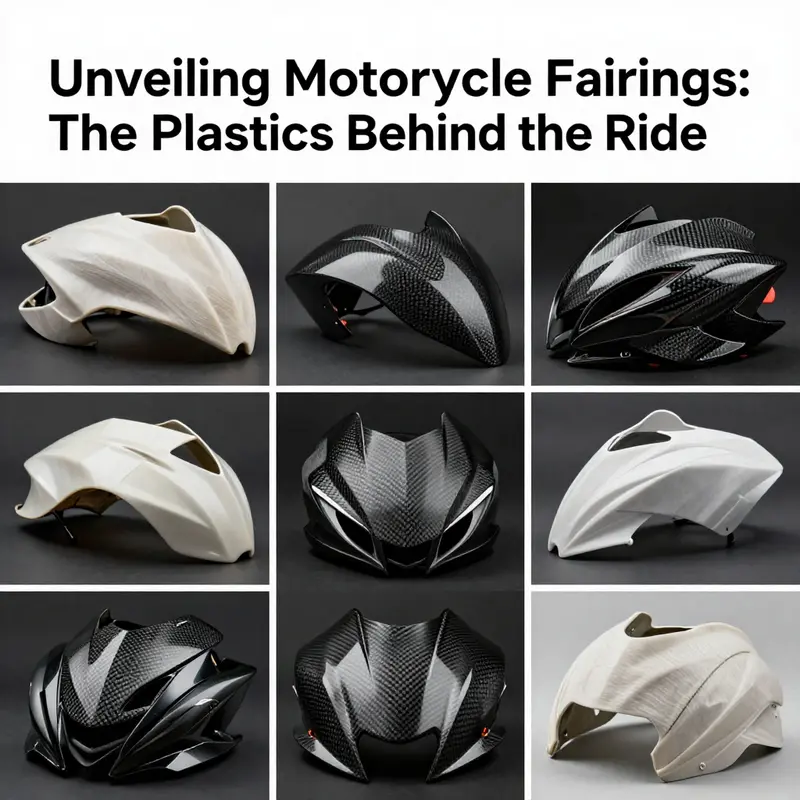
The shape of a motorcycle is only part of the story. The skin that meets the wind, channels air, and protects the rider is a carefully chosen material system that balances stiffness, toughness, weight, and manufacturability. While ABS has long held court as the default fairing plastic, the landscape of options has widened as engineers and manufacturers chase lighter weight, greater strength, and smarter end-of-life solutions. This chapter follows that arc, tracing how alternative materials are pushing the envelope beyond the familiar ABS and PC blends, without losing sight of real-world constraints like cost, processability, and safety.
Carbon fiber sits at the frontier of this material evolution. Its allure rests in an exceptional strength-to-weight ratio and a surface that communicates high performance. In practice, this means fairings that resist bending and crack propagation more effectively than their plastic peers, while contributing a meaningful weight reduction that can translate into crisper handling and improved acceleration response. For high-end sport bikes and supersport builds, carbon fiber can also deliver a striking visual identity—a jet-black or raw-finish aesthetic that signals a rider’s commitment to performance. Yet carbon fiber comes with a practical price tag and manufacturing complexity. The fibers themselves are costly, and the typical fabrication route—whether it’s prepreg layup with autoclave curing or resin transfer molding—requires specialized tooling, controlled environments, and meticulous quality control. Those steps add both material and labor cost, and they can lengthen lead times for production parts. In the most demanding use cases, carbon fiber’s stiffness helps preserve aero performance at speed and under load, while its fatigue characteristics can be favorable in the face of repeated airflow-induced stresses. But the same stiffness can make the material more brittle under certain impact scenarios if the layup is not engineered with damage tolerance in mind. For many riders, the equation favors carbon fiber in targeted panels or sections where weight savings and rigidity matter most, rather than as a full fairing cover for every model.
A more everyday path to lighter and tougher fairings is found in reinforced thermoplastic composites. These materials blend tough plastics with fibrous reinforcements—commonly glass fibers or aramid fibers—to achieve a favorable mix of impact resistance, stiffness, and formability without abandoning the efficiency of thermoplastic processing. Unlike traditional carbon fiber systems, reinforced thermoplastics can often be molded in lower-cost processes such as high-pressure injection molding or thermoforming, enabling lighter production runs and more complex geometries with fewer tooling constraints. The result is a class of semi-fairings and mid-fairings that deliver meaningful weight savings and enhanced durability for touring and sport-touring bikes, where wind protection and rider comfort figure as prominently as outright speed. The glass or aramid reinforcements boost impact resistance and crack-growth resistance, reducing the likelihood of small impacts causing cascading damage. Yet there is a nuanced trade-off: while these composites can rival ABS for toughness, their density is generally higher than carbon fiber, and the surface finish can vary depending on the resin system and reinforcement layout. The benefit then is not a literal replacement of ABS in every part, but a strategic substitution where specific performance targets are most valuable, coupled with a manufacturing philosophy that favors consolidation of parts and shorter assembly sequences.
Sustainability has become a more explicit driver in the choice of fairing materials. The industry increasingly experiments with bio-based resins and recycled polymers aimed at reducing environmental impact without compromising performance. In practice, bio-based resins derived from plant-based oils or sugars can replace traditional petroleum-based resins in certain formulations. When paired with recycled fillers or post-consumer fibers, these materials can reduce the carbon footprint of the fairings and support end-of-life recycling streams. The challenge is ensuring that the bio-based or recycled content does not erode mechanical performance, weather resistance, or dimensional stability. For some applications, a hybrid approach works best: a base resin chosen for toughness and heat resistance, reinforced with naturally derived fibers or post-consumer glass fibers to maintain stiffness and impact resistance. The sustainability thread also intersects with regulatory and consumer expectations—manufacturers increasingly seek materials and processes that support recycling, reuse, and lower emissions across the product lifecycle. In the context of a broader shift toward circular design, bio-based and recycled resin systems are not merely a trend but a strategic response to both market demands and environmental stewardship.
Even as these alternatives gain traction, it is essential to ground expectations in engineering standards and real-world performance. Any material considered for fairings must pass a suite of tests that simulate the conditions of actual riding, crashes, and long-term exposure. Impact resistance, crack propagation, and fatigue under repetitive flexing are core concerns, but so are environmental durability factors such as UV exposure, wind-driven abrasion, moisture ingress, and temperature cycling. A fairing must also meet flame retardance and smoke generation requirements appropriate to regional regulations and vehicle class. The adoption of novel materials is therefore not about chasing novelty for its own sake; it is about proving that a new system can deliver equivalent or improved performance under the same service conditions while offering benefits in weight, cost, or lifecycle impact.
In practice, the choice among these alternatives is seldom binary. It is a spectrum of applications and compromises. A production bike designed for mass-market sales may stay closer to established plastics, because the economics of scale and the reliability of proven supply chains offer the best value for riders seeking dependable performance at a reasonable price. On the other end of the spectrum, a boutique or track-focused model may embrace carbon fiber in selective panels to gain precision weight distribution and aero integrity without paying a premium for a full fairing. Between these poles, reinforced thermoplastic composites provide a compelling middle ground—offering significant gains in impact resistance and lightness with manufacturing routes that permit faster prototyping and adaptation to evolving model ranges. The ongoing exploration of sustainable polymers and bio-based resins adds a longer horizon dimension: not only can today’s fairings be lighter and tougher, but they can also be designed with end-of-life in mind, enabling more responsible disposal and potential material recovery in the years to come.
To illustrate how these choices play out in the marketplace and in the workshop, consider the practical implications for riders and builders who seek to upgrade or customize their bikes. For those exploring a broader range of replacement parts and compatibility considerations, a broad selection of specialized components is available in the Honda fairings collection, which demonstrates how aftermarket catalogs curate compatibility across models while balancing material and finish options. This kind of sourcing matters because the true value of an alternative material lies not only in its intrinsic properties but also in how well it integrates with existing manufacturing tolerances, surface finishes, and the aesthetic expectations of riders. A fairing panel that looks and feels right must align with the underlying substructure, the mounting hardware, and the coatings applied to protect it from the sun and daily wear. In practice, engineers and designers use a combined strategy: they select materials that deliver the desired performance for a given surface, then tailor the geometry, wall thickness, and reinforcement strategy to optimize load paths and impact resistance. The result is a middleware of sorts—the fairing becomes a system rather than a single material, with carbon fiber components in high-stress zones, reinforced thermoplastic regions where stiffness is needed, and sustainable resin blends where long-term environmental goals are prioritized. This integrated approach helps explain why modern fairings look both sophisticated and resilient, capable of absorbing energy in a crash while preserving rider safety and reducing the chance of secondary damage to the motorcycle’s bodywork and chassis.
The broader picture is one of material convergence rather than replacement. ABS remains a reliable workhorse for many models because it strikes a practical balance of cost, ease of manufacturing, and reasonable impact resistance. But as performance envelopes widen and regulations tighten around environmental impact, the industry increasingly treats material choice as a design variable with a defined performance target. Carbon fiber offers weight reduction and rigidity for flagship models with premium pricing. Reinforced thermoplastics bring a robust middle ground that can support semi-fairings and complex geometries while keeping tooling and production costs manageable. Sustainable resin systems present a longer-term strategy that aligns with evolving consumer expectations and regulatory landscapes, even if they are not yet ready to supplant traditional plastics across all applications. In this sense, the materials frontier in motorcycle fairings is not a single revolution, but a series of targeted shifts that allow manufacturers to tailor performance to the needs of different models, riding disciplines, and markets.
Looking forward, the momentum toward lighter, stronger, and more responsible fairings is likely to continue through advances in process technologies and material science. Additive manufacturing explorations, smarter resin chemistries, and multi-material joining techniques hold promise for even more integrated and efficient fairing systems. For riders, this could translate into fairings that deliver equal or better protection with less weight, more precise aero characteristics, and surfaces that maintain gloss and color longer under sun and rain. For builders and manufacturers, the path forward will hinge on balancing supply chain reliability with the sometimes fluctuating costs of high-performance materials. It will also mean maintaining rigorous safety and durability testing to ensure that new materials perform as promised under real-world stress, crash scenarios, and long-term climate exposure.
In sum, the shift beyond ABS is not a retreat from traditional plastics but an expansion of the toolkit. Carbon fiber, reinforced thermoplastics, and bio-based or recycled resins each offer distinct strengths that align with different riding needs. The decision to deploy any of these materials rests on a careful calculation of weight, stiffness, impact resistance, cost, manufacturability, and lifecycle considerations. As with any complex engineering system, the optimal fairing emerges from a disciplined synthesis of form, function, and feasibility. To readers who want to explore concrete examples of how these materials translate into actual bike parts and configurations, the Honda fairings collection serves as a practical reference for the kinds of compatibility and finish expectations that frame real-world decisions. And for those seeking a deeper technical understanding of carbon fiber’s role in fairings—and the trade-offs involved—an external resource provides a detailed, technically rich overview of carbon fiber fairings and their performance characteristics. See the external resource for a grounded technical perspective on carbon fiber fairings. For broader exploration of model-specific parts and aftermarket options, professional shops and catalogs often provide the best path to aligning material choice with a rider’s goals and budget.
External resource: https://www.motorcycle.com/technology/carbon-fiber-motorcycle-fairings-explained
Final thoughts
Understanding the materials used in motorcycle fairings is essential for business owners who wish to ensure quality, performance, and customer satisfaction. As ABS remains the dominant material due to its cost-effectiveness and durability, other materials like polycarbonate and blends are also gaining prominence in various applications. By staying informed about these materials, businesses can better meet the diverse needs of motorcyclists, offering solutions that improve safety and enhance performance.