
The motorcycle fairings market in South Africa presents a unique landscape shaped largely by imports from international manufacturers. As local production remains limited, the reliance on overseas suppliers has defined how motorcycle enthusiasts and dealers outfit their bikes. This article explores the complexities of the motorcycle fairings market, examining the current situation of imported fairings, the types of fairings pivotal to South African bikers, the customization trends that are reshaping motorbike aesthetics and performance, and finally, the emerging local services that cater to installation and maintenance needs. By diving into these topics, we aim to offer valuable insights for business owners seeking to navigate this vibrant market.
Imported Armor: South Africa’s Motorcycle Fairings in Global and Local Trade
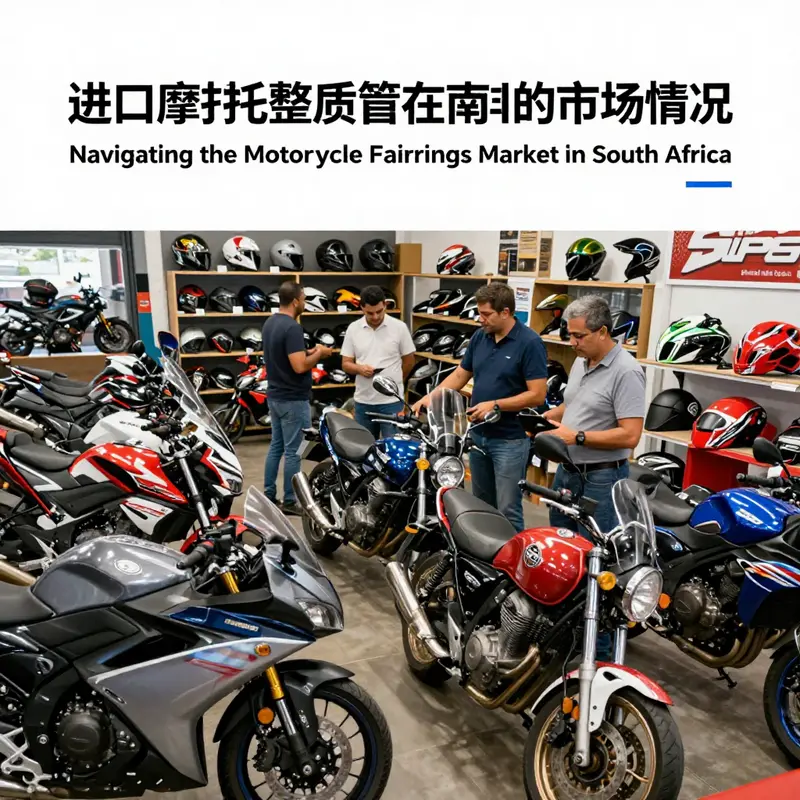
South Africa’s motorcycle culture blends practical mobility with a growing appetite for personalization. Fairings, while a single component, sit at the intersection of function and style in the local aftermarket ecosystem. The market is heavily import-driven; local production of full fairings remains limited, so riders often source from international suppliers via distributors and specialized workshops. Aftermarket fairings offer wind protection and aesthetic customization for a wide range of bikes, from touring models to urban commuters, and their availability has risen with global trade growth. In response, importers and regional distributors have built a robust network across the country to support fitting, painting, and finishing services. Tariff policy, exchange rates, and logistical constraints influence pricing and lead times, encouraging some buyers and shops to explore modular kits and local assembly options to mitigate risk. The installation ecosystem—shops with expertise in fitment, color matching, and protective coatings—ensures that imported fairings meet local safety and environmental expectations. A careful regulatory lens around aftermarket components guides compliance with road-traffic rules, quality standards, and warranty considerations, shaping how products are marketed and supported locally. Overall, the imported fairings market in South Africa illustrates how global supply chains connect with a dynamic rider community seeking both performance and personal expression.
Shaping the Wind: Suitability and Varieties of Motorcycle Fairings in South Africa
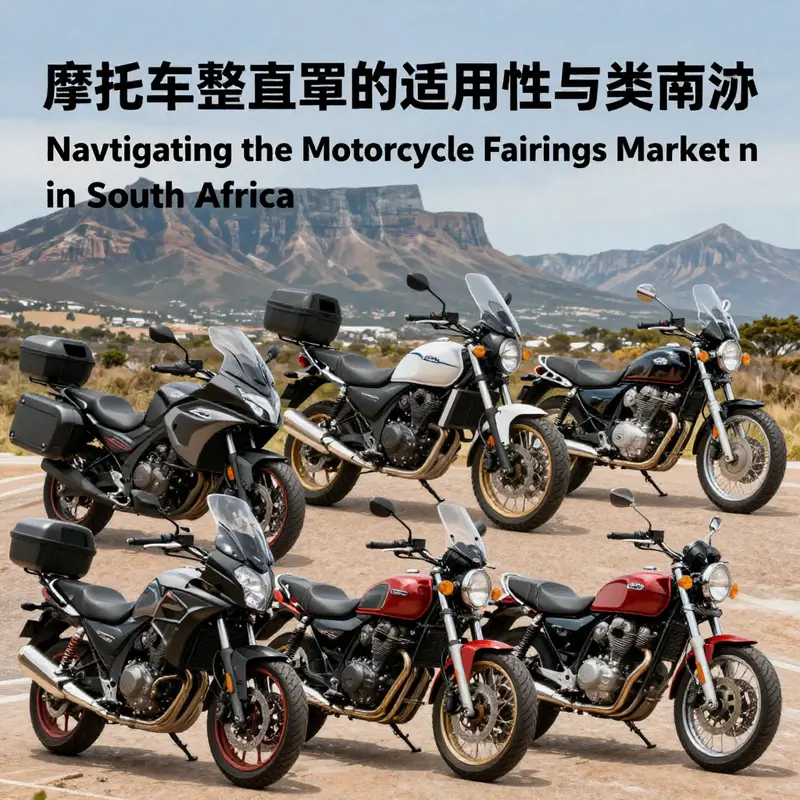
South Africa’s motorcycle fairing landscape is defined by a practical compromise between global options and local realities. Because there is no large-scale domestic factory churning out custom shells, most riders rely on imported fairings and aftermarket kits to tailor wind protection, aerodynamics, and personal style to their bikes and riding conditions. In this environment, fitment, finish, and serviceability are the deciding factors, more so than flashy design alone. The market’s impulse is not to pursue one perfect model of fairing but to assemble a family of choices that can accommodate a broad spectrum of frames, engines, and riding ambitions. This is especially true for a nation whose geography stretches from coastlines and rolling hills to arid inland plateaus and mountainous passes. The wind and sun are constant companions, and the climate can swing from blistering heat to sudden squalls within hours, depending on where you ride. Riders know that a fairing is not simply cosmetic; it is a practical partner that can influence comfort, fatigue, fuel economy through air resistance, engine cooling, and even visibility if structured around the cockpit area and instrument layout. Against this background, the appeal of different fairing types becomes clearer: full fairings promise the greatest wind shelter and the cleanest silhouette for high-speed touring; half fairings offer a leaner, more aggressive look with adequate protection for city and highway riding; side panels provide a modular aesthetic and targeted protection for engine cases and radiators; and more complex front-and-exhaust fairing combinations can unify the appearance of a bike that sits somewhere between sport and street while maintaining real-world practicality. The South African rider’s decision-making process reflects a blend of technical assessment and personal preference, with a healthy dose of regional pragmatism. A full fairing’s air-flow management translates into reduced wind noise and less rider fatigue on those long freeway stretches that define cross-country trips across the country’s expansive highways. However, the cost, weight, and potential for chip damage on rough road surfaces can make some riders opt for a lighter or modular approach that preserves handling and serviceability while still delivering the look they desire. A half fairing, for instance, can coax more of the bike’s natural lines into view while enabling easier maintenance access, and it can be a stepping-stone toward a more substantial aerodynamic package later on. Meanwhile, side panels enable customization that emphasizes artful lines and a balanced silhouette without fully enclosing the rider. In all cases, the mounting system is crucial; a fairing must align with the bike’s steering head, the brackets, and the engine’s radiative profile, and it must accommodate components such as mirrors, fairing garnish, and any protective gear that might be installed. The practical implications of these design decisions are felt by SA riders across urban corridors, open highways, and off-road-adjacent routes, where weather can shift quickly and a stable wind shield can make all the difference in confidence and control. The variability of South Africa’s environment also shapes material and finishing choices. ABS injection-molded plastics deliver robust impact resistance and weather resilience at a price point that makes them a sensible default for many riders, especially when the alternative—carbon fiber composites or premium reinforced polymers—adds cost and requires careful maintenance to avoid clouds of micro-fractures under continual sun exposure. UV stability becomes a decisive factor; colorfast finishes and protective clear coats help prevent yellowing or chalking after years of sun exposure, while heat resistance ensures that the shell does not warp or soften around the radiator grille or under heat that builds up during long climbs on hot days. In the more remote or logistically challenging parts of the country, these attributes translate into lower frequencies of repair or repaint, a practical consideration for riders who rely on a continuous riding schedule rather than downtime for maintenance. The cross-border dimension further expands the repertoire available to South African buyers, with a diverse set of designs that range from sport-oriented full fairings to more restrained front caps and panel options that pair well with a bike’s original lines. The presence of a thriving import ecosystem has created an enabling environment where a rider can choose a fairing kit that is designed for a wide set of frame geometries, engine orientations, and mounting standards, with the expectation that skilled local installers can adapt and tailor the finish to local paint schemes and protective coatings. It is this synergy—between the structural fit of a shell, the aesthetic finish, and the quality of installation—that makes fairings meaningful beyond mere cosmetics. In practice, riders prioritize compatibility with a model’s year and generation, ensuring that mounting holes, bracket positions, and gaps near the knee and chest area align with the rider’s posture and control reach. They look for finish options that stand up to the country’s heat and UV exposure, including matte and carbon-like textures that hide micro-scratches better than glossy surfaces when subjected to gritty road dust. They seek out fairings with robust edge trim, sealed seams, and integrated grommets or weather seals around the instrument cluster, which can be a point of vulnerability if not properly sealed. Those who ride in rain-prone regions also weigh the risk of water ingestion through vents or drainage paths near the headlight housing, preferring kits with proven sealing approaches and reliable drainage to avoid moisture buildup around electrics and controls. The buying journey in South Africa often begins with a broad survey of the marketplace to identify the range of compatible options for a given bike family—sport, sport-touring, or adventure-leaning builds—and then narrows down to a handful of choices based on price, availability, and the retailer’s service network. The availability of installers who can handle sanding, priming, and color-matching is a significant advantage, because a fairing that is not well finished can look out of place on a meticulously prepared machine. Local workshops that offer spray-painting or clear-coating services for fairings play a crucial role in turning an imported shell into a seamless extension of the bike’s design language. From a practical stance, the SA rider also benefits from modular or partially integrated kits that can be added gradually, allowing the stance and wind protection to be tuned as comfort and, if desired, a more aggressive look evolves over time. For example, a rider who begins with a modest front fairing can later expand to a full set if touring or performance requirements shift, while still retaining the ability to revert to a lighter configuration when it suits daily use. The variational nature of the market means that the fairing you choose is not only about the bike but also about the rider’s lifestyle and the road they intend to ride. It is about balancing wind protection with accessibility to controls, maintenance feasibility, and the finishing quality that preserves a bike’s resale value. It is about recognizing that South Africa’s diverse riding environments—where desert heat can be intense in some seasons and coastal winds can buffet riders in others—make the choice of fairing a practical tool for comfort and safety as much as for look and identity. In this sense, fairings are a platform for personal expression while remaining a fundamental element in the rider’s toolkit for managing wind, noise, and fatigue on the road. They represent a floor where global manufacturing and local craftsmanship meet, and a space where choices reflect both the constraints of import logistics and the creative energy of South Africa’s riding communities. The story of fairings in South Africa, then, is less about a single centimeter of plastic and more about how riders translate a global supply chain into a durable, personalized, road-ready experience. The practical result is a market where the right fairing makes more than a motorcycle look the part; it makes the ride more comfortable, safer, and more personally meaningful, a small but essential part of a country’s growing and evolving motorcycling culture. The next chapter will turn toward installation and fitment specifics, addressing how a rider can approach brackets, mounting points, and alignment to ensure the fairing stays secure at speed and in rough patches of road, while maintaining the bike’s handling characteristics. For further context on how global platforms present these options to South African buyers, explore this fairings collection Fairings collection. External references can also provide a broader sense of the marketplace, such as this external resource: https://www.amazon.co.za/s?k=motorcycle+fairing+for+Honda+CBR650R+2019-2023
以碳纤维与空气动力学驱动的南非摩托车整流罩定制潮流
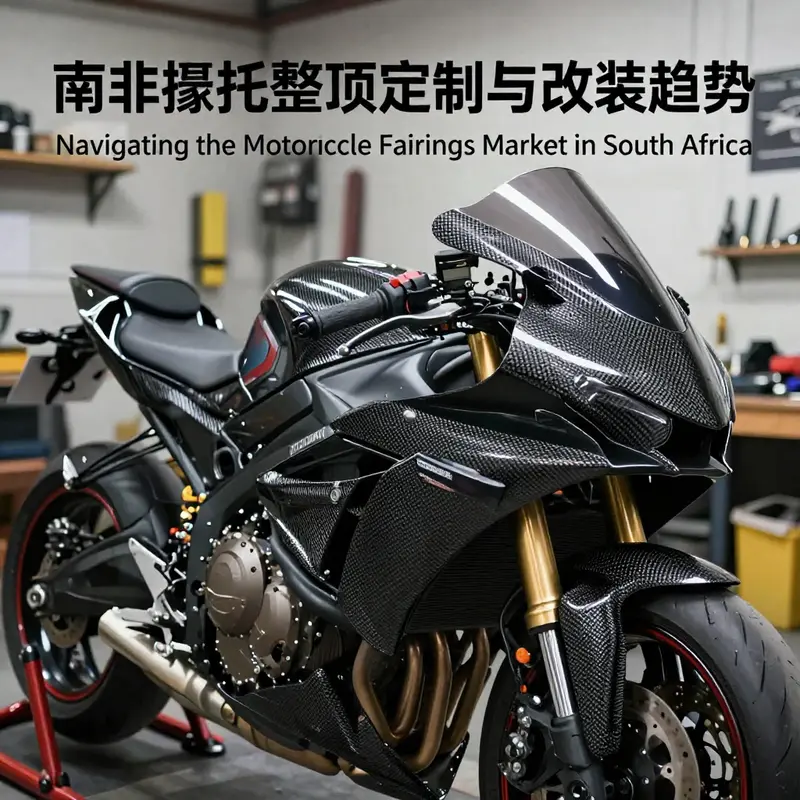
在全球范围内,关于整流罩的改装不仅关注外观能否更时尚,更关注材料选择带来的冲击性重量减轻和空气流线的重塑。南非的改装工作室和独立车主逐渐将碳纤维等高端材料作为核心材料来尝试。碳纤维的引入并非仅为了视觉上的“高定感”,它还能显著降低整流罩及相关组件的质量,提升整车的操控敏捷度和响应性。用在前端包覆上的碳纤维结构,使整流罩在保持强度的同时更具韧性,抵抗高速下的气动应力。更重要的是,这一材料带来的视觉冲击力,能够在南非广袤的公路和多变地形下与夜间灯光、车身线条形成对比,成为车主表达身份和品味的重要方式。对不少车手而言,碳纤维不仅是材料,更是一种对极致轻量化追求的宣言。与此同时,重量的显著下降也意味着在加速、刹车和转向响应方面的切实改善,这在山路、长距离巡航或高速公路段落尤为明显。为了实现这种性能提升,南非改装行业的工程师们已经开始借鉴赛车和赛道的思维,将导流罩、导风口、以及前后包覆的轮廓设计与整车气动系统进行更紧密的耦合。改装不再局限于“安上一个新外壳”,而是通过对风洞原理的理解来实现“流线在动态中的自我调适”。在这一点上,南非的改装工作室强调的并非单纯追求技术炫技,而是力求找到性能与美学之间的平衡点。通过独立设计的前部导流结构和风道布局,改进不仅体现在高速度阶段的稳定性,还体现在刹车系统的热管理与前悬的气动下压力上。这种“减法改装”思维,强调通过精确的气流控制来提升整车的综合性能,往往比简单地增加一个更大或更复杂的部件更具性价比。为此,本地团队常用计算机辅助设计与虚拟仿真来预先评估气动效果,然后再以高强度材料进行实物样件的打样与测试。这样的流程为南非的定制市场注入了科学性与可重复性,使得个性化的同时也更具可持续性。
与此同时,定制的与改装的边界正逐渐变得模糊。南非车迷的创意正在从“换件”走向“创艺”,以艺术表达为核心的定制越来越常见。你会看到利用激光扫描、三维打印和计算设计技术实现的独一无二方案:某些车主把镂空、纹理和层次感融入整流罩表面,甚至让整流罩成为车身叙事的一部分。这种趋势不仅吸引了追求新鲜感的年轻车手,也吸引了视角更广、对收藏价值有更高要求的群体。改装的过程因此也具备了“艺术品创作”的意味:材料选择、表面处理、颜色搭配乃至整体造型都被纳入一个以自我表达为核心的审美系统。为了实现这种表达,制造工艺也变得更加多样化。碳纤维结构可能搭配聚碳酸酯、玻璃纤维或其他复合材料,从而在强度、柔韧性和重量之间找到最佳平衡点。某些项目甚至利用3D打印来实现复杂曲面的细节处理,使整流罩在接缝处更加紧致,外观更加流线。
这一切并非孤立发生。南非市场的快速响应能力正来自于数字化定制平台的兴起与本地服务生态的完善。车主可以通过虚拟模型来预览改装效果,调整材料、厚度、纹理和涂装颜色,直至达到“所见即所得”的效果。这种数字化流程的普及,降低了进入门槛,也缩短了从设计到成品的周期,使改装变得更具可探索性和可控性。对于想要把个人风格与日常使用性能结合起来的车主来说,数字化工具提供了一个可重复的工作流,使得同一套设计能够在不同车型、不同风格的基础上快速迭代。这也意味着改装市场的竞争从单纯的件件对齐,转向更精细的风格化与功能化的结合。
在这个过程中,南非的本地服务网络扮演着不可替代的角色。虽然整流罩本身多来自进口,安装、喷涂、修复和调校的工作则高度依赖于本地技师的专业知识与手工艺水平。车友们愿意走访信誉良好的工作室,与技师沟通个人偏好、改装预算和实际使用场景,从而把全球供应链的选择转化为落地的组合方案。对许多车主而言,这样的服务链条不仅提升了购买体验,还增强了对改装成品的信心,因为每一步的贴合度都在现场得到验证。值得注意的是,这种本地化服务的兴起也带来了一定的挑战,比如进口件的贴合程度、涂装质量的稳定性以及在不同地区的供应时效差异。这些因素共同推动改装人群去建立更紧密的本地网络,以确保高质量的最终成果。
在南非的定制潮流中,另一个不可忽视的因素是国际市场与本地文化的互动关系。改装并非单纯的技术行动,它也承载着社群认同与身份展示。广泛的改装样式、从极简线条到复杂纹理的视觉叠加,都是车主表达自我的方式。这种文化维度与海量的进口选择相结合,形成了一个多层次的市场生态:有追求极致重量减轻和空气动力学极致优化的“赛道派”,也有更强调个人风格与纪念意义的“艺术派”,以及介于两者之间的探索性群体。为了将各类风格转化为可落地的产品和服务,南非的改装市场正在通过合作与知识分享来提升整体水平。例如,本地店铺可能与材料供应商、仿真测试公司、喷涂工作室以及合法的改装合规咨询机构建立协作关系,共同为车主提供从概念草图到最终上路的一站式解决方案。这种协作模式不仅提高了效率,也促进了知识与技能的传承,使南非在全球改装社区中的地位日渐清晰。
此外,行业的未来走向也在逐渐明确。材料的高端化、设计的科技化、风格的个性化以及流程的数字化,正在形成一种协同推进的趋势。碳纤维及其他先进材料在南非的渗透率正持续上升,更多车手愿意尝试不同的材料组合来达到最佳的重量、强度与外观效果。设计方面,空气动力学理念被更广泛地应用于日常骑行摩托车,车身包覆不再是单纯的美观改造,而是成为提升高速稳定性、尾部浮力控制以及行驶安全的关键环节。风格则在追求个性化的同时,更强调与车型、路况和用户习惯的匹配——这意味着下一代定制将更强调“量身定制”的概念,而非简单的通用件替换。流程方面,数字化工具的渗透将塑造一个可追溯、可重复、可扩展的改装生态系统。车主可以在虚拟环境中完成初步设计、模拟表面纹理、彩绘效果和光影呈现,再通过快速成型、喷涂和组装的环节,将设计无缝落地。
在全球化语境下,南非的整流罩定制趋势也为其他市场提供了有价值的参考:以高端材料驱动的轻量化与性能提升,同时将艺术表达嵌入到工程实现之中。尽管进口仍是主渠道,但通过本地服务网络和数字化工具,南非的改装行业能够以更高的效率、更多样化的风格和更明确的质量保障来满足日益多元的需求。对未来的展望,是在保持对性能和安全的承诺的同时,让每一辆车都成为车主自我表达的载体。这样的发展不仅有助于提升南非在全球改装文化中的声誉,也在逐步改变本土消费者对“改装”的认知:从单纯追求神话般的速度,到拥抱材料美学、工艺工序的透明性,以及可持续的数字化生产流程。
相关资源与进一步阅读:在全球范围内,碳纤维和空气动力学在整流罩设计中的应用正成为行业共识。以下外部资源提供了关于前沿设计思路和实际性能测试的案例研究,值得读者在深化理解时参考。外部资源:Motorbike 的相关报道,聚焦于赛车级空气动力学整流罩在民用摩托车上的应用与性能评估,提供了从设计理念到实测数据的完整视角。 外部资源:碳纤维空气动力学整流罩的行业案例
内链资源(示例性引用,请在实际使用时确保唯一性且符合站点结构):在本地市场的材料与款式对照中,参考 Honda 整流罩系列的资源可以帮助评估不同车型的贴合性、材质选择与表面处理选项。详细信息可查看Honda 整流罩系列(Summit Fairings)。
南非的摩托车整流罩本地服务与安装
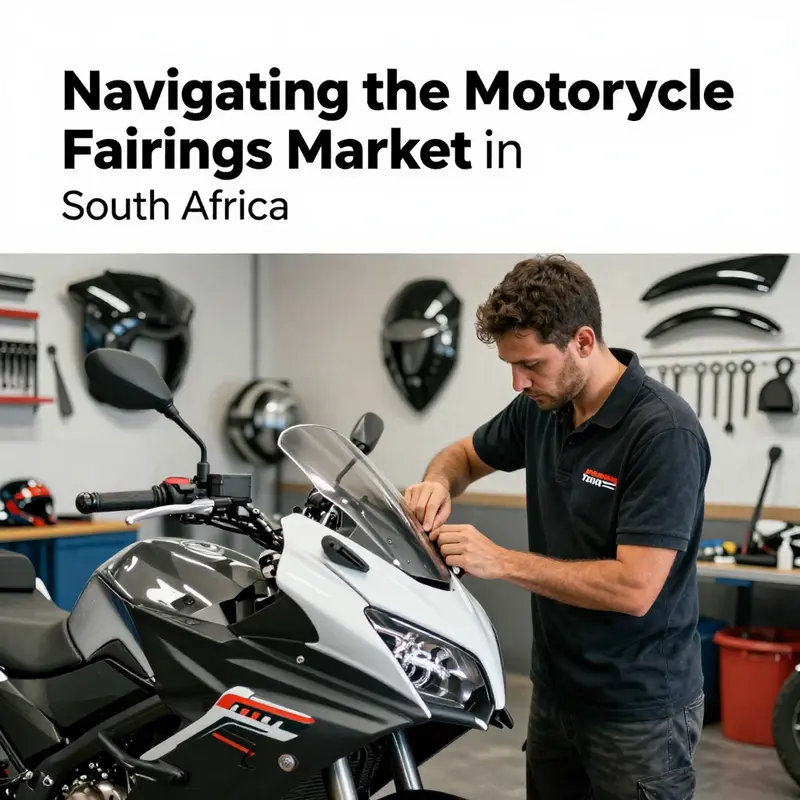
The South African market for motorcycle fairings sits at a curious crossroads. On one hand, riders crave the protection, aerodynamics, and aesthetic flair that fairings can provide. On the other hand, the country’s manufacturing footprint for these parts is limited, and much of the supply chain relies on imports. In practice, this means local riders often engage with an ecosystem that blends international manufacturers, regional distributors, and skilled service providers who translate global parts into locally viable configurations. The result is a narrative of adaptation: imported components that must work within South Africa’s unique riding environments, and a network of local hands—painters, fitters, and mechanics—who tailor those components to the country’s roads, climate, and rider habits. While the chapter that precedes this one maps the broad import routes and the types of fairings that tend to circulate in the market, here the focus narrows to the local service landscape and what riders should know to install, maintain, and enjoy fairings without compromising safety or ride quality.\n\nThe first truth to acknowledge is that South Africa has not sustained a large-scale, domestically produced fairing industry. This absence shapes every stage of the fairing journey—from selection to installation to long-term maintenance. Riders frequently source fairings from abroad through importers or direct-from-manufacturer channels, then rely on local specialists for fitting, paint, and refinishing. This arrangement places a premium on compatibility and workmanship: compatibility with a given model’s mounting points, fuel tank geometry, radiator access, and cockpit clearance; workmanship in alignment, fastener torque, and finish quality; and a disciplined approach to color matching and weather protection that holds up under sun, dust, and occasional high-speed wind. It is precisely this blend of international parts with local craftsmanship that gives South Africa its distinctive fairing culture: a culture of customization that respects both performance and individuality, within the constraints and opportunities of a market that remains import-driven at its core.\n\nIn practice, the installed fairing is more than a cosmetic shell. It interacts with airflow, engine cooling, and the rider’s line of sight, all of which are particularly salient in a country where summer heat can push ambient temperatures high and long urban and highway miles demand steady rider comfort. The choice between materials often translates into a trade-off between durability, weight, and finish. Polycarbonate and fiberglass are common due to cost and ease of fabrication, while carbon fiber, where accessible, offers stiffness-to-weight advantages and a distinct aesthetic. In South Africa’s harsh sun and dusty conditions, the UV stability of the finish and the resilience of the clear coat become deciding factors. Riders who prioritize performance may lean toward lighter, higher-strength composites, but this choice must be balanced against cost and the need for local serviceability. Even when a fairing arrives in a kit that is theoretically a straightforward fit for a given model, the real-world job often centers on ensuring the panels align with exact mounting points, do not rub against exhaust heat shields or handlebars, and preserve adequate clearance for the radiator and electrical harnesses. The installation, then, becomes a test of precision, not merely a bolt-on exercise.\n\nBecause local service infrastructure is the practical hinge on which success turns, a rider’s path typically begins with a careful consultation at a professional shop. The best installations are preceded by a verification of compatibility: confirming the model year, intended sub-model, and any aftermarket exhaust or engine modifications that could affect fairing fitment. The installer will usually cross-check with the original equipment manufacturer (OEM) mounting points and, if necessary, map out additional brackets or adaptors. Local technicians frequently rely on standard torque specifications and mounting sequences rather than improvising, because improper torque can crack plastic or strip fasteners in ways that produce rattles or, worse, detachment at speed. This is not merely a matter of engineering pride; it is a safety concern, as a loose panel or a misaligned mount can alter handling or interfere with movement of critical components.\n\nThe service experience in South Africa often blends professional installation with creative problem solving. It is not unusual to pair the install with a thorough paint and finishing service, to ensure the newly fitted panels match the existing bodywork and weather the elements in the months ahead. The quality of the paint job matters as much as the mechanical fit. A panel that is poorly painted or mismatched can stand out on a showroom floor but also stand up poorly to sun exposure, humidity, and cleaning rituals, especially on coastal routes or arid interior roads. The art of color matching is a subtle but essential skill, and it typically benefits from a painter who has experience with motorcycle-specific finishes, including clear coats designed to resist scratching and yellowing. In many cases, the local colorwork shop will provide a protective topcoat that adds abrasion resistance and gloss retention, prolonging the life of the fairing’s appearance even as it faces UV rays and road grime.\n\nIn addition to fitment and finish, practical considerations dominate the decision-making process. For riders who traverse long, open stretches of South African highways, the aerodynamic streamlining offered by a well-fitted fairing can translate into noticeable reductions in wind fatigue and wind noise. For dual-sport or adventure-oriented riders who contend with rocky paths and dust, the fairing’s protection and shields become an engineering equilibrium: a fairing that offers wind protection without compromising tire clearance or radiator access. The local aftermarket ecosystem supports these priorities by offering a range of fairing styles, from fuller touring embodiments to lighter, modular designs that allow for easy removal or replacement when the terrain demands a different setup. Because the domestic market does not produce large volumes of original factory fairings, many riders turn to local workshops that specialize in customizing and retrofitting components. These shops often collaborate with importers to tailor a kit to a rider’s model, the color scheme, and the rider’s climate conditions, a process that underscores both the universality and the specificity of the fairing experience in South Africa.\n\nA frequent point of discussion among local riders concerns warranty and after-sales support. When a kit is imported, warranty coverage typically flows through the supplier or distributor rather than a local manufacturer, adding a layer of complexity if fitment problems arise after installation. This reality underscores the importance of choosing reputable channels and reputable installers. It also helps to approach installation as a collaborative project: the rider, the shop, and the supplier should communicate openly about expectations, fitment, and timelines. Given the country’s logistics realities, lead times for imported panels can be longer than many riders would prefer. This makes early planning essential, particularly for riders who depend on a well-protected fairing to ride methodically throughout the year, including the colder months or periods of interest in long touring trips. In such cases, the preparation becomes almost as important as the installation itself: confirming shipping timelines, arranging for a temporary protective cover, and scheduling a test-fit window that allows adjustments without interrupting riding plans.\n\nTo navigate this landscape, riders in South Africa frequently employ a few practical steps. First, they verify compatibility through the manufacturer’s official channels or the importer’s technical support, ensuring the chosen fairing assembly suits the exact model year and configuration. Second, they seek professional service centers with demonstrable experience in fairing installation and repair, particularly those that can provide a full service—from mounting bracket fabrication and harness routing to paint finishing and weather sealing. Third, they consider the total ownership experience: the availability of spare fasteners, gaskets, and mounting hardware locally, as well as the ease of obtaining replacement panels in case of damage on challenging roads. These steps reflect a mature approach to fairings that recognizes South Africa’s road realities, climate, and the realities of a global supply chain.\n\nWithin this framework, a practical recommendation emerges for riders who want to explore fairings with confidence. If you are curious about the range of fairing options and want a centralized, browsable catalog to begin your exploration, consider a reputable catalog of fairing collections such as the Honda fairings collection. This resource can provide a sense of standard shapes, mounting philosophies, and common panel alignments that facilitate conversations with local installers. The link to this catalog can be found here: Honda fairings collection. Engaging with a catalog helps establish a shared baseline with the local workshop, making it easier to translate a global kit into a South Africa-ready installation. The goal is not to bypass the local skill network but to use it as a bridge between imported parts and homegrown fitment expertise. By approaching the process as an integrated journey—compatibility checks, professional mounting, quality paint, and protective sealing—riders in South Africa can maximize the benefits of fairings while minimizing the risks associated with improvised installations.\n\nIn the broader context, the South African fairing ecosystem sits comfortably within a global pattern: parts are designed to fit many models, yet each installation demands tailored attention to the specifics of the bike, the rider, and the environment. The country’s service providers are adept at interpreting global design logic into local practice. They bring a shared discipline to bracket alignment, torque sequencing, and proper sealing that is universal in its importance, even as the final appearance reflects a local sensibility. This blend of global parts and local craftsmanship underpins the ongoing evolution of fairings in South Africa, where riders increasingly see their choices as a form of personal statement as well as a practical upgrade to comfort and performance. The story is one of synergy: imported fairness and local care, designed to endure long days on sunlit highways and sudden, dusty twisties alike.\n\nFor readers seeking additional context on the installation process and to compare approaches across regions, an external resource provides a complementary perspective on installation guidelines and component integration. External reference: https://www.harley-davidson.com/au/en/shop/kit-copertura-flessibile-del-refrigerante-nero-lucido/p/26900108. This page offers a model of how OEM-guided installation steps are structured for a similar component, illustrating the value of following manufacturer guidelines and of seeking professional assistance to ensure safe, reliable performance after installation. Returning to the local frame of reference, the ultimately practical message remains clear: treat fairing installation as a careful, measured project that respects both the global design of the part and the specifics of the South African road environment. When approached with that mindset, fairings can enhance comfort, protection, and personal expression for riders across the country, connected through a shared global language of design and a distinctly local tradition of craftsmanship.\n\nInternal link reference: For a general overview of fairing options from a major supplier, see the Honda fairings collection.\n\nExternal resource reference: Harley-Davidson Australia – Flexible Radiator Shield installation guide (external): https://www.harley-davidson.com/au/en/shop/kit-copertura-flessibile-del-refrigerante-nero-lucido/p/26900108
Final thoughts
The motorcycle fairings market in South Africa demonstrates a robust blend of imported products, customization, and responsive local services. As riders continue to seek out high-performance parts that enhance both aesthetics and functionality, the interaction between local dealers, international suppliers, and enthusiastic bikers will remain pivotal. Business owners looking to tap into this vibrant sector will benefit from understanding these dynamics, fostering connections with suppliers, and providing services that meet evolving rider needs.