
Introduction
With the growing demand for enhanced riding experiences, motorcycle fairings equipped with stereo systems are gaining significant attention among modern motorcyclists. These advanced fairings not only provide essential aerodynamic benefits but also integrate high-quality audio systems that elevate the enjoyment of every ride. As business owners in the motorcycle industry, understanding the nuances of this trend can help you better cater to your customers’ desires for style, performance, and audio quality. This article will delve into the integration of audio technology in motorcycle fairings, discuss the performance and safety considerations involved, and explore the prevailing market trends and consumer preferences that are shaping this evolving sector.
Tables of Contents
Chapter 1: Amplifying the Ride: The Role of Integrated Stereo Systems in Motorcycle Fairings
- Revolutionizing the Riding Experience with Advanced Audio Integration in Motorcycle Fairings
- Navigating the New Frontier of Motorcycle Fairing Audio: Innovations and Consumer Preferences
Chapter 2: Aerodynamics and Structural Integrity in Motorcycle Fairings with Integrated Stereo Systems
- Harmonizing Sound and Stability: The Aerodynamic and Structural Dynamics of Motorcycle Fairings with Stereo Systems
- Navigating the Harmony of Sound and Awareness: Safety Implications of Integrated Stereo Systems in Motorcycle Fairings
Chapter 3: Navigating the Soundscape: The Rise of Integrated Audio in Motorcycle Fairings
- A Symbiosis of Sound and Style: Technological Innovations Shaping Motorcycle Fairings with Stereo Systems
- Shifting Economic Tides: Unraveling Consumer Preferences in Motorcycle Fairings with Integrated Audio
Chapter 1: Amplifying the Ride: The Role of Integrated Stereo Systems in Motorcycle Fairings

1. Revolutionizing the Riding Experience with Advanced Audio Integration in Motorcycle Fairings
Modern motorcycling transcends the thrill of the open road; it is equally about the experience that accompanies each ride. Integrating audio systems into motorcycle fairings is reshaping this experience, offering riders high-quality sound, enhanced communication, and streamlined navigation. This combination seeks not only to augment the enjoyment but also to reinforce safety and convenience, fostering a complete riding culture.
The role of audio systems in motorcycle fairings cannot be overstated. These systems are built to perform excellently under a variety of riding conditions, where environmental factors such as wind noise, vibrations, and temperature fluctuations pose significant challenges. High-fidelity sound systems ensure that music maintains clarity and impact, regardless of speed. To achieve this, manufacturers incorporate weather-resistant speakers and compact amplifiers that fit snugly and securely within the fairing’s design. Subwoofers may also be integrated into the fairing or framed strategically, which helps create an immersive sound experience that benefits both the rider and passenger. With a rich, balanced output, these audio systems ensure that every note resonates, enhancing the overall journey.
A remarkable feature of contemporary audio systems is Bluetooth integration, which symbolizes an evolution toward smarter connectivity. By eliminating the need for cumbersome wires, riders can effortlessly connect their smartphones or GPS devices to their motorcycle’s audio system. This connectivity fosters hands-free calling, enabling seamless communication without the distraction of fumbling with a phone. Moreover, real-time voice-guided navigation allows riders to keep their eyes on the road while receiving directions. By transforming the riding scenario into a multi-sensory experience, Bluetooth technology amplifies safety alongside enjoyment and efficiency.
In a more practical application, built-in intercom systems significantly enhance communication between riders in groups. Particularly during long journeys or intricate maneuvers, these intercoms eliminate the need for hand signals or loud shouting to relay messages over the sound of the engine and wind. Maintaining clear communication reduces the risks associated with misinterpretation while simultaneously fostering camaraderie among fellow riders. Being able to stay connected enhances coordination during group rides, making for a more enjoyable and secure experience.
A crucial aspect often overlooked is the reduction of wind noise interference, which plays a vital role in rider safety. Audio systems built into fairings effectively diminish external wind noise, allowing riders to hear navigation instructions and their choice of entertainment clearly, even at highway speeds. Advanced features such as voice-activated controls and intuitive handlebar-mounted interfaces further enhance usability and safety by allowing riders to manage their audio without taking their focus off the road. By designing interfaces that are easy to use while in motion, manufacturers promote safer riding habits.
For riders who want to upgrade their motorcycles, the installation process has been streamlined to allow even those with minimal mechanical knowledge to tackle the job. Pre-engineered audio packages come fully equipped with all necessary components, such as mounting brackets, wiring harnesses, and waterproof connectors. This ease of installation is essential for those looking to enhance older bike models or build custom motorcycles from the ground up, providing riders with options without compromising their ability to enjoy their customizations.
Looking ahead, technological innovations hold the promise of even more enriching rider experiences. As motorcycle audio technology continues to evolve, we can anticipate features like AI-driven noise cancellation, which will dynamically adjust sound output based on environmental factors and speed, creating a personalized audio environment tailored to the unique conditions of each ride. Furthermore, deeper integration with smart helmets and wearable technology may soon arrive, allowing for an even more cohesive and integrated motorcycling experience.
Ultimately, the integration of audio systems into motorcycle fairings represents a significant evolution in rider experience, delivering unparalleled advantages in communication, navigation, and entertainment. This innovation seamlessly marries style with functionality—providing aesthetics with the acoustic capabilities often sought but rarely achieved in two-wheeled travel. Riders who embrace this technology not only enhance their journey but also redefine their relationship with the road, creating a riding lifestyle that harmonizes enjoyment with safety.
For more detailed insights into modern motorcycle audio system integration, including product recommendations and installation guides, be sure to check our collection of motorcycle fairings. Whether customizing a classic bike or adding audio to a new ride, the benefits of advanced stereo systems in fairings are limitless.
2. Navigating the New Frontier of Motorcycle Fairing Audio: Innovations and Consumer Preferences
The landscape of motorcycle fairings has undergone a transformative shift, primarily driven by the integration of sophisticated audio systems that reflect both technological advancements and evolving consumer demands. Recent innovations seamlessly blend high-fidelity sound with the practical design of motorcycle fairings, prioritizing both auditory experience and riding efficiency. The emerging trend highlights this new frontier where sound meets style, fueling the enthusiasm of motorcycle enthusiasts and casual riders alike.
At the heart of this evolution lies the application of advanced materials and technologies that enhance the audio experience. Manufacturers are now embedding high-performance speakers and Bluetooth-enabled electronics directly into the fairing structure. This innovation not only preserves the aerodynamic silhouette that is crucial for performance but also elevates the auditory experience to unprecedented levels. Riders can enjoy music, receive navigation prompts, and even engage in hands-free communication without the usual interference from wind noise. Notably, this creates a cocoon of sound that significantly improves comfort, particularly on long-distance journeys where maintaining focus can be challenging.
The development of motorcycle audio systems, such as those incorporated into the popular Batwing Fairing designed for specific models, exemplifies how riders are benefitting from this convergence of sound engineering and motorcycle design. This particular fairing includes meticulously designed compartments that house high-output 6×9-inch speakers. Such attention to detail ensures that even at speed, sound quality remains uncompromised, providing clarity and richness that many riders prioritize. The price point reflects its premium quality at around $669.00, appealing to consumers who value both aesthetics and functionality in their riding gear.
As the demand for integrated audio solutions grows, market trends indicate that riders increasingly seek motorcycles equipped with enhanced connectivity and entertainment features. According to industry research, more consumers are factoring in these characteristics when selecting new motorcycles or contemplating upgrades to their existing models. The rising popularity means that manufacturers are responding accordingly, creating compact, weather-resistant audio components built to withstand the rigors of various riding conditions. This adaptation is vital in ensuring that the audio systems are not only functional but also durable, offering an extended lifespan that meets the rigorous demands of motorcycle riders.
For instance, designs now often come equipped with intuitive handlebar controls, allowing riders to adjust volume, switch tracks, or answer calls with minimal distraction. This feature significantly contributes to overall safety. Instead of fumbling with mobile devices while riding, the integration facilitates a more seamless experience, allowing riders to maintain their focus on the road ahead. Manufacturers recognize that creating a safe environment is just as important as delivering high-quality sound.
Although these advancements serve the practical needs of riders, they also align with the lifestyle aspirations of many motorcycle enthusiasts. Riders appreciate the ability to enjoy their favorite music while on the road, enhancing their emotional connection to the experience of riding itself. As motorcycles serve not just as a mode of transportation but as a means of personal expression and adventure, the ability to curate the auditory backdrop of those journeys becomes increasingly appealing.
Moreover, as the market continues to evolve, trends indicate a significant shift toward customization and personalization. Riders are no longer satisfied with one-size-fits-all solutions; they want audio systems that cater to their unique preferences and riding styles. Manufacturers are stepping up to provide customizable audio solutions that allow for alterations in sound profiles, options for additional Bluetooth connectivity, and features that cater to both solo riders and those who ride in groups. This shift toward personalization means that audio systems can serve a greater range of needs, broadening their appeal across demographic lines.
The expansion of the motorcycle audio market also brings into focus considerations for sound quality and performance in various environments. As riders frequently encounter a range of conditions—from highways to rural roads—the ability of audio systems to perform consistently is paramount. Therefore, manufacturers are investing in research and development to test their products in different settings, ensuring that advancements in technology translate to usable solutions in real-world scenarios.
Moreover, the conversation around audio aesthetics continues to develop. Integrated audio solutions are not merely about being functional; they must also complement the visual design of the motorcycle. Therefore, sleek designs that harmonize with the overall look of the motorcycle are essential. Riders desire systems that echo the elegance and power of their machines. The integration of audio technology into motorcycle fairings reflects a convergence of form and function—where audio quality does not compromise the iconic design of the motorcycle itself.
Interestingly, this trend of integrating audio systems into motorcycle fairings aligns with broader technological movements in other transportation sectors, such as automobiles and marine vehicles, where in-car entertainment and sound systems have become significant selling points. This parallels the increasing importance of audio systems in motorcycles, establishing a new standard in the industry.
The emergence of electric motorcycles also adds an intriguing layer to the discussion surrounding integrated audio systems. With less engine noise in electric models, the potential for audio output becomes even more critical. Such motorcycles stand to benefit substantially from advanced audio integration, creating an engaging sound experience that complements the unique capabilities of electric motors. As the electric motorcycle market expands, the demand for innovative audio solutions will likely escalate as well.
As this integration trend continues to evolve, riders will further influence market dynamics, initiating demands for next-generation features that cater to their lifestyles. It’s not merely about integrating audio; it’s about reimagining the experience of riding to create a comprehensive culture around motorcycle lifestyle choices.
To gain deeper insights into these trends, one can explore how the choices made by riders today will shape the offerings of tomorrow. The evolution of motorcycle fairings with stereo technology is only beginning. Continuous innovations promise to enhance every ride, making sound not just a background element but a focal point of the adventure. For those seeking to explore available high-quality motorcycle fairing options, a variety of selections tailored to specific models can be found at Summit Fairings, enhancing the biking experience through carefully crafted technological improvements that harmonize performance and sound, ultimately heralding a new chapter in motorcycle riding enjoyment.
Chapter 2: Aerodynamics and Structural Integrity in Motorcycle Fairings with Integrated Stereo Systems
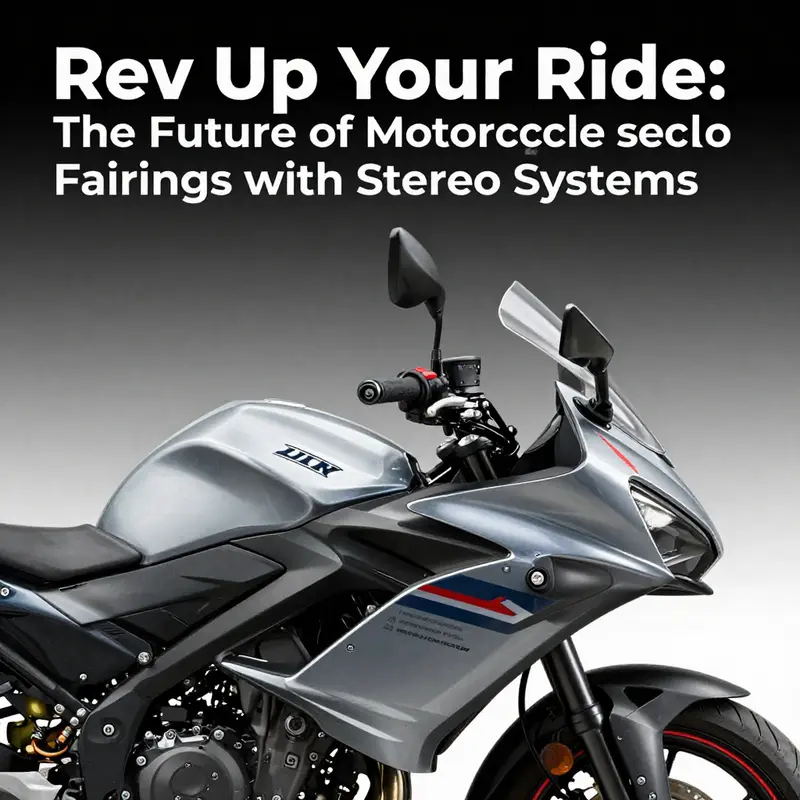
1. Harmonizing Sound and Stability: The Aerodynamic and Structural Dynamics of Motorcycle Fairings with Stereo Systems
Motorcycle fairings equipped with integrated stereo systems are becoming increasingly popular among riders seeking a more immersive experience. The combination of sound and streamlined aesthetics is enticing, yet it brings forth significant aerodynamic and structural challenges that must be navigated carefully. Achieving a harmonious balance between musical enjoyment and the mechanical robustness of the motorcycle is paramount for maximizing both performance and safety on the road.
At the heart of motorcycle fairings is their primary function: to reduce air resistance and improve fuel efficiency. Traditional full fairings excel at creating a smooth airflow around the motorcycle, allowing for higher speeds with less power consumption. However, when stereo components such as speakers or multimedia systems are added, their placement and integration into the fairing design must be executed meticulously to avoid disrupting this aerodynamic efficiency.
Aerodynamics plays a critical role in the performance of motorcycles, especially at higher speeds. Research on motorcycle aerodynamics, including wind tunnel testing, has shown that even minor alterations in the fairing shape can lead to increased drag and turbulent airflow. Stereo systems, if not incorporated thoughtfully, can create turbulence around the headlight housing and lower fairing, reducing downforce and stability. For example, an external speaker mounted carelessly could interrupt the clean lines intended for airflow, effectively creating a drag-inducing protrusion rather than the sleek profile desired. Manufacturers must adhere to rigid benchmarks and undergo exhaustive testing to confirm that these new integrations do not lead to unacceptable levels of drag. Achieving this requires a thorough understanding of how sound systems interact with aerodynamics and an ongoing commitment to design optimization, ensuring that high-performance standards are maintained.
When addressing the structural integrity of fairings housing audio systems, we enter into the complex relationship between the interplay of sound equipment and the motorcycle’s frames. The integration of speakers and associated wiring introduces additional loads that must be considered during construction. Speaker enclosures need to be exceptionally secure, not only to maintain sound quality by minimizing vibrations but also to prevent potential failure during operation. This precarious balancing act highlights how speaker mounts and their respective brackets must be expertly engineered to endure not only the rigors of everyday riding but also the unpredicted stresses encountered in the event of an accident.
Additionally, the incorporation of electronic components poses a unique set of challenges. The potential for wear and tear due to factors such as thermal expansion or exposure to weather elements is a concern that must be systematically addressed. An inadequate design could lead to compromised structural points that may not withstand sudden impacts, resulting in injuries or damages that extend beyond the lost functionality of the sound system. For instance, if the mounting brackets of a speaker fairing are not sufficiently robust, they can become points of failure during a tip-over, compromising not only the audio system but also the integrity of the entire fairing.
Maintenance also plays an essential role in ensuring both the performance and serviceability of these integrated systems. While car manufacturers have been able to create user-serviceable audio setups, motorcycles often lack this flexibility due to their compact designs and integrated technology. This situation creates a trade-off: the more functionalities integrated into a fairing, the less accessible components become for service or replacement. Riders must weigh the benefits of audio features against potential repair challenges, and manufacturers should consider designing systems that allow for easier maintenance without compromising the fairing’s aerodynamics.
Ultimately, the integration of stereo components into motorcycle fairings requires a thorough evaluation of both aerodynamics and structural integrity. This challenge demands close collaboration between engineers, designers, and sound specialists to ensure that both elements complement each other rather than compete destructively. Significant investments in research and development may lead to the incorporation of innovative materials that can reduce weight while enhancing the robustness of the fairings.
Innovations in composite materials may offer solutions to the problem of weight posing structural weaknesses. These materials may provide not only strength but also flexibility, effectively absorbing shock loads and vibrations that would otherwise lead to failure. Furthermore, the evolution of audio technology allows for more compact, efficient sound systems that demand reduced space and lower weight, thereby mitigating potential aerodynamic disruptions. Such a trend not only promises better integration but also enhances system durability.
In the landscape of motorcycle customization and aftermarket modifications, the choice of a fairing with integrated audio systems ultimately boils down to performance, safety, and individual rider preference. A prime example is the Batwing Fairing designed for Harley-Davidson Road King motorcycles, which seamlessly integrates powerful 6×9 speakers while maintaining an aerodynamic form. As the desire for both musical enjoyment and high-functioning motorcycle performance continues to grow, the industry is pushed towards developing fairings that better navigate these challenges.
Navigating the complexities surrounding the integration of stereo systems into motorcycle fairings remains a pivotal focus for designers and manufacturers. As technology advances and riders seek ever more immersive experiences, the fusion of sound and stability will become increasingly sophisticated. The future will likely see designs that not only enhance audio capabilities without sacrificing performance but do so in a case that is both aesthetically compelling and structurally sound. The union of form and function can ensure that motorcycle riders can enjoy their rides without compromise—music for the soul, and aerodynamics for the ride.
For further exploration and considerations regarding motorcycle fairing options, riders may find value in visiting dedicated collections that offer a variety of integration solutions. Comprehensive catalogs are available highlighting various models suitable for different styles and performance needs, including the extensive selection provided at Summit Fairings.
2. Navigating the Harmony of Sound and Awareness: Safety Implications of Integrated Stereo Systems in Motorcycle Fairings
Motorcycle fairings with integrated stereo systems exemplify the evolving relationship between rider enjoyment and safety. As the demand for enhanced audio experiences on the road rises, manufacturers are forging innovative designs that promise not only aesthetics but also the thrill of hearing one’s favorite tracks during rides. However, this enticing integration necessitates a careful examination of the safety implications tied to auditory awareness. As riders immerse themselves in the soundscape offered by these fairings, a critical aspect arises: how does quality audio influence the ability to detect crucial environmental cues?
The blend of audio systems within motorcycle fairings has transformed them from mere protectors against wind and debris into sophisticated entertainment hubs. Riders can now listen to music, navigate using audio directions, or even engage in calls, promising an experience that aligns more closely with daily life. However, this technological advancement does not come without its caveats. While the strategic placement of speakers can enhance sound quality and create an immersive experience, it inherently risks overshadowing important sounds in the riding environment, such as the blaring of horns or the crucial approach of emergency vehicles. In many urban landscapes, where motorcycles share the road with an array of vehicles, this division of sensory attention can lead to dire consequences.
Performance Evaluation of Audio Systems
The performance of integrated audio systems is not solely determined by sound clarity or volume but rather hinges on various factors that directly impact safety. A paramount consideration is speaker placement, as this influences how effectively external sounds penetrate the rider’s auditory bubble. For instance, if loudspeakers are oriented directly toward the rider, they may produce engaging audio but simultaneously mask essential environmental sounds. Conversely, speakers placed strategically away from the ears can help balance the audio experience with a rider’s capacity to maintain situational awareness.
Volume control mechanisms also play a critical role in ensuring a safe riding experience. The ability to adjust volume accurately is paramount. Systems that lack intuitive controls can inadvertently lead to riders elevating sound levels too high, resulting in auditory obstruction of the surrounding environment. Riders must have reliable control over their audio experience, allowing them to tune sound according to road conditions rather than simply turning up the volume for clarity.
Moreover, the incorporation of noise-cancellation technologies—while preferable for enjoying music without interruptions—presents another layer of complexity. A fairing designed with active noise cancellation can drown out engine sounds, wind, and other ambient noise, but if implemented without caution, it may condition riders to miss nuanced yet critical auditory signals vital for safe navigation of their surroundings. It’s perhaps prudent for manufacturers to tread lightly in implementing such technology to avoid compromising the fundamental need for auditory awareness.
Safety Considerations
Studies have shown that integrated audio systems that do not consider these factors may lead to multiple safety concerns. One notable risk is auditory fatigue—a fatigue that arises from prolonged exposure to high-volume environmental sounds combined with loud music. When riders frequently use integrated audio, they may find their sensitivity to ambient sound diminishes, reducing their overall situational awareness. This diminished sensitivity can be especially concerning in hazardous conditions, where the ability to hear a siren or a vehicle approaching is crucial to timely and safe responses.
Equally alarming is the indication that such systems can result in reduced reaction times. When riders are engrossed in their music or receiving navigation prompts, they may become less attuned to their environment. Studies observed that riders with higher volume levels reported slower reaction times when confronted with simulated hazards, underlining the need for delicate balance in audio system design. The integration of audio within motorcycle fairings must pursue not only enhancements to enjoyment but also innovations that preserve auditory cues essential for safe riding experiences.
Solutions for Balanced Safety
As technology progresses, potential solutions have sprouted, affording riders the opportunity to reap the benefits of integrated audio while keeping safety at the forefront. One promising approach is the design of clear, directional audio systems. These systems focus sound in a way that minimizes interference with external sounds, allowing important auditory signals to be received without disruption. By ensuring that the audio experience remains enveloping yet transparent, manufacturers can help riders maintain necessary awareness.
Additionally, bone conduction technology emerges as an exciting alternative for motorcycle audio systems. By transmitting sound waves through the bones of the skull, this method allows riders to enjoy music and audio prompts without obstructing conventional hearing. This technology builds a bridge between the joy of audio and the essential experience of maintaining awareness of environmental sounds, a harmony aligning well with the priorities of any responsible rider.
Furthermore, adopting helmet-integrated speaker systems presents an innovative way to enhance audio enjoyment without significantly compromising safety. By placing speakers away from the ear canal, these systems allow for better ambient sound detection, easing the rider into a world of sound while promoting situational awareness. Such advancements encourage a safe yet immersive riding experience.
Ultimately, the integration of audio systems within motorcycle fairings introduces a necessary conversation around safety and situational awareness. Riders understandably cherish the opportunity to enhance their riding experience—yet it is crucial to prioritize auditory awareness in the process. As manufacturers continue to innovate and adapt, their designs should strive to foster an environment where the thrill of the road is complemented by enhanced audio but never at the expense of safety. As this balance is developed and refined, riders can look forward to future designs that encapsulate the spirit of adventure alongside responsible riding. Advanced audio technologies hold promise; however, it is the commitment to safety that will ultimately determine the future of integrated motorcycle fairings.
For those seeking motorcycle fairings tailored to their audio needs, ensuring that sound quality does not come at the direct expense of safety is essential. By making informed choices and recognizing the nuances of how sound influences riding experience, enthusiasts can revel in both the joy of audio and the exhilaration of safe exploration on two wheels.
Chapter 3: Navigating the Soundscape: The Rise of Integrated Audio in Motorcycle Fairings

1. A Symbiosis of Sound and Style: Technological Innovations Shaping Motorcycle Fairings with Stereo Systems
The integration of stereo systems into motorcycle fairings signifies a transformative era in motorcycle design, where sound and style harmoniously coexist. This technological advancement speaks volumes about shifting market trends and evolving consumer preferences that emphasize more than mere transportation; it’s about enhancing the overall riding experience. Today’s riders do not just want to reach their destination—they want to do so with entertainment, connectivity, and safety seamlessly interwoven into their journey.
Modern riders demand features that cater to their multifaceted lifestyles as they navigate the open road. In this age of technological integration, motorcycle fairings are being upgraded to incorporate high-fidelity audio systems along with innovative features such as Bluetooth connectivity and hands-free phone controls. This aligns perfectly with the increasingly digital lifestyle that many riders lead, allowing them to connect effortlessly with smartphones for music, navigation, and real-time communication without taking their hands off the handlebars or their eyes off the road.
One of the key players in this sector has been the development of specialized fairings, such as the models designed specifically for well-known motorcycle brands like Harley-Davidson. These fairings are engineered not just for aesthetics but also for superior acoustic performance. The inclusion of features like built-in speaker enclosures and wiring harnesses allows manufacturers to create a unified system where sound quality is paramount.
Aerodynamics Meets Acoustics
Exceptional audio performance is essential for a rewarding riding experience, especially at high speeds. Lightweight materials such as carbon fiber and advanced polymers are increasingly being utilized in fairing construction, providing both aerodynamic efficiency and optimal acoustics for integrated speakers. The careful selection of these materials not only reduces the overall weight of the motorcycle but also eliminates sound distortion, enabling clear and vibrant audio reproduction. When riding on the highway, where wind and engine noise can drown out sound, the use of noise-cancellation technologies within the fairing structure plays a crucial role. These technologies minimize ambient noise interference, ensuring that communication through audio devices is crisp and clean, which is vital for navigation prompts that require immediate attention.
Customization is another significant factor contributing to the growth of motorcycle fairings with integrated stereo systems. Today’s consumers desire the flexibility to tailor their bikes to fit both their personal style and functional needs. This expectation has spurred the creation of modular audio systems that allow riders to effortlessly upgrade or personalize their setups. For instance, plug-and-play stereo options are being designed for specific fairing models, making installations a breeze and reducing the potential for complications that could arise from aftermarket modifications. This modular approach not only supports riders looking to enhance their audio experience but also promotes sustainability within the industry by reducing electronic waste associated with entire system replacements when new features become available.
Moreover, the evolution of fairing designs is reflective of broader technological trends in the automotive industry, where smart features like vehicle-to-everything (V2X) communication systems are becoming more prevalent. These features promise to transform the riding experience into something even more intuitive, with real-time traffic alerts and predictive navigation streaming directly through integrated audio systems. Imagine a world where your motorcycle fairing’s audio system not only plays your favorite tunes but also communicates with surrounding traffic systems, providing alerts about potential hazards or even suggesting alternate routes to avoid congestion. This future isn’t far off, as advancements continue to shape the expectations of riders across the globe.
As manufacturers work tirelessly to meet these cravings for innovation, it’s critical that safety remains at the forefront of design considerations. The integration of stereo systems has progressed from being a mere aesthetic upgrade to a comprehensive feature that enhances both the riding pleasure and the inherent safety measures of a motorcycle. Riders now expect more from their gear; they want technology that is not only fun and entertaining but also enhances their ability to remain vigilant in traffic. Thus, as smart features become more common, the fairing’s design must ensure that audio systems do not distract but rather complement the riding experience.
Looking ahead, the evolution of motorcycle fairings with stereo systems is poised to embrace even more immersive technologies. Incorporating artificial intelligence could one day lead to features such as adaptive sound environments, which automatically adjust audio levels based on riding conditions—allowing music to be crisp and clear in quiet rural areas while mellowing to a soft background score when navigating through busy urban landscapes.
In conclusion, the future of motorcycle fairings with integrated stereo systems lies in the careful balance of technological advancement and rider needs. As the motorcycle industry adapts to the demands of modern riders, it will need to continue innovating with a focus on dynamic integration of sound systems that elevate the bike’s performance while preserving the essential characteristics that define the joy of the ride. The market is already responding with products that blend aesthetics and functionality seamlessly, exemplified by offerings like those from companies specializing in motorcycle fairings. With the growth of advanced audio integration, riders can look forward to a more immersive experience that truly harmonizes with their passion for the open road. For those considering upgrading their motorcycles, exploring options available at specialty retailers can reveal an array of fairings that align perfectly with both personal preferences and riding ambitions. An exciting era of motorcycle exploration awaits, underscored by the pulse of music riding alongside the roar of the engine.
2. Shifting Economic Tides: Unraveling Consumer Preferences in Motorcycle Fairings with Integrated Audio
Consumer preferences play a defining role in the evolving economic landscape of motorcycle fairings equipped with integrated stereo systems. As riders increasingly seek enhancements in their riding experiences, manufacturers are compelled to innovate their offerings, blending aesthetic appeal with advanced audio technology. This melding not only enhances the overall riding experience, but it also reflects a shift in consumer values where performance, style, and sound quality are prioritized.
One of the pivotal insights into this market’s dynamics is the strong inclination towards aesthetic customization alongside an enriched audio experience. Riders no longer settle for merely functional fairings; they yearn for products that resonate with their personal style while integrating superb sound capabilities. In response, manufacturers are continuously introducing more sophisticated fairing designs that seamlessly incorporate advanced sound systems. Such innovations signal a movement towards bespoke products characterized by unique designs that meet the demands of an ever-discerning clientele.
This trend towards premium customization allows manufacturers to explore diverse pricing strategies. By investing in high-grade materials and technologies, companies can position their offerings at higher price points. The emergence of niche markets, focused on high-performance and luxurious products, represents a significant opportunity for manufacturers willing to invest in audio technology. The demand for these enhanced products not only permits greater profit margins but also fosters a competitive landscape driven by innovation and consumer-centric design.
Particularly beneficial for high-end motorcycle fairings, this market segmentation underscores a correspondence between economic preferences and consumer choices. Enthusiasts who recognize the values of superior sound systems and unique designs often represent a segment willing to compensate for higher costs, reflecting their investment in premium experiences. Conversely, for a more budget-conscious demographic, the market offers an array of aftermarket slip-on fairings that integrate basic audio features without breaking the bank. These choices emphasize the dual nature of consumer demand within the motorcycle fairings sector, catering to distinct economic capabilities and aesthetic expectations.
Amidst this backdrop of evolving consumer preferences, it is essential to recognize the dichotomy that exists between high-end and economical options. While premium integrated systems often captivate the attention of affluent riders or serious enthusiasts, the widespread appeal of affordable options cannot be understated. The latter group tends to prioritize cosmetic upgrades over cutting-edge technology, strategically opting for fairings that provide moderate sound enhancement at a lower price point. This differentiation underscores the necessity for manufacturers to balance quality and affordability to succeed in an increasingly competitive environment.
Market growth remains a significant driving force, spurred by the dynamic demands of modern riders. As motorcycle enthusiasts gravitate toward fairings that offer enhanced audio capabilities, companies are being incentivized to allocate increased resources toward research and development (R&D). The evolving landscape is characterized by technological advancements, particularly in regions witnessing a surge in motorcycle adoption, like Southeast Asia. Notably, in countries such as Indonesia, government initiatives aimed at promoting electric motorcycles have catalyzed interest in advanced, integrated sound technologies. This has expanded the field of options available to consumers and manufacturers alike, fostering an environment ripe for competitive growth.
The trajectory of this industry hints at a future in which integrated sound systems become standard features—especially in premium and electric motorcycle models. As consumer expectations evolve, manufacturers must pivot to meet these requirements, cementing the economic significance of integrated audio in fairings. Companies actively engaging with these advancements are setting themselves up for success amid changing market forces, ensuring that they remain in tune with the desires of a new generation of riders.
In looking forward, it is clear that these economic implications will continue to shape the landscape of motorcycle fairings with integrated stereo systems. As technology and design converge, the market will likely see continued differentiation based on consumer preferences for both quality and value. For enthusiasts who pursue not just performance but also an enhanced riding atmosphere, the integration of audio systems in fairings is becoming a standard expectation rather than an added luxury.
This approach mirrors a broader trend in consumer behavior across numerous markets where personalization and enhanced experiences are valued. Just as motorcycle fairings evolve to meet these dynamic expectations, so will the economic models governing their production and design. As the market matures, balancing innovation with accessibility will be critical to capturing the full spectrum of consumer interest and preference, setting the stage for a vibrant future in motorcycle audio integration.
Final thoughts
The integration of audio systems within motorcycle fairings is poised to redefine how enthusiasts engage with their rides. As safety, performance, and technological innovation continue to converge, business owners can leverage this trend to attract a burgeoning clientele keen on combining audio enjoyment with riding adventures. By investing in modern, stylish fairings equipped with advanced stereo systems, businesses can enhance customer satisfaction and loyalty. It’s essential to stay ahead of these evolving consumer preferences to ensure your offerings remain relevant and appealing in the competitive motorcycle market.
Ready to elevate your ride? Summit Fairings delivers premium, custom-fit fairings that blend style and durability. Whether you’re chasing speed or turning heads, we’ve got your bike covered. Don’t wait—transform your machine today. Click, customize, and ride with confidence. Your perfect fairing is just a few clicks away. Act now!
About us
We are one of the leading motorcycle fairing export sites, with over 3,000 styles across almost all motorcycle models. Buy from summitfairings.com, and pay 10-40% less than the prices on other sites. If you have any questions, we promise we will have your answer within six hours.