
Introduction
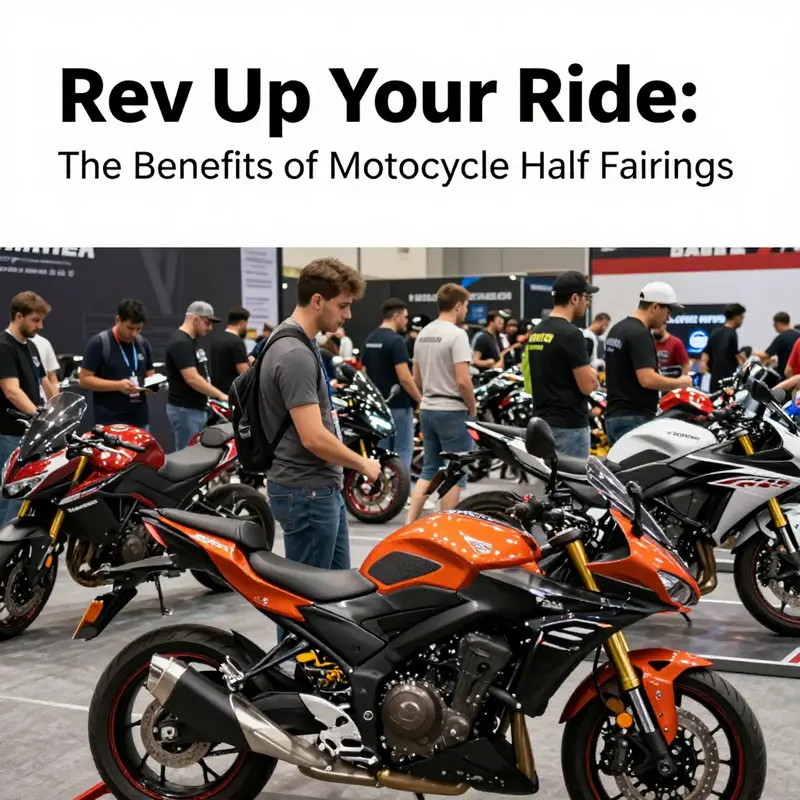
Motorcycle half fairings are increasingly recognized among riders for their strategic integration of performance and comfort. These components not only enhance the aesthetics of a motorcycle but also significantly impact its aerodynamics, rider protection, and overall efficiency. By strategically covering the upper portions of the bike, half fairings optimize airflow, and improve fuel efficiency while still being lightweight and easy to maintain. This article delves into the aerodynamics and performance of these fairings, examines the different types of materials available, discusses their impact on rider comfort, analyzes economic considerations, and reviews current market trends and demands. Each chapter builds upon the last to provide a comprehensive understanding of motorcycle half fairings and their significance in an evolving market.
Tables of Contents
Chapter 1: Aero-Optimized Design: Enhancing Performance and Comfort with Half Fairings
- Streamlined Riding: How Motorcycle Half Fairings Balance Aerodynamics and Comfort
- Engineering Excellence: Material Innovation and Durability in Motorcycle Half Fairings
- Enhancing Sport-Touring and Commuting with Motorcycle Half Fairings
Chapter 2: Navigating the Variety of Motorcycle Half Fairings: Designs and Material Choices
- Exploring the Types and Materials of Motorcycle Half Fairings: A Comprehensive Insight
- Exploring Material Properties and Their Impact on Half Fairing Performance
- Exploring Materials and Economic Dynamics of Motorcycle Half Fairings: Aesthetic, Safety, and Customization Insights
Chapter 3: Enhancing Rider Experience with Motorcycle Half Fairings: An In-Depth Look at Comfort and Design
- Navigating the Breeze: How Motorcycle Half Fairings Influence Aerodynamics and Rider Comfort
- The Economic Advantages of Embracing Motorcycle Half Fairings: Budget-Friendly Choices and Maintenance Simplicity
- Rider-Centric Design and Global Market Dynamics: The Societal Impact of Half Fairings on Accessibility
Chapter 4: Material Economics and Its Impact on Motorcycle Half Fairings
- Balancing Cost and Performance: The Economics of Material Choices for Half Fairings
- Balancing Manufacturing Techniques and Economics in the Production of Motorcycle Half Fairings
- Understanding the Total Cost of Ownership for Motorcycle Half Fairings
Chapter 5: Navigating the Advances in Motorcycle Half Fairings: Material Innovation and Market Dynamics
- How Cutting-Edge Materials and Smart Manufacturing Shape the Half Fairing Landscape
- Leveraging Affordability and Functionality: The Economic Influences Behind Motorcycle Half Fairings
- How Contemporary Values Are Shaping the Appeal of Motorcycle Half Fairings
Chapter 1: Aero-Optimized Design: Enhancing Performance and Comfort with Half Fairings
1. Streamlined Riding: How Motorcycle Half Fairings Balance Aerodynamics and Comfort
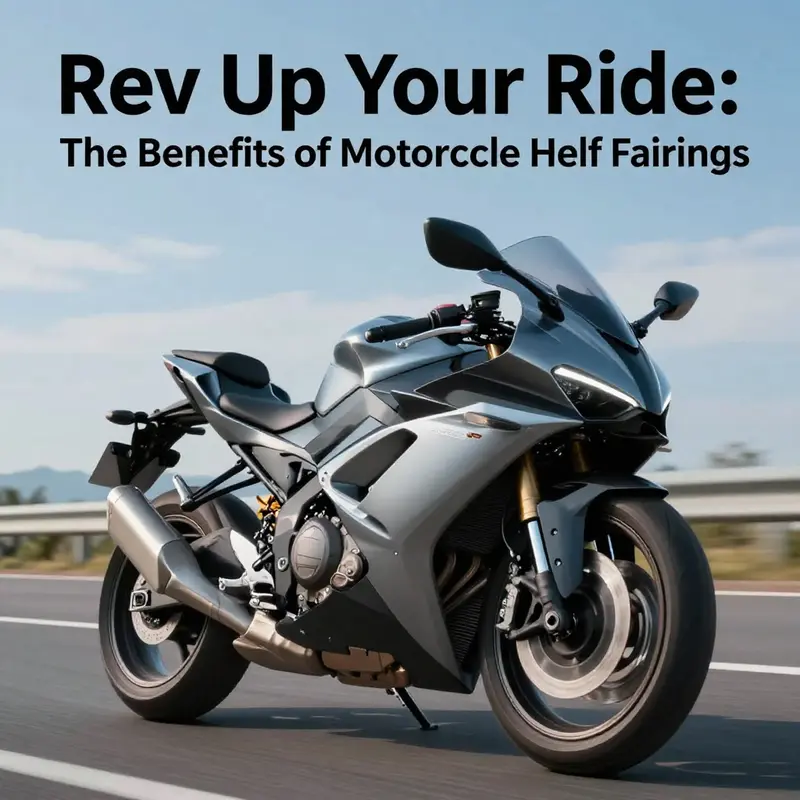
Motorcycle half fairings exemplify the intersection of design and functionality, enhancing both the performance and comfort of the ride. By covering the upper portions of the motorcycle—from the headlight to the handlebars—these fairings effectively redirect airflow, tackling one of the most significant challenges motorcyclists face: wind resistance. The advantage lies in their ability to streamline the motorcycle frame, reducing drag while simultaneously promoting rider comfort, particularly during high-speed travel.
One of the primary benefits of half fairings is their capacity to minimize wind resistance. This reduction is particularly crucial for those who use motorcycles for sport-touring, commuting, or long-distance riding. With the upper body shielded from the turbulent airflow, the rider experiences not only enhanced speed but also improved fuel efficiency. The design allows air to flow smoothly around the motorcycle, resulting in a more aerodynamic profile. This aspect becomes especially pronounced at highway speeds, where every ounce of aerodynamic refinement can lead to noticeable improvements in performance and efficiency.
In addition to drag reduction, half fairings play a pivotal role in enhancing rider comfort. The fairings effectively deflect wind away from the upper body, which helps to maintain a stable riding posture. For those undertaking long highway commutes, this reduction in wind buffeting translates to less fatigue, providing a more enjoyable ride over extended distances. Riders often report that their focus remains on the road rather than combating the effects of wind, allowing them to better appreciate their journeys.
Half fairings also contribute to lowering wind noise and turbulence, creating a more serene riding environment. Compared to an unfaired motorcycle, riders equipped with half fairings often find the experience markedly more pleasant, as excessive noise can rapidly detract from the joy of cruising on two wheels. The quieter cabin encourages concentration on both the bike’s performance and the surrounding scenery, turning every ride into an immersive experience.
Moreover, the structural design of half fairings provides practical advantages in terms of maintenance. The partial coverage preserves access to essential components such as the air filter and battery. This accessibility is particularly beneficial for sportbike enthusiasts who consistently adjust and maintain their machines for performance and reliability. The careful balance between protection and maintainability allows riders to foster a deeper connection with their motorcycles.
However, it is essential to recognize the limitations associated with half fairings. While their aerodynamic benefits are clear, the design does not provide comprehensive wind protection for the rider’s legs or lower body. When riding at high speeds or in adverse conditions, this exposure can lead to discomfort. To counteract these challenges, many riders turn to aftermarket windshields or specialized riding gear designed to enhance comfort without compromising the motorcycle’s handling or aesthetic appeal.
Given their unique advantages, half fairings have found a home on a variety of popular motorcycle models, including the Honda CBR600RR and CBR500R, as well as the Kawasaki Ninja series. These bikes skillfully blend a sporty aesthetic with the functional benefits of half fairings, making them a favored choice among enthusiasts who seek the optimal blend of form and function.
In choosing half fairings, riders must ensure compatibility with their specific motorcycle models, as fitment can widely vary across different generations. Many aftermarket options on the market offer high-quality alternatives that meet OEM standards, providing riders with greater flexibility in customization. Selecting the right half fairing not only enhances performance but also adds a layer of personal expression to the motorcycle.
Ultimately, motorcycle half fairings stand as a testament to innovative design, merging aerodynamics with rider comfort. The advantages they offer make them a practical choice for a wide range of riding habits. Whether navigating city streets or embarking on long-distance travels, the presence of half fairings contributes significantly to a better riding experience, uniting performance with practicality seamlessly. For those looking to upgrade their ride, exploring options such as the Honda CBR600RR fairings provides a versatile pathway to improved performance and comfort on the road.
2. Engineering Excellence: Material Innovation and Durability in Motorcycle Half Fairings
Motorcycle half fairings consistently represent a synthesis of performance, protection, and aesthetic appeal, all while emphasizing aerodynamic efficiency. This innovation is not happenstance; it is rooted in meticulous material engineering aimed at fulfilling the demands of both riders and racing enthusiasts. Integral to the operational success of half fairings is their material composition, intricately selected to meet rigorous performance and durability standards necessary for the challenges posed by high-speed travel.
At the heart of half fairing design lies a variety of materials, each offering distinct benefits that cater to particular riding styles and conditions. Among these, Acrylonitrile Butadiene Styrene (ABS) has emerged as a favored choice, attributed to its exceptional impact resistance, light weight, and moldability. Specifically utilized in models like the Honda CBR500R and Kawasaki Ninja series, ABS enables manufacturers to create smooth, aerodynamic shapes without compromising structural integrity.
High-Impact Polystyrene (HIPS) serves as another viable option, known for its economical production and decent durability, making it appealing for a broader range of motorcycles, particularly those that focus on everyday commuting rather than performance racing. However, these materials often serve more casual applications; for performance-oriented motorcycles, manufacturers may opt for more advanced composites.
Fiberglass-reinforced plastics and carbon fiber embody such advanced materials, promising enhanced strength-to-weight ratios. Carbon fiber, in particular, adds a layer of prestige and performance, appealing to track riders and sport bike aficionados who value high-speed stability and a competitive edge on the track. These materials significantly elevate the initial investment but deliver superior performance under duress, making them worth the consideration for serious riders.
Durability remains a critical aspect of material selection, especially regarding exposure to environmental factors. Half fairings must withstand fluctuations in temperature, ultraviolet rays, and moisture, alongside resisting abrasions from road debris. Adherence to international standards such as ISO 4136 and SAE J2344 ensures that manufacturers meet essential benchmarks for longevity and resilience. These standards demand rigorous testing regimes, simulating conditions including high-speed winds and impact scenarios that mimic potential hazards on the road.
Informed by these standards, manufacturers carry out extensive real-world testing of their fairings, focusing on aspects such as aerodynamic drag reduction and structural performance. This meticulous approach not only enhances rider safety but also improves overall riding dynamics through refined airflow management. The aerodynamics of half fairings, characterized by their smooth contours and strategic cuts, minimize turbulence and enhance stability, thereby mitigating the impact of wind at speed. Sophisticated tools like Computational Fluid Dynamics (CFD) facilitate this design process, allowing engineers to visualize airflows and make data-driven adjustments to the fairing’s shape.
Therefore, the interplay between material science and aerodynamics in motorcycle half fairings is profound. It embodies a commitment to delivering not just enhanced riding experiences but also improved efficiency. As seen in models from both Honda and Kawasaki, the right combination of materials not only elevates aesthetic appeal but also reinforces the bike’s performance metrics in real-world situations. Whether navigating urban streets during daily commutes or hitting the open road on longer tours, riders can appreciate the thoughtful engineering that supports motorcycle reliability and satisfaction.
For those looking for applicable solutions compatible with popular models, exploring the available collections of half fairings, such as those specific to Honda and Kawasaki, can facilitate the ideal match for both aesthetic desires and functional needs.
3. Enhancing Sport-Touring and Commuting with Motorcycle Half Fairings
Motorcycle half fairings serve as a pivotal bridge between the aerodynamic efficiencies of full fairings and the liberated feel of naked bikes. For sport-touring enthusiasts and daily commuters alike, these partial body panels are much more than aesthetic enhancements. Positioned logically on the motorcycle’s upper portion, they typically cover crucial components such as the headlight, instrument cluster, and upper fork area, while leaving lower parts exposed. This unique design offers a compelling mix of functionality and style, proving especially beneficial for long-distance rides and practical urban travel where aerodynamic performance and comfort are essential.
One significant advantage of half fairings is their impact on aerodynamics. These fairings reduce wind resistance and turbulence, allowing riders to enjoy a smoother experience at higher speeds. For those undertaking long journeys, the lower wind buffeting translates into reduced fatigue, providing a more comfortable riding position. In this way, half fairings can be seen as a rider’s ally, helping maintain control and stability. As the motorcycle slices through the air with greater efficiency, the rider can focus on navigating the journey without the distraction of battling the elements.
When evaluating the performance implications, the lighter weight of half fairings becomes apparent. Unlike their full-faired counterparts, half fairings weigh significantly less, contributing to improved handling and agility. This advantage is particularly notable in urban settings where swift maneuverability is crucial. The enhanced responsiveness is equally beneficial for sport riders seeking agility on the track. Models equipped with half fairings—like the Honda CBR600RR or Kawasaki Ninja ZX-10R—often see performance benefits, demonstrating how these features align with the demands of both race enthusiasts and commuters.
The practical aspects of maintenance should also not be overlooked. Motorcycles featuring half fairings afford riders easier access to the engine components. Essential tasks like checking or replacing the air filter or battery become more manageable, as the design minimizes the complexity of dismantling large body panels. This balance between performance and ease of maintenance is one of the many reasons half fairings have gained traction among diverse riding communities, adding to their appeal as a go-to choice.
While half fairings excel in many areas, it is crucial for riders to recognize their limitations, particularly regarding wind protection. Unlike full fairings, which provide comprehensive torso shielding, half fairings deliver moderate wind coverage. Riders can experience wind pressure and noise at high speeds, which may necessitate additional accessories like aftermarket windscreens. This customization can enhance comfort levels even further during high-speed transportation, ensuring that the rider remains at ease.
The aesthetic appeal cannot be ignored either. Half fairings offer a sleek, streamlined appearance that accentuates a motorcycle’s mechanical beauty, merging form with function. For those who cherish both performance and style, half fairings provide a unique solution, lending a polished look that stands out in any setting.
In conclusion, the adoption of motorcycle half fairings is a testament to the evolving needs of modern riders. Their blend of aerodynamics, performance, and practical maintenance reflects the diverse riding experiences from sport-touring to daily commuting. For bikers looking to optimize their ride, half fairings present an optimal choice that does not compromise on user-friendliness or style. As these fairings continue to gain popularity, more riders are discovering that they enhance not just their machines, but their journeys as well, making them an essential component of today’s motorcycles. For those interested in exploring aftermarket options, visit reputable sources to find suitable half fairing kits that complement various motorcycle models.
Chapter 2: Navigating the Variety of Motorcycle Half Fairings: Designs and Material Choices
1. Exploring the Types and Materials of Motorcycle Half Fairings: A Comprehensive Insight
Motorcycle half fairings represent a unique blend of design and functionality, appealing to a broad spectrum of riders from everyday commuters to sport-touring enthusiasts. As partial coverings that primarily shield the upper sections of a bike, half fairings serve to enhance not only the aesthetic appeal of the motorcycle but also its performance. Their strategic design typically protects critical components, such as the headlight and instrument cluster, while leaving the engine and frame visible, allowing riders to appreciate the mechanical beauty of their machines.
The types of half fairings available can be categorized mainly into sport-touring, café racer, and commuter designs. Sport-touring half fairings are often robust yet sleek, designed to provide sufficient wind deflection for long-distance rides while maintaining an aggressive, sporty look. They typically incorporate features such as integrated windshields to minimize drag and improve rider comfort at higher speeds. Meanwhile, café racer models tend to embrace a more retro aesthetic, focusing on stylistic excellence rather than sheer aerodynamics. These fairings often prioritize lightness—emphasizing agility and responsiveness to give riders the thrill of a more visceral riding experience.
Commuter half fairings exist as a versatile option for daily riders. They feature a balanced design that shields against the elements while also ensuring easy accessibility to the bike’s mechanical parts for maintenance purposes. This practicality is pivotal for riders who require regular upkeep in urban environments.
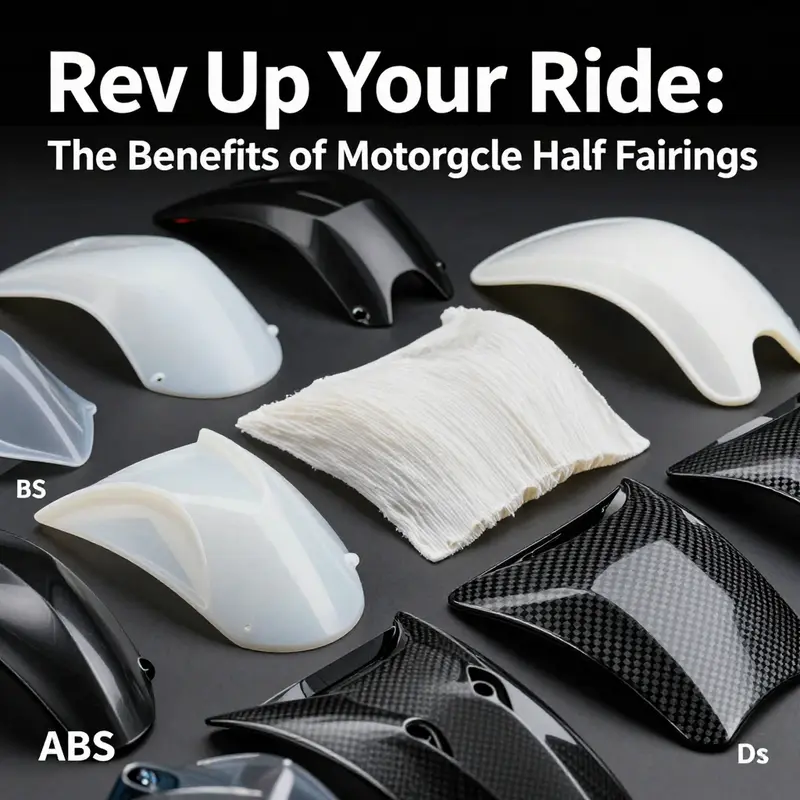
Material composition is another crucial aspect that affects both the performance and durability of half fairings. Common materials include ABS plastic, fiberglass, and carbon fiber, each with its attributes. ABS plastic is popular for its lightweight and impact-resistant properties, making it an ideal choice for both affordability and strength. On the other hand, fiberglass constructions can provide a custom look, often favored for their versatility in design and color, though they may require more care regarding durability and maintenance.
For those who desire a premium option, carbon fiber half fairings stand out as the top-tier choice, offering unrivaled strength-to-weight ratios. While they often come at a higher price point, their performance advantages can justify the investment, especially for racing or high-performance motorcycles.
Regardless of material choice, the compatibility of half fairings with specific motorcycle models is crucial. Each bike has its unique contours and mounting points, necessitating a careful selection process. Riders should always verify fitment before making a purchase to ensure optimum safety and functionality. For instance, those looking to outfit a Suzuki SV650 or a Kawasaki Ninja should consult dedicated resources to find options tailored to their motorcycles. Similarly, brands offer comprehensive inventory for various models—from classic Honda CBR lines to the latest Yamaha sportbikes, ensuring riders can find suitable half fairings that meet their needs.
As the market evolves, aftermarket options have emerged as a viable alternative to original equipment manufacturers (OEM). These aftermarket half fairings often meet or exceed OEM standards while offering more competitive pricing, making them attractive to budget-conscious riders. However, quality can vary significantly, so it’s advisable to investigate the reputation of suppliers or manufacturers.
In conclusion, selecting the right half fairing involves a blend of understanding the different types—sport-touring, café racer, and commuter—as well as the materials available, such as ABS plastic, fiberglass, and carbon fiber. Whether optimizing for performance, aesthetics, or a mix of both, these elements will play an integral role in enhancing the overall riding experience. For further exploration of specific models and their respective half fairing options, riders can visit comprehensive collections like those found on dedicated motorcycle fairing websites.
2. Exploring Material Properties and Their Impact on Half Fairing Performance
The selection of materials used in motorcycle half fairings plays a crucial role in determining their performance, durability, and overall appeal to riders. Primarily, three materials dominate the market: ABS plastic, fiberglass, and carbon fiber. Each material brings its unique properties and trade-offs, catering to diverse rider preferences and needs. Understanding these materials is essential for enthusiasts looking to enhance their motorcycle’s aerodynamics and aesthetics without compromising on performance or safety.
ABS plastic is widely favored for its balance of affordability, moderate weight, and resilience. It is a thermoplastic polymer that can withstand considerable impacts, making it a practical choice for riders concerned about damage from minor spills or road debris. ABS’s inherent flexibility prevents shattering upon impact, offering a forgiving quality that can be beneficial for day-to-day riding scenarios. Additionally, this material can be easily molded into complex shapes, allowing for a variety of designs that enhance the motorcycle’s look, appealing especially to custom builders and those who prefer a sleek aesthetic. However, while ABS fairings are quite durable, they might not provide the same level of high-performance characteristics seen in pricier materials.
On the other hand, fiberglass offers notable strength, lighter weight, and the potential for intricate craftsmanship. Known for its rigidity and structural integrity, fiberglass is commonly used in racing scenarios where weight savings are paramount. The material can be formed into bright, aggressive designs appealing to sportbike riders who value both aesthetics and function. Though it can be more expensive than ABS, high-quality fiberglass fairings often come with additional benefits, such as superior stress resistance and the capacity to withstand higher temperatures, making them well-suited for performance bikes. Nevertheless, fiberglass has its drawbacks—especially its tendency to crack under severe impact, which means they can require professional repair if damaged.
Carbon fiber is the material of choice for those seeking top-tier performance and unmatched aesthetics. Renowned for its lightweight and high strength-to-weight ratio, carbon fiber significantly contributes to optimizing a motorcycle’s handling and acceleration. Fairings made from carbon fiber are not only visually striking but are often made for racing applications, where every ounce of weight saved translates to improved performance. The manufacturing process allows for a high degree of customization, resulting in unique finishes that many riders find attractive. However, the cost associated with carbon fiber materials can be prohibitive for the average rider, positioning them as a premium choice best suited for serious enthusiasts or competitive riders.
Choosing the right half fairing involves considering both material properties and personal riding requirements. For everyday commuters focused on practicality, ABS fairings might serve as the best option due to their affordability and impact resistance. In contrast, sport-touring and performance-focused riders may gravitate toward fiberglass or carbon fiber, prioritizing speed and weight savings over cost. Riders should also pay a close attention to compatibility with their motorcycle model and ensure that the fit is precise to avoid performance issues or safety concerns.
In the midst of these material choices, aftermarket manufacturers are increasingly offering high-quality alternatives that meet or exceed original equipment manufacturer (OEM) specifications, allowing riders to enjoy the benefits of well-crafted half fairings at competitive prices. Whether teammates in daily commuting or strategic partners in racing, understanding the distinct advantages of ABS plastic, fiberglass, and carbon fiber can greatly enhance a rider’s experience and satisfaction. For those looking for a cluster of options that seamlessly integrate aesthetics with performance, explore the wide array of aftermarket fairings available for popular models, ensuring that every ride not only meets but exceeds their expectations.
3. Exploring Materials and Economic Dynamics of Motorcycle Half Fairings: Aesthetic, Safety, and Customization Insights
Motorcycle half fairings, often referred to as “clip-on” or “partial” fairings, embody a blend of aerodynamic design and practical functionality, catering to those riders who demand both performance and style. By covering only the upper section of the motorcycle, they provide moderate wind protection while leaving the lower portions exposed for easy access when maintaining engine components. This strategic design choice has made them particularly desirable for sport bikes and mid-weight motorcycles, where performance is crucial but ease of maintenance cannot be overlooked.
Material Choices
The composition of half fairings significantly influences their performance and pricing in the motorcycle market. Common materials include:
-
ABS Plastic (Acrylonitrile Butadiene Styrene): This is the most widely used material due to its excellent balance of strength, longevity, and affordability. Models such as the Kawasaki Ninja 650 and Suzuki GSX-S750 frequently feature ABS constructive fairings, which contribute to their overall robustness and durability in various riding conditions.
-
Polycarbonate: Known for its incredible impact resistance and lightweight properties, polycarbonate fairings are typically found in higher-end bikes. They offer superior protection without compromising on style, but, as a result, they carry higher price tags.
-
Fiberglass: Favored in custom builds, fiberglass allows for intricate shapes and designs thanks to its moldability. However, the labor-intensive process of installation and finishing can increase costs and time requirements. Riders looking to craft a unique aesthetic for their motorcycles often gravitate toward fiberglass options, which allow for substantial customization.
Economic Considerations in Customization
The economic implications of half fairings extend far beyond their initial retail price. Their comparatively lower cost relative to full fairings opens up customization opportunities to a wider audience of riders, promoting a dynamic aftermarket industry. Within this sector, a diverse ecosystem flourishes, consisting of small manufacturers, independent artisans, and online retailers specializing in custom half fairing kits. The ease of installation—often achievable with simple tools and minimal alterations—reduces labor costs and thus increases rider engagement in their own motorcycle adaptations.
Affordable customization does not only encourage individual expression but also fosters community among motorcycle enthusiasts. Group rides, custom bike shows, and forums dedicated to modifications exemplify this culture, driving further interest in half fairings. As more riders participate in the customization scene, brands benefit from heightened recognition and loyalty.
Societal Impact and Rider Safety
On a broader societal level, the adoption of half fairings contributes significantly to rider comfort and safety. By reducing wind fatigue, these fairings allow for longer, more enjoyable rides. Additionally, they serve to shield riders from errant road debris and adverse weather conditions, although it is worth noting that they do not provide the same level of frontal wind protection offered by full fairings.
Moreover, the visual appeal of motorcycles outfitted with half fairings enhances their aesthetic, promoting the growth of subculture movements centered around customizing bike aesthetics. This aspect not only reinforces personal identity among riders but also encourages a sense of belonging within the motorcycle community.
In conclusion, half fairings serve as a critical component in the ongoing dialogue about motorcycle customization, balancing economic feasibility with material variety and social considerations. Whether for aesthetic enhancement or practical use, these fairings play an essential role in shaping the modern motorcycling experience. For those considering a transformation of their bike, exploring options like the affordable yet durable aftermarket fairings available on various platforms can be an excellent first step toward personalized riding, allowing enthusiasts to merge safety, performance, and individuality seamlessly.
Chapter 3: Enhancing Rider Experience with Motorcycle Half Fairings: An In-Depth Look at Comfort and Design
1. Navigating the Breeze: How Motorcycle Half Fairings Influence Aerodynamics and Rider Comfort
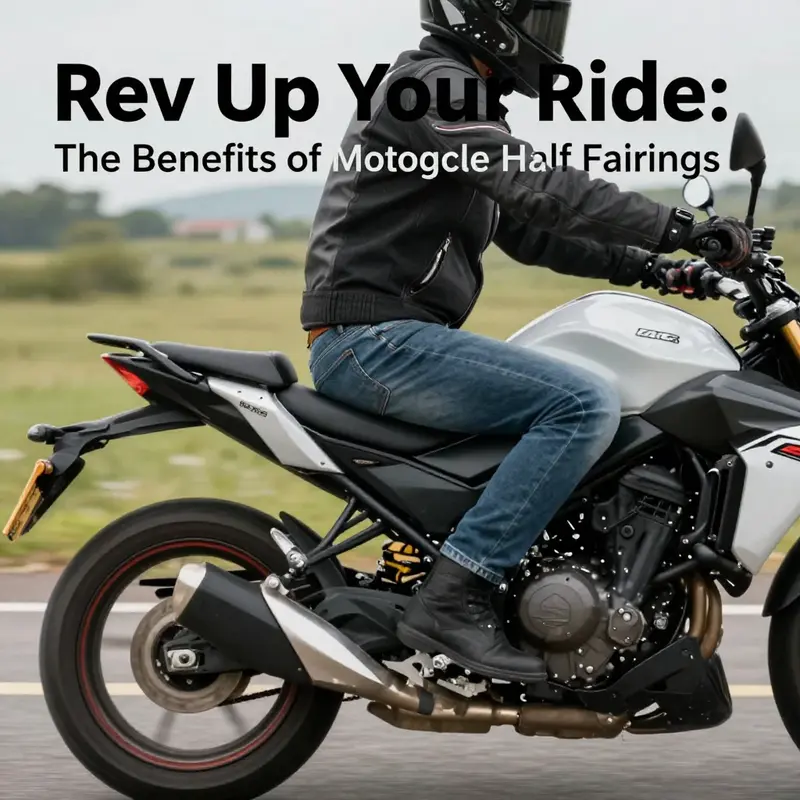
Motorcycle half fairings play a pivotal role in enhancing rider comfort, particularly by optimizing aerodynamics and wind deflection. Designed to shield the upper sections of a motorcycle, these fairings facilitate a more aerodynamic profile, which is essential for riders who desire stability and control, especially at highway speeds. The half fairing’s geometry is crafted to alleviate the direct impact of wind on the rider, channeling airflow upward and around the rider’s torso. This design minimizes turbulence, which can otherwise lead to physical discomfort and fatigue during longer journeys.
Riders often experience the adverse effects of buffeting when exposed to high-speed wind, as it can generate significant strain on the neck and shoulders. However, with the help of half fairings, wind resistance is greatly reduced, promoting a smoother riding experience. By directing airflow away from the rider’s upper body, half fairings serve not only to improve overall comfort by combating fatigue but also contribute to an enhanced sense of control. Riders can maintain a steadier posture and enjoy increased confidence on open stretches of road.
The influence of half fairings on aerodynamics translates into another significant benefit: improved fuel efficiency. As wind resistance lessens, motorcycles require less energy to maintain speed, allowing for better gas mileage. This is particularly advantageous for sport-touring and long-distance riders who cover greater distances, as they can ride for extended periods without the added concern of frequent fuel stops. The balance struck between enhanced comfort and efficiency makes half fairings a compelling option for many motorcycle enthusiasts.
Nevertheless, the effectiveness of half fairings is largely determined by their design and installation. Motorcycles vary in shape, size, and aerodynamics, and what may work well with one model could potentially create more turbulence with another. Therefore, it is vital for riders to select well-engineered half fairings that match their specific motorcycle model closely. Poorly designed or improperly fitted half fairings can result in unintended airflow issues, which may counteract their intended benefits and lead to increased rider fatigue and discomfort.
Pairing half fairings with aftermarket windshields can optimize wind deflection even further. Many riders find that the combination allows for a more comfortable riding experience at high speeds by adding an extra layer of protection against wind and debris. Such arrangements illustrate how half fairings and complementary accessories work together to create an effective wind management system.
In summary, motorcycle half fairings significantly enhance rider comfort through efficient aerodynamics and effective wind deflection. By minimizing the physical impact of wind on the rider’s body, these fairings not only convert the riding experience into one of greater enjoyment but also play a crucial role in improved fuel efficiency. To maximize the benefits, it is essential for riders to consider fitment and compatibility with their specific motorcycle models, ensuring that the design contributes positively to their riding experience. For anyone interested in exploring quality half fairing options for various models, a visit to specialized retailers can provide access to the most suitable choices, ensuring both comfort and performance are prioritized as they journey down the open road. For detailed selections and compatibility options, check out the extensive range of offerings available online at Summit Fairings.
2. The Economic Advantages of Embracing Motorcycle Half Fairings: Budget-Friendly Choices and Maintenance Simplicity
When it comes to balancing cost-effectiveness and performance in the world of motorcycle accessories, half fairings consistently emerge as a wise investment for riders. These partial covers provide a unique blend of benefits, making them an appealing choice not just for seasoned enthusiasts but also for everyday riders seeking convenience and economic viability. By shielding critical components and improving aerodynamic efficiency, half fairings greatly enhance rider comfort while simultaneously streamlining maintenance routines.
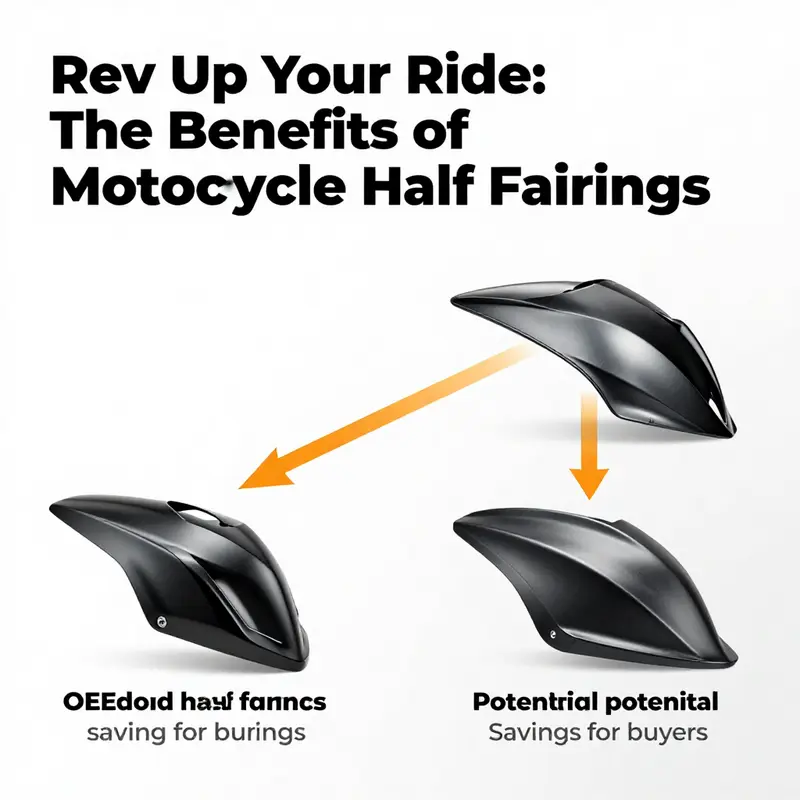
One of the standout economic benefits of motorcycle half fairings is their ability to contribute to cost savings. Unlike full fairings, which can be more expensive and cumbersome, half fairings provide adequate protection with a lighter price tag. Riders can find high-quality aftermarket options that meet or exceed OEM standards—these alternatives allow for personalization and often come at a fraction of the cost of original parts. For example, should a rider need to replace a damaged fairing, it won’t send them into a financial tailspin, especially when considering that many reputable aftermarket manufacturers offer competitive prices in comparison to what dealerships charge for OEM components. When shopping for half fairings, it’s crucial to browse different platforms and check compatibility with specific models, ensuring that the investment is both economical and useful.
Furthermore, the design of half fairings facilitates ease of maintenance that serves to enhance the overall ownership experience. With the lower engine and frame exposed, performing routine checks, oil changes, and other necessary maintenance tasks becomes simpler and more straightforward. This accessibility translates not only into time savings but also into potential cost savings, as riders are less likely to incur labor fees when they can tackle simpler maintenance tasks themselves. A motorcycle with half fairings can also be less prone to damage compared to naked bikes, as they provide a degree of protection against road debris and adverse weather conditions, reducing the need for repairs over time.
The half fairing’s structural design, which typically requires fewer parts than full fairing sets, also contributes to easier installation and attachment processes. This further adds to their economic appeal; riders can often perform installations without needing specialized skills or extensive tools, resulting in lower overall maintenance costs. While the aesthetics of a motorcycle can indeed be a significant factor in the buying decision, the pragmatic approach to installation and upkeep should also be considered.
In addition to practical benefits, half fairings contribute to improved riding experience, which can indirectly affect the rider’s wallet. By enhancing aerodynamics, they help to improve fuel economy, particularly at highway speeds. While this may not manifest in immediate savings, it accumulates over time, encouraging riders to go the extra mile without worrying about fuel consumption. When paired with proper windscreen solutions, half fairings can amplify the comfort of long-distance rides—a key consideration for sport-touring and commuting enthusiasts.
For riders considering options such as those available in the Honda range, including the CBR series, Suzuki’s GSX models, and Kawasaki Ninja bikes, there are numerous aftermarket half fairings to explore. Each model possesses unique specifications, with some even including additional features designed to enhance airflow or diminish noise levels. The economical options ensure that riders do not have to sacrifice quality for cost, allowing them to enjoy the benefits of both performance and comfort on their motorcycle journeys.
In summary, motorcycle half fairings offer a smart blend of affordability, ease of installation, and reduced maintenance burdens. As riders seek ways to maximize their experience while minimizing expenses, these fairings emerge as a compelling choice. With so many aftermarket alternatives available, it’s possible to find options that not only meet desired aesthetics but also align with a rider’s budget, providing a comprehensive approach to motorcycle performance and enjoyment.
For those interested in exploring a wide selection of affordable half fairings suited for different motorcycle models, a valuable resource can be found at Summit Fairings.
3. Rider-Centric Design and Global Market Dynamics: The Societal Impact of Half Fairings on Accessibility
The design and functionality of motorcycle half fairings extend beyond mere aesthetics; they reflect significant geopolitical realities and market trends that shape rider comfort and accessibility. As urban mobility evolves, particularly in regions with heavy traffic, such as parts of the Middle East and Africa, half fairings emerge as a strategic choice for both practical and performance-oriented riders. These regions often experience long commutes and challenging driving conditions. Therefore, fairings that offer aerodynamic efficiency while not completely enclosing the bike help address the dual needs for speed and usability. Riders are increasingly choosing half fairings not only for improved airflow management but also for the ease of maintenance they provide. This feature is particularly crucial in markets where service facilities may not be readily available. The moderate wind deflection that half fairings offer contributes substantially to rider comfort, especially on highways, making them an attractive option for long-distance travel.
Market forecasting suggests that by 2026, the motorcycle fairing industry will see a surge in demand for half fairings, reflecting their position as a preferred option among sport-tourers. This increase is tied to a broader societal shift toward versatile transportation solutions that blend performance with practicality, which is evident in the rising popularity of sport-touring models like the Honda CBR series. The appeal of half fairings derives not only from their classic sport-touring aesthetic but also from their functionality that caters to a diverse range of riders and their needs.
Societal trends also indicate a growing emphasis on lightweight construction and reduced environmental impact. As concerns about fuel efficiency and sustainability gain traction, riders are becoming more conscious of how their vehicles perform. The lightweight materials used in half fairings align with these ideals, aiding in improving fuel efficiency while appealing to eco-conscious riders. Moreover, the design simplicity of half fairings can serve to enhance the overall riding experience, contributing to a sense of freedom and speed while still offering a level of protection. In developing countries, half fairings’ cost-effectiveness and ease of installation further amplify their accessibility. For many riders, upgrading their motorcycle’s appearance and functionality is not just about comfort; it represents a step toward personalization and expression in a market often dominated by practical constraints. This accessibility enables a larger segment of riders to experience a balance of comfort and style without breaking the bank.
To underscore the importance of rider-centric design, industry trends indicate that manufacturers are increasingly investing in technology and materials that enhance aerodynamic performance. For instance, innovations in composite materials are not just making half fairings lighter but also more durable, thus offering a better return on investment. As companies adapt to these demands, they open avenues for riders to explore customized options that resonate with their unique riding styles.
In conclusion, half fairings encapsulate the delicate balance between functionality and aesthetics, catering to a diverse rider demographic. By navigating the intricacies of geopolitical landscapes and societal expectations, they continue to evolve, becoming a staple in the motorcycle community. For those interested in enhancements that combine style with practicality, examining half fairings such as those available for popular models like the Honda CBR1000RR or the Suzuki SV650 can provide insights into how design trends are influencing rider experience. For more comprehensive options, riders can explore this collection of Honda fairings, which reflects the standards shaped by current market demands.
Chapter 4: Material Economics and Its Impact on Motorcycle Half Fairings
1. Balancing Cost and Performance: The Economics of Material Choices for Half Fairings
The economic considerations in material selection for motorcycle half fairings revolve around a delicate balance between cost, performance, durability, and aesthetic appeal. Riders and manufacturers alike must navigate this landscape to ensure they meet both budgetary constraints and performance expectations. Currently, the leading materials employed in the production of half fairings include ABS plastic, glass fiber reinforced resin (GFRP), and 3K dry carbon fiber. Each of these materials embodies unique economic characteristics that appeal to specific market segments.
ABS Plastic: The Economical Choice
Plastic, particularly ABS (acrylonitrile butadiene styrene), stands out as the most cost-effective option, making it widely adopted for mass-produced motorcycles and entry-level models. The production of ABS involves a low-cost manufacturing process, characterized by large-scale injection molding, which allows for efficient and rapid production cycles. Moreover, ABS is recognized for its good impact resistance, providing adequate protection for the components it covers without breaking the bank. However, its economic advantages do come with trade-offs; ABS can suffer from performance instability at extreme temperatures, leading to potential deformation or discoloration over time. Consequently, while it serves well for budget-conscious consumers and simple commuting needs, it may not be the best choice for high-performance applications where durability and temperature resilience are critical.
GFRP: Bridging Cost and Durability
On the other hand, glass fiber reinforced resin (GFRP) offers a compelling middle ground. While its production costs are higher than those of ABS, GFRP’s enhanced strength and stiffness make it a noteworthy contender for mid-range sport and touring motorcycles. This material excels under aerodynamic pressures encountered at high speeds, sufficient to draw many riders who seek a balanced blend of performance and affordability. GFRP’s superior heat resistance also translates into a longer lifespan, making it more cost-effective over time compared to cheaper alternatives. Riders investing in GFRP half fairings often find that the initial expenditure leads to substantial savings in terms of maintenance and replacement due to its increased durability. As a result, GFRP resonates particularly with enthusiasts who value both performance enhancements and economic wisdom in their purchases.
3K Dry Carbon Fiber: Premium Investment
At the high end of the market spectrum lies 3K dry carbon fiber, a material engineered for the performance-focused rider who seeks unrivaled weight reduction and aesthetic appeal. Although the upfront costs associated with carbon fiber production are considerable, the benefits it provides are significant. The ultra-lightweight nature of carbon fiber contributes directly to improved handling and agility, a vital characteristic for racing and high-performance models. Additionally, its exceptional structural strength ensures reliability under rigorous riding conditions. Beyond performance and functionality, carbon fiber also elevates a motorcycle’s visual impact, enhancing its brand value and desirability within certain consumer groups. The advantages of dry carbon fiber are encapsulated not only in performance metrics but also in the premium experience it offers, effectively positioning itself as a desirable investment for discerning riders.
The decision around which material to use for half fairings essentially boils down to how cost, lifecycles, and market positioning align with rider expectations and needs. Manufacturers must keenly evaluate these factors to design and produce half fairings that cater to their target audiences. For instance, where racing-grade motorcycles prioritize carbon fiber for its weight advantages, daily commuters typically gravitate toward the affordability and practicality of ABS. Such tailored material choices represent a strategic economic consideration that shapes product development and market offerings.
As the motorcycle industry continues to evolve, the momentum towards advanced materials will likely foster more innovative economic solutions in the production of half fairings, presenting riders with a broader spectrum of choices in the ever-competitive marketplace.
2. Balancing Manufacturing Techniques and Economics in the Production of Motorcycle Half Fairings
The production of motorcycle half fairings is intrinsically tied to various manufacturing processes and economic considerations that influence both quality and pricing. Understanding these processes allows manufacturers to optimize production efficiency while meeting the diverse needs of motorcycle riders.
Central to the manufacturing landscape of half fairings are three key processes: injection molding, vacuum forming, and hand lay-up of composite materials. Each method possesses unique characteristics that impact production costs, quality, and efficiency, ultimately shaping the economic landscape for different manufacturers.
Injection molding stands as the predominant choice for producing plastic components in half fairings. This technique boasts remarkable production speed and repeatability, reducing per-unit costs significantly when scaled. It enables companies to produce a large volume of identical parts quickly, simultaneously enhancing consistency in quality and durability. However, this high-efficiency method requires substantial upfront investment in specialized tooling. As a result, manufacturers may find themselves facing financial risks related to fluctuations in raw material prices, particularly resins and plastics. Therefore, while injection molding provides a reliable way to manage large-scale production costs, it also demands careful financial planning and risk assessment.
In contrast, vacuum forming offers a more flexible approach, often employed for cost-effective prototyping or small-batch production. This method is simpler and less expensive than injection molding, making it appealing for budding manufacturers or those looking to test designs without hefty initial investments. However, vacuum forming comes with drawbacks. Parts produced by this technique may suffer from less precision and a potential reduction in structural integrity compared to those manufactured through injection molding. These limitations can affect the marketability of the final product, especially in a competitive segment like motorcycle fairings.
For high-performance applications or custom designs, hand lay-up processes are commonly utilized, particularly for fiberglass or carbon fiber composites. Hand lay-up provides superior strength-to-weight ratios and greater design flexibility, making it ideal for enthusiasts seeking customized solutions. This method allows for detailed craftsmanship and can yield bespoke products that stand out in the market. However, it is also labor-intensive and significantly more expensive than other methods, resulting in higher retail prices for consumers. This complexity places hand lay-up products at a premium in the market, enticing a smaller, but dedicated audience willing to invest in high-quality performance.
From an economic perspective, each of these manufacturing processes informs the cost structure that dictates the market pricing of half fairings. The growing demand for motorcycles, which varies with economic conditions and consumer preferences, directly influences manufacturers’ production volumes and pricing strategies. These trends necessitate a dynamic approach to pricing, allowing manufacturers to respond to shifts in market demand and competition.
Furthermore, the rise of aftermarket options has intensified competitive pressure within the industry. As well-established brands face the influx of new entrants offering alternatives at lower prices, traditional manufacturers must adapt. Emphasizing quality, design innovation, and superior material choice can help differentiate products in this crowded space. By optimizing their production processes, manufacturers can strike a balance between performance, durability, and affordability, ultimately appealing to a wider range of motorcycle riders.
In summary, the interplay between various manufacturing techniques and economic factors plays a crucial role in the lifecycle of motorcycle half fairings. From managing production costs associated with injection molding to navigating the trade-offs of other methods, understanding this intricate landscape allows manufacturers to optimize efficiency while adapting to market demands. For those considering upgrades or seeking customized solutions, exploring options through reputable suppliers can lead to finding the perfect half fairing fit for diverse motorcycles, with products showcased at resources such as Summit Fairings.
3. Understanding the Total Cost of Ownership for Motorcycle Half Fairings
When evaluating motorcycle half fairings, it’s essential to consider the Total Cost of Ownership (TCO), which encompasses much more than just the initial price tag. The TCO includes various components that collectively shape the economic landscape for riders, directly influencing both the immediate and long-term financial outcomes of such purchases.
The initial purchase price is the starting point in this evaluation. Typically, half fairings are priced lower than full fairings, offering an attractive option for budget-conscious riders. However, prices can vary significantly based on material composition—be it ABS plastic, fiberglass, or carbon fiber. While carbon fiber is lightweight and durable, it also comes with a higher cost. Therefore, understanding the specific use-case of the motorcycle can help riders select the right material that balances cost with performance, ensuring a worthwhile investment.
Beyond the upfront cost, ongoing expenses must be factored into the TCO. Maintenance and repair costs can fluctuate depending on the exposure of the motorcycle’s critical components. While half fairings offer moderate protection from road debris and harsh weather, they don’t entirely shield the bike, and any resulting cumulative wear and tear can lead to higher maintenance needs. Riders should also consider that, unlike naked bikes where engine and frame access is direct, half fairings can complicate maintenance tasks, particularly if repairs are required after minor crashes. This could drive up costs over time as more labor may be involved in servicing the motorcycle.
Another crucial aspect of TCO is the possible impact on insurance premiums. Riders should note that modifications to their motorcycle can lead to fluctuations in insurance rates. While half fairings generally provide enhanced aerodynamics, which could yield better fuel efficiency and lower the likelihood of high-speed incidents, they might also be viewed as modifications that could increase repair costs in the event of an accident. Insurers evaluate the total risk, and riders may find that coverage costs adjust based on these changes. Consequently, it’s wise to consult with insurance providers before installation to identify potential cost differences.
Additionally, the resale value of motorcycles equipped with half fairings deserves consideration. While some aftermarket modifications can enhance a motorcycle’s appeal, others might detract from its perceived originality. If half fairings are not well-received by potential buyers or contribute to a perception of being less exposed and more prone to damage, the resale price could drop. Riders often desire a balance between aesthetic appeal and mechanical authenticity, qualifications that can play a significant role in the future selling price of a motorcycle.
In light of these considerations, it’s evident that motorcycle half fairings are more than just a cosmetic upgrade; they are a financial commitment. When approached thoughtfully, they can enhance both rider comfort and vehicle performance while maintaining economic practicality. For those looking to make informed choices, it is beneficial to assess the TCO comprehensively. For further exploration on this topic, resources such as detailed cost analysis reports offer valuable insights that can guide riders through their purchasing decisions and financial evaluations. As you weigh your options, maintaining cognizance of how half fairings affect both immediate costs and long-term ownership experiences can ultimately maximize satisfaction from your investment.
To discover specific half fairing options compatible with popular models, you might explore collections such as those available for the Honda CBR600RR or the Suzuki GSX-R series, where quality options can enhance both your motorcycle’s performance and aesthetic appeal.
Chapter 5: Navigating the Advances in Motorcycle Half Fairings: Material Innovation and Market Dynamics
1. How Cutting-Edge Materials and Smart Manufacturing Shape the Half Fairing Landscape
The evolution of motorcycle half fairings is a testament to the intersection of technology and rider demand, fostering an environment where innovation plays a decisive role in shaping market trends. Among these advancements, innovations in materials and manufacturing processes have become critical differentiators, driving both performance and aesthetic appeal.
The introduction of lightweight composites and carbon fiber ranks among the most impactful developments in the realm of motorcycle half fairings. These materials not only enhance the structural integrity of fairings but also serve to significantly reduce weight. For riders, this weight reduction translates into improved acceleration and enhanced handling, elements that are particularly valued in the sport-touring and café racing arenas. The switch to lighter materials enables motorcycles to boast better fuel efficiency and agility, allowing riders to experience the thrill of the ride fully.
Furthermore, the aesthetic advantages cannot be overlooked. The sleek look of carbon fiber fairings has captured the interest of enthusiasts, allowing for unique and customizable designs that distinguish their motorcycles. As riders increasingly seek personalization, the use of high-performance materials serves as an attractive selling point in a competitive marketplace. This shift catalyzes demand for half fairings that not only fulfill functional roles but also reflect riders’ personal styles.
In addition to material advancements, the emergence of eco-friendly plastics caters to a growing consumer segment that prioritizes sustainability. As environmental concerns gain traction globally, manufacturers are now shifting toward sustainable production practices. This includes the integration of recycled and eco-friendly materials into half fairing designs, demonstrating an industry-responsive approach to consumer preferences rooted in social responsibility. The use of such materials enhances not only the product’s appeal but also its lifecycle impact, ensuring that performance meets environmentally conscious standards.
Beyond materials, the integration of automation and artificial intelligence in development processes is revolutionizing how motorcycle half fairings are designed and manufactured. Streamlined workflows facilitated by AI allow for quicker prototyping and enable precise customization tailored to specific motorcycle models and rider preferences. This capability is particularly valuable for addressing niche markets, such as those designed for particular riding conditions or styles, ensuring that manufacturers can rapidly respond to evolving consumer demands.
Moreover, the cost-effectiveness gained from automation and smart production techniques empowers manufacturers to produce high-quality half fairings at more accessible price points. This democratization of advanced motorcycle accessories engenders broader adoption among riders, thereby enlarging the market base. By reducing production costs while maintaining rigorous standards, the motorcycle aftermarket is witnesses to a proliferation of affordable, high-performance options that parallel those of original equipment manufacturers.
Lastly, this era of personalization extends to rider preferences, as customization options become more prevalent. Innovative designs now allow riders to choose colors, finishes, and patterns that resonate with their distinct personalities and riding styles. This trend not only attracts new customers but also cultivates loyalty among existing ones who wish to enhance or modify their machines to reflect personal tastes.
As the landscape of motorcycle half fairings continues to evolve under the influence of technological advancements, market forecasts predict sustained growth driven by rising consumer expectations for performance, durability, and customization. For enthusiasts interested in upgrading their bikes with high-quality half fairings that align with these trends, options abound at competitive prices, ensuring that all riders can find a suitable match for their unique needs. To explore various offerings that exemplify these innovations, check out the selection at Summit Fairings, where customizations bring your bike to life.
2. Leveraging Affordability and Functionality: The Economic Influences Behind Motorcycle Half Fairings
Motorcycle half fairings are becoming increasingly popular due to a convergence of economic factors that cater to contemporary rider preferences, enhancing both the appeal and utility of these products. As more riders explore their options, the feasibility of acquiring half fairings becomes a prime consideration in their purchasing decisions. The design’s inherent affordability positions it favorably against the backdrop of the motorcycle aftermarket, where economic viability remains critical.
One of the most compelling economic drivers of demand is the cost-effectiveness of half fairings compared to full fairings. For riders looking for enhanced performance features without incurring significant expenses, half fairings present an attractive solution. Young riders, in particular, are exploring the market more than ever, drawn by the allure of motorcycle ownership as a relevant and trendy lifestyle choice. This demographic often finds itself balancing the pursuit of quality upgrades with budgetary constraints, making the lower price point of half fairings alluring.
As these riders seek to personalize and enhance their motorcycles, the natural inclination is to consider options that deliver high returns on investment in terms of both performance and aesthetics. With half fairings, riders gain notable improvements in wind resistance, which directly correlates with reduced fatigue on long rides. Furthermore, the approachable design allows for easier maintenance access to critical engine components, addressing a fundamental concern for many enthusiasts who perform their own upkeep. This dual functionality not only meets aesthetic desires but also fosters a practical mindset, reinforcing the fitment of half fairings within the needs of economically-minded riders.
As we witness a shift in consumer interests toward customized and high-performance motorcycles, the appeal of half fairings becomes increasingly pronounced. They are seen as an ideal solution, striking a balance between the full-protection offered by comprehensive fairings and the minimalistic look associated with naked bikes. This balance caters to the desires of a diverse riding community, from sport-touring enthusiasts to daily commuters who appreciate both form and function. The ability to maintain a sporty profile while benefiting from upper body wind protection promotes a significant uptick in niche markets that favor half fairings, especially among younger riders eager to personalize their rides.
Additionally, ongoing innovations in materials are fuelling market expansion. Manufacturers have begun to utilize advanced materials like fiberglass and carbon fiber, which provide exceptional durability and lightweight characteristics without exorbitant costs. This transformation is particularly significant in emerging markets, where rising disposable incomes align with increased motorcycle adoption. In regions like the Middle East and Africa, motorcycle ownership is surging, and half fairings represent an interesting option for new riders looking to enhance their experiences.
In conclusion, the demand for motorcycle half fairings reflects a calculated response to various economic factors. They encapsulate an intriguing proposition for today’s motorcycle riders, integrating affordability with performance advantages. As the motorcycle aftermarket evolves, half fairings continue to assert themselves as a smart choice, appealing to a wide base of consumers who value both functionality and style. This trend indicates that, moving forward, half fairings will play a significant role in shaping the landscape of motorcycle customization and performance enhancement.
For riders exploring compatible products, options for specific models and year varieties can be found through aftermarket manufacturers, ensuring both quality and affordability in upgrades. Embrace the trend with half fairings to optimize not just your riding experience but also the overall aesthetic of your motorcycle.
3. How Contemporary Values Are Shaping the Appeal of Motorcycle Half Fairings
The demand for motorcycle half fairings has been notably influenced by shifting societal values and consumer preferences. As riders seek more than just performance from their motorcycles, but also a means to express individuality, the design choices surrounding half fairings have become a reflection of broader cultural trends. Personalization is at the forefront of this evolution; today’s motorcyclists gravitate towards unique styling that sets their machines apart from others on the road. Half fairings are particularly appealing as they provide a canvas for creative expression while enhancing the motorcycle’s aerodynamic capabilities. Riders are no longer satisfied with cookie-cutter designs, and manufacturers have responded by offering a wide range of customizable options that marry aesthetics with functionality.
Another significant driver of demand is the growing consciousness around safety among motorcyclists. The modern biker is increasingly aware of the risks associated with riding, leading to a preference for features that not only enhance style but also provide necessary protection. Half fairings strike an enviable balance here, offering adequate wind protection without compromising on the sporty, minimalist look that many riders desire. As manufacturers begin to incorporate innovative safety enhancements into their half fairing designs, such as built-in deflectors and reinforced construction, they further align with consumer priorities that place a premium on rider safety and comfort.
Equally influential is the global movement towards sustainability, which is resonating deeply within the motorcycle community. More riders are expressing a clear preference for eco-friendly materials, favoring lightweight composites over traditional plastics that contribute to environmental degradation. This shift is not merely a trend; it reflects a broader commitment to reducing the environmental impacts associated with vehicle ownership. Consequently, manufacturers are innovating new materials for half fairings that are not only lighter and more durable but also sustainable, achieving lower carbon footprints while meeting consumer demands for quality and performance.
The urbanization phenomenon and the accompanying concerns over air pollution are also reshaping preferences in the motorcycle market. Many cities are becoming increasingly congested and polluted, prompting a shift towards vehicles that offer a practical solution for urban mobility. In this context, electric motorcycles are emerging as a favored choice among environmentally conscious individuals, and many of these models feature integrated half fairings to enhance design and efficiency. The aesthetic appeal and performance benefits of these electric bikes, paired with their contribution to reducing noise and emissions, resonate with a modern rider demographic that values sustainability without sacrificing style.
As we examine these evolving trends, it’s clear that the demand for motorcycle half fairings is not viewed through a singular lens. Instead, it’s the amalgamation of personalization, safety, sustainability, and environmental consciousness that drives today’s consumers toward these modifications. The interconnectedness of these trends plays a crucial role in the purchasing decisions of riders, informing their choices and shaping their experiences on the road. With manufacturers increasingly tapping into these values, the future of motorcycle half fairings appears not only vibrant but also aligned with the needs and desires of a new generation of riders eager to express individuality while championing safety and sustainability. For those intrigued by the design available, exploring collections like those for the Honda CBR series can reveal a myriad of appealing options that blend function with flair.
Final thoughts
Motorcycle half fairings represent a vital intersection of aerodynamic performance, materials technology, and rider comfort. By understanding the various types and qualities available, business owners can leverage these components not only to enhance their offerings but also to meet the evolving demands of enthusiasts. The balance of cost-effectiveness and performance in half fairings can also improve market reach and customer satisfaction. As trends continue to shift towards heightened efficiency and style, embracing the benefits of half fairings becomes crucial for maintaining a competitive edge in the motorcycle industry.
Ready to elevate your ride? Summit Fairings delivers premium, custom-fit fairings that blend style and durability. Whether you’re chasing speed or turning heads, we’ve got your bike covered. Don’t wait—transform your machine today. Click, customize, and ride with confidence. Your perfect fairing is just a few clicks away. Act now!
About us
We are one of the leading motorcycle fairing export sites, with over 3,000 styles across almost all motorcycle models. Buy from summitfairings.com, and pay 10-40% less than the prices on other sites. If you have any questions, we promise we will have your answer within six hours.