
Introduction
Motorcycle side fairings play a pivotal role in optimizing performance, aesthetics, and rider experience. Business owners in the motorcycle industry must recognize the significance of these body panels, which improve aerodynamics and protect crucial components. The upcoming chapters will delve into the aerodynamic and performance benefits of motorcycle side fairings while also addressing their installation and compatibility considerations, ensuring that bike enthusiasts receive maximum value from their investments.
Tables of Contents
Chapter 1: Aerodynamics and Performance Gains Through Motorcycle Side Fairing Design
- Enhancing Motorcycle Performance: The Aerodynamic Advantage of Side Fairings
- Engineering Excellence: The Contribution of Material Science and Design to Motorcycle Aerodynamics
Chapter 2: Mastering the Craft of Motorcycle Side Fairing Installation
- Essential Techniques for Seamless Motorcycle Side Fairing Installation
- Navigating Compatibility Essentials for Smoother Installation of Motorcycle Side Fairings
Chapter 1: Aerodynamics and Performance Gains Through Motorcycle Side Fairing Design
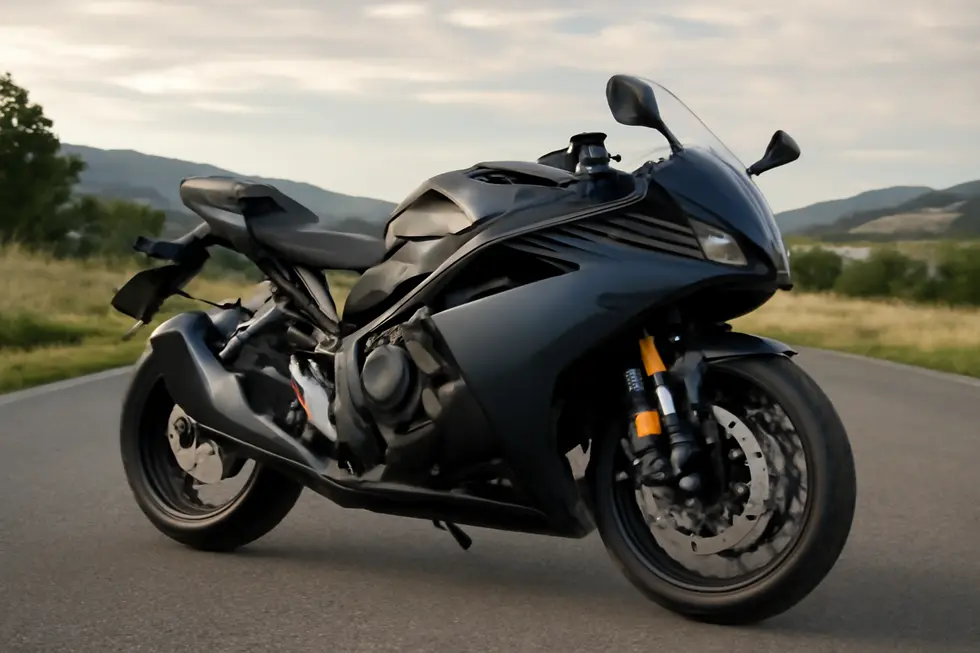
1. Enhancing Motorcycle Performance: The Aerodynamic Advantage of Side Fairings
Motorcycle side fairings are more than mere aesthetic enhancements; they serve as pivotal components that significantly boost both aerodynamics and performance. One of their primary functions is drag reduction, which is realized through the seamless enclosure of the engine and frame. By streamlining the bike’s profile, side fairings effectively minimize air resistance, commonly known as drag. This improved aerodynamics yields several benefits: it enhances engine efficiency, accelerates response times, increases top speeds, and can even improve fuel economy. The direct correlation between reduced drag and engine performance highlights the importance of fairing design in high-speed environments.
Aside from drag reduction, the design of motorcycle side fairings plays an integral role in improving stability. As air flows over a well-fared motorcycle, the smooth contours create laminar airflow, which reduces turbulence—a major contributor to instability during swift maneuvers or in gusty conditions. This means that riders experience greater control over their bikes, as side fairings channel airflow more harmoniously along the motorcycle’s body, lessening the adverse effects of crosswinds and minimizing buffeting that could otherwise disturb a rider’s balance.
Contemporary side fairings often utilize high-quality materials such as lightweight carbon fiber and robust plastics that not only contribute to lower overall weight but also offer enhanced durability. These materials ensure that fairings resist wear while maximizing aerodynamic performance. Consequently, the integration of these advanced materials combined with thoughtful engineering leads to significant performance advantages across various riding scenarios.
In conclusion, motorcycle side fairings are a critical design element not just for improving the bike’s visual appeal but for optimizing aerodynamic efficiency and ensuring rider stability—factors that are essential for elevating the overall riding experience. For additional insights and options on fairings tailored to different motorcycle models, be sure to explore further resources at Summit Fairings.
2. Engineering Excellence: The Contribution of Material Science and Design to Motorcycle Aerodynamics
Motorcycle side fairings embody a blend of art and science aimed at optimizing aerodynamic performance and enhancing the riding experience. These sophisticated body panels not only reduce drag but also improve stability and comfort for the rider. At the heart of these benefits lies the pivotal role of materials and engineering innovations that allow these fairings to perform at their best.
Materials play a fundamental role in determining the effectiveness of side fairings. Carbon fiber, for example, is celebrated for its incredible strength-to-weight ratio. This characteristic is critical in high-performance applications where every ounce counts. Using carbon fiber not only reduces the overall weight of the motorcycle, thus enhancing acceleration and handling, but also ensures durability against the rigors of the road and weather. Conversely, fiberglass offers a more economical alternative, providing a balance between cost and performance durability. High-strength plastics like ABS further complement these materials, offering flexibility and ease of manufacture, ensuring that fairings can be produced with precision.
Engineering advancements significantly augment the capabilities of side fairings. Aerodynamic shaping is a fundamental aspect of their design, allowing air to move smoothly around the bike, thereby minimizing turbulence. Techniques like the integration of downwash ducts facilitate better airflow management, effectively generating downforce which enhances grip and stability during high-speed turns. Similarly, the inclusion of winglets contributes to improved handling by reducing load shifts that could destabilize the motorcycle when cornering.
Modern fairings may also feature vents and adjustable components that not only promote enhanced aerodynamics but improve engine cooling as well. These advancements ensure that the motorcycle maintains optimal performance during long rides or competitive scenarios. Additionally, fairings contribute to the structural integrity of the motorcycle, adding to the overall chassis rigidity and rider safety.
In conclusion, motorcycle side fairings represent a crucial convergence of material science and engineering prowess, culminating in enhanced aerodynamics, optimized stability, and a dramatic increase in rider performance. For enthusiasts seeking to customize or enhance their motorcycles, understanding how these components synergize can lead to informed decisions about modifications. Explore the intricacies of motorcycle fairings and discover options tailored for your needs at Summit Fairings.
Chapter 2: Mastering the Craft of Motorcycle Side Fairing Installation
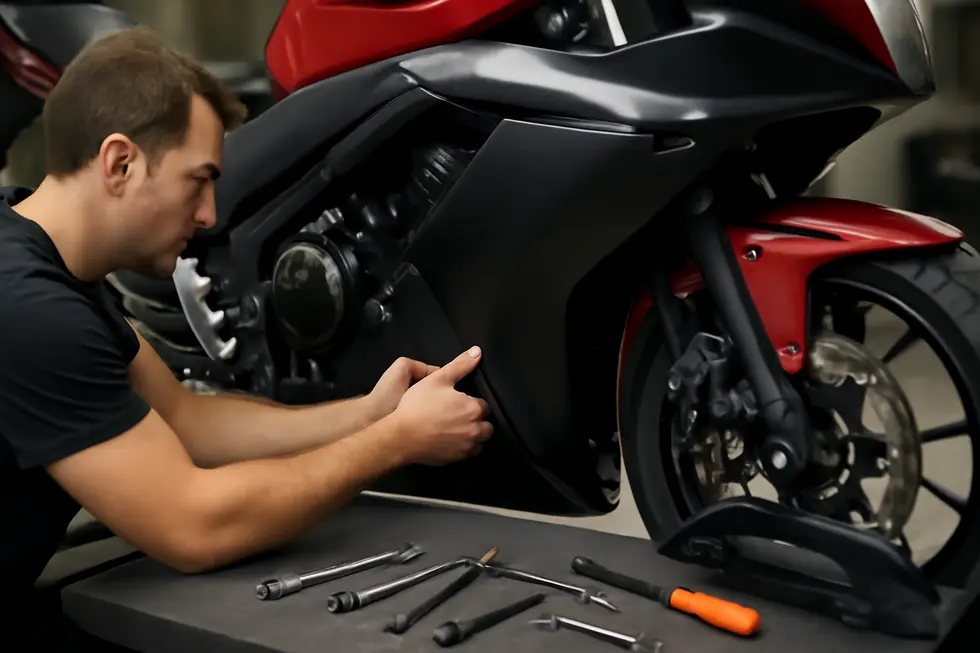
1. Essential Techniques for Seamless Motorcycle Side Fairing Installation
Installing motorcycle side fairings is not just about aesthetics; it’s essential for performance and rider comfort. To achieve a successful installation, one must embrace a meticulous approach that emphasizes preparation, precision, and safety. Start by setting up your workspace on a stable, flat surface. Using a central racing stand enhances stability, allowing you to easily access all mounting points. If necessary, remove the seat and any other parts that could obstruct the installation process.
Before diving into the actual installation, dedicate time to thoroughly read the vehicle-specific installation guide. This preparation is fundamental for identifying which panels need removal and understanding the tools required, such as Allen or Torx wrenches. The right tools are paramount; using the correct size will prevent issues like stripped screws. Begin each installation by hand-threading the screws to ensure they align correctly, then tighten them just enough to avoid putting stress on the fairings, which can lead to cracks.
Alignment is another critical aspect, requiring you to ensure that fairings fit snugly into their mounts without forcing them into place. Proper alignment not only preserves the fairing’s aesthetics but also optimizes aerodynamic performance. Protective measures are vital too; handle all components carefully to avoid scratches or other damages during the process.
Utilizing the provided hardware, including screws and spacers, is essential to distribute load evenly and mitigate vibration risks. Cleaning the mounting surfaces beforehand enhances adhesion for any adhesives or accessories you plan to incorporate. Moreover, consider environmental factors; choosing UV-resistant materials will help maintain the fairing’s appearance over time.
Lastly, remember to prioritize safety by disconnecting the battery negative terminal while working near electrical components and keeping a fire extinguisher on hand when handling fuel lines. To ensure the best fit, test all components loosely before final tightening; this iterative approach mitigates potential warping and ensures a polished final product. For detailed model-specific installation guidelines, consult manufacturer PDFs or specialized video tutorials to further hone your installation skills.
2. Navigating Compatibility Essentials for Smoother Installation of Motorcycle Side Fairings
When it comes to the installation of motorcycle side fairings, compatibility is paramount. These body panels are specifically molded for different motorcycle models and production years, reflecting unique contours and mounting points designed for a precise fit. This model-specific approach not only enhances aesthetic appeal but also ensures proper aerodynamics and performance on the road.
Fitment precision is crucial. If the side fairing does not align perfectly with existing mounting points, riders can encounter gaps that lead to vibrations and potential stress damage. Maintaining an exact match with the motorcycle’s frame allows for straightforward bolt-on installation, preserving both the original design integrity and the aerodynamic advantages that fairings provide.
Material choice plays a significant role in compatibility as well. Most fairings are crafted from high-grade ABS plastic or fiberglass, materials recognized for their resilience against UV damage and road debris. This durability ensures that the fairings can withstand diverse weather conditions while delivering optimal performance over time. Riders should also be aware of the necessity for integrated features like speakers or lighting systems that often accompany certain fairing styles; these components must be compatible with the motorcycle’s electrical systems. Fortunately, many aftermarket kits offer plug-and-play solutions that simplify the wiring process.
Furthermore, accessory compatibility can’t be overlooked. Some fairings may require additional mounting kits, windshields, or trim pieces, which are sold separately. It’s essential to confirm that these accessories will work harmoniously with both the fairing and the motorcycle model to guarantee proper function and installation ease.
Finally, safety and legal compliance should never be compromised. Installation manuals typically include necessary checks to ensure that the fairing does not obstruct motorcycle controls or diverge from local regulations.
By adhering to these compatibility guidelines and verifying that the fairing kit is specifically designed for the motorcycle model in question, riders can secure a flawless fit and enjoy the long-term benefits of enhanced performance and aesthetics. For detailed compatibility information and guidance, manufacturers’ resources and installation manuals provide invaluable support.
Final thoughts
Motorcycle side fairings are essential for any business striving to enhance both aesthetics and performance for their clients’ bikes. Understanding the aerodynamic advantages and the critical aspects of proper installation and compatibility allows motorcycle business owners to serve their customers better. Investing in high-quality side fairings and offering installation guidance can significantly impact rider safety and satisfaction, thus solidifying a company’s reputation in the competitive motorcycle market.
Ready to elevate your ride? Summit Fairings delivers premium, custom-fit fairings that blend style and durability. Whether you’re chasing speed or turning heads, we’ve got your bike covered. Don’t wait—transform your machine today. Click, customize, and ride with confidence. Your perfect fairing is just a few clicks away. Act now!
About us
undefined