
Introduction
Motorcycle side fairings are not merely aesthetic enhancements; they play a critical role in improving performance, protecting vital engine components, and altering the aerodynamic profile. As business owners in the motorcycle industry, understanding the significance of these external panels can influence product offerings and customer satisfaction. This article explores the aerodynamic benefits and performance attributes of side fairings, examines the materials and manufacturing processes that determine their quality, and delves into the market dynamics, pricing structures, and economic viability of investing in side fairings.
Tables of Contents
Chapter 1: Unleashing the Power of Motorcycles: The Aerodynamic Advantage of Side Fairings
- Streamlining Performance: The Integral Role of Side Fairings in Aerodynamics
- Enhancing Efficiency and Comfort: The Dual Benefits of Side Fairings
- Material Innovations and Design Enhancements in Motorcycle Side Fairings
Chapter 2: Exploring Material Innovations in Motorcycle Side Fairings
- Diverse Materials Used in Motorcycle Side Fairings: Characteristics and Functionalities
- Crafting Motorcycle Side Fairings: Advanced Techniques and Material Precision
- Balancing Cost and Quality: Economic and Performance Dynamics in Motorcycle Side Fairings Manufacturing
Chapter 3: Navigating the Economic Landscape of Motorcycle Side Fairings
- Unveiling Market Dynamics and Growth Trends for Motorcycle Side Fairings
- Tariffs: A Barrier to Growth in the Motorcycle Side Fairings Industry
- Innovative Frontiers: How Technology Shapes Motorcycle Side Fairings
Chapter 1: Unleashing the Power of Motorcycles: The Aerodynamic Advantage of Side Fairings
1. Streamlining Performance: The Integral Role of Side Fairings in Aerodynamics
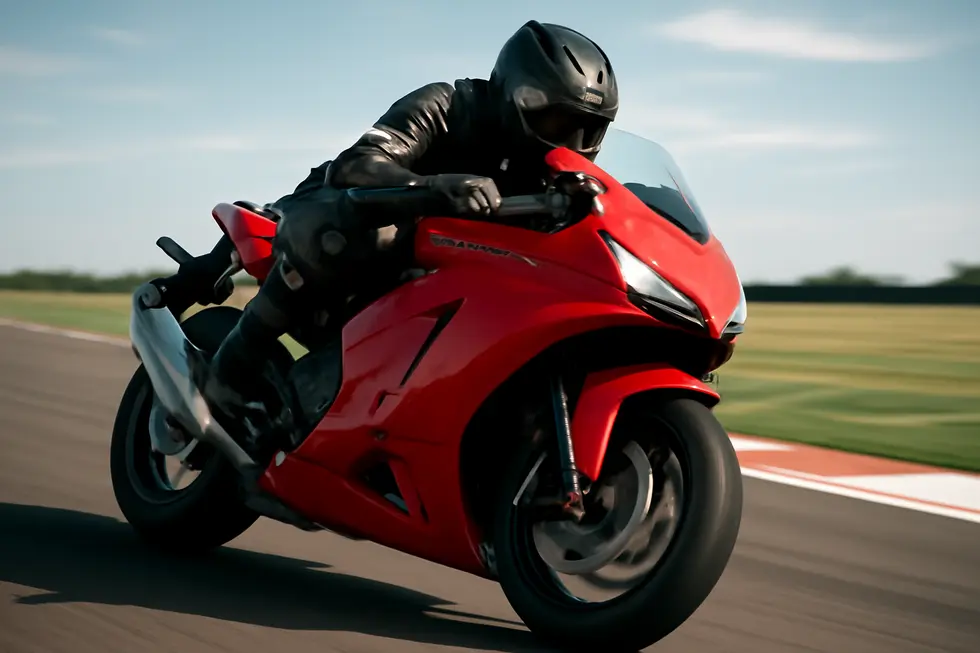
Motorcycle side fairings are more than just aesthetic enhancements; they are vital for improving aerodynamics, reducing drag, and ensuring rider stability. By effectively channeling airflow, they can reduce drag coefficients by up to 30% compared to naked motorcycle designs, allowing for improved speed with less engine strain. This streamlined shape not only contributes to enhanced performance but also increases fuel efficiency by approximately 5-10%, making long rides more economical.
Additionally, side fairings mitigate wind turbulence, promoting better stability at high speeds, especially while cornering. Constructed from lightweight materials such as carbon fiber, these fairings ensure that bikes maintain speed without unnecessary weight. Some models even incorporate adjustable elements to further fine-tune aerodynamic efficiency based on varying conditions. As a result, riders can experience greater control and confidence, highlighting the essential role of side fairings in achieving optimal motorcycle performance. For a deeper insight into available options, explore a wide range of motorcycle fairings.
2. Enhancing Efficiency and Comfort: The Dual Benefits of Side Fairings
Motorcycle side fairings are integral not just for aerodynamic efficiency but also for rider comfort, impacting overall performance significantly. By streamlining airflow, they markedly reduce drag, thereby improving fuel efficiency. This effect is especially evident at highway speeds, where smooth air flow means the engine expends less energy, leading to impressive mileage gains during long rides. Furthermore, these fairings enhance rider comfort by diverting wind away from the lower body and legs, cutting down on fatigue. A stabilized airflow means better bike control, allowing for confident cornering and acceleration, while minimizing wind noise contributes to a more pleasant ride. Additionally, side fairings serve as essential protectors for vital engine components from environmental hazards. Thus, the right fairings not only enhance aerodynamics and fuel economy but also bolster rider endurance, merging safety with a more enjoyable riding experience, proving their worth for both daily commuting and epic journeys.
3. Material Innovations and Design Enhancements in Motorcycle Side Fairings
Motorcycle side fairings are not only integral for aesthetics but fundamentally enhance aerodynamics and performance. They significantly reduce drag, leading to improved acceleration, higher top speeds, and greater fuel efficiency. By redirecting airflow around the bike, side fairings also mitigate wind fatigue on the rider during extended high-speed journeys.
Recent advancements focus on lightweight yet durable materials like carbon fiber and high-strength plastics such as ABS. These innovations provide remarkable strength-to-weight ratios, key for performance-focused riders. Additionally, the design tuning of side fairings now prioritizes features like integrated vents for improved engine cooling and aerodynamic shapes that stabilize handling at speed. For instance, the 2025 Ducati Panigale V4S utilizes strategically shaped side fairings that enhance air flow management, leading to lower engine temperatures and improved rider confidence. Such developments ensure that these components fulfill their essential duties while appealing to modern performance demands.
Chapter 2: Exploring Material Innovations in Motorcycle Side Fairings
1. Diverse Materials Used in Motorcycle Side Fairings: Characteristics and Functionalities
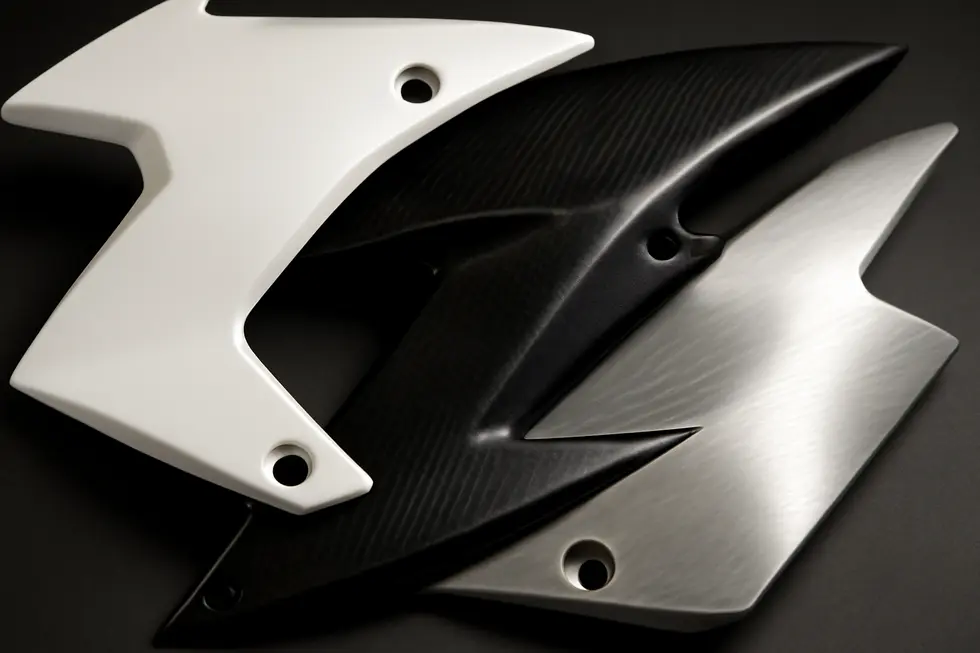
Motorcycle side fairings are crafted from a variety of materials, each selected for their unique properties that enhance both functionality and aesthetic appeal. ABS plastic is a predominant material, known for its durability and flexibility, making it cost-effective for mass production. This makes it ideal for everyday motorcycling, offering ease of customization with paint and decals. Fiberglass, on the other hand, provides a lightweight solution that excels in precision shaping, crucial for aerodynamics in aftermarket ventures. For high-performance machines, carbon fiber reigns supreme, celebrated for its exceptional strength-to-weight ratio, enhancing both speed and durability while appealing visually.
In racing scenarios, kevlar-carbon composites become essential as they merge the toughness of Kevlar with the rigidity of carbon fiber, delivering unmatched impact resistance. Occasionally, metal options like aluminum are chosen for their strength in structural components, yet they add weight. Manufacturers navigate these varied materials to optimize the balance between performance, durability, and cost, catering to diverse riding experiences. To explore an array of side fairings suited for your motorcycle, visit Summit Fairings for comprehensive options.
2. Crafting Motorcycle Side Fairings: Advanced Techniques and Material Precision
The production of motorcycle side fairings is a sophisticated process that combines cutting-edge technology and high-quality materials to achieve superior performance and aesthetics. At the heart of this process is injection molding, a method that utilizes Computer-Aided Design (CAD) and mold flow analysis to create intricate molds characterized by their complex curves and precise dimensions. The integration of advanced polymers, including ABS and carbon fiber composites, ensures that the fairings possess the necessary impact resistance and mechanical strength, essential for varying riding conditions.
Once the molds are crafted, molten plastic is injected into them, forming the basic shape of the fairings. This step is followed by meticulous post-molding finishing, where excess material is trimmed, surfaces sanded, and preparations made for final coatings. The painting process itself is multi-layered, enhancing durability and aesthetic appeal, transforming functional components into eye-catching elements of motorcycle design. For manufacturers seeking to push boundaries, technologies such as hydroforming and automated coating lines are utilized, further exemplifying the commitment to quality and visual appeal in motorcycle side fairings.
3. Balancing Cost and Quality: Economic and Performance Dynamics in Motorcycle Side Fairings Manufacturing
The economic and performance dynamics of manufacturing motorcycle side fairings hinge on a delicate balance between material selection, manufacturing processes, and cost management. The choice of materials—ranging from fiberglass for its cost-effectiveness and moderate weight, to high-performance carbon fiber which offers an unparalleled strength-to-weight ratio—directly influences both product pricing and performance characteristics.
Meticulous mold design and manufacturing processes are essential, employing advanced modeling techniques that minimize defects during production. Efficient designs can significantly cut down on costs while ensuring durability and aesthetic quality. Common techniques, such as injection molding for plastics and prepreg lamination for composites, offer varying challenges and benefits, shaping the final characteristics of the fairings.
Moreover, considerations like weather resistance and surface finish are vital for ensuring that fairings not only perform optimally but also maintain their appearance over time. The integration of UV stabilizers in plastics and high-quality coatings for composites ensures longevity, making the manufacturing choices pivotal in delivering both functional and visually appealing products. For a glimpse into available motorcycle fairing options, visit Summit Fairings.
Chapter 3: Navigating the Economic Landscape of Motorcycle Side Fairings
1. Unveiling Market Dynamics and Growth Trends for Motorcycle Side Fairings
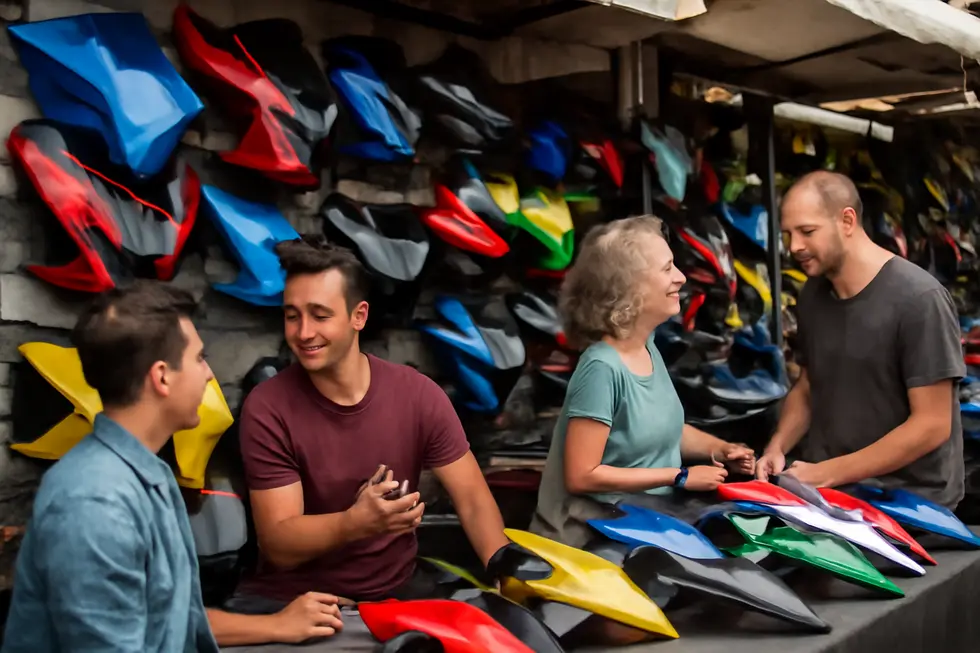
The motorcycle side fairings market is flourishing as part of the expansive two-wheeler aftermarket components sector, which is driven by an increasing rate of motorcycle ownership and a heightened demand for personalization and performance enhancement. This market is projected to grow significantly, with estimates indicating an increase from USD 33.78 billion in 2025 to USD 69 billion by 2035, reflecting a healthy CAGR of 7.4%. Alongside technological advancements, such as the introduction of innovative materials and aerodynamic designs, there’s a pronounced consumer trend towards customization. This push for unique aesthetics has spurred the demand for a variety of aftermarket fairings, encouraging manufacturers to create distinct options. Regions like Asia-Pacific are particularly showing rapid growth due to a high penetration of two-wheelers, making fairing upgrades increasingly common. Additionally, the competition between OEM and aftermarket options results in a thriving marketplace, with the latter gaining traction thanks to the various choices available to riders, thus underscoring the importance of quality and customization in this sector. Explore more about the diverse offerings in motorcycle fairings here.
2. Tariffs: A Barrier to Growth in the Motorcycle Side Fairings Industry
The motorcycle side fairings market is notably affected by tariffs, which have created significant economic challenges. Increasing tariffs on imported steel and aluminum have escalated production costs for manufacturers. For instance, tariffs on motorcycles have surged from 2.5% to 25%, while foreign steel components face as much as a 50% levy. These increases can result in a motorcycle’s retail price jumping from $10,000 to as high as $14,000, thereby discouraging consumer purchases.
Moreover, retaliatory tariffs hamper the ability of U.S. manufacturers to compete in global markets. This economic tension limits export opportunities and complicates supply chains, contributing to a reduced market and potential job losses. As manufacturers adjust by potentially relocating production or altering business strategies, the overall economic health of the motorcycle side fairings market is jeopardized. This complex interplay of tariffs emphasizes the need for strategic navigation in a dynamically shifting landscape.
3. Innovative Frontiers: How Technology Shapes Motorcycle Side Fairings
Technological advancements are fundamentally transforming the motorcycle side fairing market. Innovations in material science have introduced advanced lightweight options such as high-grade ABS plastics and carbon fiber, which not only enhance durability but also significantly reduce maintenance costs. This fuels consumer interest, especially among performance-oriented riders seeking the best in protection and efficiency. Furthermore, the integration of smart technology into fairings has opened new avenues. Features like built-in audio systems and advanced ride tech turn fairings into multifunctional assets, increasing their value and attracting a broader market. Customization trends, emphasizing personal style and brand identity, are thriving as manufacturers cater to unique consumer preferences. The growth of the aftermarket sector is further supported by the increasing longevity of motorcycles, with fairings playing a key role in aesthetic and functional upgrades. As new safety regulations emerge, manufacturers are innovating to incorporate safety features that comply with evolving standards, establishing a robust economic framework for future growth in the sector.
Final thoughts
Understanding the multifaceted benefits of motorcycle side fairings allows business owners to make informed decisions about product offerings and marketing strategies. With the ability to enhance performance through improved aerodynamics and the market potential of varied materials, side fairings stand as critical components in the motorcycle industry. By diligently considering these aspects, businesses can better cater to customer needs, ultimately expanding their reach and increasing profitability.
Ready to elevate your ride? Summit Fairings delivers premium, custom-fit fairings that blend style and durability. Whether you’re chasing speed or turning heads, we’ve got your bike covered. Don’t wait—transform your machine today. Click, customize, and ride with confidence. Your perfect fairing is just a few clicks away. Act now!
About us
undefined