
Motorcycle stereo fairings are revolutionizing the riding experience by merging superior audio systems seamlessly into the bike’s design. These specialized components not only enhance sound quality but also maintain the motorcycle’s aesthetic appeal. As more riders seek the thrill of combining music with the open road, understanding the ins and outs of motorcycle stereo fairings becomes vital for businesses in the motorcycle aftermarket industry. Each chapter in this article will explore pivotal aspects, from the design and function of fairings to future market trends, offering a holistic view that can guide business strategies.
Sound in the Wind: Integrated Aesthetics and Practicality in Motorcycle Stereo Fairings
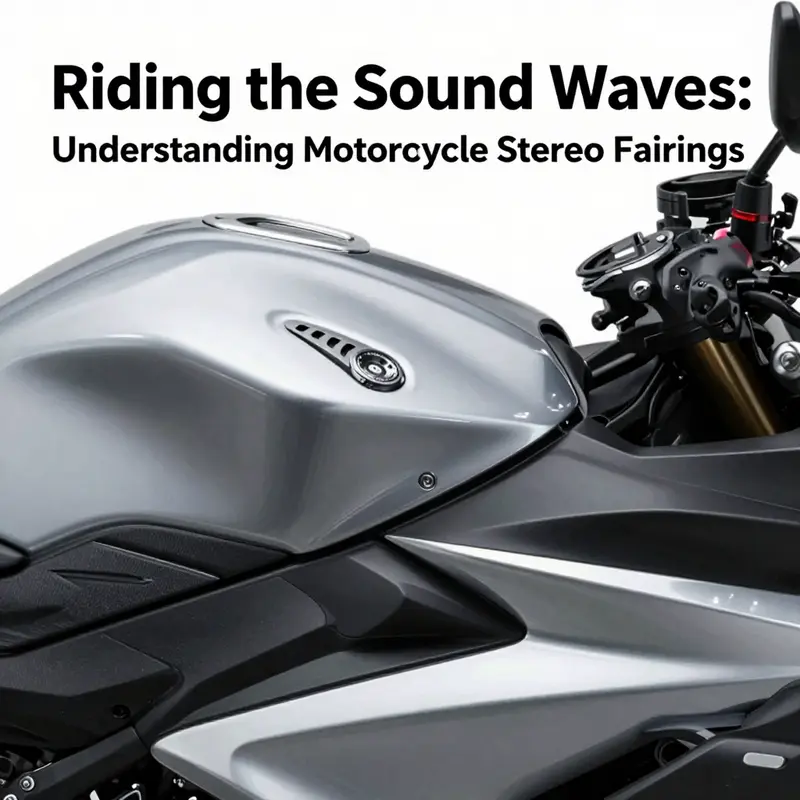
A motorcycle stereo fairing is more than a housing for speakers and a radio. It is a carefully engineered fusion of form and function, where sound quality must coexist with aerodynamics, weatherproofing, and the rider’s comfort. When a fairing is designed to carry an audio system, every curve, contour, and seam is evaluated for how it affects wind flow, heat management, and even the cadence of the ride itself. A well-executed design does not shout; it whispers through the bike’s lines, turning the rider’s desire for music into a seamless road experience rather than a collection of visible gadgets. On a representative mid-size sport-tourer, the goal is to create a single, coherent silhouette—one that reduces turbulence and buffeting, while providing an integrated stage for sound that remains centered around rider safety and visibility. In this context, the fairing becomes a performance component, not a cosmetic add-on, and its design philosophy is best understood as a balance between air pressure management, structural integrity, and the human need for a clear, distraction-free auditory environment.
The aerodynamic profile of a high-quality stereo fairing is foundational. A streamlined shape minimizes the drag that usually accompanies a rider’s forward posture, especially at highway speeds where wind pressure can cause fatigue and impede precise handling. The curvature is tuned to channel air smoothly around the rider and the cockpit, reducing wake and the flutter that can impact mirrors, gauges, and even helmet stability. This emphasis on airflow is not about chasing speed so much as about maintaining control and comfort over long distances. To achieve this, designers select materials and construction techniques that deliver both rigidity and lightness. Durable, weather-resistant materials—ranging from reinforced composites to impact-modified plastics—are formed with precision, ensuring a seamless fit with the bike’s backbone. The fabrication process often involves careful alignment of mounting points with the chassis to preserve the bike’s original geometry while accommodating the added height and width of the fairing. The result is a visual continuity that preserves the bike’s intended character while enhancing its on-road presence.
Beyond the outer shell, the interior of a stereo fairing is engineered for practical performance. In a thoughtful design, vent trims, gauge faceplates, and air ducts are integrated to contribute to engine cooling and instrument readability. Air ducts can direct cool air toward the engine bay or away from the rider’s knees, depending on the bike’s cooling layout and rider ergonomics. These features can alleviate heat buildup during extended climbs or heavy traffic, supporting long-term reliability in climates where temperatures rise quickly. The gauge layout, meanwhile, is chosen to minimize glare and ensure legibility in varying light conditions, which is essential when audio cues intersect with the rider’s situational awareness. The combination of venting, air management, and instrument visibility makes the fairing a functional hub rather than a simple shell around the cockpit.
Material choice underpins both the durability and the tactile feel of the system. High-grade materials resist environmental exposure, resist road debris, and maintain structural integrity in a range of weather scenarios. Some models lean toward fiberglass-reinforced composites for their balance of strength and weight, while others opt for polycarbonate or ABS blends that offer excellent impact resistance and weatherproof seals. The finishes applied to these materials carry more than cosmetic value; they contribute to the long-term resistance to UV exposure, chemical stains from road salt or fuel splashes, and the rigidity needed to keep audio components aligned with the fairing’s mounting. A coating that holds color consistently along the sweep of the bike’s body helps maintain a cohesive aesthetic that blends with the surrounding bike finishes, from matte to gloss to a deep, uniform shade. The visual continuity is intentional: the rider experiences a stage-like setup where the stereo system appears as an integrated extension of the bike’s personality rather than an aftermarket intrusion.
The functional benefits extend well beyond aesthetics. When a fairing is properly integrated, the reduction in wind buffeting translates to more stable steering, less rider fatigue, and greater overall comfort on long rides. Some riders report a more relaxed highway ride because the wind pressure near the chest and shoulders is redistributed, making it easier to maintain a steady posture. In terms of efficiency, smoother airflow around the body can contribute to slightly improved fuel economy under certain conditions, particularly at steady highway speeds where drag is a significant factor. While the gains may be modest, they are real and cumulative across many miles of riding. This is not to suggest that the fairing is a magic wand for efficiency, but rather that its aerodynamics complement other performance-oriented upgrades, such as a clean exhaust path and optimized chassis geometry.
A critical axis of the design is customization. Owners often want to harmonize the fairing with their bike’s paint scheme and overall styling language. Finishes range from deep, monochrome tones to vibrant color options, with surface treatments designed to resist chafing and fading from sun exposure. The ability to fine-tune color, texture, and gloss level makes it possible to achieve a cohesive look that ties the entire motorcycle together—from the windscreen surround to the lower fairings and the tank cover. This customization is not purely cosmetic; it reinforces brand uniformity across accessories and ensures that the stereo system does not look like a separate module, but rather part of a singular, intentional design philosophy. The integration of color and texture helps to maintain the bike’s perceived value and to support the rider’s preference for a particular style—whether that style is stealthy and understated or bold and expressive—without sacrificing the fairing’s structural and aerodynamic duties.
From a practical standpoint, installation and compatibility are among the most important design considerations. A well-made fairing kit is intended to fit with the bike’s existing structure with minimal or no permanent modifications. This approach protects the bike’s factory integrity and maintains serviceability, should the owner choose to revert or replace components in the future. The mounting system typically reuses stock attachment points and harness routes, reducing the risk of misalignment or interference with factory electronics. This ease of installation lowers the barrier for enthusiasts who want to upgrade their ride without altering warranties or compromising safety. The lack of permanent modifications also supports a cleaner resale value, since the fairing can be removed when necessary with little trace of its presence. The practical emphasis—even in a system designed to deliver premium sound—is on retaining the bike’s reliability while expanding its capabilities.
The fairing ecosystem is not a solitary island; it is part of a broader accessory and upgrade landscape. For riders who want a truly cohesive upgrade, fairings are often paired with complementary components such as redesigned mirrors, seats tuned for rider comfort, and even exhaust systems that balance performance, acoustics, and weight distribution. When evaluated as a system, the stereo fairing contributes to an integrated look and feel that is greater than the sum of its parts. The rider experiences a coordinated environment where the wind, the engine, the instruments, and the music all contribute to a unified sense of motion. In this context, the fairing’s design goes beyond shaping the outer contour to shaping the rider’s entire on-bike experience.
For readers who want to explore proven styling and compatibility options across a broad range of bikes, the Honda fairings collection on Summit Fairings offers a curated spectrum of assemblies designed to integrate with sport and touring machines while maintaining a consistent aesthetic language. This resource helps riders imagine how a stereo-enabled fairing might align with their bike’s silhouette and color story, reinforcing the idea that audio integration should feel like a natural extension of the bike’s identity rather than a retrofit. The journey from concept to on-bike reality is as much about fit and finish as it is about sound quality, and the best designs acknowledge both ends of that spectrum.
The design conversation does not stop at form. It extends into the engineering choices that ensure the audio system remains reliable under the road’s inevitable shocks and vibrations. Proper mounting isolation, weatherproof connectors, and sealed enclosures protect sensitive electronics from moisture and temperature swings. The wiring harness is routed with care, using protective channels and grommets to prevent chafing and short circuits while preserving a clean, uncluttered cockpit. In a well-thought-out setup, the audio circuitry shares a power source with the bike’s electrical system, with safeguards to prevent interference with ignition and lighting circuits. The result is a stable audio experience that remains consistently high-quality regardless of weather conditions or ride duration.
As riders contemplate the next step in their machine’s evolution, the design and functionality of a stereo fairing offer a compelling argument for integrating audio into the bike’s architecture rather than tacking it on as an afterthought. A fairing that is meticulously engineered to balance aerodynamics, structure, and acoustics provides a platform where music enhances concentration, mood, and momentum rather than distracting from them. The best fairings feel invisible when they work flawlessly, yet their impact is unmistakable in smoother rides, easier handling, and a more immersive on-road rhythm. This is the essence of a well-made stereo fairing: a component that respects the rider’s need for quiet at speed when desired and active sound when it adds value, all within a design language that honors the bike’s original lines and the rider’s personal expression.
External resource: https://www.motomodz.com/collections/honda-cb1300-fairings
Sound in the Shell: Crafting Integrated Audio Solutions for Motorcycle Fairings
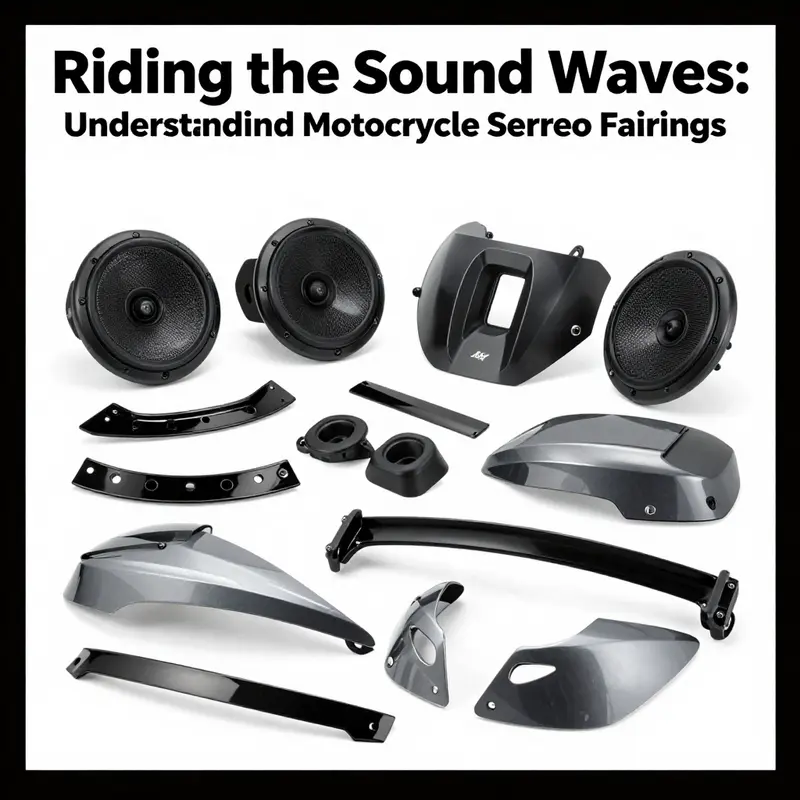
When riders seek music on the move, the motorcycle fairing becomes more than a protective shell. It is a three-dimensional canvas for an audio experience that blends function, form, and weather resistance. The dream of a seamless, built-in stereo system is less about a gadget and more about a holistic approach to how a bike sounds and feels at speed. In this realm, aftermarket enhancements for stereo fairings are less a collection of add-ons and more a discipline that marries aerodynamic considerations with acoustic science, electrical engineering, and durable fabrication. The result is an integrated system that preserves the clean lines of the bike while delivering reliable, road-worthy sound under a wide range of conditions. This harmony between sound and structure is the centerpiece of modern aftermarket design for motorcycle fairings, where every element—from enclosure geometry to mounting strategy—plays a decisive role in the rider’s auditory landscape.
The guiding principle behind these enhancements rests on a simple truth: the fairing is the natural home for an audio system only if it can bear the load of vibration, wind blast, and moisture without compromising performance. A fairing does more than deflect wind; it channels forces, influences cooling, and provides mounting surfaces that must stay stable under harsh riding conditions. Any attempt to retrofit audio must respect these constraints. That means choosing materials with the right balance of stiffness and damping, shaping enclosures to minimize rattles and resonance, and devising mounting systems that absorb vibration rather than transmit it to the speaker cones or the rider’s ears. In practice, the answer often lies in a layered approach: a rigid, weatherproof shell houses the electronics, while decoupling strategies—such as mounting brackets that isolate the enclosure from peak vibration paths—keep the sound clean and consistent at road speeds.
From a material standpoint, the evolution of stereo fairings has tracked advances in composites and plastics. Hand-laid or pre-mentered fiberglass, reinforced with modern polymers, offers a combination of strength and tunable density that suits enclosure design well. ABS and polycarbonate blends provide weather resistance and impact resilience, essential for keeping electronic modules protected from rain, road spray, and UV exposure. The enclosure itself is not a single box but a carefully tuned cavity whose volume, internal baffles, and porting are chosen to suit the speaker geometry and the intended listening environment. In many builds, the goal is to achieve a balance between loudness and clarity, ensuring that bass remains tight without overwhelming midrange and treble, particularly when the bike is in motion and wind noise competes with the audio signal.
The practical challenge, however, extends beyond the enclosure. Integrating a stereo system into a fairing requires meticulous routing of power, ground, and signal lines. The electrical system of a touring or adventure-focused machine already carries a battery of accessories, so the integration must account for alternator output, voltage regulation, and the risk of electrical interference. A thoughtful approach often involves dedicated power rails, properly rated fuses, and shielded harnesses to minimize noise coupling into the audio signal. Weather sealing becomes a non-negotiable requirement, with gaskets, IP-rated connectors, and sealed harness conduits that keep moisture at bay while allowing for safe flexing as the fairing flexes with wind pressure and road texture.
Aesthetics, too, have a strong say in how these systems are designed and perceived. The modern retrofit seeks to preserve or even enhance the bike’s visual language. A clean, low-profile appearance is as important as loudness, because a fairing that looks retrofit can undermine the sense of purpose and craftsmanship that attracted riders to the bike in the first place. In many cases, designers pursue a stealthy appearance—where the audio hardware sits flush against the fairing or behind subtle, color-matched panels—so the system reads as a natural extension of the bike rather than an afterthought. That aesthetic drive is often reinforced by options that echo other factory cues, such as blacked-out trim, smooth front profiles, and discreet mounting points that minimize visible hardware. The goal is a cohesive silhouette in which music is part of the bike’s character, yet never competes with its shape for attention.
Beyond the materials and mechanics, the acoustic design of a fairing-mounted system relies on careful speaker enclosure geometry. The enclosure is rarely a simple air chamber; it is a tuned environment engineered to manage bass response while preserving clarity in the midrange and highs. When mounted in a fairing, speakers contend with a wind-driven environment and the rider’s own helmet noise. Engineers address this by shaping the enclosure to create controlled resonance and by incorporating internal damping materials that absorb unwanted vibrations. The result is an audio signal that remains intelligible at highway speeds, with frequency balance that suits speech and music alike. Some installations even experiment with integrated enclosures that extend behind the fairing surface, using the cavity’s natural acoustics to augment perceived bass without requiring excessive physical speaker size. Such design choices illustrate how stereo fairings can deliver surprisingly rich audio without resorting to oversized hardware that would disrupt aerodynamics or weight distribution.
The retrofit ecosystem offers a spectrum of integration strategies. On one end, you find lower fairing speaker pods that provide targeted sound where it is most needed while preserving the original fairing’s shape. These pods are designed for compatibility with common fairing architectures and are often molded to follow the bike’s lines, so they blend with the chassis rather than protrude into the wind. On the other end, a complete fairing modification or a purpose-built aftermarket fairing can cradle a stereo module and two or more speakers in a geometry that mirrors factory designs. In both cases, the emphasis is on secure mounting, weather resistance, and ease of maintenance. The modularity inherent in many aftermarket options allows riders to upgrade incrementally, starting with pod-based sound and progressing toward a fully integrated system that aligns with the bike’s electrical architecture and aesthetic vocabulary.
Of course, any upgrade has to respect model-specific compatibility. The diversity of chassis designs, fairing shapes, and mounting points means a one-size-fits-all solution rarely delivers optimal performance. This is where consumer education and careful product matching come into play. Prospective buyers are advised to consult specialty retailers who understand the nuances of different fairing families and their mounting redundancies. Technical forums, where riders share real-world installation experiences, can also illuminate the practicalities of adding audio to a given model. The aim is not simply to install speakers but to create a reliable, long-term installation that remains serviceable after weather events, routine maintenance, and miles of riding. For readers who own a specific model, it is useful to examine compatible accessories that are designed with those fairings in mind, as compatibility reduces the risk of rattles and misalignment that can degrade sound quality over time. In practice, this means looking for accessory kits that provide purpose-built mounting hardware, sealed connectors, and code-compliant wiring diagrams that align with the bike’s original electrical system. A careful match between fairing geometry, enclosure volume, and mounting strategy yields superior results compared with generic components slapped into place.
Riders often pursue additional refinements to create a complete, cohesive onboard experience. Some enhancements extend beyond the audio to include practical touches like integrated cup holders or small storage solutions that work in harmony with the sound system rather than in isolation. When such features are well integrated, the overall user experience improves, offering convenience without clutter. In this broader context, the fairing becomes a modular platform capable of supporting audio, storage, and comfort features without compromising its structural integrity or aerodynamic performance. The sense of unity that emerges from such design work is what makes aftermarket stereo enhancements feel less like upgrades and more like natural extensions of the bike’s original intention.
Aesthetics and performance find their intersection most vividly when color, trim, and texture are coordinated with the audio system. A factory-esque upgrade that includes matching windshield trim or other trim accents can help complete a cohesive, almost bespoke appearance. These elements—carefully selected to echo the bike’s overall style—can transform a retrofit into a deliberate design statement. When approached with restraint, such enhancements reinforce the bike’s personality rather than distract from it. In this way, the audio system becomes part of the machine’s narrative, reinforcing a rider’s sense of identity and purpose as they ride. The fusion of sound, form, and function is not about loudness alone; it is about a listening experience that respects the rider’s environment, the bike’s geometry, and the terrain ahead.
To readers who are navigating this space, the most reliable path is to engage with the broader aftermarket ecosystem thoughtfully. Begin with a clear understanding of what you want the listening environment to be: the balance between loudness, clarity, and the fidelity of mid-range and treble, all while keeping wind noise in perspective. Then consider how the fairing’s natural geometry will influence enclosure design and speaker placement. A well-planned installation minimizes visible hardware, preserves the bike’s lines, and ensures that the music accompanies the ride rather than dominating attention. When done well, the result is an integrated stereo presence that feels designed from the outset rather than retrofitted. For riders exploring this journey, an accessible starting point is to browse the broader catalog of fairings that share your bike’s platform and to read about how others have addressed enclosure design, mounting strategies, and weatherproofing. This kind of exploration helps align expectations with real-world outcomes and reduces the risk of spending on components that don’t integrate cleanly with your bike’s architecture.
As the community of riders and builders continues to exchange ideas, the concept of personalized integrated audio evolves. The push toward modular systems, where the same enclosure can be adapted to different fairing shapes or used with multiple mounting schemes, reflects a broader trend in motorcycle customization: customization must be intelligent, repeatable, and maintainable. The balance between performance and reliability remains the guiding star. The best aftermarket stereo enhancements feel like they were always part of the bike, not a later addition. This sense of seamless integration—where sound, form, and function cohere—drives the ongoing conversation about what a stereo fairing should be and how it should perform. For those curious about model-specific options, one practical path is to examine how compatible aftermarket components align with particular fairing families, ensuring mounting points, enclosure volumes, and weather protection are matched to the bike’s design language. In that spirit, the path ahead is less about chasing novelty and more about pursuing harmony between the machine, the rider, and the music that accompanies the ride.
For readers seeking a concrete starting point in their search, a useful resource to explore is the Honda fairings collection, which showcases a range of fairing layouts and mounting schemes that have inspired many aftermarket solutions. This reference can help clarify how a given fairing family informs decisions about audio integration, enclosure geometry, and shielded wiring paths. Honda fairings collection provides a practical lens through which to view compatibility and design language across related models, offering a bridge between stock design intent and aftermarket adaptation. While every rider’s goals are unique, this kind of insight helps ground planning in real-world constraints and opportunities.
In closing, aftermarket enhancements for motorcycle stereo fairings represent a mature intersection of technology, design, and riding culture. They demand attention to mechanical stability, weather resilience, acoustic tuning, and aesthetic coherence. The best installations feel inevitable, as if the bike simply grew a built-in sound system from its own bones. The journey from concept to road-ready equipment is a careful one, requiring a respect for the fairing’s structural integrity, the rider’s hearing environment, and the bike’s overall balance. When those elements align, audio becomes an integral part of the ride—not merely a soundtrack but a companion that moves with the bike, shaping the experience of every mile rather than interrupting it.
In-Tune on the Move: Seamless Audio Integration Within Motorcycle Stereo Fairings

The allure of a touring bike is not simply the road ahead but the journey of sound that accompanies it. A properly integrated audio system in a motorcycle stereo fairing does more than play music; it becomes a companion that respects the rider’s attention, the bike’s form, and the weather that travels with us. When engineers design a fairing that houses speakers, amplifiers, and the wiring that powers them, they are balancing three competing priorities: performance, protection, and aesthetics. The result is a tailored environment where wind, vibration, heat, and moisture are managed rather than fought. The rider’s experience scales with the finesse of the integration. A well-placed speaker in the fairing not only projects sound into the cockpit but does so without creating a hot spot for heat-sensitive components or a snag in aerodynamics. The goal is a clean, integrated system that feels so natural you forget you are listening to a sound system at all, even as you absorb the highs, mids, and bass with the road passing beneath you.
The modern approach to integration begins with a design philosophy that treats the fairing as more than a shell and the audio hardware as more than an add-on. The fairing is a structural component, a weather barrier, and a musical conduit all at once. Because motorcycles are subjected to wind, rain, and a broad spectrum of vibration, the audio system needs a chassis that can withstand UV exposure, temperature swings, and constant motion. Materials such as hand-laid fiberglass, ABS plastic, and polycarbonate each play a role in shaping how the system handles shocks and wind blast. A fairing built to accommodate integrated audio will often feature reinforced mounting points, vibration isolation mounts, and internal channels that guide power and signal cables away from moving parts and heat sources. The result is an installation that feels almost seamless from the outside while revealing a robust, purpose-built interior when you open the fairing.
Within that interior, the signal chain matters as much as the enclosure. The head unit, if included, communicates with a purpose-designed amplifier that pushes power to multiple speakers through shielded, weatherproof harnesses. The wiring harnesses are more than just cables; they are highly engineered pathways that preserve signal integrity while resisting moisture intrusion. The harnesses use weather-sealed connectors and, where necessary, integrated fusing to protect sensitive electronics from power surges or accidental short circuits. In the riding environment, where frequencies are smeared by wind and road noise, a clean signal path is essential. Crossovers, often concealed behind the fairing panels or inside a weatherproof enclosure, divide the audio spectrum so each speaker handles a band appropriate to its location. The objective is not simply loudness but clarity across the spectrum, with highs that stay crisp without hiss, mids that remain natural, and bass that feels grounded rather than boomy.
The acoustic design itself is a careful equation of placement, enclosure volume, and driver quality. In many configurations, stage or reference-grade speakers are mounted directly into the fairing’s inner walls, where the air volume behind each driver can be tuned to optimize bass response and minimize unwanted rattles. The arrangement often includes both fairing-mounted speakers and saddlebag or backup speakers that complement the overall soundstage. The aim is to create a cohesive sound that fills the cockpit without bouncing off the rider’s helmet or becoming a spray of wind-distorted feedback. The environment inside a fairing presents no shortage of challenges: the space is compact, the mounting surfaces are curved, and the temperature can vary quickly with speed and weather. Acoustic designers respond with compact drivers, sealed enclosures, and damping materials that absorb unwanted vibration and resonance. In practice, this means a system that tolerates heat and humidity, while still delivering crisp highs and robust lower frequencies at highway speeds.
Power management is a central concern when a system is integrated into a motorcycle fairing. The audio setup draws more current than a typical listening device, so engineers must ensure that the bike’s electrical system can handle the added demand without compromising starting, lighting, or other critical electronics. This often involves a dedicated power path with its own fusing and voltage regulation, and in some cases, a separate battery or an energy management module that prevents the audio load from pulling down the bike’s primary electrical system during peak demand. The result is a reliable, plug-and-play experience that riders can upgrade or replace with minimal risk to the bike’s existing electronics. A well-designed harness harnesses power efficiently, with smart load management that keeps voltage stable even during surges or interruptions in charging. The importance of this balance becomes clearer on long rides where electronics encounter a broader range of operating conditions—from cool mountain air to sun-warmed fairings, where heat can eventually affect component longevity if not addressed.
From a rider’s perspective, the integration is true when it preserves the bike’s core identity while elevating comfort. The fairing should retain its original silhouette or its carefully crafted aftermarket form, and the audio hardware should disappear into the design—visible only when the rider wants it. That is achieved through clever attachment points, flush-to-surface mounting, and color-matched grilles. The goal is a stealthy, cohesive aesthetic that complements a blacked-out, glossy, or matte finish and aligns with other factory-style upgrade elements such as windshield trims, trim accents, or the lines that define the bike’s profile. In practice, this means choosing components and mount strategies that do not inject new shadows, rough edges, or visible fasteners into the fairing’s exterior. When executed well, the setup feels like a natural extension of the bike rather than a retrofit, a seamless conversation between machine and music rather than two separate systems arguing for attention.
The practical advantages of integrated audio extend beyond aesthetics. A fairing that houses the sound system naturally shelters delicate electronics from rain, spray, and road debris, improving durability and reducing the likelihood of weather-induced malfunctions. Integration also enables cleaner cable management, which translates to less wear on wires that would otherwise be exposed along the frame. A streamlined installation helps preserve the bike’s aerodynamics, easing maintenance, and reducing drag that could otherwise influence fuel efficiency or handling at speed. For riders who value organization and practicality, such integrations often include additional conveniences integrated into the same enclosure, such as built-in cup holders or storage solutions that harmonize with the audio system rather than interrupt it. The melding of these features into a single, cohesive unit demonstrates how a thoughtful design approach can deliver more than audio quality; it can yield tangible improvements in usability and ride experience.
To illustrate how this philosophy translates into real-world configurations, imagine a touring bike that embraces a robust four-speaker layout mounted within the fairing itself, paired with a centralized amplifier that drives both the primary drivers and supplementary speakers in the saddlebag region. The speakers are optimized for in-fairing placement, delivering a balanced soundstage that fills the cockpit without overwhelming the rider with glare or distortion. The amplifier, positioned away from heat sources yet within reach of the main power line, delivers clean, dynamic range and strong bass without taxing the engine’s electrical system. Midrange performance remains natural, avoiding the shrill edge that can creep into high-speed wind noise. When this system is paired with proper crossovers and damping materials, the overall experience becomes immersive rather than intrusive. Riders report that the sound becomes a natural part of the ride, supporting conversation when desired and enabling a private soundscape for late-night cruising without the need for portable speakers attached to handlebars or breathable pockets. The integration is also compatible with existing luggage systems, ensuring that the added hardware does not interfere with mounting points or bag clearance. The fairing becomes the orchestra pit for the ride rather than a clumsy shell for a separate sound device.
A crucial aspect of achieving this level of integration is choosing components that can survive the voyage. A fairing-grade setup relies on UV-protected plastics, weather-resistant seals, and vibration-resistant drivers that can tolerate the unique stresses of road travel. The integrated modules are often organized so that the most heat-sensitive elements—like small signal processors or preamplifiers—are kept away from direct sun exposure and exposed to minimal vibration. Even the mounting hardware is designed to resist corrosion and fatigue, with hardware selections that minimize squeaking and flex during long rides. The combination of durable materials and precise engineering yields a system that remains reliable under a wide range of conditions, from summer heat on desert highways to cold, wet mornings at dawn. In this context, the fairing becomes a robust home for sound: one that holds its shape, protects its electronics, and keeps the music clear, even as speed builds and air force mounts the wind against the rider’s helmet.
For riders who crave customization without sacrificing performance, aftermarket options offer a spectrum of choices. Some setups emphasize the aesthetic alignment with the bike’s lines, including color-matched grilles, laser-etched emblem panels, and stealth finishes that blur the boundary between fairing and accessory. Others prioritize performance, offering higher-output amplifiers, more efficient drivers, and improved damping that minimizes cabinet resonance. The best solutions strike a balance between these ends, producing a sound that feels integrated and natural, as if the music grew from the bike itself rather than being bolted on. The market has responded with lower fairing speaker pods and other retrofit components designed to integrate into existing fairings. These pods are typically constructed from durable plastics and finished to endure weather and UV exposure, while their internal channels and mounting schemes keep the sound path optimized and protected from the elements. Even practical features—like built-in cup holders or storage access—are integrated with the audio in ways that reinforce the overall purpose: to enhance comfort and enjoyment on the road without compromising safety or performance.
For those exploring upgrade paths, literature and workshops from manufacturers stress the importance of compatibility with factory electronics. A “plug-and-play” mindset provides a safe, user-friendly route to an upgrade, but it is not a universal shortcut. Some bikes require more customized wiring or even a vehicle-specific mounting approach to ensure that the audio system does not interfere with the CAN bus or other critical systems. In cases like these, the installation becomes a careful balance of DIY ambition and professional precision. The right installer knows how to measure electrical draw, plan cable routing, and seal every joint against moisture. They understand how to place a speaker for maximum acoustic effect while still respecting the bike’s structural integrity and serviceability. The outcome is a robust, maintainable, and aesthetically coherent installation that can stand up to years of road testing and weather exposure. And because wiring, mounting, and calibration are all part of the same process, it makes sense to approach this as a unified project rather than a collection of discrete tasks.
In practice, many riders who seek this kind of integration choose a fairing that already emphasizes a clean, aerodynamic silhouette and then align the audio system to that design. They look for a pairing of components that can be installed with minimal modification to the fairing itself and with an eye toward future upgrades. This approach preserves the bike’s resale value and keeps the rider’s options open should a future iteration of the fairing be chosen. When done with care, the harmony between form and function is palpable: the fairing frames the sound, the sound reinforces the ride, and the bike remains unmistakably itself. The rider experiences a sanctuary of sound that travels with the motorcycle rather than behind the rider, a portable concert hall that follows the road’s curves, wind, and weather—and that connection to the road is what ultimately makes integrated audio more than a feature. It is a design philosophy that treats music as an essential companion to the ride, crafted from materials, geometry, and engineering that honor both audio fidelity and motorcycle performance.
Internal link note: For riders exploring specific fairing families and how they can be paired with integrated audio solutions, see the Honda fairings collection. Honda fairings collection. This resource offers a sense of how different fairing forms accommodate audio hardware while preserving the vehicle’s line and usability. The broader takeaway is that integration begins with a respect for the bike’s architecture and ends with a soundstage that feels like an extension of the rider’s own motion rather than a separate device strapped on.
External reference: https://www.harley-davidson.com/en_us/accessories/audio/stage-iii-4-speaker-kit.html
Harmonizing Sound and Silhouette: Aesthetic Considerations for Integrated Motorcycle Audio Fairings
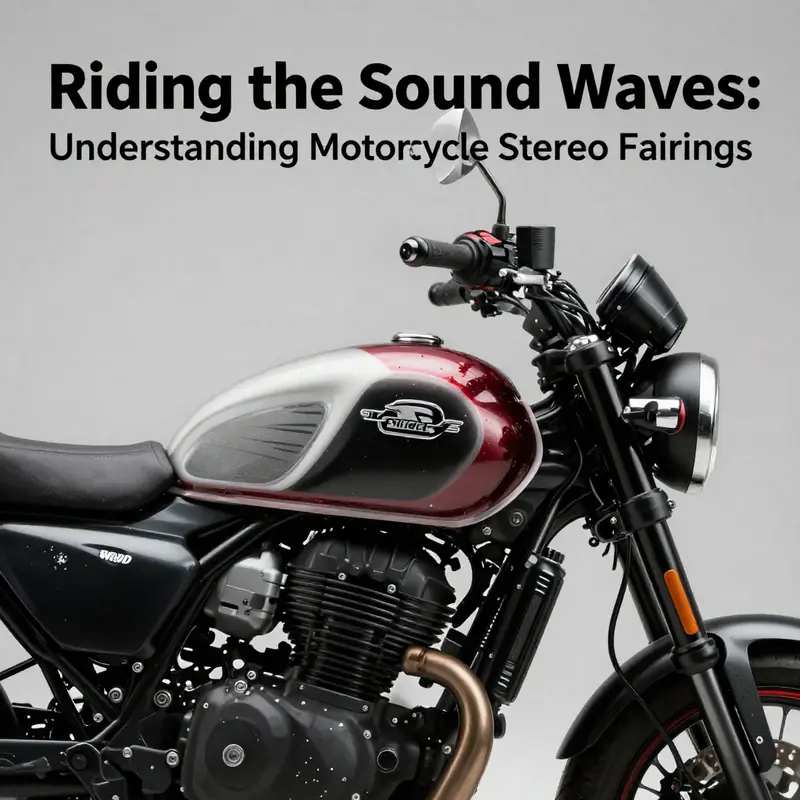
The fairing is more than a shield against wind; it is a sculpted language that speaks to the rider’s identity and to the road ahead. When an audio system is embedded into that language, the design challenge moves beyond fit and function. It becomes a study in how sound and surface can coexist without competing, how volume and velocity can share the same visual rhythm. Aesthetic considerations in motorcycle stereo fairing, then, are not decorative frills but a disciplined orchestration of shape, texture, and proportion. The rider expects clarity of view, efficient wind management, and a fairing that looks as though the audio components were always part of the bike’s DNA. Achieving this balance requires attention to how the fairing’s lines flow, how materials reflect light and weather, and how color and finish can either reveal or conceal the hardware behind the aesthetics that matter most: the rider’s sense of speed, control, and personal expression.
First, the architecture of the fairing itself sets the stage. Two broad configurations guide visual coherence even before any speaker cones are added. Quarter fairings, admired for their light footprint and city-friendly stance, emphasize a clean, minimalist silhouette. They deliver elegance through restraint, allowing the rider’s color and line to breathe without the distraction of bulk. Upper fairings, by contrast, work as a higher, bolder front that envelops the cockpit area. They shape the face of the bike, influence perceived speed, and create a continuous sculptural surface that can accommodate headlights, dashboards, and windshields in a single, integrated gesture. The aesthetic payoff in both cases hinges on how the audio enclosure is treated not as a separate add-on but as a component that threads into the existing geometry of the fairing. When done well, the presence of speakers and a head unit feels inevitable, as if the bike’s original design anticipated their inclusion.
Material choices lie at the heart of this integration. The visual texture of the fairing—gloss versus matte, the weave of carbon fiber, the smoothness of fiberglass, or the uniformity of ABS—tells a story about durability, weight, and temperament. Carbon fiber, with its characteristic rippled or woven surface, can accentuate a sport-oriented stance or a high-tech aura, but it demands careful attention to how the speaker grilles will sit and how fasteners will read on the surface. Fiberglass offers a plainer canvas that can absorb complex enclosure shapes more readily while preserving a sleek aesthetic, whereas ABS provides weather resistance and pliability for intricate curves that demand hidden routing and discreet mounting. In all cases, the finish is not simply about color but about light interaction. A chrome-edged grille can catch the sun and draw the eye, while a texture-matched or color-matched enclosure can recede, letting the bike’s lines dominate the visual field. The goal is not to highlight the audio hardware but to integrate it so that the rider experiences sound without perceiving a barrier between audio and chassis.
The way lines terminate is equally important. In an integrated design, the transition from fairing surface to enclosure must feel natural. Edges are softened or chamfered to avoid visual clutter, and join lines are aligned with existing contours so that the enclosure appears as an organic outgrowth of the fairing rather than a separate module. This is where craftsmanship matters: precise tolerances between skin and speaker housing, seamless cable routing, and thoughtfully placed vents for heat dissipation all contribute to a unit that looks and sounds intentional. When a rider glances at the bike, they should perceive a deliberate continuum of curve and cadence, not a mismatch of materials or an abrupt interruption in the fairing’s sweep. The careful alignment of features around the headlamps, dashboard, and windshield edge helps unify the front of the bike and reinforces the sense that audio and machine are working toward a common aesthetic objective.
Color, finish, and badge-free purity play their parts as well. A prevalent aesthetic is the monochrome, stealthy look where the audio elements are rendered in dark tones and almost disappear against a blacked-out framework. In other cases, designers may opt for a restrained accent—the same hue applied to trim and surrounding surfaces—to draw attention to the fairing’s silhouette rather than to the hardware. Either approach can feel cohesive if the detailing—screw heads, mounting points, and edge finishes—shares a common treatment. The rider’s personal style often guides this decision. Some prefer a pristine, high-contrast statement that makes the audio system a visible centerpiece, while others favor a seamless, almost invisible integration that emphasizes speed and form over function. The narrative conveyed by color and texture matters as much as the acoustic performance.
An important practical consequence of aesthetic decisions is weather resilience and durability. Integrated audio components must withstand the same environmental exposure as the rest of the bike: sun, rain, dust, and road grime. Surface finishes should be resistant to UV degradation and humidity while remaining visually coherent with the fairing’s overall appearance. The enclosure geometry can be designed to minimize water intrusion and to facilitate straightforward cleaning, which in turn preserves the visual quality over time. In this regard, the aesthetic intent aligns with functional longevity. When a rider lifts the visor to reveal a clean, unbroken line along the fairing’s edge, the eye reads the design as purposeful and enduring rather than ad hoc and temporary.
The relationship between form and function becomes particularly nuanced when we consider how audio projection interacts with the bike’s aerodynamics. Aesthetics and acoustics are not independent; the size, shape, and position of enclosures influence the sound field and, indirectly, perceived quality. A well-considered enclosure geometry can preserve a sense of spaciousness in the music while avoiding unintended turbulence or vibration that could degrade clarity. Designers balance the need for solid enclosure volume with the demand for clean airflow. This balancing act often means sculpting enclosures that hug the fairing’s inner contours, using curved surfaces to minimize wind resistance while guiding sound toward the rider. The result is a sensory experience where the rider perceives music as part of the ride’s atmosphere, not a separate add-on that sits on top of the machine’s soundscape.
From a storytelling perspective, the aesthetic integration of audio into the fairing becomes a declaration of personal taste. Riders are not merely choosing a sound system; they are crafting a visual narrative. The choice of surface language—whether a bike reads as minimalist, aggressive, or cosmopolitan—will be reinforced by how the audio hardware is embedded. A fairing that speaks in a single, consistent voice—through its curvature, its finishes, and the subdued presence of hardware—conveys a disciplined, refined identity. On the other hand, a more expressive, high-contrast treatment may reflect a rider who wants sound and style to be immediately legible as part of the bike’s character. In either case, the audio fairing should be read as an integrated element, not an afterthought, so that the rider experiences a unified message when they approach the bike at a stop, lift the helmet, and press play on the road ahead.
The design dialogue extends beyond the fairing itself into related details that knit the entire machine together. For example, the windshield and its trim can be treated as a continuation of the audio fairing’s language. A coordinated approach might see trim lines that echo the enclosure’s edges, or a finish that appears to “flow” from the glass into the fairing. These finishing touches help achieve a cohesive, factory-like coherence that does not require loudly explicit branding to communicate craft. When a rider looks from a distance, the bike suggests a single, coherent aesthetic story—a story in which sound is a natural instrument of the ride rather than a fixture mounted on the chassis.
To illustrate the breadth of what this implies for design practice, consider the way different platforms encourage distinct visual outcomes while maintaining the same underlying principle: the audio system should feel embedded. On sport-oriented bikes, the fairing’s lines often emphasize velocity through sharp edges and tight radii; the audio enclosure must respect those lines, fitting tightly within the profile with minimal protrusion. Touring and cruiser configurations, by contrast, may favor broader, more gradual curves, allowing enclosures to be molded into larger saddling surfaces that visually anchor the front end while offering greater space for speaker geometry and wiring channels. In both cases, the design team must negotiate the same triad: form, function, and a sense of place for the rider’s music. The aim is not to sacrifice one aspect for another but to fuse them into a single, legible design language that riders can intuitively read and that remains adaptable as audio technologies evolve.
Exploring visual coherence also means acknowledging the broader ecosystem of fairing customization and how it can influence aesthetic decisions. aftermarket and factory-inspired finish options provide opportunities to harmonize audio integrations with existing color stories and textures. A fairing can be painted to match or contrast with the bike’s primary color, or it can incorporate subtle tonal shifts that highlight the enclosure’s geometry without drawing attention away from its purpose. The ability to choose between a seamless, color-matched appearance and a more technical, performance-oriented finish gives riders a toolkit to express personal taste while keeping the visual language of the bike intact. In this context, the fairing’s aesthetic is not merely skin-deep; it becomes a dialogue about how the rider wants to be seen on the road and how sound can reinforce that impression in a balanced, tasteful way.
For readers curious about how these lines and surfaces translate across different rider communities, a practical entry point is to study existing fairing ecosystems that emphasize cohesive design language. While the term stereo fairing itself may be rare in traditional catalogs, the principle of integrating audio within the fairing is widely explored in the broader discourse on fairing aesthetics and engineering. The most relevant takeaway is that successful integration hinges on preserving the integrity of the bike’s silhouette, ensuring materials and finishes support the visual flow, and allowing audio performance to emerge from the design rather than collide with it. The practical lesson is simple: start with the fairing’s contours as the guiding framework, design the audio enclosure to become a natural extension of those contours, and then apply finishes and details that reinforce the intended mood—whether it be restrained elegance, dramatic contrast, or a stealthy, all-black sophistication.
For readers seeking a tangible exposure to how lines translate into real-world aesthetics, an example within the broader fairing ecosystem can be found in the Yamaha fairings collection. It offers a spectrum of shapes and finishes that demonstrate how careful contouring and surface treatment allow complex hardware to disappear into the overall silhouette. Exploring such a collection can illuminate how a rider might imagine an integrated audio fairing within their own preferred platform, while keeping the emphasis on visual harmony. See the Yamaha fairings collection for a sense of how line, texture, and form can cohere across diverse motorcycles: Yamaha fairings collection.
Ultimately, the aesthetic considerations described here are not a static checklist but a philosophy of design where sound and surface grow from a shared design language. The rider’s experience—how sound fills the rider’s field of perception, how wind impulses shape the perceived presence of that sound, and how the bike’s shape frames the music—becomes the true measure of success. When done with care, the integrated audio fairing reads as a natural feature of the motorcycle, a stylistic and acoustic partnership that elevates both the ride and the rhythm of the road. For designers and riders alike, the path forward is to treat the fairing as sculpture in motion, where every curve, finish, and line is an intentional decision about how sound will inhabit the space between wind, machine, and human listening. In this frame, aesthetics and acoustics are not competing forces but complementary aspects of a single, compelling riding experience.
External resource: For broader context on fairing design choices and aerodynamic considerations, see the external resource at https://www.motorcyclefairingsguide.com/choosing-the-right-fairing.
Riding the Soundscape: Market Momentum and the Next Frontier of Integrated Audio in Motorcycle Fairings
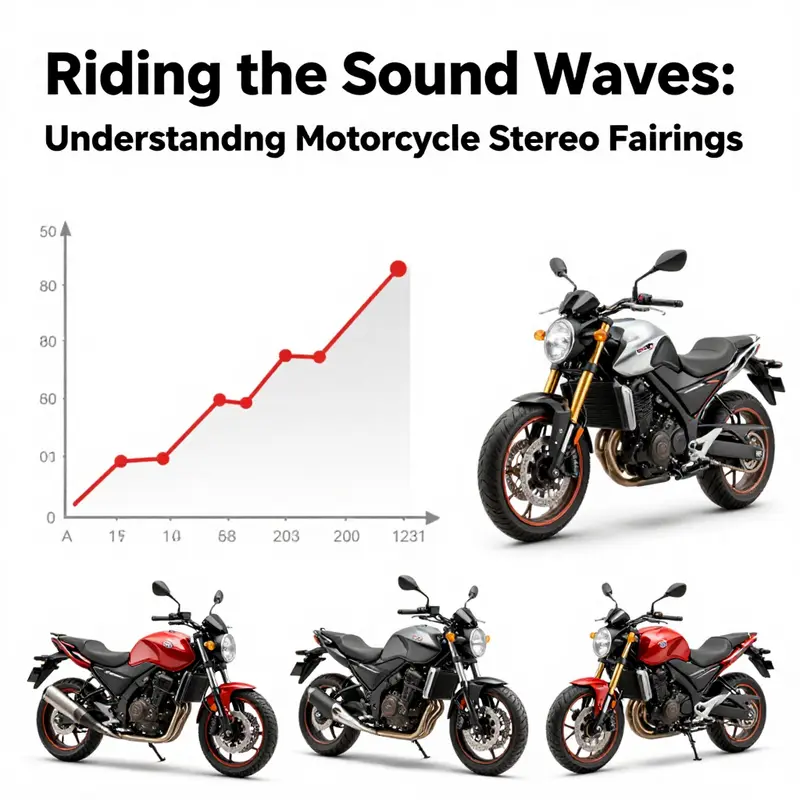
The fairing has long served as the three-dimensional canvas where aerodynamics, aesthetics, and rugged utility meet. In recent years, that canvas has become a living platform for electronic systems, with audio moving from a casual add-on to a core element of the riding experience. A motorcycle stereo fairing is no longer merely a shell that houses speakers; it is a purpose-built partition of sound, power, and data that harmonizes with the bike’s silhouette while delivering high-fidelity audio in a demanding, on-the-move environment. The shift from aftermarket spurts of stereo bits to integrated, weatherproof, and compact audio architectures mirrors broader trends in connected motorcycling. Riders increasingly expect seamless entertainment that does not compromise safety, visibility, or performance, and manufacturers are responding with fairings designed to cradle speakers, amplifiers, and control electronics as an integrated system rather than a retrofit afterthought. Market data from 2026 underscores this momentum: the broader motorcycle fairing market sits at approximately $6.84 billion and is projected to expand at a compound annual growth rate of about 12.82 percent through 2033. The momentum is not limited to physical enclosures; it flows into the electronics that make the fairing a hub of connectivity and entertainment.
A parallel driver is the rising demand for truly connected motorcycles. The connected motorcycle market, which now includes integrated audio, navigation, and safety systems, reached roughly USD 0.56 billion in 2026 and is forecast to surge to about USD 2.25 billion by 2031, an astonishing 32 percent-plus CAGR. This acceleration signals a clear consumer preference: riders want a unified experience where audio is not a separate concern but a built-in facet of the machine’s intelligence. In practice, this means fairings are becoming multifunctional platforms that blend acoustics, display interfaces, and control surfaces. The same design ethos that yields an audibly immersive experience also supports touch-free or voice-activated navigation, ambient rider alerts, and safety features that respond to audio cues. The implication for design teams is clear: every acoustic enclosure must coexist with sensors, weather seals, and power management in a way that preserves aero efficiency and ride comfort.
To translate market momentum into tangible rider benefit, manufacturers are pursuing innovations across several overlapping domains. First, materials science and manufacturing processes are enabling more compact, power-dense audio systems that can withstand the harsh conditions of open-road exposure. Advances in battery management, waterproofing, and connector reliability reduce the risk of performance dips in rain, dust, or vibration and open the door to longer, more confident use on long trips. The result is a family of fairings that can host a stereo system without adding noticeable drag or weight penalties. In practice, this means components are more tightly integrated, with enclosure cavities shaped for acoustic efficiency and panels designed to provide both ease of service and robust weather resistance. Aesthetics remain a priority as well; the design language favors clean, stealthy lines that hide the complexity beneath while preserving a dark, cohesive appearance that appeals to riders seeking a minimalist, high-tech look.
Within these design conversations, the fairing becomes a negotiation between two often-conflicting goals: maximum sound quality and minimum wind disturbance. Acoustic engineers seek to optimize enclosure geometry, damping materials, and speaker placement to deliver clarity and depth at cruising speeds where wind noise is a constant adversary. The goal is to maintain dynamic range and intelligibility—so the bass remains articulate at highway velocity and highs remain crisp when the engine and wind compete for the rider’s attention. This demands precise enclosure sealing, controlled porting, and vibration isolation that prevents panel flex from muddying the sound. The result is a smoother listening experience that feels natural rather than amplified as a cause of a loud, hollow ring. At the same time, developers emphasize stealth in the visual language of the fairing. The aim is to preserve the bike’s clean, aggressive design while enabling an integrated audio system that looks like it grew from the chassis rather than being bolted on as an afterthought.
Another axis of progress concerns the ecosystem in which these fairings operate. The market is moving toward scalable, modular implementations that can accommodate a wide range of audio configurations and connectivity options. The advent of Bluetooth, wireless streaming, and voice-enabled controls is transforming how riders interact with their soundscape on the road. Fairings now host compact, weatherproof modules that can be swapped or upgraded without a full fairing removal or a messy internal retrofit. This modularity supports not only sound but also the broader connected architecture: navigation prompts, phone call handling, and rider alerts can be delivered through the same integrated system, with safety-critical information prioritized in the user interface. The net effect is a more coherent, less distracting experience where music, directions, and notifications co-exist in a controlled, rider-centric hierarchy.
The aftermarket landscape reflects these shifts as well. A wave of lower fairing speaker pods—whether OEM-inspired or third-party—offers designers and riders the flexibility to improve sound quality while preserving the bike’s structural integrity and weather resistance. Materials such as rugged ABS plastics and polycarbonate are favored for their durability in the face of sun exposure, rain, and road grit. These pods often feature weather seals, recessed mounting points, and integrated cable management that reduces turbulence and potential noise sources. Some iterations even bring practical add-ons like built-in cup holders, which demonstrate how audio and convenience can converge within a single, purposeful component. The broader lesson is clear: the most successful products blend form and function so seamlessly that riders perceive the fairing as a singular, purposeful platform rather than a collection of separate accessories.
The design language of these integrated systems also intersects with the broader aesthetic narratives of motorcycles. A factory-style upgrade path can be expressed through windshield trims and other trim details that weave a cohesive, blacked-out aesthetic when paired with a custom stereo fairing. This is more than cosmetic; it signals a disciplined, integrated approach to fairing design where alloy-like surfaces, matte finishes, and subtle contours emphasize the silhouette while drawing the eye toward the invisible intelligence contained within. Design teams emphasize continuity between the fairing and the rest of the bike, seeking to avoid visual clutter while still delivering a high-tech, premium feel. This delicate balance—between exposing the capabilities of the audio system and maintaining the bike’s integrity—defines the future direction of the segment.
As growth accelerates, the geographic footprint of demand grows more diverse. Markets in Europe, India, and Southeast Asia show robust appetite for integrated audio and smart fairing configurations, driven by a combination of lifestyle trends, vehicle fleet modernization, and the expansion of mid- to high-end touring segments. These regions present distinct engineering challenges and regulatory considerations, from moisture exposure and temperature extremes to import duties and service availability. The capacity to deliver reliable, user-friendly products across climates and user expectations is a mark of genuine progress. In this context, the industry is evolving toward fairings that endure, inform, and entertain with equal aplomb, while offering a path for customization that respects riders’ personal style and the integrity of the bike’s original design language.
A practical thread running through these trends is the discipline of safety-conscious integration. Real-world installations emphasize best practices in battery disconnection, model-specific compatibility checks, and careful sequence for panel removal to avoid damage during installation or maintenance. The goal is to empower riders and shops with a repeatable, predictable process that minimizes risk and preserves the long-term value of both the bike and its audio system. The result is an ecosystem where high-quality sound does not come at the expense of reliability or safety, and where the fairing remains a robust, weatherproof interface rather than a fragile shell. Those who study this space view the next decade as a period where aerodynamics, electronics, and acoustics converge into a singular, intelligent architecture rather than a collection of interoperable parts.
The future is likely to be defined by an even tighter bond between audio performance and data-driven rider assistance. As processing power and sensor fusion improve, fairings equipped with integrated audio are poised to become central nodes in a rider’s information ecosystem. Imagine audio cues that augment visual alerts, or music that subtly adapts to riding conditions to help maintain focus on the road. Imagine a modular, serviceable architecture that allows riders to trial different sound profiles—sport, touring, or comfort—and swap them with a few taps or a voice command. The broader industry also contemplates sustainability in materials and manufacturing, with a growing interest in lighter composites and recyclable components that maintain strength and weather resilience without sacrificing acoustic performance. In such a landscape, the fairing becomes not only a shelter for the rider but a smart, responsive partner in the riding experience. Customization remains a recurring theme, but it moves toward intelligent, user-driven configuration that aligns with rider priorities—from sound staging and speaker placement to display integration and control textures.
For readers seeking a concrete touchstone on the broader context of fairing markets and technology, one can review a sector overview that highlights the convergence of aerodynamics, electronics, and consumer demand as a whole. This perspective situates integrated audio within a larger trajectory of industry evolution, where the fairing is a platform for connected experiences rather than a mere enclosure. It also underscores the importance of ecosystem thinking: successful products will be those that harmonize with navigation, safety, and maintenance workflows, creating a coherent user journey from turn-in to turn-out. A practical takeaway for engineers, designers, and shop professionals is straightforward: treat the fairing as a system, not a collection of subsystems, and design around a core principle of endurance, reliability, and intuitive use. This mindset is what will sustain momentum as the market expands into new regions and new technologies.
As a final note on the practical path forward, the industry continues to explore how best to balance customization with standardization. The efficiency gains from modular design, combined with the desire for personal expression, push manufacturers toward shared, adaptable platforms. This approach allows for quicker refresh cycles and easier maintenance while giving riders the latitude to tailor their listening experience to the open road. In this evolving landscape, the stereo fairing is not a luxury add-on but a central element of the riding repertoire, a statement about how contemporary motorcycling can blend performance, connectivity, and sound into a single, compelling proposition. The market’s growth, the technology’s maturation, and the rider’s evolving expectations all point toward a future where the soundscape on two wheels is as thoughtfully engineered as the chassis beneath it.
Internal resource for broader context: Honda fairings collection.
External resource: Grand View Research provides authoritative insights into the broader market dynamics shaping this space, including the forecasted growth and composition of the motorcycle fairing market. https://www.grandviewresearch.com/industry-analysis/motorcycle-fairing-market
Final thoughts
Motorcycle stereo fairings represent a valuable fusion of functionality and aesthetics, significantly enhancing the riding experience. As the demand for superior audio quality on the road increases, businesses must adapt to these trends by offering innovative products and customization options. By staying informed about design advancements, aftermarket enhancements, and market shifts, companies can cater to an evolving clientele eager for a seamless integration of sound into their riding adventures. As the future of motorcycle audio continues to develop, those who embrace these changes will undoubtedly find success in the vibrant motorcycle community.