
Introduction
Motorcycle track fairings play a pivotal role in the realm of racing, providing not only aerodynamic advantages but also enhancing the aesthetics of track motorcycles. In today’s competitive racing environment, understanding the nuances of track fairings can offer significant benefits to business owners in the motorcycle industry. This exploration begins with an in-depth look at the materials and construction of these essential components, before delving into the performance benefits they deliver, equipping you with valuable insights to enhance your offerings or dealership.
Tables of Contents
Chapter 1: Exploring the Advanced Materials in Motorcycle Track Fairings
- Unpacking the Key Materials in Motorcycle Track Fairings
- Advanced Materials and Fabrication Techniques for Optimized Performance
Chapter 2: Harnessing Aerodynamics for Racing Excellence
- Maximizing Speed and Stability: The Aerodynamic Marvel of Track Fairings
- The Crucial Role of Weight Reduction and Aerodynamics in Racing Success
Chapter 1: Exploring the Advanced Materials in Motorcycle Track Fairings
1. Unpacking the Key Materials in Motorcycle Track Fairings
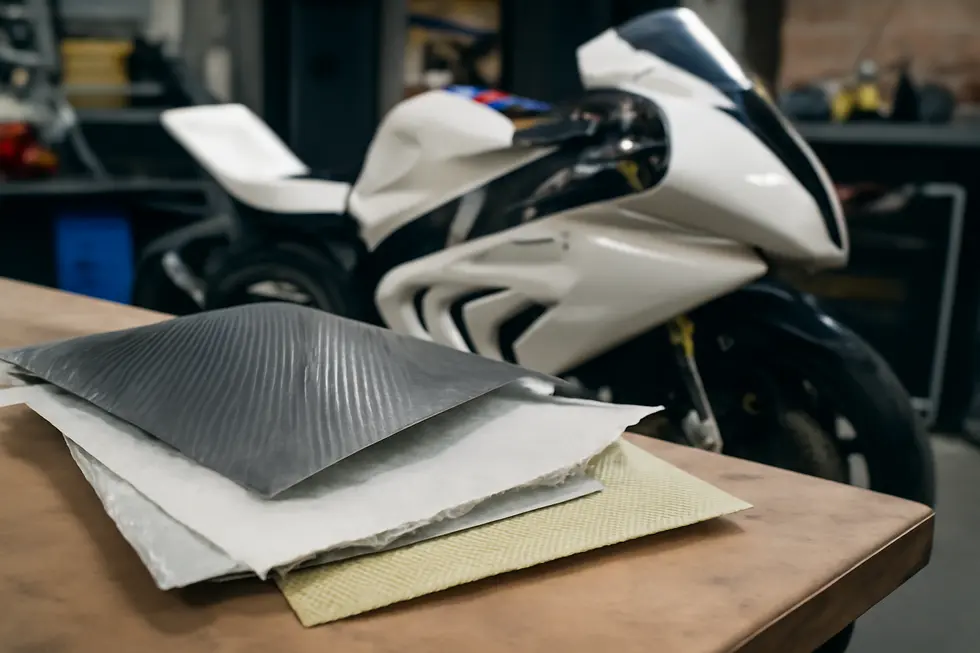
Motorcycle track fairings serve a crucial role in enhancing the performance and aesthetic appeal of race bikes, primarily thanks to the materials from which they are constructed. The choice of material not only impacts the weight and strength of the fairings but also influences their cost and durability.
One of the most widely used materials is ABS plastic (Acrylonitrile Butadiene Styrene). Revered for its high impact resistance, affordability, and durability, ABS plastic is a staple in both motocross and track applications. Its lightweight nature and capability to withstand rigorous use make it a popular choice among manufacturers and racers alike.
Another common option is fiberglass, which is particularly valued for its lightweight properties and cost-effectiveness. While fiberglass fairings offer good strength and flexibility, they are heavier than other premium materials and less durable than carbon fiber options. This makes them a suitable choice for those seeking budget-friendly solutions while still maintaining a reasonable level of performance and protection.
Carbon fiber stands out as the premium material in the racing world, known for its exceptional strength-to-weight ratio. The advantages of carbon fiber fairings lie in their lightweight construction, which significantly improves acceleration and handling, alongside their resistance to fatigue. Although these fairings are on the pricier side, they are often incorporated into high-performance motorcycles due to the competitive edge they provide.
Kevlar, often paired with carbon fiber or fiberglass, enhances the protective qualities of fairings, adding impact and abrasion resistance. Though not typically used as a primary material for fairings, Kevlar serves an important role in reinforcing structural elements to withstand the rigors of racing.
Additionally, while aluminum composites are less common in fairing design, they are sometimes integrated into motorcycle frames and structural components to optimize performance through weight savings.
In summary, the landscape of motorcycle track fairings is shaped by diverse materials tailored to various needs and budgets. Each material, from ABS to carbon fiber, brings a unique set of advantages, enabling riders to customize their machines for both performance and visual appeal, aligning perfectly with the demands of competitive racing.
2. Advanced Materials and Fabrication Techniques for Optimized Performance
Motorcycle track fairings are not merely aesthetic enhancements; they play a critical role in the performance dynamics of a racing motorcycle. The composite materials used in their construction, such as carbon fiber, fiberglass, and ABS plastic, are selected not only for their individual properties but also for their ability to synergize within advanced fabrication techniques. Each choice in material impacts weight, strength, and aerodynamic efficiency, which are vital in racing scenarios that demand peak performance.
Carbon fiber, renowned for its remarkable strength-to-weight ratio, prevails in high-performance racing environments. Manufacturers adopt prepreg technology and advanced resin systems to ensure the maximum efficacy of carbon fiber fairings, which dramatically enhance aerodynamics. For instance, layering techniques allow for varying thicknesses and densities, optimizing the fairings for the specific track conditions and desired aerodynamic profiles.
Conversely, fiberglass serves as an accessible alternative, commonly utilized in aftermarket fairings. It offers a balance between durability and cost. Although heavier than carbon fiber, the exceptional moldability of fiberglass allows for the design of complex aerodynamic shapes, making it an optimal choice for race enthusiasts looking for an effective, budget-friendly solution without compromising race-ready performance.
The construction of fairings often utilizes mold-based composite manufacturing techniques, which ensure precision in creating intricate fairing designs. This method involves creating molds that can be tailored to enhance surface finish and structural integrity. The durability of the fairings is further improved by integrating Kevlar fibers, which bolster their resistance to impact and abrasion — a crucial factor when navigating the high-speed challenges of the racing circuit.
Finally, the assembly of these fairings requires attention to detail. Kits designed for specific motorcycle models come pre-drilled and include comprehensive mounting hardware, ensuring a seamless integration that maintains structural integrity and performance efficiency. Therefore, the advanced combination of selected materials and innovative fabrication techniques culminates in a fairing construction that not only enhances performance but also elevates the aesthetic appeal of any racing motorcycle. For even more choices in fairing options, enthusiasts can explore the best offerings through various suppliers, ensuring they find the right customization for their needs.
Chapter 2: Harnessing Aerodynamics for Racing Excellence
1. Maximizing Speed and Stability: The Aerodynamic Marvel of Track Fairings
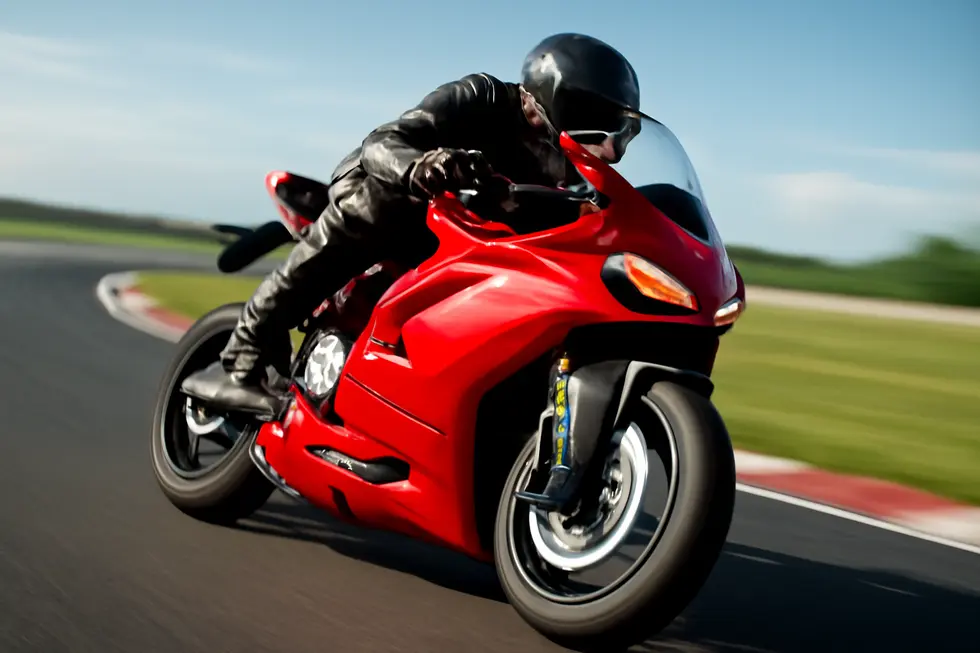
Motorcycle track fairings are engineered to significantly enhance the aerodynamic performance of racing bikes, offering a range of benefits that are crucial for competitive racing. A primary advantage of these specialized body panels is drag reduction. The contours of track fairings are meticulously designed to smooth airflow over the bike and rider, particularly when the rider is in a tucked position. By minimizing air resistance, fairings allow for improved speed efficiency, which translates to higher top speeds and faster acceleration.
Additionally, many track fairings incorporate features such as winglets that aid in downforce generation. This downforce provides increased grip during cornering, enhancing stability as the bike navigates tight turns and sudden direction changes. This stability enhances race performance without compromising speed, a vital balance for any competitive event.
Another significant function of track fairings is their capability in airflow management. They direct air efficiently to critical areas, such as the engine and radiator, improving cooling efficiency. This efficient cooling helps maintain optimal engine temperatures under the intense demands of track racing, thus increasing reliability and performance over longer sessions.
Moreover, these aerodynamic enhancements reduce rider fatigue. By minimizing wind buffeting and strain around the rider’s helmet and body, fairings help maintain concentration and control throughout the race. This is particularly important for longer racing sessions where endurance can make a distinct difference in overall performance.
Finally, fairings contribute to improved handling and agility by mitigating the effects of side winds. This leads to enhanced predictability during rapid maneuvers, allowing racers to adapt swiftly and accurately to the challenging track dynamics.
The utilization of lightweight composite materials such as carbon fiber ensures that these fairings remain robust yet lightweight, further enhancing performance metrics such as acceleration and braking. In conclusion, motorcycle track fairings are a critical element in optimizing aerodynamic performance, offering multifaceted benefits that heighten both the speed and stability of racing motorcycles. For additional insights, explore the in-depth offerings available at Summit Fairings: Explore the best motorcycle fairings at Summit Fairings.
2. The Crucial Role of Weight Reduction and Aerodynamics in Racing Success
Motorcycle track fairings play a pivotal role in enhancing racing performance through weight reduction and advanced aerodynamic design. By incorporating lightweight materials such as carbon fiber and composite plastics, these fairings dramatically decrease the overall weight of the motorcycle, consequently improving its acceleration, braking, and overall responsiveness on the track. The transition to lighter fairings is not merely about shedding pounds; it transforms the motorcycle’s dynamics, allowing for sharper cornering and greater agility, crucial elements in competitive racing environments.
Carbon fiber, cherished for its superior strength-to-weight ratio, significantly boosts the rigidity and longevity of fairings compared to traditional ABS plastic options. This enhanced durability means that racers can push their machines to the limits without the fear of structural failure or damage from high-speed crashes. Moreover, the lightweight nature of these fairings reduces unsprung mass, which further enhances the motorcycle’s ability to react swiftly and intuitively to the rider’s inputs, a vital factor during tight maneuvers on the racetrack.
Aerodynamic performance is equally critical. Track fairings are often inspired by advanced designs seen in MotoGP, featuring sculpted shapes and optimally placed winglets that serve to decrease drag and increase downforce. These features not only minimize air resistance but also provide additional stability during high-speed runs, allowing riders to maintain better control while accelerating, braking, or navigating corners. The synergy of reduced weight and improved aerodynamics creates a winning formula, significantly enhancing a motorcycle’s power-to-weight ratio, speed, and handling prowess.
Ultimately, the strategic integration of lightweight materials and aerodynamic enhancements through track fairings culminates in a superior racing experience. This results in motorcycles that are not only faster but also more stable and precise, yielding a competitive edge on the racetrack, crucial for achieving podium finishes in high-stakes races. For insights on customizing your motorcycle with high-performance fairings, visit your ultimate source for motorcycle fairings.
Final thoughts
Understanding motorcycle track fairings is essential for business owners looking to optimize their product offerings and cater to the racing community. By investing in quality fairings made from advanced materials, companies can enhance their customers’ racing experiences, ensuring both improved performance and appealing aesthetics. The right fairings not only protect vital components but also reflect the spirit of modern racing, making them an indispensable part of any motorcycle enthusiast’s toolkit. Equip your business with this knowledge to stay ahead in the competitive market.
Ready to elevate your ride? Summit Fairings delivers premium, custom-fit fairings that blend style and durability. Whether you’re chasing speed or turning heads, we’ve got your bike covered. Don’t wait—transform your machine today. Click, customize, and ride with confidence. Your perfect fairing is just a few clicks away. Act now!
About us
undefined