
Plastic fairings are more than just aesthetic components of a motorcycle; they play a critical role in enhancing performance and rider protection. As business owners in the motorcycle industry, understanding the importance of these components can provide significant advantages in product offerings and customer satisfaction. This article delves into the essential role of plastic fairings in motorcycle performance, the growing market for customization and aftermarket fairings, and the innovations driving the future of plastic fairings in high-performance racing and OEM manufacturing. Each chapter discusses critical factors that contribute to better performance, customer appeal, and operational efficiencies in motorcycle businesses.
Streamlining Performance: The Integral Role of Plastic Fairings in Motorcycle Engineering
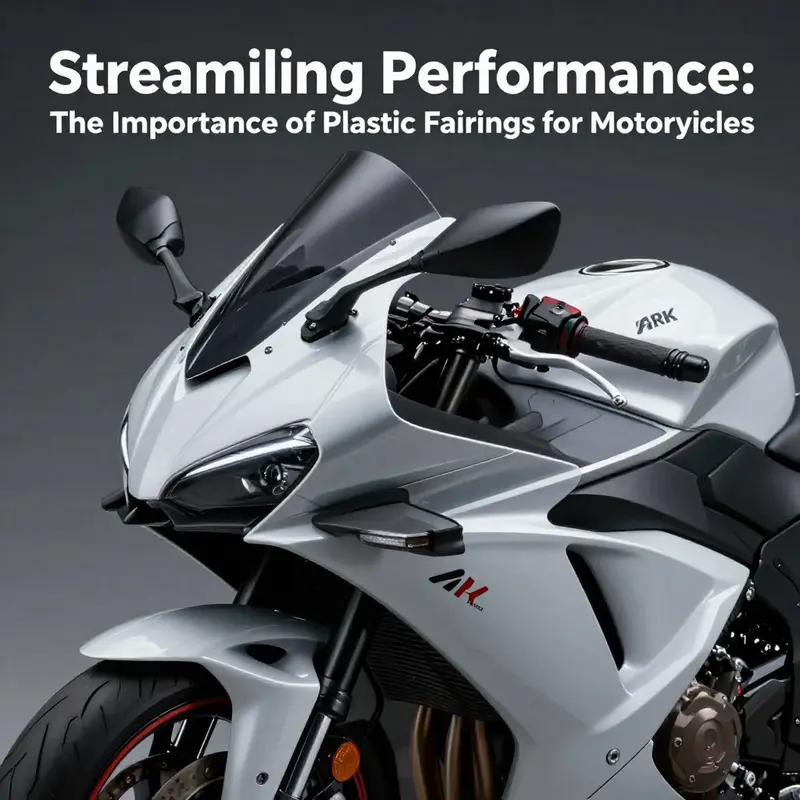
Plastic fairings have become an indispensable component in modern motorcycle design, intricately intertwined with performance, safety, and aesthetics. As motorcycles continuously evolve to meet both rider expectations and stringent regulatory standards, understanding the capabilities and functionalities of these fairings reveals their significant impact on the motorcycle’s performance dynamics. This chapter delves into the multifaceted role of plastic fairings, with a focus on aerodynamics, weight reduction, durability, and modular design, which collectively enhance the riding experience.
One of the primary functions of plastic fairings is to improve aerodynamics, a critical factor impacting motorcycle performance. These components are intentionally designed to streamline airflow and reduce drag, thereby maximizing the motorcycle’s efficiency. Fairings constructed from advanced materials like ABS (Acrylonitrile Butadiene Styrene) demonstrate significant improvements in aerodynamic efficiency. Through meticulous engineering, fairings can reduce drag by as much as 10% compared to traditional non-faired designs. This streamlining effect not only contributes to increased fuel efficiency—extending the motorcycle’s range—but also enhances stability and handling at higher speeds. During aggressive maneuvers or when challenged by crosswinds, the stability provided by a well-designed fairing can mean the difference between a smooth ride and a dangerous wobble.
In addition to their aerodynamic advantages, modern plastic fairings present significant benefits in terms of weight. Typically, these fairings weigh about 30% less than traditional metal alternatives, which directly influences the motorcycle’s overall mass. Lighter motorcycles display improved acceleration rates, enhanced braking capabilities, and better maneuverability—all essential factors for riders seeking high performance. The lightweight nature of plastic fairings, combined with their robust construction, offers an appealing balance of strength and manageability. They are adept at resisting impact, scratches, and harsh environmental conditions. Consequently, riders can trust that their fairings will endure various elements—with many models certified to meet automotive safety standards—ensuring structural integrity over time, even with exposure to UV rays and fluctuating temperatures.
Another key aspect is the modular design of contemporary motorcycle fairings. This innovation significantly enhances functionality by allowing for easy installation and removal, simplifying the processes of maintenance and customization. Riders can often change or upgrade fairings without professional assistance, which is particularly appealing for those who enjoy personalizing their motorcycles or performing their own repairs. The modularity of these fairings drastically reduces installation times; it can take up to 50% less time compared to traditional designs, making the customization process not only smoother but also more accessible. This means that whether it’s a minor aesthetic update or a complete overhaul, riders can achieve their desired outcome quickly and with minimal hassle.
Customization through plastic fairings also caters to diverse rider preferences, and as such, a myriad of options is available on the market. From dirt bike fairing kits designed to enhance protection on rugged trails, such as the Hyssk ABS kits compatible with popular models like the Honda CRF50F, to sleek, sporty body kits for racing applications, riders have an abundance of choices. Websites dedicated to motorcycle parts, like those offering extensive lines of fairings for diverse brands—ranging from Honda to Yamaha—allow enthusiasts to find specific kits that not only fit their motorcycles but also complement their personal style. This interplay between functionality and customization fosters an engaging community around motorcycle modification, where riders share experiences and techniques.
In the realm of high-performance applications, specialized manufacturers have stepped up their game by producing race-oriented fairings designed with aerodynamics, weight reduction, and structural integrity at the forefront. For instance, brands like BIKESPLAST from the Czech Republic offer race fairings and lightweight subframes tailored specifically for competitive environments. These high-performance components satisfy the needs of serious racers looking to shave off tenths of seconds at the track. By focusing on the unique demands of racing conditions, these manufacturers ensure that their products not only look appealing but also function comprehensively under extreme circumstances.
Moreover, the landscape of motorcycle fairing production has seen a significant shift with the emergence of advanced sourcing strategies, particularly through regions known for high-quality manufacturing. Companies in China have become leading suppliers of engineered fairings, bringing innovative designs and materials to the forefront of market offerings. This involves not only competitive pricing but also an increase in production quality, which enhances the overall marketplace for motorcycle aesthetics and performance. این سطح جهانی از همکاری در تولید می تواند به شرکت ها اجازه دهد تا به سرعت و با کیفیت بالا مدل های جدید را راه اندازی کنند یا موجودی خود را از نو تامین کنند، که به طور کلی الهام بخش نوآوری در صنعت است.
In conclusion, plastic fairings are far more than mere protective shells; they are sophisticated structures that play a vital role in motorcycle performance, aesthetics, and rider satisfaction. As the technology and materials continue to evolve, the integration of plastic fairings shows no sign of slowing down. They will remain key contributors to advancements in motorcycle design, ensuring that riders enjoy both enhanced performance and a personalized riding experience. For those keen on diving deeper, this comprehensive overview from Alibaba.com provides insights into the durability and technology behind modern fairings.
Exploring the World of Customization Through Aftermarket Plastic Fairings for Motorcycles
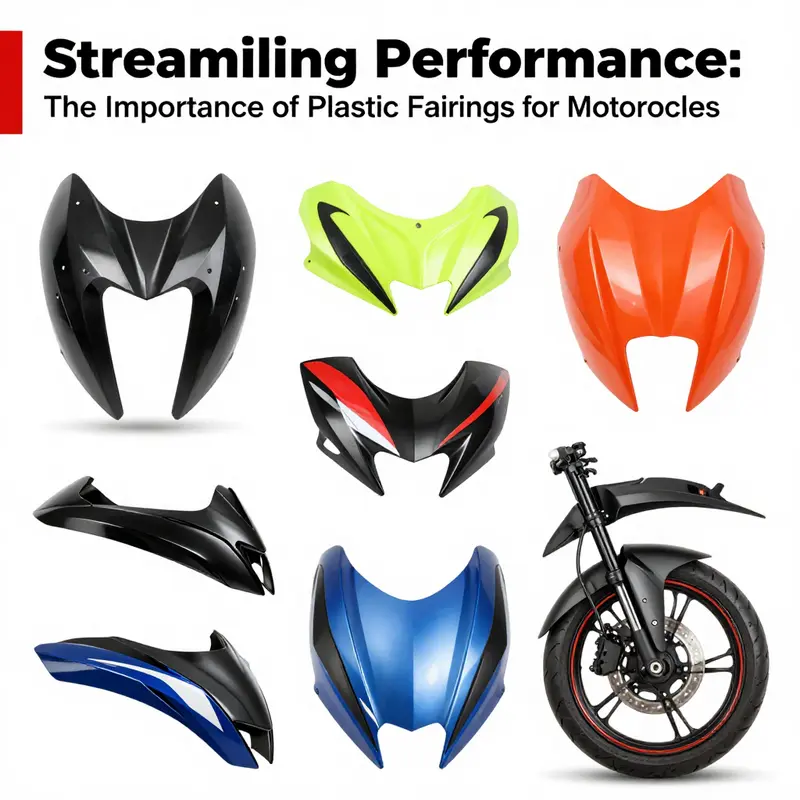
Customization and aftermarket plastic fairings have long been revered as pivotal elements in a motorcyclist’s pursuit of personalization and performance enhancement. These essential components go beyond mere aesthetics, shaping not only the visual appeal of a motorcycle but also its aerodynamic efficiency and overall riding experience. The trend towards customizing fairings has surged, as riders seek to reflect their personality while optimizing their motorcycle’s functionality on the road. With a wide array of choices available—from eye-catching designs to critical performance modifications—aftermarket fairings provide an accessible means for riders to make their mark in the motorcycle community.
At the heart of this customization movement lie plastic fairings, crafted from robust materials such as ABS (Acrylonitrile Butadiene Styrene) and polycarbonate. Each material brings distinctive advantages, with ABS known for its impact resistance and thermal stability, while polycarbonate offers remarkable clarity and durability. These properties meet the demanding conditions faced by both everyday riders and extreme sports enthusiasts. The engineering of fairings is a crucial consideration for their overall effectiveness, as improper selection could lead to compromised performance. As such, individuals looking to enhance their motorcycles through customized fairings must carefully assess their personal needs and riding conditions, prioritizing quality and fit over mere aesthetic preferences.
The aftermarket fairing market has expanded significantly, enabled by advances in manufacturing and distribution. Riders are now greeted with options tailored to specific models, including comprehensive kits that include everything from fenders to body panels. For instance, a full-set plastic fairing for models like the Honda NSC110 Dio may range from $60.00 to $80.00, with some suppliers providing services in bulk to cater to dealerships and customization shops. This pricing model reflects a dual approach: providing affordable components for large-scale buyers while still enabling individual motorcyclists to access unique designs through secondary channels or customized fabrication services. These factors enhance the accessibility of personalization on bicycles, presenting a compelling case for aftermarket options.
Various types of aftermarket fairings serve distinct purposes, meeting the diverse needs of riders. Semi-fairings are designed with versatility in mind, covering only the front portions of motorcycles, including headlight enclosures and upper fuel tanks. They preserve the open feel of a motorcycle while offering moderate wind protection—ideal for touring bikes or commuter models that prioritize easy handling without the encumbrance of added weight. In contrast, full fairings offer extensive coverage aimed at both performance and protection. They envelop the entire bike, providing exceptional shielding from wind, debris, and environmental conditions, ultimately translating to enhanced rider comfort and safety. However, these full options often come with increased costs and a slight weight penalty, which could deter certain riders depending on their specific use case.
When opting for aftermarket options, it is crucial for riders to consider compatibility with their motorcycle’s pre-existing features and personal modifications. The installation of these fairings can vary in complexity; proper fitting is paramount, as even minor misalignments can lead to compromised aerodynamics and potential safety hazards. Furthermore, the market is populated with a variety of suppliers, ranging from established manufacturers to emerging brands. To ensure safety and quality, it is imperative to source fairings from reputable suppliers who adhere to established engineering standards. Riders should seek detailed information about material quality, fitting processes, and warranty offerings prior to committing to a purchase. The advantages of quality aftermarket fairings extend beyond performance enhancements; they also contribute to the overall longevity of a motorcycle.
For those eager to dive deeper into the world of custom motorcycle fairings, numerous online platforms provide extensive selections. eBay emerges as a popular choice for many, offering an expansive catalog of motorcycle and scooter fairings, plastics, and body kits—all with guaranteed fitment and competitive pricing. Online marketplaces have revolutionized how enthusiasts approach upgrades and repairs by connecting riders with niche suppliers and themed fairings. Riders can explore a range of options across various brands and models, whether they seek to restore classic designs or try avant-garde styles. For example, exceptional aesthetic and functional fairings are crafted specifically for models like the Honda CBR series or the Yamaha YZF lineup, often available in various colors and styles reflecting the prevailing trends within the motorcycling culture.
The evolution of fairings has found a notable arena in high-performance motorcycle racing, where specialized manufacturers prioritize advanced designs and lightweight construction focused on aerodynamics. Companies like BIKESPLAST, based in the Czech Republic, stand out as leaders in producing race-specific fairings, lightweight subframes, and carbon-Kevlar accessories optimized for track use. Their engineering focuses on critical factors such as airflow management, weight reduction, and structural integrity, designed to achieve peak performance in competitive environments. Riders performance-driven by speed, stability, and agility can greatly benefit from the innovations made in the realm of racing fairings, marking a distinction between casual and professional usage. These high-end options underscore the ongoing technological developments reshaping the motorcycle industry, marrying art and science in pursuit of performance enhancement.
The global production of aftermarket plastic fairings has also seen a remarkable transformation in recent years. As economies evolve, so too does the manufacturing landscape for these essential motorcycle components. Suppliers in regions such as China have emerged as leaders in producing engineered finishes and adjustable options tailored to meet market demands. Leveraging efficient production methods, they maintain a balance between speed, quality, and cost—enabling them to promptly respond to new model launches and inventory restocking needs. This synergy between manufacturers and suppliers enhances innovation, encouraging a cycle of continuous improvement that ultimately benefits the motorcycling community at large.
As riders explore the customization potential of aftermarket plastic fairings, they unlock a pathway not only to enhanced aesthetics but also to improved overall riding experiences. The fairings’ critical role in aerodynamics, safety, and style seamlessly intersects, making these components indispensable in the realm of motorcycling. Beyond simply changing the appearance of a bike, they cater to the rider’s unique identity, allowing for highly personal expressions of creativity and passion for the road. With the motorcycle aftermarket thriving, riders have unfettered access to an expansive range of plastic fairing options that set the stage for individualized riding journeys.
For further insights into the materials and design standards defining effective motorcycle fairing engineering, exploring comprehensive resources can deepen understanding and appreciation for this specialized field. One such informative hub can be found here. Through this continuous journey of exploration, riders can not only enhance their bikes but also cultivate a broader understanding of the art and science that underpin the world of motorcycle customization.
Cutting-Edge Developments in Motorcycle Fairings: The Intersection of Performance and Aesthetics
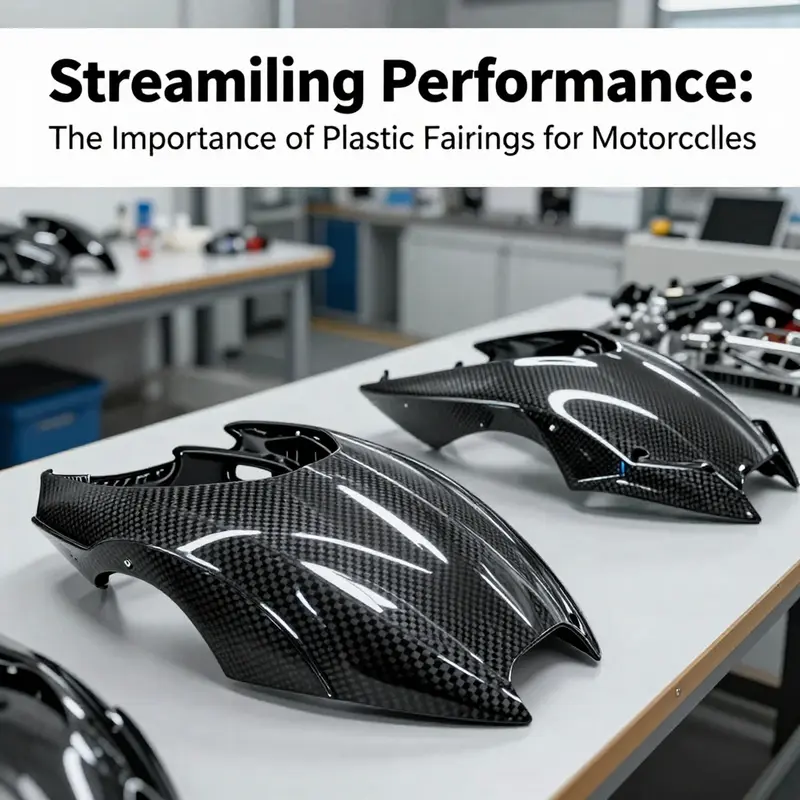
The agility and speed of motorcycles have captivated riders for over a century, but it’s the advancements in design and engineering—particularly in plastic fairings—that have taken riding experiences to new heights. As motorcycles have evolved, so too have their components, and perhaps none are as critical—or as frequently misunderstood—as the fairings that cloak their frames. In this chapter, we delve into how the innovations surrounding motorcycle fairings have changed the way we ride, race, and perceive the aesthetics of these two-wheeled machines.
At the heart of modern fairing development lies a mastery of materials and aerodynamics. The age of rigid and cumbersome fairings has given way to sleek, lightweight designs that do not compromise on durability. The utilization of high-grade thermoplastics, particularly Acrylonitrile Butadiene Styrene (ABS), exemplifies this. With its impressive impact resistance, flexibility, and lightweight characteristic, ABS allows fairings to absorb shocks from road debris and minor accidents without cracking or shattering. This is crucial for both casual riders and those who push their motorcycles to the limits on race tracks.
Moreover, the integrity of these materials is often enhanced with additives that increase resistance to ultraviolet (UV) light and thermal fluctuations. As riders know, exposure to the elements can degrade components over time, but with the right materials and finishes, modern fairings can withstand the rigors of both the open road and the racetrack. The emphasis on durability translates to longer-lasting parts that do not require frequent replacement, making motorcycles not just better looking, but also potentially lower in maintenance costs.
Innovations in manufacturing processes have also played a significant role in the evolution of plastic fairings. The integration of techniques such as computer-aided design (CAD) and computational fluid dynamics (CFD) has allowed manufacturers to optimize fairing shapes for maximum aerodynamic efficiency. High-performance racing scenarios demand precision engineering. Fairings must streamline airflow to minimize drag while simultaneously creating downforce that can stabilize vehicles at high speeds. The result? A design language that draws from the principles of aerodynamics and performance, one that can dynamically improve a motorcycle’s handling and rider experience.
In competitive racing environments, the role of fairings has become even more pronounced. Here, race teams utilize wind tunnel testing to identify how air flows over and through various fairing configurations. Tailored designs have emerged that feature strategically placed vents, ducts, and winglets. These components not only enhance aerodynamics but also improve cooling for motorcycle engines during high-stress conditions. Where traditional materials might falter, advanced composite plastics infused with characteristics of carbon fiber now dominate the landscape. This blend of materials allows competitive riders to gain an edge, enhancing speeds and improving lap times while also maintaining safety standards.
The shift from traditional materials to advanced composites has not only transformed the racing world but has also found its place in OEM production. Original Equipment Manufacturers have begun to embrace these innovative materials and technologies, offering riders factory models that blend aesthetics, functionality, and cutting-edge design. Sportbikes like the Kawasaki Ninja ZX-6R and Suzuki GSX-R series exemplify this trend. Equipped with full fairings that prioritize aerodynamic performance, these motorcycles promise not only striking visual appeals but also superior performance. The marriage of striking appearances with practical functionality has set new benchmarks for motorcycle design.
Customization has also become a major focal point in the motorcycle fairing market. Riders no longer settle for the stock look of their machines. Instead, they seek to express individuality through their bikes, prompting an explosion in aftermarket fairing providers. Companies such as BIKESPLAST in the Czech Republic focus on producing race fairings that not only reduce weight but also provide riders with modular designs, allowing for easy customization and upgrades as racing technologies advance. As a result, enthusiasts have a broader palette of colors, finishes, and styles to choose from, ensuring their bike stands out on both streets and tracks alike.
The rise of online marketplaces has further enhanced accessibility to quality fairings. Platforms like Alibaba.com empower riders seeking aftermarket options tailored to specific models, such as the Yamaha YBR125 or the Honda CRF series. Here, customization options abound; riders can select designs optimized for their motorcycle’s efficiency and aesthetics. These parts are crafted using advanced manufacturing techniques like injection molding, ensuring precision and affordability. In marrying affordability with quality, the aftermarket fairings bridge the gap between OEM products and budget-conscious customizations.
As these trends continue to evolve, one thing remains clear: the future of motorcycle fairings is bright, offering endless possibilities for both design and functionality. Whether for everyday riders or seasoned racers, innovations in plastic fairings not only enhance performance but also elevate aesthetic appeal, significantly impacting the overall motorcycling experience.
For a deeper exploration of the practical applications of materials and designs in high-performance motorcycles, please refer to the technical overview on Kawasaki Ninja ZX-6R Fairings: Specifications, Grades, and How They Are Applied in Industry. This resource provides insight into the material selection, structural aspects, and application processes crucial for modern motorcycle designs.
Final thoughts
The understanding of plastic fairings’ impact on motorcycle performance and customization is essential for business owners looking to enhance their offerings. From improving aerodynamics and fuel efficiency to providing personalized styling options, the right plastic fairings can set a business apart in a competitive market. Innovation in materials and design is another crucial aspect that not only fulfills racer demands but also meets the evolving expectations of casual riders. By keeping abreast of these trends, motorcycle businesses can ensure they are providing value-driven solutions that resonate with their customers’ needs.
Ready to elevate your ride? Summit Fairings delivers premium, custom-fit fairings that blend style and durability. Whether you’re chasing speed or turning heads, we’ve got your bike covered. Don’t wait—transform your machine today. Click, customize, and ride with confidence. Your perfect fairing is just a few clicks away. Act now!
About us
We are one of the leading motorcycle fairing export sites, with over 3,000 styles across almost all motorcycle models. Buy from summitfairings.com, and pay 10-40% less than the prices on other sites. If you have any questions, we promise we will have your answer within six hours.