
As technology continues to change the landscape of personal transportation, communication systems designed specifically for motorcycles have garnered significant attention. Integrated communication technologies within motorcycle fairings provide riders unparalleled experiences, enhancing safety and connectivity on the road. This article delves into the critical features and benefits of these systems, highlights technological innovations, examines market trends and consumer preferences, addresses installation challenges alongside practical solutions, and explores the future of communication technology in motorcycle fairing radios, offering business owners a comprehensive viewpoint on this evolving niche.
The Ultimate Integration: Elevating Motorcycle Experience with Fairing Radios
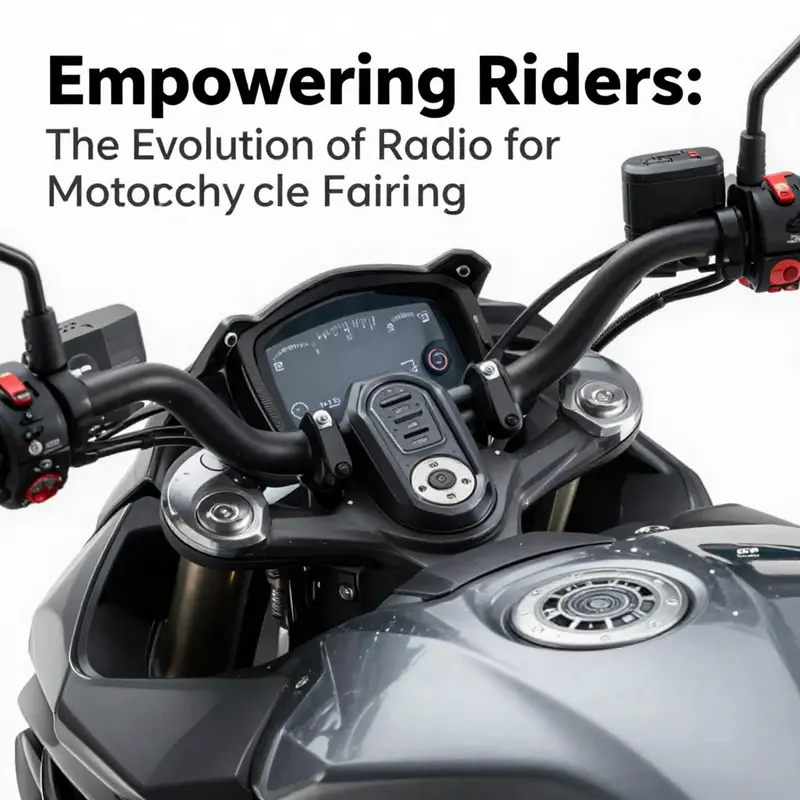
Integrating a radio system into a motorcycle fairing transforms the riding experience by providing a blend of convenience, connectivity, and enhanced safety. As technology progresses, modern fairings are not merely aesthetic components; they function as protective enclosures that house advanced communication systems designed specifically for motorcycle enthusiasts. These integrated systems offer features that cater to the dynamic needs of riders, making them indispensable for both short rides and long journeys.
The first key feature that stands out in integrated radio systems is Bluetooth connectivity. This capability allows riders to enjoy hands-free calling, stream their favorite playlists, or listen to podcasts without the distraction of handling devices. The open road can be an isolating space, but with Bluetooth functionality, maintaining contact with loved ones or fellow riders becomes seamless. Riders can navigate through their routes with voice-guided instructions that can be integrated via a smartphone app, creating a modern blend of technology and motorcycling pleasure. This connectivity drives a social aspect into riding, where discussions and shared experiences can continue even at high speeds.
In addition to Bluetooth, integrated radio systems often include FM/AM radio reception. Riders who appreciate traditional radio broadcasts can tune into their favorite stations, keeping them connected to the world beyond the wind on their faces. This versatility proves essential, especially for riders who embark on extensive journeys, where music and broadcast can serve as reliable companions, elevating the atmosphere during long stretches on the highway.
Smartphone compatibility is another significant advantage, transforming how riders interact with their devices. Many modern motorcycle radios can work effortlessly with navigation apps, guiding users through turn-by-turn directions without the need for visual distractions. This is particularly beneficial because it enhances safety while allowing riders to remain focused on the road ahead. The blend of navigation and communication diminishes the risk of losing orientation while traveling in unfamiliar territories.
Furthermore, the inclusion of built-in microphones significantly contributes to the safety and comfort of riders. These microphones, often coupled with noise-cancellation technology, enhance clarity during conversations while minimizing wind and road noise. In high-speed scenarios, preserving the quality of communication becomes crucial, not only for coordination among groups of riders but also for ensuring that critical information can be transmitted without ambiguity or misunderstanding.
As important as these features is the aesthetic appeal they bring. Modern integrated systems are designed to fit neatly within a motorcycle’s fairing, creating a clean and streamlined look devoid of external bulbs, wires, or bulky accessories. Maintaining aesthetics is crucial for many riders, who view their motorcycles as an extension of their identity; therefore, radio systems that blend seamlessly into the motorcycle’s overall design are increasingly sought after. This not only enhances the motorcycle’s visual charm but also emphasizes the importance of engineering that factors in aesthetics alongside functionality.
The benefits extend beyond aesthetics into practical realms as well. One of the most significant advantages is the improved aerodynamics that come with these integrated systems. Designed to nestle within the fairing, the radio system is shielded from elements like rain, dust, and road debris. This construction helps to maintain the system’s longevity and performance, ensuring that riders can rely on their communication tools in various weather conditions. The aerodynamic shape of the fairing also helps in reducing wind noise interference, allowing for a clearer audio output, further enhancing the overall riding experience.
Rider comfort is paramount, especially during extended rides. Radio systems that provide access to music, podcasts, and spoken directions reduce mental fatigue by engaging riders without overwhelming them with distractions. As fatigue sets in during long treks, consistent access to audio entertainment or information can help maintain focus and elevate the ride’s enjoyment. This leads to safer travel, as riders can remain mentally refreshed and alert, reducing the risk of fatigue-related incidents.
An important aspect of integrated systems is the consideration for factory-integrated solutions available from motorcycle manufacturers. These solutions ensure that the radio system’s components are compatible with the motorcycle’s electrical system, preventing potential operational conflicts or warranty voids. Many manufacturers offer certified aftermarket kits that are designed to function flawlessly with specific bike models, alleviating any concerns related to installation errors. This leads to a sector of the market that emphasizes quality, convenience, and reliability.
Installation of integrated radio systems is relatively straightforward, but it requires careful attention to detail, particularly when adapting it to various motorcycle models. While many systems utilize existing wiring harnesses to promote efficiency, other setups may necessitate professional installation to avoid complications that could damage the motorcycle’s electronics. A knowledgeable technician can ensure that the installation is seamless, leaving the aesthetic and operational integrity of the bike intact.
As mentioned previously, systems designed for motorcycles, such as those that utilize MESH radio technology, showcase the latest in communication enhancements. For instance, this technology allows for extended ranges and stable connectivity even in complex environments. With capabilities to link multiple users – in some cases up to 20 riders – communication becomes incredibly effective regardless of individual distances. Riders can maintain connection distances anywhere from 1,500 meters in open areas to 800 meters in challenging terrains such as densely wooded or urban settings, providing a layer of security and assurance during rides.
The versatility and advantages of integrated radio systems specifically designed for motorcycle fairings exemplify their growing importance among motorcyclists. These systems cater not only to the functional needs of modern riders but ensure that aesthetics, safety, and overall riding experiences are enriched. Riders looking for a balance between safety, technological advancement, and enjoyment will find these integrated systems to be more than just accessories; they become essential components that shape the future of motorcycling. As technology continues to evolve, the melding of communication systems within the fairing promises to further enhance the adventure of motorcycling, affirming that the journey is as important as the destination. For additional insights into motorcycle radio systems, you can explore practical applications and technical details in various resources Motorcycle Radio Integration: Technical Insights and Practical Applications.
By embracing these advancements, riders can truly enhance their experience on the road, transforming everyday motorcycle rides into extraordinary journeys filled with connection and enjoyment.
Revving Up Connectivity: The Evolution of Radio Systems in Motorcycle Fairings

The motorcycle riding experience is a unique fusion of freedom, adventure, and the open road, but it comes with its own set of inherent challenges, especially concerning communication and connectivity. As motorcycling technology continues to advance, so does the integration of sophisticated radio systems into motorcycle fairings. The fairing, which serves as the motorcycle’s protective shell, is no longer merely an aesthetic element; it has evolved into a functional component that enhances rider connectivity. The development of high-tech radios that can seamlessly integrate into the fairing structure signifies a pivotal moment in motorcycling, underlining a trend towards more connected and safer riding.
Key Developments in Motorcycle Radio Systems
One of the most impactful shifts in motorcycle communication involves the incorporation of Bluetooth technology. With the advent of Bluetooth 5.0, systems now offer robust, high-fidelity audio solutions that allow riders to wirelessly connect to their smartphones, helmets, and other devices. This level of connectivity drastically enhances the riding experience by enabling users to stream their favorite music, receive turn-by-turn navigation instructions, and communicate via hands-free calls. With these features, riders can maintain focus on the road while remaining connected to the digital world.
Additionally, radio systems designed for motorcycles have embraced cutting-edge noise-cancellation technology, specifically engineered for the unique acoustic environment encountered while riding at high speeds. Traditional communication systems struggled with interference from wind and engine noise, leading to distorted audio and frustrating communication experiences. Modern systems, however, utilize advanced algorithms and strategically placed microphones to mitigate these disruptions. The result is crystal-clear voice transmission, enabling conversations that are as effortless as they are safe. Imagine cruising down an open highway, the wind roaring past, yet still being able to hear your friend clearly when they speak through your intercom.
Further elevating the motorcycle communication experience are AI-powered voice assistants that respond to natural speech commands. With the integration of this technology, riders can interact with their systems without ever needing to take their hands off the handlebars or their eyes off the road. This represents a significant leap in user-friendliness and safety, as it allows for seamless control of music, navigation, and communications in a way that feels intuitive and natural.
Motorcycle radio systems also prioritize safety features. Many innovative models now include GPS tracking and emergency call functionalities that can be life-saving in critical situations. By ensuring constant communication capability, these systems not only enhance the enjoyment of riding but also promote safety, offering peace of mind for both riders and their loved ones.
Comparative Advantages of Modern Systems
An exemplary model within this evolutionary landscape is the EJEAS X10 Plus, which employs MESH radio technology. MESH networks are superior in their ability to maintain stable connections over expansive distances, outperforming conventional two-way radios. This technology allows communications between up to 20 riders, creating a robust web of connectivity. In open environments, the communication range can extend up to an impressive 1,500 meters, while it still retains efficacy in complex environments, such as mountains or urban settings, with distances reaching 800 meters. This is crucial for riders who often find themselves in challenging terrains where maintaining connection could be difficult.
Furthermore, compatibility and ease of installation remain paramount when considering these integrated communication systems. Most modern systems integrate seamlessly with standard 3.5mm audio jacks found in a wide variety of full-face motorcycle helmets. This universality ensures that riders aren’t confined to a single brand and can choose the helmet that best suits their comfort and safety needs. Additionally, the installation processes are becoming increasingly user-friendly, requiring little technical expertise and allowing riders to set up systems with just a few simple tools.
Ensuring Durability and Performance
Durability is where these advanced motorcycle radio systems truly shine. Many models come equipped with IPX6 waterproof ratings, ensuring they can withstand the elements—rain, mud, and dust—ensuring constant operation regardless of weather conditions. Furthermore, lightweight and compact designs focused on aerodynamic efficiency offer improved performance without compromising sound quality.
As the market for motorcycle accessories evolves, consumer expectations are driving manufacturers to innovate continually. Advanced audio processing capabilities are now commonplace in these systems, resulting in superior audio output that does not sacrifice quality for connectivity. In this new frontier, helmet audio systems are rapidly moving towards becoming an integrated component of the riding experience rather than an afterthought.
While embracing the technological progress, it’s important to consider the implications of this enhanced connectivity on the riding community at large. By ensuring riders can stay in touch while on the road, these systems reduce the feelings of isolation that often accompany long rides, creating opportunities for shared experiences among groups of riders. Imagine a multi-day ride where everyone in the group can easily communicate changes in plans and share the excitement of unexpected road discoveries.
Moreover, this technological shift signals a broader trend in motorcycling toward enhanced safety measures. Clear communication translates to better situational awareness, reducing the likelihood of accidents. Riders can alert each other to potential hazards or road changes instantly, fostering a proactive, collective safety culture within groups.
Future Trends and Developments
The motorcycle fairing radio systems are poised for continued innovation as technology advances. Future models may leverage artificial intelligence to analyze surrounding environments and make real-time suggestions for safety. Integration with smart city infrastructures could allow for real-time updates regarding road conditions or traffic alerts, further ensuring that riders remain informed and safe.
As a part of this development wave, manufacturers are likely to pursue improvements in battery longevity, reducing the need for frequent recharges during long journeys. The expansion of solar-powered systems could further promote convenience and sustainability. Expect to see more features focused on the rider’s comfort, such as customizable sound profiles that adapt to current speed and environmental noise levels.
The integration of advanced radio systems into motorcycle fairings is not just a mere trend; it represents a profound re-thinking of the motorcycle experience for both casual riders and enthusiasts alike. As these systems continue to evolve, the benefits are clear: enhanced communication, increased safety, and a richer riding experience. The future of motorcycling is not just about the bike—it’s about how we connect with it and with each other on the road.
Navigating Trends: The Rise of Integrated Radio Systems in Motorcycle Fairings
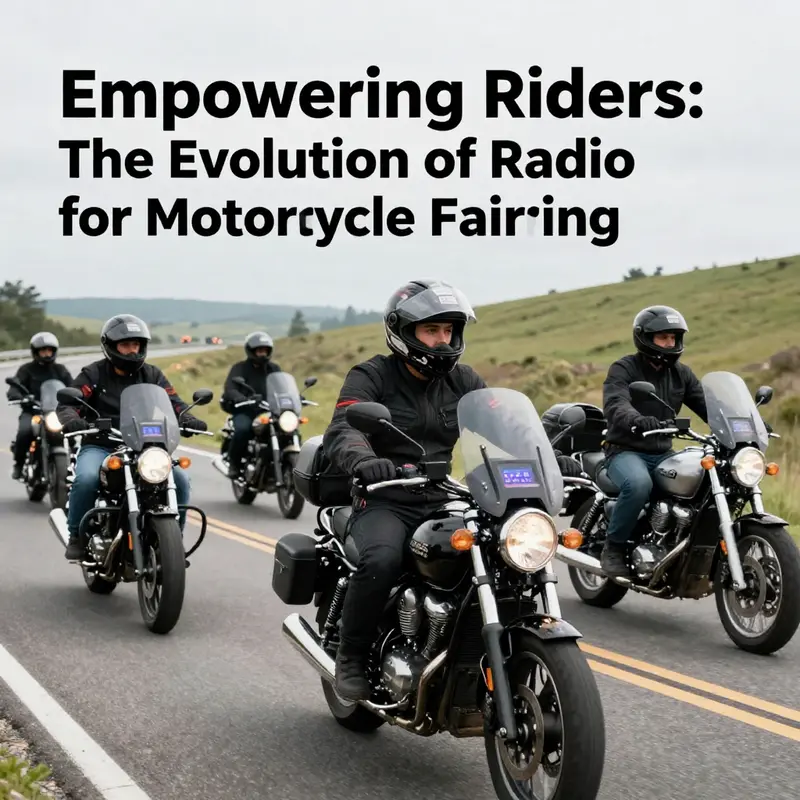
The integration of radio systems within motorcycle fairings is not merely a technical innovation; it is a response to evolving rider preferences and demands for an enhanced motorcycling experience. Gone are the days when riders would tolerate the disconnected feeling of isolation while traversing long highways or winding mountain roads without the accompaniment of music or the ability to communicate seamlessly with fellow riders. As manufacturers increasingly recognize this shift in consumer demands, the motorcycle audio market is witnessing substantial growth driven by technology, aesthetics, and user-centric design.
Within this context, riders now prioritize connectivity. They seek integrated communication systems that enhance safety, allow for uninterrupted listening experiences, and facilitate rider-to-rider communications. A prime example is the adoption of MESH radio technology, demonstrated by systems like the EJEAS X10 Plus. This advanced communication system allows multiple users—up to twenty—to connect over expansive distances, extending the practical range of communication during group rides. With reliable connections maintained over 1,500 meters in open areas and 800 meters in more challenging environments, this technology is transforming how riders interact on the road.
In expanding upon consumer preferences, today’s motorcycle enthusiasts are more discerning when it comes to the integration of audio systems. Riders favor customizable audio solutions that blend seamlessly with the overall design of their motorcycles. They are increasingly looking for systems that not only perform well but also complement the aesthetics of their bikes—fairings that house audio components discreetly while ensuring optimal sound quality without sacrificing safety.
Market analysis supports this trend, indicating a push towards motorcycles equipped with built-in audio systems that are aesthetically cohesive and ergonomically placed. Riders are expressing a clear desire for fairings that protect from the elements but also are embedded with high-fidelity speakers and intuitive interfaces. These innovations come with an added benefit: effective designs can reduce wind resistance by as much as 10%, significantly enhancing the riding experience at higher speeds.
Manufacturers are now more focused on understanding how fairings can integrate audio functionality without compromising aerodynamic efficiency. This focus stems from a growing awareness among creators that performance cannot be solely about horsepower; rider experience is paramount, and audio has become a vital part of that landscape. Compact, weather-resistant components are increasingly available, allowing for seamless embedding within lightweight high-grade plastics or composite materials commonly used in fairing production.
Moreover, the digital evolution has not gone unnoticed among consumers. Today, riders want systems that boast Bluetooth connectivity, allowing them to connect their smartphones without hassle. Companion apps that enable easier control of audio playback or communication settings and features like noise cancellation that shield riders from wind and road noise are becoming intrinsic to what riders expect in their audio experience. The demand for sophisticated yet user-friendly interfaces has never been higher.
China is at the forefront of production, a notable point in today’s market narrative. As a global manufacturing powerhouse, it provides scalable solutions that many brands tap into, not just for fairings but for audio systems as well. Key manufacturing hubs in Guangdong, Zhejiang, and Fujian are pivotal for companies looking to produce high-quality motorcycle fairings equipped with integrated audio systems. Specific suppliers excel in polymer processing and precision engineering, which facilitates the seamless integration of sound systems within motorcycle designs.
Among the suppliers, notable regions like Zhejiang specialize in advanced materials like reinforced carbon fiber composites. These materials not only offer a lightweight solution but also enhance the acoustic properties of fairings designed for integrated audio. As these audio-ready fairings evolve, a clear picture emerges: OEMs (original equipment manufacturers) and aftermarket buyers must establish strategic partnerships with these suppliers to remain competitive.
The consumer’s voice continues to guide the manufacturing capabilities of audio-ready fairings. As the market evolves, riders are driving a demand for high-quality audio systems that comply with safety standards and deliver excellent sound fidelity, even at high speeds. As such, brands that invest in understanding riders’ needs for technology that enhances their experience, rather than complicates it, are more likely to thrive.
Riders’ valuation of integrated systems is evident in their purchasing decisions; they no longer accept the notion of audio systems as separate add-ons. Instead, there is a desire for total immersion that comes from a system designed to work in harmony with their motorcycles while enhancing the overall ride. This approach not only improves the aesthetic of the bike but also symbolizes a commitment to an enriched motorcycle culture, where connectivity is as essential as the design and power of the bike itself.
The integration of advanced audio technology is leading a change in how motorcycles are designed, moving from traditional mechanical forms to more complex systems that offer comprehensive solutions. Consumers increasingly prefer motorcycles where the technology is embedded into the very fabric of the machine, rather than being externally attached. As the market embraces this shift, riders can anticipate an exciting future where technology and motorcycling coalesce seamlessly.
To explore the latest in motorcycle technology and understand the implications of these trends, refer to suppliers such as this source that provide access to top manufacturers, ensuring you have the best equipment integrated into your motorcycle.
Navigating the Intricacies of Installing Radio Systems in Motorcycle Fairings
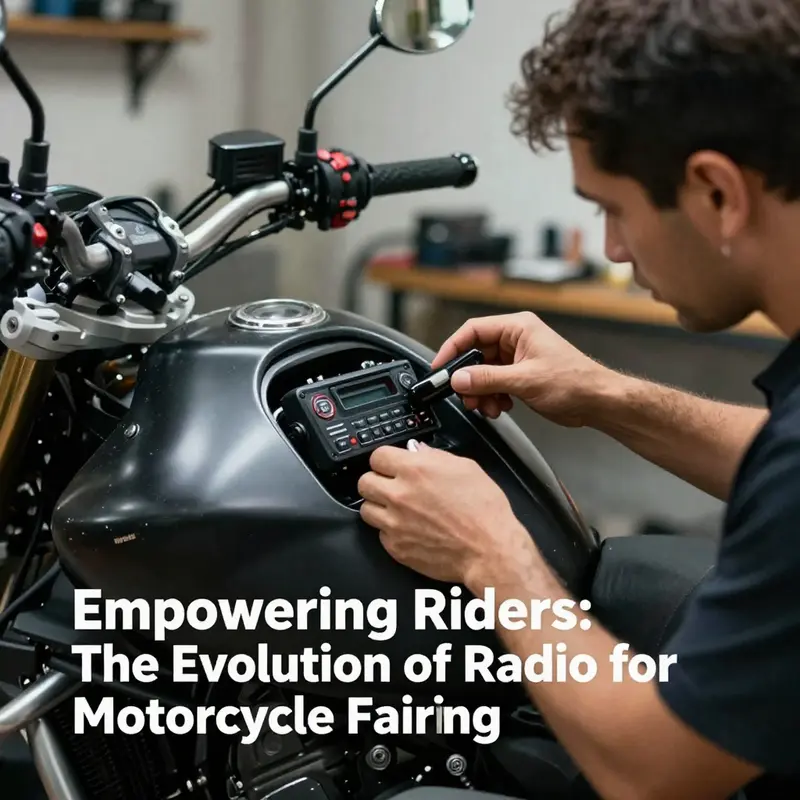
Installing a radio communication system within a motorcycle fairing is an exhilarating yet challenging endeavor that combines technical skill and a love for the open road. The fairing, an aerodynamic shell that protects the motorcycle’s front and sides, presents a unique environment for integrating electronic communication systems. It requires attention to detail and consideration of various factors, such as space constraints, component connectivity, and environmental resilience. This chapter delves deeply into the challenges one might encounter during installation, alongside effective solutions that ensure reliable and efficient communication for riders.
The core of the installation challenge lies in wiring routing. A motorcycle’s fairing provides a limited amount of space, and managing the intricate web of cables without compromising the structural integrity and the aesthetic appeal of the motorcycle is no simple task. Loose or mismanaged wires can not only detract from the visual appeal but also pose significant safety risks or lead to unwanted interference. To overcome this, adept installers often resort to specialized wiring harnesses that ensure proper routing while maintaining the fairing’s sleek design. By utilizing pre-existing channels within the fairing or employing flexible conduits, wires can be neatly concealed, achieving a professional look. Moreover, organizing cables with zip ties or clips can prevent movement that may lead to wear and tear over time.
Component connectivity is another crucial aspect of installing a radio for motorcycle fairings. The radio unit needs to connect seamlessly with external components, including microphones, speakers, and power sources. Ensuring these connections maintain signal quality is paramount for reliable communication. Signal degradation can stem from poor connections or incompatible components. Therefore, meticulous planning and the use of high-quality connectors are recommended. This enhancement can significantly elevate the overall performance of the system.
Additionally, electromagnetic interference (EMI) is a challenge that cannot be overlooked. EMI can come from various sources within the motorcycle, such as the ignition system or alternator, creating unwanted noise in the communication system. To combat this problem, selecting components that feature shielding or using specially designed cables with built-in EMI protection can mitigate interference. Manufacturers may also provide additional resources or documentation to assist in pinpointing the best practices for installation, ensuring optimal performance in various riding environments.
Environmental protection represents yet another layer of complexity. Riders are often exposed to the elements—rain, heat, cold, and vibrations—all of which can adversely affect electronic systems. Protecting sensitive components from moisture and temperature extremes is vital. Employing waterproof connectors and ensuring that radio units are housed in rugged casings can greatly enhance durability. Additionally, installing vibration dampeners can protect components from the incessant bumps and shakes that come with motorcycling, thus prolonging their lifespan.
Durability concerns are not limited to the external environment; all components must be resilient enough to endure the rigors of motorcycling. For instance, many riders may venture off the beaten path, where rugged terrain can further challenge equipment integrity. To meet these demands, seeking modular weather-resistant components, including IP-rated connectors, is essential. These components can withstand both harsh weather conditions and the typical vibrations associated with motorcycle riding.
Another innovative solution is the shift towards wireless technology. Systems that utilize Bluetooth connectivity allow for streamlined communication between the motorcycle’s audio system and the rider’s helmet. This eliminates the need for extensive internal wiring, drastically simplifying the installation process while providing a neat and efficient system. Moreover, Bluetooth communications have come a long way, now supporting multiple units, ensuring riders can converse without the clutter of tangled wires.
One company, for instance, offers advanced communication systems tailored for high reliability in challenging conditions, supporting distances of up to 1500 meters and operating effectively even in noisy environments. These modern systems significantly enhance the feasibility of long-distance communication, making them particularly appealing for group rides where coordination is key.
For those considering a DIY approach, it is crucial to gather the right tools, such as screwdrivers, electric drills, and wire strippers, along with double-sided adhesive tape for securing components. online tutorials can offer valuable insights into various installation processes, guiding novices through the intricacies of Bluetooth systems and ensuring correct procedures are followed. While the excitement of undertaking a DIY project can be appealing, achieving optimal performance often necessitates the expertise of professional installers, particularly for complex setups.
In conclusion, while the challenges of installing a radio communication system in motorcycle fairings are numerous—from wiring routing and component connectivity to dealing with EMI and environmental factors—effective solutions exist to overcome these barriers. With a mix of high-quality components, careful planning, and the potential incorporation of wireless technology, riders can enjoy enhanced communication capabilities that ultimately enrich their riding experience. For a comprehensive look at installation tips and product recommendations, consider visiting specialized retailers dedicated to motorcycle accessories and components.
Harnessing Tomorrow: The Revolution of Communication Technologies in Motorcycle Fairings
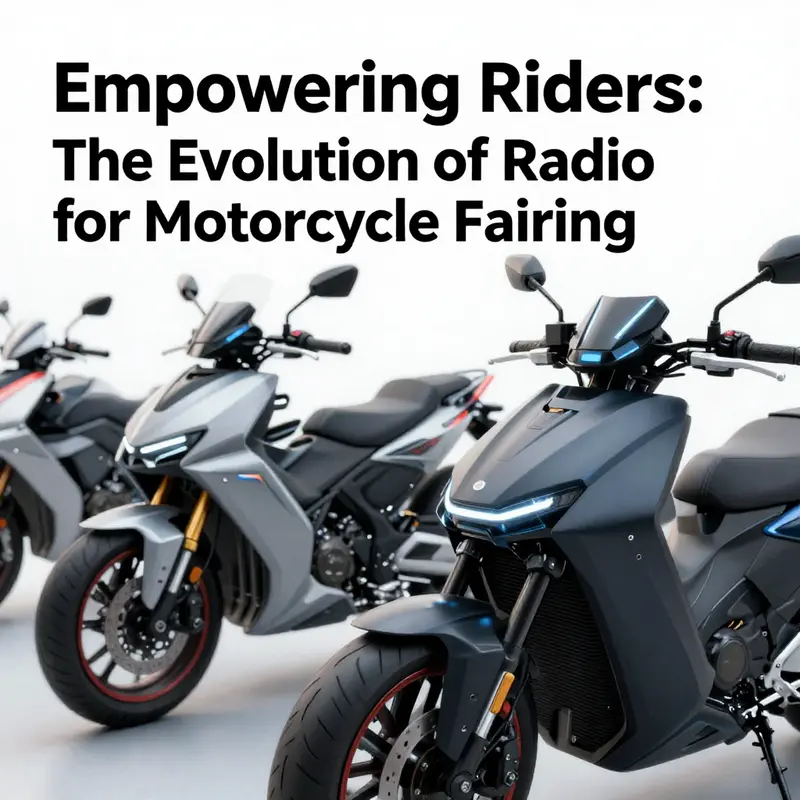
The motorcycle has evolved significantly from its humble beginnings as a means of transport to a sophisticated and intelligent riding platform. Central to this evolution is the motorcycle fairing, which not only provides aerodynamic stability and protection but is now being transformed into an advanced communication hub. As technology propels forward, the integration of communication systems into motorcycle fairings is essential for improving safety, enhancing rider experience, and fostering connectivity among riders. At the heart of this transformation lies an exciting convergence of technology trends that promises to redefine how motorcyclists communicate and interact with their environment.
One of the most significant advancements in communication technology for motorcycle fairings is the adoption of mesh networking systems. Unlike traditional point-to-point Bluetooth connections that limit range and connectivity among devices, mesh networking allows for seamless real-time communication between multiple riders at considerable distances. This capability is particularly valuable in group riding scenarios where clear communication can enhance both safety and camaraderie. Whether during long-distance tours or motorcycle rallies, the ability to communicate effortlessly can make a substantial difference in ensuring that everyone stays together and is aware of their surroundings.
The mesh network operates by allowing each connected device, or ‘node’, to relay data, thus creating an expansive communication web. Riders can communicate even if they are separated by significant distances, with the system supporting connections for up to 20 riders across distances of 1,500 meters in open environments and 800 meters in challenging terrains, such as mountainous areas or dense cityscapes. This enhanced connectivity not only ensures better safety protocols during group rides but also allows users to stay informed of crucial information such as weather conditions, route changes, or traffic alerts directly through their riding system.
In addition to mesh networking, the integration of voice-controlled interfaces powered by AI is ushering a new era of hands-free interaction for motorcyclists. Traditionally, the distraction of navigating a device or attempting to speak over wind noise is a significant concern for safety while riding. With AI-driven voice recognition technology, riders can control their communication systems, play music, or receive notifications without taking their hands off the handlebars or their eyes off the road. These systems are designed to recognize a wide variety of accents and voice commands, further enhancing user experience and ensuring that communication remains clear and efficient.
Equally pivotal is the embrace of 5G and Cellular Vehicle-to-Everything (C-V2X) technologies. The transition to 5G networks introduces ultra-reliable low-latency communication that allows motorcycles to interact not only with one another but also with a connected ecosystem that includes road infrastructure, traffic lights, and even pedestrians. This high-speed communication facilitates advanced functions such as predictive hazard alerts, which can warn riders of obstacles or dangerous conditions ahead. Imagine a scenario where your riding system alerts you of a queue ahead based on real-time data shared between vehicles and infrastructure, or the ability to execute coordinated emergency braking across a rider group, significantly enhancing collective safety.
As communication technologies evolve, the fairing itself is being redesigned to accommodate these innovations. Modern fairings are starting to integrate sophisticated communication architectures such as CAN bus and LIN bus systems, which facilitate multi-modal data exchange between various components. For instance, advanced functions like adaptive turn signal flashing based on riding speed, combined with data from an Inertial Measurement Unit (IMU), not only improve functionality but also enhance rider safety. Such features ensure that a rider’s signals are appropriately timed, reducing the risk of sudden stops or unfocused driver attention.
The shift towards intelligent fairing communication systems opens doors for expanding beyond mere voice interactions or music playback. Future developments could introduce specialized database capabilities that provide users with prominent local services, create a digital thumbprint for better emergency response detailing, and foster community by facilitating rider meetups based on route preferences. As we explore what an integrated motorcycle can offer, the riding experience is evolving from distance-covered to connections made.
The human factor is also a key consideration in advancing communication technologies. As we move towards an integrated and intelligent future, the motorcycle fairing presents an opportunity not only to connect riders but to create a sense of community. Social integration features based on users’ riding habits could foster a club-like environment, creating bonds through shared experiences. Such developments would take motorcycles beyond an individual experience and into the realm of communal adventures, where riders network naturally through shared routes, interests, and safety practices.
The perception of the motorcycle fairing is shifting from a simple protective layer to a vital component that enhances safety, intelligence, and communication. As bikes become more connected, so do the methods of how riders share and receive information. This evolution is not merely about integration; it signifies a paradigm shift for the motorcycling community. We are no longer looking at enhancing our rides with ancillary accessories but rather developing systems that are embedded within the core fabric of motorcycles, fundamentally transforming how we ride, interact, and share experiences.
In concluding this examination of the future of communication technology in motorcycle fairings, it is clear that the integration of advanced communication systems holds the promise of safer, more connected, and more enjoyable riding experiences. The melding of fairings with innovative digital communication technologies is not just safeguarding the rider’s experience; it is revolutionizing it, making every ride a step towards an intelligent future. The journey has just begun, and as innovations continue to unfold, the motorcycle fairing stands as a testament to the incredible potential that future communication technologies will unlock for riders around the globe.
For further information about the innovative products in this area, you can visit EJEAS’ official product page for their X10 Plus MESH Radio System here.
Final thoughts
The integration of radio communication systems into motorcycle fairings signifies a significant advancement in rider connectivity and safety. As technology evolves, business owners have the opportunity to invest in these innovations, delivering enhanced value to consumers. From features and benefits to market trends and installation challenges, the insights offered herein underscore the importance of adapting to meet the needs of the contemporary rider. Embracing these changes will not only ensure continued relevance within the market but also enhance the overall riding experience.