
For motorcycle enthusiasts, particularly those riding without fairings, the absence of built-in audio solutions can detract from the enjoyment of long journeys. Fortunately, the market is flooded with compelling alternatives that not only enhance the riding experience but also cater to diverse priorities such as sound quality, ease of installation, and long-lasting durability. This guide will delve into various types of audio systems available for motorcycles without fairings, spotlighting handlebar-mounted radios, all-in-one systems, wireless technologies, and the critical factors of durability and sound quality. By understanding these options, business owners can better meet the needs of their customers looking for the perfect riding soundtrack.
Embracing Freedom: Handlebar-Mounted Radios for Motorcycles Without Fairings
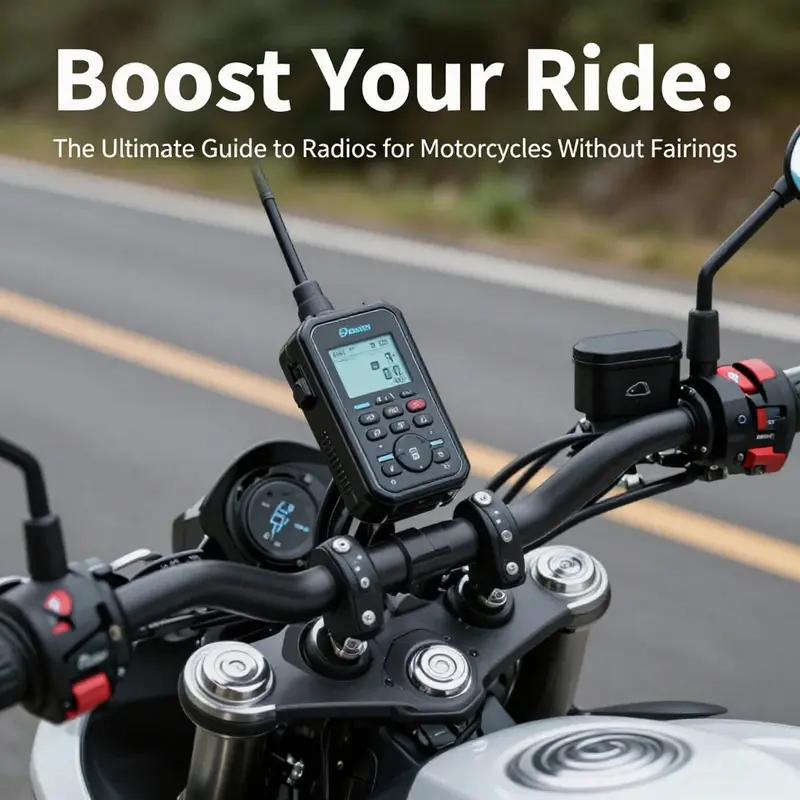
For motorcycle enthusiasts who thrive on the sense of freedom that an open ride brings, the addition of a handlebar-mounted radio system can significantly enhance the riding experience. Motorcycles without fairings, such as cruisers, naked bikes, and some touring models, often lack the built-in audio systems found in their fully-faired counterparts. However, this absence presents an opportunity for riders to customize their machines by integrating high-quality audio solutions that cater to their preferences and riding styles.
Handlebar-mounted radios are specifically designed for convenience and accessibility, allowing riders to enjoy their favorite music, navigate via GPS, or communicate with fellow riders without taking their hands off the handlebars or their eyes off the road. These audio systems have been developed to withstand the unique challenges posed by open-air riding, where wind noise and vibrations are constants. As a result, manufacturers have designed handlebar-mounted radios with features that provide clarity and ease of use, even at highway speeds.
One exemplary choice in the market is the GoHawk Motorcycle Speakers Bluetooth 4 Inch Waterproof Radio Audio System. This robust system features a 1000W amplifier, enabling it to deliver crisp, powerful sound that rivals the ambient noise experienced while cruising. The waterproof design ensures that riders can enjoy their music, regardless of weather conditions, as it is constructed to resist splashes and moisture while remaining easy to operate. The diverse connectivity options—including Bluetooth, AUX, USB, and SD card playback—mean that whether you prefer streaming your playlist from your phone, listening to your favorite FM radio station, or eagerly diving into a new audiobook, this system can accommodate your needs.
The versatility of handlebar-mounted radios lies not just in their audio sources but in their operational convenience. Many models prioritize the rider’s safety and ease of access. Intuitive control interfaces make it simple to adjust volume, switch tracks, or even answer phone calls while riding. By minimizing the need for handheld devices, these setups allow motorcyclists to maintain focus on the road ahead, which is undeniably crucial in ensuring safety on busy urban roads and open highways alike.
Installation is another consideration for riders curious about mounting audio systems on their motorcycles. Most handlebar-mounted radios are designed for straightforward mounting with minimal tools required. This simplicity is particularly appealing to those who prefer a DIY approach to motorcycle upgrades. Additionally, the compact nature of these radios minimizes their impact on the bike’s overall aesthetics, ensuring that the motorcycle’s original design remains intact while still offering a modern touch to the riding experience.
Advanced features have also emerged in contemporary handlebar-mounted radio systems, including options for waterproof Bluetooth mounts that combine phone mounting with audio playback capabilities. Such multifunctional units often provide quick-release mechanisms, allowing riders to securely attach and detach their devices while minimizing vibrations that could impact performance. These innovations reflect the ongoing demand for products that enhance the rider’s experience without sacrificing safety or convenience.
Despite skepticism regarding sound quality at higher speeds, many manufacturers are making concerted efforts to address these concerns. Utilizing noise-cancellation technology and innovative sound design, handlebar-mounted radios are increasingly capable of delivering a pleasurable audio experience under varying conditions. Furthermore, some advanced systems include capabilities for voice control or hands-free operation, aligning with the digital age’s expectation for seamless integration with smartphones and other devices.
As motorcycling continues to evolve, so too does technology surrounding the rider’s experience. For instance, tethering systems that allow riders to compete with wind noise and adjust sound levels in real-time showcase just how far these devices have come. Maintaining high audio fidelity in the challenging environments faced by motorcyclists calls for devices that can combine ruggedness with advanced engineering—an area where handlebar-mounted radios excel.
Ultimately, the choice of which handlebar-mounted radio system to adopt hinges on individual priorities. Riders looking for high portability may favor the minimalistic designs that still pack a punch in sound quality, while those seeking a fully integrated audio system might lean toward more robust solutions capable of combining numerous functions into one compact unit. The ambition remains the same: to enhance the motorcycle riding experience and enable riders to connect with their music or navigational tools seamlessly while staying safe on the road.
For those considering this upgrade, reputable platforms provide abundant choices and reviews, presenting an invaluable resource for purchasing decisions. Pay careful attention to product specifications to ensure compatibility with your motorcycle’s electrical system, as well as checking for relevant safety certifications.
In conclusion, handlebar-mounted radios have become a popular enhancement for motorcyclists who want to maintain their bikes’ sleek look while enjoying extensive entertainment options. The blend of style, functionality, and safety makes these systems essential for riders whose journeys reflect both a love for motorcycling and a desire for connection, turning the open road into a dynamic audio experience.
Seamless Sound: All-in-One Motorcycle Audio Solutions for Fairing-Free Rides
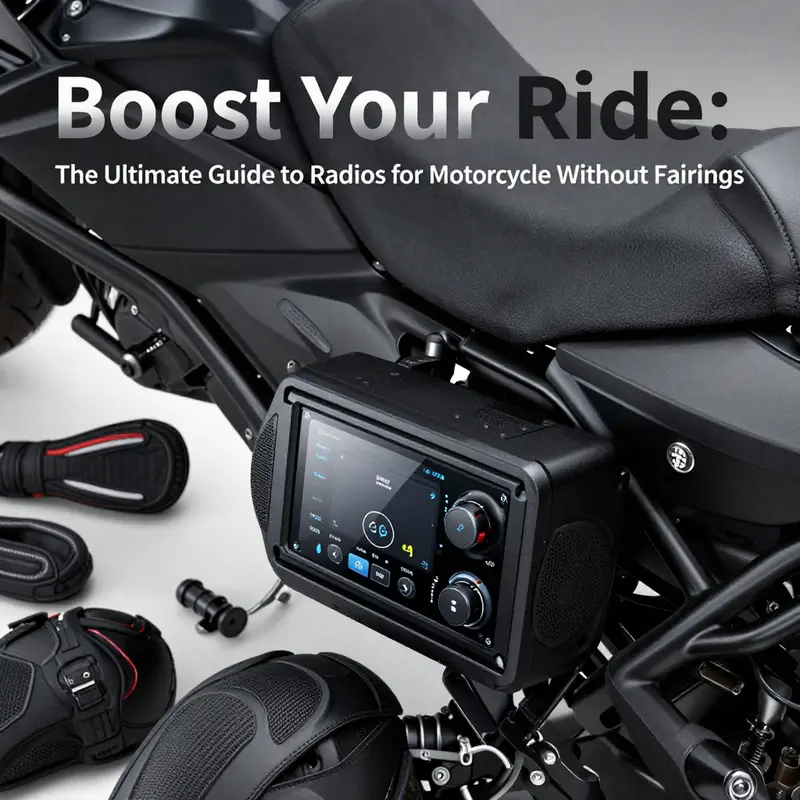
For riders who enjoy the open road on motorcycles lacking traditional fairings, the quest for a robust and comprehensive audio system is more than just an enhancement—it’s about transforming the experience into something extraordinary. An all-in-one audio system provides a potent mix of entertainment and functionality, allowing motorcyclists to enjoy music, podcasts, or radio while cruising down winding roads or through the urban landscape. The unique challenges posed by fairing-free motorcycles mean that such systems must be particularly adaptable, innovative, and durable.
One advantage of these audio solutions is their easier installation. Many all-in-one systems are designed with the distinctive motorcycle frame in mind, meaning they can be mounted directly to handlebars, windscreens, or even affixed discreetly under seats. This adaptability allows riders to enjoy high-quality sound without needing extensive modifications or complex setups that could hinder the bike’s aesthetics or performance.
A notable contender in this market is Boom! Audio, which has developed an efficient Fairing Lower Speaker Kit, pivotal for models like the 2010-2011 FLHXXX. Remarkably, this system allows for enhanced sound without the need for full fairings, addressing the specific needs of those looking for robust audio options for their naked motorcycles.
On the other end of the spectrum, Bose, a brand synonymous with superior acoustic engineering, has produced motorcycle speakers specifically tailored for open-road riding. These systems harness advanced sound technology, featuring larger drivers and tweeters that reproduce deep bass and clear notes, essential for cutting through wind noise at high speeds. Built to endure the rigors of life on two wheels, Bose speakers are often encased in rugged housings to protect against environmental challenges such as rain or dust, ensuring consistent performance no matter the conditions.
Moreover, one of the standout features of these advanced systems is their glove-friendly controls, allowing riders to make adjustments with ease, even when wearing protective gear. This design consideration reflects a deep understanding of the riding experience, marrying safety with convenience—functions that many riders appreciate greatly.
However, it’s not just about integrating sound systems with user-friendly features. Riders often consider audio clarity, volume control, and managing external noise interference, which becomes even more critical in the absence of fairing. High-speed riding naturally amplifies wind noise, which can drown out sound from standard speaker systems. This is where modern technologies, such as noise cancellation and directional audio, play an essential role.
Companies that focus on motorcycle audio systems have started incorporating advanced technologies, including Bluetooth connectivity that syncs effortlessly with smartphones, allowing riders to access their favorite playlists or podcasts without distraction. Some systems also support auxiliary inputs, enabling users to connect various multimedia devices. Many systems promote both Bluetooth capabilities and FM radio functionality along with MP3 playback, creating an all-encompassing audio experience that meets diverse rider preferences.
It’s essential to identify the right system that aligns with your overall riding philosophy and environment. For instance, a system like Bose’s motorcycle speakers indeed offers high-quality sound but also requires a more complex integration into the motorcycle’s electronic framework compared to simpler Bluetooth speaker models. Understanding how these systems fit with the motorcycle’s electrical systems is crucial. These systems usually operate on a 12V DC power supply, pulling directly from the bike’s battery. To protect against electrical issues, many products feature automatic shut-off functions that kick in if they detect excess voltage, safeguarding both the audio equipment and the motorcycle.
Riders should also keep an eye out for additional features in these audio systems, such as built-in amplifiers that significantly enhance sound quality, adaptive controls that help to balance speaker output against road noise, and built-in security features to deter theft. With audio systems being prime targets for thieves, having mechanisms that secure the equipment or make it less desirable can be invaluable.
An emerging trend in motorcycle audio design is the implementation of systems that merge multiple functions into a single unit. Riders can find all-in-one solutions that incorporate alarm systems alongside the audio functionalities. This offers not only a way to enjoy sound during rides but also adds layers of security to protect the motorcycle when parked. Such integrations significantly reduce the clutter and complexity of having multiple devices and wires hanging about the bike, leading to a cleaner, more streamlined appearance that appeals to many motorcycle enthusiasts.
Choosing the right system ultimately ties into personal preferences and intended use. For riders who often adventure into more isolated areas, investing in well-reviewed products becomes paramount to ensure reliability and durability. Researching user feedback on platforms like Amazon or exploring specialist offerings online can provide insights into which products have performed well under varied conditions.
The compatibility with the motorcycle’s electrical system remains a major consideration when choosing any sound system. Installation ease, durability against weather conditions, and sound quality at various speeds should guide the decision-making process. Robust systems made from high-quality materials, such as aluminum or reinforced plastics, not only survive vibrations during rides but also withstand the elements, essential for providing long-term value to the rider.
In summary, the world of motorcycle audio systems tailored for fairing-free bikes is vibrant and continually evolving. From state-of-the-art Bluetooth speakers to innovative all-in-one solutions, the market offers solutions that capture the thrill of the ride while ensuring that riders can still enjoy their favorite sounds. The evolution emphasizes adapting to diverse riding experiences without compromising safety, enhancing enjoyment through smarter design and technology. As the realm of motorcycle equipment advances, so too does the auditory experience of riding, making each trip not just a journey but also a lyrical adventure.
Embracing Wireless Innovation: Cutting-Edge Radio Technologies for Fairing-less Motorcycles

In the realm of motorcycles without fairings, the emphasis is often placed on the raw thrill of riding, the connection to the open road, and the freedom that comes from the lack of bodywork shielding. However, just because these bikes eschew traditional protections, it doesn’t mean that riders have to sacrifice connectivity or entertainment. Recent advancements in wireless technology have transformed how audio systems, communication devices, and charging mechanisms function, enabling a seamless riding experience.
One of the most revolutionary developments in this area is the implementation of Wireless Radio Mesh Intercom Technology. This technology is designed specifically for the unique challenges presented by fairing-less motorcycles, where wind noise and environmental distractions can make communication difficult. Systems like the EJEAS X10 Phantom Plus employ a radio mesh network that allows riders to maintain robust communication over significant distances.
What sets this system apart are its extended range capabilities, enabling riders to communicate up to 1500 meters in open terrain. Even in complex environments such as urban landscapes or mountainous terrains where obstacles may impede signals, the intercom maintains a functional distance of around 800 meters. This is invaluable during group rides, allowing for synchronized navigation and communication, fostering a sense of safety and teamwork among riders. Moreover, in regions with cellular coverage, the system’s ability to tap into 5G networks expands potential communication ranges to over 5000 kilometers, ensuring that riders remain connected no matter where the road leads.
Another pivotal advancement is the integration of Vehicle-to-Everything (V2X) Technology. This next-generation communication technology allows real-time data exchange between motorcycles and their surrounding ecosystem, which includes other vehicles, pedestrians, traffic lights, and roadside infrastructure. Such connectivity is especially beneficial for motorcycles without fairings, as the increased visibility comes with heightened exposure to risks. The safety features enabled by V2X technology—such as forward collision warnings and blind-spot monitoring—are tailored for the unique vulnerabilities of fairing-less designs. By utilizing instantaneous data relayed from nearby vehicles or traffic signals, riders can react promptly to possible dangers, thereby enhancing their safety significantly.
Despite its growing application, V2X is not yet commonplace in the motorcycle sector and its integration into fairing-less models is still in development phases. However, as consumers demand smarter, safer riding options, it is likely that V2X will become a standard feature in the near future, further improving safety protocols for motorcycles lacking traditional bodywork.
Wireless Charging Technology is another innovation making strides in the motorcycle industry, specifically catering to fairing-less models. One of the standout implementations comes from manufacturers experimenting with parking frames to enable wireless charging capabilities. This technology allows motorcycles to recharge their batteries without the hassle of plugging in corded chargers, an everyday convenience that can significantly enhance the rider experience. This innovative solution caters to the lifestyle of the motorcycle enthusiast, as it alleviates one of the common frustrations of owning a motorcycle: forgetting to charge the battery before a ride.
While currently the efficiency of wireless charging may not match traditional wired methods, the convenience factor elevates its appeal. Imagine simply parking your motorcycle and being assured that its connectors are reestablished, automatically charging the system while you go about your business. This blend of practicality with advanced technology aligns perfectly with the ethos of fairing-less motorcycles—an appreciation for simplicity and freedom, combined with innovative enhancements that cater to the modern rider.
With these technological developments, the marriage of wireless systems and fairing-less motorcycles offers a new level of enjoyment and connectivity. Whether through robust intercom systems that facilitate conversation during long hauls or cutting-edge safety technology that ensures a proactive stance against potential hazards, the integration of wireless capabilities is revolutionizing the way riders interact with their machines.
The designs of audio systems tailored for fairing-less motorcycles have also evolved significantly. As riders are looking to enhance their experience with sound, compact audio systems that can fit seamlessly into the absence of fairings have become increasingly popular. These systems may mount directly to the handlebars or strategically on the motorcycle’s frame, ensuring that aesthetic qualities of the bike remain intact while allowing for optimal sound quality.
For long-distance riders seeking to enjoy music or podcasts on the go, Bluetooth speakers combined with FM radio and MP3 playback functionality are ideal. These compact units are constructed from weather-resistant materials, typically offering various degrees of water protection, safeguarding against splashes while preserving sound fidelity. Moreover, the modern iterations of these systems are engineered to withstand the vibrations inherent during rides, ensuring consistency in performance.
Some of these devices even come equipped with amplifiers to boost sound quality, enhancing clarity and volume despite the ongoing wind noise that naturally accompanies motorcycle rides. Advanced models also consider security, integrating theft protection and essential charging features, ensuring that riders can enjoy on-the-go entertainment without compromising their machine’s safety.
Ultimately, the choice of wireless technologies and audio systems hinges on individual rider priorities—whether one values portability, sound clarity, ease of installation, or durability. As the market continuously adapts to these needs, brands celebrated for their audio excellence are making strides into the motorcycle sector, crafting systems that meet the specific demands of fairing-less models. The future promises a range of robust audio solutions that will cater to those yearning for both enjoyment and practicality on the road.
In conclusion, as motorcycle enthusiasts continue to embrace the exhilarating freedom offered by fairing-less designs, they are also finding comfort in the conveniences provided by modern wireless technology. The ongoing improvements in communication systems, safety features, and energy solutions are seamlessly integrating into the fabric of motorcycle riding culture. This shift not only enhances the individuality of riders but also ensures that they can remain connected, informed, and entertained while navigating the open road. For those keen on upgrading their experience, exploring these advancements is crucial to unlocking the full potential of their motorcycles.
Building Resilience: The Essential Durability and Weather Resistance of Motorcycle Radios Without Fairings

When it comes to enhancing the riding experience on motorcycles without fairings, one of the most critical upgrades is the installation of a radio or audio system. For these open-air models, the choice of audio unit must prioritize durability and weather resistance. Riders often embark on long journeys, and the elements can be unpredictable, exposing any mounted units to wind, rain, dust, and drastic temperature changes. This lack of protective coverage requires that any radio system chosen for a motorcycle without a fairing be substantially more robust than standard audio equipment.
With this in mind, understanding how environmental stressors affect motorcycle radios is essential. Unlike those affixed to fairing-equipped bikes—where the panels serve as shields against the elements—units designed for naked bikes must withstand direct exposure to nature’s whims. Each component must be rugged enough to endure vibration and shock from the road, provide water ingress protection rated at IP65 or higher, and resist dust accumulation that could impair performance.
Choosing the right motorcycle radio requires careful consideration of the construction materials and design features. Many cutting-edge models incorporate sealed enclosures crafted from metal or high-grade plastics designed to endure harsh outdoor conditions. For example, the Kicker 400T and Cyclone 2.0 Touchscreen Radio are standout options engineered explicitly for open-air use. Their design incorporates advanced sealing technologies and impact-resistant materials, ensuring that even during rain showers or when faced with blown grit at high speeds, the internal mechanisms remain unharmed and functional.
Vibration and Shock Resistance: Key Considerations The relentless vibrations experienced by motorcycles can severely impact electronic devices. An ideal motorcycle radio must feature a shock-absorbing housing, which mitigates the effects of rhythmic jolts that could otherwise disturb the delicate internal components. The ruggedized interfaces of modern systems are designed to protect touchscreen displays from accidental impacts, ensuring that they remain usable and functional. Such engineering not only prolongs the equipment’s lifespan but also enhances user experience by preventing accidental malfunctions during rides.
Moreover, many manufacturers now utilize Military Standards (MIL-STD-810) for durability testing. This ensures that the radios can withstand not just slight bumps but also harsher impacts that might occur in a motorcycling environment. Radio units meeting these rigorous standards are crucial assets for riders who traverse diverse terrains and weather conditions.
Another feature to consider is the effectiveness of audio at varying speeds. Skeptics often doubt how well radios can perform in the face of heightened wind noise that comes with high-speed riding. However, modern designs mitigate these challenges by incorporating advanced sound technologies. For instance, directional microphones and elements that promote noise-cancellation are increasingly finding their way into bike audio systems. Such innovations ultimately enhance audio clarity, allowing riders to enjoy their tunes or navigate GPS instructions without straining to hear them over wind rush.
Portability and Installation Action Functions like Bluetooth connectivity and MP3 playback further augment the audio experience, but ease of installation is also vital. Riders who prefer to maintain the aesthetic of their bike may seek solutions that integrate directly under the seat or alongside the fuel tank. In this regard, compact all-in-one audio systems stand out as practical solutions. These units condense multiple functionalities into a single device, minimizing installation complexity while maximizing audio fidelity.
Customizing Your Ride Customization is another essential element for motorcycle enthusiasts. The aesthetic coherence of a motorcycle can significantly impact the owner’s satisfaction. Therefore, updating a motorcycle with an audio system can sometimes feel daunting, particularly with the fear of compromising the model’s original appearance. However, well-designed systems now come in a variety of styles that blend seamlessly with popular bike models. Riders can select units with sleek finishes or incorporate design cues from their motorcycle’s framework for a uniform look.
Moreover, manufacturers have begun producing specialized brackets and mounting kits tailored for various motorcycle types, ensuring you find a suitable fit for your naked bike. These kits can be crucial in installing the audio unit securely, preventing it from rattling when hitting bumps. A secure installation ensures long-term durability and minimizes the risk of potential theft, as many riders prefer products with integrated anti-theft features.
Safety and Electrical Compatibility Given that motorcycle radios are typically hardwired into the bike’s electrical system, it is essential to ensure compatibility with the existing electrical system for functionality and safety. Well-reviewed products will often include specific details about voltage requirements and may incorporate safety features like automatic shut-off mechanisms, which help to prevent damage if voltage levels exceed specified thresholds. Many high-quality radios operate on a 12V DC power setup, mirroring the standard motorcycle electrical system, which ensures seamless integration.
In conclusion, selecting a radio for motorcycles without fairings is centered around prioritizing durability and weather resistance. Invest in a reliable unit designed for rugged environments, ensuring that you enjoy the ride and the audio experience equally. Checking user reviews and specifications on reputable sites is always wise to ensure the product aligns with your needs. Equipment that meets military-grade standards for environmental resistance can offer peace of mind when investing in gear that enhances your riding experience.
Navigating Sound Challenges: Achieving Audio Clarity on Fairing-Free Motorcycles

For riders of motorcycles without fairings, the thrill of open-air biking is often coupled with distinct auditory challenges, especially when seeking to enjoy music or radio broadcasts during their journeys. The absence of fairings means there is minimal protection against wind and environmental noise—factors that can greatly impact the clarity and quality of audio output. As speeds increase, the difficulties associated with maintaining audio clarity can become pronounced, making it imperative for riders to understand the intricacies involved in sound systems tailored for their specific needs.
When cruising at higher velocities, wind noise quickly escalates to levels that can drown out standard audio systems. This phenomenon occurs largely due to the direct assault of air against the rider’s helmet and ears, overwhelming the sound that would typically emanate from speakers designed for more sheltered environments. Bass frequencies, in particular, are susceptible to masking by this ambient noise; they often require more power and fidelity to be perceivable. Traditional car sound systems or generic portable Bluetooth speakers simply do not perform adequately under these conditions. Thus, a deliberate choice needs to be made towards specialized motorcycle audio solutions that address these challenges head-on.
High-performance Bluetooth speakers and integrated motorcycle audio systems have emerged as potent remedies to these noise-related dilemmas. Many of these systems boast advanced features aimed at enhancing audio fidelity despite the obstacles posed by high-speed wind and interference. For example, top models utilize technologies such as beamforming, which directs sound in specific patterns rather than dispersing it uniformly. This significantly improves the listener’s experience by ensuring that audio is concentrated in the right direction, helping to combat the overpowering effects of wind noise.
To tackle the challenges of sound clarity, modern audio systems designed for motorcycles without fairings emphasize high-frequency response and directional acoustic output. These systems can isolate and amplify the critical sound frequencies that might otherwise become obscured in the presence of wind. Riding at speeds exceeding 100 km/h, where engine and environmental noise peak, often leads to a nuanced listening experience wherein clarity of vocals and instrumental details becomes paramount.
Beyond just sound quality, weather resistance is another crucial factor when selecting speaker systems for motorcycles subjected to the unpredictable elements of both road dust and rain. Devices with an IPX5 or higher rating are often recommended for such conditions, as they can withstand splashes and exposure without compromising the internal components. This durability is essential when considering the rough and tumble nature of off-road or long-distance touring, where riding conditions are less than predictable. Any audio system on a motorcycle must withstand the vibration and shock that comes with the ride, thus the use of robust materials and anti-vibration structures cannot be overlooked.
Installation options for these audio systems also warrant careful consideration. Unlike motorcycles equipped with fairings that often feature defined compartments for speakers, bikes lacking fairings require a more creative approach. The ideal speaker placement involves positioning units in locations that ensure their orientation directs sound towards the rider—a setup that often translates into mounting on handlebars or higher frames, angled slightly to optimize audio clarity without increasing volume to dangerous levels. Installations near the rider’s line of sight, yet elevated and tilted forward, help enhance the overall acoustic engagement while allowing for an unobtrusive design that does not detract from the motorcycle’s overall aesthetics.
Recent advancements in rider communication technology further illustrate the emphasis on audio clarity in high-wind environments. Motorcycle audio systems now frequently integrate with helmet communication devices, offering seamless connectivity to Bluetooth-enabled smartphones and navigation systems. This enables not only enhanced music playback but also the capacity for intercom functionality during rides. Such integrations allow professionals and enthusiasts alike to maintain situational awareness while enjoying their favorite media, underscoring the increasing sophistication of these audio systems.
Despite the challenges posed by open-air motorcycles, the right audio system can significantly enhance the riding experience when chosen wisely. Acknowledgment of factors such as sound clarity, wind noise resistance, and weatherproof construction should guide the selection process. Riders passionate about their biking adventures should not settle for less than the optimal sound experience—after all, the joy of riding can be amplified through the right soundtrack, even in the most challenging acoustic environments.
For those looking for reliable products, platforms such as Alibaba or Amazon offer a plethora of motorcycle audio options complete with customer reviews and detailed specifications. Riders are encouraged to scrutinize compatibility with their specific motorcycle models and verify that products possess appropriate safety certifications and robust protective features.
As motorcycle technology continues to evolve, so too do the capabilities of audio systems designed for their unique operational environments. With ongoing enhancements in wind noise management and audio fidelity, the future of motorcycle audio systems seems poised to deliver rich sound experiences without compromising performance or safety. With the right tools, anyone can turn the open road into a symphony of sound.
Final thoughts
Selecting the right audio system for motorcycles without fairings is crucial for enhancing the overall riding experience. Business owners need to offer products that align with customer desires for quality audio, weather resistance, and seamless integration with their bikes. With options ranging from handlebar-mounted radios to sophisticated all-in-one systems, there is a solution to meet every need. As riders continue to seek enjoyment in their journeys, the right audio system can transform each ride into a soundtrack of memories.