
In the world of motorcycle performance enhancement, rear fairings stand out as essential components that contribute not only to the machine’s looks but also to its aerodynamics. Understanding the significance of rear fairings helps business owners grasp their value in the competitive motorcycle market. This article explores the aerodynamic benefits of rear fairings, the materials and design considerations that influence their effectiveness, and the diverse aftermarket options available to motorcycle enthusiasts. By diving into these three key areas, business owners can better appreciate how rear fairings can elevate rider experience and performance.
Unlocking Speed and Style: The Aerodynamic Advantages of Rear Fairing Motorcycles
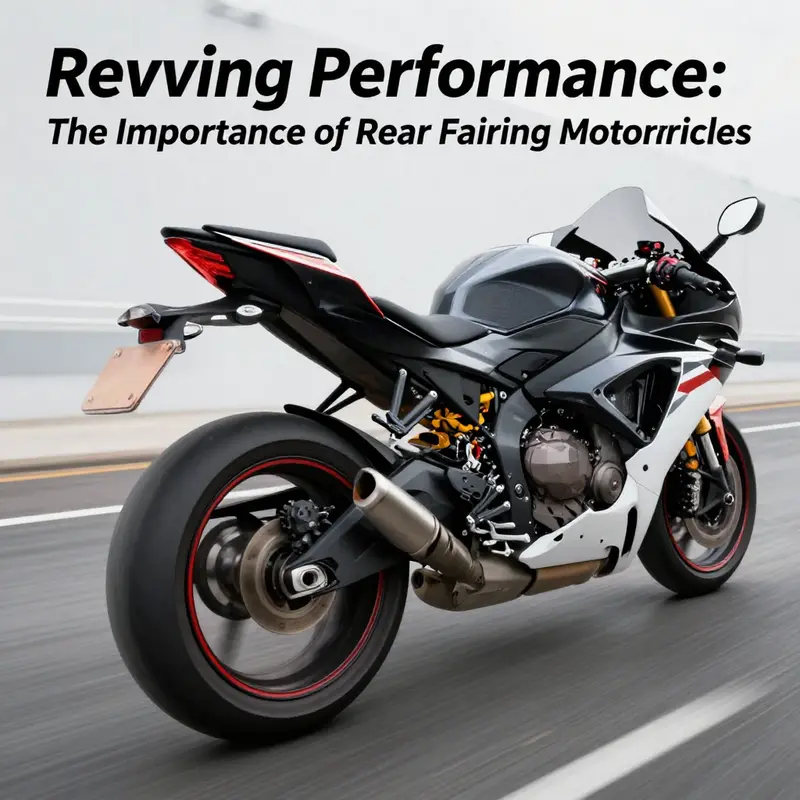
The role of aerodynamics in motorcycle performance cannot be overstated, particularly when it comes to the rear fairing. Rear fairings, often regarded as rear spoilers or wing fairings, are essential components that enhance not only the visual appeal of a motorcycle but also its operational capacity at high speeds. Understanding the intricacies of how rear fairings contribute to both performance and aesthetics reveals a deeper appreciation for these aerodynamic accessories.
From the moment a motorcycle accelerates, it encounters resistance from air, creating drag that can hinder its speed and stability. A well-designed rear fairing bridges the gap between form and function, allowing for streamlined airflow that significantly reduces turbulence at the rear of the bike. This change in airflow dynamics minimizes drag, which is crucial in high-speed scenarios like racing or sport riding. The necessity for effective aerodynamics is particularly accentuated on high-performance models, such as the Kawasaki ZX-4R and ZX-25R, where every detail counts for competitive edge.
One of the standout features of rear fairings is their ability to enhance high-speed stability. When a motorcycle reaches elevated speeds, the slightest disturbances caused by winds can lead to instability. Rear fairings mitigate these issues by altering the airflow trajectory around the bike. By doing so, they create a more stable ride, allowing the rider to focus on control instead of confronting aerodynamic disturbances. As any experienced rider can attest, stability translates to confidence, enabling them to push their limits while benefiting from reduced wind resistance.
Moreover, the benefits of rear fairings extend beyond mere speed and stability. An often-overlooked aspect is the impact on fuel efficiency. As rear fairings reduce drag, the engine does not have to work as hard to maintain speed, which inherently leads to better fuel economy. This efficiency becomes particularly valuable for daily riders who seek to get the most out of their motorcycles without constantly refueling. The improved fuel consumption can decrease the frequency of stops on long rides, making the overall experience less cumbersome.
In addition to performance enhancements, rear fairings provide practical benefits linked to cooling. The design of these fairings often enables them to channel airflow towards critical engine components, allowing for better heat dissipation. This efficient airflow not only keeps engine temperatures lower but also protects important components from potential overheating during extended rides or in demanding conditions.
While the performance benefits of rear fairings are compelling, their visual aesthetics play an essential role in the overall appeal of a motorcycle. Many rear fairings feature aggressive designs that suggest speed and power, incorporating integrated seat cowls and humps that mimic the styling cues from racing. Riders often choose rear fairings based not only on functionality but also on how well they complement the bike’s design aesthetic. For example, aftermarket options for models like the Kawasaki ZX-4RR come in various colors and finishes, allowing for personalization that keeps the racing look while enhancing performance.
However, not all is perfect in the world of rear fairings. As with many enhancements, compromises are often required. For example, standard fairings designed primarily for aerodynamics frequently limit passenger accommodation. The space available for a second rider is often sacrificed in favor of streamlined design, making them less than ideal for those who seek a passenger-friendly ride. Furthermore, while many aftermarket options allow for easy installation, modifications to existing wiring can be needed for integrated lighting systems, which may deter some riders seeking ease of use.
For those who prioritize aesthetics without sacrificing practicality, OEM-style carbon fiber fairings stand out. These components are ideally suited for daily riders due to their blend of durability and visual appeal. The carbon fiber provides a lightweight option that improves overall performance without compromising on structural integrity. Such parts can significantly enhance both the look and feel of ride, making them desirable not only for their functional benefits but also for their striking appearance.
Customization plays a significant role for enthusiasts in the motorcycle community. Riders frequently seek out custom or modified rear fairings tailored to their specific tastes or functional concerns. Innovative designs that incorporate unique shapes or finishes can aid in achieving personalized aesthetics. Additionally, upgrades like better ventilation or integrated lighting systems are increasingly popular, aiding in further enhancing both performance and visual flair. Such options show the diversity available in rear fairing designs, catering to a wide range of rider needs and preferences.
Ultimately, while the advantages of rear fairings, including aerodynamic efficiency and performance enhancement, are clear, their successful integration into a motorcycle hinges on balancing numerous factors. Riders must assess their intended use: whether for exhilarating track days, spirited sport riding, or leisurely touring—this evaluation plays a deciding role in selecting the best fairing for their needs. Enthusiasts must weigh the trade-offs and choose components that align with their riding style while still delivering the desired level of aerodynamic efficiency.
The world of motorcycle rear fairings serves as a testament to how engineering and design converge to elevate the riding experience. Whether it’s achieving that elusive top speed or enjoying a more stable ride on twisty roads, the thoughtful application of aerodynamics —in the form of rear fairings—can make all the difference. As this fascinating area of motorcycle design continues to evolve, so too will the possibilities for riders who seek both performance and aesthetic appeal.
For those interested in enhancing their motorcycle’s performance with quality components, a vast selection is readily available online. Retailers offer a wide variety of rear fairings suited for specific models, ensuring that riders can find fitting options tailored to their unique requirements and tastes. You can explore extensive collections, such as those for Honda or Yamaha models, to discover a range of styles that will give your motorcycle the edge it needs while enhancing its visual impact.
Crafting Performance: The Art and Science of Motorcycle Rear Fairings

The design and materials used in motorcycle rear fairings are essential not only for aesthetic appeal but also for performance enhancement. Every curve, angle, and surface treatment is meticulously calculated to optimize airflow and reduce drag, making these components vital for demanding riders who seek an edge in both street and track contexts.
At the heart of contemporary rear fairings lies the fusion of advanced technology and composite materials. Riders today benefit from the lightness and strength offered by carbon fiber and high-grade fiberglass. These materials, with their superior properties, allow manufacturers to create fairings that are not only visually striking but also functionally superior. For instance, carbon fiber is particularly valued in racing scenarios for its premium appearance and unmatched resilience, enabling race enthusiasts to take their motorcycles to speeds previously deemed unattainable without the right engineering behind them.
The shape and design of rear fairings are equally important, especially when considering the varying needs of motorcycle riders. Performance-oriented fairings tend to showcase aggressive lines and minimal surface areas, which can remarkably reduce airflow turbulence around the motorcycle. Such designs seamlessly guide air over and around the bike, providing stability and control during high-speed maneuvers. Integrated seat cowls or humps are common features found in these race-style fairings, designed to improve rider ergonomics while further refining how air interacts with the motorcycle, effectively increasing downforce.
Additionally, some advanced rear fairings include specialized channels and vents aimed at enhancing engine cooling and protecting vital components from overheating during prolonged performance use. This is particularly crucial for riders who push their machines to the limit, as overheating can lead to performance degradation and increased wear on engine components.
Conversely, fairings designed for everyday use usually prioritize durability and practicality over aggressive aesthetics. These Original Equipment Manufacturer (OEM) fairings often utilize robust polymers. By resisting UV damage and impacts, these materials ensure that the looks and functionality of bikes remain intact over time, which is a significant concern for many riders who may not frequently change their fairings.
Customization plays a pivotal role in the motorcycle culture, and this extends to rear fairings. Enthusiasts who wish to personalize their ride can often find aftermarket options that go beyond the standard fare. Custom fairings allow for bespoke designs, finishes, and even integrations such as LED lighting, providing riders not only with performance benefits but also a chance to express their personal style and flair.
When it comes to choosing the right rear fairing, riders must consider their specific desires and riding conditions. For those who frequent the track, lightweight carbon fiber options may be ideal, offering speed and handling advantages essential for competitive performance. In contrast, long-distance riders might prefer more durable plastic or composite fairings, which are easier to repair and maintain during extensive adventures.
As the evolution of motorcycle technology continues, it becomes increasingly clear that rear fairings will also evolve. Innovations in materials and manufacturing techniques promise to enhance their performance and functionality even further. With the rise of 3D printing and advancements in aerospace engineering solutions, the future of rear fairing design looks exceptionally promising.
For riders eager to explore options tailored to their motorcycle models, online retailers like Summit Fairings provide extensive collections of motorcycle rear fairings suited to various makes and models. From the iconic Honda CBR series to the agile Kawasaki Ninja line, a wealth of options is available, ensuring compatibility and aesthetic satisfaction without the hassle of fitment concerns. Each fairing offered meets stringent quality benchmarks while allowing full customization to match riders’ preferences.
As performance and aesthetics intertwine in motorcycle culture, rear fairings stand out as indispensable components that marry beauty with engineering excellence. They encapsulate the essence of what it means to be a motorcycle enthusiast, where every detail counts, and every ride symbolizes freedom on two wheels. Embracing these evolutionary components not only enhances a motorcycle’s capabilities but also pays homage to the craftsmanship and design that defines this thrilling lifestyle.
For a deeper dive into the materials and designs prevalent in motorcycle fairings, you can explore further insights as seen in the analysis provided on Motorcycle Fairing Materials and Design – BikeRadar (2025).
Exploring Aftermarket Innovations in Motorcycle Rear Fairings

The landscape of motorcycle customization is a vibrant and constantly evolving domain, with aftermarket rear fairings emerging as a significant area of innovation. These components, also referred to as rear spoilers or wing fairings, serve integral roles that go beyond mere aesthetics; they can dramatically enhance a motorcycle’s aerodynamics and overall performance. Tailoring these parts to fit specific riding styles and preferences has becomes a key focus among both manufacturers and riders alike. In this exploration of aftermarket options for rear fairing motorcycles, we uncover the variety of designs, materials, and applications that await enthusiasts seeking both function and fashion for their rides.
The aftermarket segment provides riders with myriad choices when it comes to rear fairings, catering to varying tastes in design and performance needs. Among the most popular options is the custom carbon rear fairing, known for its lightweight properties and sleek appearance. Carbon fiber is revered not only for its strength and structural integrity but also for the refined and professional look it imparts. Riders often choose carbon rear fairings to maintain an OEM-style aesthetic while reaping the benefits of reduced overall weight, enabling better agility and speed on the road or track.
Another prominent selection is the race-style rear fairing. Designed with the track in mind, these fairings feature aggressive profiles that prioritize aerodynamics. They typically exhibit a reduced surface area, which minimizes drag and enables better high-speed stability. Many race-style rear fairings also include integrated seat cowls or humps, which not only enhance rider comfort but also improve cooling efficiency during spirited rides. However, potential buyers are advised to consider the trade-offs; these fairings often lack space for passenger accommodation and could necessitate complex wiring adjustments for lighting systems. Thus, while they provide superior performance benefits, they might not be the most suitable option for long-distance touring or casual rides.
For those looking for something truly unique, custom or modified rear fairings empower riders to express their individuality. These bespoke designs can be created to specific measurements or aesthetic desires, ranging from unique shapes to various finishes like matte or glossy. Enthusiasts can incorporate custom features, including integrated lighting systems or advanced air intake mechanisms. Such modifications are not only artistic expressions but also functional enhancements that go beyond the capabilities of standard production models.
When selecting rear fairings, the choice of materials plays a pivotal role in determining the fairing’s performance, durability, and visual appeal. The market is dominated by several material options, each with distinct characteristics. 3K dry carbon fiber is arguably the premium choice, offering an unmatched strength-to-weight ratio along with an aesthetic that appeals to those who value both function and beauty. Those seeking a more budget-friendly yet durable option may consider fiberglass, which has long been a staple in motorcycle fairing production for offering satisfactory durability at a reasonable cost.
Polyurethane also finds its place in the market, especially for complex shapes where impact resistance is a key concern. The decision on which material to choose significantly impacts weight, durability, finish quality, and overall market positioning—factors critical to performance on both the street and track. Riders particularly invested in racing applications often favor lighter materials to gain an edge over competitors.
Among the specific motorcycle models that benefit from advanced aftermarket rear fairings are giants like the Suzuki Hayabusa and Honda Africa Twin. The Hayabusa is known for its extreme speed capabilities and presents aftermarket solutions that leverage 3K dry carbon fiber for excellence in both aesthetics and performance. Clear minimum order quantities and price structures set by reputable suppliers further simplify the decision-making process for prospective buyers. On the other hand, the Honda Africa Twin features half fairings that provide wind protection while exposing the engine for ease of maintenance, thus offering a balanced approach from manufacturers and aftermarket producers alike. This kind of engineering showcases the versatility of rear fairings, allowing for lightness and aerodynamism while directly enhancing ride comfort.
Riders exploring aftermarket fairings will find themselves thriving in a market rich with innovation and variety. Many online retailers, such as those sourcing through platforms like eBay, guarantee fitment for popular models, ensuring that riders can navigate the options available without compatibility issues. This accessibility aids in encouraging riders to enhance their machines for both aesthetic appeal and performance benefits, making it easier than ever to tailor a ride to personal specifications. The infusion of custom aftermarket components into the motorcycle culture not only enhances individual rides but also fosters a greater sense of community among enthusiasts who share a passion for precision and performance.
By understanding the distinct offerings of aftermarket rear fairings—from their types and materials to their applications on specific motorcycle models—riders become empowered to make informed choices that reflect their style and riding needs. The journey of selecting the perfect rear fairing can lead to a relatively simple yet profound enhancement of the motorcycle experience, aligning not just with personal taste, but elevating overall performance on the road.
For a more technical dive into both standardized and custom modifications, consider exploring the detailed guide at Exploring Carbon Rear Fairing For Triumph: Material Standards, Technical Details, and Applications. This resource offers insights into material standards and design specifics that can further inform your decisions as you navigate the exciting world of motorcycle modifications.
Final thoughts
Incorporating rear fairings into motorcycles is essential for enhancing both performance and aesthetics. For business owners, understanding the roles and materials behind these components opens new opportunities for sales and customer engagement. With diverse aftermarket options available, offering these products can not only rev up riders’ experiences but also increase profitability. Embracing the importance of rear fairings can lead business owners to thrive in the competitive motorcycle market.