
Motorcycle fairings serve as critical components that enhance both the aesthetic appeal and aerodynamic performance of bikes. However, reckless installation can lead to serious issues that affect safety, performance, and legal compliance. This article delves into the dangers associated with improper fairing installations, focusing specifically on the safety measures business owners need to consider, the tools and techniques employed, the impact on motorcycle performance, and the potential legal and financial repercussions. Each chapter provides in-depth insights that will aid business owners in navigating the complexities of motorcycle customizations while adhering to regulatory standards.
Guardrails at Speed: Safety Protocols for Reckless Motorcycle Fairing Installations
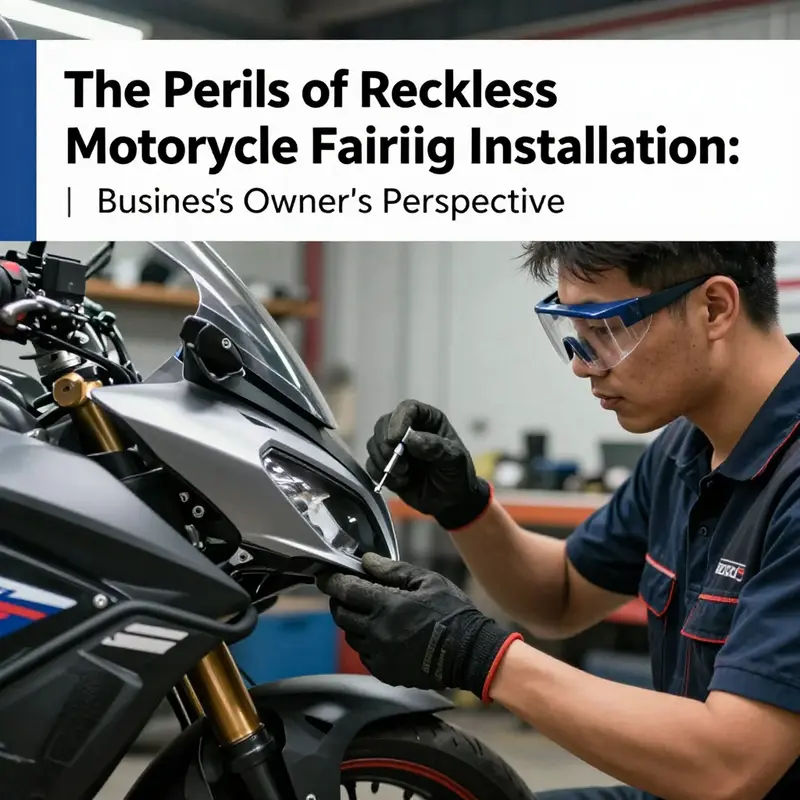
The lure of a streamlined silhouette and the promise of improved aerodynamics can tempt riders to rush through the process of installing a fairing. Yet the same speed that fuels thrill can magnify small mistakes into catastrophic consequences. In the realm of motorcycle modification, safety is not a feature to be tacked on at the end. It is the backbone of every decision from the first alignment check to the final post-fastening inspection. When a rider treats fairing installation as a chance to experiment rather than a measured procedure, the result is not just squeaks and rattles. The risk extends to detachment at speed, altered handling dynamics, and the potential for injuries to the rider or others on the road. This chapter threads the current best practices into a single, continuous narrative about safeguarding the machine and the rider during what can be described as a high-stakes modification. It is not about restricting ambition; it is about ensuring ambition does not outpace control.
At the heart of safe fairing installation lies a simple, often overlooked fact: a fairing is not merely cosmetic. It is structural. When mounted, it becomes a part of the bike’s aerodynamic profile and a component that must survive the same forces that the frame and suspension endure. If the attachment system is misapplied or the mounting points are not properly reinforced, the fairing can shift, flex, or even separate. The consequences of such failures are not limited to a panel out of place. Vibrations can magnify into fatigue cracks, alignment can drift, and the rider can encounter unexpected changes in steering response or braking balance. The fairing’s interaction with the frame, handlebars, and forks means that every bolt must be torqued to specification and every alignment verified with the same care a pilot uses when securing a critical airframe component. When speed is involved, there is little room for improvisation.
To navigate these risks, the installation process must be anchored in verifiable checks that cross from the theoretical into the practical, from the workshop bench into the road. The first line of defense is fitment verification. Before a wrench touches a single fastener, the rider should confirm compatibility with the specific model year and configuration. Official fitment checkers, provided by the manufacturer, serve as the initial gatekeeper against mismatched hardware or misread model designations. Using these resources helps ensure that the chosen fairing, mounting kit, and reinforcements align with the bike’s geometry as designed. In a culture that sometimes values speed over precision, this step can feel almost tedious. Yet in truth, it is the decisive action that protects the rider from the cascades of misfit that follow.
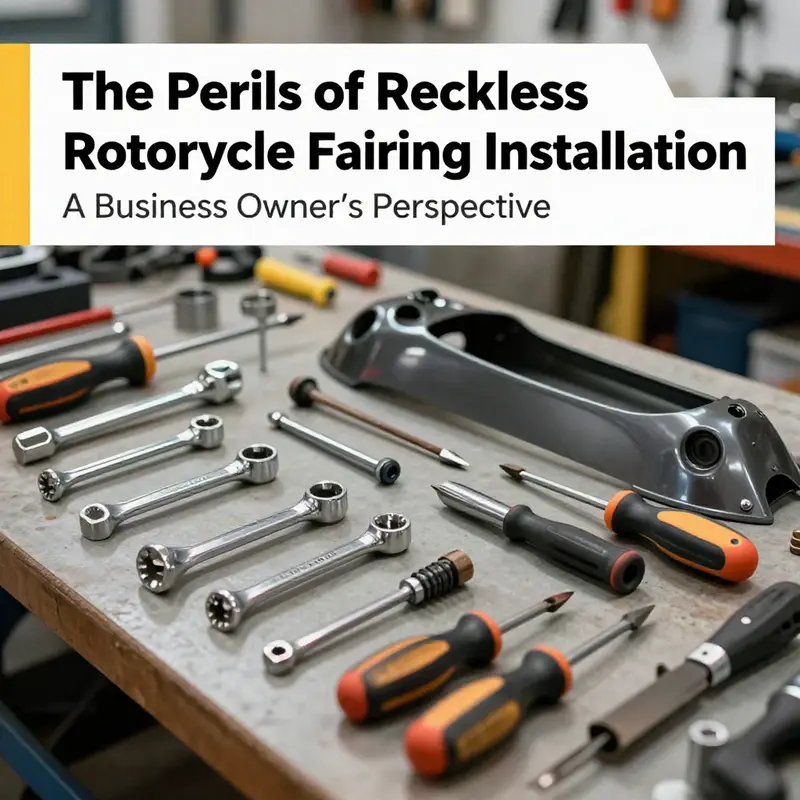
The tools of the trade matter just as much as the intentions behind the work. A proper installation is not accomplished with a generic set of hand tools alone. It requires torque wrenches calibrated to the manufacturer’s specified values, screwdrivers with the correct bit profiles to prevent cam-out, and, in some cases, specialized fastening tools or jigs that ensure the fairing mount points align with the frame exactly as intended. The importance of following the included installation instructions cannot be overstated. These documents are not decorative; they are the distilled knowledge from engineers who designed both the fairing kit and the bike’s structural interfaces. Skipping steps, substituting hardware, or improvising torque settings can create a domino effect of misfit and fatigue, ultimately compromising the rider’s safety at higher speeds.
One of the most critical assurances of safety comes from securing mounting points with deliberate, consistent force. The fairing, particularly a larger touring or sport-touring setup, acts as a reinforcement between the fairing itself and the motorcycle’s backbone. When bolts are misaligned, the risk of unequal load distribution increases. Under-torquing can leave a component play that translates into micro-motions under highway gusts or acceleration, and that play becomes a path for fatigue, cracking, or detachment. Over-torquing, on the other hand, risks squeezing threads, cracking mounting bosses, or warping the fairing’s interface with the frame. The installation process must strike a balance, tightening to the manufacturer’s exact torque specification while ensuring the hardware sits squarely within its mounting engineering tolerance. A disciplined approach to torque controls the energy that moves through the fairing at highway speeds and, crucially, preserves the geometry that keeps the rider in control.
Another axis of safety concerns alignment. A fairing that sits skewed, or one whose shield lines up inconsistently with the windscreen, introduces uneven pressures across the bike’s front end. In aggressive riding, those small misalignments can morph into steering vibration or even feedback into the handlebars that confuses the rider’s input. The alignment check is most effective when done with the bike on its stands and at a level surface, with the rider’s weight distributed naturally. The process involves four essential checks: the fairing should line up with the centerline of the bike, the upper and lower mounting points should sit parallel to the frame, fasteners should be snug but not over-tightened, and the gaps between surrounding panels should be uniform. It is not a cosmetic exercise but a functional one. The rider is verifying that the aerodynamic envelope created by the fairing behaves as the engineers intended, with no unexpected bite from misfit edges that could catch air or create flutter at speed.
Torquing and alignment are not done in a vacuum. The practical reality of road testing, even at low speed, is a necessary step in confirming that all prior steps were executed correctly. After mounting, a careful inspection should follow. The rider should listen for unusual sounds—creaks, rattles, or metallic pop sounds—that can indicate a bolt slipping or a panel contacting another component. The presence of any play—the ability for the fairing to move slightly under gentle pressure—should trigger a return to the mounting points. Signs of stress in the fairing’s edges, visible cracks, or gaps between mating surfaces warrant immediate attention. These indicators are not merely aesthetic concerns; they are signals that the installation is not yet ready for the road and that a ride beyond slow, controlled testing could risk catastrophic outcomes.
Incorporating professional insights can be a decisive factor in achieving a safe outcome. While many riders enjoy the satisfaction of a DIY upgrade, the realities of modern fairing systems—especially those engineered to integrate with reinforced mounting frameworks—often benefit from a technician’s trained eye. A certified professional can perform a comprehensive assessment that includes checking the compatibility of the kit with the frame, verifying anchor points, confirming that the integrity of windscreen supports, edge radii, and fairing-to-frame joints all meet tolerance specifications, and ensuring that the overall system will withstand the dynamic loads generated during riding. This perspective is not a critique of the rider’s skill but a recognition that safety margins in high-speed riding are narrow and unforgiving of oversights. By partnering with a qualified technician or undertaking a meticulous, well-documented self-check, the rider closes the gap between intention and safe execution.
Within this framework, it helps to keep in view the broader standards that guide safe modification practices. Reputable guidelines advocate for a cautious, methodical approach to any aftermarket or accessory installation. They emphasize verification with official manufacturer instructions, adherence to torque specifications, proper alignment checks, and post-installation testing before subjecting the motorcycle to higher speeds or aggressive riding. The emphasis is on a continuous loop of verification: confirm fitment, assemble with the prescribed tools, torque correctly, align precisely, inspect for stress and misfit, and test at low speeds before any sustained riding. The loop is not a bureaucratic ritual; it is a practical safeguard against the rapid onset of problems that can accompany reckless modification.
For riders who want to situate their practice within a broader safety ecosystem, there are additional resources that reinforce responsible modification habits. Engaging with professional service centers or technicians who specialize in fairing systems provides access to experience, diagnostic checks, and post-installation service plans that help maintain integrity over time. The road-tested reality is that a correctly installed fairing can improve aero efficiency, reduce wind buffeting, and enhance rider comfort—benefits that accrue only when the installation is performed with rigor and respect for the bike’s original design principles. When done correctly, the installation harmonizes with the bike’s geometry rather than fighting it, turning what began as a potential point of vulnerability into a controlled, predictable enhancement of performance and aesthetics.
From the perspective of the rider who wants both speed and safety, the simplest statement is often the most powerful: do not cut corners. Use manufacturer-provided resources to verify model fit and compatibility. Use the recommended tools and follow the installation instructions exactly as written. Secure each mounting point, verify that bolts are torqued to the specified values, and test thoroughly at low speeds to confirm the absence of play, noise, or misalignment. If any doubt persists, seek professional assistance. The peace of mind that comes with verified fitment and solid torque values is not a luxury; it is the difference between a riding experience defined by confidence and one defined by risk.
In the spirit of practical learning, consider how a well-executed installation fits into the larger picture of rider safety. The fairing, by design, affects air flow around the rider, the bike’s footing on the road, and the overall stability when negotiating gusts or lane changes. A reckless approach to installation unsettles this carefully tuned balance. A cautious, measured process preserves the intended aerodynamic benefits while preserving the rider’s sense of control and the machine’s predictability. This chapter has attempted to articulate the thread that runs through safe installation: alignment, torque, and inspection are not afterthoughts; they are central elements that determine whether the fairing strengthens or undermines the bike’s character at speed.
For readers seeking a reference point on broader safe modification practices, consult the Motorcycle Safety Foundation guidelines, which emphasize the importance of education, responsible behavior, and systematic checks when undertaking modifications that affect handling, stability, and safety. The MSF resources extend beyond fairings to encourage riders to understand how aftermarket components redistribute loads and interact with the bike’s dynamics, and they offer practical steps to minimize risk during any alteration. External guidance such as these guidelines can provide a structured supplement to hands-on procedures, helping riders internalize a culture of safety that persists long after the installation is complete.
If you are exploring a broader catalog of fairing options and want to see representative assemblies and design approaches from different manufacturers, you can view a broad range of fairings in the Honda fairings collection. This collection serves as a reference point for understanding how different shapes, mounting strategies, and reinforcement patterns address common challenges—such as maintaining alignment under wind loads and ensuring secure attachment to the frame. In practice, the exact design of each system will vary, but the underlying principles of careful fitment, proper tool use, precise torque, and thorough inspection remain constant. See the collection here for context and comparison: Honda fairings collection.
Ultimately, the rider who treats fairing installation as a deliberate process, governed by manufacturer specifications and reinforced by professional support when needed, will reap the safety and performance benefits. The pace of the work matters as much as the work itself. Rushing through alignment checks, torque sequences, and post-installation tests invites a cascade of avoidable risks. The goal is not to eliminate thrill but to ensure that the thrilling moment—the moment of acceleration that demands precise aerodynamic support—occurs within a framework that safeguards the rider and the machine. By embracing a steady, methodical approach, the rider can enjoy smoother aerodynamics, quieter operation, and a more predictable ride, whether cruising on a freeway straightaway or negotiating the wind gusts that accompany highway dynamics. In short, safety should be treated as a fundamental parameter of performance, not as an afterthought that can be addressed after the bike is on the road.
External resource: For additional, structured guidance on safe modification practices, see the Motorcycle Safety Foundation: https://www.msf-usa.org.
null
null
Riding on the Edge: The Performance Cost of Reckless Fairing Installation
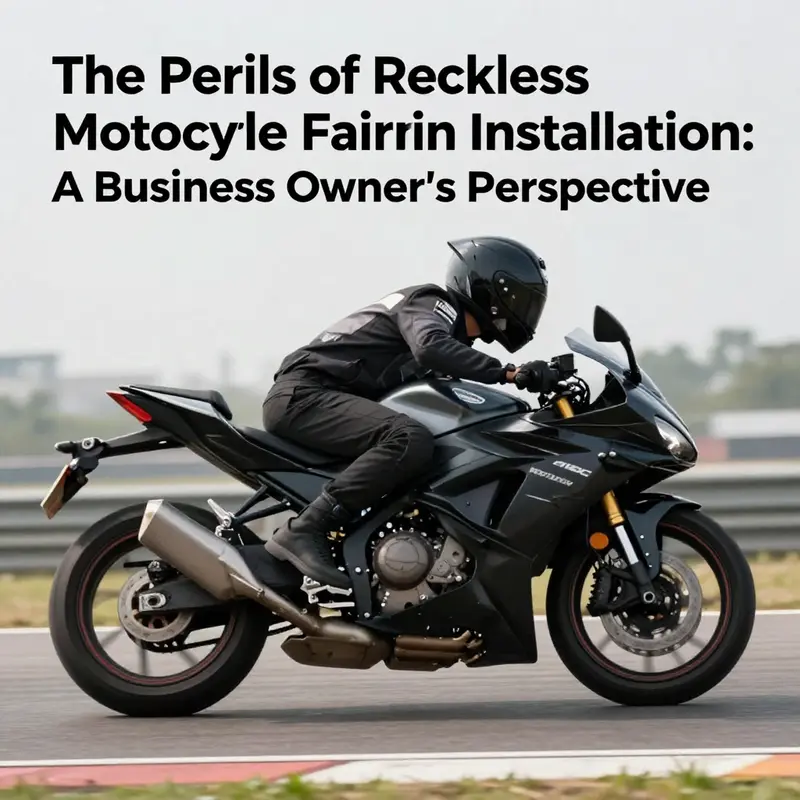
The fairing on a modern motorcycle is more than cosmetic. It shapes the air and contributes to stability at speed. When mounting is rushed or improvised, gaps and misalignment create drag, vibrations, and unpredictable handling. Proper fitment aligns panels with the frame, distributes load evenly, and preserves the intended aerodynamic envelope. A meticulous installation reduces drag, improves stability in crosswinds, and keeps feedback through the bars honest and predictable. This chapter outlines the physics, materials, and steps that separate careful fairing mounting from risky shortcuts. It emphasizes verification of compatibility, following torque specifications, and testing at low speeds before riding aggressively. The message is practical: treat the fairing as an engineered system, not a cosmetic add-on, and the ride will reward you with efficiency, confidence, and safety.
The High Cost of Cutting Corners: Legal and Financial Fallout from Reckless Motorcycle Fairing Installations

Modifying a motorcycle’s exterior with a fairing is a choice that blends aesthetics, aerodynamics, and rider comfort. But when that modification is rushed, ill-considered, or executed without proper guidance, the consequences extend far beyond a less-than-perfect look. In the realm of two-wheeled travel, reckless fairing installation isn’t merely a cosmetic misstep; it embodies a complex risk that touches legality, insurance, and the rider’s wallet. The specter of danger looms not only in the moment of a ride but also in the days, months, and years that follow. A chapter written about the legal and financial implications of such recklessness must begin with a clear acknowledgment: there is a threshold where form must submit to function, and where shortcuts not only degrade performance but also expose the rider to penalties and losses that can take years to recover from.
Legality hinges on more than just what a kit looks like or how quickly it can be bolted on. Regulations exist to ensure that any modification does not substantially alter the vehicle’s safety profile or create hazards for the rider and other road users. A fairing that is installed with a consequential misalignment, improper mounting, or interference with critical controls can be deemed non-compliant because it creates a hazardous obstruction. When enforcement agencies assess a modified machine, they examine whether the alteration preserves the vehicle’s original safety characteristics or whether it introduces unpredictable factors at high speed, in rain, or when the rider is negotiating traffic. If a modification compromises steering access, braking clearance, or the rider’s field of view, it triggers a risk signal that can culminate in fines, vehicle impoundment, or, in the worst cases, criminal liability if an accident occurs and is attributed to the modification.
The legal terrain is not only about the letter of the law but also about the spirit of safety that underpins it. Courts and regulatory bodies have long emphasized that modifications should not undermine structural integrity or create an environment where minor faults can escalate into catastrophic events. An improperly installed fairing, particularly one that alters the aerodynamics in a way that destabilizes handling during dynamic scenarios such as lane changes or emergency maneuvers, can be treated as evidence of negligence or non-compliance. In a system where negligence can be argued as a contributing factor to an incident, the rider may face civil liability for damages and medical costs, and in some jurisdictions, could encounter criminal exposure if reckless behavior is alleged. These outcomes are not fictional abstractions; they reflect a framework designed to protect riders as well as other road users from preventable harm born from carelessness.
Insurance represents a second, often harsher financial frontier. Insurance policies for motorcycles are structured around a reasonable expectation that owners will maintain the vehicle in a safe and roadworthy condition. When a fairing installation is performed without proper certification, without adherence to manufacturer guidelines, or without proof of proper inspection, insurers may view the modification as a material alteration that voids or limits coverage. The consequences can be immediate and painful: a claim denied for lack of compliance, a need to absorb medical expenses, medical travel costs, or property damage out of pocket, and in the most challenging cases, a dispute that drags on for months while liability and fault are determined. Even when coverage remains in force, premium assessments can rise after a modification is disclosed or discovered during a claim investigation. The ripple effect—elevated premiums, potential policy cancellation, and a damaged claims history—can linger long after the incident is resolved. The practical implication is straightforward: attempting an aggressive, non-compliant fairing install can convert a routine repair bill into a financial siege.
From a financial planning perspective, the costs of reckless installation extend beyond the immediate episode of damage or insurance penalties. The repair or replacement of a misfit fairing can require more than just the component itself. Misalignment or structural interference may necessitate additional labor, frame checks, or related parts to restore proper geometry and function. These are not incidental expenses; they compound quickly when you factor in the hours of labor, the costs of aligning mounting points, and the potential need for rework if the installed components are damaged in the process of riding or testing. In addition, a non-standard configuration carries implications for resale value. The market for used motorcycles often prioritizes stock configurations with documented maintenance and compliant modifications. A rider who has chased a visual customization at the expense of safety may find the market’s demand muted, or the selling price significantly discounted, as a buyer weighs the risks of non-standard setups and the history of any modifications. This depreciation is not simply about a cosmetic misfit; it reflects a broader assessment of risk, reliability, and the anticipated behavior of the machine under real road conditions.
This confluence of legal exposure, insurance vulnerability, and financial risk underscores why responsible modification practice matters so much. It is possible to pursue aerodynamic improvements and rider comfort without courting these consequences. Responsible modification begins with a clear understanding that legal compliance is not optional but a baseline condition for any alteration that touches the exterior or aerodynamics of a motorcycle. The path toward compliance is navigated, not by improvisation, but by due diligence. This means verifying fitment through official channels, consulting manufacturer guidelines, and ensuring that any installation is performed or supervised by qualified technicians who understand both the mechanical and regulatory dimensions of the task. It means preserving detailed installation records that document the choices made, the parts used, and the checks performed. It means recognizing the difference between a cosmetic tweak and a modification that can alter the machine’s dynamic characteristics under the stress of real riding conditions.
The importance of following formal guidance cannot be overstated. Manufacturer instructions are crafted not as optional addenda but as essential safety documents. They specify how components should be mounted, the sequence of torque application, and the necessary checks after installation. They define compatible configurations, warn about potential interference with critical control systems, and outline the required test-runs before high-speed riding. Skipping these steps may save time in the moment, but it undermines the structural integrity and predictability of the machine. The message is consistent across legitimate channels: a fairing installation that is not performed with attention to alignment, torque, and secure mounting can create a chain of failures that risks rider safety and invites regulatory and financial repercussions. In other words, the cost of haste is not a marginal line item on a receipt; it is the breach of a safety contract between rider and machine, with consequences that extend well beyond the moment of installation.
In pursuing compliance, riders should adopt a disciplined approach to modification. Start with fitment verification through official sources to ensure the chosen configuration is compatible with the specific model year and configuration. Use proper tools and follow installation instructions that come with any fairing kit or component, recognizing that these instructions are not generic guidelines but prescriptions tuned to the geometry and mounting interfaces of the device being installed. Secure mounting points with the appropriate torque specifications, and avoid misalignment by performing a methodical inspection of anchor points and fasteners before and after the test ride. The test ride itself should be conservative: begin at low speeds, listen for unusual noises, check for any play in mounting points, and confirm that the rider’s control inputs are unimpeded. If any anomaly is detected, halt the test ride, re-check alignment, and consider professional evaluation. This is not a protracted ritual designed to dampen enthusiasm; it is a critical safety protocol that reduces the likelihood of a legal or financial catastrophe.
For riders who want to understand the landscape of aftermarket options without sacrificing compliance, there is value in exploring catalogs that curate options designed with standard safety practices in mind. A relevant example is a broad collection of fairings from major suppliers that showcases a range of models designed to meet common mounting interfaces and aerodynamic goals. Such catalogs help riders visually assess choices while reinforcing the practice of selecting components that are known to be compatible with the platform. The aim is not to push toward a particular aesthetic, but to foster informed decisions that align with safety and regulatory expectations. In this context, a well-chosen option from a reputable catalog can be a stepping stone to responsible modification, providing a bridge between personal preference and the reality of road-tested compatibility.
The legal and financial implications discussed here are not hypothetical abstractions. They are reflections of the practical realities riders face when modifications intersect with safety standards and coverage terms. The cost of cutting corners can far exceed the price of the component or the labor required to install it correctly. It can include the loss of confidence in the machine, the fear of potential incidents, and the disruption of everyday riding that comes with disputes over fault and liability. A rider who treats modification as a compliance puzzle rather than a chance to upgrade the riding experience will likely navigate these waters more smoothly. The alternative—treating modification as a purely cosmetic endeavor or as a shortcut to performance—invites a cascade of consequences that can financially and legally derail a journey that began with the simple wish for improved comfort or efficiency on the road.
To ground these considerations in practical terms, it helps to anchor the discussion in the reality that regulatory environments differ by jurisdiction, yet share common threads: safety first, traceable modifications, and accountability for risk. In the United Kingdom, and similarly in many other regions, official guidance emphasizes that any alteration to a vehicle’s configuration should preserve or enhance roadworthiness. Riders are encouraged to seek guidance from certified technicians and to maintain records that demonstrate compliance with standards and manufacturer instructions. When in doubt, the prudent course is to pause and consult the relevant authorities or qualified professionals. This approach does not slow a rider’s progress; it protects the rider and others, ensuring that the pursuit of improved performance or aesthetics does not become a liability trap.
As the road ahead unfolds, a broader picture emerges. Modifications that respect safety, legal boundaries, and insurance terms create a path to enhanced riding without unnecessary risk. The rewards—confidence in handling, predictable performance, and the peace of mind that comes from knowing your modifications are defensible if ever scrutinized—are worth the extra effort. The responsible rider understands that the measure of a modification is not how dramatic it appears in a showroom photo but how reliably it serves in real-world conditions, how it adheres to standards, and how clearly it can be defended if questioned after an incident. A well-executed modification, supported by proper documentation and professional oversight, can deliver the intended benefits while preserving the rider’s financial security and legal protection.
For readers who want to explore legitimate aftermarket options with an eye toward compliance, a practical path is to examine catalogs that focus on compatibility and safety. A targeted resource, such as the Yamaha fairings collection, offers a window into models that balance form and function while maintaining alignment with common mounting interfaces. This approach allows riders to compare appearances and aerodynamic concepts without sacrificing the safeguards that come from working with reputable products and service providers. You can visit the collection here: Yamaha fairings collection.
No discussion of reckless modification would be complete without acknowledging the external sources that set the regulatory tone for motorcycle vehicle standards and requirements. These guidelines provide the authoritative framework for how alterations should be approached, inspected, and validated. They remind riders that safety and accountability are not negotiable components of customization. For a comprehensive look at the official rules and recommendations, see the UK government’s motorcycle vehicle standards and requirements documentation, which outlines the statutory expectations for modifications, conformity, and enforcement. This external resource reinforces the message that responsible use and compliance are essential to enjoying the benefits of any fairing upgrade without compromising safety or financial stability. You can consult it here: https://www.gov.uk/government/publications/motorcycle-vehicle-standards-and-requirements.
Final thoughts
Reckless motorcycle fairing installation presents substantial risks that can affect safety, performance, and lead to significant legal implications. Business owners must prioritize proper installation techniques and adhere to safety protocols to ensure both rider safety and optimal motorcycle functionality. By investing in the right tools and following manufacturer guidelines, you can mitigate the dangers associated with improper installations. Remember, a solid understanding of these risks not only safeguards your customer’s joyrides and your business reputation but also ensures lasting relationships built on trust and quality service.