
Side fairings are crucial components in the design of motorcycles, significantly influencing their aerodynamics, rider comfort, and safety. Understanding their functionality extends beyond aesthetics; it encompasses performance optimization and rider experience. As business owners in the motorcycle industry, recognizing the importance of high-quality side fairings is essential for catering to the diverse needs of motorcycle enthusiasts. In this article, we will delve into the critical roles side fairings play in aerodynamics, the materials used, their effect on rider comfort, current market trends, and the benefits of customization. Each chapter will not only highlight key aspects of side fairings but also emphasize how these factors can drive business success and customer satisfaction.
Shaping the Sweep: The Subtle Power of Side Fairings in Motorcycle Aerodynamics
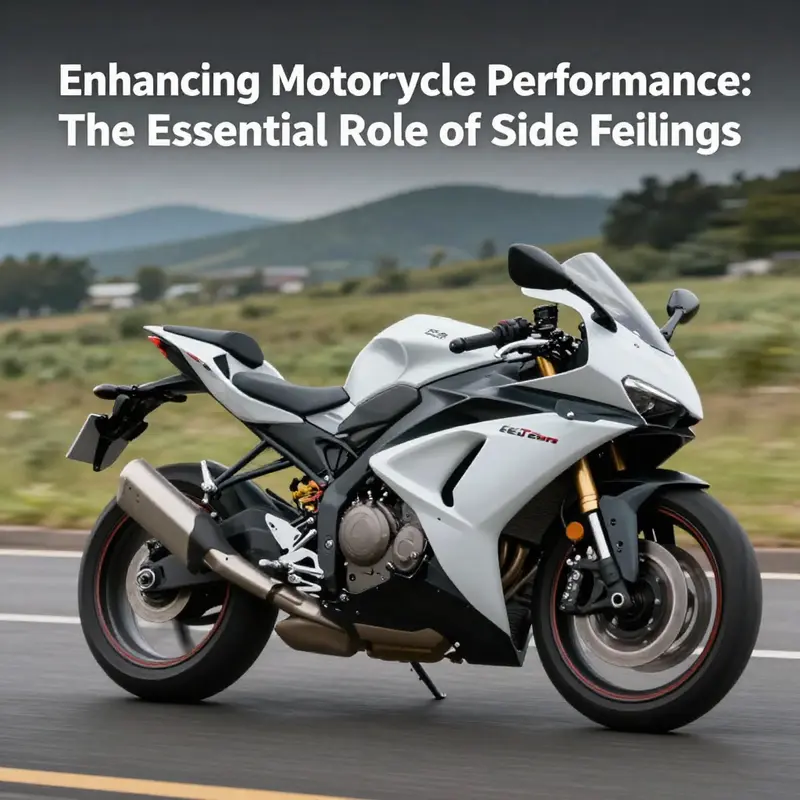
The side fairings on a motorcycle are more than a visual shell; they are a critical element of the bike’s aerodynamic story. When riders push toward the upper limits of speed or ride long distances into gusty conditions, the way air flows around the chassis, engine, and rider determines how efficiently the machine moves and how comfortable the journey remains. Side fairings play a foundational role in sculpting that flow. They smooth the silhouette of the bike, guiding air around bulky components that would otherwise disrupt the wake with strong vortices and pronounced form drag. In doing so, they do not merely reduce resistance; they shape a stable, predictable airfield that supports every other aerodynamic feature, from front winglets to rear aero devices, which together choreograph the bike’s behavior at high speed.
To understand why side fairings matter, it helps to start with drag. Every external surface interacts with air as the bike advances. The engine, fuel tank, frame rails, and other exposed elements create a mosaic of pressure fields that can produce turbulent eddies if left exposed. Side fairings address this by covering those surfaces with smooth, continuous contours. The result is lower form drag, a cleaner pressure distribution along the sides, and less energy wasted overcoming chaotic air. The rider benefits too. A more streamlined bike translates to less wind buffeting on the helmet and shoulders, yielding reduced fatigue during sustained rides and more consistent rider inputs at speed. Even small improvements in how the air sweeps past the rider’s torso can yield noticeable gains in comfort and control over hours on the road or track.
But the impact of side fairings goes beyond drag reduction and rider comfort. They also influence stability. A motorcycle’s stability at speed emerges from a balance of pressures on the upper and lower surfaces as air moves along the bike’s length. The side panels contribute to that balance by directing flow toward a predictable path rather than a jagged, energy-sapping wake. When the airflow remains coherent, it interacts more effectively with other aerodynamic elements, such as front winglets or rear diffusers, which can impose downforce or manage lift. In top-tier racing designs, the bodywork is not a mere enclosure but a carefully engineered aerodynamic system where every contour, rake, and junction influences pressure distribution. Side fairings establish the baseline for this system, shaping the environment in which winglets and other devices operate.
Rider protection and comfort are closely tied to this aerodynamic choreography as well. By smoothing the oncoming airstream, side fairings reduce wind noise and buffeting that would otherwise reverberate through the cockpit. The rider’s posture—tucked in behind the fairing’s leading edge—benefits from a stable boundary layer that remains attached longer and separates more gradually as speed increases. This reduces fatigue-inducing turbulence and helps the rider maintain a consistent lean angle, which is especially valuable in cornering or long straightaways where small forces accumulate into noticeable changes in handling. At the practical level, side fairings also shield the engine and important mechanical systems from weather, rain, and debris. The effect is a bike that stays cooler, cleaner, and more reliable, with maintenance work that remains manageable under race-day pressure or weekend-wrenching alike.
The relationship between side fairings and other aerodynamic technologies is more nuanced than a simple shield from drag. While the primary source of downforce in modern racing bikes often comes from dedicated winglets located at the front and rear, the fairings lay the groundwork for those devices to work effectively. They craft a pressure landscape that makes the upper surface of the bike conducive to creating a pressure differential with the lower surface. This differential is what creates the downward force useful for maintaining traction and stability at high speeds. In a holistic design, the side panels are not just passive covers but active players in the bike’s aero ecosystem, ensuring that the surrounding flow remains smooth as it interacts with flaps, vents, and winglets. The result is a more integrated, efficient system that can extract higher performance from each aerodynamic element while maintaining a balance with engine cooling, fuel economy, and mechanical access.
From a design perspective, the art of shaping side fairings is a study in compromise and optimization. The panels must be stiff enough to resist deformation at high speeds, yet light enough not to add unnecessary weight. They must accommodate fuel and oil routing, engine cooling intakes, and access panels for maintenance, all while preserving a clean external surface. Materials choices—ranging from durable plastics to reinforced composites—play a major role in achieving this balance. The join lines, seam allowances, and the transition radii where the fairings meet other bodywork determine how air will reattach or separate along the bike’s flank. Even the tiny details matter: the curvature of the lower edge can influence near-ground clearance and the onset of boundary layer separation as the bike leans into a corner. Designers continuously refine these features with wind tunnel tests and computational simulations to ensure that every millimeter of curvature contributes to a more efficient, more controllable ride.
For riders who customize or restore motorcycles, the practical considerations around side fairings extend into the realm of fit, compatibility, and aesthetics. Aftermarket and replacement panels must align with the frame geometry, tank lines, and fairing mounts of a given model. In many marketplaces, buyers encounter assurances like “guaranteed fit,” which helps reduce the risk of misaligned panels that can negate the aerodynamic intent and weaponize wind noise or drag. Model-specific catalogs and fit guarantees are especially useful when chasing a faithful restoration or a race-ready appearance because the aero shaping is tightly coupled to the bike’s identity and geometry. Those who value both performance and appearance can pursue a look that honors the bike’s original airflow behavior while allowing a personal style to emerge through paint, decals, and panel detailing. For riders navigating these choices, exploring model-focused catalogs—such as the Honda fairings collection—offers a practical route to match both form and function. Honda fairings collection
The broader discussion of fairings, however, should not overshadow the fact that even small aerodynamic gains require careful integration with the rider’s own preferences and the bike’s intended use. A fairing that is overly aggressive in one aspect may cause undesirable side effects in another, such as increased weight, compromised cooling, or reduced access for maintenance. The best approaches to side fairings acknowledge the realities of dynamic motorcycle use: the bike is a system that includes the rider, the engine, the cooling system, and the wind. Optimizing one element in isolation might yield a temporary advantage, but the most enduring performance comes from an integrated design in which fairings, winglets, and chassis geometry work in concert to shape the entire flow field. This perspective resonates with the way modern aero packages are conceived in professional racing, where every component is crafted with the others in mind.
As this understanding translates to everyday riders, it becomes clear why a well-designed side fairing is a quiet, continuous contributor to performance and protection. It is the first line of defense against the unruly air that accompanies speed, and it primes the chassis for everything that follows in the aero sequence. Whether a rider is chasing the ultimate top speed, seeking better fuel efficiency for long trips, or building a visually striking machine, the side fairings play a decisive role in how the bike cuts through air, how comfortable it feels in the saddle, and how stable it remains as the wind grows stronger. The design language of the fairings—clean lines, carefully chosen radii, and smart junctions—speaks to a deep understanding of airflow, even when the rider cannot see the streamlines marching along the bike’s flank.
Further reading on the technical aspects of motorcycle aerodynamics, including the role of fairings within the broader aero picture, can be found in authoritative discussions on the subject. This material helps bridge the practical observations of street and track riders with the scientific foundations that underpin modern design. External resource: https://www.motorcyclemagazine.co.uk/features/motorcycle-aerodynamics-explained/
Material Alchemy: Weighing Plastic and Composite Side Fairings for Performance and Style
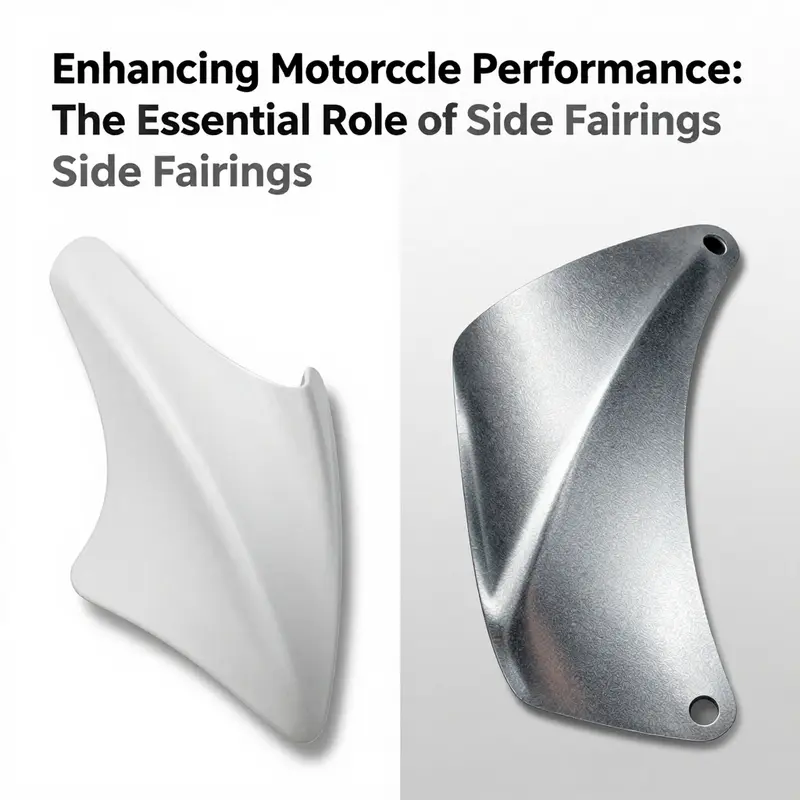
Side fairings are more than cosmetic panels; they are the aerodynamic skin and weather shield of a modern motorcycle. They shape how air travels around the bike at speed, defend the engine and sensitive components from road spray, wind, and debris, and even influence rider comfort by guiding airflow toward the rider’s torso. When a rider contemplates upgrading or replacing these panels, the central question becomes material—how the choice affects performance, durability, weight, and cost in real-world riding. In practice, two families dominate the landscape: plastic, with its all-around practicality, and composites, prized for strength, stiffness, and a high-end look. The decision is rarely about one fix-all advantage; it is a negotiation between what you want to gain and what you are willing to trade off across the life of the bike. The market mirrors this balance with abundant, readily available options on major platforms, including listings that promise fitment guarantees and compatible variants for a broad spectrum of models. In short, the material choice is a performance lever as much as it is a stylistic one, and it should be weighed against how you ride, where you ride, and how you maintain your machine over time.
For a rider focused on practical daily use, reliability and repairability often trump marginal gains in aerodynamics. ABS plastic emerges as the default choice, because it delivers a reliable combination of toughness, impact absorption, and affordability. ABS, or a similarly engineered thermoplastic, provides enough flex to absorb minor impacts without shattering, which means lower repair costs when the bike is parked in crowded spaces or met with the occasional curb mishap. Its resilience under temperature swings and UV exposure helps panels resist chalking and cracking in sunny climates or when the bike sits in various weather conditions between rides. From a consumer perspective, the economics are compelling: high-quality plastic side fairings are commonly available at accessible price points, and the more you ride, the more you appreciate a part that doesn’t require a second mortgage to replace after a low-speed tip-in. A representative range shows sets priced around a modest sum per комплект, reflecting the material’s balance of cost, manufacturability, and mass-market appeal. This is why ABS plastic remains the backbone of OEM and aftermarket offerings alike, ensuring riders can source replacements quickly and keep their bikes on the road without interruption.
Yet, there are riders who chase total weight reduction, sharper aesthetics, and a perceived edge in handling that can come from lighter, stiffer panels. Composite materials—fiberglass and carbon fiber in particular—address those ambitions. Fiberglass delivers solid strength with manageable cost and greater rigidity than basic plastics, while carbon fiber pushes the limits of weight savings and environmental resistance with a distinctive, high-gloss finish. The weight advantages of composites matter most at speed and during aggressive cornering, where even a few hundred grams per side can tangibly affect the bike’s inertia and steering feel. The aesthetic payoff is equally compelling: composites offer a premium look that many riders associate with advanced engineering and motorsport heritage. For show, track, or enthusiast builds, the visual impact of a carbon fiber weave or a carefully finished fiberglass layup can be a decisive factor. But the premium comes with a price tag, and composites tend to be more brittle under heavy impact. A hard drop or a severe collision can produce cracks or creases that are not as forgiving as plastic panels, and repairability often requires specialized processes or professional work. In practice, this means composites are a favored choice for those who prize performance and appearance more than the day-to-day hassles of typical urban riding, or for those who view the bike as a long-term project where weight reduction and aesthetics justify the investment.
The decision framework, then, rests on several interlocking considerations. First is weight: every gram shed from the fairings potentially reduces rotational inertia and can improve throttle response and braking dynamics, especially on lighter, nimble models. Second is impact resistance and repairability: while ABS can absorb minor knocks and flex back into shape, composites can crack under similar stress and often require more deliberate repair strategies. Third is cost and availability: the market for ABS panels tends to be broad, with plentiful options across many models and generations, while composite options are more model- and supplier-specific and commonly command higher prices. Fourth is the ease of maintenance and long-term care. Plastic panels are typically easier to wash and protect, while composites demand careful surface protection to prevent micro-scratches and color delamination over time. Finally, fitment and integration matter. A well-fitting panel, regardless of material, should align with the bike’s lines, maintain clearances with wheels and exhaust components, and harmonize with the bike’s styling language. The pursuit of a perfect fit is not simply about a static measurement; it is about how the panel behaves under load, at speed, and across temperature fluctuations.
To ground this discussion in practical terms, market dynamics reflect a spectrum of choices. Economical ABS sets are widely advertised and commonly adopted as practical replacements for damaged OEM panels or for riders who value straightforward maintenance and repair. The price point for quality plastic side fairings often centers around a figure that makes replacement feasible after minor accidents or during mid-life aesthetic refreshes. For riders who seek a high-strength, lightweight alternative, composite options are chosen with an eye toward improved performance and a refined visual identity. The trade-off, of course, is budget. If your rides take you through frequent rain or sun, the longevity of each material’s finish and its resistance to weathering become part of the decision. The finish quality, color stability, and UV resistance of ABS make it a dependable everyday option, while the glossy or woven look of composites contributes to a more premium appearance but demands careful upkeep.
In terms of market realities, the availability of side fairings in both materials is supported by global supply chains and aftermarket networks. Many riders buy through mainstream e-commerce platforms or specialty retailers that highlight compatibility with specific bike models and offer guaranteed fit assurances, ensuring that the panels align with the bike’s mounting points and contours. This emphasis on fit is essential for riders who want to avoid added installation time, misalignment gaps, or the nuisance of drilling or panel rework. The broader lesson is that the right material is less about chasing the latest trend and more about matching the rider’s everyday needs with the bike’s design intent. If you ride mainly on urban streets, you may prioritize resilience and repairability; if you race or ride aggressively, you might lean toward a lighter composite option for the performance edge and the aesthetic payoff.
A practical note ties the narrative to the reader’s decision workflow: if you are shopping for a replacement or upgrade, take stock of your riding environment, your willingness to perform field repairs or professional restorations, and your budget for both initial purchase and potential future maintenance. The availability of guaranteed fit services helps reduce risk when you are selecting parts for a particular model, and it is worth leaning on such assurances to minimize the guesswork in the aftermarket. When considering the broader ecosystem of motorcycle fairings, it helps to consult a curated catalog of model-specific panels that reflect the bike’s original styling cues while offering the advantages of a newer material generation. For those who want to dive into a model-specific exploration, the Honda fairings collection provides a structured path to compare shapes, contours, and mounting interfaces across generations, helping to visually map how a given panel pair should align with the machine’s geometry. This route preserves the aesthetic coherence of the bike while enabling practical upgrades in protection and aerodynamics.
As you contemplate the material decision, you will also encounter questions about maintenance. Plastic panels often benefit from regular cleaning and UV-protective coatings or finishes that help prevent color fading and gloss loss. Composite panels, by contrast, may require careful handling to avoid micro-cracking and to preserve the weave or surface texture. The care routine is not merely cosmetic; it can influence longevity and the panel’s resistance to road debris and weather exposure. In the end, the best approach is to view side fairings as a functional upgrade that enhances air flow management, protects vital components, and reinforces the bike’s overall character. The material choice should reflect an honest appraisal of how you ride, the kinds of environments you encounter, and the degree of investment you are prepared to make in the bike’s ongoing season after season.
For readers who want a tangible starting point in their material journey, it can pay to compare the feel of both options on a test subject—be it a showroom display, a borrowed bike, or a well-documented aftermarket kit. The differences in stiffness, finish, and ease of repair become more evident when you experience them first-hand. And while aesthetics play a significant role in many builds, the pragmatic benefits of plastic—cost efficiency, repair tolerance, and broad compatibility—keep them relevant for most riders. Meanwhile, composites continue to attract those who prize performance gains and the prestige of a high-tech look, recognizing that maintenance discipline and budget discipline must align with the goal.
Ultimately, whether you choose plastic or composite side fairings, the path to a successful upgrade is shaped by thoughtful consideration of how the panels integrate with the bike’s aerodynamics, how they endure the rigors of real-world riding, and how easily you can source compatible, well-fitting replacements when needed. For those who want to explore model-specific options and fitment details, a targeted browsing approach through dedicated fairing collections is a practical step. A curated path to a model-appropriate set can help you balance form and function—achieving a look that complements the machine’s silhouette while delivering the performance and protection you expect on the road.
External resource: For additional context on material properties and sourcing options, see the wholesale motorcycle fairing plastic parts side listing here: https://www.alibaba.com/product-detail/Wholesale-Motorcycle-Fairing-Plastic-Parts-Side_1600477872216.html
Internal link note: For model-specific fit and styling cues, you can explore the Honda fairings collection, which offers a range of panels aligned with various generations of the platform: https://www.summitfairings.com/collections/honda-fairings
Wind, Armor, and Focus: How Side Fairings Shape Rider Comfort and Safety on Modern Motorcycles
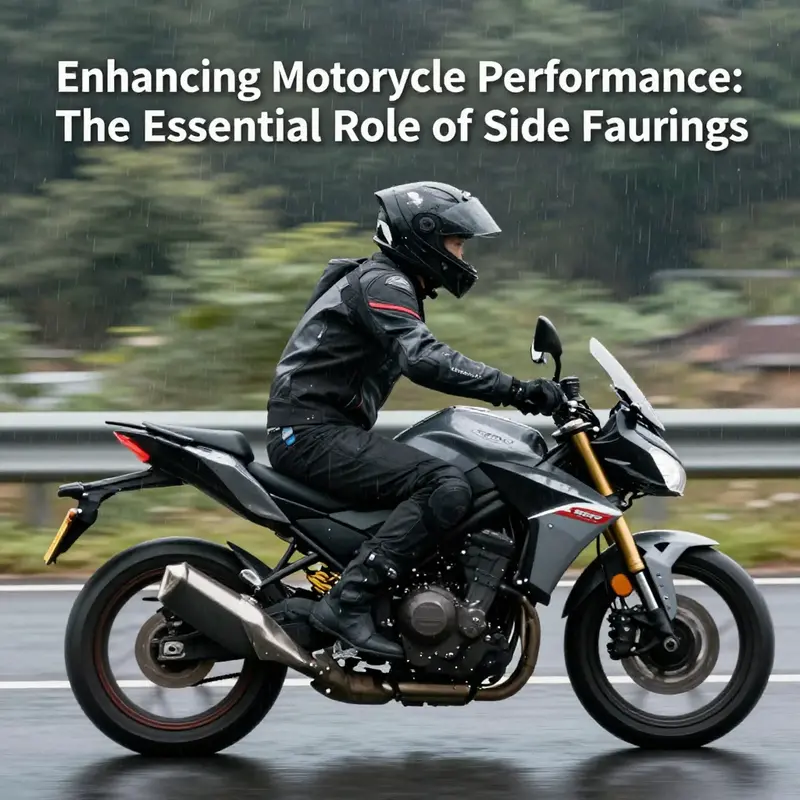
On two wheels, the air around you is a constant companion that shapes every mile. Side fairings—engineered panels along the bike’s sides—do more than dress the machine. They guide airflow around the rider, cushion wind pressure, and contribute to a calmer cockpit that supports focus and control at highway speeds. By shaping the boundary layer and directing gusts around the torso and arms, fairings reduce buffeting, lower wind noise, and help maintain a comfortable posture over long distances.
At speed, a rider becomes a movable sail and the bike’s sides act as foils. Side fairings tame turbulent flow and promote steadier handling by keeping the upper body relaxed and the shoulders away from constant wind chatter. The visible payoff is reduced neck and upper-back fatigue, allowing riders to preserve precision in steering and throttle input as the road stretches ahead.
Beyond comfort, modern fairings support safety by improving the stability data that riders and rider-assistance systems rely on. Smoother airflow means steadier sensor inputs for traction control, cornering ABS, and stability programs, so corrective interventions can be more predictable when lines tighten or terrain changes. Anti-wind winglets push air away from the chest and arms, further lowering load on the upper body and helping maintain a confident grip during transitions and high-speed cruising.
Fairings come in different forms. Semi-fairings offer a lighter, quicker option that reduces wind exposure without the weight of full enclosures. Full side fairings provide more complete protection for the torso, abdomen, and hips, but they add mass and require robust mounting to preserve alignment under load and vibration. Material choices—from rigid composites to high-strength plastics—shape durability, serviceability, and long-term performance in varied weather.
Protection from weather and road spray is another piece of the puzzle. Side panels help shield the rider’s midsection and core, but they are part of a broader aerodynamic and ergonomic system that includes the front fairing, windscreen, posture, and layering strategies. The best setups balance wind protection with accessibility for maintenance and sensor placement, ensuring the rider can stay aware of road cues without fighting the elements or fatigue.
Ultimately, the value of side fairings lies in how well they harmonize airflow control with rider comfort and safety. When designed and maintained as part of a holistic platform—one that honors chassis stiffness, steering geometry, fatigue management, and sensor compatibility—fairings help a rider go farther with less perceived effort while preserving control, confidence, and safety on every mile.
Riding the Market: Availability and Pricing of Motorcycle Side Fairings in a Changing Landscape
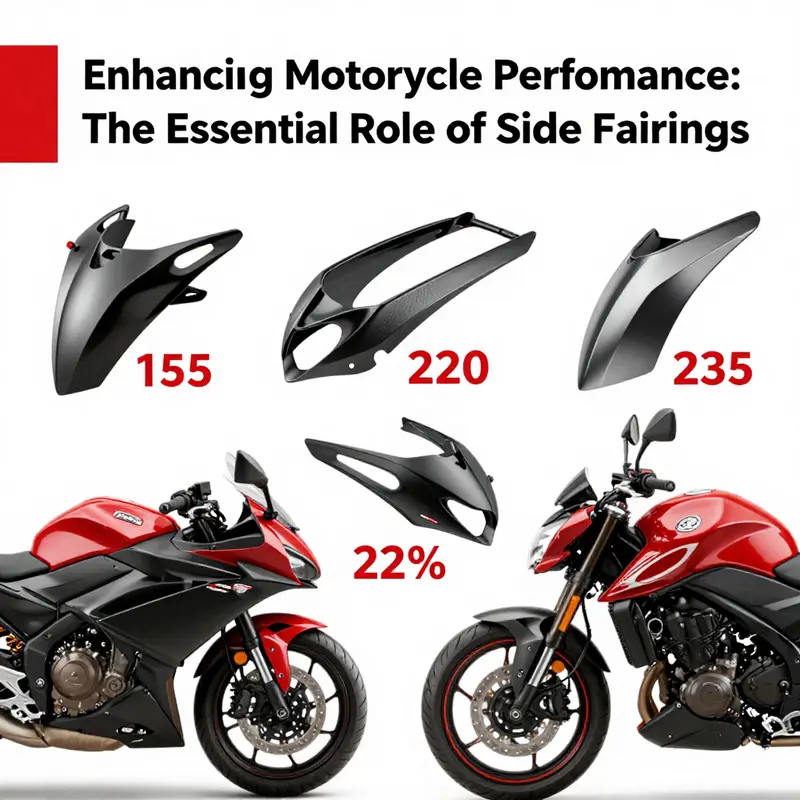
The landscape of motorcycle side fairings has entered a phase of steady expansion, driven by riders who view these panels not only as aerodynamic aids but also as channels for personal expression. Side fairings sit along the bike’s flanks, covering the engine and adjacent chassis areas, smoothing airflow and, in many ways, shaping the visual character of the machine. As riders seek to tune performance while refining appearance, the trade ecosystem around these components has evolved from a narrow, model-matching niche into a broad marketplace. Availability now spans both broad online platforms and specialized retailers, with options designed to accommodate a wide spectrum of budgets and ambitions. A typical rider can expect a rich assortment of shapes, finishes, and construction styles—from simple, affordable plastic pieces intended to replace worn panels to more engineered, composite or carbon-like panels aimed at maximizing stiffness and reducing weight. The result is a marketplace that supports both repair workflows for vintage or damaged bikes and ambitious builds that aim to transform a machine’s silhouette and wind management, often without requiring in-house fabrication or custom fabrications. The persistence of choice mirrors the community’s appetite for customization, performance, and aesthetics, all while staying within the practical constraints of availability and fitment across brands and models.
Availability in this segment has grown hand in hand with the broader shift to digital commerce. Buyers now expect a wider variety of model-specific options and easier cross-compatibility checks, alongside clear assurances that parts will fit a given motorcycle. Across major online marketplaces and dedicated accessory retailers, side fairings are offered in multiple materials, including plastic, fiberglass, and composite polymers. The diversity in materials corresponds to different priorities: affordability for casual riders, durability and impact resistance for daily use, and rigidity for high-speed handling. The shift toward more durable, aerodynamic designs often aligns with the rise of sport-touring and performance-oriented builds, where riders look for panels that can withstand longer road exposure while maintaining a sleek profile. The result is a market that rewards both rapid availability and informed selection, encouraging shoppers to weigh fit, finish, and function as they compare options for their specific bikes.
Where the availability can feel overwhelming, the solution often lies in the balance between choice and guidance. Most buyers benefit from clear, model-specific catalogs and fitment guarantees offered by many retailers. These fit guarantees act as a practical safeguard, reducing the risk of returns and enabling more confident purchases when the exact panel geometry is a concern. The practical implication is that riders can navigate a wide array of products without sacrificing assurance that the panels will align with the engine covers, mounting points, and fairing attachment systems on their chosen bike. In a market that rewards both speed and precision, fit guarantees become a practical proxy for hands-on verification, especially for those who are assembling a bike from a mix of aftermarket and original-equipment pieces. This convergence of availability and assurance makes side fairings accessible to a broader audience, from budget-conscious builders to meticulous enthusiasts who chase exact OEM-style appearances.
Pricing in this segment reflects a layered ecosystem shaped by material quality, fabrication technique, brand positioning, and the degree of model specificity. The price spectrum spans a wide range, ensuring that most riders can find a viable option without compromising essential requirements. At the more accessible end, basic plastic side fairings can be found at relatively modest per-piece prices, which makes replacing a single damaged panel or refreshing a faded set feasible for many owners. This affordability, however, often comes with trade-offs in impact resistance and long-term gloss retention, especially if the panels are subject to daily wear or aggressive weather exposure. As durability and finish quality become priorities, fiberglass and other composite materials enter the market with a noticeable step up in both stiffness and finish quality. These sets typically command higher prices, reflecting their better resistance to cracking and a smoother paintable surface, which translates into a more seamless, OEM-like appearance when installed. In the premium tier, carbon-fiber–inspired or carbon-fiber real-composite designs command significantly higher price points, often reaching a level that reflects weight savings and a near-sport-race aesthetic. These high-end panels appeal to riders who view weight reduction and cutting-edge aerodynamics as integral parts of the riding experience, particularly on performance-oriented builds where every gram of weight and every aerodynamic edge matters.
The pricing landscape is further influenced by the level of model fidelity and the presence of fitment guarantees or OEM-style replication. In some markets, a blend of aftermarket options and manufacturer-aligned reproductions exists, with premium options offering more precise contours, improved attachment plugs, and better paint texture matching. The result is a market where the value proposition is increasingly defined by how closely a panel mirrors the original design, how well it aligns with the bike’s mating surfaces, and how robust the warranties and support systems are. For riders who want to balance cost and quality, a tiered approach often makes sense: start with a reliable, lower-cost set to verify fit and fitment before investing in higher-end panels for long-term durability or a more authentic look. This approach is especially common among owners who are restoring vintage or classic sport bikes, where a single panel replacement can preserve the bike’s character while still offering modern performance and weather protection.
Consumer choices in this market are as diverse as the bikes themselves. For model-specific compatibility and a more predictable buying experience, many riders gravitate toward collections or catalogs that curate parts by chassis and year. A rider seeking a model-accurate, OEM-like appearance might prioritize a complete set assembled to a specific generation, ensuring consistent lines and paint reflectivity across panels. At the same time, others pursue creative expression through colorways, textures, and contrasting finishes, using the panels as a canvas for personal style rather than strict replication. The evolving buyer profile also reflects broader supply-chain dynamics and the globalization of parts production. With manufacturing dispersed across regions and suppliers offering faster, more economical shipping, availability remains high even for older or less common models. This globalization helps sustain price competition and makes it possible for riders to source panels that were once difficult to obtain, thereby expanding the pool of viable options for customization and restoration projects alike.
For riders who want to anchor their decisions with model specificity, the market has become more navigable through targeted catalogs and model-based fitment notes. Even without naming particular marketplaces, the overall message is clear: the pathway from selection to installation is smoother when the product clearly states its compatibility, mounting points, and required hardware. The growth of model-specific offerings—driven by demand from sport-touring and modified bike communities—has helped normalize the idea that a well-chosen set of side fairings can deliver both wind protection and a compelling visual package without bloating the wallet.
In this milieu, a single page in the catalog can serve as a reliable compass. A model-focused collection such as the Honda fairings catalog, for example, helps riders quickly locate the exact geometry and attachment schemes that match their bike’s frame and engine contours. Such collections streamline the decision process by bundling panels into cohesive sets that align with the bike’s aerodynamic goals and aesthetic language. For readers who want a direct route to model-specific options, the following collection is a practical reference: Honda fairings collection. This resource exemplifies how retailers have organized offerings to maximize compatibility and reduce guesswork, while still allowing for personal customization through color and finish choices. The presence of model-specific catalogs is not merely a convenience; it is a signal of how far the market has progressed in aligning supply with rider intent.
Looking ahead, the market for side fairings is likely to continue expanding as affordability improves and design tools become more accessible. Riders who once depended on costly, manufacturer-only pathways can now explore a spectrum of aftermarket panels that deliver credible fit and durable finishes at a fraction of the price. At the same time, the demand for aero-conscious designs and high-end finishes will keep elevating the bar in the premium segment, as brands respond with lighter composites, better paint-matching capabilities, and more precise tolerances. Even as the lines between aftermarket and OEM-style products blur, the core drivers remain clear: availability, pricing, and the assurance that a panel will perform as intended on the road and in the showroom. The net effect is a market that invites experimentation without sacrificing reliability, enabling riders to craft a motorcycle that reflects both the rider’s ambitions and the machine’s potential.
External resource: https://en.wikipedia.org/wiki/Motorcycle_aerodynamics
Between Form and Flight: The Customization of Side Fairings for Aerodynamics, Protection, and Personal Style
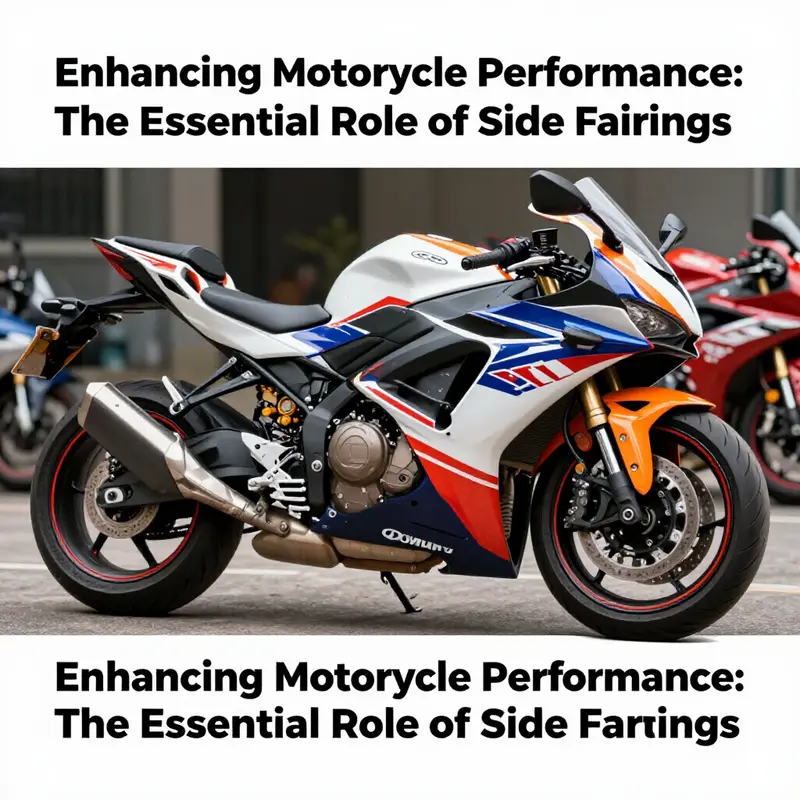
Side fairings are more than a visual statement on a motorcycle; they are a finely tuned interface between the machine and the air that surrounds it. In recent years, riders and builders have embraced customization as a way to tune both appearance and performance. OEM panels do a solid job, but the true potential of side fairings emerges when they are treated as an integral part of a bike’s aerodynamics, protection scheme, and psychological rapport between rider and machine. Customization begins with a clear objective: do you want to shave drag, shield critical components more effectively, or craft a distinctive silhouette that tells a story about riding ethos? The answer often involves a careful dance among materials, shaping, and seamless integration with the rest of the bodywork. The result is not a mere swap of panels but a holistic package that changes the way air flows around the engine bay, how debris is kept at bay, and how the rider feels when visibility, wind, and weather converge at speed.
Material choice sits at the heart of any meaningful side fairing customization. High-impact ABS plastic remains a staple for many builders thanks to its resilience and relative ease of shaping. It tolerates heat and rough handling, accepts paint and decals well, and can be produced in a variety of thicknesses to balance stiffness with weight. Carbon fiber offers a different proposition: exceptional rigidity and a striking surface that betrays speed even when the bike is standing still. Its lightness is seductive for weight-conscious builders, yet its cost, manufacturing lead times, and repair considerations push some projects toward more forgiving composites such as fiberglass. Each material carries a distinct flavor of performance. ABS may flex slightly under stress and absorb minor impacts without cracking, while carbon fiber aims for a crisp, unwavering edge against wind pressure and turbulence. Fiberglass bridges the gap, delivering reasonable stiffness with lower cost and faster turnaround, making it appealing for one-off or short-run projects. The material choice directly informs how the panels respond to airflow under the engine and along the sides. When wind hits the engine bay, the goal is to minimize chaotic vortices that pocket heat and subject components to debris. A well-crafted panel not only routes air more smoothly past the engine but also shields exposed logistics—oil lines, exhaust heat shields, and electricals—from weather and splash, maintaining cleaner surfaces and reducing maintenance headaches in harsher climates.
Beyond raw materials lies the shaping logic that links aesthetics to function. Designers and builders consider the path of least resistance for air as it moves from the splitter to the sides, around the cylinders, and toward the tail. The edges, contours, and mounting geometry are tuned to reduce under-body turbulence and to encourage a more laminar flow along the shiny skin of the fairing. The result is less drag at speed, which translates into marginal gains in efficiency and stability when the rider sits upright or in a racing crouch. Even small shifts in contour can have meaningful effects on how air swirls under the engine, where the exhaust system and bottom frame hardware reside. A cleaner airstream helps to keep heat from accumulating in sensitive areas, preserving engine efficiency and protecting vulnerable components from wind-driven grit. These aerodynamic considerations dovetail with practical protection: a sturdier panel can act as a shield against stones, gravel, and spray, preserving paint, reducing maintenance, and extending the life of the engine’s flank and fuel-tank areas.
Aesthetic appeal is rarely a purely cosmetic decision in this realm. Custom side fairings provide a canvas for personal storytelling—colors, textures, and lines that echo a rider’s philosophy, club identity, or a vision of speed as an art form. The choice of finish—gloss versus matte, exposed weave in carbon, or a color-matched flood—conveys a mood as much as a message. The integration with the rest of the body kit matters just as much as the surface finish. A cohesive package—the long fairing, the midsection panels, and the tail sections—yields a silhouette that reads as a single, purposeful sculpture rather than a hodgepodge of aftermarket add-ons. In practice, this means that a well-made custom side fairing doesn’t merely clip onto the frame; it is designed to sit in harmony with the tank, the aerodynamics of the front fork, and the lower belly pan. That harmony is what makes the final look feel intentional rather than improvised, and it also helps preserve the rider’s sense of control at speed when lines become blurred by wind.
The installation journey itself can be as revealing as the finished product. Many riders appreciate that aftermarket or custom panels arrive with cutouts, mounting points, and hardware chosen to simplify fitment. The fit is a pivotal measure of success, since even minor misalignment can provoke flutter, unintended gaps, or rubbing against the frame under vibration. A precise installation typically requires attention to sealants, proper torque on fasteners, and occasionally shimming to accommodate tiny variances between model years or manufacturing batches. For those opting for a fully integrated look, panels are often designed to work in concert with other body parts, such as full or half fairings. When properly paired, the side panels align in a seamless cascade with the front and rear sections, creating a continuous streamlining that looks as if it grew from the bike rather than being bolted on later. This integration elevates both performance potential and perceived quality, which is an important consideration for show bikes, track builds, and riders who want every ride to feel like a bespoke experience.
Market dynamics add another layer to the customization conversation. Online marketplaces now offer an expansive range of options, from economy plastic to premium composites, with fit guarantees and turnkey installation paths. This ecosystem allows riders to select panels tailored to their bike’s geometry and intended use without the long lead times once associated with bespoke fabrication. It also opens creative avenues—think of layered textures, bold color contrasts, or subtle, race-inspired lines—that would be difficult to realize with a one-size-fits-all kit. Yet with freedom comes responsibility. Prospective buyers must assess a panel’s fitment documentation, review any alignment notes for their specific frame or engine configuration, and evaluate warranty coverage and return policies. The right choice balances cost, resilience, and the confidence that the panel will perform as expected on the road or on the track.
For riders who want a turnkey path to fitting options while keeping the doors open for personal expression, there is a practical middle ground. The Honda fairings collection, for example, gathers a broad spectrum of compatible panels designed to fit common sport-biking geometries while offering the chance to match colorways, finishes, and textures. This approach emphasizes not only the visual coherence of the bike but also a predictable installation experience. It helps preserve the look and air-handling characteristics of the machine while enabling a rider to decide whether to lean into a pure race-inspired palette or a more understated, street-ready appearance. The decision to lean on a ready-to-fit path rather than a completely custom fabrication can significantly shorten lead times and reduce risk, especially for riders whose goals include daily riding with occasional track days rather than one-off show builds. For any rider, the underlying message is clear: side fairings are not mere skin; they are one of the primary levers for shaping how the bike speaks to wind, weather, and the road ahead.
As with any meaningful modification, planning matters as much as execution. A thoughtful approach starts with a realistic assessment of what you want to achieve—drag reduction, component protection, or a stronger visual identity—and a clear sense of budget and schedule. If the aim is to optimize aerodynamics without sacrificing protection, the design should be tested in a controlled way. Wind tunnel data or computational fluid dynamics simulations can illuminate how a specific contour resolves turbulence around the engine block, around the exhaust lines, and along the lower edge where spray and debris are most likely to strike. If ownership is about longevity and weather resilience, attention should turn to the sealing around panel joints, the UV stability of the finish, and the resistance of edge radii to chipping. In short, customization of side fairings is a holistic practice that benefits from a balanced mix of engineering insight, aesthetic intuition, and practical testing.
From a rider’s perspective, the most satisfying customization is the one that makes the bike feel more alive without introducing new compromises. A well-chosen set of side fairings can lower drag, shield vital components, and present a rider with a consistently confident line of sight and tactile feedback at speed. The result is not only a more efficient machine but a more expressive one, capable of communicating the rider’s character through the silhouette it presents to the world. To keep this sense of balance, many builders advocate for professional installation when the panels are more than cosmetic and a true performance benefit is at stake. Even with high-precision fitment guides and guaranteed-fit listings, the nuance of panel curvature, mounting hardware, and alignment with the frame requires an experienced hand to ensure everything sits flush, functions correctly, and looks intentional. In that spirit, customization becomes less about creating a completely new machine and more about refining the symbiosis between rider, air, and the bike’s own architecture.
For readers intrigued by the possibilities of a personalized aero package, a practical next step is to explore a curated selection of panels that offer tested compatibility and cohesive styling. The Honda fairings collection presents a convenient pathway to start such an exploration, delivering options that respect the geometry of sport-oriented frames while enabling personal flair through color and texture choices. This approach preserves the core benefits of side fairings—air management, protection, and aesthetics—while inviting riders to participate in the design process rather than simply consuming a pre-made kit. The journey from stock to customized side fairings is thus a narrative of precision, patience, and taste, where each panel becomes a chapter about how a rider wants to measure speed, weather, and ambition in daily riding and on the race strip.
External reference for further perspective on real-world applications of customized side fairings can be found here: Real-world example of customized side fairings.
Additionally, for readers seeking a targeted catalog of compatible options across popular models and configurations, the following internal resource offers a gateway to a wide range of fairing styles and fitments: Honda fairings collection.
Final thoughts
In summary, side fairings are more than just aesthetic components; they significantly enhance motorcycle aerodynamics, rider comfort, and safety. Understanding the materials used, current market trends, and customization options allows business owners to meet customer demands effectively. Investing in high-quality side fairings can lead to improved sales and customer satisfaction as riders look for both functional and stylish enhancements for their motorcycles. By embracing the value of side fairings, businesses can position themselves for growth in the competitive motorcycle market.