
Stealth batwing motorcycle fairings exemplify the fusion of elegance and technology in modern motorcycle design. With a rising trend towards darker, matte aesthetics, these fairings offer not just style, but practical benefits for riders seeking performance and individuality. As we explore this niche, we will delve into their design perspective, practical applications within the motorcycling community, and the current market trends shaping consumer preferences. This understanding will empower business owners to cater to this growing demand effectively and innovatively.
Shadows in the Wind: The Design Language of Stealth Batwing Fairings
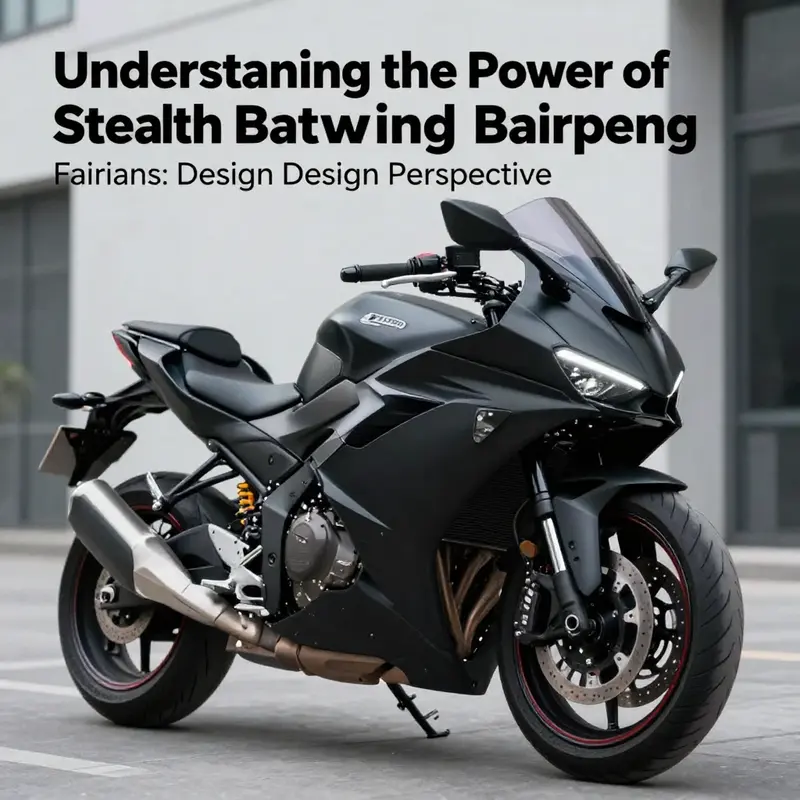
Stealth batwing fairings emerge not as mere armor but as a language spoken by wind and machine. They translate power into silhouette, blending aggression with restraint, so the rider becomes both conductor and participant in a single aerodynamic story. The essence of this design is not simply darkness for its own sake but a deliberate reduction of glare, a reduction of glare that lets the rider read the road through a harmony of form and function. The batwing shape—when executed with intent—tells a quiet story: a forward-curving panel that rises to protect the rider, then flows into the lines of the windshield in a seamless, almost seamless, continuum. The result is a profile that appears carved from the air itself, an illusion of motion even when the bike is still, a reminder that modern motorcycling is as much about the eye as about the engine. In this design language, the rider’s presence is framed, not announced; the machine speaks in low tones, not in chrome and glare, and the effect is both commanding and intimate, as if wind and rider share a single, sculpted breath.
This approach to the fairing is founded on a philosophy of restraint and precision. The silhouette is not oversized to shout its strength but carefully proportioned to manage air resistance while preserving the rider’s sense of control. Deep, matte finishes are common, black or dark metallic tones that absorb light rather than reflect it. This aesthetic is not merely about color choices; it is about a tactile mood. Matte surfaces minimize the visual noise of scratches and grime, which helps the bike maintain a calm, continuous line even after long miles under a harsh sun or a dim highway canopy. The absence of bright chrome or contrasting trim contributes to the perception of speed and stealth, a quiet power that unfolds in the rider’s peripheral vision as the road unspools ahead.
Designers pursuing this stealth look begin with the batwing’s core geometry. The front edge generally curves upward, rising to shield the rider from crosswinds while guiding air toward the sides in a controlled, predictable pattern. The side panels are sculpted with deliberate angles and subtle creases that serve multiple purposes: they reduce turbulent wake, promote smooth separation of the boundary layer, and visually accentuate a wind-swept line that seems to lean forward even when the bike is at rest. The intent is to create a sense of forward motion that is earned by air and engineering as much as by paint. In the hands of skilled designers, the batwing becomes a canvas for aerodynamics—an instrument that couples aesthetic appeal to measurable performance gains.
Aerodynamic optimization sits at the core of these fairings’ value proposition. It is not enough for the design to look right; it must perform efficiently in real-world riding conditions. The design process draws on computational fluid dynamics (CFD) and wind-tunnel testing to refine the contours, test the airflow around the rider’s helmet, and minimize the onset of buffeting at high speeds. The goal is to create a stable, quiet ride with reduced helmet lift and a steadier helmet position. In many cases, the improvements are quantified in terms of reduced pressure fluctuations around the rider’s head, reduced drag, and a more predictable wake for the bike and its accessories. When a fairing is executed with this level of rigor, the result is not only a better ride but a better sense of connection to the machine. Riders report that the wind feels more like a breeze and less like a force, which translates to less fatigue over long days in the saddle.
The visual and tactile appeal of stealth batwings rests on more than just color and contour. The finish plays a major role in how the design is perceived at speed and at rest. The subdued color palette—often matte black or a dark metallic—works in concert with the fairing’s smooth, unbroken surfaces to emphasize a sculptural serenity rather than a loud statement. That serenity is powerful because it invites the rider to project intent onto the bike: confidence, focus, purpose. The lack of reflective surfaces also means road textures—line markings, shade patterns, distant silhouettes—become a more integral part of the bike’s visual vocabulary. The result is a machine that communicates through form rather than flash, a modern icon that feels less like a gear and more like a crafted instrument.
A modern stealth batwing is rarely a single element. It integrates lighting, aerodynamics, and fitment in a way that strengthens the overall rider experience. Full-LED lighting systems are now common, not as mere accents but as integral lighting channels that define the fairing’s edges and emphasizes its geometry. The lighting is designed to be compact and flush with the surface, creating clean lines that read clearly in daylight and at night. The result is a silhouette that remains legible from a distance while maintaining that understated, premium feel up close. Aerodynamic enhancements often accompany the lighting package: sculpted chines or flush-mounted vents that guide airflow along the fairing’s lower edge, reducing stagnation zones and smoothing the transition from the fairing to the handlebars. These details are not decoration; they are part of a tightly engineered system that balances visual poise with performance.
The integration of the windshield—an essential partner to the fairing’s stealth profile—illustrates how modern design seeks unity across components. The windshield is not a separate accessory but a continuation of the fairing’s line and function. A taller, clearer screen can improve airflow and reduce buffeting by shaping the incoming air before it reaches the rider, especially on long straightaways where wind gusts and road irregularities can amplify fatigue. In some configurations, the difference is substantial: a windshield that is taller by roughly a hundred millimeters can expand the practical envelope of the rider’s comfort, welcoming more natural posture and quieter acoustics inside the helmet. Yet the goal remains to avoid clumsy junctions where the windshield would otherwise meet the fairing and trap turbulent air. When the join is seamless, the rider experiences a sense of continuity—a single wind-shaped surface rather than a pair of mismatched components. The sense of continuity is what makes the stealth look so compelling in everyday use; it feels effortless, as if air itself was designed to flow around the machine in a single gesture.
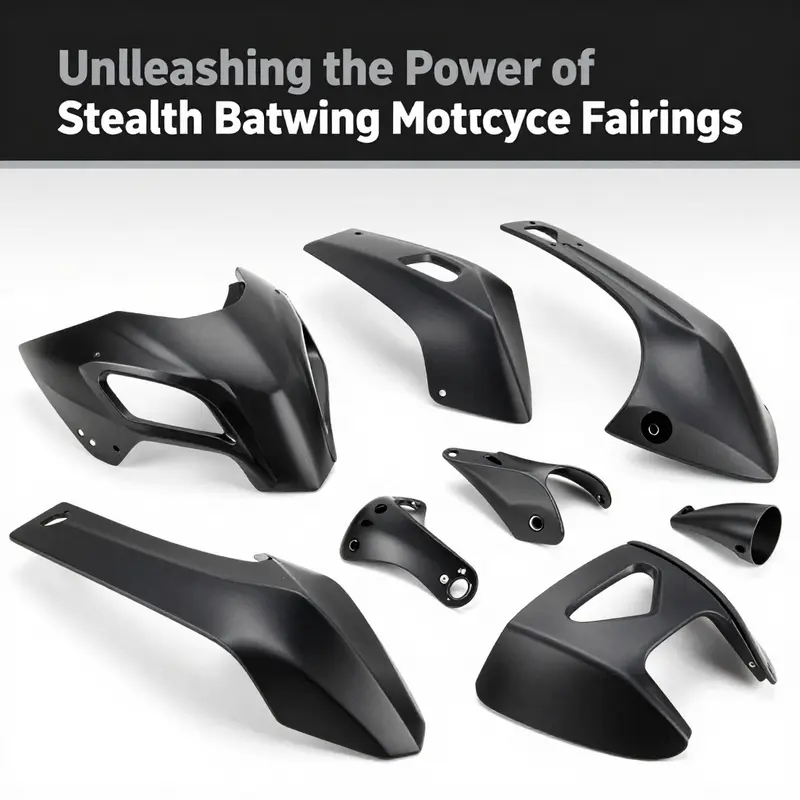
The aesthetic choices extend into the realm of aftermarket options, where riders explore how to tailor the stealth look to their own tastes and riding needs. The market offers a broad spectrum of batwing fairings with varying sizes, materials, and finishes. For many riders, an upgrade is less about chasing the newest look than about finding the right balance between weight, rigidity, and the visual language of stealth. Some fairings emphasize ultra-low-profile forms that hug the rider’s torso and minimize frontal area, while others present slightly more pronounced shapes that catch the eye without crossing into chrome-heavy exuberance. The materials range from high-strength composites to reinforced polymers with stiffening ribs, chosen for their durability in the demanding conditions of long-distance touring and daily commuting alike. Finishes can include deep matte blacks, dark metallics with satin textures, and subtle texture variations designed to reduce visible wear. In all cases, the intent is to preserve the fairing’s clean lines while offering the rider a canvas that speaks to control, efficiency, and an almost insistent discipline in design.
For riders seeking to understand fitment across a broad landscape of motorcycles, the practical path is to consult official fitment guides and warranty information. These resources provide the critical details that ensure a seamless integration with a bike’s existing geometry, mounting points, and instrument panels. The best stewards of stealth batwing aesthetics recognize that what looks elegant in a brochure must translate into real-world compatibility. A well-chosen fairing will not only align with the bike’s chassis but will also preserve or enhance the cockpit’s ergonomics, keeping switchgear accessible and instruments legible. It is rare for a single part to deliver both dramatic appearance and reliable function without a careful fitment process, but when done well, the result is a platform that remains cohesive for years and through multiple configuration changes.
Beyond the technical, there is a sensory dimension to stealth batwing design that resonates with many riders. It is the quiet assurance of power flowing beneath the skin, the sense that the machine is stripped of extraneous ornamentation to reveal a disciplined core. The look communicates restraint and confidence, a choice to rely on refined engineering rather than overt display. In this sense, the batwing becomes more than a fairing; it is a tactile expression of a rider’s philosophy about speed, comfort, and endurance. Long rides become easier not just because the air is managed more effectively, but because the rider’s perception aligns with the bike’s outward form. This alignment matters because riding is as much a mental discipline as a physical one, and the stealth aesthetic supports that discipline by reducing visual clutter and cognitive load as the road stretches ahead.
The conversation around stealth batwing fairings cannot be separated from their broader historical arc. As motorcycle aesthetics evolved, the shift away from chrome and high-gloss finishes toward more subdued, integrated silhouettes reflected a change in rider expectations. The stealth look embodies a modern preference for efficiency, durability, and a focus on the rider’s experience rather than on visual spectacle alone. It is a design language that acknowledges the road’s textures, the weather’s moods, and the hours spent in the saddle. In that sense, the batwing is a study in balance: a piece of hardware that must perform in wind, light, and road noise while also contributing to a rider’s sense of identity and purpose during every stretch of highway or backroad.
From a practical standpoint, the stealth batwing demands thoughtful maintenance. Matte finishes require care to preserve their uniform tone, avoiding common culprits like residue buildup and improper cleaning products that can dull or alter the texture. Regular inspection of fasteners, seals, and mounting points is essential to maintain the fairing’s integrated look and wind-management performance. The goal is a consistent, steady relationship between the rider, the machine, and the air that surrounds them. When these elements stay synchronized, the stealth aesthetic remains not just fashionable but functional—a true testament to design that respects both form and function. This is why the fairing is often presented as part of a holistic package: a carefully considered combination of lines, finishes, and integrations, all tuned to deliver a coherent riding experience rather than a single visual flourish.
As the conversation surrounding these designs continues to evolve, it becomes clear that stealth batwing fairings are less about reinventing the wheel than about refining its most essential interactions—the way air moves around the bike, how a rider feels at speed, and how a silhouette communicates a philosophy before any words are spoken. The result is a design that meets riders where they ride: on highways and byways, in sun and rain, during long stretches of silence where the engine is a steady, dependable companion. In that quiet pairing of rider and machine, the stealth batwing is not a trend but a durable approach to modern motorcycling—an embodiment of restraint that yields an amplified sense of power through clean lines, thoughtful aerodynamics, and a finish that invites a slower, more deliberate gaze at the road ahead.
External resources for further reading on this design philosophy and its real-world application are available here: https://www.harley-davidson.com/en-us/motorcycles/street-glide.html
null
null
Shadows in Motion: The Quiet Power and Design Philosophy Behind Stealth Batwing Fairings
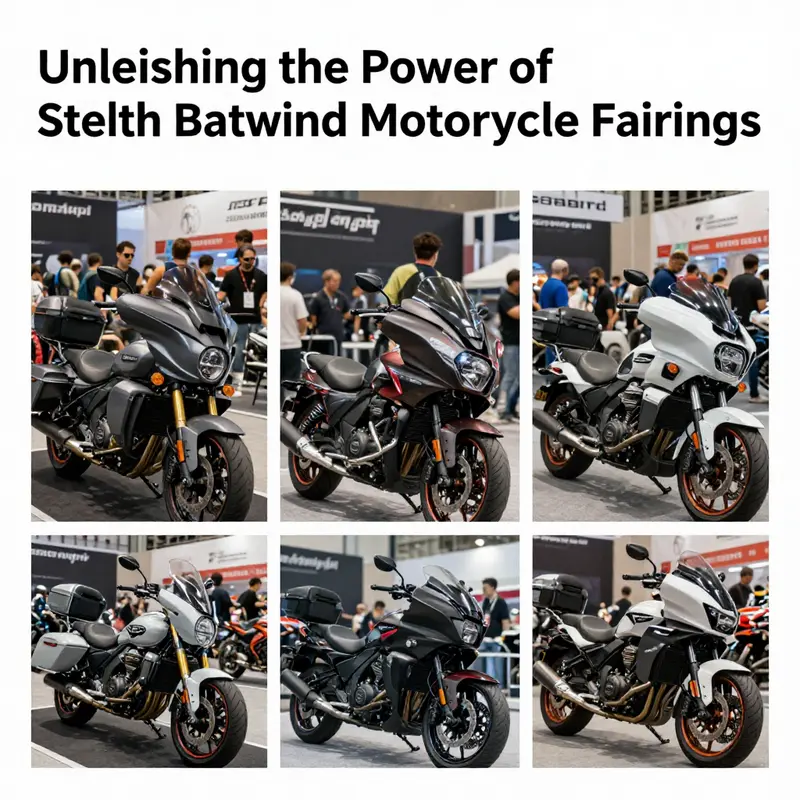
The world of motorcycle aesthetic and performance is always evolving, yet certain threads endure with a quiet certainty. Stealth batwing fairings are one of those threads, weaving a narrative of restraint and strength that appeals to riders who want presence without noise. They follow a design language that leans into deep, matte, or almost obsidian black finishes, a palette that rewards careful light management and deliberate curvature. The aim is not to shout but to convey a sense of controlled power, as if the bike itself were a silhouette carved from a single, flawless piece of night. The batwing silhouette, with its broad shoulders and sweeping lines, has become a recognizable symbol of touring prowess. When rendered in stealth tones, it communicates more than speed; it speaks of endurance, precision, and a curated taste for form as function.
In practice, stealth batwing fairings sit at the intersection of art and engineering. They are not merely cosmetic shells but carefully tuned assemblies that influence aerodynamics, rider protection, and the illusion of a cleaner, more integrated machine. The matte or satin black finish is a deliberate choice. It absorbs light rather than reflects it, reducing glare for the rider and giving the bike a subdued, tunnel-like presence that many riders associate with focus and readiness. This visual quiet is not about hiding performance; it is about presenting a disciplined, high-tech surface that pairs with modern lighting, vents, and panels to create a coherent, low-signal silhouette. The effect is not just aesthetic. A properly executed stealth batwing can streamline the rider’s air experience, reduce wind noise around the shoulders, and funnel airflow with a precision that makes long rides feel less tiring and more controlled.
The practical appeal of these fairings often rests on a disciplined integration with other components. The dark finish helps blend gaps and seams into the bodywork, creating a seamless transition between the fairing and the windshield, and extending that visual continuity along the bike’s spine. In this sense, stealth is as much about perception as it is about material choices. The eye reads fewer contrast points, which can reduce visual fatigue on long rides and sharpen the machine’s overall presence. Inside that visual discipline lies a series of engineering choices that riders frequently discuss in forums, on shop floors, and within accessory catalogs: mounting geometry, windscreen compatibility, edge profiles, and the treatment of radiative heat paths from the engine and hot components behind the fairing panels.
A typical evolution in this design family has been the blending of the batwing with a full LED lighting system. The idea is to preserve that iconic silhouette while adding signature lighting that can be seen clearly from a distance and in changing weather. The LED elements, arranged in careful configurations along the crown and lower edges, punctuate the wing’s lines without turning the entire facade into a light show. This approach aligns with a broader industry trend toward visibility and safety without compromising the understated vibe that defines stealth aesthetics. The lighting treatment becomes part of the fairing’s identity, a line of light that traces the shape and emphasizes the bike’s aerodynamic intention as it cuts through air at highway speeds.
From a materials perspective, stealth fairings are often built with composites and high-strength plastics chosen for their rigidity, lightness, and durable surface that can hold a matte finish without quickly showing wear. The matte surface, while visually subtle, also bears practical advantages. It tends to show fewer scratches than gloss finishes, especially on roads where debris and gravel can pepper the surface. Yet the matte look demands careful maintenance; it benefits from dedicated cleaners and gentle polishing to preserve the texture and avoid shiny patches that disrupt the uniformity riders seek. The texture, the finish, and the tactile feel of the surface all contribute to an overall sense of premium engineering, where every panel has been shaped with an eye on airflow, acoustic resonance, and the rider’s field of view.
The engineering narrative behind the stealth batwing is less about a single breakthrough moment and more about an orchestration of refinements. Aerodynamics plays a central role. The fairing’s contours are sculpted not just to reduce drag but to manage the boundary layer in ways that minimize buffeting and wind-induced fatigue. Subtle extensions, chamfers, and vent placements can affect how air flows around the rider’s helmet and shoulders. In a stealth configuration, these features are often tuned for a quiet, efficient ride rather than a flamboyant display of aeronautical trickery. The result is a touring instrument whose silhouette communicates confidence: a rider is protected, the machine is stable in gusty crosswinds, and the line between rider and bike remains uninterrupted by stray air currents.
Color and finish choices are not mere surface decisions; they are behavioral cues that influence how a rider interacts with the machine. The deep black or near-black palette reduces the likelihood of distracting reflections from passing cars and sun glare in the rider’s peripheral vision. It invites the eyes to linger on the bulk of the fairing, to study how its geometry relates to the windshield and the rider’s posture, and to notice how the line from the shoulder to the knee reads as a continuous form. In this way, the stealth batwing weaves a story about restraint—how removing attention from the hardware shifts focus to the rider’s intent and the machine’s momentum. It also helps the bike blend into the urban or nocturnal environment, where a quiet, shadowed presence can feel both practical and psychologically comforting to the rider who values a certain mysterious aura.
Market access and aftermarket ecosystems have expanded the reach of stealth batwing aesthetics beyond the most conspicuous flagship models. While the most recognizable installations often come from major manufacturers who offer compatible trim or redesigned fairings between 2014 and current production ranges, riders increasingly seek aftermarket options that allow them to preserve the stealth vibe while migrating across different models, brands, or generations. The ongoing dialogue among riders is less about chasing the latest celebrity-endorsed look and more about achieving a consistent thematic across a rider’s fleet. A matte black fairing, a carefully matched windshield, and a set of LEDs integrated into the crown can yield a uniform, high-performance appearance across bikes of varying ages. The ethos is to create a cohesive stealth narrative, not to chase a momentary fad.
Alongside the aesthetic, practical concerns shape consumer preferences. Some riders demand a bolt-on, no-fuss installation that preserves the bike’s original geometry and does not require extensive modification to the frame or bodywork. Others are drawn to structural upgrades that stiffen the front-end assembly, improving alignment with the steering geometry and reducing the risk of vibration-induced rattles. And a growing subset of riders seeks to balance the darker look with lighter weight, seeking composites that minimize unsprung mass and improve damping interactions with wind pressure. The common thread across these preferences is a desire for reliability, an integrated look, and a set of features that feel tailored rather than generic.
In this ecosystem, timing and compatibility become important. The discourse among riders often references models spanning a decade, since many stealth-focused components aim to accommodate a broad range of late-model touring bikes. The idea is to provide a driver-focused upgrade path that preserves the core visual language while accommodating modern electrics, such as LED signature lighting and more compact, integrated wiring channels. The result is a fairing that remains legible at highway speeds, remains serviceable via standard maintenance procedures, and helps a rider sustain a coherent aesthetic as the bike ages. The conversation also touches on windshields and trim pieces that bridge the gap between the fairing and the cockpit, creating a unified front that reads as a single, intentional design fragment rather than a patchwork of parts.
The consumer mood surrounding stealth batwing fairings is shaped by both personal taste and the social signals that come with motorcycle culture. For some riders, the stealth aesthetic is a form of self-expression that communicates discipline and restraint; for others, it conveys a modern, high-tech sensibility that aligns with the perception of advanced engineering. These interpretations matter because they influence decisions about whether to pursue factory options or aftermarket complements, how aggressively to pursue a matte finish, and what level of integration is sought between lighting, aerodynamics, and the rider’s own posture and gear. In a market where many riders seek to personalize their machines, stealth batwings offer a reliable path to a consistent look that remains legible and elegant as the bike evolves.
Although current market data on stealth batwing preferences is sparse in the public record, there are clear signals about the direction of design innovation: greater emphasis on LED integration, more refined edge work to reduce drag, and a continuing commitment to color-sharp contrasts that hide joints and gaps. The LED implementations are particularly telling. They are not flashy in isolation but are calibrated to highlight the fairing’s strongest lines while minimizing glare for the rider. The resulting effect reinforces the sense that the bike is a purpose-built machine rather than a collection of parts assembled for a look. The lighting also serves a safety function, increasing the vehicle’s conspicuity in dawn, dusk, and night riding, a consideration that resonates with riders who spend long hours on the road and value every potential advantage in visibility.
As a narrative device, stealth batwing fairings signal a balanced approach to performance and aesthetics. The design invites the rider to focus on the ride rather than the display, to appreciate the way the fairing works in concert with the rider’s posture, the windshield’s height, and the helmet’s line of sight. This synergy matters, especially on multi-day trips where comfort, wind management, and visual calm contribute to endurance. The fairing’s lines act as a visual kinesthetic cue—every contour suggests how air will separate at speed, how a rider’s body can move with less resistance, and how quick steering input can be translated into confident trajectory. In this light, stealth is not a mere color choice; it is a performance discipline that aligns the bike’s geometry with human ergonomics and the rider’s psychological state while navigating long ribbons of road.
The broader implications for manufacturers, retailers, and riders lie in the recognition that stealth is a durable preference rather than a fleeting trend. It supports a robust aftermarket ecosystem where a variety of brands and styles can be offered without commoditizing the look. The opportunity, then, is to deliver modular, adaptable solutions that respect original frame geometry and electrical wiring while enabling a seamless visual and aerodynamic integration. For retailers and workshop builders, the challenge is to communicate the value of a coordinated stealth package—the fairing, the windscreen, the LED signature lines, and the supporting hardware—so that customers understand the cumulative effect: a bike that feels like a singular instrument, both quiet and formidable. The language used to present these products matters as well. Describing the fairing as a strategic upgrade rather than a cosmetic tweak helps frame it as a performance decision, aligning with riders who see maintainability, airflow, and lighting as essential components of the riding experience.
To those who seek to explore stealth batwing aesthetics across a spectrum of bikes, the data points are encouraging enough to suggest a stable, growing interest in cohesive, all-black or dark-tinted configurations that harmonize with modern electronics. The ambition is not to erase character but to refine the machine’s character into something that feels inevitable and complete. In this sense, the stealth batwing becomes a design system—a language for shaping the bike’s appearance and behavior in a way that feels both timeless and technologically current. The question for designers and manufacturers is how to preserve this sense of intent as new generations of bikes arrive, new mounting systems are introduced, and new LED signatures become possible. The answer lies in a shared commitment to modularity, quality finishes, and precise fitment that respects the rider’s expectations for durability and polish.
For riders who value community and shared knowledge, the stealth batwing becomes a topic that invites practical experimentation. Discussions about mounting approaches, finish care, and the relative effects of different edge radii on wind behavior frequently surface in rider groups and online spaces. The practical upshot is a culture that treats the fairing not as a single bolt-on but as part of a broader, continuing conversation about how to achieve a deliberate, cohesive look that remains flexible enough to accommodate changes in the bike’s configuration over time. A rider who starts with a stealth fairing can adapt to new windshields, new trim pieces, or updated lighting without breaking the overall mood of the build. In short, the stealth narrative thrives on continuity and thoughtful upgrades rather than dramatic, one-off transformations.
The interplay of design, engineering, and consumer preference suggests a stable but evolving market. While detailed market analytics specific to stealth batwing fairings are not readily published in accessible form, the qualitative signals—commitment to all-black aesthetics, integration with LED lighting, and a strong emphasis on aerodynamic refinement—point toward a durable, long-term interest. The customers who drive this segment tend to be serious riders who value the fusion of appearance and performance and who are willing to invest in parts that can endure years of riding and miles of road. As manufacturers and retailers respond to that demand, the landscape will likely feature more precise fitments, broader cross-brand compatibility, and clearer narratives around the value of a unified stealth aesthetic. The fairing’s role in the rider’s experience will continue to expand from mere protection against wind into a considered design element that enhances safety, comfort, and the bike’s sense of identity.
In closing, the stealth batwing fairing embodies a philosophy of restraint that, paradoxically, communicates the strongest possible message: a machine built to move with quiet authority. Its shapely silhouette, dark finish, and integrated lighting speak to a rider who values subtlety, efficiency, and a refined sense of proportion. The fairing is more than a protective shell; it is a statement about how a motorcycle can master the air, how a rider can master the road, and how design can align with perception to create a ride that feels deliberate and assured. Whether a rider arrives at this look through factory options or a carefully chosen aftermarket path, the result is a motorcycle that carries an enduring, almost architectural presence—an icon of motion that travels in the silence between speed and shadow.
External reading and further context on the physics of motorcycle aerodynamics can deepen understanding of how such designs perform in real-world conditions. For a broad overview, see https://en.wikipedia.org/wiki/Air_drag. This resource provides foundational insight into how air interacts with moving bodies and why the careful shaping of a fairing matters for efficiency, stability, and rider comfort, complementing the practical design considerations discussed above. A more concrete exploration of how lighting and silhouette contribute to rider visibility may be found in industry discussions and design-focused material as the market continues to iterate on what a modern batwing can and should offer.
Internal link reference: For riders looking to explore a broader range of regional offerings and aftermarket options for similar styling cues, the Yamaha fairings collection provides a representative example of how aftermarket lines approach compatibility and finish. See the collection here: Yamaha fairings.
Final thoughts
The emergence of stealth batwing motorcycle fairings reflects a dynamic intersection of aesthetics and engineering, demonstrating how design can significantly influence consumer choices. Business owners who understand these trends and their implications can better position themselves in the competitive motorcycle market. By offering products that resonate with the ‘stealth’ design ethos, stakeholders can enhance their brand appeal and meet the evolving tastes of riders seeking both sophistication and performance. Ultimately, embracing these insights can foster growth and innovation in the motorcycle industry.