
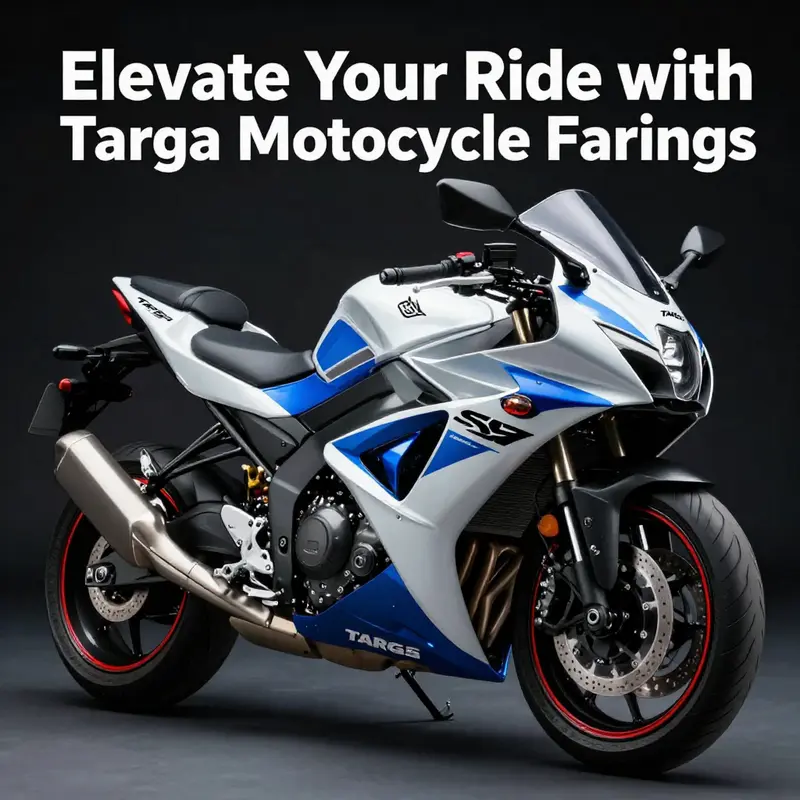
Targa Motorcycle Fairings represents a kind of aftermarket upgrade that blends aesthetics with performance for motorcyclists, particularly those looking to enhance the look and functionality of their bikes, such as the Suzuki SV1000S. As a business owner in the motorcycle accessories market, understanding the value and capabilities of Targa fairings could significantly influence your sales approach and customer relations. This article delves into the critical aspects of Targa fairings, from quality and durability to global sourcing and economic implications, aiming to equip you with the insights necessary for informed decision-making in your business strategy.
null
null
Beyond Aesthetics: The Material Durability and Precise Engineering Behind Modern Motorcycle Fairings
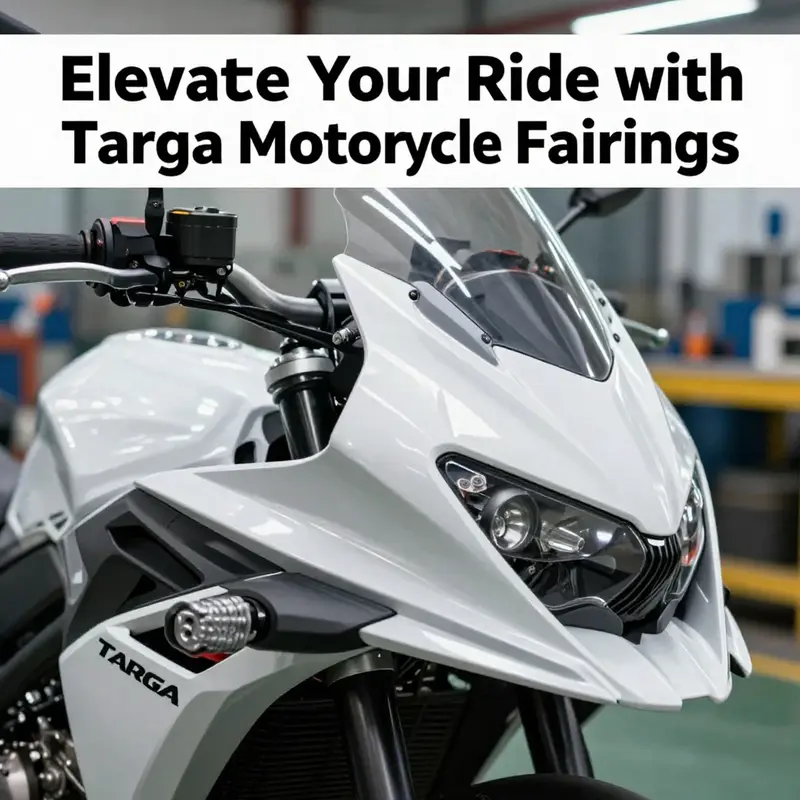
Fairings are more than decorative shells; they are a critical interface between the bike and the rider, shaping aerodynamics, protecting components, and influencing ride quality. Durability matters from the moment you ride into wind and weather to the long arc of road miles that follow.\n\nMaterials matter: Acrylic and polycarbonate each bring strengths. Acrylic offers clarity and UV resistance that keeps windscreens bright and visibility high, while polycarbonate provides higher impact resistance and toughness. Many designs use laminated structures that combine an exterior layer of acrylic for clarity with inner polycarbonate or other tough layers to resist impact without adding excessive weight.\n\nEngineering philosophy: seamless integration with the chassis; a sculpted surface that reduces drag by guiding airflow rather than creating turbulent wake. The shell becomes part of the aerodynamic profile, with careful attention to mounting points, radii, and seam lines to avoid stress concentrations.\n\nManufacturing technology: precision thermoforming and compression molding enable uniform wall thickness and predictable stiffness. Multi piece assemblies can balance high load zones with forgiving sections that damp vibration. Advances in resin formulations and composites extend UV resistance, temperature tolerance, and environmental durability without a heavy price in weight.\n\nAftermarket vs OEM durability: high quality substrates and precision fits can approach OEM performance at a lower price, but the installation and fit verification remain essential to maintain long term reliability.\n\nEnvironmental resilience and fit: UV exposure, temperature swings, and debris demand rigid surface finishes and reinforced mounting hardware. Radiused edges and deliberate corner geometry help distribute load and prevent delamination.\n\nFit and compatibility: a well fitting shell reduces flutter and misalignment; gaskets, fasteners, venting, and model specific fit verification are part of a durable design.\n\nUpgrades and practical guidance: choose acrylic or polycarbonate based on clarity, impact, and weight; look for laminated constructions, high quality lacquer or film finishes, and precise alignment processes. The result is better wind protection, quieter cockpit, and a shell that can endure long miles without cracking or yellowing.\n\nBroader context and closing: coherent design language improves confidence the mile after mile. For example, Honda and Suzuki fairings illustrate how a unified approach translates into reliable fitment and consistent surface profile across model years. External resources offer technical context on distortion free acrylic windscreens and installation considerations: https://www.targamotorcycle.com/products/acrylic-windscreen
Riding the Edge: Targa Fairings, Aftermarket Advantage, and Model-Perfect Fit
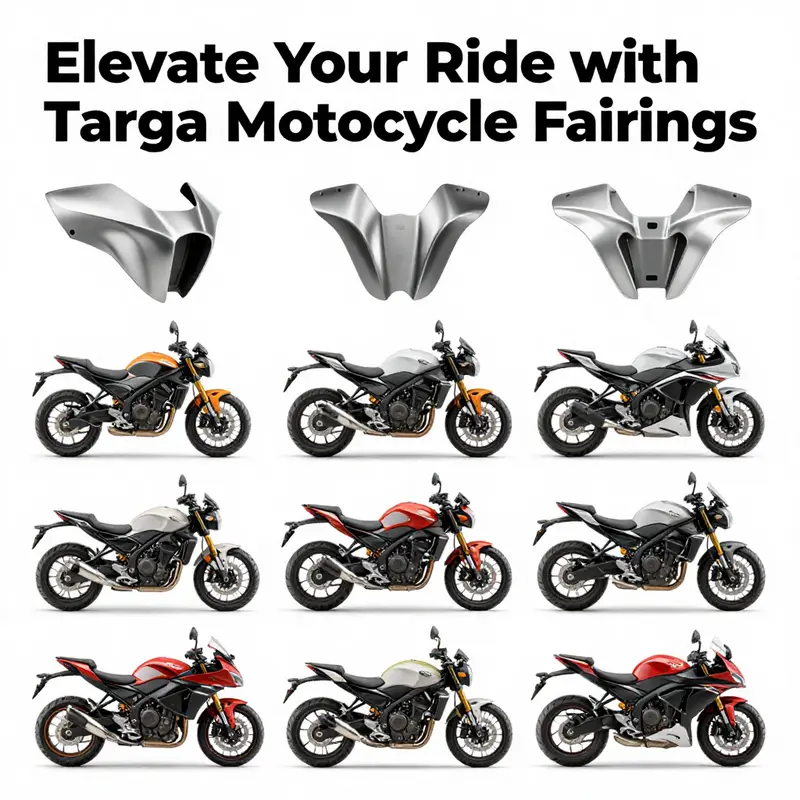
Targa motorcycle fairings sit at an interesting intersection of art and engineering—the kind of aftermarket upgrade that promises both aesthetic transformation and real-world performance gains. The design philosophy behind Targa fairings is not to replace the bike’s core identity but to augment it with a partial enclosure that shields the rider from wind while preserving the machine’s original character. This approach matters far beyond a glossy paint job. When the wind is tamed, the rider feels less fatigue on long stretches, steering becomes more deliberate, and the bike’s handling responds with a steadier confidence. The windscreen, integrated into the fairing, is not merely cosmetic; it is a functional guard that channels air away from the chest and helmet, reducing buffeting and the drift that can creep in at highway speeds. In this way, the Targa concept delivers a blend of aerodynamics and rider comfort that appeals to sport-touring and sport-riding enthusiasts alike, blurring the line between aggressive styling and practical performance.
What sets aftermarket Targa fairings apart is their ability to offer a carefully tuned balance between shape, weight, and rigidity. The upper portion of the bike remains wrapped in a protective shell, while the lower portion breathes with open exposure. This configuration creates a controlled airflow that reduces drag without compromising access to the engine and lower body components for maintenance or customization. The result is a package that looks the part on the street and holds up under the demands of real-world riding. Material choice—ranging from robust ABS plastic to advanced composites—plays a critical role in this balance. ABS provides a solid base with respectable impact resistance and resilience to UV exposure, while carbon fiber or fiberglass composites can push stiffness and weight savings higher for riders chasing precise handling. These materials must be chosen with care to ensure that the fairing can endure road grit, sun exposure, and temperature cycling without warping or cracking, especially when fitted to models with tight tolerances.
From a performance perspective, the aerodynamic gains of Targa fairings are not simply about look and feel. A well-designed fairing reduces front-end lift and reconfigures airflow around the rider’s torso, which can translate into steadier lane positioning at higher speeds and more predictable deceleration and cornering dynamics. For riders who log long miles—whether touring through winding backroads or cruising along long desert highways—the improved wind management can translate into tangible benefits in energy expenditure and focus. The improvement in comfort can encourage longer ride times, more consistent throttle control, and better overall rider endurance. These advantages are magnified when the fairing integrates a windscreen that’s properly tailored to the rider’s riding posture and helmet profile, ensuring that even at higher speeds, the head remains within a smooth, laminar flow rather than fighting against turbulent eddies.
Customization is another pillar of the aftermarket appeal. Targa fairings often arrive with a broad palette of colors, finishes, and design accents, including carbon fiber-look laminates, gloss or matte surfaces, and a variety of graphic options. This flexibility means a rider can tailor the aesthetic to match the bike’s lines or to create a unique visual statement that stands out in a crowded lineup. Importantly, this level of customization does not necessarily come at the expense of performance. In many cases, manufacturers employ modular components, allowing riders to swap panels or add accents without a full replacement, preserving the functional fit while expanding the customization toolkit. The practical payoff is that riders can refresh the bike’s look without a total teardown, maintaining a clean, integrated appearance that respects the vehicle’s engineering heritage.
Fitment accuracy is fundamental when investing in aftermarket fairings. The best offerings strive for precise alignment with mounting points, wiring routes, and the bike’s chassis geometry. Engineers use computer-aided design (CAD) modeling and computer numerical control (CNC) fabrication to map every mounting tab and cutout to the exact specifications of popular models. The consequence is a kit that aligns cleanly with the bike’s substructure, minimizing installation time and reducing the risk of rattles or gaps that can undermine both aerodynamics and durability. The promise of a model-specific fit is particularly important for riders of certain platforms that have tight tolerances or distinctive frame features. In practice, this means that a 2003 GSXR 1000 or a Suzuki SV1000S can be addressed with fairings that respect the original mounting geometry while introducing the modernized silhouette of Targa styling. To ensure compatibility, many buyers verify that the product is designed for their exact make and model, and they will often check the vendor’s fitment notes or request a model-year confirmation prior to purchase. For riders seeking a direct path to model-accurate parts, a focused catalog such as the Suzuki fairings collection can offer a reliable starting point and a clear sense of how the pieces will align with factory geometry. The Suzuki fairings collection is organized to support precise fitment and straightforward installation, and buyers can consult product notes or reach out to the seller for confirmation before ordering.
The geographic ecosystem supporting Targa fairings is a narrative of specialized skill and industrial scale. The production of modern bodywork often hinges on the capabilities concentrated in a few regional hubs where fiberglass, carbon fiber composites, and precision plastics are produced at scale. In many cases, these hubs are located in Asia where manufacturers leverage tooling, automation, and global logistics to deliver consistent results. Designers in these centers emphasize repeatable processes, finish quality, and tolerance control to ensure each kit aligns with the target bike’s geometry and mounting scheme. The result is a streamlined supply chain that can accommodate both stock and customized configurations with predictable lead times.
Material choices across these hubs reflect a practical balance of economics and performance. Fiberglass composites remain a cost-efficient path with respectable strength and fatigue resistance, while carbon fiber accents or fully carbon builds cater to riders chasing the lightest possible shell and the most aggressive stiffness. A well-engineered Targa fairing will incorporate UV-stable resins and protective coatings to withstand years of sun exposure, ride-strain, and weather. It is not unusual to see fairings developed with a layered approach: a structural core of fiberglass or a lightweight resin matrix, overlaid with a protective outer skin that guards against chips and surface abrasion. The result is a shell that is not only visually striking but capable of withstanding the rigors of road riding in a variety of climates and road conditions.
From a procurement viewpoint, the decision to adopt aftermarket Targa fairings often involves evaluating supplier credibility and long-term value. Quality certifications from manufacturing partners, consistent manufacturing practices, and the ability to document a proven track record all carry considerable weight. A high rating in customer reviews can signal reliability and a history of durable, well-fitting products. For buyers managing large or ongoing orders, the reliability of a supplier with established export capability and a transparent quality-control regime is essential. A brand with a proven track record demonstrates both the longevity and the experiential knowledge necessary to deliver dependable fairings that fit widely used models, while also accommodating the occasional model update or regional requirement.
For individuals navigating the aftermarket journey, a few practical steps can streamline the process. First, verify the exact model and year compatibility. A fairing designed for one generation often requires changes to mounting points or subframe connectors in another. Second, inspect the mounting hardware and the installation manual. Detailed instructions, precise templates, and a clear wiring guidance section reduce the risk of misalignment or electrical issues. Third, consider the vendor’s service offerings, including return policies and the possibility of a guided installation video or support line. The presence of an e-commerce option with fit guarantees, such as model-specific listings and guaranteed fit programs, can further ease the purchase process—especially for riders who are substituting a fairing after a crash or a repaint, when subtle modifications may be needed to preserve seating clearance and handlebar reach.
In practice, the aftermarket ecosystem is designed to accommodate both the casual rider seeking a bold new look and the dedicated enthusiast chasing a measurable performance delta. The appeal of Targa fairings lies not just in their visual drama but in the tangible improvements to wind management, ride comfort, and the psychological boost of a bike that feels newly sculpted around the rider. For those who want to explore further, the broader literature on sourcing and manufacturing in China offers detailed guidance on supplier evaluation, certification standards, and the logistical considerations involved in global distribution. The official guide to sourcing from top Chinese manufacturers provides foundational knowledge that can help buyers assess options, compare capabilities, and plan procurement strategies that balance cost, quality, and lead times. As always, the goal is to harmonize form and function so the bike can deliver a more engaging, more confident ride on every road.
External resource: Motorcycle Fairing Supplier Guide: Source from Top Chinese Manufacturers. https://www.motorcyclefairingsupplier.com/sourcing-guide-china
From Mold to Market: Global Sourcing of Targa-Style Fairings
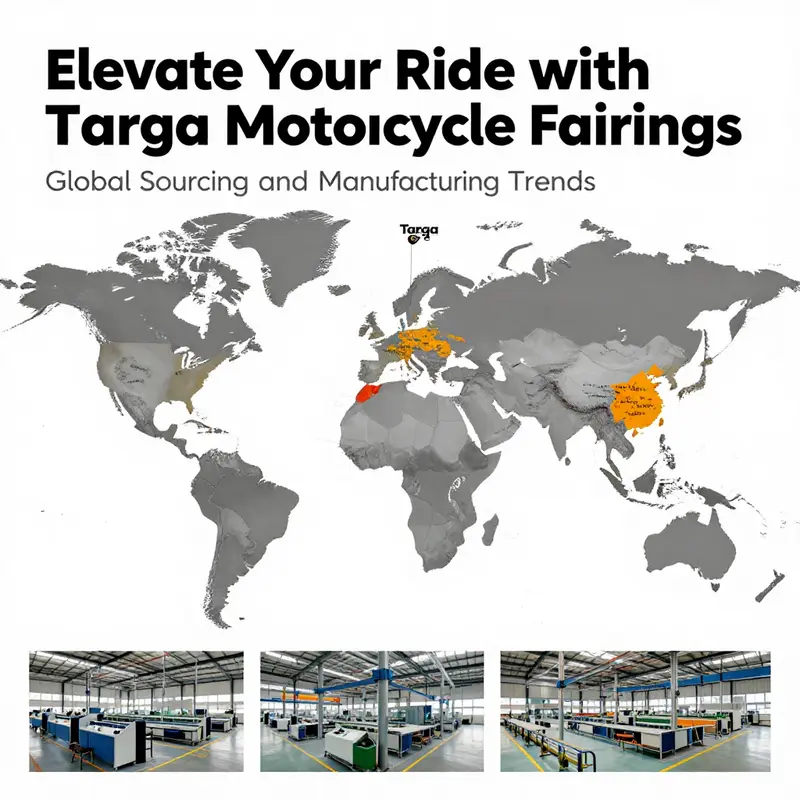
The fairing on a sport bike is more than a cosmetic shell. It is an engineered interface between rider, machine, and the wind. In the world of Targa-style fairings, every curve serves a purpose: to optimize aerodynamics, reduce weight, and withstand UV exposure across seasons. This story follows how design intent translates into parts that arrive on a workshop bench through a global network of suppliers, molds, and logistics hubs. Because these are aftermarket components, fit and finish depend on precise alignment with model geometry, mounting points, and internal channels. The path from concept to consumer is shaped by regional strengths, from China driven mass production to advanced finishing centers, with each cluster contributing to mold accuracy, resin selection, and surface quality. The chapter surveys Guangdong, Zhejiang, Fujian, and Anhui as nodes in a supply chain that balances speed, cost efficiency, and reliability. It explains how mold replication, material choices such as ABS and reinforced resins, and attention to tolerances translate into fairings that fit, resist weathering, and perform at speed. Finally, the piece offers practical guidance for buyers: verify model compatibility, request traceability data on mold wear and resin content, and seek suppliers who provide predictable delivery without compromising quality. The goal is to show that the value of a Targa-style fairing rests not only in its look but in the repeatable engineering that keeps riders confident on road and track.
Riding the Balance: The Economic Currents Behind Targa Fairings in the Motorcycle Accessories Market
Targa motorcycle fairings occupy a distinctive space in the aftermarket ecosystem. They blend a design vocabulary that sits between the aggression of full racing shells and the approachable silhouette of mid‑size street fairings. The result is a product that does more than cloak the bike; it redefines how the rider interacts with wind, noise, and the sense of speed itself. In this respect, Targa fairings are less a single accessory and more a symbol of how contemporary motorcycling embraces performance without sacrificing daily usability. The economic implications of this approach ripple through manufacturers, retailers, and buyers alike, shaping demand patterns, pricing strategies, and the practical choices riders make when they customize their machines. To understand the broader market, one must trace the chain from design intention to real‑world outcomes, considering materials, fitment accuracy, installation time, and the evolving geography of production and distribution that underpins access to these parts.
From the rider’s perspective, the appeal of a Targa‑style kit rests on a compelling mix of aesthetics and function. A raised, enclosed section over the rider’s head provides a semblance of protection and a silhouette that communicates speed, without necessarily committing to the weight and bulk of a fully enclosed fairing. The open sides preserve a sense of air flow and visibility, which many riders value for feedback and maneuverability. This hybrid form factor offers a unique proposition: it can deliver significant wind protection and a cleaner ride at a price point that sits between traditional half fairings and full race shells. This positioning matters economically because it opens the door to a broader audience. Riders who might previously hesitate to invest in high‑end OEM replacements or premium full kits can access a visually striking, performance‑oriented upgrade that still feels practical for daily riding. The market responds to that broadened appeal with steadier demand, fueling a cycle of more diverse styles, better fitment documentation, and improved aftermarket support.
Material science is central to the value proposition behind Targa fairings. The most common materials—impact‑resistant ABS plastic and lightweight composites—strike a balance between stiffness, impact tolerance, UV resistance, and cost. For aftermarket lines, the emphasis is on achieving a durability profile that can withstand road rash, sun exposure, and temperature fluctuations without the bend or warp that can come with cheaper alternatives. High‑quality ABS can hold a glossy finish and resist UV fading, while composites can offer margins of weight savings and improved stiffness. This attention to materials matters economically because it translates into longer lifecycles, lower maintenance costs for the rider, and better resale value for the bike with the fairing installed. In markets where consumer education around material performance is strong, buyers are more willing to spend a little more upfront for a kit that promises lower total cost of ownership over several seasons of riding.
Fitment accuracy sits at the heart of the aftermarket value equation. The economic case for a well‑engineered Targa kit is reinforced each time a rider installs a kit that slots neatly onto the intended frame with minimal modification. Precision fitment reduces installation time, minimizes the need for professional tuning, and lowers the risk of misalignment that can compromise aerodynamics and rider safety. For the retailer, this translates into higher customer satisfaction, fewer returns, and stronger repeat business. Industry voices stress that buyers should always verify compatibility with their specific make and model before purchase. In practice, this becomes a core risk management point for both sellers and buyers. A kit designed for one model may look superficially similar to another, but the differences in mounting points, fairing curves, and radiator clearance can be substantial. The economic outcome is not merely a matter of comfort but of cost avoidance: returns, restocking fees, and the time value of money for a dissatisfied customer who has spent on a product that doesn’t fit. The awareness of fit checks thus becomes a subtle but powerful driver of consumer confidence and market efficiency in the aftermarket sector.
A common thread through the industry is the push toward streamlined procurement channels and predictable quality at scale. China remains a dominant hub for motorcycle bodywork production, with provinces such as Guangdong, Zhejiang, and Fujian specializing in different facets of the workflow. Guangdong’s strength in large‑volume manufacturing intersects with efficient logistics, enabling faster turnarounds for popular models and mass customization options. Zhejiang’s prowess in precision mold making and finishing supports higher levels of fit precision and more nuanced aesthetic detailing, while Fujian’s export and compliance capabilities help ensure that aftermarket SKUs reach global markets with consistent documentation and testing standards. This geographic specialization matters economically because it shapes lead times, pricing, and the ability of brands to offer reliable stock levels. Buyers benefit when suppliers can promise reliable availability, because it reduces the risk of backorders that inflate costs and delay project timelines for riders who want to upgrade their bikes promptly.
Retail channels have adapted to these efficiencies, and the ecosystem now includes curated online marketplaces that emphasize fit accuracy and warranty assurances. The visibility of fit‑guarantee programs, such as those found in major online platforms, reassures buyers who might otherwise hesitate to purchase an aftermarket kit for a specific model. The practical effect is a modest but meaningful expansion of the market’s addressable audience. As more riders compare options, the competitive dynamics among manufacturers intensify, pushing improvements in engineering, packaging, and after‑sales support. This competition, in turn, accelerates innovation in mounting systems, aerodynamic fine‑tuning, and even integration with other performance upgrades such as windscreen choices and panel alignments. In short, a robust aftermarket ecosystem around Targa‑style fairings fosters a virtuous cycle: better products lead to more confident buyers, which drives higher volumes and more resources for continued R&D.
The economics of customization also hinge on perceived value, a dimension that is not purely material. The sense of personal identity a rider projects through a carefully chosen fairing kit matters. The ability to tailor colorways, textures, and linework to a particular model or rider persona translates into willingness to pay a premium for certain finishes or limited‑edition appearances. This premium, however, is tempered by the need to balance cost considerations with performance expectations. As the market matures, brands align their offerings with diverse budgets, ranging from entry‑level kits that deliver solid performance and appearance to premium lines that emphasize ultra‑tight tolerances and bespoke finishes. For manufacturers, the challenge is to deliver tangible performance benefits—wind protection, reduced fatigue on long rides, quieter operation at highway speeds—while maintaining accessibility through competitive pricing. The resulting market structure rewards those who can consistently deliver both form and function within predictable timeframes and transparent fitment guidelines.
From a consumer education standpoint, the shift toward credible, model‑specific compatibility information helps to create trust and reduce the friction associated with aftermarket purchases. Knowledgeable sellers emphasize the practicalities of installation, including mounting hardware availability, any necessary minor trimming, and the potential need for updated gaskets or seals when fitting a new kit. This educational layer is essential because it reinforces the idea that aftermarket fairings are not merely cosmetic add‑ons but components that can influence aerodynamics, ride quality, and even thermal management around the engine bay. When riders recognize these benefits and understand the associated costs and time commitments, they tend to approach the upgrade with a clear expectation of value. That clarity translates into more precise purchasing decisions, lower post‑purchase dissatisfaction, and a healthier feedback loop for manufacturers who rely on word‑of‑mouth and repeat customers to sustain growth.
The chapter would be remiss without acknowledging the broader web of resources that supports informed choices. For riders exploring compatible options within specific brands, reference to targeted product collections can illuminate available pathways. In the context of Suzuki fairings, a convenient entry point is the Suzuki fairings collection, which aggregates models and fitments to guide model‑specific decisions and comparisons. This kind of resource is valuable because it anchors expectations in real‑world compatibility data, enabling riders to avoid mismatches and to explore upgrade paths that align with their design and performance goals. As the market evolves, the integration of digital tools—fitment checkers, 3D visualization, and community‑driven knowledge bases—will further reduce friction and strengthen the economic case for upgrading rather than maintaining stock configurations. The net effect is a more resilient aftermarket sector that continues to attract investment, talent, and new customers, all while expanding the options riders have to tailor their machines to their riding style and life circumstances.
For further reading on motorcycle fairing types, materials, and performance benefits, see the broader overview from Motorcycle Faring: Types, Properties, and How It Enhances Industrial Performance at https://www.motorcyclefaring.com/types-properties-industrial-performance. If you are curious about model‑specific pathways and want to see an example of how a manufacturer presents fitment data alongside aesthetic options, you can also explore the Suzuki fairings collection as a practical starting point for understanding how fit and finish translate into real‑world upgrades. Suzuki fairings collection invites readers to examine the practical implications of kit integration across a range of Suzuki platforms, illustrating how design decisions ripple through performance and ownership experience. This kind of intersection between design, manufacturing, and consumer choice is where the economics of Targa style and other hybrid fairings become most visible, shaping a market that rewards thoughtful engineering, reliable supply chains, and a clear promise of value over the long arc of ownership.
Final thoughts
Targa Motorcycle Fairings not only boost the aesthetic appeal and functional performance of motorcycles but also serve as a pivotal aspect of the aftermarket accessories market. Recognizing the benefits of high-quality fairings can position your business strategically within the industry. Clients are always on the lookout for reliable enhancements to their rides, and Targa fairings represent an accessible choice balancing style, durability, and affordability. As you consider expanding your offerings, aligning with brands like Targa may offer substantial advantages, contributing positively to your business growth and customer satisfaction.