
In the realm of long-distance motorcycle travel, touring fairings motorcycles stand out as indispensable companions for both leisure and business riders. Engineered for extended journeys, these bikes not only focus on rider comfort but also on enhancing performance through strategic design. This article delves into four crucial aspects of touring fairings motorcycles—specifically, the aerodynamic benefits that optimize fuel efficiency, the comfort features that make long rides pleasurable, the storage solutions that cater to business needs, and the technological advancements that modern models impressively incorporate. By understanding these dimensions, you can make informed choices that align with your touring ambitions, whether for personal pleasure or business endeavors.
Wind, Weight, and Wonder: The Aerodynamic Heartbeat of Touring Fairings on Long Roads
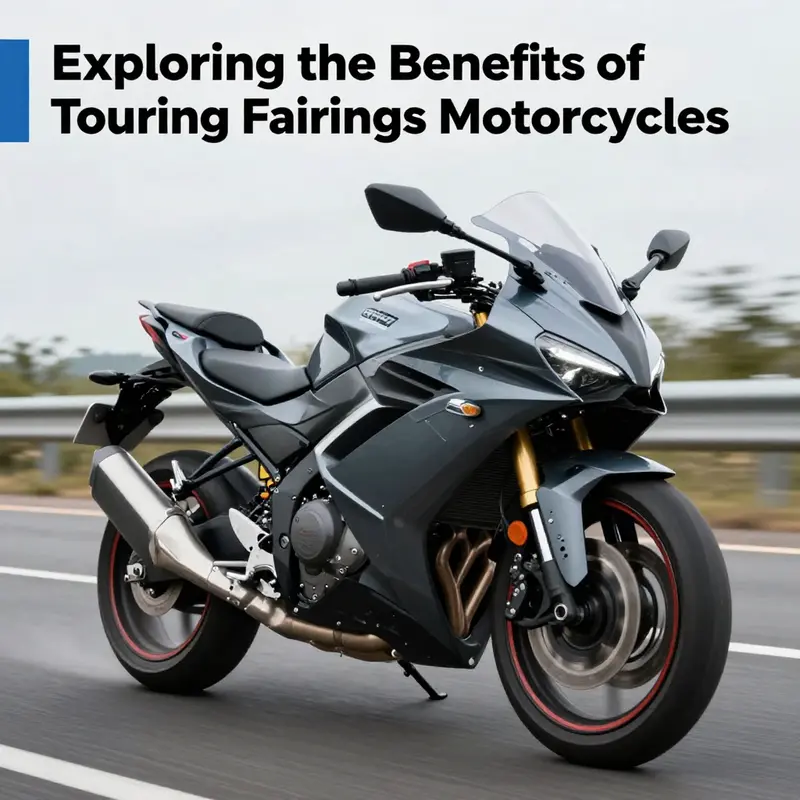
The moment a rider settles into a long, straight lane and the bike settles into a steady cadence, the physics of wind becomes more intimate than the road surface itself. Touring fairings are not merely a stylistic element or a disguise for bulky bodywork. They are the primary interface between rider, machine, and the air that rushes past at highway speed. On these journeys, where miles accumulate and weather can shift like a mood board, the fairing performs a quiet, disciplined job: to choreograph airflow around rider and chassis so the rider can breathe easier, ride longer, and depend on the machine with less drift or fatigue. When designed well, a touring fairing acts as a wind shield that turns the open highway from a test of endurance into an experience of control and comfort. The difference is measured not just in the swell of wind on the shoulders but in the steadiness of the throttle hand, the quiet of the cabin-like cockpit, and the sense of balance that emerges as the speed climbs or the terrain dips and climbs with the road ahead.
At the core, touring fairings are full-coverage structures that sculpt air into a cooperative partner rather than an adversary. They channel air to create a smoother, more laminar flow around the rider and the motorcycle’s upper silhouette. This reduces drag, which translates directly into lower energy demands on the engine and, by extension, more predictable fuel economy on long hauls. The reduction of drag is not simply a single statistic; it is a cascade that changes how the bike behaves in gusts, how much the rider must fight to stay on a steady line, and how much attention is required to manage throttle and posture over hours of riding. The added benefit of such aerodynamics is stability at speed. With a well-formed fairing, the wind’s pressure gradient is spread more evenly along the motorcycle’s body, diminishing the feedback that sometimes destabilizes riders when a side gust crosses the lane. Even at sustained speeds that tax both machine and rider, the chassis feels more planted, the steering more confident, and the rider’s core less taxed by the constant micro-corrections that mark fatigue in less wind-friendly configurations.
The design vocabulary of touring fairings centers on balance and protection. A full-coverage shape shields the rider from relentless wind and weather while allowing the machine’s own airflow to remain efficient. It is a careful compromise between clean, drag-reducing lines and practical, rider-centric ergonomics. The goal is a smooth envelope that guides air toward predictable paths, reducing turbulence that would otherwise bounce off the rider and helmet. In practice, this means contours that wrap around the rider’s torso and hands, with carefully placed chines and edge radii that coax the boundary layer into attaching to the surface longer, delaying flow separation. The result is a pressure field that helps stabilize the front end, particularly when the bike encounters crosswinds or the road’s irregularities compound with air movement. In short, a good touring fairing reframes the wind from a foe to a cooperative partner that supports comfort and confidence.
A crucial dimension of this aerodynamic partnership is noise reduction. Wind noise is not a cosmetic concern; it is a direct contributor to rider fatigue. The fairing walls can dampen the harsh edges of turbulent flow, guiding it away from the rider’s ears and helmet. The art here is not merely about sealing the rider from wind but shaping the soundscape of the ride so the human body remains less stressed by auditory bombardment. Although the exact noise levels depend on helmet, posture, and rider size, the role of the fairing in smoothing air speed and reducing gust-driven buffeting is consistently evident in long-distance testing and field reports. Beyond the quiet, there is the tactile sensation of less pressure against the chest and shoulders—a subtle but meaningful improvement that translates to longer hours in the saddle with fewer breaks and less need for rest-stop relief.
The interplay between aerodynamic efficiency and energy use is especially meaningful for highway cruising. When a fairing lowers drag, the engine operates with a more favorable power-to-resistance ratio. This means less fuel per mile on the same highway grade and wind condition, a practical advantage when crossing several time zones or chasing a cross-country itinerary. The mathematics are tangible: drag force scales with the square of airspeed, and power to overcome drag scales with the cube of speed. A well-tuned touring fairing reduces the frontal area and smooths the flow, making a tangible difference in fuel economy at highway velocities. Riders who plan weeks of travel often become sensitive to even fractional gains in efficiency, because those gains compound across thousands of miles, freeing more time for miles of scenic cruising or restful breaks rather than a pit stop to refuel.
The protective function of touring fairings extends beyond wind. Rain, road spray, and debris become less intrusive when the air boundary layer and surface geometry are optimized. A raindrop that might otherwise sting the forearm or glide irritably along the windshield is redirected toward a safer, more predictable path. Debris that would otherwise hit the rider’s torso or upper chest is intercepted by a structure that acts as a shield, reducing the risk of fatigue and discomfort on wetter days or in bad weather corridors. This protective layer is not a blanket; it is a disciplined curvature that remains effective at different ride heights and seating positions. The rider’s posture, gear choice, and even the bike’s mass distribution play into how protective a fairing feels on a given machine, which explains why riders often have a strong preference for one shape over another. A touring fairing that harmonizes with rider posture becomes a partner in comfort rather than a constraint that forces unnatural riding angles to stay protected.
From an ergonomics standpoint, the fairing is a silent adjustment to the rider’s environment. It shapes the air to meet the rider’s torso at a comfortable, breathable interface rather than a stiff, persistent pressure. Wind management is particularly complex for two-up touring, where a passenger adds another variable to the airflow equation. Properly tuned fairings manage not only the rider’s comfort but the passenger’s experience as well, reducing micro-currents that can lead to discomfort and fatigue in the rear seat. In this way, the touring fairing becomes a unifying element of the bike’s long-distance persona: it fosters endurance by maintaining a conducive riding posture and a stable cockpit environment that both riders can enjoy over long horizons.
In the realm of performance assessment, the dialogue between aftermarket and stock fairings is a steady conversation about what the body wants and what the wind will concede. Aftermarket winglets or half-fairing configurations offer limited improvements for some riders, especially when they seek to tune touchpoints in a narrow set of conditions or riding styles. Genuine touring fairings, when carefully engineered, integrate aero contours with the bike’s chassis geometry and the rider’s seating position to deliver consistent, measurable benefits. They go beyond mere aesthetics to reflect a synthesis of engineering disciplines: aerodynamics, thermals, cockpit ergonomics, and structural integrity. The bodywork is not an add-on but a core system that interplays with the engine’s cooling demands, the radiator’s airflow, and the rider’s lines of sight. The result is a platform designed not only to cut drag but to manage heat, maintain a stable temperature envelope for the engine and the rider, and support extended highway journeys without compromising handling or maneuverability.
In practical terms, riders contemplating a fairing upgrade or replacement often weigh options across a spectrum. On one end, the goal is to reduce drag and noise while preserving or improving weather protection. On the other, there is a desire to maintain or enhance the machine’s balance, ensuring that any added mass or altered center of gravity does not hinder steering precision, especially at lower speeds or when maneuvering through tight traffic. The best touring fairings address both dimensions: they streamline air without compromising cockpit access, instrument visibility, or the rider’s line of sight. They allow the rider to tuck into a posture that reduces frontal area without sacrificing breathing space or legroom. In the end, the right fairing becomes not just a shield but a partner in a long-distance ritual—one that respects the rider’s need for wind silence, thermal comfort, and a sense of control at speed.
Within this ecosystem, the internal design philosophy embraces a holistic approach to aerodynamics. Fairings are not static shells; they are dynamic components that work with vents and ducts to manage air around the engine and rider. The thermal implications are real: better airflow around the engine and radiator tends to improve cooling efficiency, which becomes particularly important on long climbs or in warmer climates where ambient heat can accumulate in the cockpit environment. Strategic air channels, carefully placed vents, and even the geometry of the lower belly sections contribute to temperature regulation and comfort. The human element—the rider’s posture, gear, and seating arrangement—remains central to how the air interacts with the bike. This is why a touring fairing’s success is judged not only by drag numbers but by how it feels in real-world riding: does it reduce fatigue after hours in the saddle, does it keep rain off in a downpour, and does it deliver a stable, confident ride on gusty highways?
For riders who want to explore options beyond stock configurations, there are avenues to consider that stay true to the wind-conscious philosophy of touring fairings. The ecosystem includes a broad range of shapes and sizes designed to accommodate different motorcycles and rider statures. Some riders prefer a taller, more enveloping crown that reaches higher on the chest and shoulders, while others opt for a mid-rise profile that emphasizes steering precision and line-of-sight. Regardless of the chosen geometry, the guiding principle remains the same: shield the rider from the most demanding aspects of wind and weather while preserving the machine’s intended handling characteristics. It is a reminder that aerodynamics is not only about speed; it is about translating wind energy into human endurance and sustained comfort. As riders navigate long voyages, the fairing becomes a partner in the journey, wrapping the rider in a controlled air envelope that fosters calm, efficiency, and confidence.
For readers curious about concrete directions in the marketplace without naming brands, the broader ecosystem provides ample options that align with the aerodynamic ideals discussed here. When considering upgrades or replacements, it is worth referencing collections that cover a range of fairing styles and mount families, such as the Honda fairings collection. This resource can help riders identify compatible shapes and dimensions that suit their motorcycle and riding posture, while ensuring a harmonious integration with the bike’s lines and balance. Honda fairings collection is a practical starting point for exploring options that respect the aerodynamic principles outlined above. The goal remains steady: to choose a fairing that preserves a rider’s sense of control, reduces fatigue, and enhances the overall long-distance experience.
As a concluding note, the aerodynamic benefits of touring fairings extend beyond aesthetics to include critical factors of performance and rider well-being. They shape a riding environment that rewards endurance and attentiveness with less physical strain and more time on the road. They enable high-speed stability, reduce wind noise, improve fuel efficiency, and provide reliable protection from the elements. They also accommodate the thermal and ergonomic demands of long-distance riding, ensuring that both rider and machine stay within a comfortable envelope across varied climates and landscapes. In this sense, touring fairings are a practical embodiment of engineering empathy: they listen to the rider’s needs and translate them into form, function, and a better ride through hours of open-road travel. For a deeper dive into the aerodynamics and performance principles that underpin these effects, see Understanding Motorcycle Fairings: Aerodynamics and Performance.
Comfort Without Compromise: Touring Fairings as the Quiet Engine of Long-Road Ease
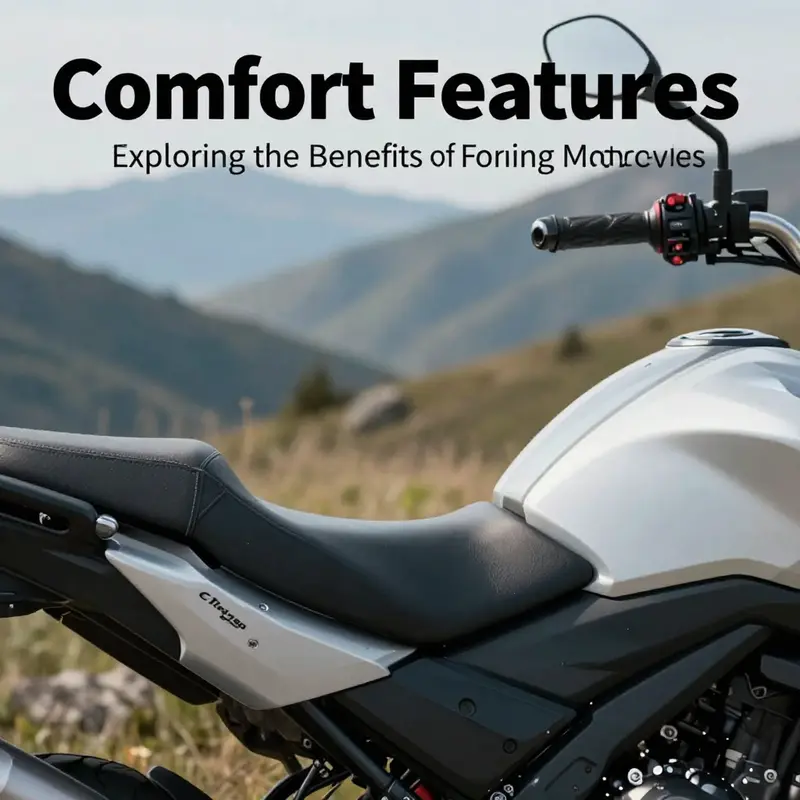
On the open highway, where miles unfold with a steady rhythm and the horizon stretches like a promise, the rider’s comfort is less a detail and more the architecture of the journey. Touring fairings are not merely decorative shields; they are core systems that translate long-distance ambition into sustainable, fatigue-free travel. When you climb aboard a machine built for multi-hour, multi-day rides, the fairing becomes a co-pilot, smoothing the air, guiding your posture, and shaping the mood of the ride. The design choices tucked into that large shell—how it meets the wind, where the windshield sits, how the cockpit breathes—determine how long you can stay relaxed, focused, and engaged with the scenery rather than with your own discomfort. The most immediate and tangible aspect of comfort offered by full touring fairings is wind protection. A full fairing that begins at the front of the bike and extends down toward the handlebars creates a corridor of controlled air. It is a barrier against the relentless wind blast that can sap energy after hours in the saddle. This is not about shielding the rider from weather alone; it is about reducing layers of wind pressure that push and pull at the torso, shoulders, and neck. When the wind is deflected effectively, the rider’s core and upper body stay warmer when it’s cold and cooler when the sun climbs high. The windshield, often adjustable, gives riders a means to tailor that shield to their height, seating position, and the prevailing conditions. The benefit is not just physical relief; it is the mental clarity that comes with knowing the ride will not demand constant micro-adjustments to stay comfortable. A well-considered aerodynamic shape further contributes to that calm, relaxed posture. Touring fairings are engineered to minimize buffeting around the rider’s upper body, which means less competing air pressure on the helmet and shoulders. The result is a more stable and upright riding position, one that many riders find less tiring over hundreds of miles. This stability matters because riding long distances is as much about conserving energy as it is about maintaining speed. When the air flow is smooth, the upper body can maintain a steady, balanced posture, and the hands can rest more naturally on the bars. The mind follows suit; with fewer physical strains to manage, the rider’s awareness remains sharper for longer, a crucial attribute when traffic conditions demand quick perception and reaction. But comfort on a touring machine is never the work of a single feature. It emerges from a suite of elements that work together in real time. Adjustable wind deflectors, for example, allow a rider to tune the wind stream with precision. In a contrast of familiarity and customization, a rider can redirect airflow away from the chest or helmet, or bring it forward to ease turbulence around the head and shoulders on gusty days. These deflectors are not luxuries; they are responsive tools that adapt to the rider’s style and the weather’s mood. Integrated LED lighting within the fairing amplifies safety and comfort in low light conditions. It does more than illuminate a path; it reduces the cognitive load on the rider by conveying a sense of border clarity where road edges and potential hazards sit at the edge of perception. The entire cockpit is a small, protected environment where the rider can focus on the road and on conversations with a passenger or a navigation device without distraction. Security and comfort extend to the way the fairing encloses the rider in a cockpit designed for long hours. A protective cockpit environment minimizes exposure to wind-driven rain, road spray, and debris. It lowers the emotional strain of crosswinds and transient weather. The gabled lines and smooth transitions of the fairing also contribute to a quieter cabin, because the air movement is less chaotic and more predictable. In practice, this quiet is not a dampened silence but a cultivated stillness that allows the rider to engage with music, a map, or a companion without the intrusion of constant wind noise or buffeting. The result is a more immersive, enjoyable ride rather than a test of endurance against the elements. Comfort on long rides also rests on seats and controls that are harmonized with the fairing’s sense of proportion. Ergonomic seating in touring motorcycles is designed to support the lower back, distribute weight evenly, and accommodate long hours in the saddle. When paired with the fairing’s wind management and the cockpit’s climate, comfort becomes a holistic sensation rather than a series of isolated perks. A well-chosen seat height and padding work in concert with the handlebars and footpegs to create a balanced triangle for the rider. The goal is not to force a posture but to invite a sustainable alignment. This alignment becomes especially meaningful on two-up journeys, where a passenger adds weight, height, and different weight distribution. A capable touring fairing offers room for both riders to settle into a shared rhythm, with the fairing aiding in stability, noise reduction, and environmental protection for the back, hips, and knees of both occupants. But the comfort conversation doesn’t end at seating and wind shields. Integrated storage, a cornerstone of touring practicality, emerges from the fairing’s surrounding architecture. When built into the fairing or connected to its sides, hard saddlebags and trunk space carry gear for days on the road without encroaching on rider comfort. The benefit is threefold: it eliminates the need to bungee or juggle luggage on a passenger seat or rear rack, it keeps the load secure and aerodynamic, and it preserves the rider’s sense of balance by maintaining even weight distribution. The integration of storage with the fairing’s fabric is an example of thoughtful design where necessity and comfort converge. If warmth is the emotional weather of long-distance riding, then climate-control features are the sun and breeze that make the journey tolerable, even delightful. Heated grips and seats address a reality many riders face: cold mornings, long nights, and shifting weather patterns that keep the body’s muscles tight and energy reserves low. When heated elements are integrated with the fairing’s wind barriers, the rider experiences a direct, immediate comfort that reduces stiffness and fatigue. It’s not merely about warmth; it’s about extending the riding window—allowing the body to relax into the seat, the hips to settle more naturally into the cushion, and the shoulders to drop away from tension that can accumulate after hours in the saddle. Cruise control, another staple of touring bikes, complements this environment. With cruise control, the rider’s throttle hand enjoys a moment of release, reducing repetitive muscle engagement and enabling a more evenly paced ride through long, straight stretches or gently rolling terrain. The effect is a psychological lift as well—an opportunity to listen to music, radio, or a narration of the landscape without the constant motor-skill demand of throttle modulation. The fairing’s role in comfort is also advanced by the presence of cockpit technologies that reduce cognitive strain while you travel. Integrated navigation and body-friendly controls allow for navigation, phone calls, or route adjustments without compromising posture or focus. The human-machine interface becomes a friendly ally, not a distraction. In this sense, the touring fairing functions as an ergonomic partner: it shapes your range of motion, keeps your wrists and elbows in a neutral position, and affords your neck the freedom to scan for hazards while the torso remains supported by a generous, stable seating arrangement. Beyond wind and weather, comfort is about time spent in the saddle, and time, in this sense, is a currency. A tour requires a calm center, and the fairing’s design helps preserve it. When you ride through shifting temperatures and changing light, the fairing’s shading and airflow patterns stabilize the microclimate around your upper body. Heat management becomes an underappreciated ally; by keeping the torso and arms at a non-extreme temperature, you sustain coordination, reaction times, and mental focus. The more predictable the air and climate conditions, the less energy your body must expend to maintain comfort. This, in turn, translates into longer hours in the saddle before fatigue becomes a limiting factor, allowing riders to string together day after day of road miles without the sense that comfort is slipping away after the first hundred breaths of morning air. The overall experience is a symphony of parts working in concert. The fairing’s protective envelope, its aerodynamic steadiness, the adjustable deflectors, the integrated lighting, the cockpit climate, and the comforts of seating and storage do not exist in isolation. They interact to create a singular ride quality that informs decisions from the rider’s breathing to their route choice. In practical terms, a rider selects routes and speeds not merely based on distance or scenery, but on the felt ease of travel. The choice to push through a remote stretch at a cruising pace, the momentary decision to stop sooner for a warm drink and a stretch, the switch to a heated seat in the early hours, or the quiet adjustment of windshield position—all become expressions of the riding comfort the fairing makes possible. To those planning and evaluating touring machines for themselves, the fairing becomes a lens through which to view comfort: it is the visible tip of an iceberg that includes wind management, posture support, climate control, and integrated technology. It is a reminder that long-distance riding is not merely about endurance; it is about intelligent design that respects the rider’s body, time, and experience on the road. For riders who want to explore the breadth of fairing options and how they integrate with different motorcycles, a broad, well-curated collection of fairing options can be a valuable starting point. One practical way to begin is by examining a general catalog of fairing options that aligns with your bike’s frame and your comfort priorities; it can offer a clear sense of how various shapes, heights, and features translate into real-world riding experiences. For those curious about broader options, a dedicated collection of fairings provides an accessible point of comparison and inspiration. fairings collection. As riders, we often measure comfort by the stories we tell after a ride—the moment when back muscles loosen, when breath deepens, when a road’s long straight yields to a gentle bend and the wind’s push is barely noticeable. Touring fairings are the quiet engineers of those moments, shaping the road’s physical demand into a shared experience between rider and machine. They do not erase the road’s challenges, but they do reduce their impact, turning the miles into something more akin to a conversation with the landscape than a test of endurance. The result is a ride that remains engaging, with the rider able to savor the journey rather than counting the hours until arrival. In the end, comfort on a touring motorcycle is less about luxury and more about sustainability: a steady, dependable delivery of energy from start to finish, with the fairing acting as a steadfast contributor to that ongoing ease. External resource: https://www.bikeandride.com/touring-fairings-features-comparison
Hidden Payloads, Open Roads: The Art and Engineering of Storage in Touring Fairings
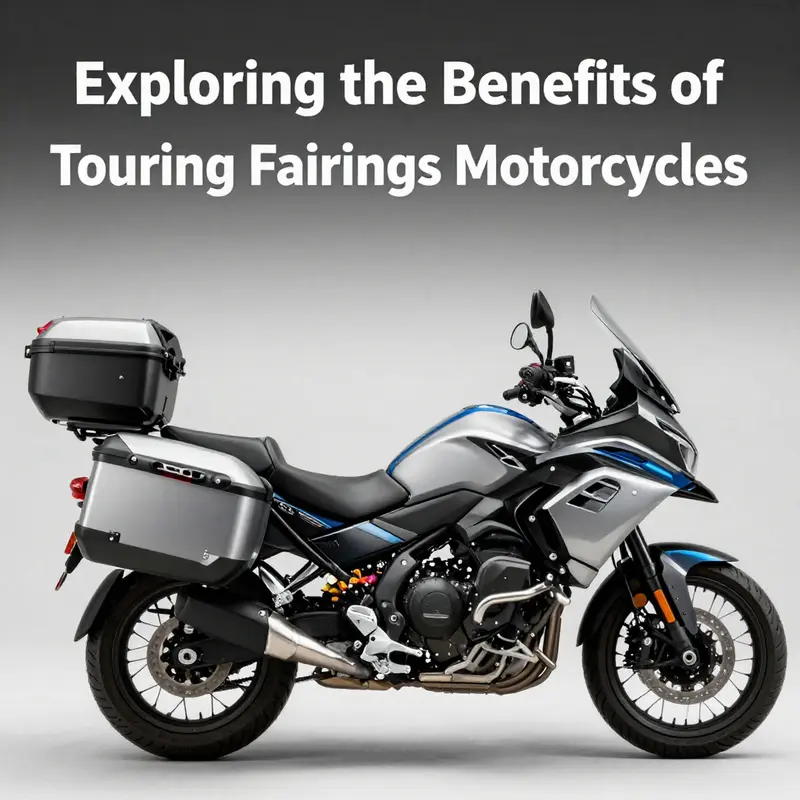
On long rides, the road can feel less like a string of milestones and more like a test of organization. Touring fairings are crafted to answer that test with a quiet precision. They do more than slice through wind; they cradle gear, guide weight, and keep essentials within easy reach. The storage solutions built into modern touring fairings are not afterthought add-ons. They are integral to the riding experience, shaping how riders pack, what they carry, and how the motorcycle behaves when loaded for a week on the road. The result is a balanced blend of form and function: a fairing that not only shields the rider from weather and fatigue but also carries the life-support of a long-distance journey. It is a design philosophy that treats luggage as a natural part of the chassis, not as an awkward appendage. In this light, the fairing becomes a compact, integrated luggage system that preserves the bike’s silhouette while expanding its horizons.
The most familiar element in this integrated approach is the tail top box. A high-capacity unit, typically in the 45 to 65-liter range, it sits where the tail and fairing meet, offering a generous trunk for clothing, camping gear, or spare layers. Its size is not merely about space; it is about accessibility and habit. Riders develop packing routines that maximize every square inch without turning the box into a cluttered tote. A built-in backrest is a thoughtful touch in many designs, turning the top box into a secondary seating moment for a passenger or a comfortable rest when the bike is parked at a scenic overlook. Materials like high-impact plastics and composite fibers are chosen for weather resistance and durability, ensuring the contents stay dry even in a light rain squall. The integration is not about hiding luggage; it is about making luggage feel like a natural extension of the bike’s shape and purpose. The top box often shares lines with the fairing, catching the eye with a seamless, almost sculptural presence that signals that capability and style can coexist on the same canvas.
Under-seat storage is a different kind of efficiency. It is tucked away beneath the rider’s seat, preserving the bike’s overall hatchback-like practicality without compromising aesthetics. This space is particularly valuable for items that benefit from a compact, low-placed home—documents, hotel confirmations, rain gear, or a compact toolkit. The key to success here is smart access: a latch or seat removal system that minimizes time spent in a hotel parking lot and maximizes time on the road. Weight distribution matters as well. Since the under-seat area sits close to the bike’s center of gravity, storing heavier items there helps maintain predictable handling and stable balance, especially when a bicycle is fully loaded for a two-up tour. Properly designed under-seat storage tends to feel almost invisible once the bike is moving; the capacity adds utility without crowding the cockpit or crowding the rider’s knees.
Side pannier mounts extend the storage language beyond the tail and under-seat compartments. When integrated with the fairing’s structure, panniers offer weatherproof, secure containers that are easy to reach without leaning or stretching. The mounting design is crucial: robust anchors that tolerate vibration and road shock, with seals that fend off rain and dust, and latches that can be operated with gloved hands. A well-designed pannier system supports practical loading while preserving the bike’s stance and line. The result is a practical symphony of accessibility and security. Panniers keep belongings dry and organized, so gear for different days—work clothes, sports apparel, or a compact camping kit—stays separated and easy to locate. This built-in system is not just about storage volume; it is about how quick, predictable access feeds rider confidence on remote stretches where every mile matters.
The importance of integrating storage within the fairing goes beyond capacity. It shapes the motorcycle’s overall personality, ensuring the bike remains visually coherent while offering utility that riders came to rely on in the field. A well-integrated system reduces the temptation to overload a bike with aftermarket boxes and mismatched bags. Instead, it invites riders to think in terms of a single, evolving luggage ecosystem that grows with the trip’s demands while staying aligned with the bike’s aerodynamics. Aerodynamics, of course, are not an afterthought—the fairing’s ability to manage air remains central to long-haul comfort. Storage elements that ride flush with the body minimize drag, preserve stability at highway speeds, and prevent the destabilizing effects of protruding shapes catching crosswinds. The goal is to keep the rider shielded from wind while the bike remains predictably behaved in gusty conditions and at sustained cruising speeds. When the integration is successful, the storage looks and feels like a natural extension of the fairing, not an add-on that fights for attention.
The choice of materials and the sealing strategy are the quiet backbone of these systems. Weather resistance is achieved through tight seals around hatches, gaskets between the box and the mounting frame, and drain pathways that prevent condensation from pooling inside compartments. Durable plastics or composites provide a protective shell against road debris and the occasional nip of winter grit. When a tail box or pannier is opened in the rain, the user expects the contents to stay dry; the design that meets this expectation earns rider trust. The materials also influence weight and rigidity. Heavier boxes can add to the bike’s inertia at low speeds and impact steering feel, so designers opt for materials that deliver strength without unnecessary mass. The aesthetic payoff is a stability that comes with fewer flex points and a cleaner silhouette, which in turn enhances the rider’s sense of control during aggressive highway passages or winding back roads.
Security is another thread woven into this storage tapestry. Locks and anti-theft mechanisms protect gear at rest, while removable top boxes offer the flexibility of leaving luggage secured back at the hotel and riding to a red-eye breakfast without the extra load. The practical reality is that long trips involve moments when the bike is parked in less-than-ideal environments. A well-engineered locking system coupled with rugged mounting hardware reduces the temptation for opportunistic theft and gives riders the freedom to explore a destination without worrying about their belongings. In some designs, the top box and panniers are removable or quickly detachable, enabling riders to lighten the bike’s weight when negotiating steep ascents or tight parking spaces in crowded locales.
The mounting architecture deserves attention as a subtle but critical factor in overall performance. The fairing’s structural rails, mounting points, and quick-release mechanisms enable a modular approach to luggage. This modularity is a practical boon for riders who might swap between a touring loadout and a more minimalist setup for short trips. A modular system allows the rider to tailor capacity to the journey rather than bending the trip to fit the luggage. It also supports the maintenance routine; components that are designed for straightforward removal simplify cleaning, inspection, and replacement if a seal or latch shows wear after thousands of miles. The philosophy here is pragmatic: storage should expand a rider’s possibilities without complicating maintenance or compromising the bike’s reliability.
Beyond hardware and materials, effective storage design has an ergonomic heartbeat. The most successful setups encourage natural packing habits. Riders learn to group items by category and to use packing aids—compression bags, weatherproof liners, and color-coded compartments—that streamline loading and retrieval. The intention is to make space usage intuitive, not a puzzle to be solved while standing next to a motorcycle in a drizzle. A well-thought-out system respects the rider’s time, the load’s weight, and the bike’s balance. When everything has a place and a purpose, packing becomes part of the ritual of travel rather than a stressful chore before a long day in the saddle.
For riders who want to glimpse how these concepts translate into real-world options, the fairing itself often serves as a portal to a broader luggage ecosystem. A catalog of compatible storage solutions—whether a tail top box, under-seat compartments, or side panniers—can guide decisions about capacity, weatherproofing, and mounting. The visual harmony between the fairing and the luggage is more than cosmetic; it signals a philosophy of travel that treats space as a cooperatively designed resource, as essential as the engine’s power or the tires’ grip. The result is a motorcycle that feels like a well-planned itinerary in steel and plastic, where every liter contributes to confidence on the road.
For readers who want to explore a broader range of compatible fairings and their injection-molded companions, the collection of Honda fairings provides a useful reference point. It offers a sense of how manufacturers approach side storage in various chassis configurations, illustrating the practical mechanics of mounting points, seal interfaces, and load distribution. You can explore a broader catalog here: Honda fairings catalog.
As the discussion of storage in touring fairings matures, it becomes clear that the true triumph is not simply how much a bike can carry but how elegantly it does so. The best solutions disappear into the bike’s overall design, letting riders forget the luggage and focus on the miles ahead. In that sense, storage becomes a silent partner in the journey—capacious enough to accept the unexpected, reliable enough to endure the longest cross-country leg, and discreet enough not to distract from the joy of the ride. The integration of top boxes, under-seat compartments, and side pannier mounts represents a mature understanding of touring needs. It is a recognition that a motorcycle’s value on the road is as much about organization and dependability as it is about speed or acceleration. When these elements harmonize, touring becomes less a test of endurance and more a celebration of preparedness, comfort, and the quiet confidence that comes from knowing your gear is protected, accessible, and perfectly in place for every turn of the wheel.
External resources offer deeper exploration into the touring lifestyle and official accessory ecosystems that complement fairing storage. For riders seeking a broader perspective on touring-specific accessories and how they integrate with modern motorcycles, reference materials from established manufacturers provide valuable insights into design intent, installation practices, and ongoing compatibility checks. For further reading on touring accessories, see the official touring accessories page: https://www.ducati.com/us/en/motorcycles/accessories/touring-accessories.
Riding on the Edge: The Tech-Driven Evolution of Touring Fairings

Riders chase long stints on asphalt with a companion that has quietly become as important as the engine: the touring fairing. What began as a simple shield against wind has grown into a sophisticated, intelligent shell that shapes comfort, safety, and efficiency on miles that blur into days. The modern fairing is not just a surface; it is a system. It blends aerodynamic finesse, lighting intelligence, and digital integration in a single, integrated package. The goal is no longer merely to deflect air away from the rider’s chest. The goal is to manage airflow as a partner in the journey, shaping the ride through science as much as sculpture. In this light, the touring fairing has evolved from utility to a proactive interface between machine and rider, a chassis’ shield that communicates with the rest of the bike and, through it, with the world beyond the two wheels. The result is a more confident ride at speed, a calmer cabin at cruising velocity, and a frame that behaves predictably under a variety of conditions that would have tested older designs years ago.
Aerodynamics remains the backbone of this evolution, but the conversation has broadened. Designers now treat the fairing as a living part of the motorcycle’s aerodynamics package, not a static cover. Computational design tools and wind tunnel studies allow engineers to sculpt edges, hollows, and radii that guide airflow with precision. A sharknose-inspired profile on contemporary touring models, for example, reduces turbulence at crosswinds and combats buffeting at high speeds. The changes are small in the moment of a passing glance, yet they translate into real-world gains over hours of highway riding. When a rider sits in the saddle for hours, every curve and angle matters. The air path over, around, and under the fairing becomes a kind of subtle supervisor, guiding air to smooth lanes, dampening wind gusts, and letting the rider breathe easier.
The most tangible benefits of this aerodynamic craft are fatigue reduction and stability. Reduced drag means less power is siphoned away at highway speeds, which can translate to modest but meaningful gains in fuel efficiency. Less buffeting means the handlebars stay calmer, the helmet less sensitive to sudden gusts, and the rider less prone to micro-corrections that accumulate over long miles. These improvements do not stand alone. They reinforce the rider’s sense of connection with the machine while quietly extending the distance between refueling stops. The design ethos is practical elegance: air flow is managed with as little disruption to visibility and as much benefit to comfort as possible. A well-designed fairing frames the rider’s line of sight, guiding air away from the cockpit while preserving a wide, clear field for navigation and instrument panels. In this balance, the fairing becomes an ally, not a barrier, to the rider’s immersion in the road.
Lighting systems, once a functional add-on, have become a core part of the fairing’s identity and capability. Modern touring fairings embrace integrated LED arrays that illuminate the road with a crisp, adaptable glow. The lighting design emphasizes reliability and efficiency, drawing minimal power while maximizing visibility in adverse weather or low-light conditions. The lights can be tucked into the fairing’s contour, so they do not add bulk or create glare that distracts the rider. Beyond better headlights, these integrated lamps shape the perimeter of the bike’s silhouette, making a touring machine more legible to other motorists in all lighting. The result is a safer, more confident ride when the sun sinks or the rain begins to fall. The lighting strategy is not just about better illumination; it is about a more complete, unified front end that communicates intent and readiness through form as well as function.
The integration of technology into touring fairings marks a shift toward seamless connectivity. Modern fairings often house navigation devices, communication interfaces, and even cameras. The goal is not to cram gadgets into every nook but to provide a centralized, accessible, and secure home for digital tools that accompany the rider. The navigation system, weather updates, and traffic information are presented in a way that minimizes eye-off-road time. The integration extends to communications as well, with Bluetooth and other wireless interfaces designed to keep the rider in touch with a passenger, a passenger’s headset, or a crew at home, all without cluttering the cockpit. Cameras, where present, are positioned to capture the journey without obstructing the rider’s view or introducing new wind noise pathways. This is not gadgetry for gadgetry’s sake; it is a calculated approach to reduce cognitive load during long miles by bringing essential information into a single, coherent interface.
The materials and construction of touring fairings have also progressed. Lightweight, strong composites—often layered with protective coatings—offer rigidity without excessive weight. Multi-layer skins can resist weathering, UV exposure, and stress from high-speed airflow. The inside of the fairing may feature tuned channels that assist thermal management, helping to minimize heat buildup near instrument clusters and rider hands in hot climates. The result is a fairing that not only holds up under the mechanical demands of long-distance riding but also yields a calmer, quieter cabin by dampening wind-induced resonance. Even the tactile experience of the fairing—its texture, its resistance to nicks, its overall rigidity—contributes to rider confidence. A well-made shell feels predictable to touch and to hear, a subtle reminder that the bike is well-mannered under a wide range of speeds and wind conditions.
The rider’s comfort is a central thread in this narrative. Fairings now accommodate more sophisticated ergonomic features without compromising aerodynamics. Windscreen geometry is adjustable, enabling a rider to tailor the airflow to personal preference or changing weather. Heated grips and seats remain essential for cold-weather touring, but their integration grows more thoughtful. The controls and power supplies are organized to minimize heat transfer to the rider in chilly weather while ensuring a consistent power source for comfort systems during extended trips. The fairing’s role here is to create a controlled microclimate within the cockpit, helping maintain rider focus and stamina. In practical terms, this means fewer breaks, more miles, and a sense of steadiness that comes from knowing you have a reliable shield between you and the road’s temperament.
The market activity surrounding touring fairings reflects a broader trend toward customization and modularity. OEM designs converge with aftermarket options to deliver a spectrum of shapes, finishes, and integration levels. For riders who crave the maximum blend of protection, style, and technology, the fairing becomes a canvas for personal expression as well as practical engineering. The balance—between factory perfection and aftermarket flexibility—lets riders shape the wind, the light, and the electronics to suit their own journeys. Within this ecosystem, a rider can explore a wide range of configurations, selecting fairings that optimize air flow while maintaining the bike’s character and vibe.
To illustrate the breadth of available aftermarket options while keeping the narrative anchored in real-world choices, consider the Honda fairings collection. It offers a spectrum of shapes and styles designed to complement touring ambitions without compromising the machine’s overall balance. Honda fairings provide a reference point for how aftermarket components can harmonize with factory aerodynamics, offering additional customization without sacrificing performance. This is not about replacing the original engineering; it is about extending its capabilities and finding the right fit for the rider’s in-motion needs.
The story of technological advancement in touring fairings is not about a single breakthrough. It is a convergence of better aerodynamics, smarter lighting, deeper digital integration, and smarter materials that together redefine what a touring motorcycle can be on the road. The fairing becomes a driver of comfort and safety, not merely a shell that keeps wind at bay. It helps translate long miles into a more effortless experience. The rider remains the center of gravity, but the fairing relocates the work of wind management, vision, and information processing from fatigue-inducing exertion to engaged, informed partnership with the bike. In that sense, the touring motorcycle becomes less of a machine and more of a well-tuned ecosystem where every design choice—shape, light, connectivity, and material—contributes to a calmer, more reliable voyage across the open highway.
This evolving ecosystem also invites riders to think about the road ahead in more nuanced ways. When aerodynamics are refined, when lighting is intelligent, and when the cockpit hosts a seamless blend of navigation and camera feeds, riders can plan and execute longer routes with the same clarity they would apply to a shorter ride. The confidence born from predictable wind and stable handling translates into better decision-making at critical moments—adjusting to a gust, choosing a safer overtaking gap, or simply maintaining a smooth cadence through a sweeping bend. The fairing, in other words, becomes a partner in judgment as well as a shield against weather. The rider’s attention remains on the road, but the surrounding systems work behind the scenes to keep that attention steady and focused.
As the industry continues to explore new materials, new sensing technologies, and new ways to present information, the touring fairing stands as a testament to a design philosophy that values harmony between rider and machine. The best iterations do not demand attention with flashy novelties; they invite trust through subtle, persistent improvements. They feel natural because they are carefully tuned to human rhythms—breath, gaze, and pace—rather than to the latest engineering buzzwords. The rider’s experience becomes less about adapting to the bike and more about adapting with the bike: a mutual adjustment that respects the long horizons ahead.
External reference: https://www.pensacolaharleydavidson.com/2024-h-d-road-glide/
Final thoughts
Touring fairings motorcycles epitomize the blend of performance, comfort, and efficient travel tailored for the open road. The aerodynamic advantages they offer make them a finely-tuned option for riders seeking to minimize fatigue while maximizing efficiency. Comfort features ensure that each journey is a pleasurable one, regardless of distance, while ample storage solutions allow riders to carry everything necessary for both adventure and business travel. Equally important are the technological advancements that enhance safety, communication, and enjoyment during rides. Understanding these attributes equips riders to make informed choices that suit both leisure and professional demands, setting the stage for memorable journeys ahead.