
Universal motorcycle fairings have become essential components in the UK motorcycle accessories market, providing businesses with significant opportunities for growth. By offering a range of protective and aesthetic options, these fairings not only improve performance but also appeal to the customization desires of riders. In this guide, we will explore various types of fairings, the materials they are made from, popular brands and retailers, customization options available, and important installation tips. Each chapter will help you understand how universal motorcycle fairings can enrich your product lineup and satisfy customer expectations.
Beyond Fitment: Navigating the Types of Universal Motorcycle Fairings in the UK
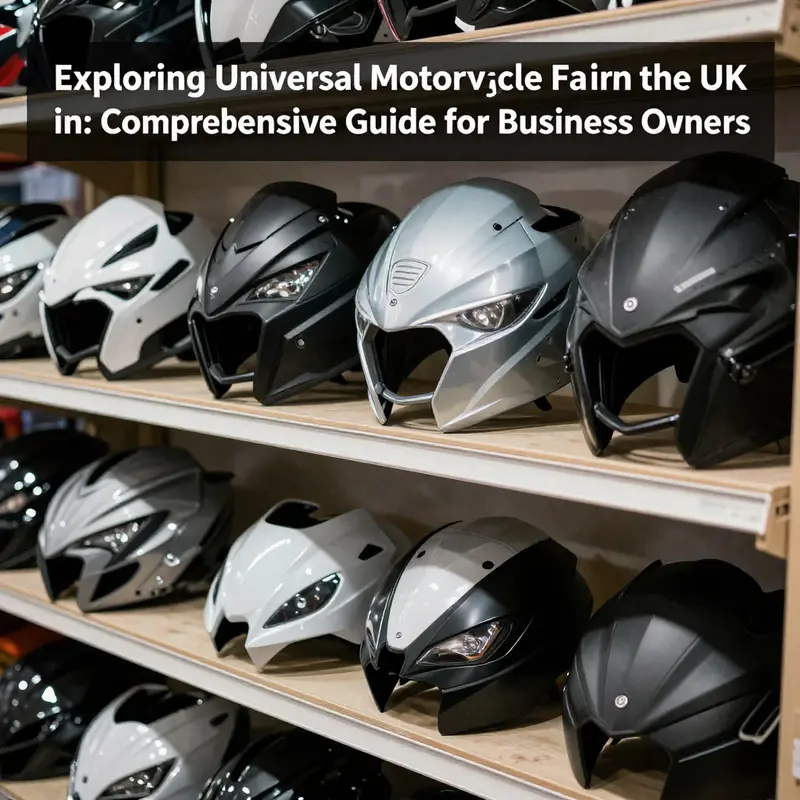
Across the UK, universal fairings are available in a spectrum of designs that promise compatibility across many makes and models. These shells shield the headlight, instruments, and upper frame while shaping the bike’s silhouette and smoothing the aerodynamics. Yet “universal” is not a badge of inevitability; it is a category defined by adjustable fitment and common mounting patterns. When shopping, you will encounter a mix of full, half, lower, batwing, and headlight-specific designs, each with its own fit and function. The materials range from sturdy ABS plastic to carbon fiber composites; the choice affects weight, rigidity, finish, and price, and it also guides installation. In the UK environment—rain, damp roads, and temperature swings—stability and weather resistance matter as much as visual appeal. Most universal fairings come with mounting brackets, instructions, and sometimes pre-drilled templates to help riders tailor the shell to their bike. But the real work begins with careful measurements and a practical check against your bike’s geometry, because universal does not translate to universal fit.
Full fairings sit as the comprehensive option, wrapping the front, sides, and top to create a continuous aero envelope. They deliver the strongest wind-tunnel performance, reducing buffeting at highway speeds and lowering wind noise for long rides. They also give a clean, sportier profile that many riders pursue when upgrading from naked or street models. The trade-off is visibility and compatibility: a full shell can obscure reference points for the rider, potentially interfering with mirrors, signals, or mounting hardware. In the UK, where riding position ranges from aggressive to touring, it is essential to check how the shell aligns with your posture and the bike’s instrument cluster. Adjustments such as trimming inner edges, relocating brackets, or using spacer kits may be required. Finishes range from matte to glossy factory-like coats, and many shells can be painted to mirror the bike’s color scheme, helping the transition from stock to aftermarket without an obvious mismatch. For riders who regularly cover long distances or ride in varied weather, a full universal fairing offers a cohesive solution, provided compatibility is confirmed and installation is performed with care.
Half fairings, often described as cafe-style, cover only the upper portion of the bike, leaving most of the engine exposed. They are lighter and simpler to install than full fairings, making them attractive to riders seeking a quick transformation or a retro aesthetic. The headlight fairing and a portion of the windscreen are typical features, and some designs allow the lower edge to reveal more of the tank and chassis. The visual impact is classic and stylish, without the dramatic silhouette of a full race shell. Performance-wise, half fairings still steer wind away from the rider’s torso, though more wind slips around the sides, affecting ride comfort at speed and in gusty conditions. In the UK, balanced exposure can be a boon for city riding, where wind patterns are variable and speed changes frequent. Pairing a half fairing with a small wind deflector or modest screen can stabilize airflow and reduce fatigue on longer commutes. The key is ensuring mounting points align with the upper triple-clamp area and that the fairing does not clash with knee angle or handlebars. For those chasing a vintage or retro vibe, half fairings offer a blend of form and function without the commitment of a full shell.
Lower fairings sit beneath the engine, guiding airflow and shielding undercarriage components from rain spray and debris. They are not always the focal point of a universal kit, but when used with upper fairings they deliver noticeable aero improvement by smoothing the flow around the undercarriage and reducing turbulent eddies that can lift the front. In practice, lower fairings can reduce drag and help stabilize the bike at higher speeds, especially on touring or sport-touring configurations where wind management matters as much as horsepower. They also help protect more vulnerable components from grit kicked up by front tires, a consideration in UK weather where rural roads and gritty lanes are common. Installing lower fairings requires careful alignment with the lower frame, exhaust routing, and sometimes additional brackets to preserve ground clearance. The result, when done well, is a cohesive silhouette that integrates into the bike’s lines, enhancing the aerodynamic package without introducing new interference points. If you ride in damp climates, you may notice a slight shield of warmth around the engine bay as airflow is directed more efficiently toward radiator intakes or side ducts, depending on the model.
Front outer batwing fairings represent a confident, sometimes dramatic option for converting naked bikes into protected, wind-managed machines. These architectures are often shaped to flow over the rider’s shoulders and outward toward the bars, with a broad, winged profile that can be nearly as wide as the view across the handlebars. They frequently employ transparent or translucent materials like polycarbonate, allowing a clear sightline through to the instrument cluster while still directing air around the rider. In practice, batwings offer substantial wind protection without the bulk of full fairings, and they can be mounted as independent windshields or integrated into a modular shell. The wide dimensions can influence handling if weight shifts the bike’s center of mass, so riders must weigh wind comfort against steering feel. In the UK, where many riders extend the life of naked machines by turning them into sport-tourers, batwing installations can be a smart upgrade that preserves the bike’s open character while delivering practical wind management. When choosing a batwing, the key considerations are width, mounting points, and compatibility with handlebars and gauges. Because sizes run large, measure against the bike’s width at the bars and assess clearance around the mirrors. A well-chosen batwing can deliver near-factory wind protection without concealing the bike’s naked lines.
Universal headlight fairings focus on the area around the front lamp, transforming the bike’s leading edge while preserving essential light function. They are typically made from high-strength ABS or clear polycarbonate and designed to accommodate a range of headlight shapes and mounting patterns. Headlight fairings can dramatically alter the bike’s face, improving aerodynamics around the nose and offering an accessible path to a cleaner, more contemporary look. Installation is usually less extensive than a full-body shell but still requires precise measurement to avoid glare or misalignment of the beam. In damp British weather, a well-fitted headlight fairing can contribute to smoother airflow over the instrument cluster, reducing buffeting and helping to keep the cockpit quieter. When integrating a headlight fairing, care must be taken to ensure the panel does not obstruct the headlight or indicators and that mounting hardware doesn’t interfere with the light housing. For riders who want a personalised, modern front end without a full fairing, universal headlight fairings provide a practical stepping-stone toward a more integrated setup.
Across UK suppliers, materials range from robust ABS plastics to lightweight composites and, in higher-end examples, carbon fiber blends. ABS is the workhorse: affordable, impact resistant, and easy to trim and paint, making it the common choice for many universal kits. Carbon fiber and reinforced composites offer a stiffer, lighter option for riders chasing performance gains, though their higher price means they are often reserved for the more serious upgrade projects. When you see a universal fairing, the technical specs will typically include weight, panel depth, and a recommended range of bike categories. The key phrase remains: universal does not equal universal fit. To avoid a mismatch, compare the fairing’s mounting points with the bike’s frame or subframe, check for required brackets, and consult the provided fitment guides or templates. Some suppliers offer bespoke painting services, allowing a rider to coordinate color schemes with the rest of the bike. The result can be a near-factory look that preserves the bike’s original styling cues while giving it a refreshed silhouette. For those who want to push the envelope further, there are additional accessories that can be paired with universal fairings. Wind deflectors, LED lighting kits, or integrated mirrors can deliver extra wind control and visual appeal. The goal is a clean, integrated appearance that reduces fatigue on long rides and enhances highway stability during cross-country trips across the UK.
When selecting a universal fairing, measurement discipline matters. Start with the bike’s overall width at the handlebars, the height of the headstock, the rake and trail, and the location of the instrument cluster. You want to avoid conflicts with mirrors, tire clearance, and the exhaust path. The installation process often requires mounting brackets, sometimes trimming or bending edges, and occasionally loosening clamps to align the fairing’s centerline with the bike’s. A patient approach yields the best results: place the pieces, test-fit without permanently securing, and adjust until gaps are uniform and the edges sit flush. Remove and re-check after a test ride. The UK’s climate makes one final step important: finish durability. A good paint finish and protective sealant can resist rain and road salt, maintaining the look for years to come. An important caveat is that universal fairings may need minor modification to protect wiring and instrumentation. If a rider in the UK wants a lasting, factory-like look, they should consider professional painting or a trusted aftermarket shop that can ensure a smooth, bubble-free surface and a consistent gloss or satin finish.
For riders seeking more precise, model-oriented options, the route toward model-specific wings and panels can feel more straightforward, especially when the goal is a seamless integration with the bike’s contours. A practical stepping stone is to explore collections that focus on particular maker families and models, where the design language already aligns with the bike’s frame geometry. See the Honda fairings collection for example of how universal concepts translate into tailored appearances while preserving the core advantages of improved aerodynamics and aesthetics. The broader lesson remains: measure, fit, and finish matter more than the name on the box. For UK riders, the combination of a well-chosen universal fairing with careful paintwork and thoughtful add-ons can deliver a substantial upgrade in comfort, stability, and style without the cost of a bespoke, full-body installation.
External resource: https://www.amazon.co.uk/Motorcycle-Fairing-Universal-Clear-Windshield-ABS/dp/B0CZ9KX6RQ
Materials Shaping the UK’s Universal Motorcycle Fairings: Form, Function, and Weather
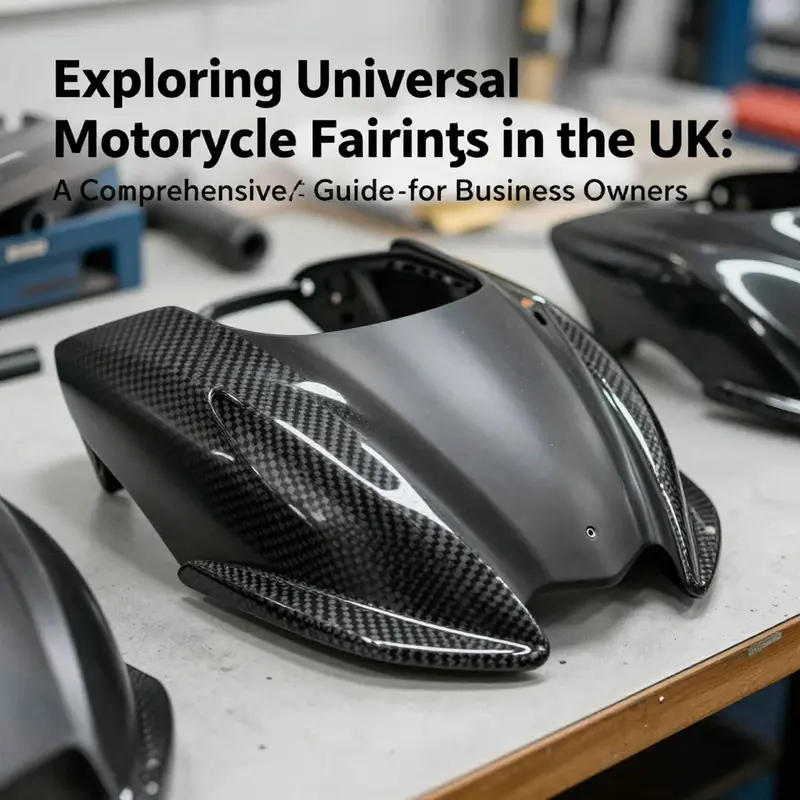
The appeal of universal motorcycle fairings in the UK lies not only in their ability to dress a bike quickly, but in the promise of improved aerodynamics, rider comfort, and all-weather practicality. When a rider selects a fairing that is marketed as universal, the underlying assumption is that it will fit a broad range of models and styles, delivering a consistent shield against wind blast while providing a visually cohesive, factory-like appearance. The materials chosen to deliver that promise are the quiet workhorses of the kit, quietly performing the essential job of shaping airflow, protecting vital components, and standing up to the unique stresses of UK roads. The chapter that follows unpacks how these materials—chiefly ABS plastic, polycarbonate, composites, and polyurethane—come together in a way that matters to a rider who values durability, ease of maintenance, and cost efficiency as much as performance. It’s a story that begins at the shop shelf and ends in the wind, where the right blend of materials translates into measurable comfort and practical longevity on everyday commutes and longer tours alike.
In the UK’s temperate climate, with its frequent rain and salt during the winter and a broad range of temperatures across the year, the material choice for universal fairings is less about chasing novelty and more about balancing resilience with weight and affordability. ABS plastic dominates the landscape for good reasons. It is relatively inexpensive, easy to mold, and surprisingly forgiving when it comes to manufacturing tolerances. This material seals the deal between form and function: it can be shaped into the sweeping curves and secure mounting points that universal fairings demand, while still responding well to paint and clear coatings that deliver a glossy, nearly OEM-like finish. ABS also offers respectable impact resistance against road debris, a daily reality in the UK where stone chips and gravel can meet the fairing at highway speeds. The practical upshot for a rider is a fairing that looks presentable when new and retains its visual appeal after years of wind exposure, rain, and washing without the need for constant touch-ups.
Yet ABS is not the only material in play. Polycarbonate earns attention for its superior toughness when temperature swings and UV exposure are factored in. In a countryside and urban mix that sees sunny spells and sudden cloudbursts, the risk of surface cracking and discoloration deserves thoughtful consideration. Polycarbonate’s natural resilience to cracking under stress makes it a strong candidate for fairings that need to endure long stints of high-speed wind while maintaining clarity in any integrated headlight or instrument cluster area. It also tends to resist color fading better than many other plastics when exposed to sunlight over time. The trade-off is that polycarbonate can be more prone to scratching and generally comes with a higher price tag. For riders who ride hard on variable UK roads or who plan to keep fairings on the bike for many seasons, the material can be worth the premium, especially when a clear coat or protective film is employed to mitigate surface wear.
The conversations around materials would be incomplete without acknowledging composites. Fiberglass and carbon fiber enter the discussion as the premium, performance-focused routes for those who want exceptional strength-to-weight ratios. In the UK market, however, these materials are far less common in true universal kits. They tend to appear in bespoke configurations or in high-end lines where the buyer is explicitly seeking lighter weight and a sportier silhouette, often with a price that reflects the specialized manufacturing and material costs. When they do appear in universal kits, it is typically as a clear signal that the supplier aims to deliver a premium product with tighter tolerances, better rigidity, and a more refined finish. For most everyday riders, the additional cost and fabrication complexity may not be justified, but for enthusiasts who value stiffness, edge definition, and a premium aesthetic, composites provide a compelling option.
Polyurethane rounds out the spectrum in a more nuanced way. It shows up in specific components within a universal kit where a touch of flexibility can dampen vibrations, or where a small amount of elasticity helps absorb minor impacts without transferring stress to adjoining parts. While PU is not as widely used for the entire fairing structure, it can be found in certain insert sections or within mounting brackets to reduce noise and vibration transfer. The result is a quieter, more forgiving ride under imperfect road conditions. The downside is that PU tends to sacrifice some rigidity when used in larger sections, so it remains a complementary material rather than a primary structural choice for most universal fairings.
Taken together, these materials frame a broader truth about universal fairings in the UK: the market seeks a practical compromise. ABS delivers mass-market value and broad compatibility, polycarbonate offers improved durability and outdoor performance, composites indicate elevated performance at a premium, and polyurethane introduces targeted flexibility. The reality for riders is not a single best material, but a material strategy that aligns with their priorities—cost, weight, longevity, and the specific climate and road conditions they navigate. This balance often shows up in the finish and protection options as much as in the raw material itself. A glossy, factory-like finish is common, because most universal fairings rely on an outer paint layer and a clear coat to preserve color durability and gloss. Where higher-end finishes are desired, a carbon-fiber look or a high-gloss resin overlay can deliver the aesthetic while staying true to performance goals. Such finish treatments contribute to the overall perception of quality, especially as riders compare new arrivals against well-kept established kit.
The practical implications extend into installation and fitment. Universal does not always mean one-size-fits-all, a reminder that fitment guides and precise measurements are essential. UK distributors and retailers usually publish clear specifications, including mounting hole locations, chassis clearance notes, and compatibility ranges for common model families. While these details help, they do not replace the need for a careful test fit and, ideally, a professional mounting setup in cases where the fairing is near critical components such as the headlight, instrument cluster, or cooling shroud. Materials influence this process as well. A stiffer composite may resist some minor misalignment better than a more forgiving ABS shell, but it can also degrade fit if the thickness tolerances are not precise. Conversely, ABS’s pliability can assist with minor alignment issues, but that same flexibility can allow gapped seams if the mounting hardware is not tailored to the fairing’s curvature. This is where manufacturers’ engineering and the skill of the installer converge to determine whether a universal piece will deliver the intended aerodynamic and protective benefits.
Riding in the UK also emphasizes maintenance implications tied to the chosen materials. UV exposure, for instance, is a slow but persistent factor. ABS takes color well when protected by a robust clear coat, but prolonged UV exposure can lead to fading and surface chalking if the finish is neglected. Polycarbonate’s enhanced UV resistance helps mitigate this risk, though the surface may still require periodic protection to preserve clarity and color depth over many seasons. Exposure to salts and moisture, particularly in winter, underscores the importance of surface-sealing and regular cleaning. A layer of wax or a ceramic coating can help preserve the gloss and curb micro-abrasion from grit and sand, while maintenance routines that include gentle washing and avoidance of harsh solvents will extend the life of both the finish and the underlying shell. For riders who want to combine protection with customization, many UK suppliers offer bespoke painting services that allow color matching to a bike’s existing scheme, or they can apply finish options that emphasize the fairing’s contours and lines, enhancing the overall impression of quality and integration with the rest of the motorcycle.
Beyond the core materials, the broader ecosystem of universal fairings in the UK includes complementary accessories that influence the overall performance envelope. Wind deflectors and LED lighting kits can be paired with universal shells to tune airflow and improve visibility, while integrated mirrors or mounting solutions can affect weight distribution and the perceived stiffness of the front end. The material choice interacts with these accessories: a lighter composite front end may justify the use of additional deflectors to stabilize air flow at speed, while a heavier ABS shell might benefit from more careful weight budgeting to preserve overall handling characteristics. In many ways, the material mix becomes a design language that speaks to the rider’s priorities—ease of installation, weather resistance, aesthetics, and the itch to upgrade without replacing the entire bike.
For readers exploring their options, a practical approach is to examine not only the sheet material but also the finish and protective options. Look for products that specify the type of coating used, the expected service life under UK weather, and the availability of replacement parts or repair options. Pay attention to the stated weight of the fairing, hollow structural details, and mounting hardware quality, since these factors collectively influence how well a universal kit behaves on the road. While it is tempting to chase the lightest option, the UK’s mix of long straights and winding lanes often rewards a more balanced approach that prioritizes rigidity and protection alongside weight. In the end, what distinguishes a good universal fairing is its ability to withstand climate-specific stresses while delivering a seamless visual integration with the bike, a calm ride at speed, and the confidence of durable paint that stands up to UK roads over time.
For readers who want to explore real-world examples of how these materials translate into design in widely used universal kit ranges, the Honda fairings collection offers a practical reference point. It demonstrates how different materials influence shape, fit, and finish in a format accessible to hobbyists and enthusiasts alike. You can learn more through this resource: Honda fairings collection.
For those seeking further reading on material performance and durability in fairing applications, a useful external resource provides a broader industry perspective on how plastics and composites behave under environmental exposure and varying temperatures. This complement to the UK market context helps connect the material choices discussed here with global manufacturing practices and testing standards. External resource: https://www.amazon.co.uk/dp/B0CQY9J8ZP?th=1
From Stock to Style: Navigating UK Brands and Retailers for Universal Motorcycle Fairings
Across the United Kingdom, riders who want to refresh their machine without paying for a full bespoke fairing often turn to universal motorcycle fairings. They promise a quick, affordable route to improved aerodynamics, weather protection, and a refreshed visual profile. The appeal is clear: a single shell or a set of panels can fit a wide range of models, shield critical components, and be swapped when the bike changes hands or when a rider wants a different look. Yet the reality sits between promise and practice. Universal does not always mean one size fits all, and the differences between products can be as meaningful as the differences between a factory stock shell and a purpose built bodywork kit. The first thing a buyer learns is that fitment is a negotiation between generic engineering and specific chassis geometry, and that a successful upgrade hinges on thoughtful measurement, honest expectations, and reliable vendor information.
Material choice matters a great deal in this arena. The bulk of affordable universal fairings are built from ABS plastic, chosen for its balance of rigidity, impact resistance, and lightness. A well finished ABS shell with a glossy, factory-like coating can look surprisingly convincing on a midrange build. Higher end options may incorporate carbon fiber or reinforced composites, trading a fraction of weight for added strength and a more premium feel. Finish matters too: matte or gloss, textured surfaces, and detailing can affect both aesthetics and aerodynamics by altering the surface friction that the wind sees. Riders chasing a stealth look might prefer a matte surface, while those aiming for showroom shine might favor a high gloss. In practice, the choice comes down to budget, climate, and how aggressively a rider plans to push the machine on twisty roads or long highway miles. The materials narrative is not simply about durability; it is about how the bike communicates with the air and how a rider experiences stability at speed in different weather conditions.
Because universals are designed to cover a range of frames, the fitment story starts with careful measurement and honest expectations. Key dimensions include overall width, mounting point locations, and the space around the headlight and instrument cluster. Some products provide fitment charts that show compatibility with multiple makes and models, while others rely on universal mounting hardware and adjustable brackets. The savvy buyer cross-checks these specifications against their own bike and may even simulate test fit positions before fully mounting. Reading installation guides and watching setup tutorials helps prevent surprises such as misaligned windshields, rubbing on cables, or interference with foot pegs during aggressive cornering. The practical pathway to success is a blend of precise measurement, patience, and a willingness to adapt the kit to the rider’s particular machine.
In the UK, the market for universal fairings is served by a mix of mass-market platforms and specialist motorcycle parts shops. On major e-commerce platforms, a broad spectrum of options exists, ranging from entry level windscreen kits to full seven piece shell sets. This breadth gives riders a way to compare prices, check reviews, and evaluate shipping terms quickly. In addition to global platforms, several UK based retailers focus specifically on motorcycle accessories, offering detailed product pages, compatibility notes, and customer support that understands bike terminology and install requirements. These stores often publish comprehensive return policies and help with domestic shipping timelines, which matters when a rider is racing against a riding season to complete a project before a long trip. The shopping landscape in the UK rewards transparency, clear measurement guidance, and accessible after sales support, all of which reduce the risk of ending up with a fairing that looks right on a page but does not perform as expected on the road.
For those who want to push the look further, a subset of providers offer bespoke painting, color matching, or coordination with other accessories. A fairing that matches the color code of a bike or harmonizes with a chosen wheel or exhaust aesthetic can transform the perceived value of the upgrade. Beyond paint, riders may buy wind deflectors, LED lighting kits, or integrated mirrors to build a more tailored touring or sport profile. The ability to source these add-ons from one supplier can simplify installation, reduce delays, and improve consistency in finish and hardware quality. The result is not just a new silhouette, but a coherent upgrade that affects comfort, stability, and the rider’s psychological relation to the road. Custom touches empower riders to project a personal narrative onto their machines without abandoning the practical benefits of protective shelling and improved aerodynamics.
Choosing a dependable option hinges on a blend of fit, finish, and service. Even with a universal system, a rider should assess the quality of the edge seams, the presence of protective foam in contact areas, and the rigidity of the mounting points. Reviews—especially those that mention fit with a similar bike in the rider’s region—help illuminate potential surprises from non standard frames or unusual headlight shapes. A solid retailer will offer clear return policies, transparent shipping costs, and detailed guidance on measuring and selecting the right variant. It is also wise to verify whether the seller provides installation instructions, video demonstrations, or access to spare hardware in case a bolt or bracket is missing from a kit. The practical takeaway is simple: good documentation and good customer support save time, money, and frustration in the workshop. For a rider who values both affordably refreshing their ride and maintaining an honest appraisal of what universal means in practice, the shopping journey becomes a careful calibration between expectations and reality.
While universal options serve many, some riders ultimately prefer model specific catalogs that map directly to a bike’s formal geometry. These catalogs sit at a different point in the market: they aim for a factory like fit by replicating OEM panel lines and mounting points in a way that minimizes the risk of misalignment. For riders who want to explore a well organized, model oriented assortment, there is a representative page that groups a broad set of fairings under a shared collection. This resource is useful for comparing design language, panel counts, and the way a particular aesthetic flows with the bike’s lines. For riders curious about this approach, you can explore the Honda fairings collection, which provides a curated view of panels and shells designed to respect the original chassis geometry while offering updated finishes and practical upgrades. Honda fairings collection.
Price is always a factor in the UK market, and universal fairings tend to sit between budget bodywork and premium composites. The final cost reflects not only the base shell but also the hardware, paintwork, and any optional features such as integrated lights or deflectors. A rider who has a steady hand and some workshop time may save by choosing a simpler shell and applying a custom paint job themselves, while others may opt for a fully finished package with a warranty. The broader takeaway is that the UK ecosystem rewards informed comparison shopping, straightforward installation paths, and a willingness to invest time in aligning the kit with the bike’s geometry. The result is a more balanced ride, with lower drag, improved protection from wind and weather, and a look that signals a purposeful upgrade rather than a random add-on. In this environment, patience and research pay dividends in the long run, turning a universal shell into a cohesive extension of the bike’s character and performance envelope.
Riders who start with a clear goal—whether it is to reduce wind fatigue on long tours, to enhance high speed stability, or to achieve a sharper sport appearance—often find that the most satisfying outcomes come from thoughtful pairing of the fairing with the bike’s existing lines and rider needs. A successful upgrade respects the original engineering, which means recognizing that a universal solution is a real-world compromise rather than a perfect fit. The best practice is to view universal fairings as modular add-ons: they provide a platform for customization, a path to better aerodynamics, and a chance to reimagine a motorcycle’s skin without the expense of a bespoke body kit. When approached with precise measurements, a critical eye toward finish, and a solid plan for install and maintenance, universal fairings in the UK can offer years of improved comfort, reliability, and style.
External resource: https://www.amazon.co.uk/dp/B0CQZJX6FV?th=1
Molding the Road: Customization Journeys with Universal Motorcycle Fairings in the UK
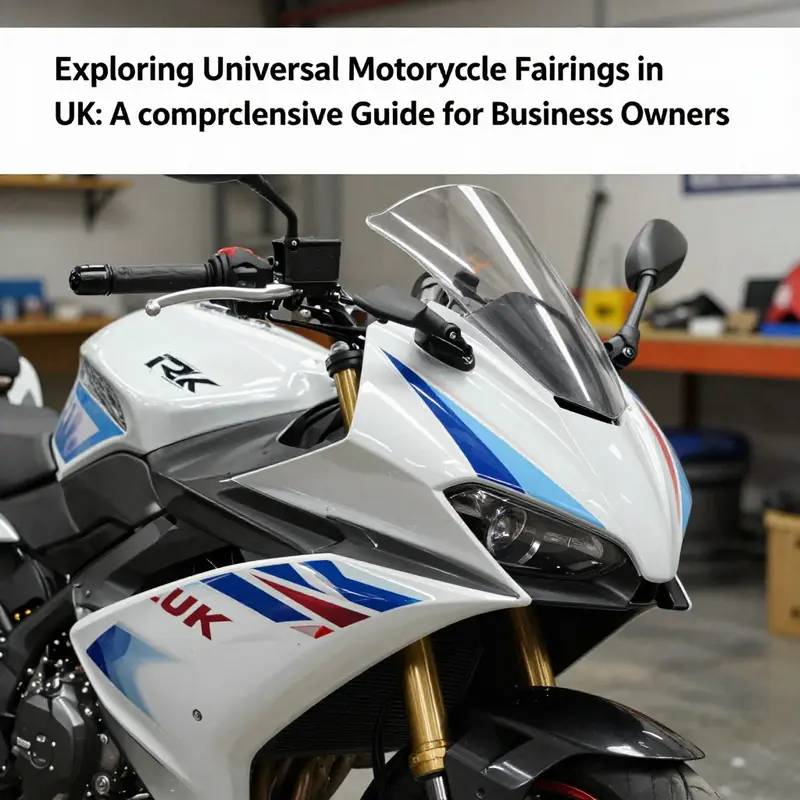
Universal motorcycle fairings in the UK are more than a utilitarian shell; they are a flexible canvas on which riders translate air, weather, and personal style into a coherent riding experience. The idea of a universal fit is practical, not absolute. These fairings are designed to accommodate a broad spectrum of models and riding preferences, but achieving a clean, effective look and dependable performance demands a thoughtful approach to measurement, materials, finishes, and auxiliary fittings. In a nation famed for damp roads, wind, and long stretches of motorway, the appeal of a well-chosen, correctly installed fairing lies not only in aesthetics but in aerodynamics, comfort, and reliability across seasons. The journey from stock silhouette to tailored protection unfolds as a layered process, one that blends technical care with a sense of personal identity on two wheels.
Material choice lays the foundation for any customization project. ABS plastic serves as the standard for many universal shells due to its balance of strength, impact resistance, and lightness. It responds well to shaping and painting, which makes it a practical starting point for riders who want a factory-like finish without a prohibitive price tag. Yet ABS is not the ceiling. Polycarbonate introduces greater impact resistance and clarity in components like windshields, though it can carry a bit more weight. Fiberglass opens another pathway, granting freedom to mold more complex contours and achieve a bespoke surface. It also accepts finishes that mimic more exotic composites. The decision among these materials reflects priorities: how much weight is acceptable, how aggressively the fairing will be shaped, and how the final surface will behave under the UK’s climate. In many setups, a well-engineered hybrid blends ABS with reinforced zones to achieve stiffness where needed while keeping weight in check, especially where the fairing attaches to the frame and interacts with the headlight region and clamps.
Color and finish are where customization becomes deeply personal. Color-matching services enable a seamless integration with a bike’s original palette, which helps the fairing look like an intentional extension of the machine rather than a separate add-on. For riders seeking a more expressive appearance, custom finishes offer matte, gloss, metallic, or even subtle pearlescent effects. The paint process matters because the UK’s variable weather tests coatings for adhesion, UV stability, and resistance to raindrop impact. A high-quality clear coat with proper curating of the surface makes a fairing that gleams in summer sun and holds its tone after winter rides. Finishes are not merely cosmetic; they seal the laminate and improve durability against grit, salt, and temperature cycles. In fiberglass-based shells, achieving a flawless surface often requires careful prep work and a thoughtful layering approach, but the payoff is a smoother base for premium finishes. The end result is a shell that reads as a cohesive, factory-leaning module rather than a visibly aftermarket add-on.
The design elements that riders choose reveal both the pursuit of efficiency and the desire for visual harmony. Integrated LED lighting, when thoughtfully embedded, can enhance visibility and contribute to a distinctive silhouette. Aerodynamic shaping becomes a practical concern; a well-formed crown and side contours can reduce wind pressure on the rider, translating into less fatigue at high speeds or on long motorway sections. Wind deflectors are another common addition, directing air to minimize buffeting and keep shoulder and chest fatigue to a minimum during long commutes. The real art lies in integrating these features without creating drag or noise; the lighting must be sealed against moisture, the deflectors must align with the bike’s lines, and the overall assembly should preserve the fairing’s intended airflow and heat management. Accessories like small air channels or subtle venting can be tuned to specific riding conditions, while still honoring a clean, unified appearance. A mature approach treats the fairing as a system, not a single piece—each contour, fastener, and edge influences the balance of protection, efficiency, and comfort.
Accessibility and mounting considerations also shape customization outcomes. Universal shells often come with mounting points that are adaptable across several frameworks, but the reality is that some degree of modification is frequently required to achieve a secure, weatherproof fit. For riders who want to add GPS units, auxiliary instrumentation, or extra mirrors, the mounting plan matters as much as the shell’s look. The best practice is to examine the provided templates and installation guidance, verify the alignment with the bike’s geometry, and prepare for minor trimming or repositioning of fasteners. Weather sealing becomes especially important in the UK; improper seals can invite water intrusion and corrosion, eroding performance over time and complicating maintenance. Informed buyers look for shells that pair with practical fitting kits or adjustable brackets, which reduce the number of bespoke solutions needed and increase the likelihood that the fairing will remain reliable in varied weather.
Painting and bespoke finishing services available from UK suppliers extend customization beyond color. Some shops offer true color-matching with the rider’s preferred palette, while others provide bespoke finishing options such as two-tone schemes, metallic flecks, or textured surfaces. This level of service helps riders achieve a cohesive identity across the bike, fairing, and accessories. When such services are combined with aerodynamic refinements, the result can resemble a purpose-built machine rather than a generic modification. This creative process is not merely about fashion; it’s about aligning the bike’s front end with its performance narrative and ensuring the rider’s comfort and confidence are reinforced at every speed. It also opens possibilities for pairing the shell with wind deflectors, integrated lighting, or controlled air channels that contribute to a quieter, more stable ride through typical UK weather patterns.
Executing customization also means understanding the installation lifecycle. Measurements need to be precise, and preparation matters. Before cutting or drilling, riders should double-check headlight cutouts, instrument clusters, and the fit of the windscreen relative to the fairing’s overall geometry. Templates supplied with shells can guide trimming, but a cautious approach pays off in the long run. Some lowers or side panels require minor edge trimming, relocation of some fasteners, or additional weather seals to maintain weatherproofing and to avoid rattling at speed. When modifications extend beyond the shell to included wind deflectors or LED kits, it is crucial to check compatibility with the bike’s electrical system and battery capacity. The result—if done thoughtfully—feels like a coordinated upgrade rather than a patchwork of parts. For UK riders, the value is clear: a well-executed customization enhances comfort, reliability, and the riding experience in every season.
Cost, as ever, remains a consideration, but the equation is nuanced. Basic ABS shells at a sensible price point offer reliable protection and a solid base for paint. More premium configurations, including reinforced composites or carbon-inspired finishes, deliver lighter weight, higher stiffness, and a higher price tag. The decision often centers on how much weight can be shaved, how durable the finish must be in wet conditions, and how much the rider values a true, uniform aesthetic across the bike. The most satisfying outcomes come from balancing cost with functional gains—improved aerodynamics, longer component life, and a streamlined, integrated look that endures through miles of UK roads. Complementary accessories, such as wind deflectors and lighting upgrades, can be rolled into the project gradually, allowing riders to spread the investment while maintaining overall coherence.
In the broader UK ecosystem, the customization journey is supported by a network of specialty retailers and knowledge-rich guides that encourage measured decisions. The online resources often provide fitment charts, compatibility notes, and installation tips that reduce guesswork and boost confidence in the final result. The collaboration between design intent and practical execution is what turns a universal shell into a trusted partner on the road. To see how a broad range of fairing shells is presented in practice, explore the Honda fairings collection. This link offers a concrete sense of how different shapes, finishes, and mounting approaches can be unified under a single design philosophy that respects both the bike and the rider. Honda fairings collection
For those seeking deeper insight into current trends, material choices, and installation tips, a respected external resource provides a focused view on universal fairings customization in the UK. This guide covers trends, practical considerations, and hands-on advice that can help riders evaluate options, plan paint work, and prepare for installation across a range of models and climates.
External resource: https://www.mcn.co.uk/motorcycle-accessories/universal-motorcycle-fairings-customisation-options-uk/
From Box to Bike: Mastering Fit and Installation of Universal Motorcycle Fairings in the UK
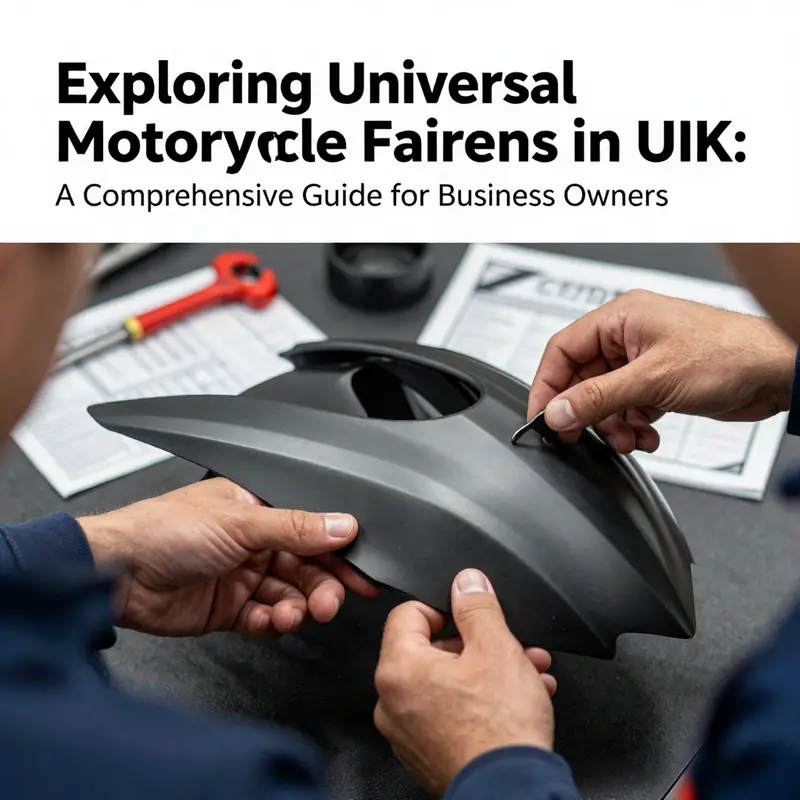
Universal motorcycle fairings present a compelling option for riders across Britain who want to upgrade aerodynamics, aesthetics, and weather protection without committing to a model-specific kit. Yet the promise of a flexible, cost-effective solution must be tempered with careful preparation and methodical execution. In the UK, where roads vary from swift motorways to narrow rural lanes and where the weather can shift from drizzle to downpour in minutes, a well-fitted fairing does more than improve looks: it influences ride quality, stability, and even long-term wear on mounting hardware. Installation isn’t a one-size-fits-all moment, and the reality rests in precise measurement, thoughtful modification, and a calm, patient approach that respects both the bike’s original geometry and the fairing’s design intent.
A core truth behind universal fairings is their broad compatibility. They are engineered to accommodate a wide range of makes and models, but that universality is not a guarantee of a perfect, effortless fit. The first step is to treat the process as a careful fitting exercise rather than a casual swap. Start with a thorough inventory of the bike’s primary mounting points: the headstock area, the upper frame contours, and the points where the fairing panels will attach and align. Compared to a dedicated, model-specific kit, universal fairings shift some of the required precision into the installer’s hands. Measuring twice and marking once becomes a physical discipline rather than a mere nod to good practice. And while manufacturers provide installation guides, real-world fit often requires interpreting those instructions through the lens of your own bike’s frame quirks, minus the idealized drawings of a catalog.
A practical yet often overlooked detail of installing universal fairings in the UK is the choice of hardware. The mounting bolts and fasteners that accompany a universal kit must be robust enough to withstand vibration, temperature cycles, and the occasional weather-induced contraction or expansion of plastics. A high-quality bolts kit—something along the lines of a 158-piece universal kit—can dramatically improve ease of installation and long-term durability. The extra washers, spacers, and longer bolts help compensate for slight variances in frame geometry and panel thickness. With good hardware, you can avoid stray fasteners that loosen under wind exposure or during sharp bumps on country roads. Yet even the best bolts won’t compensate for a misaligned panel, so the emphasis remains on careful dry fittings, testing with the bike supported, and cautious torque application based on the manufacturer’s guidance and your own judgment about how a panel sits against the frame.
Preparation is everything. Before the first screw is driven, position the panels on the bike and perform a dry fit. Look for interference with essential components such as the headlight, instrument cluster, or any cooling vents. The headlight housing, in particular, is a potential snag point: if a fairing edges too close, you can steal light output away from the road and introduce heat into electronics housings. The instrument cluster is another sensitive area where visibility and readability must not be compromised. These aren’t merely cosmetic concerns; they are safety issues that can affect your reaction times and comfort on longer rides. If the fairing is touching or pressing on any enclosure, pause and re-check the alignment. A small misalignment, left uncorrected, can exaggerate wind turbulence at speed and create flutter that loosens fasteners and can fatigue mounting points over time.
The UK’s variable climate intensifies the need for a design that keeps water and grit out of critical joints. Sealed joints and good gasket lines matter because water ingress around the upper fairing can travel along seams and into the cockpit area, electrical connectors, or near the light assemblies. When you’re standing at a damp roadside trying to torque a panel while your breath fogs the air, you’ll appreciate a joint that resists rain through the next twist of the road. In practical terms, this means selecting a fairing with well-sealed seams, using silicone-compatible sealants where permitted, and paying attention to how panels interlock. Some riders further enhance weather resistance with a light bead of sealant at non-critical joints or by using weather-resistant tapes on interior edges, but any sealant should be compatible with plastics and not interfere with future maintenance or panel removal.
The decision between full fairings and half fairings is more than a stylistic choice in Britain. Full fairings deliver maximum wind protection and weather shielding, which matters when you’re doing longer motorway miles on cool or rainy days. They, however, can hinder engine access and maintenance, requiring more time to remove for service or inspection. Half fairings offer a balance between coverage and accessibility, which can be advantageous if you plan frequent checks of spark plugs, oil lines, radiators, or other critical components. In heavy rain, a well-sealed full fairing can be a lifesaver for rider comfort, but it also demands meticulous attention to seal integrity around all joints and mounts. The best approach is to visualize your typical riding scenarios and choose a setup that minimizes maintenance downtime while keeping you protected without compromising performance.
Aerodynamics plays a quiet yet pivotal role in the riding experience. A properly aligned universal fairing should smooth airflow around the torso and minimize turbulent air that can cause fatigue or drag at higher speeds. The balance between fairing height, windscreen position, and slotting for the headlight must be judged with care. If a panel sits too close to the headlight or the top edge of the gauge cluster, you might encounter glare, reduced illumination, or even misreadings from the instrument cluster due to reflected light. Conversely, too much clearance can invite wind buffeting, which is not just uncomfortable but also affects stability at speed. When you adjust the fairing, test for a neutral, stable feel at typical speeds across a few road types. This is where the dry-fitting discipline pays off. A firm, quiet panel that sits flush without overt gaps is a sign you’re not far from a successful installation.
Riders often underestimate the importance of a measured, patient approach to fitment. The temptation to rush through modifications is strong, especially when the weather closes in or deadlines loom. But speed invites error: misaligned fasteners, gaps that allow water entry, or panel edges that bite into tires during aggressive cornering. The safer path is a deliberate sequence: layout, secure temporary supports, perform a repeatable mock assembly, then iterate on small adjustments until alignment is true and the panels sit as the design intends. Patience here pays dividends in ride quality, reliability, and long-term aesthetics. And the more you refine your approach, the more confident you’ll feel about future updates or adjustments, whether you’re swapping to a different color scheme or integrating additional wind deflection aids or LED lighting kits.
For riders who want to connect this installation journey to broader, model-specific realities, it is helpful to consult the wide community of UK-based riders who share hands-on experiences. Forums and retailer guidance often reveal practical tips about unique frame quirks, alignment faults, or particular fitment challenges on certain models. Those little community notes—how a panel sits with a particular radiator shroud, or which holes require slight widening—can save hours of frustration and help you avoid unintended damage. The pattern across many of these discussions is a shared emphasis on measurement discipline, proper hardware, and an allowance for minor, precise modifications. It’s a reminder that universal fairings excel in versatility when combined with methodical checklists and a willingness to adjust the plan as you progress.
To reconnect with model-specific fit considerations while keeping the dialogue anchored in UK practice, consider exploring a dedicated model-fairings resource that catalogs common fitment nuances, trim details, and installation caveats. This can complement the general guidance and support you in aligning fit with your bike’s unique silhouette. For a practical, model-oriented reference and broader fitment insight, you can explore the Honda fairings collection as a starting point for understanding typical mounting geometry and visual results. This connection to model-focused setups can help you anticipate where universal panels naturally align, where you might need to trim or widen holes, and how to preserve a factory-like finish despite aftermarket adaptations. Honda fairings collection.
Beyond the mechanical steps, the rider’s safety and road readiness are the ultimate barometers of success. Confirm that lights, indicators, and mirrors maintain proper visibility and legal compliance after installation. Double-check wiring, routing, and heat shielding around the headlight and instrument cluster. If you opt for integrated features such as wind deflectors or LED kits, ensure that their installation does not interfere with airflow or mounting points. In a climate like the UK’s, the combined effect of a well-fitted fairing and complementary accessories can significantly elevate comfort, reduce fatigue, and extend the enjoyment of two-wheeled travel across all seasons. Yet the essence remains straightforward: fit should be precise, components should be secure, and the rider should be able to perform normal maintenance without constant panel removal.
Finally, approach the project with a mindset that blends caution with curiosity. Work in a clean, well-lit space; organize fasteners by size and purpose; and document your steps so you can reproduce the result if you ever need to reassemble after a service. Keep a checklist that includes measurement accuracy, hardware integrity, panel alignment, weather sealing, and regulatory compliance. In the context of universal fairings, this practice doesn’t just improve a single installation; it builds a reliable framework you can reuse whenever you upgrade, repaint, or refresh the look of your bike. The UK’s roads reward riders who invest in thoughtful preparation; with care, your universal fairings can deliver improved aerodynamics, enhanced weather protection, and a refreshed aesthetic that holds up across seasons and miles.
External reference: https://www.mcn.co.uk/news/motorcycle-fairing-fitment-guide-2026/
Final thoughts
Universal motorcycle fairings present a wealth of opportunities for businesses in the UK market, allowing them to provide not only protection for motorcycles but also enhancing performance and rider comfort. By understanding the various types, materials, brands, customization options, and installation tips discussed in this guide, motorcycle accessory retailers can better meet the needs of their customers and stand out in a competitive landscape. Engaging with this growing market segment can lead to increased customer satisfaction and business growth.