
As the demand for motorcycle customization grows, so does the market for used motorcycle parts, particularly fairings. Used Honda motorcycle fairings present a profitable opportunity for business owners catering to motorbike enthusiasts seeking cost-effective solutions. Understanding the types of fairings available and their specific applications, the best purchasing channels, and the advantages and limitations of engaging with used parts can assist businesses in making informed decisions. This article will outline the main types and applications of these fairings, while also guiding you through the purchasing process and presenting a balanced view of their pros and cons.
From Full to Low: Navigating Used Honda Fairings for Protection, Performance, and Personal Style
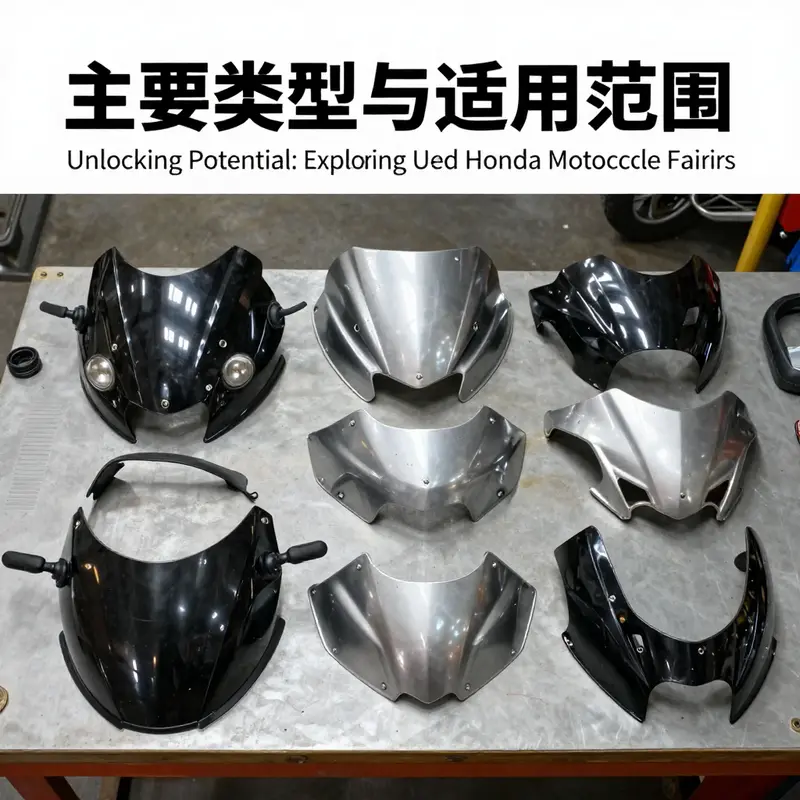
Across the spectrum of motorcycling, the fairing is more than a shell. It is a carefully engineered blend of protection, aerodynamics, and identity. In the world of used Honda fairings, riders encounter a practical crossroads where choice is determined by riding style, budget, and the willingness to blend function with a personal statement. The conversation around second-hand fairings, therefore, centers not only on price but on the nuanced relationship between the bike’s original design intent and the realities of second-life components. The decision to pursue used panels is rarely a simple one. It weaves together considerations of fit, condition, paint, and the ongoing cost of maintenance. In practice, the landscape of used Honda fairings is populated by three broad families that reflect the diverse missions of modern motorcycles. These are the full fairings that wrap the bike in a protective aerodynamic shell, the semi-fairings that shield critical surfaces while preserving access to the engine and frame, and the low or minimalist variants that emphasize lightness and a streamlined aesthetic. Each category serves a distinct purpose and, when approached with care, can yield a result that matches the rider’s goals with efficiency and a sense of cohesion that feels right on two wheels.
To begin with, the full fairing package represents the most complete approach to bodywork. These are the assemblies that cover the front, the sides, and often the rear sections in a single, continuous shell. They are designed to manage air flow across the rider’s torso and the bike’s radiator, to reduce drag, and to provide a sculpted silhouette that signals performance. In a used context, full fairings are frequently sourced from decommissioned sport or sport-touring configurations where the panels survived the road well enough to justify a repair or repaint. What makes them attractive in a second-hand market is the potential to restore a machine to an almost factory look without bearing the full price of brand-new components. Yet the allure carries with it certain caveats. The precision of mounting points, the alignment of the left and right panels, and the way the large panels tuck around the engine all demand a careful eye. A crack that seems minor in a photograph can, upon real-world fitting, reveal itself as a misaligned tab or a warp near a mounting lug. The different production years add another layer of complexity. Even within a single model family, the positioning of fasteners and the contour of the radiator shrouds can shift, creating compatibility challenges that are not immediately obvious from a casual glance. The prudent buyer, therefore, treats full fairings as an opportunity to restore a focused aerodynamic package while recognizing the importance of confirming fit against a specific year and model range. The process often involves a meticulous cross-check of inner panels, mounting hardware, and the external surfaces that will be most visible when the bike is parked or underway at speed. In practice, the decision to pursue a full fairing set is about whether the potential performance benefit and the visual unity justify the additional time and often the extra cost of alignment and refinishing. A well-chosen full fairing can deliver a nearly seamless look, creating a continuous line that merges the rider’s silhouette with the bike’s shape and, crucially, dampening buffeting at higher speeds. The outcome hinges on attention to detail during inspection and installation, including whether the panels are OEM-sourced or produced by aftermarket suppliers. OEM-grade components tend to align more easily and carry a consistent edge quality, while aftermarket pieces can vary in thickness, curvature, and surface finish. The decision, then, rests on a balance between the satisfaction of a factory-like appearance and the practicalities of sourcing a matching set that can be installed without excessive modification.
Semi-fairings occupy a middle ground that often appeals to riders who want protection and a cohesive look without the full enclosure of sport-focused machines. These designs cover the essential elements—the headlight area, the instrument cluster, and the lower bodywork—while leaving much of the frame, the engine, and the general architecture exposed. The resulting aesthetic is more purposeful for urban riding and for those who value easier access to the mechanicals for maintenance and tweaks. In used form, semi-fairings can offer a sensible compromise: they preserve visual impact and aerodynamic efficiency, but they reduce the complexity of installation compared with full fairings. The maintenance advantage is meaningful for riders who frequently service components or perform routine checks in the field. For those who commute or ride through variable weather, a semi-fairing can provide a shield that is sufficient to deflect wind fatigue and moisture while keeping the bike’s core mechanical areas accessible. When inspecting semi-fairings, the focus shifts from complete coverage to the integrity of mounting points, the alignment of individual panels, and the condition of the shield surfaces that interact with the rider’s line of sight and the bike’s internal clearance. Scratches on the upper surfaces may not affect performance, but cracks around attachment points or near corners can signal uneven stress or prior repairs. As with full fairings, compatibility is essential. The rider must confirm that the chosen semi-fairings fit the target year and configuration and that the set includes the necessary shields and brackets. The right semi-fairing can deliver a clean, integrated appearance that matches the rest of the bike’s lines while offering practical maintenance access that is especially valuable for riders who lean toward urban or mixed-use riding.
The low, or minimalist, fairing variant represents a different philosophy—one that prioritizes lightness, simplicity, and often a vintage or custom aesthetic. These smaller shells, typically installed above the fork crowns or in places where the bike’s frame has remained visible, are about reducing weight and enabling a particular visual rhythm. They suit riders who want a reduced wind profile or a stripped-down look that emphasizes the chassis, wheels, or exhaust notes. In the used market, low fairings can be appealing because they command a lower entry price and require less labor to mount. They are also more forgiving when it comes to alignment tolerances since there are fewer panels and fewer fastener points to manage. Yet the minimalist approach also imposes discipline on the buyer. The smaller surface area can magnify imperfections in the underlying surface or frame alignment, and a misfit may become noticeable in dynamic riding conditions. For this reason, even when choosing low fairings, the buyer should evaluate the visual and structural integrity of the mounting points, ensure that the chosen panel truly complements the bike’s fundamental geometry, and anticipate whether a cosmetic refinement—such as a new coat of paint or a precise polish—will be necessary to achieve a finished look that feels integrated rather than improvised.
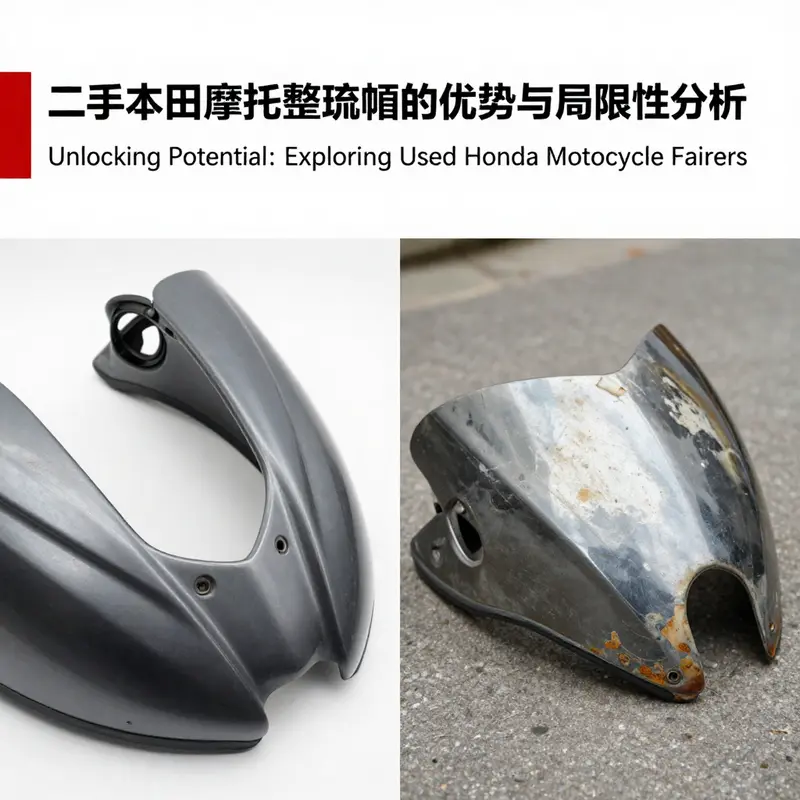
The spectrum of fairings described above arises from a shared baseline: these are second-hand parts that carry the imprint of the bikes they came from, the accidents they may have endured, and the care their prior owners invested in maintaining them. The core advantage of purchasing used is straightforward—the potential for substantial savings relative to new components. In many cases, a complete set of panels can cost well below the price of a fresh production run, leaving room for the rider to invest in refinishing, color-matching, or rare detailing without breaking the bank. The environmental rationale is similarly compelling. Keeping plastics out of landfills, extending the life of existing components, and reducing the energy footprint associated with new manufacturing all contribute to a more sustainable riding culture. The shared caution, however, is equally important. The very factors that make used fairings attractive—their age, the prior exposure to the elements, the possibility of hidden damage—can become sources of future expense if not carefully vetted. Scratches and cracks are not merely cosmetic concerns; they can reveal deeper issues such as stress around mounting points or structural deformation that might compromise fit and safety if not addressed. Evaluating these risks is less about predicting a catastrophic failure and more about building a reliable baseline for a project budget that includes inspection, potential refinishing, and, if needed, professional alignment. The practical consequences of selecting the wrong piece can range from a marginal misalignment that causes panel gaps and rattles to a more serious problem where a mounting point fails under load. The latter is rare but not unheard of, especially in high-stress zones around the steering head and near the radiator shrouds where a single misfit can create vibrations or misrouting of hoses and lines. This is why the buyer’s due diligence—photos, measurements, seller history, and a willingness to verify fit against a specific year range—can dramatically improve the odds of a satisfying outcome.
In describing the channels through which used fairings move from shop floor to rider’s garage, the market shows two broad streams: the traditional and the digital. The traditional route relies on professional distributors who inspect, clean, and pre-fit components before sale. These suppliers often host a curated inventory that spans a range of years and configurations, providing assurance about the panel quality and the consistency of mounting points. The other stream is digital marketplaces and classified forums, where the breadth of options is wider but the reliability can vary. The advantages here are obvious: a larger pool of candidates, the chance to bargain, and the ability to compare prices side by side. The trade-off is that the buyer must exercise greater diligence. High-resolution photos, close-ups of fastener points, and explicit notes about any repairs or repairs’ quality become essential. Even more critical is verifying the exact fit for the target year and model, because the gap between one year’s contour and another’s can be subtle yet consequential when mounting is attempted. The reader who is navigating this space should prepare a precise request list for sellers: exact model range, year range, left and right panel availability, whether the suite includes corner guards or screen shields, and the condition of critical mounting tabs. A cautious approach helps prevent the disappointment of discovering that a coveted full set does not align with the bike’s frame or that a single cracked panel spoils the look of the entire ensemble.
The decision to buy used fairings also invites a broader reflection on the rider’s goals. For some, the objective is restoration with a near-original appearance—an exercise in meticulous color-matching, panel alignment, and the careful re-lamination or repainting of damaged surfaces. For others, the aim is customization—creating a unique silhouette that communicates a personal aesthetic or a nod to a lineage the rider admires. In either case, the process is iterative and collaborative. It involves not only the physical fit but also the visual cohesion with other components, from the fuel tank’s sheen to the gloss on the instrument cluster shroud. It is here that a rider’s willingness to engage with painters, welders, and frame specialists becomes part of the conversation about value, not just price. A well-planned project can yield a result that feels integrated—the bike’s shape, color, and textures supporting a deliberate narrative rather than a patchwork solution. The most successful outcomes often emerge when the buyer begins with a clear image of the final look and then works backward through the steps of inspection, measurement, and sourcing to realize it. In this sense, used fairings are not merely spare parts; they are a gateway to a rider’s evolving relationship with the bike’s form and function.
To illustrate how these considerations come together in practice, imagine a rider weighing options for a bike that needs a fresh outer shell amid a mix of performance cues and daily practicality. The rider begins with a high-level plan: a complete aesthetic restoration using a full fairing set would deliver the most cohesive appearance and the strongest aerodynamic envelope for high-speed riding. But the budget and the time to manage a refinishing job might push the decision toward a semi-fairing or a low fairing that preserves key lines while offering easier access for maintenance and quick, local adjustments. The decision becomes a delicate balance among fit certainty, total outlay, and the intended use of the bike. In many cases, the process includes a staged approach: acquire the panels, verify mounting points with a measurement checklist, perform a test fit, and then plan for refinement work. The result is a bike that looks right, rides with the intended wind protection, and remains within a budget that makes sense for the rider’s broader goals. The final look matters not only to pride and presence but to practical matters such as visibility, weather protection, and the ease with which the bike can be serviced during the ownership cycle.
For riders who are new to the hobby or who operate on tight budgets, there is often wisdom in choosing semi-fairings or low fairings as a starting point. These options present lower risk and shorter timelines for installation, while still enabling a strong aesthetic presence. The environment they create—one of practical customization that respects the bike’s original architecture—provides a foundation for future refinements. A careful buyer may start with a modest, well-chosen set, learn from the installation process, and then expand into a more extensive full-fairing restoration if the initial experience proves rewarding. The journey, as it unfolds, underscores an essential truth about second-hand parts: their value increases when they are integrated into a deliberate plan rather than treated as a quick cosmetic fix. The synergy between the rider’s aims and the panels’ characteristics is what ultimately determines the project’s success.
In this broader context, the practical guidance offered by experienced riders is especially valuable. They emphasize three recurring themes: first, rigorous inspection of every panel’s structural integrity and mounting interface; second, realistic budgeting that accounts for paint, preparation, and potential refinishing costs; and third, patience in confirming compatibility before committing to a purchase. This trio of priorities helps transform a potentially uncertain venture into a measured, repeatable process that yields a reliable result. The logic is simple but powerful: a fairing is not just a cosmetic shell; it is a structural element that interacts with the bike’s aerodynamics and protection envelope. If any piece is misaligned, cracked, or distorted, the entire system is compromised, and the experience of riding can be diminished rather than enhanced. In short, used Honda fairings are a resource that shines when approached with a coherent plan, precise checks, and a readiness to invest in refinement where necessary.
For readers seeking a practical starting point on the journey, a centralized resource that compiles a broad spectrum of options may prove helpful. The Honda fairings collection offers a curated view of panels designed for compatibility with a range of years and configurations. This resource can serve as a reference point for visualizing how different shapes and lines come together, which panels tend to sit well on the bike’s silhouette, and how color and finish often line up across a common design language. Engaging with this hub does not replace the due diligence of inspection and fitment testing, but it can illuminate what is possible and set expectations for what a successful second-hand purchase can achieve. For those who prefer to see concrete examples of what a matched look can deliver, the journey begins with a careful scan of the available panels, a comparison of shapes, and a thoughtful plan to test fit. The right choice—whether it is a full set, a selective pairing, or a minimalist compliment to the bike’s existing lines—will always be grounded in how well the panels align with the bike’s geometry and the rider’s ambitions.
Ultimately, the chapter of used fairings is about more than price. It is about how a pair of panels can read as part of a larger narrative—the narrative of a rider who seeks protection, efficiency, and a personal statement from the bike. The decision is rarely isolated to one factor but emerges from a synthesis of fit, finish, and function. When approached with care, used fairings can deliver the durability of a well-made shell, the elegance of a streamlined profile, and the satisfaction of a project completed with intention. The result is a machine that does not merely look different; it operates with a renewed confidence—one that comes from knowing that the pieces that cover it were chosen, measured, and fitted with care. In this light, the world of used Honda fairings becomes less about discount hunting and more about a thoughtful reconstruction of the bike’s external envelope. It is a process that honors the original engineering, respects the realities of second-hand life, and invites riders to express themselves through the form as much as through the performance.
External reference:
- External resource: https://www.ebay.com/sch/i.html?_nkw=used+Honda+motorcycle+fairings
Internal resource:
- For a broad overview of compatible options and a curated assortment of panels, explore the Honda fairings collection: Honda fairings collection
线上的筛选与线下的把关:二手整流罩购买渠道的实战指南与消费洞察
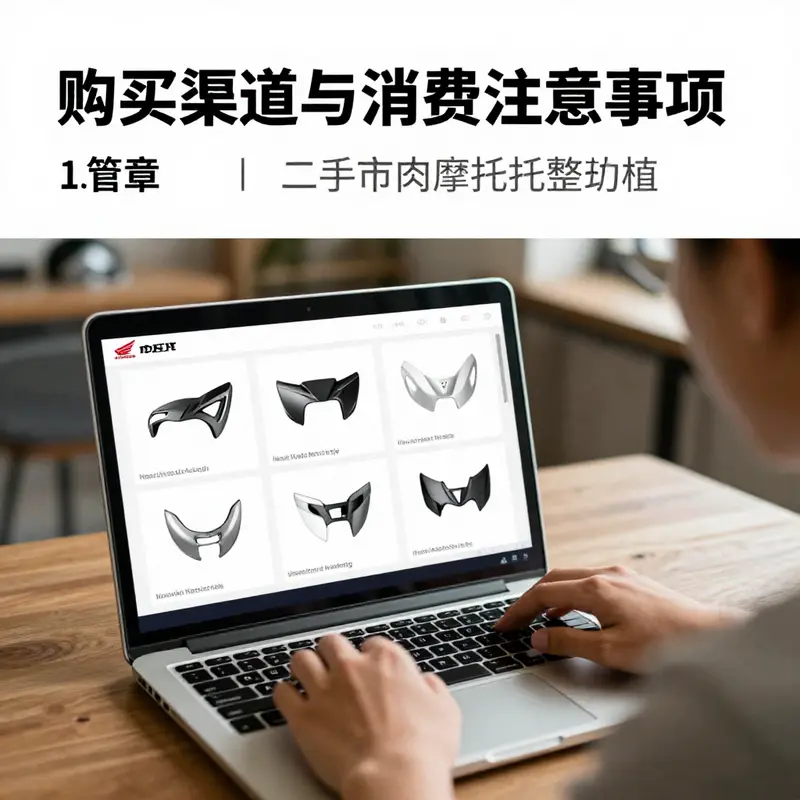
当你开始规划用一块二手整流罩来替换受损部件,心里已经有了两道核心分水岭:它能否合理匹配你的车款、以及你愿不愿意为一个价格段承担额外的维护与改装成本。二手整流罩在很多车手的改装与日常维护中扮演着重要角色。它们往往来自退役、翻新或拆解的车体,提供了一个经济、环保的选择,但也潜藏着看不见的风险。理解渠道的差异、掌握选购的细节,像是一场对信息与材料的耐心筛选。你需要的不只是一个便宜的壳体,而是一份对安装精度、风阻效果和后续维护成本的综合评估。正是在这个意义上,渠道选择像一门学问,涉及到交易安全、真实度验证、物流与维保的连锁反应。为此,整合线上线下的资源,建立一套清晰的购入流程,成为任何希望以合理成本完成改装的骑手都应具备的能力。并非每一次交易都以“便宜”为最终胜负,而是以“合适、可靠、可维护”为核心的评估标准来衡量。若你愿意把它当作一个系统的购置过程来对待,整流罩的采购便不再只是一次裸露的交易,而是一段对整车整备、外观协调与机械对接的综合考核。为帮助你在这条路上更稳妥前行,本章将以一个浑然一体的叙事方式,串联购买渠道、真实性判断、车辆型号适配、物理状况检查、价格把控与维护成本估算,同时穿插具体的实务性建议与可操作的检查清单,使你在任何场景下都能游刃有余地完成一次二手整流罩的采购。你可以在需要时通过一个明确的入口查看适配性广泛、风格多样的整流罩系列,以帮助你更清晰地理解不同设计在视觉与空气动力学上的取舍。若你愿意进一步对比不同厂商的风格与材质,你也能在相关的专门目录里找到相应的款式组合,方便你在不破坏预算的前提下实现外观与性能的双重统一。对于那些初次尝试改装、资源有限或时间紧张的骑手,半整流罩或低整流罩往往是更现实的起点,它们的安装与维护成本更可控,改装后的外观也能在短期内达到满意的视觉效果。另一方面,追求完整整流罩带来的全方位外观体验与空气动力学优势的人,则可以在积累一定经验后考虑整套件的高品质二手全整流罩,并结合专业喷涂与微调以尽量接近原厂质感。下面的章节以一个连续的叙事方式展开,不设过多分段式的小标题,力求保持阅读的连贯性;但在叙述中,我会把关键点和实务建议嵌入到自然的语句中,确保你在阅读时能把握重点而不被无序的清单打断。与此同时,文中也嵌入了一个对比性的考量:线上全球平台的海量列表与线下社区的现场可检验,在不同阶段各有优势,也各自带来不同的风险。你可以把这两种渠道看作互补而非对立。面对复杂的市场环境,建立一个以信息核验为核心的交易习惯,是减少后续维修成本、维护整功能性的重要保障。正是这份以信息透明和对零件历史追溯为目标的买入习惯,决定了你在未来数月甚至数年内的骑行体验是否顺畅。若你愿意把它作为一个长期的购置路径,那么在适配性、状态核查和售后保障等方面,你就会形成一套可持续的、可复用的流程。为了帮助你在实际情境中落地,我将结合常见的购置场景、具体的核验要点和可执行的行动步骤,形成一个连续的、可操作的叙述。你将看到一个在现实世界中经常出现的交易路径:从广泛的渠道筛选、到对目标年份与型号的严格匹配、再到对实物状况的逐项核验,以及对价格与售后政策的理性评估。这个过程并非一次性动作,而是需要你在交易前后持续进行的二次确认与风险控制。作为阅读的线索,文末还将提供一个用于参考的外部资源,以及一个你可以在前后章节中直接访问的内部链接,帮助你在需要时快速对比不同风格与制造年的整流罩,以达到“外观与性能”的双重统一。你在任何阶段都应记住,真正的价值不在于单次成交的价格,而在于你能否以可控的风险和清晰的预期,获得一个稳定、可靠、与整车工况相匹配的部件。这就需要你具备对渠道结构的理解、对部件状态的敏锐判断、对匹配性的严格把控,以及对后续维护成本的充分预算。让我们从购买渠道的体系化认知讲起,逐步落到具体检查点和交易策略。首先,线上平台的广阔选择性为你提供了前所未有的对比能力。你可以在不同卖家之间对同一款式的整流罩进行价格、材质、配件完整度、运输时的保护措施等方面的对比。这个对比不仅仅是价格的对照,更是对物理状态、历史故事与未来维护成本的一次综合评估。不同的卖家往往提供不同的图片清单、不同的工况描述,甚至会把受损的部件分解成若干小件出售。此时,信息的完整性就显得尤为关键。你应当要求卖家提供清晰的实拍细节,尽量覆盖各个角度。注意观察边缘和连接孔位的细节,任何细小的裂纹、变形、或非原生材质的修复痕迹都可能成为后续维修的痛点。对于接触过受损车辆的整流罩,了解其历史尤为重要。一个常见的误区是只被外观吸引而忽略内部结构的潜在问题。你需要问清楚:该整流罩是否来自事故车辆?它的原厂零件编号是否仍然可验证?如果卖家无法提供可追溯的历史记录,可能意味着你将承担未知的维修成本与组装难题。另一个不可忽视的层面,是适配性。不同年份或不同版本的整流罩在接口、螺栓孔、导流口及罩壳的轮廓上可能存在微妙差异。无论你是在全球平台上购买,还是在本地市场寻找,确认目标车型的确切年份与配置,是避免“买来后却无法安装”的关键。对比起来,线下市场提供的是现场验货的直接性。你可以在商家摊位前用肉眼和手感去感知件身的真实状态,进行现场试装的初步预估。比如,轻轻按压边缘,听是否有松动感;观察表面涂层是否有色差、起泡或裂纹;检查固定点与接口的对位是否整齐。这些直观的检查并不能替代专业的拆装评估,但它们会让你对下一步的检测清单有一个明确的方向。线下交易的一个重要优势,是你能与卖家直接沟通,获取关于件体来源、使用场景以及可能的喷涂改动的第一手信息。你也许会在现场拍摄更多角度的照片,或请求卖家演示配件的装配过程,从而降低信息不对称带来的风险。与此同时,现场交易也让一些潜在的‘低价陷阱’更容易被发现。若价格看起来远低于同类产品的市场水平,这很可能隐藏着某些风险信号,如严重的结构性损伤、不可逆的变形、或是被修复过的内部裂纹。你需要据此调整自己的预算并重新评估后续的维护成本。无论线上还是线下,您都应当保留核心交易凭证。聊天记录、支付凭证、卖家描述的文字截图、实拍照片等,都是未来若发生纠纷时的重要证据。更进一步,设定一个合理的预期和时间表也能降低冲动购买的风险。对于那些预算有限、或是初次尝试改装的骑手,选择半整流罩或低整流罩是一个更稳妥的起点。这两类件在安装难度、维护便利性和价格方面都更友好,能让你逐步建立起对整流罩结构与安装要点的认知。半整流罩较多覆盖头灯与仪表区域,既保留了风挡功能,又保留了更多的机身结构,便于在日常骑行中进行快速维护。低整流罩的定位更偏向视觉效果的简化与轻量化,尤其适合追求复古风格、或需要更清晰的维护入口的改装者。在你逐步熟悉不同款式的安装特征后,若对空气动力学有更高的追求,才考虑成套的全整流罩。此时,确保你具备与喷涂、表面处理、以及安装点微调相关的知识与技能,或愿意把这一步交给专业人员。以此为前提,二手整流罩的“性价比”才能真正转化为“性价比+长期可靠性”的综合收益。价格层面,二手整流罩的波动往往比新件更明显。你会看到某些成色良好、保养到位的全整流罩,价格可能处于几百美元的区间,而若是运输、喷漆或重新喷涂等额外成本叠加,最终的支出可能接近或超过新件的折旧值。反之,也会出现明显低于市场平均水平的报价,但这往往伴随着潜在的风险。作为一种防护性策略,建立一个关于“后续维护成本”的预算框架很重要。你应当把喷涂、上粘结剂前处理、贴膜、以及安装过程中的潜在附件配件(如护板、导流件、卡扣等)都纳入计算。记住,二手整流罩并非越便宜越划算,尤其是当你需要投入大量工时来恢复色彩、修复微小裂纹、或重新对位时。良好的做法,是在交易前就向卖家索要清晰的材料清单、零件编号和接口对位的图片,尽可能地把隐藏成本前置到报价阶段。关于信息来源的获取,线上平台的多样性使得对比成为一种基本技能。你可以把同一型号在不同卖家之间的报价、运输保障、包装标准和退换政策作为对比要点。这也是为什么许多专业买家会在下单前设置一个“止损线”,以避免价格波动带来的预算失控。当你把握了渠道、状态与适配性后,下一步便是把目光投向对未来的维护与再销售的影响。二手整流罩的价值不会只停留在你第一套安装的时刻。若你计划在未来继续改造、或打算在转让时最大化剩余价值,建议把“可再用性”视作一个关键评估维度。这包括铆钉孔、对位点、密封条的可替换性、以及在喷涂或包覆过程中的可维护性。尤其是在喷漆之外的后续工作中,是否容易获得替换件、是否有完善的改装指南、以及是否易于再次拆卸与整合,都会直接影响你对整流罩的长期价值评估。值得注意的是,选择合适的渠道并不是仅仅为了买到便宜的部件,更是为了在未来的维修中减少不确定性。你或许会面临需要重新对位的情况,或者需要对接新的支架与紧固点。这类工作如果没有合适的原厂规格或配套件,往往会产生额外成本。因此,在你最终决定进行任何交易之前,尽量让卖家提供原厂配件编号、安装孔距的具体尺寸,以及可能的配件清单。你可以对照车体原厂件的编号,确保你购买的整流罩与车型在相应年份及版本上的接口是一致的。这种做法看似繁琐,却是避免后续不可逆转改装错误的最可靠途径。若你对渠道的选择有疑问,可以在一个通用的“内部参考框架”内进行比对:在全球性平台上,你可能获得更广泛的款式、颜色与品牌混合,但也会遇到运输时损伤、退货流程不一致等问题。线下市场的即时性虽高,但信息的完整性与来源的透明度常常受制于现场条件与商家信誉。把两者的优点结合起来,是提升交易成功率的有效策略。最后,我们回到一个实践层面的触达方式。为帮助你在不同阶段快速获取信息并进行对比,文末给出一个内部链接,方便你在需要时查看具备广泛适配的整流罩系列、不同车型之间的差异以及风格选择的演变。你也可以通过这个入口,进一步了解如何在不增加太多额外成本的情况下,完成颜色匹配和表面处理的前后工作。请注意,尽管渠道多样,但交易的安全性应当放在第一位。请在购买前进行尽职调查,核实卖家信誉、退换政策以及运输保险,尤其是在跨境交易中。把握这个原则,你就能在充足信息的基础之上,完成一次性价比高、长期可维护的二手整流罩采购。若你希望在购物过程中直接参考具体款式的风格与适配选项,可以访问以下内部资源,帮助你对比不同车型的外观与设计趋势,同时保持预算的控制与风格的一致性。具体链接如下: Honda fairings collection 。同时,为了扩展你的视野并对照市场行情、实务操作与风险控制,建议你在最终决策前也参考一个外部信息源,帮助你更直观地理解二手整流罩在全球市场中的价格区间与买家保护机制。外部参考来源: https://www.ebay.com/sch/i.html?_nkw=used+Honda+motorcycle+fairings 。这两条资源将共同构成你在实际交易中的信息基底,使你在面对众多选项时,能够以理性、透明和可追溯的方式进行选择。总之,二手整流罩的购买,是对你个人判断力、信息获取能力与预算管理能力的一次综合考验。通过线上线下渠道的互补、对适配性与状态的严格核验、对价格与后续维护成本的现实评估,以及对交易安全的持续关注,你能够以相对更低的风险实现个性化与性能之间的平衡。这个过程并非短期内就能完美执行,但只要你愿意建立并遵循一套清晰的流程,它就会成为你改装旅途中的一项稳定资产。无论你将整流罩用于日常通勤、城市穿梭,还是为追求赛道级的空气动力学性能而改装,这一段购置经历都将为你带来更高的自信与更持久的骑行乐趣。
null
null
Final thoughts
Navigating the landscape of used Honda motorcycle fairings involves understanding their types, reliable purchasing channels, and the inherent advantages and limitations. For business owners, leveraging these insights can lead to better decision-making, ultimately meeting the demands of a growing customer base. By carefully evaluating options and ensuring compatibility and quality, businesses can maximize both customer satisfaction and profit margins while contributing positively to sustainability through reusing valuable parts.