
Introduction
Motorcycle fairings play a crucial role in enhancing performance, rider protection, and aesthetic appeal. These plastic or composite panels contribute significantly to the experience of both casual riders and professional racers alike. In exploring the various types of fairings, we delve into their essential functions, how they improve aerodynamics, and the level of protection they offer against harsh conditions. The aesthetic impact of fairings is equally significant, giving motorbikes a distinct look while also ensuring functionality. This article not only examines the different styles and innovations in fairing design but also how these elements affect motorcycle performance and rider experience as a whole.
Tables of Contents
Chapter 1: Types of Fairings on a Motorcycle: An In-Depth Look at Street and Race Fairings
- Fairings in Focus: The Distinction Between Street and Race Variants
- Custom Creations and Individual Pieces: The Personalized Fairing Experience
- Material Choices in Motorcycle Fairings: Balancing Performance and Protection
Chapter 2: The Role of Fairings on a Motorcycle: Enhancing Aerodynamics and Rider Protection
- Unlocking Performance: How Fairings Transform Motorcycle Handling and Efficiency
- Maximizing Comfort and Safety: The Protective Role of Motorcycle Fairings
- Exploring Diverse Fairing Types: Melding Function with Aesthetic Brilliance
Chapter 3: Expressing Identity Through Custom Motorcycle Fairing Designs
- The Art of Personalization in Motorcycle Fairings: A Canvas of Individuality
- Elevating Aesthetic Appeal: The Significance of Material and Finish Selection for Motorcycle Fairings
- Merging Performance and Personalization: The Aesthetic Evolution of Motorcycle Fairings
Chapter 4: Harnessing the Wind: How Fairings Propel Motorcycle Performance
- Streamlining Speed and Efficiency: The Aerodynamic Wonders of Motorcycle Fairings
- Advancing Rider Safety and Comfort through Motorcycle Fairings
- Cost and Material Choices: Balancing Performance and Practicality in Motorcycle Fairings
Chapter 5: Crafting Harmony: The Role of Material Selection in Motorcycle Fairing Design
- Balancing Strength and Aesthetics: The Art of Choosing Traditional Fairing Materials
- Eco-Friendly Advances in Fairing Materials: Unpacking Honda’s Durabio and Recycled Plastics
- Crafting Tomorrow’s Dreams: Advanced Techniques and Customization in Fairing Production
Chapter 1: Types of Fairings on a Motorcycle: An In-Depth Look at Street and Race Fairings
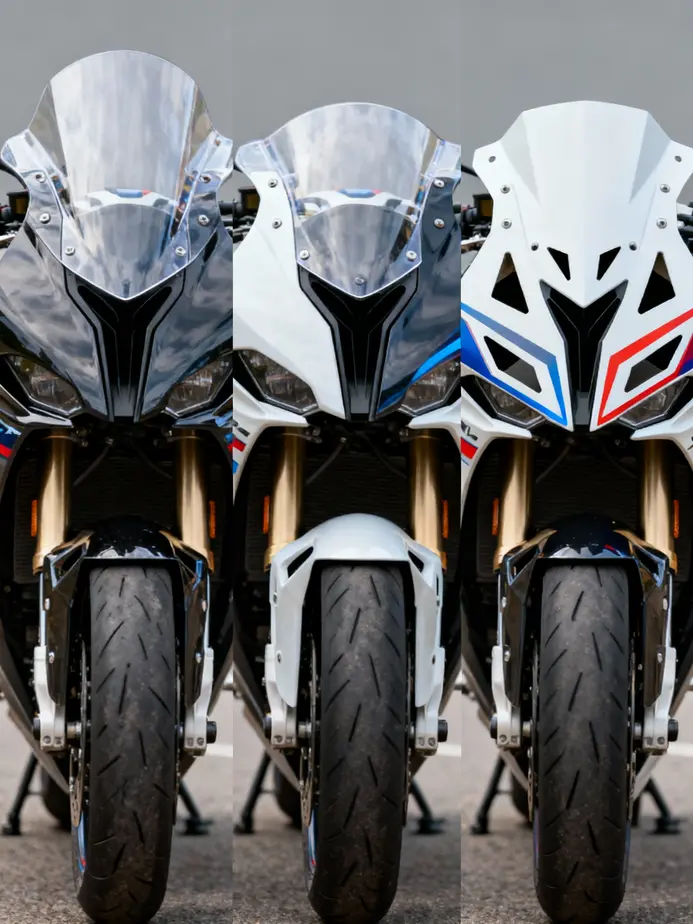
1. Fairings in Focus: The Distinction Between Street and Race Variants
Motorcycle fairings offer vital enhancements in aerodynamics, comfort, and performance, catering to distinct riding styles through two primary categories: street fairings and race fairings. Each type embodies unique characteristics that inform their design, materials, and functionality, ultimately shaping the riding experience. Understanding these variations is crucial for motorcycle enthusiasts aiming to optimize their rides, whether for daily commute or competitive racing.
Street Fairings are designed with the everyday rider in mind. Their primary function revolves around enhancing comfort during rides by mitigating wind resistance and providing protection against the elements. For instance, street fairings help shield riders from windblasts at higher speeds, significantly reducing fatigue during long journeys or commutes. Rather than focusing solely on minimizing drag, street fairings integrate features that ensure a legal and comfortable riding experience on public roads. Iconic models like the Harley-Davidson 883 Sportster employ both full front and smaller quarter fairings to refine airflow around the rider while allowing for easy maneuverability.
Fundamentally, street fairings balance aerodynamics with ruggedness; they must withstand the everyday wear and tear of road debris and variable weather conditions. Common materials like ABS plastic are popular for their impact resistance and budget-friendliness. Fiberglass also sees use, particularly in more durable models, although its heavier weight can detract from some performance aspects. Moreover, builders often employ bioplastics as a nod to sustainability without compromising aesthetics or structural integrity, affirming a modern approach to motorcycle design.
In contrast, Race Fairings prioritize maximized performance and streamlined aerodynamics to enhance speed and agility on the track. These fairings are stripped down to eliminate any non-essential components, allowing for considerable weight savings. Manufacturers like Sebimoto design specialized kits tailored for high-performance bikes such as the Yamaha R7 or Triumph Daytona 660. These sets typically incorporate upper and lower fairings along with racing seats to support dynamic riding needs during competitions.
Race fairings are usually made from lightweight materials such as carbon fiber, which boasts an exceptional strength-to-weight ratio, crucial for minimizing drag. However, the higher cost and sensitivity to UV light mean that maintenance and protection remain paramount for racers. Kevlar-carbon hybrid options are also used, melded for their strength and impact resistance, delivering performance with a cutting edge. Race fairings can even be custom fitted for specific motorcycle models, tailoring aerodynamic intake vents and other features to optimize airflow and cooling under intense track conditions.
While both street and race fairings serve distinct goals, they reflect the evolving landscape of motorcycling, where aerodynamics, style, and functionality intersect. Customization emerges as a common thread, with riders often opting for aftermarket modifications to tailor their motorcycles to specific preferences. By understanding these fairings’ purposes, riders can make educated decisions on upgrades that complement their experience, be it on urban roads or racing circuits. For further insights into various fairing options and how they can enhance motorcycle performance, explore resources dedicated to motorcycle fairings, such as those on the Summit Fairings blog.
2. Custom Creations and Individual Pieces: The Personalized Fairing Experience
Motorcycle fairings serve not only functional purposes but also embody the personality and style of the rider. Among the array of fairing types, custom fairings and individual fairing pieces stand out as avenues for personalization, enabling enthusiasts to express their individuality while enhancing the performance and aesthetic appeal of their machines. Customization in motorcycles has evolved into an art form—these modifications represent existing brands while also inviting unique designs, turning motorcycles into rolling canvases.
Custom fairings allow riders to tailor their bikes to their preferences through an impressive variety of options, including distinct paint schemes, finishes like gloss, matte, and metallic, and even the incorporation of personal logos or sponsor decals. These aftermarket kits are available for major manufacturers with endless possibilities, enabling riders to select something that resonates with their vision for their ride. The charm of custom fairings lies not only in enhancing the visual aspect of a motorcycle but also in tailoring it to improve functionality, such as aerodynamics and comfort. For instance, riders can experiment with hues like chameleon paints or camouflage patterns, reflecting their personal style and interests in distinctive ways.
In contrast, individual fairing pieces represent a practical approach to customization. Instead of overhauling an entire fairing system, riders can upgrade specific components, opting for upper parts or tank covers that enhance the bike’s performance while allowing for continued personalization. This modular upgrade system is particularly advantageous for serious competitors who frequently modify their motorcycles. For example, a sportbike like the Yamaha R7 can benefit from targeted individual pieces that enhance aerodynamic performance and reduce drag without the commitment of a full fairing kit. These individual parts often utilize advanced materials such as fiberglass or carbon fiber, which contribute to their strength and lightness without compromising on durability.
Materials and Their Influence
The materials used in the construction of custom and individual fairings significantly impact their performance, weight, and cost. ABS plastic, while affordable and easy to install, may not provide the premium feel of fiberglass or carbon fiber. Riders who prioritize cost-effectiveness often lean towards ABS for their street and commuter motorcycles. However, those seeking performance enhancements and weight reductions typically favor fiberglass or carbon fiber options. Fiberglass fairings are lightweight and versatile, perfect for both custom projects and racetrack applications, while carbon fiber stands out due to its exceptional strength-to-weight ratio, making it ideal for high-performance and competitive racing contexts.
Custom and individual fairings not only transform the aesthetic of a motorcycle but also enhance rider comfort and performance. By reducing wind resistance and improving aerodynamics, these tailored pieces alleviate fatigue during long rides and allow for better control at high speeds. This is particularly apparent on models such as the Suzuki GSX-R750, where the integration of fiberglass fairings helps create an optimal riding experience.
In addition to their visual appeal, fairings also serve crucial functions in rider protection and comfort. They shield riders from harsh winds, debris, and adverse environmental elements. For motorcycle enthusiasts looking to balance style with function, investing in custom or individual fairings can vastly improve their riding experience while allowing for a personal touch that transforms each motorcycle into a reflection of its rider. While navigating this spectrum of fairing options, riders are encouraged to choose materials and styles that align with their riding habits and intended use, combining performance with aesthetic flair. For insights on how to choose your motorcycle fairing, check out this guide here.
3. Material Choices in Motorcycle Fairings: Balancing Performance and Protection
When it comes to the world of motorcycle fairings, choosing the right material is not just a matter of aesthetics but one of performance, durability, and rider safety. Fairings come in various shapes and sizes, tailored to enhance not only the look of the motorcycle but also its aerodynamic properties. However, the underlying material greatly influences how effectively these components fulfill their purpose.
ABS Plastic is the most prevalent material used in motorcycle fairings. Known for its affordability and ease of manufacture, ABS provides a good balance of durability and flexibility. Riders on a budget appreciate this option, as aftermarket fairings made from ABS can range from approximately $150 to $400, making them accessible for many. Over time, these fairings have a typical lifespan of about 4 to 6 years, though they tend to suffer from sun damage and wear more quickly than other materials. They are also great for custom builds due to their paintability, allowing for a personalized touch without breaking the bank.
On the other hand, fiberglass offers a premium when it comes to strength-to-weight ratio while still remaining relatively affordable. Lightweight yet sturdy, fiberglass fairings achieve a lasting presence on the road with a typical life span of 5 to 8 years, although they may crack upon high-impact collision. This material often appears in hand-laid custom kits, allowing enthusiasts to achieve unique shapes and finishes tailored specifically to their riding needs. While customization is a significant advantage, there can be variances in edge finishing, which may deter those who seek a polished final result.
For the ultimate in performance, carbon fiber represents the pinnacle of motorcycle fairing materials. Celebrated for its unparalleled strength combined with exceptional lightness, carbon fiber is a favorite amongst performance enthusiasts and show bikers alike. While the price tag is notably higher—ranging from $600 to over $2,000—it provides riders with a lightweight option that positively contributes to speed and handling. Carbon fiber fairings often exceed an 8-year lifespan when properly maintained, making them not only a choice for aesthetics but also for serious riders who pursue top-tier performance. The sheer appeal of the weave also adds a striking visual dynamic that many admire.
The choice of fairing material significantly impacts installation, insurance, and compatibility with various accessories. For instance, Original Equipment Manufacturer (OEM) fairings, typically constructed from ABS or fiberglass, often guarantee a perfect fit but come with a heavier price tag of $800 to $1,200. Riders must ensure that their selected fairing material supports any additional features they may wish to incorporate, such as lighting systems, integrated speakers, or GPS hardware. Installation processes can also vary widely, which is crucial for both casualty and aesthetic considerations.
As motorcycle culture continues to evolve, so does the technology and materials used in fairings. Enthusiasts are driving demand for environmentally friendly options, such as bioplastics, which offer sustainability without sacrificing performance. This development not only echoes changing consumer preferences but also shapes the future landscape of motorcycle design.
In the grand scheme of motorcycle customization and performance enhancement, the choice of material is a crucial consideration that can greatly enhance a rider’s experience. Understanding the pros and cons of materials like ABS plastic, fiberglass, and carbon fiber enables motorcyclists to make informed decisions that reflect not only their personal style but also their performance and longevity needs. For further insights into fairing options, consider checking additional resources on motorcycle fairings and their diverse applications.
Chapter 2: The Role of Fairings on a Motorcycle: Enhancing Aerodynamics and Rider Protection
1. Unlocking Performance: How Fairings Transform Motorcycle Handling and Efficiency
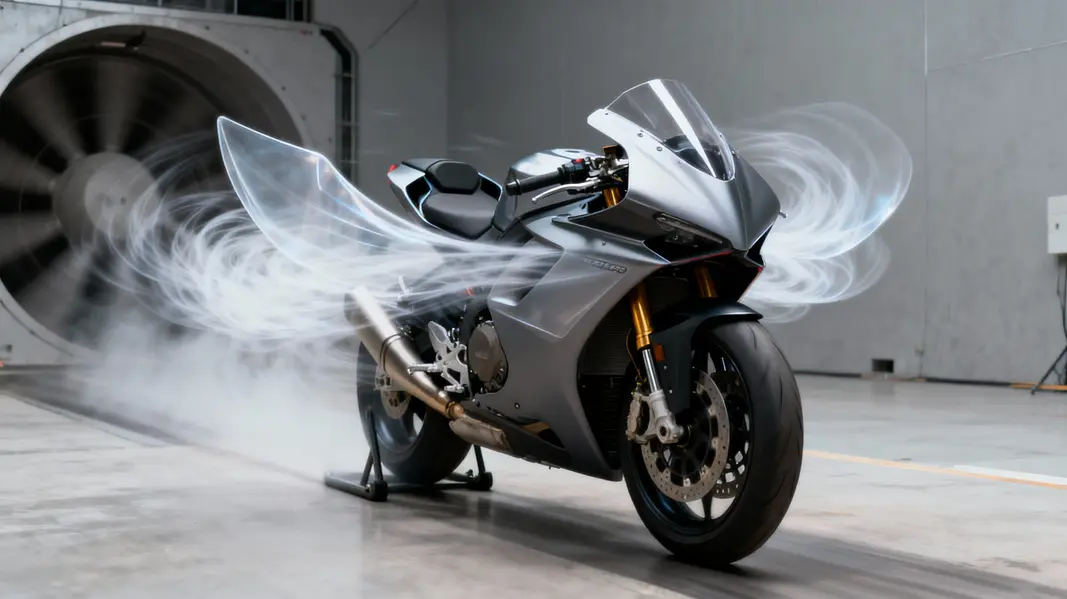
Fairings play a pivotal role in the aerodynamics of motorcycles, dramatically improving performance and efficiency by streamlining airflow and reducing wind resistance. At high speeds, particularly above 55 mph, the way air interacts with the motorcycle can significantly affect handling and power requirements. By minimizing aerodynamic drag, fairings enhance the stability of the bike, allowing riders to maintain control in challenging conditions. This is especially crucial in racing scenarios where precision and stability are paramount.
One of the primary performance benefits of fairings is the increased high-speed stability they provide. The designs incorporate curves and angles that allow the motorcycle to slice through the wind more effectively, decreasing the likelihood of being pushed off course by crosswinds. Moreover, fairings contribute to better wheelie control; by optimizing downforce, they help prevent the front wheel from lifting unexpectedly during acceleration, supporting riders in maintaining their trajectory and balance. In addition to providing stability, fairings can facilitate improved braking performance. By directing airflow around the brake components, they help manage heat build-up, promoting more effective braking without sacrificing control.
The innovative designs found in racing fairings—especially on bikes like the Suzuki GSX-R and Kawasaki Ninja—elevate performance by optimizing every curve and edge not just for aesthetics but for functionality. In MotoGP, for example, winglets attached to fairings are strategically engineered to create downforce, which keeps the front end planted during high-speed maneuvers. These nuances in design significantly affect acceleration patterns, cornering capability, and top speeds, demonstrating that even the smallest changes can yield substantial performance improvements.
From an efficiency perspective, fairings contribute to better fuel economy by decreasing drag coefficient. The use of advanced materials, including lightweight carbon fiber, not only reduces the overall weight of the motorcycle but also enhances fuel efficiency. Studies demonstrate that well-fitted fairings can lower fuel consumption at highway speeds, making long rides more economical. Carbon fiber options, while being more expensive, can cut weight by up to 30% compared to traditional materials like ABS, aiding in maneuverability and extending mileage. Furthermore, features such as batwing fairings provide significant wind protection, allowing riders to remain comfortable over extended periods, even in adverse weather conditions.
However, there are trade-offs associated with different types of fairings. Full fairings offer maximum coverage for drag reduction and rider protection but may increase weight if not crafted from high-end materials. Conversely, options like quarter fairings provide a sportier look while still offering some airflow management, catering to the aesthetic preferences of riders who favor a more aggressive style. Street fairings prioritize comfort, fulfilling legal visibility requirements, yet these may not perform as optimally at high speeds.
It is important to remain cognizant of how the integrity of fairings affects motorcycle performance; damaged or poorly fitted fairings can actually increase drag, undoing their aerodynamic benefits. Therefore, investing in quality and proper maintenance of fairings is crucial for riders who want to fully exploit their motorcycle’s potential and experience the full benefits of aerodynamic enhancements. For a deeper dive into the types of fairings available and how to select the right one for your riding style, check out more information on types of fairings on a motorcycle.
2. Maximizing Comfort and Safety: The Protective Role of Motorcycle Fairings
Fairings on motorcycles primarily serve to enhance rider comfort and safety by creating a protective barrier against the elements. These molded panels significantly reduce wind resistance, thereby lessening fatigue during long rides. By improving the overall aerodynamics of the motorcycle, fairings help mitigate the physical stress placed on a rider when confronted with turbulent air or high speeds.
When riding at highway speeds, fairings can soften the impact of wind drag on the rider’s body. This is particularly noticeable when navigating through trucks or during crosswinds, where the turbulence can often lead to discomfort. Full fairings, for instance, provide extensive coverage, enveloping the motorcycle and creating a streamlined flow of air around the rider, which leads to an overall smoother ride. Riders report less neck strain and reduced helmet buffeting, thanks to the emblematic air pocket formed by these fairings.
In terms of specific configurations, batwing fairings are noted for cultivating a calmer air environment. They excel at redirecting airflow around the rider’s upper body, which can prove especially beneficial on longer journeys, where comfort becomes essential. For sport-touring riders who require a balance between maneuverability and wind protection, half fairings offer sufficient shielding while being easier to remove and maintain. Similarly, riders who favor a more minimalist aesthetic might gravitate toward quarter fairings, which assist in addressing upper body wind management. These designs not only protect but also enhance visual appeal, allowing for a customized look without compromising on functionality.
Fairings also enhance safety through their impact on handling and rider visibility. The aerodynamic design of fairings ensures that airflow is effectively channeled, reducing turbulence behind the bike and promoting straight-line stability. This stability is paramount when navigating heavy traffic or swiftly changing lanes, as it allows for improved handling and responsiveness from the motorcycle. For instance, motorcycles equipped with well-designed fairings typically exhibit enhanced confidence during adverse weather conditions.
In addition to these benefits, fairings also play a crucial role in shielding important components of the motorcycle from external debris, such as gravel, dirt, and rain. By providing a barrier for the engine and electrical systems, fairings increase the overall durability and longevity of the bike, leading to decreased maintenance costs over time. Furthermore, many modern fairings are integrated with LED lighting, which enhances night visibility and increases the rider’s safety in low-light conditions. However, it’s essential to mount fairings correctly; improper installation can lead to catastrophic failure, highlighting the need for precision during installation.
Various fairing types accommodate different riding styles and preferences. Each variation provides tailored levels of protection: full fairings for maximum coverage during long-distance travel, and half or quarter fairings for those preferring a sportier ride. Making an informed choice about which fairing best meets one’s needs can enhance the riding experience significantly. Prioritizing durable materials and ensuring compatibility with the motorcycle’s model will bolster the effectiveness of the chosen fairings. By selecting the right configuration, riders can not only look good but also ride with confidence, knowing they are well-protected.
Explore more about the different configurations and benefits of motorcycle fairings in the comprehensive guide available here.
3. Exploring Diverse Fairing Types: Melding Function with Aesthetic Brilliance
Motorcycle fairings, pivotal in defining both the performance and visual allure of a bike, come in a variety of forms, each tailored to meet specific user needs while optimizing functionality. The classifications can primarily be understood through their intended use, design, and the unique characteristics each type imparts.
Street Fairings serve as the quintessential choice for the average rider. These components strike a balance between moderate wind protection and aerodynamic benefits, making them ideal for daily commuting. Their designs maintain visual appeal without overwhelming the bike’s overall aesthetic, ensuring that the motorcycle remains versatile and approachable for all types of riders.
In contrast, Race Fairings are engineered with a singular focus on aerodynamic efficiency. These fairings often feature aggressive styling elements that significantly reduce drag, thereby enhancing handling and stability at high speeds—an essential factor during competitive racing. Their performance-driven design allows racers to experience lower wind resistance, promoting faster lap times and increased rider confidence at the limit. The sleek contours of race fairings symbolize the essence of speed and performance, making them a favored choice for enthusiasts seeking to squeeze every ounce of capability from their machines.
For those looking to express their individuality, Custom Fairings offer a canvas for personalization. Riders can opt for unique designs, colors, and artwork that resonate with their personalities or interests. While these fairings can blend style and functionality, they commonly do not compromise on the necessary aerodynamic properties that enhance performance.
Another noteworthy option is the use of Individual Fairing Pieces, which afford riders the opportunity to replace or upgrade specific parts of their motorcycle without the necessity of replacing an entire fairing set. This targeted approach allows for customization while also ensuring that rider budgets and preferences dictate the modifications made. Whether it’s a new headlight fairing or side panels, these individual pieces cater to the needs of budget-conscious riders who still prioritize aesthetics and functionality.
Among custom designs, the Batwing Fairing stands out as a distinctive choice primarily utilized on cruisers and touring bikes. This type of fairing is mounted at the front of the motorcycle and is characterized by wide, wing-like extensions that provide both advanced wind protection and a classic look. The batwing can be configured to either handlebar or frame mount, preserving maneuverability while improving the bike’s aerodynamic profile. This flexibility makes batwing fairings a favorite among long-distance riders, promoting stability and comfort during extended journeys.
The materials used in the construction of these fairings play a crucial role in their effectiveness, durability, and overall cost. The use of ABS plastic is standard due to its combination of flexibility, strength, and economic procurement. More sophisticated options like fiberglass cater to those who prioritize lightweight builds, while carbon fiber and Kevlar-carbon blends represent premium materials known for their strength-to-weight ratios, particularly coveted in racing applications.
Aesthetic considerations do not take a back seat to functionality. Motorcycle fairings can be finished in a plethora of styles, from gloss, matte, to metallic finishes, catering to diverse tastes and enhancing the bike’s vibrant appearance. These aesthetic options allow riders to choose not just how their motorcycle performs but how it reflects their personality on the road.
For further information on motorcycle fairings, riders can explore comprehensive resources such as those found at Summit Fairings Blog.
Chapter 3: Expressing Identity Through Custom Motorcycle Fairing Designs
1. The Art of Personalization in Motorcycle Fairings: A Canvas of Individuality
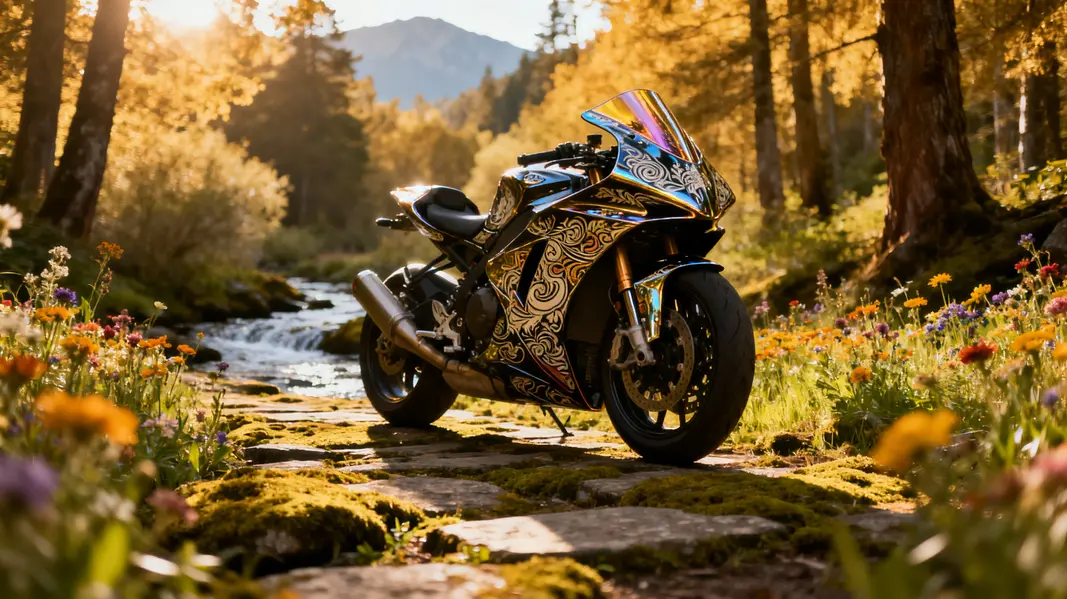
Motorcycle fairings are more than just functional components; they serve as a blank canvas for riders to express their uniqueness and style. With countless personalization options available, these composite panels can transform a standard motorcycle into a remarkable extension of the rider’s personality. This fusion of functionality and aesthetic appeal invites motorcycle enthusiasts to craft a distinctive narrative through their vehicles.
Vibrant Paint Options and Finishes are among the most popular ways to customize motorcycle fairings. Riders can select from a vast array of colors, including classic hues like black and white, alongside striking options like fiery reds, electric blues, and stunning metallics. Each finish brings a different character to the bike. A gloss finish can enhance the sleek lines, adding a reflective brilliance that dazzles under sunlight. In contrast, a matte flat finish offers a contemporary, sophisticated touch, making the motorcycle appear bold and unique. For those seeking something even more adventurous, chameleon effects can create color-shifting visuals that mesmerize onlookers with every turn.
Beyond paint, riders are increasingly drawn to custom design features that convey individuality. Companies offering fairings often boast vast catalogs with thousands of unique designs, allowing enthusiasts to tailor graphics and elements to their personal flair. Not only can riders select standard designs, but they also have the option to collaborate with design teams to bring bespoke ideas to life. This level of creativity extends to specialty graphics like unique stripes, race numbers, and sponsor decals tailored to prominent brands such as Ducati or Honda, ensuring that every bike tells its own story.
A growing trend in the motorcycle community is modular customization. Rather than committing to a complete fairing overhaul, riders can now opt for individual pieces that can be replaced or enhanced without overhauling the entire fairing system. This approach allows performance-driven cyclists to upgrade specific areas for better aerodynamics without losing sight of their personal style. For example, replacing a front cowl with a custom design keeps up a bike’s performance while acknowledging a rider’s personal taste.
The professional finishing process some custom shops employ adds another layer of depth to the creation of personalized fairings. Shops like Kings Motorcycle Fairings offer a comprehensive multi-step paint process, ensuring that every design is not only visually appealing but also durable. With a thorough approach—from proper prepping and multiple paint applications to a protective clear coat—riders can feel confident that their unique fairing will withstand the rigors of the road. This meticulous craftsmanship fosters a stronger emotional connection between the rider and their bike, solidifying the motorcycle as more than just a means of transport.
Ultimately, the world of motorcycle fairing customization is a testament to the freedom of expression and creativity among motorcyclists. Riders are not just customizing their bikes for the sake of aesthetics; they are crafting representations of their identities. The integration of style and function in motorcycle fairings fosters a unique bond between riders and their machines, with each customized fairing echoing an individual story waiting to be told. As the motorcycle community continues to embrace personalization, the fairing will remain a pivotal element in the pursuit of individuality on the open road. For more insights on customization options, you can explore further at custom fairings.
2. Elevating Aesthetic Appeal: The Significance of Material and Finish Selection for Motorcycle Fairings
The aesthetic integrity of motorcycle fairings is deeply intertwined with the selection of materials and finishes. Each decision shapes not only the visual characteristics but also the overall durability and maintenance requirements of these essential motorcycle components. An appreciation for fairing aesthetics demands an understanding of how different materials and finishes interact to create a lasting impression while protecting the rider from the elements.
Material Choices are paramount when it comes to crafting effective and visually appealing fairings. ABS plastic, widely recognized for its cost-effectiveness, serves as a lightweight base, appealing to everyday riders. The smooth surface of ABS allows for vibrant colors, though it may show wear without proper care, shedding light on the importance of maintaining aesthetics. Switching to carbon fiber introduces a luxurious woven texture, not only enhancing the visual appeal but also boasting a remarkable strength-to-weight ratio. However, this premium material presents its own challenges; it is susceptible to UV degradation and requires specialized protective measures to preserve its striking appearance, making it more suited for show bikes than everyday models.
Alternatively, fiberglass adds another layer of complexity due to its superior strength but potential for cracking over time, which could impair its long-term aesthetic integrity. Polycarbonate provides a clear, durable option for windshields, ensuring excellent visibility while complementing the bike’s stylistic elements. The variety in material choices allows for a broad spectrum of aesthetics, enabling motorcycle enthusiasts to personalize their machines to align with their vision.
As critical as the materials themselves are the finishes that top off these components. The choice of a finish can make a significant difference in how a fairing looks and how it holds up to the rigors of motorcycle riding. Glossy and metallic finishes prioritize both durability and visual impact, often requiring less maintenance than matte or pearl finishes. Gloss finishes amplify curves and contours with a high shine, typically enhanced by multi-layer clear coats for added elemental protection. Meanwhile, metallic and candy finishes inject depth and vibrancy into the paint job, utilizing reflective flakes to capture light dramatically.
On the other hand, matte finishes introduce a contemporary non-reflective appeal, delivering boldness but requiring careful maintenance due to their scratch-prone nature. Alternately, pearl finishes offer a captivating color-shifting sheen that demands extra care to maintain its beauty. In some cases, applications such as powder coating or electroplating on metal parts can provide strong, corrosion-resistant finishes, enhancing both aesthetics and durability in exposed areas.
Combining select materials with appropriate finishes can yield exceptional results; however, mismatches may lead to peeling, fading, and uneven wear. For instance, pairing untreated carbon fiber with inappropriate clear coats can undermine both protection and style. The thoughtful alignment of materials and finishes fosters unique custom designs—like a carbon fiber fairing finished in metallic gloss— elevating the bike’s aesthetic to new heights while assuring that performance aesthetics are maintained for both racing and touring purposes.
Proper preparation, including priming and the application of UV-resistant coatings, plays a crucial role in preventing degradation. By proactively addressing these facets of fairing production and maintenance, riders can ensure that their chosen aesthetics withstand time and display the intended engineered appeal. In an industry where visual appeal often reflects the rider’s personality, each choice in materials and finishes can create or shatter the desired aesthetic integrity of motorcycle fairings.
For those seeking further insights on motorcycle fairings, an exploration of custom fairings can illuminate the myriad of options available to individualize your riding experience.
3. Merging Performance and Personalization: The Aesthetic Evolution of Motorcycle Fairings
The aesthetic allure of motorcycle fairings extends beyond mere appearance; it represents an intricate dance between functionality and the personal expression of the rider. As integral components of motorcycle design, fairings meld robust protective functions with the unique identities desired by enthusiasts. From the sporty lines of superbikes to the rugged shapes of adventure motorcycles, fairings embody a variety of design philosophies that contribute both to performance and aesthetic expression.
The Multifaceted Impact of Fairing Design
Fairings primarily serve to reduce aerodynamic drag, enhance stability at high speeds, and provide shelter from wind, weather, and road debris. However, they also serve a dual purpose as a canvas for artistic expression. The evolution of fairings reflects this duality—where modern designs not only prioritize aerodynamic efficiency but also integrate elements that visually communicate speed, power, and individuality.
Consider the full fairings prevalent in superbikes; these are often crafted from high-grade carbon fiber, highlighting acute angles and sweeping curves that evoke a sense of motion even when the bike is stationary. Designers often utilize gloss finishes that emphasize the craftsmanship, showcasing exposed weaves that catch the light, similar to luxury brands like Pagani. This interplay of technology and artistry allows motorcycle manufacturers to create models, such as 2026 hyperbikes, that are not just vehicles but compelling statements that resonate with enthusiasts on emotional levels.
Mid-range motorcycles, particularly those designed for customization—for example, the Triumph Scrambler—often adopt half or custom fairings. These designs fuse performance with personality, encouraging riders to imprint their styles onto the bikes. Modifications can range from hand-hammered metal components to sleek, creative paint jobs that invoke nostalgia while catering to modern tastes. Here, the fairing becomes a hallmark of individuality, showcasing the owner’s taste and talent in one cohesive structure.
Key Aesthetic Features That Enhance Fairing Appeal
The aesthetic appeal of fairings is driven by several critical design elements that combine creativity with function. The choice of materials not only affects the bike’s performance but also its visual impression. A fairing made from lightweight carbon fiber conveys a sense of speed and modernity, while aluminum pieces may invoke a classic, rugged allure reminiscent of early motorcycle cultures. Advanced manufacturing techniques, such as 3D printing, have also shifted how these components are envisioned, enabling bespoke designs that enhance both the individual’s riding experience and visual dynamics.
Furthermore, the consideration of colors and graphics plays a pivotal role in how fairings are perceived. High-contrast schemes that intertwine brand motifs can elevate the bike’s visibility while making an aesthetic statement. Custom decals and paint jobs can transform a standard fairing into an artwork, resonating with the rider’s identity and passion.
Emphasizing Function and Style in Modern Trends
As trends in motorcycle design evolve, the contemporary fairing leads the charge in creating a bold statement both visually and functionally. With innovations like LED lighting integrated into the design, manufacturers cater to the desires of modern riders who seek functional elegance. For instance, the innovative fairing designs seen on the Ducati Pan America incorporate style and practicality, offering not just protection but an eye-catching feature on the roads. Moreover, integrating advanced technologies, such as semi-active suspension systems, seamlessly into the fairing structure enhances both its visual and functional offerings.
This trend towards personalized fairings reflects a collective yearning among motorcycle owners for uniqueness and character, reinforcing the notion that fairings are not merely protective shields but essential components of a motorcycle’s identity. Each fairing tells a story—each curve and line formed embodies the aspirations of the rider. At the intersection of utility and aesthetics, motorcycle fairings establish a narrative that communicates speed, style, and individuality as fluid as the machines they adorn. Manual customization through sources like custom fairings further fosters a culture where every motorcycle is both a machine and a personal statement.
Chapter 4: Harnessing the Wind: How Fairings Propel Motorcycle Performance
1. Streamlining Speed and Efficiency: The Aerodynamic Wonders of Motorcycle Fairings
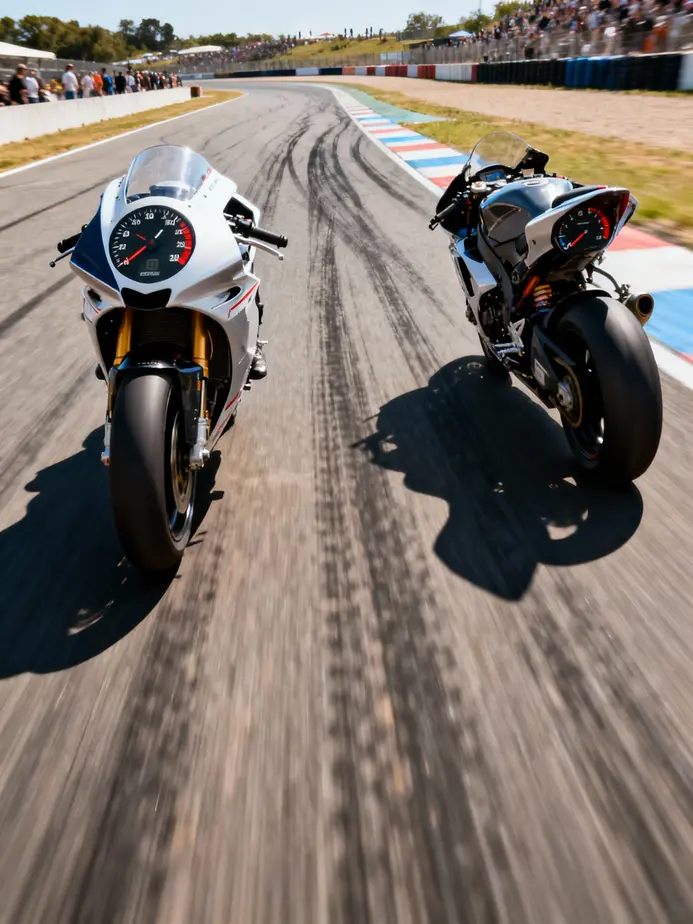
The allure of motorcycle performance often hinges on a single powerful concept: aerodynamics. At the heart of this design philosophy lies the fairing—a strategically crafted panel or set of panels that significantly enhances a motorcycle’s capabilities. Understanding the role of fairings in reducing aerodynamic drag shows how they improve overall speed and efficiency, ultimately making every ride more exhilarating.
Aerodynamics dictates how air flows over and around an object, and on a motorcycle, this interaction can mean the difference between a smooth glide and turbulent drag. Full fairings, which envelop the bike’s body—from headlight to belly pan—serve as a protective shield against the relentless onslaught of wind. By smoothing airflow, these fairings reduce resistance that would otherwise slow the bike down. The impact is notably pronounced at higher speeds, where the relentless grip of air can throttle even the most powerful engines. When designed with precision, modern fairings feature curves and contours that slice through air with minimal disruption, allowing riders to maintain control even when pushing their machines to the limit.
Beyond just drag reduction, fairings contribute vital performance enhancements that riders may overlook. Many advanced designs integrate winglets and aero devices that increase downforce, stabilizing the front end of the motorcycle during aggressive maneuvers. This not only enhances handling in corners but also improves braking capabilities. The airflow generated by these devices can direct air towards brake ducts, ensuring the system remains cool during intense riding sessions. Optimal thermal management is crucial; when brake temperatures rise too high, performance can deteriorate, jeopardizing safety—thus, well-engineered fairings play a pivotal role in maintaining peak performance.
Another critical aspect of fairings is their effect on fuel efficiency. As fairings facilitate better airflow, motorcycles require less energy to sustain their speed. This translates into improved fuel mileage, particularly for long-distance riders who value minimizing stops at the gas station. Testing has shown that motorcycles equipped with properly fitted fairings can achieve notable efficiency gains, especially when cruising above 55 mph. Conversely, it is important to note that damaged or improperly secured fairings can have the opposite effect, increasing drag and adversely affecting performance.
Material choice significantly influences both the functionality and aesthetic appeal of fairings. Carbon fiber, a lightweight and durable option, provides superior aerodynamic properties while reducing the overall heft of the motorcycle. Weighing about 30% less than traditional ABS plastic, carbon fiber fairings support better acceleration and improved handling, crucial for high-performance applications. However, their higher cost means they are often reserved for premium or racing models.
The design of fairings not only affects aerodynamic performance but also contributes to a motorcycle’s overall handling and stability. A thoughtfully engineered fairing can improve weight distribution, enhancing balance while minimizing wind resistance. This fusion of aerodynamics and effective weight management fosters a sense of control and confidence, allowing both novice and seasoned riders to navigate turns with greater ease. In essence, fairings are not merely cosmetic features but integral components that harmonize the bike’s mechanics and the rider’s experience.
To explore the various types of fairings available, from custom designs to those suited for specific models, visit this link, where you can delve deeper into the ways fairings cater to diverse rider needs.
2. Advancing Rider Safety and Comfort through Motorcycle Fairings
Motorcycle fairings play a vital role in enhancing both rider safety and comfort, transforming the overall ride into a more pleasurable experience while simultaneously optimizing performance. By minimizing wind resistance and improving aerodynamics, fairings are engineered to deliver significant benefits that extend well beyond mere aesthetics. At the core of their function is the ability to shield riders from harsh environmental elements and streamline the motorcycle’s design for high-speed stability.
One of the standout features is the full fairing, which encapsulates the bike’s bodywork from headlight to belly pan. These fairings substantially reduce aerodynamic drag, which is especially crucial at elevated speeds. Riders often experience remarkable stability, which is essential for both safety and maneuverability during aggressive riding. Carefully designed curves and contours within these fairings facilitate airflow, aiding in performance enhancements that translate directly to safety; a bike that glides smoothly through air experiences less unexpected turbulence, allowing for better control in critical riding situations.
The impact of aerodynamics on fuel efficiency cannot be overstated. Studies indicate that motorcycles fitted with well-designed fairings can see improvements in fuel economy of up to 10% at sustained speeds over 55 mph. This means that less power is required to maintain speed, granting riders the capability to cover longer distances without the constant worry of refueling. Such efficiency becomes invaluable during extended rides, turning what might feel like an exhausting journey into a comfortable and enjoyable experience.
In terms of comfort, fairings significantly mitigate wind fatigue. For those who frequently tackle highways or engage in long-distance touring, wind resistance can create a physically taxing experience. Fairings serve as a shield, deflecting wind away from the rider, which reduces strain and enhances overall comfort. Models designed for adventure touring often incorporate adjustable wind screens, further optimizing this protective aspect and ensuring that riders can dictate their level of wind exposure based on preference and riding conditions.
Beyond comfort, fairings fulfill a critical role in rider protection against adverse weather and flying debris. In their function as a barrier, fairings not only shield sensitive components from harsh conditions but also ensure that the rider remains insulated from moisture and impact. The protection embedded in the design of fairings can enhance rider confidence, knowing that both they and their motorcycle are better equipped for various environmental challenges.
However, the construction and material of fairings also present essential considerations. Carbon fiber fairings, known for their lightweight and high-performance characteristics, offer an almost unbeatable advantage for speed enthusiasts while being somewhat prohibitively expensive. Conversely, polycarbonate fairings strike a balance between protection and accessibility, proving popular among touring bikes that require ease of maintenance without sacrificing rider comfort. Yet, it’s paramount that fairings are correctly fitted, as improperly installed or damaged panels can compromise the intended aerodynamic benefits, resulting in increased drag rather than enhancements to performance.
Fairings become a double-edged sword: while they augment speed and comfort, they can also add weight and influence handling during low-speed navigation, especially in urban environments. Proper consideration of these elements can ensure riders maximize their experience both on and off the highway, particularly when venturing into diverse terrains.
For a deeper look into the varieties of fairings that contribute to these advancements, visit Types of Fairings on a Motorcycle.
3. Cost and Material Choices: Balancing Performance and Practicality in Motorcycle Fairings
Motorcycle fairings are essential components that significantly enhance performance, serving not only as protective shields against various elements but also as streamlined structures designed to improve speed and handling. To fully appreciate their impact, it’s important to analyze two key facets: the cost considerations associated with fairing installation and the material choices that define their construction.
At the outset, one cannot overlook the performance benefits offered by fairings. When properly designed, they can reduce aerodynamic drag, leading to improvements in speed, acceleration, and fuel efficiency—potentially enhancing fuel economy by as much as 10%. These benefits are particularly appreciated on high-performance motorcycles where the fairings envelop the entirety of the bike’s body, including the engine and rider. Popular sportbikes like the Suzuki GSX-R and Kawasaki Ninja exemplify this with their full fairings that create a seamless aerodynamic profile. Optimizing airflow not only minimizes wind resistance but also effectively directs cooling air towards the engine, prolonging its longevity. Additionally, fairings act as a barrier against debris and harsh weather conditions, safeguarding both the rider and the crucial components of the motorcycle.
However, these advantages come with notable cost considerations. The financial implications of choosing fairings can vary widely, depending on their design and material. For instance, high-performance race fairings—often constructed from advanced composites like carbon fiber—tend to come at a premium due to the extensive engineering required for their development. The sophistication of these fairings often justifies their elevated price, given that they contribute to better handling and performance on race tracks. In contrast, more basic touring fairings, like those found on models such as the Harley-Davidson Road Glide, are cost-effective alternatives that might not provide the same level of aerodynamic optimization but are still functional for long-distance rides.
Installation complexity also factors into the overall expense. While some fairings can be self-installed, others with intricate designs might require professional help, further pushing up costs. Moreover, considering the aesthetic enhancement these components provide, they can positively influence the motorcycle’s resale value. A well-crafted fairing not only elevates the look of a bike but also hints at its maintenance and care, attracting potential buyers.
The choice of materials plays an equally critical role in determining both performance and cost. Carbon fiber stands out for its lightweight properties, offering up to a 30% reduction in mass over traditional materials like ABS. This weight savings can significantly enhance a bike’s agility and response at high speeds, making it a common selection among competitive racing enthusiasts. However, the fragility of carbon fiber can be a double-edged sword, suitable primarily for applications where performance outweighs durability concerns.
Other materials, like fiberglass combined with polyester resins, provide a middle ground, offering a blend of strength and affordability. Meanwhile, bioplastics like Durabio are gaining traction for touring motorcycles due to their eco-friendly properties, though they often command higher prices. ABS plastic remains the go-to material for many motorcycle manufacturers due to its cost-effectiveness and resilience against everyday wear and tear.
Ultimately, choosing the right fairing involves careful deliberation on a motorcycle’s purpose—be it high-speed racing or leisurely touring. Balancing performance needs with budgetary constraints will ensure that riders make informed decisions that enhance their biking experience. To delve deeper into the choices available in motorcycle fairings, refer to a comprehensive guide that outlines the various types and their applications in motorcycles.
Chapter 5: Crafting Harmony: The Role of Material Selection in Motorcycle Fairing Design
1. Balancing Strength and Aesthetics: The Art of Choosing Traditional Fairing Materials
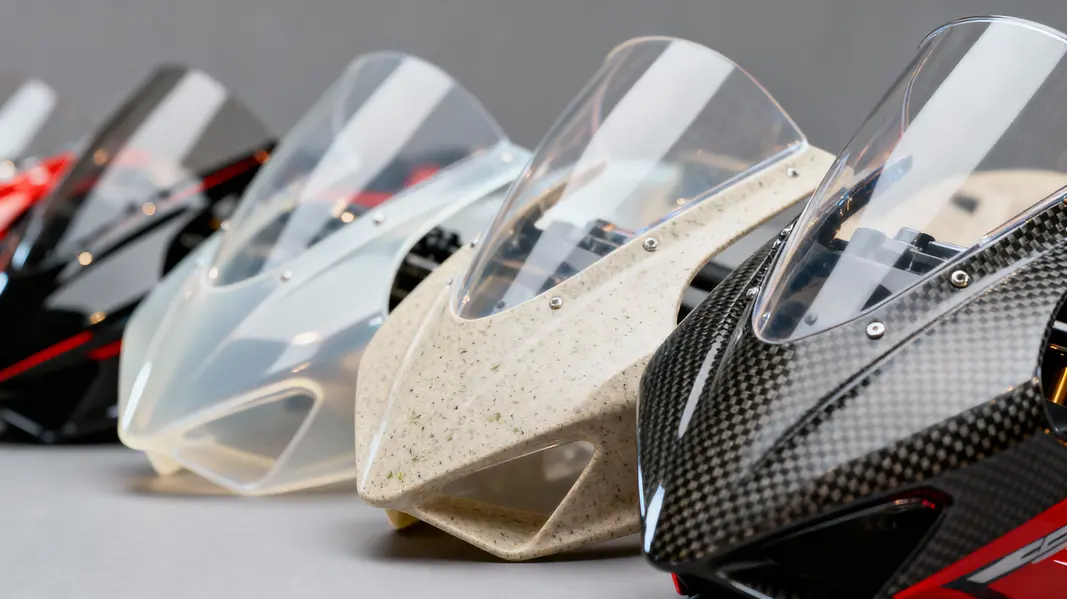
When it comes to motorcycle fairings, the choice of materials is pivotal not only for performance but also for the aesthetic appeal and durability of the bike. The predominant materials used are fiberglass, ABS plastic, and carbon fiber, each offering unique characteristics that cater to various needs and budgets. Understanding these materials helps in making informed decisions for upgrades or replacements.
Fiberglass, a longtime industry standard, excels because of its strength-to-weight ratio. It allows for flexibility in design and manufacturing, making it ideal for customized, hand-laid kits that are particularly popular among café racers and vintage restoration enthusiasts. While fiberglass is indeed durable, it possesses a vulnerability; high impact can lead to cracks, which can be a significant drawback for riders who often challenge their machines against the elements or racetracks. Typically, half-fairing kits made from this material range from $200 to $600, with a lifespan of about 5 to 8 years. Companies like Perfect Fairings are notable for crafting fiberglass components employing advanced techniques such as vacuum forming, enhancing the quality and functionality of these parts for racing and restoration projects alike.
On the other hand, ABS plastic is widely recognized as the go-to material for mass-produced fairings due to its combination of affordability and availability. It strikes a balance between cost and performance, making it an attractive choice for riders on a budget or those looking for easy replacements. Generally, full sets of ABS fairings are priced between $150 and $400, with an average lifespan hovering around 4 to 6 years. Although this material provides decent durability, it does not measure up to the lightweight benefits of fiberglass or carbon fiber, making it less favorable for high-performance applications. The popularity of ABS plastic is manifest in models like the 2021 ZX10R, where it is used effectively to create streamlined, aerodynamic shapes without incurring substantial costs.
Leading the pack in terms of performance is carbon fiber. Renowned for its incredible lightness and strength, carbon fiber fairings offer notable advantages, such as enhanced handling and improved fuel efficiency. While these benefits are enticing, they come at a significant price; carbon fiber components can range from $600 to over $2,000. This premium cost might make carbon fiber less accessible for everyday use, but its reputation shines brightest in show bikes and high-performance setups where weight savings translate directly into speed. Riders favoring carbon fiber can expect an impressive lifespan extending beyond 8 years, which offsets some of the initial investment, particularly in the competitive racing arena.
Ultimately, the decision between fiberglass, ABS plastic, and carbon fiber hinges on the individual rider’s needs and priorities. Fitment is essential across all materials, as fairings are specific to motorcycle models. While OEM versions assure perfect alignment, aftermarket alternatives offer a range of options with varying quality. In an industry often driven by aesthetics, the materials selected for fairing design not only affect functionality but also the overall look of the motorcycle, blending form and function seamlessly. For riders contemplating customizations or replacements, understanding the strengths and weaknesses of these traditional materials is crucial, guiding them toward choices that align with both their performance goals and budget considerations. The art and science behind fairing material selection represent a vital aspect of modern motorcycle design, marrying aesthetics and aerodynamics in perfect harmony.
For further insights into the various types of fairings and how they cater to individual styles and preferences, check out our comprehensive guide on custom motorcycle fairings.
2. Eco-Friendly Advances in Fairing Materials: Unpacking Honda’s Durabio and Recycled Plastics
The quest for sustainability in motorcycle design has forged new paths in material science, particularly with the integration of innovative composites such as Honda’s Durabio and advanced recycled plastics. In the realm of motorcycle fairings, these materials not only contribute to environmental sustainability but also enhance the overall performance and aesthetics of the bikes they adorn.
Honda’s Durabio represents a remarkable leap forward in eco-friendly fairing materials. Derived from renewable plant sources like castor oil, this bio-based plastic is engineered to offer numerous advantages over traditional petrochemical alternatives. Its high optical clarity allows for colorful, glossy finishes without the need for the emissions-heavy painting process, significantly reducing the carbon footprint associated with motorcycle manufacturing. Furthermore, Durabio’s robust properties—high scratch resistance, UV durability, and impact strength—make it a prime candidate for fairings that endure the rigors of the open road and changing weather conditions.
Models such as the CRF1100L Africa Twin proudly showcase the world’s first Durabio windscreen introduced in 2024, underscoring its suitability for high-performance adventure motorcycles. This windscreen is not merely another aesthetic element; it is an engineering innovation that streamlines airflow while protecting the rider from wind and weather. Other models—including the X-ADV, Forza 750, and the NC750X—continue to adopt Durabio extensively, demonstrating how sustainable materials can integrate seamlessly into the practical needs of motorcycle design without compromising on performance or style.
This trend reflects a broader industry pivot towards eco-conscious practices. By incorporating recycled plastics into the manufacturing process, Honda and similar manufacturers are taking substantial steps to mitigate waste. The NC750X, noted for its sharp, adventurous styling, incorporates recycled plastics into its body, showcasing how sustainability can be married to aesthetic appeal. These materials not only help reduce dependency on virgin plastic but also contribute to the circular economy, wherein waste materials find new applications, thus lessening the overall environmental impact.
The engineering challenges of integrating these materials into motorcycle fairings are significant but not insurmountable. For instance, the 2025 Transalp is set to feature a redesigned upper fairing made with Durabio, which benefits from its high transparency to improve airflow dynamics. In contrast, the NT1100 is crafted with a newly styled front fairing incorporating this bio-based material, enabling both design innovation and functional enhancement. The NC750X also exhibits how form and function coexist, offering robust, sustainable bodywork that meets contemporary expectations for durability and performance.
However, one must acknowledge the limitations that arise when pushing the boundaries of material science in racing-oriented designs. The inherent performance demands of high-speed motorcycles, such as the Fireblade, often require specific material properties that may surpass what eco-friendly composites can currently offer. Hence, while innovations like Durabio open the door to more sustainable practices, careful consideration is necessary regarding their application in extreme performance scenarios.
Ultimately, the inclusion of innovative materials like Honda’s Durabio and recycled plastics signifies a marked shift toward sustainable practices in motorcycle fairing design. This evolution not only caters to the environmental conscience of manufacturers and consumers alike but also enriches the aesthetic and functional diversity of today’s motorbikes. As more manufacturers adopt such materials, the future of motorcycle fairings looks not just stylish and aerodynamic but increasingly green, paving the way for responsible riding.
3. Crafting Tomorrow’s Dreams: Advanced Techniques and Customization in Fairing Production
The evolution of motorcycle fairings reflects not only advancements in materials but also innovative manufacturing techniques. Central to these developments are methods like injection molding and carbon fiber construction, which have revolutionized both performance and aesthetics in the motorcycle world. Injection molding, primarily used for ABS plastic fairings, dominates the industry due to its reliability and precision. This technique produces flexible, impact-resistant components tailored for individual motorcycle models, ensuring a perfect fit with pre-drilled holes for straightforward bolt-on installation. For instance, the kits designed for the Kawasaki ZX6R 2024-2026 model exemplify this method’s efficiency, offering riders durable and aesthetically pleasing fairings that withstand the rigors of high-speed riding while enhancing the motorcycle’s overall aerodynamic profile.
Conversely, the allure of carbon fiber has captured the attention of high-performance motorcycle enthusiasts. Utilizing advanced manufacturing techniques, such as handmade dry carbon processes, these fairings offer significant weight reductions without compromising strength. Twill weaves and honeycomb structures employed in parts like belly pans and side fairings deliver superior thermal resistance and flexibility. Manufacturers, for instance, have embraced carbon fiber to produce fairings for iconic models like the Kawasaki ZX10R and BMW S1000RR, achieving a remarkable balance between functionality and style. Additionally, the application of multiple protective coatings ensures that these components maintain their vibrant aesthetics and performance over time, appealing to both track racers and touring riders alike.
One of the significant drivers of contemporary fairing design is the focus on aerodynamics. Innovative fairing designs, such as those inspired by the FXRT for the 2026 Harley-Davidson Low Rider ST, showcase integrated lighting systems and sleek forms that enhance wind management. These advancements not only boost performance by reducing drag but also improve rider comfort during long-distance travel. With features like digital displays and cast aluminum wheels, these motorcycles represent a blend of advanced engineering and modern styling that caters to an audience sophisticated enough to appreciate both form and function.
The surge in motorcycle customization further contributes to the industry’s dynamism. Enthusiasts are increasingly drawn to aftermarket modifications that enhance style and performance, including split-pattern paint jobs and advanced coatings that resist fading and heat. As riders seek personalized experiences, customization options for fairings are expanding rapidly. Many suppliers now offer a diverse range of accessories, such as tinted windshields and customizable seat cowls, allowing riders to tailor their bikes to match personal aesthetics without sacrificing performance. This growing trend reflects a larger cultural shift within the motorcycle community, where individuality and expression are paramount.
Meanwhile, original equipment manufacturers (OEMs) are not merely observing this customization trend but actively integrating it into their designs. With a keen focus on rider comfort and stability, they have made strides in optimizing chassis designs to achieve improved handling at high speeds. For example, lean-optimized angles of around 31.3 degrees reflect a commitment to creating an enjoyable ride for both novice and seasoned riders.
In conclusion, the landscape of motorcycle fairings is transforming, driven by a cocktail of technological advancements, customization trends, and a deeper understanding of rider needs. As manufacturers adopt a mix of established techniques and innovative approaches, the future of fairing design looks promising. This progression not only highlights the industry’s adaptability but underscores the essential balance between performance and personalization, ensuring that motorcycle fairings continue to evolve in line with rider expectations. For more insights on the dynamic nature of motorcycle fairings and customization, a deep dive into the aftermarket landscape is available in related studies.
Final thoughts
Motorcycle fairings are essential components that serve multiple functions, enhancing both performance and aesthetics. Understanding the different types of fairings, their aerodynamic roles, and how they contribute to overall rider safety and comfort is crucial for any motorcycle enthusiast or business owner in the biking industry. The material innovations further transform fairing design, promising a blend of durability, style, and eco-friendliness. As the motorcycle market continues to evolve, the fairing remains a pivotal aspect of motorcycle design, impressing with its functional and aesthetic contributions.
Ready to elevate your ride? Summit Fairings delivers premium, custom-fit fairings that blend style and durability. Whether you’re chasing speed or turning heads, we’ve got your bike covered. Don’t wait—transform your machine today. Click, customize, and ride with confidence. Your perfect fairing is just a few clicks away. Act now!
About us
We are one of the leading motorcycle fairing export sites, with over 3,000 styles across almost all motorcycle models. Buy from summitfairings.com, and pay 10-40% less than the prices on other sites. If you have any questions, we promise we will have your answer within six hours.