
Yamaha motorcycle fairings represent a crucial development in motorcycle design, bridging the gap between aesthetics and performance. Designed to improve aerodynamics, enhance speed, and bolster safety, these body panels have become integral to both street and race setups. In this exploration, we’ll delve into three main aspects of Yamaha fairings: the aerodynamic and performance benefits derived from their design; a technical overview of the materials used to ensure durability and functionality; and the current market trends and purchasing options available for business owners keen on enhancing their offerings. Each chapter builds on the importance of fairings in optimizing Yamaha motorcycles, emphasizing their impact on performance, style, and customer satisfaction.
Wings of the Wind: Aerodynamics, Materials, and the Performance Edge of Yamaha Fairings
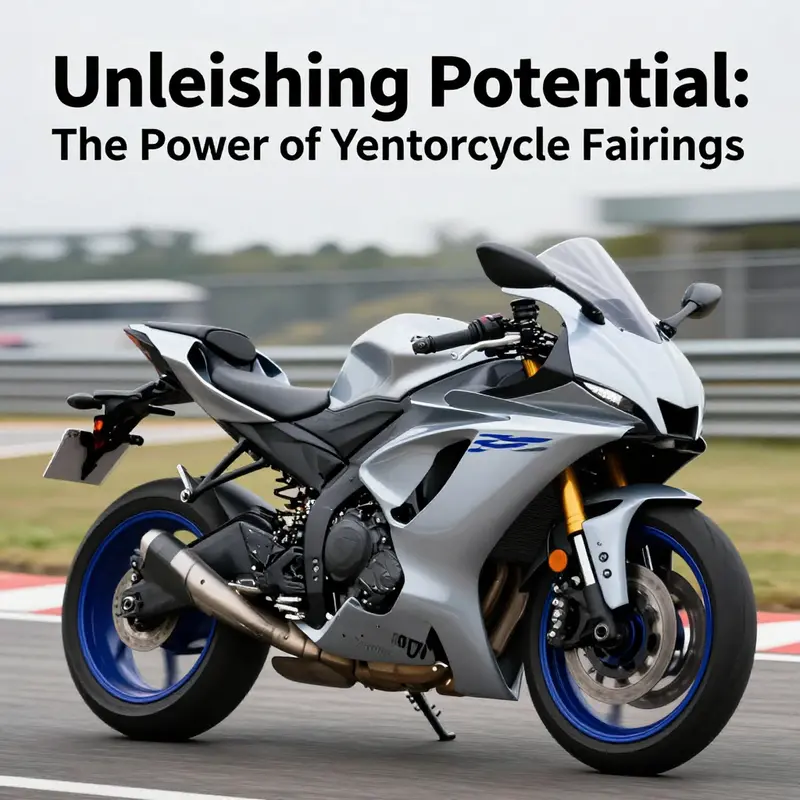
In the world of high-performance motorcycles, the fairing is more than a stylistic shell. It is a carefully engineered interface between the rider, the engine, and the air that rushes past at speed. For Yamaha, the fairing architecture is a conjunction of form and function, a product of iterative refinement that aims to shave seconds from lap times while also delivering practical benefits for street riders. The essence of Yamaha fairings lies in their ability to shape the flow of air with precision, guiding it around the bike in a way that minimizes drag, cushions the rider from the blunt forces of wind, and manages the heat that radiates from the engine and brakes under demanding conditions. When a rider leans into a corner or touches the throttle on a straight, it is the fairing’s performance in the air that contributes to how the machine feels and how predictably it behaves. This is the core rationale behind their design philosophy: reduce resistance, improve stability, and yet retain the accessibility and personality that define Yamaha machines on both the street and the track.
Aerodynamics, at its heart, is a study of how air moves around irregular shapes. A well-designed fairing smooths the boundary layer—the thin layer of air in direct contact with the surface—and delays turbulences that would otherwise rob the motorcycle of energy. When the shape surfaces cleanly shed air and minimize wake behind the rider, the bike experiences less drag and less gust-driven disturbance at high speed. In racing applications, these effects compound. A few percent of drag reduction can translate into measurable gains in top speed, acceleration, and, crucially, the rider’s ability to hold a precise line through a braking zone or a fast corner. Yamaha’s approach to fairing design recognizes that every millimeter of smoother airflow matters. The result is a body of panels that not only covers the machine but also choreographs its interaction with air, translating unseen forces into tangible performance.
The materials chosen for Yamaha fairings reflect a deliberate balance between weight, stiffness, and durability. Carbon fiber stands out for its exceptional strength-to-weight ratio. It allows engineers to sculpt complex curves that draw air toward favorable paths while keeping overall mass low. In many models, carbon fiber is used in high-stress zones and in surface layers where stiffness supports precise fitment and reduces vibration-induced wear. Fiberglass offers a robust, more cost-effective alternative with ample stiffness and impact resistance, making it a popular choice for mid-range performance levels or certain production models. High-grade ABS plastic, while heavier than carbon fiber and fiberglass, provides excellent impact resistance and ease of manufacturing. It accepts complex molds well, supports integrated features such as air intake ducts, and tolerates the rigors of daily riding and routine maintenance. The mix of these materials, sometimes layered in multi-material assemblies, allows Yamaha fairings to remain lightweight without compromising integrity. This careful material selection improves the power-to-weight ratio, a fundamental leverage point for performance. When the rider’s weight and the bike’s propulsion are placed on a smaller, stiffer shell, steering response becomes more immediate and intuitive, especially when the tempo of riding shifts from cruising to corner-forming or sprinting on a race course.
Aerodynamics and engine cooling are intertwined in the fairing’s job description. The design must accommodate air intakes that welcome fresh cooling air to the radiator and the engine, while also ensuring that the same streams do not become turbulent recirculation within the engine bay. The intake mouths are sculpted not only to channel air efficiently but also to minimize noise and unwanted pressure fluctuations that could upset the engine’s air-fuel balance. The fairings also work in concert with engine covers and additional body panels to form a cohesive airflow system. When airflow is channeled properly, not only is the engine cooled more evenly, but nearby components experience reduced thermal gradients that can compromise performance over multiple laps or extended highway cruising. The fairings become a quiet partner to the engine, shaping the environment in which the powerplant operates rather than simply occupying space around it.
The practical realities of street riding versus racing illuminate another facet of Yamaha’s fairing strategy: there is room for both extremes within a single family of products. Some models employ partial fairings that purposefully balance aerodynamic gains with accessibility and practicality. These designs typically offer better airflow control and improved fuel economy through more controlled wind management, while also ensuring riders have easier access to the engine for maintenance or service. The rider’s exposure to wind is reduced, yet not eliminated, allowing comfortable highway cruising without the extremes of a full fairing setup. In urban or mixed riding, this balance becomes a meaningful advantage—a fairing that shields the torso and shoulders from buffeting while still enabling straightforward access for quick checks or routine service.
Fairing design does not exist in isolation. It thrives when integrated with other components that manage flow and cooling. Engine covers, secondary panels, and even the geometry of the undercarriage contribute to a more complete aerodynamic picture. The interplay between panels and air paths can redirect vortices away from critical hotspots, reducing drag-induced lift and stabilizing the chassis at high speeds. The result is a bike that feels planted, responsive, and confidence-inspiring when racking up hours on a track or carving mountain roads on a weekend ride. This synergy is a core reason why Yamaha’s fairings are treated not as mere skins but as active systems that work in harmony with the engine, suspension, and rider inputs.
In practice, racers often seek the thinnest possible skin with the most efficient air channels, but the street rider’s expectations differ. A fairing must endure a wider range of impacts, from street debris to occasional drops during laps or misjudged parking maneuvers. Carbon fiber and reinforced composites deliver durability without excessive weight, yet they demand precise production processes and careful handling during installation and maintenance. The material choices, combined with modular design philosophies, allow riders to swap panels, repair sections, or tune the angles of intake ducts to suit local conditions. The end result is an adaptable aerodynamic package that preserves the core competitive edge while remaining accessible to a broad community of enthusiasts.
The aesthetic language of Yamaha fairings matters too. Aerodynamics has never been divorced from visual coherence. A flowing silhouette not only reduces drag but also communicates a sense of purpose and speed. The lines guide the eye along the bike’s chassis, echoing the lines of the engine and frame. This unity between form and function contributes to the machine’s overall presence and helps riders feel connected to the bike’s intent. For many, this is as much a psychological advantage as it is a technical one: a bike that looks and feels like it is cutting through air can elevate a rider’s confidence and focus.
For those who are curious about a broader spectrum of fairing choices and how they relate to Yamaha’s design philosophy, there are dedicated online collections that group Yamaha fairings by model and generation. These resources highlight the range of shapes, sizes, and features that have evolved over the years, from race-ready configurations to street-oriented variants. The emphasis remains on air management, lightweight construction, and modularity, so riders can tailor the machine to their preferred riding style while preserving the liveability and reliability that define modern motorcycling.
To situate this discussion in practice, imagine the rider adopting a track-focused stance: the bike is leaned, the fairing panels are contoured to maintain clean separation of air over the sides, and the rider’s helmet height is positioned to minimize buffeting. At this moment, the fairing ceases to be a passive shell and becomes a disciplined partner in the rider’s choreography. Small design decisions—where a vent opens, how a curve profiles a passing gust, how a panel mates with the windscreen—compound into a measurable performance edge. The rider feels the difference in cornering stability, throttle response, and confidence in high-speed sections. This is the essence of why Yamaha invests time and resources into fairing development: not to obscure the bike’s personality, but to reveal it through improved control, efficiency, and demeanor on the road and the racetrack.
Beyond the track, the same aerodynamic principles inform the street-going variants. Even in daily use, a streamlined fairing reduces wind fatigue on longer rides, which translates to better rider endurance and less fatigue-related grip loss. The more refined the airflow management, the more predictable the wind loads on the rider and the chassis become. In that sense, a well-executed fairing is a technology that benefits both performance and comfort, tying together physics, materials science, and human factors to create a riding experience that feels smoother, faster, and more natural.
For riders who want to explore the practicalities of upgrading or customizing their Yamaha machine, the conversation naturally turns to compatibility and fit. A modern fairing system is designed around a shared philosophy: accurate fitment, modular attachment points, and reliable mounting hardware that preserve alignment under stress. This is part of why aftermarket and OEM-inspired fairings emphasize precise tolerances and tested mounting schemes. When a panel is aligned with the frame and radiator inlets, and when fasteners locate cleanly without requiring dramatic modifications, the resulting performance gains are not rhetorical; they are realized as improved aerodynamics, better engine cooling, and a bike that feels more cohesive at speed.
To those who want a tangible starting point, a thoughtful path is to study how a fairing’s curvature interacts with the rider’s posture and the bike’s geometry at different speeds. A seat height, bar position, and overall rider triangle influence how air attaches around the torso and arms. A fairing tuned for a rider in a slightly forward-leaning stance can provide the best protection against wind shear while maintaining an uncluttered air path along the sides and over the top of the tank. The tuning goes beyond cosmetics; it is a dance with the air, a negotiation that yields a bike whose behavior remains stable even as conditions change—from a light tailwind to a gust at the end of a straightaway.
From a broader perspective, the principles behind Yamaha fairings hold lessons for other industries that borrow from motorcycle aerodynamics. The quest to minimize drag, manage heat, and optimize airflow resonates in applications ranging from industrial vehicle design to efficient transport solutions. The idea is simple in concept, yet complex in execution: a skin that respects the fluid around it, extracts momentum where it helps, and dissipates turbulence where it harms performance. This is the invisible but crucial work that fairings perform, turning the thrilling experience of speed into something controllable, repeatable, and emotionally engaging.
For readers seeking a practical reference to explore specific models and the evolution of Yamaha’s aero design, a curated collection of Yamaha fairings can be consulted through the online catalog that emphasizes model-specific configurations and compatibility. Access to a focused range of panels and bodies helps riders understand how the design language translates into real-world performance and aesthetics. Yamaha fairings collection provides a clear lens into how these panels are organized and how a rider might approach a conversion or replacement project with the right parts in mind.
In sum, Yamaha fairings are a microcosm of performance engineering. They embody the idea that speed is not just about raw power but about harnessing air with intent. They bring together material science, fluid dynamics, structural engineering, and rider ergonomics to create a system where each panel has a purpose. When riders slide into a rhythm that respects wind and weight, the fairings do more than protect; they enhance the machine’s character, allowing the rider to express speed with grace and precision. As the air sweeps past the bike, the fairings stand as a quiet testament to the craft of making wind and machines work in harmony, a reminder that the beauty of performance is often found in the unseen seams and the deliberate curves that shape how a motorcycle moves through space.
External reference for deeper technical context on fairing aerodynamics and performance can be found in external industry coverage, which delves into how even small aerodynamic gains translate into real-world track results: https://www.motorcycle.com/yamaha-r6-fairing-aerodynamics-performance/
The Architecture of Speed: Material Science Behind Yamaha Motorcycle Fairings
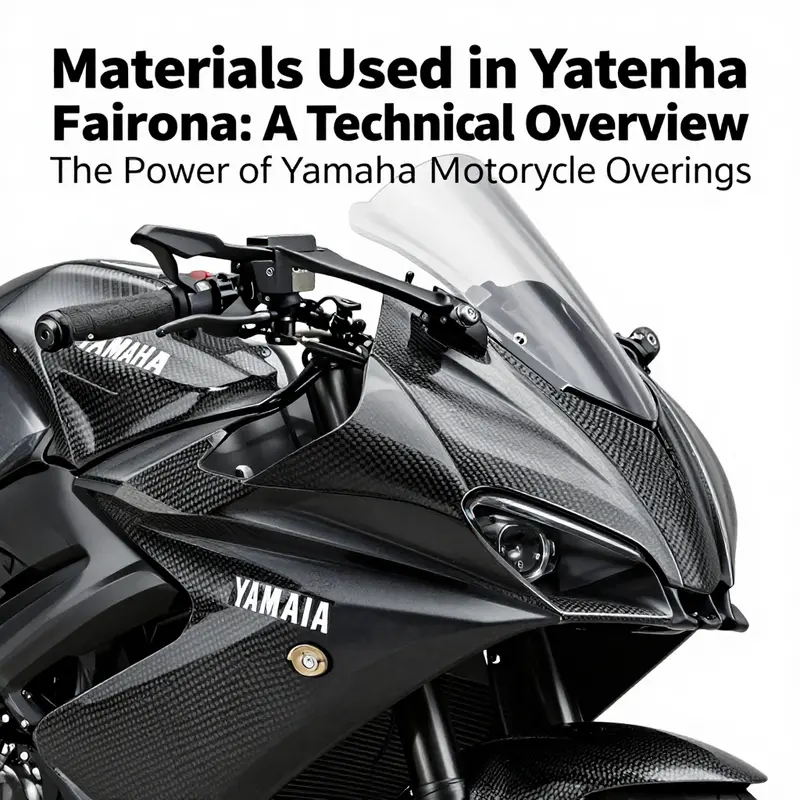
Every high performance stance on two wheels rests on a quiet, carefully chosen set of decisions about material science. When a rider leans into a bend or dives toward a straight, the fairing panels that seem to simply dress the bike are, in fact, integral variables in a complex equation: how light can the bike be without sacrificing strength, how smoothly the surface can interact with air at speed, and how well the fairing can endure heat, impact, and the vagaries of weather and road debris. For Yamaha motorcycles, as with any brand that blends racing heritage with street credibility, the materials that compose the fairings do not merely cover the chassis; they shape the machine’s character. They determine how fast the bike accelerates, how precise it feels under the rider’s hands, and how confidently a rider can push near the edge of grip. In this light, the story of Yamaha fairings unfolds as a narrative of material selection and engineering discipline, where choices about polymers, fibers, and resin systems ripple outward into performance, durability, and even aesthetics.
At the heart of most Yamaha fairings lies a triad of material families that engineers routinely compare, contrast, and optimize: acrylonitrile butadiene styrene, commonly known as ABS; carbon fiber reinforced polymer, or CFRP; and the more economical, yet still capable, fiberglass reinforced polymer in some midrange implementations. ABS serves as the backbone for mass-produced, OEM-grade panels and many aftermarket replicas. Its appeal lies in a balanced mix of impact resistance, processability, and paintability. ABS is born for molding. It accepts sharp radii and complex geometries with a flow that makes it economical for high-volume production. Uniform surface quality, a smooth base for primers and finishes, and predictable behavior under heat cycles are assets that keep manufacturing costs in check while delivering panels that look right on the street and fit right on the bike. In practice,ABS fairings are the most common sight across a broad spectrum of Yamaha models in the aftermarket ecosystem and OEM lines. The manufacturing ecosystem that supports ABS components often concentrates in regions with large injection-molding industries. In one manufacturing corridor, high-volume ABS injection molding thrives, with suppliers in places like Fujian focusing on durable, paint-ready panels that meet the exacting tolerances required for proper fit and seamless assembly. The result is a practical, durable shell that handles daily riding as well as the occasional track day, all while keeping the cost of replacement reasonable for riders who want to refresh their look without breaking the bank.
Yet the performance envelope Yamaha riders chase often calls for more than the humble but sturdy ABS can offer. Carbon fiber, the iconic material associated with racing performance, enters the story when a rider or team wants to maximize stiffness and minimize weight. CFRP comes in two recognizable flavors that reflect different performance targets and budgets: dry carbon and wet carbon. The dry carbon approach is the pinnacle for serious enthusiasts and professional racing applications. In dry carbon, prepreg (pre-impregnated) carbon fiber fabric is laid into a mold and cured under vacuum or in an autoclave. The resin content is kept deliberately low, yielding a part with exceptionally high stiffness and a very high strength-to-weight ratio. The surface finish on dry carbon parts is often superb, with a lustrous gloss that can be left as-is or given a topcoat. The production chain for dry carbon is precise and capital-intensive. It requires controlled environments, exact fabric layups, and curing methods that minimize resin-rich zones and ensure consistent laminate thickness. Guangdong, with its advanced composites industry, has emerged as a hub where manufacturers combine material sourcing, mold design, and precision fabrication to deliver high-fidelity dry carbon fairings. The payoff is a substantially lighter shell that reduces the bike’s overall weight and improves the power-to-weight ratio. For riders who chase top-tier aerodynamics and tactile feedback through the handlebars, dry carbon represents a defining upgrade—a choice that communicates commitment to performance even before the bike leaves the garage.
Wet carbon fiber offers a more accessible path to CFRP benefits. In this approach, the carbon fabric is infused with resin after being laid into the mold. While still strong and light, wet carbon typically carries a higher resin content than its dry counterpart, which can result in a slightly heavier part and a broader tolerance for manufacturing variability. The cost delta between dry and wet carbon can be meaningful, but wet carbon remains attractive for those who want near-high-end performance without the premium price tag. The trade-offs involved in selecting between dry and wet carbon extend beyond weight; they touch on processing time, shop capabilities, and long-term durability considerations. For many riders, the decision comes down to the balance of weight savings versus the realities of daily use and repairability. A meticulously engineered wet carbon shell can offer impressive stiffness and a high-quality finish, while remaining within a practical budget, particularly when produced at scale in a well-integrated supply chain that controls resin content and curing parameters.
Between ABS and CFRP sits a third material family that often fills the gap in price and performance: fiberglass reinforced polymer. Fiberglass lies at a mid-point, offering respectable strength and stiffness without the cost and complexity of carbon fiber. It is particularly effective for riders who want durability during casual riding and occasional track days, where the fairing’s job is to resist impacts and maintain structural integrity while still presenting a sleek silhouette. Fiberglass fairings are easier to repair in some scenarios, and they respond well to traditional paint systems, making them popular in certain markets where price sensitivity and repairability are valued. The fiberglass route also benefits from established production know-how across automotive and motorcycle industries, providing a reliable path for manufacturers to deliver consistent panels at a favorable cost, while still offering attractive aesthetics.
Beyond these core materials, the surface treatment and finishing systems play a crucial role in translating the raw properties of ABS, CFRP, and fiberglass into durable, showroom-worthy panels. The outermost layer often consists of high-performance clear coats or pigmented UV-stable paints that resist yellowing and abrasion from highway debris. The paint system must adhere firmly to the substrate, whether it is ABS or carbon fiber, which means careful attention to surface preparation, adhesion promoters, and primer layers. For carbon fiber, resin-rich surfaces or clear coats must also combat potential delamination that can arise from impact stresses or environmental exposure. In practice, this means the engineering team considers not only the mechanical attributes of the body panel but also how the panel will respond to temperature swings, humidity, rain, and the sun’s ultraviolet radiation over thousands of miles. The end result is a panel that looks pristine after prolonged exposure and can be repainted or repaired with a predictable result when the time comes.
From a design perspective, the choice of material also informs how the fairing interacts with other components and with the rider. CFRP’s stiffness translates into more precise aerodynamic behavior, contributing to a more stable ride at speed and better responsiveness in steering inputs. ABS, with its forgiving manufacturing process and excellent impact resistance, tends to perform well in street-oriented configurations where daily reliability and easy repair are valued. Fiberglass, offering a middle ground, can deliver a balance of weight, cost, and durability that suits mixed-use motorcycles and riders who want a practical upgrade without venturing into premium materials. Sewing these material choices into the fairing geometry involves a close collaboration between aerodynamicists, tooling specialists, paint technicians, and end users who demand that the final product withstand both the track day and the daily commute.
As soon as the discussion turns to production realities, it becomes clear that the material strategy for Yamaha fairings is not a single line item but a map of trade-offs. The supply chain for raw materials—polymer resins, carbon fibers, fabric weaves, and reinforcing fillers—must align with tooling and molding capabilities. For ABS, economies of scale play a major role, enabling a broad distribution network and quick turnover of replacement panels. For CFRP, the story becomes a narrative of precision, with suppliers who can provide consistent prepregs, high-quality carbon fabrics, and advanced curing technologies, whether in autoclaves or vacuum infusion setups. In facilities that can sustain the tight tolerances required for fairing geometries, the nanoscopic alignment of fibers in a carbon laminate translates into tangible gains in strength and stiffness. This is where the manufacturing ecosystems in coastal and urban centers come into contact with engineering ambitions: the two must be in harmony to deliver panels that not only perform but also survive the test of time and miles.
Maintenance realities also shape material decisions. ABS is relatively forgiving when it comes to repairs—welds, heat bends, and patching can restore a panel after an accidental encounter with a curb or a parking lot barrier. Carbon fiber, particularly dry carbon, demands a more specialized approach. Repair procedures often involve resin repair kits, patching with compatible fabrics, and, in some cases, panel replacement. The aesthetic of carbon fiber is part of its appeal, and many riders invest in skilled repair to preserve the look as much as the strength. The dialogue between material choice and maintenance is a continuous loop: riders demand longevity and a surface that remains pristine, while manufacturers balance the cost of repair with the reality that track days and aggressive riding will eventually test the panels. The result is a spectrum of fairings that are designed to be repaired, replaced, or refreshed with new finishes as needed, all while maintaining the performance envelope that the original design promises.
From the rider’s perspective, the selection of a fairing material translates into a tangible sense of the machine’s personality. A carbon fiber shell whispers of lightness and stiffness, offering an almost tactile clarity in steering feedback and a crispness in throttle response as the engine breathes through a well-formed air intake path. ABS panels, with their robust feel and consistent paint quality, deliver confidence in daily use and a dependable surface for customization through color and graphics. Fiberglass sits comfortably in between, providing a practical alternative that still conveys a degree of sportiness and a modern, appealing silhouette. These material identities are more than technical choices; they are statements about what the rider values—weight, speed, resilience, or a blend of each.
For riders who want to connect with the broader ecosystem of Yamaha fairings, the available options extend beyond raw material choices to how the panels fit within the bike’s broader design language. A comprehensive approach to fairings considers the integrated design elements such as air intakes for engine cooling, mounting points for mirrors and lighting, and provisions for electrical harnesses and sensors. The interplay of these elements with the chosen material system influences how cleanly the bike’s silhouette reads at speed and how well the assembly resists the stresses of vibration, wind pressure, and road spray. In practice, a well-executed fairing system—regardless of whether it uses ABS, CFRP, or fiberglass—will deliver a unified appearance that enhances not only the bike’s performance but its personality as well, reinforcing a rider’s sense of connection to the machine and to the road ahead.
From the standpoint of purchasing and customization, riders are met with a spectrum of options that reflect these material realities. Many riders gravitate toward a complete fairing package that offers a guaranteed fit, a promise of durability, and a finish that remains consistent across panels. The decision-making journey often begins with a clear view of intended use: daily commute versus weekend track sessions or a blend of both. Those who pursue maximum performance and a racing lineage lean toward CFRP with a dry carbon focus, accepting the higher price and the more demanding repair workflow in exchange for a lighter weight and stiffer structure. Others who value practical ownership and a broad support network may favor ABS-based or fiberglass alternatives, recognizing that the material’s resilience, paintability, and repairability fit their riding life. In every case, the material choice informs not only how the fairings perform but how they are perceived by the rider—their lines, their microtextures under sunlight, and the way they respond to a tune-up or refresh of paint and finish. This is the subtle art of fairing design, where science and aesthetics converge to shape the rider’s experience.
For readers seeking a practical starting point in the exploration of Yamaha fairings, a curated collection can offer a structured overview of available options and styles. Yamaha fairings collection presents a window into how different panels and finishes align with different material stories. Exploring such a collection can illuminate how a given bike’s silhouette and the rider’s goals intersect with the underlying material architecture, from the light, glossy sheen of a carbon fiber panel to the predictable, durable finish of a well-made ABS shell. The journey through these panels is not only about choosing a look; it is an exercise in aligning material properties with riding intent, maintenance expectations, and the tactile feel a rider seeks when leaning into a curve or bleeding off speed on a long, open stretch of road.
In sum, the materials behind Yamaha fairings are more than a technical footnote. They are the foundational determinants of performance, durability, and personality. ABS provides accessibility and reliability; CFRP offers the aspirational blend of lightness and stiffness; fiberglass furnishes a practical middle ground that balances cost and performance. The finish and assembly processes translate these material choices into surfaces that endure, protect, and please the eye. The story of Yamaha fairings, then, is the story of how material science translates into motion—how polymer science, fiber engineering, and advanced curing techniques converge to keep a rider connected to the road, the wind, and the machine they trust to take them there. The choices made in the workshop yesterday shape the ride you experience today, and they will continue to influence the fairings of tomorrow as new materials and processing methods unlock further possibilities for speed, safety, and style. For riders, engineers, and enthusiasts alike, understanding these materials provides a roadmap to better, smarter, and more capable riding machines. And while the materials may be hidden beneath glossy finishes and aerodynamically sculpted curves, their impact is felt every time the bike accelerates out of a corner, every time the wind slips past the rider’s visor, and every time the bike’s silhouette speaks to a shared aspiration: to ride with speed, control, and confidence.
External context can offer a deeper technical lens on the materials discussed here. For a detailed, technical exploration of material composition and practical applications, see the authoritative overview linked in the sources: Motorcycle Insight’s technical insights on Yamaha fairing materials. This resource delves into the mechanical properties, performance trade-offs, and application-specific considerations that guide engineers in selecting ABS, CFRP, and fiberglass for motorcycle fairings. In particular, it discusses the nuances of carbon fiber composites, resin systems, curing methods, and surface finish strategies that influence long-term durability and paint adhesion in real-world conditions. While the specifics may vary between models and framing of each design cycle, the fundamental material science principles highlighted in this reference illuminate why certain materials consistently emerge as preferred choices in high-performance motorcycle fairings.
In the evolving landscape of motorcycle aerodynamics and lightweight construction, the material narrative remains central. Advances in resin chemistry, fiber reinforcement techniques, and hybrid laminate concepts continue to push the envelope of what fairings can achieve. The Yamaha lineage, with its emphasis on performance envelope and rider experience, benefits from these advances as it looks to balance the relentless pursuit of speed with practical realities of durability and repair. Riders who seek to optimize their machines now have a clearer map of the material terrain: ABS for accessible, durable street-focused builds; CFRP for weight-conscious, performance-driven configurations; and fiberglass for a middle path that offers solid performance at a more approachable price point. Each choice resonates with a philosophy about what the machine is meant to be, how it will be used, and how it will endure the miles ahead. This material perspective is not merely technical—it is storytelling in solid form, a way to translate engineering intention into the lived experience of speed, control, and confidence on the road.
External resource note: for readers who want to explore the science behind material choices in greater depth, an external reference provides a comprehensive technical framework that complements the discussion above. See the Motorcycle Insight article for a detailed technical overview of Yamaha fairing materials.
Riding Shield: Yamaha Motorcycle Fairings
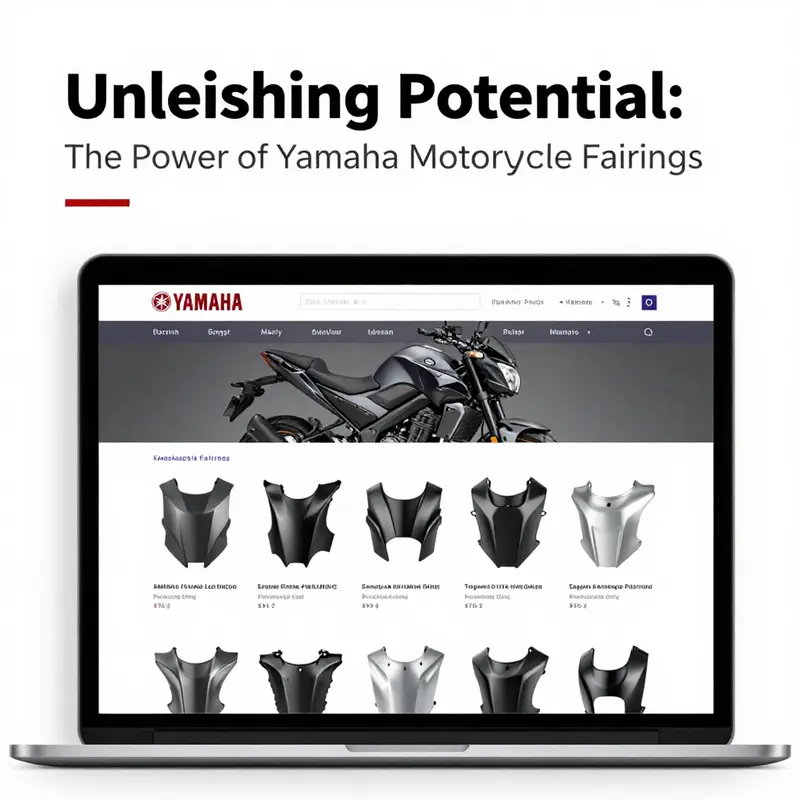
Fairings are the aerodynamic skin of a motorcycle, shaping airflow, cooling, and rider comfort. Yamaha’s fairing design blends racing heritage with street practicality, balancing drag reduction, stability at speed, and the rider’s sense of sport. This chapter outlines how material choices (carbon fiber, fiberglass, ABS), joinery, and lightweight geometry contribute to performance, durability, and serviceability. It also discusses the distinction between race and street configurations, customization options for color and finishes, and the purchasing landscape focused on authentic, well-fitting components and reliable post-sale support. Finally, it situates Yamaha’s approach within broader market trends toward enhanced aerodynamics, protection, and personal expression through bodywork.
Final thoughts
In conclusion, Yamaha motorcycle fairings play a pivotal role in enhancing both the performance and aesthetic appeal of motorcycles. By understanding the aerodynamic advantages and the advanced materials used in their construction, business owners can make informed decisions regarding their offerings. Furthermore, awareness of market trends and purchasing options allows businesses to stay competitive in a burgeoning motorcycle accessory market. Investing in quality fairings not only caters to performance enthusiasts but also aligns with growing consumer trends toward customization and quality in modern motorcycling.