
Chinese motorcycle fairing kits have become a game-changer for riders looking to boost their bikes’ aesthetics and performance affordably. As the leading manufacturer in this sector, China offers high-quality options crafted from advanced materials. This guide aims to provide business owners with detailed insights into the composition and materials of these kits, various design applications, sourcing potential, the practical benefits of adopting these kits, and emerging market trends. Understanding these aspects will help businesses make informed decisions when investing in motorcycle enhancements.
Material Alchemy: How the Composition of Chinese Motorcycle Fairing Kits Shapes Speed, Safety, and Style
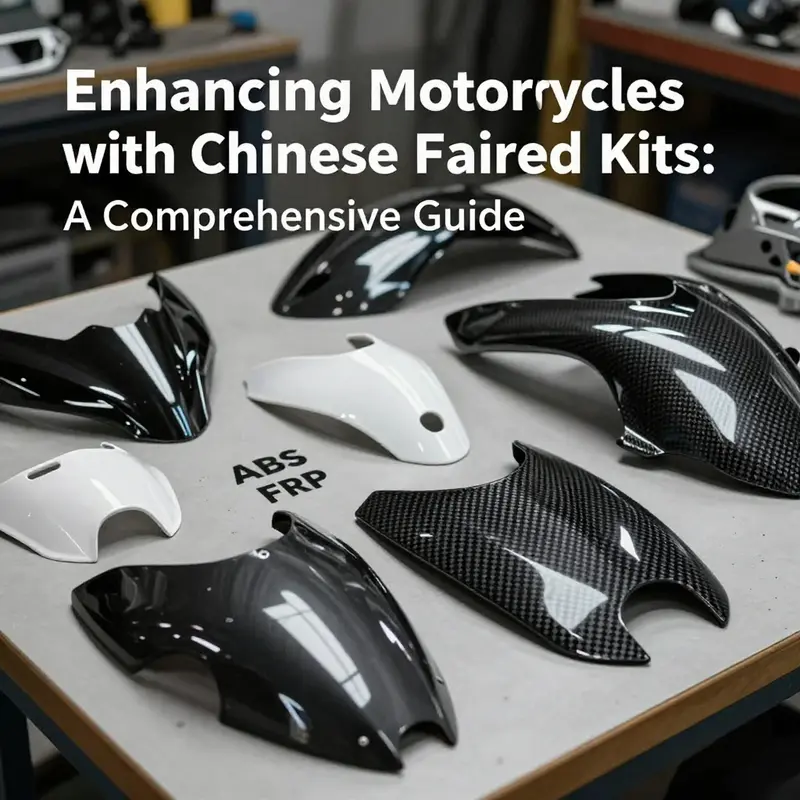
The shell around a motorcycle rider is more than a cosmetic veil; it is a carefully engineered blend of form, function, and material science. Chinese motorcycle fairing kits stand at the crossroads of affordability and performance, where the choice of resin, reinforcement, and finishing processes translates directly into aerodynamics, weight, durability, and even safety in the eye-line of a track or street. When a rider slides a fairing onto a bike, they encounter a union of design ambition and material capability. The modern Chinese kits draw on a spectrum of polymers and composites that have evolved through decades of molding, curing, and testing. To understand the appeal of these kits is to understand how material decisions ripple through cost, production speed, and the rider experience. In the conversation about composition, the central actors are five families of materials that have become the backbone of most mainstream fairing designs: ABS, PC/ABS alloys, FRP, CFRP, and, in rare but growing instances, polypropylene and related engineering plastics for non-structural accents. Each material brings its own balance of weight, rigidity, impact resistance, heat tolerance, and processability, and together they map the market’s range from entry-level kits to premium, race-inspired sets.
ABS, or Acrylonitrile Butadiene Styrene, remains the workhorse of many Chinese fairing programs. Its appeal rests in a combination of resilience and versatility. ABS is tough enough to shrug off minor impacts that might occur during a casual drop or a low-speed collision, and it maintains structural integrity under the rigidity demands of a formed panel. The molding process is well established, enabling the manufacture of complex curves and sharp junctions that define modern sportbike profiles. ABS also offers a friendly cost-to-performance ratio, which makes it an attractive foundation for mass-market kits. For riders who value dependable aesthetics at a reasonable price point, ABS fairings can deliver clean lines and consistent paint adhesion, while still allowing for color-matched finishes or bold, custom paint schemes. The result is a practical, scalable option that aligns with the breadth of riders who want a visible upgrade without a prohibitive price tag.
But space is limited in the real world where heat builds up in the fairing cavity, radiant sunlight bleaches color, and the stress of high speeds exerts repeated loads on mounting tabs and edge radii. This is where PC/ABS alloys enter the conversation. By combining the best traits of polycarbonate’s toughness and heat resistance with ABS’s ductility and moldability, PC/ABS creates a material that can endure more demanding service conditions. Panels designed with PC/ABS exhibit improved resistance to cracking from repeated flexing or impacts, and they maintain dimensional stability at higher temperatures. The trade-off is a modest increase in cost and complexity in processing, but for higher-end or performance-oriented kits, the payoff is a more durable shell that resists yellowing from UV exposure and holds paint more reliably through the life of the fairing. In practice, PC/ABS enables designers to push for longer spans between mounting points without sacrificing the crisp geometry that a fairing requires, which is particularly valuable on sport bikes that demand both aerodynamic precision and rider-facing aesthetics.
Fiberglass-reinforced plastic, or FRP, adds another layer to the material conversation. Often found in mid-range or specialty builds, FRP blends a light weight with considerable strength, providing a sturdier alternative to a straight plastic shell while remaining cheaper than carbon fiber in most applications. The fiberglass weave acts as a reinforcing skeleton that improves impact resistance and structural rigidity, especially in panels that must resist engine heat and road debris. Yet FRP comes with manufacturing nuances: lay-up processes, cure times, and resin formulations influence tolerances and surface finish. The balance of these factors makes FRP a popular choice for riders who seek performance attributes associated with lighter weight without the premium price of carbon-based composites. It also opens doors for customization through resin tinting and surface finishes that mimic more expensive materials while delivering practical value on everyday bikes.
Carbon fiber-reinforced polymer, CFRP, sits at the apex of performance-oriented fairing design. CFRP delivers an extraordinary strength-to-weight ratio, which translates into quicker acceleration responses, sharper handling, and better overall weight distribution when integrated into the bike’s aerodynamics. The stiffness of carbon fiber panels keeps gaps tight and edges precise, contributing to a cleaner airflow around the bike. However, production realities temper its reach. CFRP is costly, requires specialized lay-up and curing processes, and demands meticulous quality control to avoid defects that can compromise performance. As a result, CFRP fairings in the Chinese market are typically reserved for premium lines or limited-edition runs where riders demand peak performance and are willing to invest accordingly. In these contexts, the carbon weave is not just a badge of merit; it is a functional choice that sustains higher tolerances, reduces weight, and offers a distinct, high-contrast aesthetic that many riders associate with race-informed styling.
Beyond these core materials, polypropylene and other engineering plastics find a role as non-structural components or decorative trims. These materials are less commonly used for the main body fairings because their impact resistance and long-term rigidity under stress can lag behind ABS and PC/ABS, especially when exposed to tough riding conditions. Yet for side panels, inner brackets, or cosmetic accents, PP and similar plastics provide cost-effective flexibility. They support modular design, enabling quick swaps and color experimentation without burdening the overall weight or the primary structural panels.
The material choices described above do more than shape weight and strength. They influence molding technology, tooling costs, and the scale of production. ABS and PC/ABS parts are typically produced through robust injection-molding lines that emphasize repeatability, high throughput, and tight tolerances. This is aligned with the level of automation and the skilled labor pools found in the major production hubs across southern and eastern China. FRP, by contrast, often leverages hand lay-up, spray-up, or closed-m molded processes that can accommodate larger panel sizes or more complex geometries, but demand careful control of resin chemistry and curing cycles. CFRP, with its carbon prepregs and autoclave curing in some implementations, requires precision equipment and a more meticulous quality regimen. The common thread across all these processes is that the capability to produce consistent, repeatable parts hinges on a mature ecosystem: reliable suppliers of resin systems, reinforcements, curing schedules, and quality assurance that frames a kit’s performance across months of real-world riding.
Material selection does not occur in a vacuum. Designers must weigh not only performance but also how a given resin handles color, UV stability, and aging. UV stabilizers and protective coatings keep the glossy surface from dulling under sun exposure. Edge radii and stiffening ribs must be carefully planned to avoid stress concentrations that can lead to cracking. For riders who push their bikes on track days or endure long commutes in harsh climates, the stability of the finish and the predictability of color retention become integral to satisfaction. The Chinese market, with its dense manufacturing clusters, has developed a remarkable capacity to tune these properties at scale. In Guangdong’s export-driven zones, for example, high-volume molding lines meet with paint shops and finishing houses that can deliver consistent color-matched finishes in a broad palette. In Zhejiang’s technically focused corridors, materials like CFRP become more accessible as specialists tackle precision tolerances and complex geometries. Fujian’s cost-conscious hubs, with their emphasis on standardized designs, ensure that even more basic kits arrive with reliable quality and global compatibility at a compelling price point.
For buyers and assemblers, the material spectrum informs decisions about fitment, maintenance, and upgrade pathways. A kit built around ABS or PC/ABS tends to deliver predictable performance for a broad audience, with an emphasis on good impact resistance and ease of repair or repaint. A CFRP kit, while requiring greater initial investment, offers lighter weight and enhanced stiffness that can matter in high-speed riding where every gram and every contour counts. Even within the same model family, choices may differ depending on whether the user prioritizes affordability, longevity under sun exposure, or ultimate performance. The design philosophy behind these choices is to create a balanced package where the panel weight and stiffness align with the bike’s frame dynamics, the rider’s performance goals, and the anticipated operating conditions.
The sourcing landscape behind these materials adds another layer of complexity and opportunity. A B2B buyer may navigate platforms that connect to verified suppliers and provide real-world performance data, traceability, and scalable delivery. The proximity of key production hubs—Guangdong for volumes and logistics, Zhejiang for high-tolerance FRP and CFRP work, and Fujian for cost-effective standard designs—helps suppliers tailor their offerings to different customer segments. For buyers who want to customize finishes or integrate features such as lighting or color-matched components, the material stack can support those requirements through compatible paints, sealants, and trims that preserve the integrity of the chosen resin system. The net effect is a market that offers a broad spectrum of combinations: the same fundamental fairing design can be realized in ABS for a budget build or in CFRP for a track-ready machine, all coordinated through a robust Chinese manufacturing and distribution network.
As riders consider upgrades, they increasingly weigh the practical benefits of each material in terms of aerodynamics, maintenance, and aesthetics. A well-chosen material reduces drag and swirl, contributing to improved fuel economy and rider comfort by smoothing the flow of air around the rider’s body. The weight differences, though sometimes subtle, can influence handling characteristics, especially on smaller displacement bikes or machines that rely on nimble steering. Maintenance access is another practical consideration; half- and quarter-fairing designs often rely on modular paneling, and the material choice can affect how easily panels can be removed for service or replacement without compromising fit or finish. Aesthetics, too, matter. The color retention, gloss level, and texture of the surface are in large part dictated by the base resin and protective coatings, which means that a kit’s visual life is partly a function of material chemistry and process control. These factors converge in a market that prioritizes both economy and sophistication, enabling riders to tailor their bikes to personal taste while preserving the performance expectations that come with modern fairings.
For designers and buyers exploring the possibilities, one practical touchpoint is the online ecosystem that supports these kits. A single well-curated catalog or supplier page can help a customer compare material options side by side and understand the long-term maintenance implications of each choice. To explore a curated range of compatible fairings and see real-world examples of how these materials translate into finished work, you can browse the Honda fairings collection, which showcases how traditional shapes are realized through modern materials and finishes. This reference point helps frame how material decisions translate into the ride you experience on the road or track.
External resource for deeper technical context: https://www.sciencedirect.com/science/article/pii/S014139102300076X
Molding the Road: The Craft, Materials, and Global Reach of Chinese Motorcycle Fairing Kits
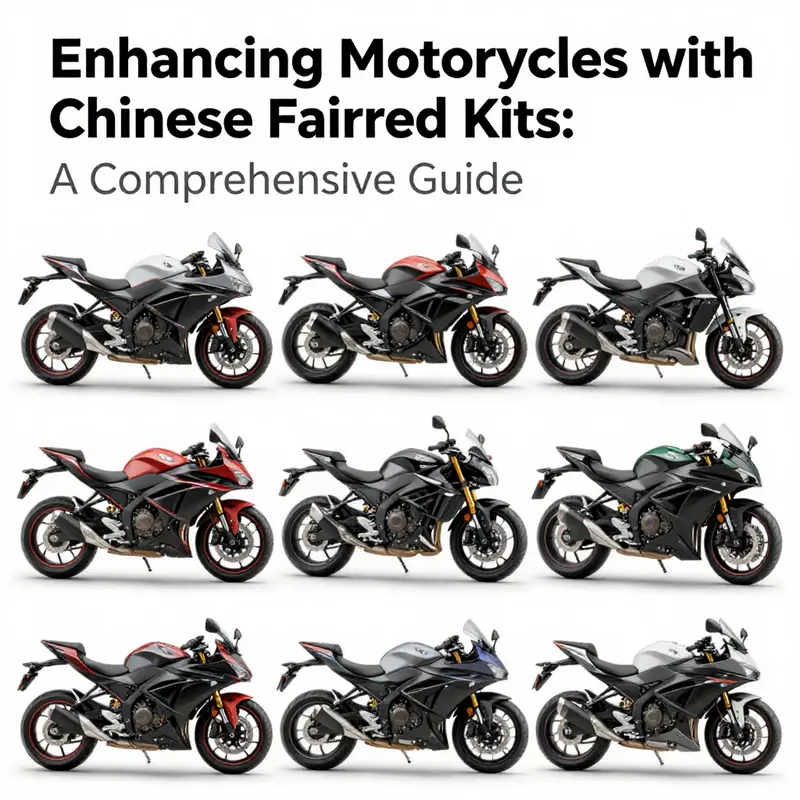
The rise of Chinese motorcycle fairing kits sits at an intersection of material science, relentless manufacturing discipline, and a global appetite for customization. In places where polymer processing has matured into a scalable art, the fairing kit has become more than a cosmetic update; it is a market-driven instrument that reshapes the experience of riding. The core materials—ABS, FRP, and PC—offer a practical balance between strength, weight, and resilience against UV exposure and impact. ABS stands out for its toughness and impact resistance, FRP brings high stiffness and tailored laminate properties, and PC adds clarity and additional rigidity where needed. In pockets of the industry that emphasize precision and optical performance, carbon fiber composites begin to appear, typically in limited-engineering contexts and specialized production clusters. The choice of material is not merely a cost decision; it is a function of intended riding conditions, mounting tolerances, and long-term color stability under sunlit exposure. Carving out a space for these options, Chinese manufacturers have built processes that can deliver consistent geometry at scale while allowing for customization that preserves the rider’s personal voice on the bike.
Design and application in practice tend to follow a few clear trajectories, each serving different riding cultures and aesthetic preferences. Full fairings dominate in sport and track-inspired builds where wind shielding and aerodynamic profile are paramount. They create a smooth, continuous surface that can reduce drag, manage pressure differentials around the rider’s torso, and help stabilize the machine at higher speeds. Half fairings enter the conversation when riders seek a balance between shelter and accessibility. By covering the upper fairing halo around the headlight and instrument cluster while leaving lower areas exposed, these designs slip into daily commuting, sport-touring, and café-racer aesthetics without sacrificing utility. Quarter fairings, minimalist and often mounted near the headlight or handlebars, serve those who measure change in inches rather than pounds. They are about visual emphasis and lightweight modification rather than wholesale aerodynamic reengineering. Across these configurations, the promise remains consistent: enhanced aesthetics with practical benefits, and an opportunity to tailor the silhouette to fit both the rider’s taste and the bike’s fundamental lines.
The promise of customization travels hand in hand with the physics of airflow. A well-chosen kit can direct cooling airflow toward critical components, improve rider comfort by managing buffeting, and offer a more linear pressure gradient along the torso and limbs. Beyond aerodynamics, material choice drives maintenance and longevity. UV resistance protects the surface from yellowing and microcracking, while impact resistance helps prevent cosmetic and functional damage from road debris. Finish options—from solid tones to color-matched offerings—play a crucial role in harmonizing the kit with the rest of the machine. Integrated lighting, a feature increasingly found across the available finishes, presents both style and visibility benefits, though it also integrates another layer of engineering considerations, such as wiring routes and heat management. In this ecosystem, the skill of the fabricator and the fidelity of the mold produce outcomes that are as much about craft as they are about chemistry.
From a sourcing perspective, the landscape is organized around a few geographic hubs that have evolved into robust ecosystems for aftermarket parts. Guangdong remains a power center, where high-volume production meets export logistics. The capacity to coordinate large orders with consistent quality control, coupled with proximity to major ports, makes this region a natural home for mass-market kits. In Zhejiang, particularly in the Ruian corridor, the focus often shifts toward higher-tolerance parts and more technically intricate components. This region’s strengths lie in precision manufacturing, reinforced materials, and a willingness to push tolerances that matter when mounting points and alignment must be exact. Fujian, with a history of cost-competitive production, rounds out the triad by accommodating standardized designs that appeal to buyers who want reliable, budget-conscious options. Together, these hubs support a broad spectrum of buyers—from hobbyists seeking a weekend upgrade to shops running high-volume, OEM-style customization programs.
A crucial piece of the market is the way suppliers communicate quality and capability. In B2B channels, success frequently hinges on clear quality control protocols, compliance with safety and material standards, scalability, and the velocity of delivery. This does not merely translate into factory credentials; it translates into predictable fit and finish for the customer, a key factor when riders invest in aftermarket components that must endure sun, rain, and road vibration. The ability to offer OEM services or color matching to specific finishes opens doors for projects that require a seamless integration with a bike’s existing lines. For the buyer, this translates into a reduced risk profile when transitioning from stock to aftermarket styling and performance. The value proposition extends beyond price; it becomes a guarantee of fit and a shared expectation about durability and appearance over time.
Sustainability and lifecycle considerations also enter the frame as the market matures. Conventional ABS and FRP formulations are continually refined to minimize environmental impact without sacrificing the properties that riders rely on—rigidity, resilience, and weather resistance. The push toward recycled content and more efficient manufacturing cycles helps reconcile performance with responsibility, a trajectory that aligns with broader industry trends while still serving the practical needs of riders who want affordable, durable updates for their machines. In the end, the choice of a kit is a negotiation among performance, aesthetics, cost, and conscience, and China’s manufacturing network has shown a remarkable capacity to accommodate that negotiation at scale.
This narrative of capability and versatility is not merely theoretical. It reflects how a rider in a changing market can approach a bike as a canvas. The journey begins with a careful assessment of riding goals—whether it is raw speed, long-distance comfort, or a distinctive street persona—and a willingness to explore how a kit can alter the dimensions and feel of the machine. It continues with decisions about fitment and compatibility. A kit designed to hug the contours of a typical sport frame must respect mounting points, fairing lines, and the location of components like the headlight and instrument cluster. In practice, manufacturers build these kits with a degree of universalism, allowing for minor adjustments and scopic tuning that give each rider a sense of ownership without demanding a full custom fabrication from scratch. The nontrivial alignment work—checking gaps, re-sculpting mounting points, and ensuring a tight finish around edges—becomes part of the ritual of upgrading. The result is not simply a new shell; it is a rebalanced silhouette that can alter perception and handling cues, subtly influencing how a rider approaches corners, straights, and the daily commute.
As the chapter moves toward the practicalities of sourcing and selection, it is worth acknowledging a limitation in the current knowledge base. The available materials emphasize the broader dynamics of smart accessories, protective gear, and riding gear rather than exhaustive technical designs for fairing systems. While there is rich discussion about materials, finish options, and retail ecosystems, there is less publicly documented, model-by-model design philosophy for fairing kits across the market. That constraint does not undermine the value of the topic; it simply foregrounds the idea that the market operates through a combination of shared engineering principles and region-specific expertise. The practical takeaway for riders and shop owners alike is to approach purchase decisions with a holistic view: assess fit, confirm finish stability under local climate conditions, verify mounting compatibility, and consider how the kit will age with exposure to sun and road salts. Above all, balance is key—between aerodynamics and aesthetics, between cost and long-term durability, between universal fit and model-specific nuances.
For readers seeking a tangible touchpoint within the broader ecosystem, a practical way to explore how these kits sit within a market that values both heritage and modernization is to browse a general collection that showcases the range of fairing options without drifting into model-specific detail. See the collections page that presents a broad view of fairings and related assemblies, which serves as a useful primer on how the market segments designs, finishes, and mounting approaches. This page helps illustrate how a kit can be integrated with different body lines while preserving the rider’s personal identity on the bike, a theme that resonates across the following chapters as the discussion moves from installation to customization rituals, maintenance considerations, and the cultural shifts that accompany aftermarket styling.
For a broader reference on how aerodynamic principles influence motorcycle design, readers can consult general resources on motorcycle aerodynamics. These sources provide foundational context for how fairing shapes interact with airflow, rider stability, and cooling dynamics, helping to illuminate why certain kit configurations are favored in different riding environments. External resource: https://en.wikipedia.org/wiki/Motorcycle_aerodynamics
To place this chapter in a broader sense of market connectedness, consider exploring a catalog that aggregates fairing options in a way that emphasizes accessibility and affordability, while still offering room for personalization. The internal link below points to a collection that reflects the type of cataloging used by many suppliers to present options in a way that is easy to navigate for both hobbyists and professionals. collections/honda-fairings This reference is meant to illustrate how a global supply network can translate design possibilities into practical choices for riders around the world, while underscoring the theme that the fairing kit is both a cosmetic upgrade and an engineering ally in the journey toward better ride quality and personal expression. As this chapter closes, the narrative threads remain open for the next discussion, which will delve into the integration of aftermarket kits with modern electronics, lighting ecosystems, and the evolving expectations of rider protection and connectivity, linking form to function in a continuously evolving marketplace.
From Global Marketplaces to Factory Floors: Sourcing Chinese Motorcycle Fairing Kits
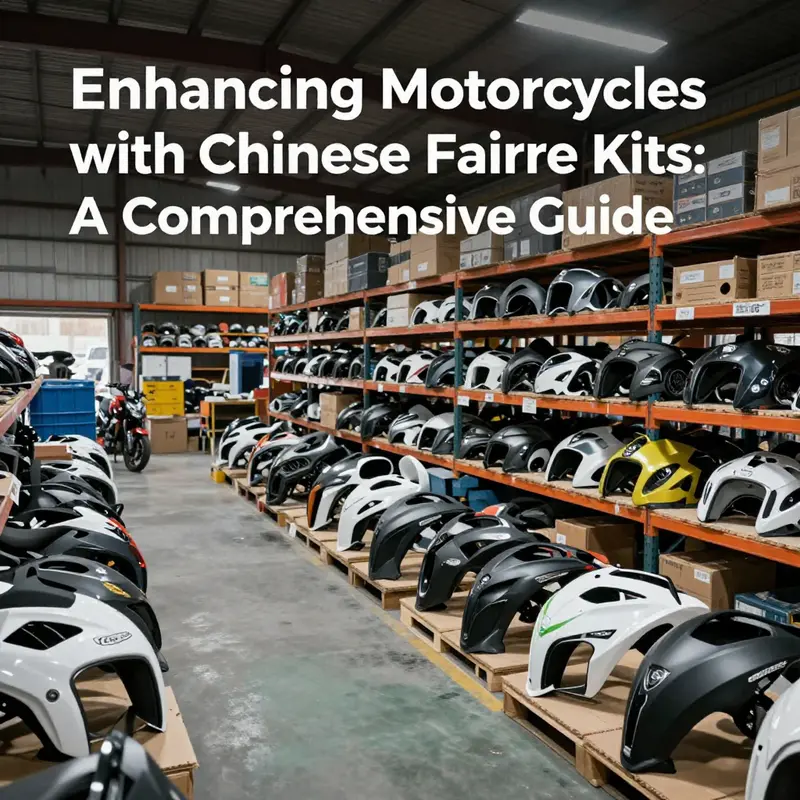
Sourcing Chinese motorcycle fairing kits has evolved into a disciplined, globalized process that blends the efficiency of large-scale production with the precision expectations of riders and builders. What begins as a search for a visually compelling shade or a smoother aero profile quickly becomes a careful navigation of materials, tolerances, and timelines. The kits themselves are usually built from a balance of ABS, FRP, and PC, with carbon fiber composites appearing in certain technical pockets where manufacturers push for lighter weight and higher stiffness. The appeal is clear: a wide range of styles, from full fairings that wrap a bike in aerodynamic form to lighter, more modular half and quarter options that simplify maintenance and customization. The practical benefits—improved aerodynamics, enhanced aesthetics, and easier access to components—have driven a steady demand that Chinese producers have learned to meet with methodical supply strategies and modern digital marketplaces.
Central to this narrative is the marketplace model that underpins most sourcing activity. Alibaba.com stands out as the primary global conduit connecting international buyers with Chinese manufacturers and suppliers. Its strength lies not just in breadth but in the tools it offers for risk mitigation: Trade Assurance, supplier verification badges, and transparent supplier profiles. For a buyer, this translates into a structured decision process. You can start with a short list of potential partners, compare their stated capabilities, and then push for samples before locking in larger orders. The model encourages a careful balance between speed and quality, where a single set of fairings can serve as a proxy for broader production reliability.
Within this ecosystem, specific supplier profiles illuminate what a well-managed sourcing channel looks like. Consider a representative supplier from Shenzhen, a city renowned for rapid prototyping and high-volume output in electronics and plastics. A profile for a motorcycle fairings kit might list ISO 9001, ISO 14001, and IATF 16949 certifications, signaling a mature quality management system aligned with automotive industry expectations. The MOQ—often as little as one set—catapults opportunity for small shops, custom builders, and regional distributors who want to test a design or a colorway before committing to a larger run. Trade Assurance remains a cornerstone for buyers who want protection against late deliveries or quality shortfalls, providing a layer of confidence in the early negotiation stages. The example supplier would typically offer OEM/ODM services, enabling customization of finish, color, and even integrated lighting concepts, which allows a project to move beyond stock designs and into a distinctly branded aesthetic.
Nevertheless, Alibaba is only part of the picture. Global Sources and Made-in-China.com function as complementary channels that surface additional manufacturers and newer product variants. These platforms help buyers diversify risk and avoid over-reliance on a single supply line. The breadth of suppliers, combined with the ability to cross-check capabilities and capacity, becomes especially important when a project demands higher tolerance parts or specialty materials. For a buyer, the takeaway is simple: cast a wide net, but verify with samples and factory communication before placing a substantial order. This is where the practicalities of cost, lead times, and logistics come into sharper focus.
To translate these online signals into reliable on-paper outcomes, buyers must approach sourcing with a clear eye for standards and process controls. A typical procurement journey begins with specification alignment: identifying whether ABS, FRP, PC, or carbon fiber is the best match for the bike’s geometry, riding conditions, and UV exposure environment. It continues with feasibility checks, where a sample panel is evaluated for fit and surface finish, not just color. The goal here is to avoid the classic misalignment of parts that look good in a general sense but fail during assembly or under track-day stresses. This is why many suppliers emphasize customization options—color matches, branding, and even concealed integration features—so buyers can iterate designs that feel cohesive with their overall build ethos.
The sourcing map itself hinges on several geographic hubs within China. Guangdong Province, anchored by cities such as Guangzhou and Foshan, excels in high-volume production and export logistics. Proximity to major ports helps shorten lead times and reduce freight costs, a practical advantage when dozens or hundreds of sets are needed for a launch or a race-prep project. Zhejiang Province, particularly Ruian, stands out for technically demanding components that require higher tolerances and reinforced materials. This is the region where precision and material science intersect, yielding kits that hold their shape and dimensions even under stress. Fujian Province, with its cost-conscious production base, often supplies more standardized designs that can be deployed quickly or leveraged as baseline offerings for budget-conscious buyers. For a project seeking a balance between speed, customization, and price, these regions collectively form a robust triad of options.
Beyond the platform mechanics and regional strengths lies the operational discipline that determines overall success. Quality control is not a one-off step but a continuous discipline. Buyers are well served by requesting detailed product specifications, material data sheets, and, critically, production samples that mirror real-world use. A rigorous sampling phase can reveal subtle issues in thickness, resin content, or laminate integrity that might not be evident from a glossy photo or a spec sheet. A well-prepared buyer negotiates clearly defined acceptance criteria and inspection protocols—dimensions, surface finish, color stability under UV exposure, and fitment tolerances for mounting points and fasteners. The outcomes of these inspections guide qualification, retooling, or even a shift to alternate suppliers who better meet the required tolerances.
In practice, the path from raw material to a finished fairing kit can hinge on how well a supplier manages the supply chain’s multiple interdependencies. Materials must be precisely proportioned to achieve the intended stiffness and impact resistance. Molds must deliver consistent shapes, with dimensional tolerances that accommodate the bike’s frame and wind-tunnel tested aerodynamic targets. The finishing processes—whether color matching, clear coatings, or matte vs. glossy textures—must be repeatable and durable. Packaging and protective inserts become part of the value proposition, ensuring that a set arrives undamaged through international shipping. The buyer’s role, then, is to frame a project brief that encapsulates these expectations and to nurture a transparent dialogue with the supplier. This often means ongoing communication about production schedules, quality rechecks, and proactive problem-solving should any deviations arise.
A practical pathway emerges when buyers combine platform leverage with a clear design brief and a flexible production plan. For those exploring options that align with a sport-oriented or café-racer aesthetic, the ability to customize finish, branding, and even lighting integration is a crucial differentiator. The option to work with a supplier on OEM/ODM arrangements allows a project to preserve its unique identity while leveraging the cost efficiencies of Chinese manufacturing. In such cases, it helps to view a supplier not only as a parts manufacturer but as a partner in development who can steer iterations, advise on material choices, and optimize assembly sequences for ease of installation on a variety of models.
As a natural extension of this collaborative process, many buyers examine available product families and model compatibility through curated catalogs. A practical touchpoint is to browse a related destination that showcases compatible styling cues and mounting patterns for broad model classes. For instance, buyers often consult the Honda fairings collection to gauge how different shapes, cutouts, and windscreen interfaces align with their chosen style and mounting hardware. This kind of reference helps ensure that a new fairing kit can visually and physically integrate with the bike’s existing lines, while still accommodating customization options. You can explore a representative range of designs in the Honda fairings collection here: Honda fairings collection.
No sourcing narrative would be complete without acknowledging the importance of price transparency and total cost of ownership. Buyers should anticipate not only the ex-works price but also shipping, duties, handling, and potential rework on arrival. Lead times can fluctuate with demand cycles, especially when a design requires tight tolerances or specialized materials. Suppliers that offer transparent production calendars, staged quality checks, and realistic delivery promises tend to deliver smoother project trajectories. Conversely, a lack of visibility on bottlenecks, material backlogs, or sample lead times can quickly derail a timeline and inflate costs. A disciplined buyer builds these realities into the project plan, sequencing prototyping, validation, and final order placement in a way that preserves momentum without sacrificing quality.
Beyond the day-to-day mechanics, the sourcing journey also intersects with broader industry standards and environmental considerations. Many Chinese manufacturers align their management systems with international frameworks like ISO 9001 for quality, ISO 14001 for environmental stewardship, and IATF 16949 for automotive sector requirements. These certifications offer a yardstick for evaluating a supplier’s process maturity and continuous improvement culture. For readers seeking a deeper dive into what those standards entail, an external resource provides a comprehensive overview of ISO 9001 and its implications for global supply chains: ISO 9001 quality management.
In sum, the pathway from global marketplaces to a finalized kit is a carefully choreographed sequence of identification, verification, testing, and collaboration. Buyers who approach sourcing with a clear design brief, a readiness to customize, and a disciplined approach to quality control will find the ecosystem increasingly accessible and predictable. The sourcing landscape rewards curiosity balanced with structured validation: samples first, then scalable production, supported by clear agreements on lead times, tolerances, and post-delivery service. The result is a kit that not only meets a styling brief but also integrates reliably with a bike’s geometry, mounting interfaces, and maintenance routines. For those involved in the process, the journey from factory floor to rider’s hands is as much about disciplined process as it is about design panache, and the network of hubs, platforms, and standards provides a robust map to navigate that journey.
External resource: https://www.iso.org/iso-9001-quality-management.html
Streamlined, Shielded, and Affordable: The Practical Advantage of Chinese Motorcycle Fairing Kits
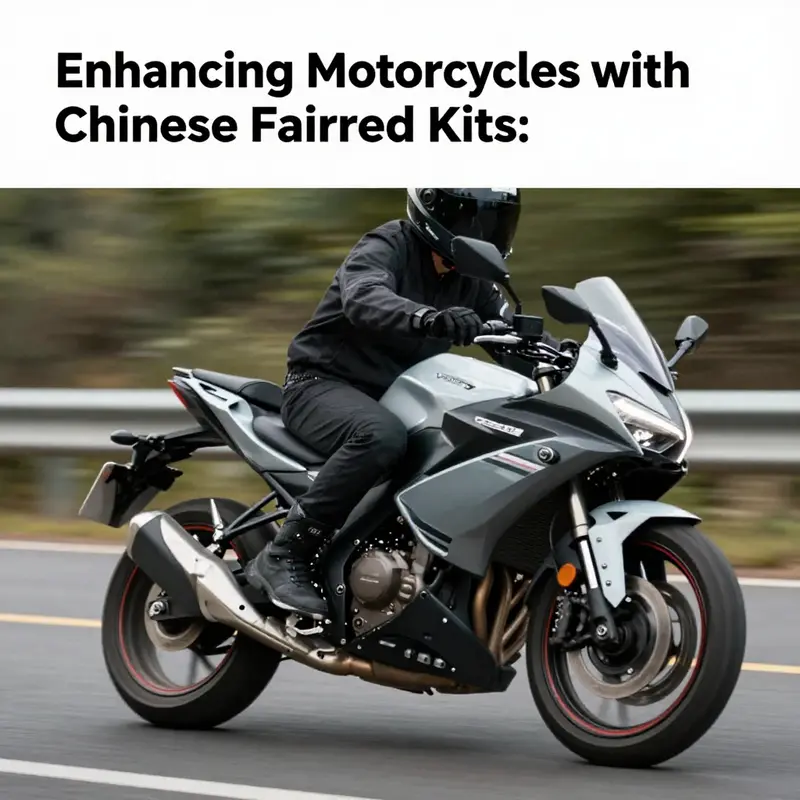
When a rider looks to transform a motorcycle’s stance, the first consideration often isn’t the engine or tires. It is the silhouette. A well-chosen fairing kit does more than coat a frame in gloss; it shapes the wind, protects the rider, and offers a canvas for personal expression. In recent years, Chinese-made fairing kits have moved from a budget option to a credible choice for a broad spectrum of riders. They sit at a crossroads of performance, protection, and price that makes sense to anyone who rides for miles rather than moments. These kits come in a variety of materials, with ABS, fiberglass-reinforced plastic, and polycarbonate accounting for the bulk of production. Each material brings a different balance of rigidity, impact resistance, and weight. ABS plastics keep costs down while providing decent rigidity and a forgiving surface that prints well and handles UV exposure with reasonable resilience. FRP, or fiberglass reinforced plastic, offers a sturdy, lighter alternative with good impact resistance, though it might require more attention to finish and repair work over time. Polycarbonate is prized for clarity and toughness, often used in lighter sections or where a rider wants a more polished, cage-like feel. In higher-end niches, a few regional manufacturers experiment with carbon fiber composites to shave grams without sacrificing strength. The result is a spectrum of choices that suits everything from entry-level sport bikes to touring platforms, with customization options that stretch from color and finish to integrated lighting and OEM-style fitment. The materials underpin a broader truth: these kits are designed to be lightweight, durable, and adaptable enough to cover a wide range of models, while still offering a finish that looks intentional rather than makeshift. This blend of material science and manufacturing discipline is a consequence of China’s mature polymer processing capabilities, tight tolerances, and export-oriented supply chains. It is no accident that the global market has embraced kits from this region; the math adds up in terms of performance, cost, and availability.
What follows is not a catalog of parts, but a narrative about how these kits contribute to a riding experience that feels both modern and manageable. Aerodynamics sits at the core of their practical value. When a fairing is designed with a clean, continuous line that wraps the bike’s profile, drag drops and air separation occurs more smoothly. The effect can translate into fuel savings over long rides and a calmer ride at highway speeds. Riders often notice less buffeting, clearer sightlines, and a reduced sense of wind pressing against the helmet. The wind therapy is not purely about speed; it is about reducing fatigue and improving confidence on long stretches where fatigue tends to creep in. A fairing that directs flow around the front wheel and along the sides helps keep the rider more centered in the machine, which matters after hours in the saddle. In practical terms, the reduction in drag matters most on high-speed touring and sport touring alike, where every watt saved translates into fewer fuel stops and a more predictable ride.
The sense of safety and comfort provided by fairings often surprises riders who begin with a goal of cosmetic improvement. The fairing forms a protective cocoon around the rider, shielding against wind, rain, dust, and road spray. More than a shield, the fairing becomes a sacrificial barrier that absorbs a portion of impact energy in a minor tumble, reducing the likelihood of direct skin contact with sharp road elements. It is important to emphasize that fairings are not a substitute for proper armor or a helmet, but they contribute to an overall safety equation by minimizing exposure to abrasion and weather. In tougher climates—where rain is frequent and road grit is common—the impact-attenuating properties of a well-chosen kit can make a meaningful difference in ride quality and confidence. The wind breaks, deflectors, and enclosed sides also help regulate temperature around vital components and cable runs, reducing the likelihood that weather or spray will degrade performance.
Weather resistance is another practical dimension. Enclosed or semi-enclosed designs help maintain rider warmth on chilly mornings and provide a shield against spray on wet days. Some fairing configurations go further, incorporating adjustable wind deflectors or subtle air channels that can be tuned to individual riders’ preferences. Those features transform a kit from a simple shell into a small, adaptive system that improves comfort for daily commutes and weekend trips alike. The ability to integrate lighting solutions—whether to increase visibility or to add a distinctive on-road signature—further expands a rider’s toolkit for customization. The market’s flexibility in this regard is one reason why fairing kits from this region have become accessible to a broader community of riders who want both utility and personal style.
Customization remains one of the most compelling advantages. Chinese manufacturers routinely offer a spectrum of finishes, colors, and textures. A kit can be ordered with a paint-matched finish to a rider’s palette or finished in a bold, contrast-rich scheme that makes a bike stand out in a crowd. The ease of customization is matched by a respect for fitment. Quality-conscious suppliers design fairings to align with a wide array of frame geometries and mounting points. This means installation does not demand a factory-level workshop. Instead, a mechanically inclined rider can achieve a near-OEM look and feel with standard hand tools, a handful of hours, and careful alignment. This democratization of customization—where personal taste meets practical engineering—is one reason why the market has grown so rapidly in recent years. A fairing kit is not just a cosmetic upgrade; it is a transformation that speaks to a rider’s identity as a commuter, a weekend explorer, or a track enthusiast in search of an edge.
The broader manufacturing ecosystem that supports these kits is as much a part of the story as the parts themselves. Guangdong’s producers harness large-scale, efficient export logistics that enable rapid fulfillment and competitive pricing. Zhejiang’s workshops are known for their emphasis on precision, delivering high-tolerance components that are central to a snug, secure fit. Fujian’s factories contribute cost-competitive, standardized designs that are ideal for beginners or riders upgrading from stock plastics. The result is a supply chain that can meet both mass-market demand and more selective custom runs. For buyers navigating this landscape, the reality is that sourcing is not simply about price; it is about the balance of quality control, scalability, and speed. The best suppliers combine strict quality checks with a transparent production footprint, enabling riders to feel confident about ordering from abroad and receiving a product that performs as advertised.
From a purchasing perspective, the appeal of Chinese fairing kits lies in accessibility. The kits are widely available through various online channels, which means a rider can shop around, compare fitment data for different models, and choose finishes that align with personal aesthetics. The availability of OEM services and color-matching options also means a rider can attain a personalized look without paying a premium for bespoke fabrication. The practical benefits—improved aerodynamics, rider protection, weather resilience, and ease of customization—coexist with a compelling price-to-performance ratio. In a marketplace where maintenance and upgrades often contend with budget constraints, this combination offers a pragmatic path to upgrading a motorcycle’s appearance and capabilities without overextending a budget.
As with any major aftermarket modification, it is prudent to approach fairing upgrades with a clear sense of model compatibility, mounting considerations, and after-care. The modular nature of many kits means that fitment is rarely an all-or-nothing proposition; riders can select full coverings for aerodynamic performance or partial solutions for a lighter, more open aesthetic. The installation experience is often straightforward for those with basic mechanical skills, and many kits are designed with tool-free or low-effort mounting in mind. The result is a versatile, approachable upgrade path that aligns with a rider’s evolving needs—whether they are chasing a sharper look, improved highway comfort, or a more refined, race-inspired silhouette. For readers who want to explore specific options, one practical entry point is to browse a broad, model-spanning catalog that aggregates fitment data and finishing options in an accessible format. This approach helps ensure that a rider’s vision for their bike aligns with the realities of model compatibility and panel alignment.
In the context of the broader article, these kits illustrate a larger trend: how global manufacturing networks can deliver value without compromising on safety, performance, or aesthetics. The practical benefits—better aerodynamics, rider protection, weather resilience, and customization—emerge not as isolated advantages but as interconnected aspects of a cohesive riding experience. The kits’ design philosophy emphasizes flow and enclosure, with attention to finishing quality and ease of assembly. A well-chosen kit, matched to a rider’s goals, becomes a partner in the journey rather than a mere cosmetic upgrade. This perspective is especially relevant as riders increasingly balance cost against long-term value, seeking products that endure in daily use and evolve with changing tastes. The story of Chinese fairing kits, then, is not simply about affordability; it is about intelligent engineering that optimizes how a machine meets the needs of people who ride it.
For readers seeking a deeper sense of the range and possibilities, there is value in looking beyond the surface. The kits’ appeal is reinforced by the vast network of suppliers and the possibility of customization, which together expand what is achievable on two wheels. A final practical note: buyers should verify quality control, ensure compatibility with their specific frame and mounting points, and consider finish maintenance over time. With thoughtful selection and careful installation, a Chinese-made fairing kit can deliver a riding experience that is more efficient, more protective, and more expressive, all without breaking the bank. The result is a product that respects the rider’s goals while making a robust case for value and versatility on the road.
To explore a broader range of fitting options for popular models and see how a kit can be tailored to a specific riding style, consider reviewing a catalog that aggregates various fairing collections and fitment data: https://www.summitfairings.com/collections/honda-fairings. This reference can help readers gauge the level of customization and the scope of finishes available, while still keeping the discussion grounded in practical application. For those who want additional context on rider safety and equipment efficacy, a separate external resource provides authoritative data and guidelines: https://www.nhtsa.gov
Riding the Curve: Market Momentum and the Future of Chinese Motorcycle Fairing Kits
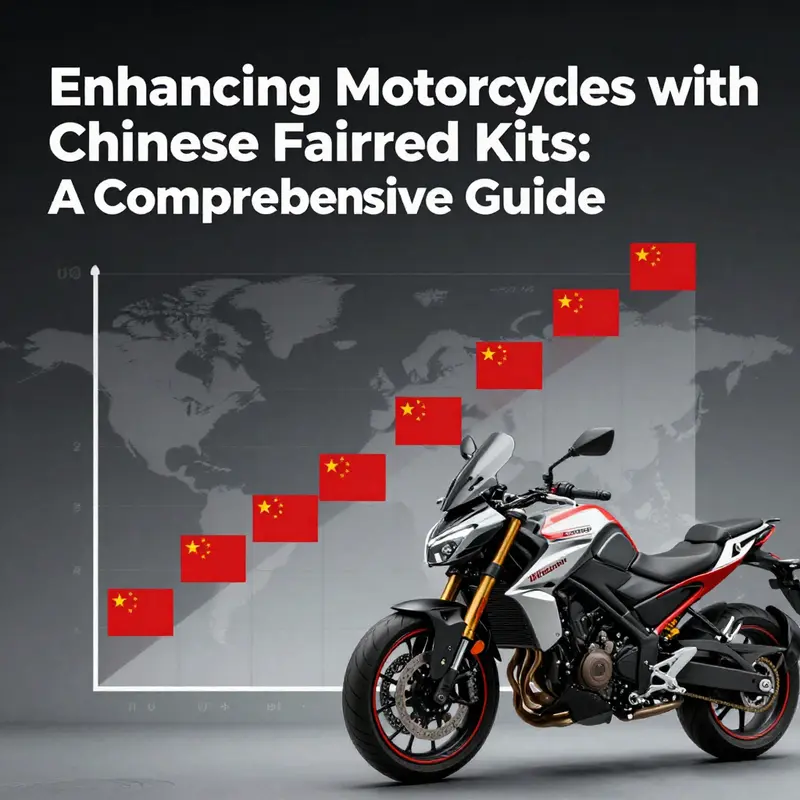
The market for Chinese motorcycle fairing kits stands at a pivotal intersection of customization zeal, rapid technological adoption, and ever-expanding global reach. Across continents and riding cultures, riders are increasingly looking to transform how their machines appear and perform, not just as a cosmetic upgrade but as a coherent package that modifies airflow, weight, and balance. This is not a simple matter of swapping panels; it is a conversation between design intent, material science, and a global supply chain optimized for speed and value. The result is a dynamic sector that blends craft culture with industrial precision. In this landscape, Chinese fairing makers have moved from being perceived as mass producers of affordable aesthetics to becoming capable partners in the broader performance ecosystem. They are increasingly asked to deliver more than color and shine; buyers want integrated features, adaptable mounts, and finishes that stand up to UV exposure and everyday wear. The trend is clear: the market rewards those who can offer reliable customization without sacrificing the predictable economics that have long made Chinese components attractive to a wide range of riders and builders. This tilt toward value, backed by a steady rhythm of new styles and finishes, underpins the sector’s momentum as it expands into new markets and new riding demographics.
Customization and personalization are at the heart of the current market pulse. The demand dynamics mirror a larger shift in consumer behavior where individuality is a competitive advantage. Riders want their machines to tell a story—one that can be read through finish options, texture, and subtle details like integrated lighting or mounting points for cameras and telemetry units. The advantage for manufacturers lies in modularity: kits that can be mixed and matched across a family of platforms, enabling a single design language to travel across multiple models via adaptable interfaces. This is not merely about aesthetics; it is about enabling a more confident, expressive ownership experience. On the production side, this means a focus on scalable technologies that still honor craftsmanship. It means embracing CAD-driven design iterations, rapid prototyping, and controlled tolerance management so that a customer who asks for a near-custom look can receive a kit that fits with minimal modification. The result is a market where the line between aftermarket kit and performance accessory becomes increasingly blurred, which in turn fuels further demand as riders see tangible improvements in both appearance and accessibility to upgrades.
Technological integration marks the next phase of advancement. Fairing kits are evolving into smart accessories in a way that aligns with broader digitalization in motorcycling. Modern kits often incorporate features that were once the province of higher-priced, OEM-level components. Integrated LED lighting, for example, can be seamlessly embedded into panels for enhanced visibility and style. Some kits offer built-in mounting points for action cameras, GPS units, or other sensors, turning a cosmetic upgrade into a platform for data capture and ride analytics. Aerodynamic optimization is not simply about slipstream aesthetics; it is a calculated improvement that can influence fuel efficiency and rider fatigue over long distances. The design process increasingly involves flow simulations, wind-tunnel-inspired testing, and field feedback loops with riders who demand both reliability and performance. This convergence of form and function is reshaping perceptions of what a fairing kit can deliver. It also raises the bar for manufacturers: to stay competitive, they must balance cost structures with the added value of intelligent design and durable, easy-to-install features. A representative snapshot of where this is headed can be seen in the Kawasaki fairings collection, which demonstrates how modular, performance-oriented design can translate into accessible options for a wide audience. Kawasaki fairings illustrate how a coherent product family can offer both aesthetic variety and practical mounting solutions that appeal to riders who want to upgrade with confidence.
Materials science continues to influence what is possible in fairing construction. ABS, FRP, and PC remain mainstays because they deliver a favorable mix of impact resistance, rigidity, and lightness. Yet the push toward performance and sustainability is nudging some manufacturers to explore advanced composites and reinforced blends. Carbon fiber composites, while still a cost-conscious choice only for niche applications, are increasingly referenced in design discussions as a way to improve strength-to-weight ratios. This trend is reinforced by a broader push toward materials that resist UV degradation and weathering while maintaining color stability across seasons. In parallel, there is growing emphasis on manufacturing processes that support tighter tolerances and better finish quality. Efficient extrusion, molding, and surface finishing technologies help ensure that a kit not only fits well but also presents a polished visual result that stands up to the scrutiny of the most discerning riders. The strategic combination of materials and process improvements enables a new tier of fairing kits that can deliver performance benefits in addition to visual appeal, which is exactly the kind of value proposition that drives premium market segments without erasing the appeal of affordability.
Sourcing and export dynamics underscore the sector’s outward-looking orientation. The Chinese manufacturing base benefits from large-scale capabilities, mature supply chains, and export-oriented industrial zones. Buyers frequently access verified suppliers through global platforms, with a growing emphasis on quality control, compliance, scalability, and delivery speed. The strategy is to combine competitive pricing with a credible track record for consistent performance at scale. This approach supports sustained international expansion and helps explain why the market remains resilient even as global trade conditions shift. In terms of demand indicators, e-commerce data from major marketplaces in 2025 highlighted strong growth in related accessory categories in Europe, with double-digit gains in key markets. While trunk and tail bag components are a subset of the broader fairing ecosystem, their sales surge signals an appetite for integrated, modular accessories that complement fairings and expand customization options. Such data points reinforce the view that Chinese builders are not simply supplying kits; they are contributing to a larger aftermarket culture that emphasizes rapid availability, customization, and global accessibility. For buyers and builders, this means more predictable lead times, more transparent supplier relationships, and a growing confidence that the ecosystem can sustain ambitious, design-forward projects.
The consumer and builder communities are also shaping the design language and the economic model of the market. There is a clear appetite for finishes and colorways that align with personal taste and regional aesthetics. Finishes may be customized to match existing paint schemes, with options ranging from classic monochromes to bold, high-contrast palettes. The practical appeal of customization sits alongside a broader willingness to invest in appearance upgrades that integrate with the bike’s overall silhouette and lines. This preference for a cohesive look reinforces the importance of thoughtful engineering choices in the fairing system as a whole. Importantly, the rise of digital-first sales channels and virtual previews helps buyers imagine how a given kit will look on their own machine before committing to a purchase. Advanced product visualization reduces friction and supports more deliberate, informed purchasing decisions. It also motivates suppliers to invest in better documentation, accurate fitment data, and richer media that clearly communicates what buyers can expect when a kit lands in their workshop.
Looking ahead, the market’s trajectory suggests a continuous expansion into premium and specialty segments. As manufacturers sharpen their value proposition, there is likely to be more emphasis on limited-edition designs, proprietary shaping techniques, and engineered performance benefits that justify higher price points. Sustainability is moving from a compliance obligation to a source of differentiation. This aligns with the broader, industry-wide shift toward green manufacturing and the use of recyclable or low-impact materials where possible. Regulatory frameworks, particularly in consumer markets that emphasize recycling and lifecycle management, will influence how kits are designed and disposed of at the end of life. The evolution toward more sustainable kits will require ongoing investment in material science, process efficiency, and supply chain transparency. Digital channels will continue to be the primary engine of growth, with AR/VR previews, interactive configurators, and live customer support shaping the buying experience for international buyers who demand reliability and clear value. In this sense, the future of Chinese motorcycle fairing kits is not just about price competitiveness; it is about building a credible, differentiated position in a crowded, fast-moving marketplace that values design, performance, and responsibility as much as cost.
For readers seeking a window into the evolving landscape of aftermarket fairings, it is useful to keep an eye on how regional hubs are advancing their technical capabilities, how design teams balance aesthetics with aerodynamics, and how sustainability pressures translate into material choices and end-of-life considerations. The broader context—where environmental expectations, digital marketing, and global distribution intersect—will shape which players emerge as durable leaders. The market’s future is, in many ways, a test of how well the industry can fuse high-value design with scalable production, while keeping the promise of customization accessible to riders around the world. As these threads braid together, riders will find that fairing kits offer more than a look upgrade; they become part of a broader pursuit of cleaner, smarter, and more engaging riding experiences. External resources that discuss regulatory and lifecycle considerations can provide additional context for how this market evolves under evolving environmental standards. For a broader regulatory perspective on sustainability and end-of-life management that informs material choices and recycling considerations, see the European End-of-Life Vehicles framework: https://ec.europa.eu/environment/waste/elv/index_en.htm
Final thoughts
As the demand for high-quality, affordable motorcycle upgrades grows, Chinese motorcycle fairing kits will continue to play a significant role in enhancing both the performance and aesthetic appeal of motorcycles. By understanding the materials, designs, suppliers, and market trends, business owners can make informed choices that benefit their operations and satisfy their customers. Investing in these fairing kits not only offers cost efficiency but also aligns with a growing market trend that emphasizes customization and effectiveness.