
Motorcycle fairing vinyl wrap has become a popular choice among motorcycle enthusiasts and business owners alike due to its dual benefits of aesthetic customization and protective qualities. As riders seek ways to stand out while safeguarding their prized machines, vinyl wraps offer an appealing solution. By leveraging adhesive-backed films, motorcycle fairing wraps provide an opportunity to transform the appearance of a bike without compromising its original paintwork. This article delves into the multifaceted benefits of motorcycle fairing vinyl wrap, outlines precise application techniques suitable for businesses, explores the impact of different fairing types on the wrapping process, and analyzes the current market trends and economic factors influencing this service. Each chapter serves to deepen your understanding of motorcycle fairing vinyl wrap, guiding you to make informed decisions in enhancing the value and appeal of motorcycle fairings.
Shield and Shine: The Dual Promise of Motorcycle Fairing Vinyl Wrap
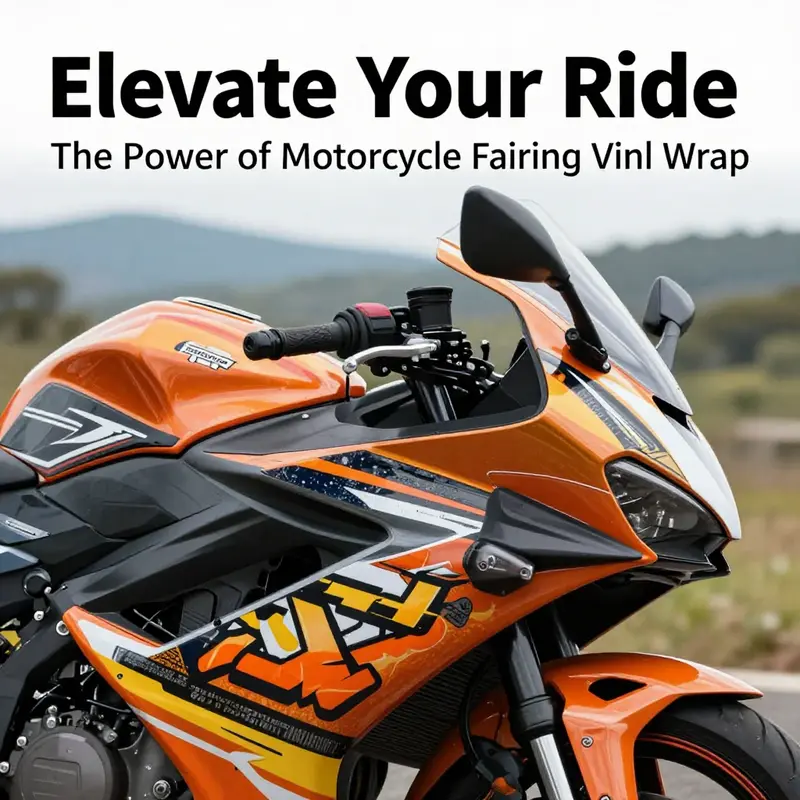
A motorcycle’s fairing is more than a shell; it is a protective shield, a rolling canvas, and a statement of identity all at once. When riders look to refresh or defend their bikes, vinyl wrap emerges as a practical bridge between safeguarding the original paint and expressing personal style. The promise of a vinyl wrap rests on two closely linked benefits: protection that defends the fairing from the daily rigors of riding, and aesthetics that unlock new personalities for the machine without the permanence or expense of a full repaint. This chapter traces how those two strands weave together into a coherent approach to upgrading a motorcycle, from the first considerations about what a wrap can handle to the subtle decisions that determine how long it will stay pristine and how vividly it will look.
Protection sits at the heart of why many riders turn to vinyl. The outer skin of a modern motorcycle is designed to endure wind, water, heat, and the occasional stray stone kicked up by tires from the highway or the race track. A vinyl wrap acts as a robust barrier that absorbs some of the impacts that would otherwise contact the underlying paint. Scratches, the most common enemy of glossy finishes, are dulled by a flexible layer that can absorb light abrasions rather than transferring them to the color coat beneath. Road debris, especially in the lower sections of the fairing and around the front wheel where gravel and small pebbles are more likely to strike, can chip or scratch unprotected paint; with a wrap, those chips are more likely to land on the vinyl surface, not on the original pigment. This protective role also extends to UV exposure. Prolonged sunlight can fade paint over time, a grim fate for riders who spend long hours outdoors. Many vinyl wraps are formulated with UV inhibitors that slow color fading, helping maintain a more even appearance across seasons and years.
In addition to shielding the visible surface, a wrap can preserve the structural integrity of the fairing material itself. While a wrap is not a hard armor, it can reduce the micro-abrasions that accumulate during frequent maintenance tasks, garage scrapes, or contact with gear and stands. For sport riders who lean the bike into corners and slide their attention along sharp edges, the wrap can minimize the cumulative wear that would otherwise demand more frequent touch-ups or even edge repairs. The protection is especially meaningful for high-traffic areas—the front cowl, lower fairings, and the tank extensions—where exposure to rocks, insects, rain, and heat is most intense. The result is a fairing that looks newer, longer, and more consistent across panels, which in turn preserves the overall visual integrity of the bike when viewed from the street or the podium.
Yet protection is only part of the equation. A vinyl wrap delivers an immediate and highly tangible aesthetic upgrade. The category of finishes available—solid colors, metallic sheens, matte textures, and even patterns that mimic carbon fiber—gives riders a way to tailor the bike’s silhouette to their taste and purpose. For a sportbike stressed by performance lines, a high-gloss finish can amplify the sense of speed and drama, catching the light as the machine races past. For a café racer or a rider seeking a more understated presence, a matte or satin texture can convey a shadowy, purposeful stance that recalls classic silhouettes while remaining firmly modern. The versatility extends to graphics as well, enabling precise branding or personal motifs without altering the factory paint; the wrap can carry stripes, logos, or bespoke artwork as long as it adheres to fitment realities. The result is a transformation that feels both economical and expressive—less an act of repainting than a controlled reimagining that can be reversed or refreshed later.
From a practical standpoint, the choice between finishes matters beyond looks. Cast vinyl and calendared vinyl represent two broad material families with distinct performance profiles. Cast vinyl is celebrated for its ability to conform to complex curvature and its longer service life, typically five to seven years or more, depending on climate and care. It handles tight radii and textured contours without creeping or whitening at edges, which makes it a reliable choice for modern sportbikes with sculpted fairings. Calendared vinyl offers a cost-conscious option that can be perfectly adequate on flatter surfaces or temporary projects, where high-difficulty wraps are less common. The trade-off is durability and ease of conforming to extreme shapes, where calendared materials may prove more prone to bubbling or lifting in difficult zones. For riders who use their bikes as daily transportation or who frequently expose the wrap to heat and sun, the longer-lasting cast option tends to deliver a more consistent finish with fewer maintenance interruptions.
Installation is the hinge that determines whether protection and aesthetics translate into lasting value. The application process begins long before the vinyl meets the fairing. Thorough cleaning is essential to remove wax, oils, and dust that would otherwise trap air and compromise adhesion. The installer will cut the vinyl slightly larger than the target area to allow for trimming and micro-adjustments during heat and tensioning. The heat drives the vinyl’s adhesive into the tiny contours of the fairing, allowing it to settle smoothly without bubbles. Achieving a seamless result across a full or partial wrap requires patience, precision, and a steady hand, especially where complex curves, tight corners, and edge lines demand careful heat control to avoid scorching. Inexperienced hands may struggle with stubborn edges or lift near fasteners, so many riders opt for professional installation to ensure a flawless finish. A well-done wrap should appear as a single, continuous skin with precise gaps and minimal visible seams, a hallmark of a premium transformation that respects the bike’s lines while providing the protective barrier and tactile finish the rider desires.
For riders who prefer a hands-on approach, there are practical considerations that can make DIY wrapping feasible yet prudent. A clean, dry environment reduces the risk of dust catching during the process. A set of lightweight squeegees and a heat gun, used with caution, can help manage the film over shallow curves and large flat panels. It is important to plan for the wrap in sections that align with the fairing’s natural seams and edges, minimizing stubborn overlaps that could telegraph through the surface. Even when the end result is glossy and professional looking, the process can reveal how much artistry is involved in translating a two-dimensional sheet into a three-dimensional sculpture that withstands wind and vibration. The rider who enters this project with a respect for these challenges is more likely to end with a wrap that remains clean, tight, and visually coherent across the entire fairing.
Another facet of the decision is the life cycle of the wrap and the realities of removal. When the time comes to refresh the bike’s look or revert to stock paint, a vinyl wrap can be removed with care to minimize any risk to the underlying finish. Modern wraps are designed to peel away with minimal residue, particularly when newer adhesives are used and the surface has not suffered deep chemical exposure. This reversibility is a key advantage for riders who lease a bike, participate in promotional runs, or simply enjoy experimenting with different aesthetics over the years without committing to a permanent change. It also creates a practical path for tracking value: a wrap can be chosen to protect the original paint, preserving resale potential should the owner want to switch back or trade up later in the bike’s life cycle. In this light, the wrap is less about a single moment of change and more about a strategic approach to long-term value, where protection and appearance evolve together in response to riding needs, climate realities, and the rider’s evolving sense of style.
Even as the wrap offers protection and a canvas for expression, the broader ecosystem surrounding the choice matters. The range of fairing configurations—full, half, and quarter fairings—shapes how a wrap is planned and executed. A full wrap can deliver a cohesive appearance across every panel, but it demands careful mapping of edges where panels meet to preserve the lines that define the bike’s character. A half or quarter wrap may focus on visible wear zones, front sections, or striking graphic features, yielding a bold look with potentially shorter installation times. In each case, the goal remains the same: create a surface that behaves like a second skin, resisting the elements and communicating the rider’s intent. The end result is a bike that not only feels protected when it’s on the road but also speaks to its owner’s sensibilities in a way that goes beyond stock paint. For enthusiasts who want to reference a particular aesthetic tradition or align with a historical lineage of design, the wrap offers a flexible pathway to experiment with color, texture, and geometry without the constraints of factory finishes.
Within this broader narrative, the practical decision of where to source the wrap and who applies it matters. A professional installer brings a depth of experience in matching the wrap to the bike’s form, ensuring accurate cuts, precise edge alignments, and an outcome that looks engineered rather than improvised. While the DIY route can be deeply rewarding, professional work carries the assurance of tested techniques for heat management, adhesive curing, and panel sequencing that minimize the risk of air pockets or premature lifting. The choice reflects a rider’s priorities: the fastest path to a showroom finish, or a meticulous, hand-crafted result that honors every contour of the machine. Either path, when approached with care and a clear understanding of material behavior, yields a wrap that can endure the commute, the track day, or a weekend ride without surrendering its protective advantage or the integrity of the design.
As riders weigh the economic and emotional calculus of protection and aesthetics, the wrap also opens up a conversation about how a bike ages and how its story is told. Paint may fade, scratches accumulate, and panels may show wear in ways that seem inevitable. A vinyl wrap reframes that narrative, offering a shield against the elements while inviting refreshes that keep the machine feeling current. The value of this approach lies not just in the cost comparison with repainting, but in the flexibility to experiment with a look that aligns with a season, a race, or a personal milestone. The wrap acts as a negotiator between form and function, allowing a rider to claim a new identity for the bike without surrendering its original essence. It invites ongoing conversation between rider, machine, and environment as the bike travels through light, weather, and time.
For riders curious about specific stylistic correlations with their bike’s existing design motifs, a practical reference is useful. If a rider is exploring options for a Yamaha-style silhouette or certain lines that resonate with a sport-orientated stance, a visit to a relevant fairings collection can provide a sense of how different shapes interplay with wraps. See the Yamaha fairings collection for a reference point in how panel geometry and curve density influence wrap strategy and visual outcome. This kind of sourcing helps frame decisions about wrap scale, panel coverage, and texture alignment with the bike’s geometry, ensuring the final result respects the motorcycle’s identity while delivering the protective and aesthetic benefits discussed above.
The decision to wrap a fairing is, in essence, a choice to invest in two parallel improvements: safeguarding the machine’s exterior and expanding the rider’s expressive vocabulary. It is the intentional pairing of protection with personal style, where the surface tells a story that the original paint might not have conveyed. The wrap remains a practical tool under the rider’s control—non-permanent in the sense that it can be removed; resilient in its function and appearance; and creative in its ability to transform the bike’s presence at a glance. In practice, this means that the wrapped fairing becomes not only a shield against the road but a canvas that speaks to who the rider is and how they engage with the sport. The result is a motorcycle that looks more intentional, performs more confidently against road hazards, and holds its value with a finish that continues to persuade on every ride, whether in sunny urban streets or wind-swept open highways. For those who want to explore these possibilities further, the path forward is to consider the right combination of vinyl type, finish, and panel strategy that aligns with the bike’s curves, the rider’s goals, and the climate in which the machine lives. The conversation between protection and aesthetics then becomes a continuous journey, rather than a one-time upgrade, guiding riders toward a practical yet expressive evolution of their motorcycle’s appearance and durability.
External reference: For a deeper technical dive into clear vinyl wraps and their mechanical properties, consult the external resource at https://www.motorcycleperformance.com/clear-vinyl-wrap-motorcycle-technical-features/.
Precision Under Pressure: Mastering Motorcycle Fairing Vinyl Wrap Techniques
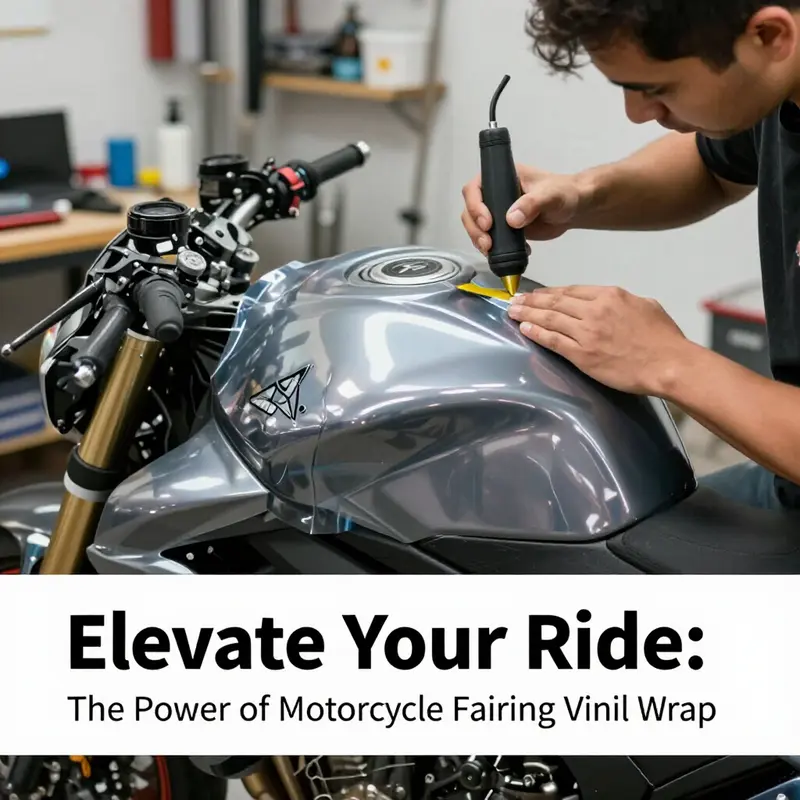
A motorcycle’s fairing is more than a shell; it is a canvas and a shield. Vinyl wrap, applied with patience, turns that surface into a durable, customizable finish that can be reversed or refreshed as the bike evolves. This chapter outlines a disciplined workflow focused on preparation, heat application, and finishing, with a mindset that values precision and control.
Preparation begins with removing removable parts to simplify access and reduce heat risk. Clean surfaces with soap and water, followed by a degreasing wipe using isopropyl alcohol (about 70%). Allow surfaces to dry in a dust-free environment to prevent micro-bubbles. Measure and cut the film slightly larger than the area, leaving a margin for alignment and trimming later. For curved surfaces, heat and stretch gradually using a squeegee and a heat gun, starting from the center and working outward to push air toward the edges.
Edge work and trimming require a sharp blade and careful attention. Trim excess film while the adhesive is pliable, then reheat the edge to fuse it to the substrate. Check for air pockets, and push bubbles toward the nearest edge before reheating to settle the film. Finish by wiping away handling residue and allowing the film to cure in a clean environment away from direct heat. A well-executed wrap preserves underlying paint, adds UV protection, and offers finish options from gloss to satin or carbon look.
With practice, the process becomes a reliable workflow rather than a collection of tricks. Maintain patience, monitor surface conditions, and adjust heat and tension to each contour. The goal is a smooth, edge-to-edge finish that remains aligned under wind and vibration. For further guidance, consult model-specific wrap guides and reference panels to study how different shapes respond to heat and stretch.
Contours of Choice: How Fairing Styles Shape Vinyl Wrap Application on Motorcycles
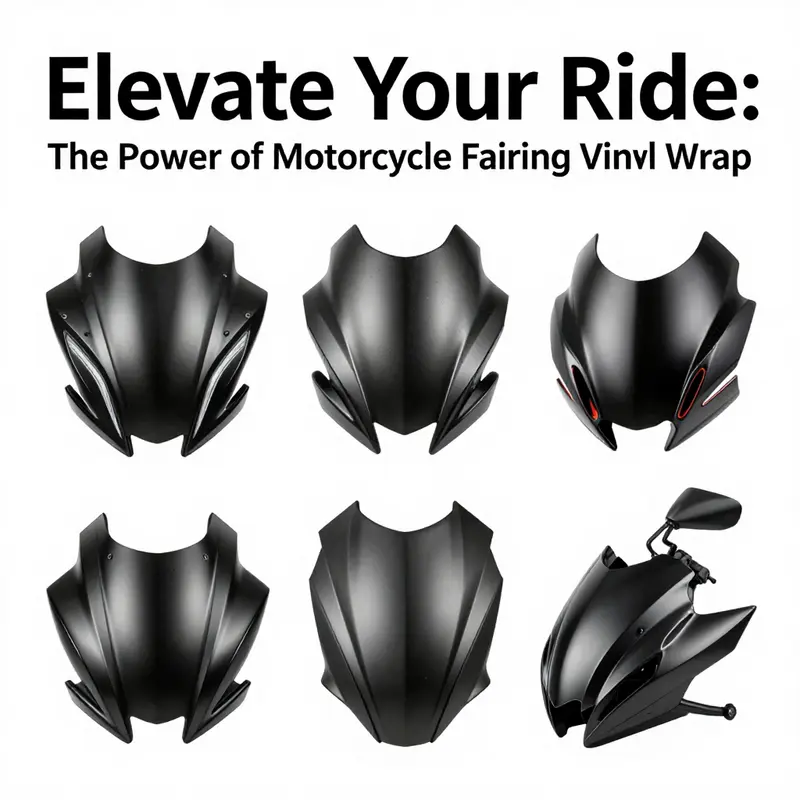
Fairings sit at the intersection of performance and personality. They are not merely shells that slice through air; they are canvases that can transform a bike’s silhouette, mood, and even perceived speed. When a rider chooses a vinyl wrap, the decision often hinges on the contours and complexities of the fairing itself. Different shapes demand different tact with the vinyl, and understanding these demands can turn a challenging wrap into a clean, durable finish that looks almost painted. The journey from raw ABS or fiberglass to a seamless, protective, color-shifting surface begins with a careful reading of form. Full fairings, half fairings, and the more flamboyant batwing designs each present a distinct set of opportunities and constraints for wrap installation, especially when the goal is a finish that resists lifting, cracking, and bubbling while maintaining a uniform appearance across curves, edges, and seams.
Full fairings enclose the bike’s front and sides in a densely sculpted shell of curves and transitions. Their surface asks a lot of a wrap: not only must the material conform to pronounced bulges and narrow radii, it must do so without creating creases that look like fault lines in the paint. The primary weapon here is the vinyl’s ability to stretch. High-stretch films give installers the latitude to coax the wrap over tight contours, but they also require deft heat work and careful tension management. The application process must anticipate how the film will react when it cools. As the film cools, any overstretch can lead to shrinkage, which in turn risks creeping edges or a pebbled texture in the cured surface. The installer’s tools—soft squeegees, heat guns calibrated to a precise temperature range, and a patient approach to panel-by-panel adherence—become as important as the vinyl itself. The goal is a finish that reads as a single, uninterrupted surface, with edges that terminate in a way that looks both intentional and invisible.
Half fairings, by contrast, reveal more of the bike’s structure and expose flatter planes along with sharper angles. The geometric portion of the surface often invites a cleaner wrap with less dramatic curvature, which in turn can reduce the risk of rare but visually disruptive bubbles or lift at the center of a large panel. Yet precision remains crucial. The angular surfaces demand exacting cut lines and alignment so that the graphic or color block remains consistent from one panel to another. Because the wrap will have to negotiate sudden directional changes—where a side panel may meet a nose cone or radiator shroud—the installer must anticipate the dead zones where the vinyl will wrinkle if pulled too aggressively. Even small misalignments become glaring when the surfaces are mostly flat; a little misfit is magnified by the straight lines and crisp edges that a half fairing emphasizes.
Batwing fairings—the broad, wing-like configurations that spread flow over wider swaths of the bike—represent a hybrid of the two extremes. They combine generous curvature with extended flat surfaces, creating opportunities for dramatic wrap effects but demanding equally careful planning. The broader surface area provides more room for creative wrap patterns and gradient shading, yet it also amplifies any inconsistencies in tension, heat application, or edge sealing. Vinyl that behaves well on rounded corners can still falter on long, shallow bends if heat is misapplied or if pressure is not evenly distributed along the panel. For batwings, the wrap strategy often hinges on a pragmatic map of the panel layout: where to start, how to weave around the biggest curves, and where seams will fall in the final artwork so that they disappear or align with existing lines on the bike.
Beyond curvature, durability and adhesion govern how well a wrap will withstand the realities of riding: UV exposure, temperature swings, rain, and grit. The surface chemistry of fairings—commonly ABS plastic or fiberglass—interacts with the adhesive in a way that can either cement the wrap in place or invite creeping edge lift over time. UV resistance in the vinyl becomes particularly important for fairings that face direct sun exposure with little shade or fairings that are frequently parked in sunny spots. In hot climates, the risk of edge lift grows if the film is over-stretched in the heat and then cooled under pressure without a proper sealing of the edges. A high-quality adhesive layer is indispensable here, paired with a thoughtful preparation routine that removes oils, waxes, and fingerprint residues so the film can create a true bond with the surface.
Surface preparation cannot be overstated. The fairing must be thoroughly cleaned to remove any contaminants that can undermine adhesion or create micro-imperfections under the film. Degreasing with appropriate cleaners, followed by a wipe with isopropyl alcohol, is a staple step. In some cases, a light primer or adhesion promoter is recommended for fiberglass or highly textured areas, but this is always contingent on the specific vinyl and film system being used. The surface texture itself can influence the wrap’s longevity; a rougher texture may demand a slightly heavier cut allowance, where the vinyl is trimmed with an eye toward preserving the integrity of the adhesive seal along the edges.
Finish choice adds another layer of consideration. Gloss wraps can produce a sharp, showroom-ready look that highlights curves with vivid reflections, while matte finishes diffuse light and can mask minor imperfections better than gloss. Carbon-fiber reproductions present a third lane of styling, offering a dynamic texture that can visually speed the bike even when stationary. Each finish behaves differently when stretched over complex contours. Gloss films tend to reveal misalignments more readily under direct light, whereas matte finishes may show micro-scratches or edge reveals more readily. In all cases, the wrap’s thickness and elasticity must be compatible with the surface geometry to preserve a uniform feel across the entire panel. The result, when done with care, is not merely color but a seamless integration of form, texture, and protection that stands up to wind, sun, and road debris.
When approaching a wrap project on any fairing type, a disciplined technique helps translate these theoretical considerations into a reliable result. Start with a careful layout: map out the largest panels first and plan how to handle curves and intersections. Cut the vinyl slightly oversized to allow for trimming and adjustment, a practical habit that helps avoid gaps or misfits at the edges. Work in a clean, controlled environment where the heat source can be precisely regulated. Apply heat in measured bursts to soften the material without over-sagging, and use a squeegee with a soft edge to push air pockets toward the cut edges. Pay attention to panel overlaps and corners where the film tends to gather or lift if not smoothed properly. The goal is not only to cover but to secure an even, consistent bond along contours, with no visible stretching lines, no trapped air, and no raised edges that could chip away in a ride through grit or a washing cycle.
Careful finishing completes the process. Trimming must be done along the exact panel edge, with clean lines that follow the fairing’s geometry. Sealed edges help prevent water ingress and foil lift, particularly at the lower edges or near fasteners where flexing is common. A final inspection under lighting reveals any micro-bubbles, misaligned edges, or wrap stress that might become a problem after the bike heats up in the sun or while traveling at highway speeds. If the wrap includes a finished edge around trims or seams, the edge needs to be tucked under or sealed to prevent peeling over time. The gentle but deliberate process of pressure, heat, and careful cutting is where the wrap earns its appearance of being part of the bike rather than an overlay, a crucial distinction when you want the wrap to perform as well as it looks.
For riders exploring options and a broader range of configurations, the Honda fairings collection presents a practical sense of how different shapes translate into wrap strategy. Browsing this collection can help you visualize how a given fairing type might influence panel routing, edge placement, and the overall look of a completed job. The idea is to anticipate how the artwork flows across curves and corners, ensuring that the wrap remains coherent from one light angle to another and from street to track. See the Honda fairings collection for a clearer sense of how these shapes translate into real-world installations and to gain a better sense of how your own bike’s geometry might guide your wrap decisions.
In the end, the relationship between fairing form and vinyl wrap performance is a negotiation between geometry and material behavior. The same vinyl that anchors a full fairing’s dramatic curvature must also gracefully contour a half fairing’s crisp angles or a batwing’s broad planes. The best results come from an approach that respects the fairing’s lines, prepares the surface meticulously, chooses a vinyl with the appropriate elasticity and adhesion, and executes with patience and precision. When these elements align, the outcome is a wrap that not only changes color or finish but also respects the bike’s original engineering language. It becomes a protective, reversible layer that enhances the machine’s lines rather than disguising them, a layer that endures through sunlit rides and the routine life of a motorcycle kept in use.
External resource: For a practical, in-depth guide on selecting and applying vinyl wraps to motorcycles, see How to Choose Vinyl Wrap for Motorcycle – A Practical Guide. https://www.motorcycle-graphics.com/vinyl-wrap-guide
Riding the Vinyl Wave: Market Dynamics, Costs, and the Economic Pulse of Motorcycle Fairing Wraps
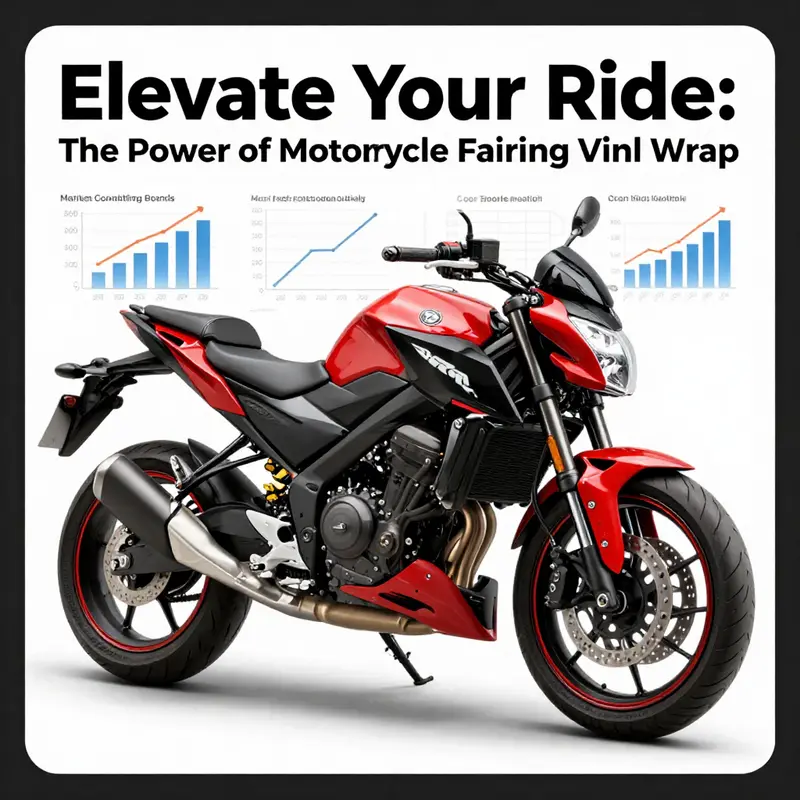
The street-level allure of motorcycle fairing vinyl wrap is no longer a niche curiosity. It has become a measurable segment of the aftermarket, where aesthetics and protection fuse with price sensitivity and rapid design cycles. Riders are drawn to wraps not just for color or texture, but for a reversible, non-destructive path to a bike’s personal expression. That growing interest shows up in the market data: the global motorcycle fairing market was valued at about 15.3 billion dollars in 2025, and it is projected to expand at a robust pace, roughly 10 percent per year from 2026 to 2033. This momentum points to a broader shift in consumer behavior, where customization is a straightforward, affordable upgrade rather than a long-term commitment that demands repainting or significant downtime. In practice, vinyl wraps are positioned as a versatile, cost-conscious alternative that resonates with a wide spectrum of riders—from daily commuters seeking fresh curb appeal to weekend warriors chasing a more aggressive, modern look without locking in a color for years.
The economic logic behind that momentum is simple and persuasive. A wrap differentiates a motorcycle visually while offering a shield against minor abrasions, UV exposure, and road grit. For many riders, the wrap represents a lower barrier to entry than repainting, particularly because it is removable and reversible. This matters because the ownership cycle for bikes has become more dynamic; riders frequently seek temporary branding for events, seasonal themes, or promotional purposes without consigning the bike to a permanent paint job. The business case for installers mirrors this demand. When a shop markets wraps, it is not just selling color; it is offering a maintenance-friendly finish that protects the original paint beneath. That protection is a recurring theme in consumer conversations, as riders weigh long-term aesthetics against the cost and disruption of a full repaint.
From a pricing perspective, the wrap market operates along a spectrum. Professional, full-body wraps using mid-tier vinyl are typically priced between seven hundred and two thousand five hundred dollars, with the final number depending on the bike’s geometry, the film quality, and the complexity of the contours. A DIY approach changes the math considerably. Material costs for a high-quality cast vinyl can range from roughly three hundred to six hundred dollars. The difference between DIY and professional installation is not solely about price. It also encompasses time, skill, warranty, and the likelihood of achieving a flawless finish on challenging surfaces. The decision often boils down to two questions riders frequently ask themselves: Do I want a pristine, factory-like finish with guaranteed edges and bubble-free seams, or am I comfortable trading some margin for a faster, more affordable project that I can tackle over a weekend? The answers are as much about personal appetite for risk as they are about budget.
A key economic dynamic behind the rising interest in wraps is the adaptability of film offerings. The market’s growth is supported by a steady stream of film options that vary in cast versus calendared construction, thickness, and adhesive technology. Cast vinyl, noted for its conformability and longer life, tends to command higher prices and is favored on high-contour surfaces such as fairings with tight curves. Calendared films, while typically less pliable, still deliver solid performance on flatter sections or simpler curves and often appeal to budget-minded riders seeking a strong, durable finish without premium price tags. Film quality matters not just for aesthetics but for durability, heat resistance, and ease of installation. A wrap that refuses to lay cleanly in the engine shroud or around a complex vent will cost more in labor, time, and potential rework. That reality helps explain why some riders weigh the value of hiring experienced installers over a DIY route, even when the latter seems financially attractive at first glance.
Consumer preferences also shape the economics of wrap projects. A notable trend in 2026 and beyond is the prevalence of matte black finishes with carbon fiber accents. This combination offers a clean, aggressive, and modern look that many riders find versatile and timeless. Matte finishes have the practical advantage of hiding minor surface imperfections more effectively than high-gloss schemes, which translates into potentially lower maintenance expectations and longer perceived lifespan under urban riding conditions. Carbon fiber accents, meanwhile, provide a sense of performance aesthetics without the cost and weight implications of real composites. For many riders, these design cues deliver high impact with relatively modest investment, especially when compared to a full repaint that would be cited as a premium design choice. In addition to aesthetics, this trend supports resale value and brand perception in a market where visual differentiation matters. The ability to refresh a bike’s appearance quickly and affordably—changing textures or switching to a new look for a season—appeals to riders who rotate their bikes as markets and seasons shift.
The economic picture for shops and service providers is intertwined with supply chains, training, and the evolving expectations of customers. As demand rises, installers must balance film availability, color choices, and the speed at which they can complete a wrap without compromising quality. Labor rates play a significant role in overall project cost and profitability. In regions where skilled wrap technicians are in higher demand, labor costs can drive the price of professional full-body wraps upward, further widening the gap between DIY and professional options. Yet the value proposition remains compelling: a professionally wrapped fairing can deliver a seamless, factory-like finish that endures through heat, sun exposure, and road debris, with a warranty that guards against bubbling or edge lift. This warranty component often tilts the decision toward professional installation for riders seeking reliability and peace of mind, especially on models with more complex fairing geometry.
From a consumer behavior perspective, the decision to wrap tends to hinge on perceived value and the length of ownership. For riders who expect to keep a bike for several seasons or plan to showcase sponsorships and events, wrapping can be an attractive way to align appearance with branding goals without committing to a paint scheme that might lock the bike into a design it later outruns. The reversible nature of vinyl means a bike can be updated for a new season, a new sponsor, or a new personal aesthetic with far less downtime than repainting. This flexibility aligns well with the broader culture around motorcycles as expressive platforms where owners continually curate their machine’s identity.
The type of fairing you have informs both the cost and the approach. Full fairings, with their expansive surface area and complex curves, demand more labor and higher-quality film, raising both material and labor costs. Half and quarter fairings reduce the wrap footprint but still require careful contouring to ensure edges sit flush and seams remain invisible. This dynamic underscores why conversations about value often center on the balance between a bike’s design demands and the rider’s expectations for longevity and finish quality. It also explains why some riders opt for targeted accents rather than full-body transformations, choosing carbon fiber wraps on the lower sections or matte textures on the fairing panels most exposed to sun and debris. Each choice carries implications for both maintenance needs and the eventual rewrapping costs if the rider decides to shift aesthetics again.
The Girl On A Bike, among others, has documented practical steps for those curious about DIY execution. While professional application remains the gold standard for durability and finish, a detailed approach to preparation, heat application, and finishing can demystify the process for enthusiasts weighing a first wrap. Understanding preparation steps, edge work, and post-application care helps riders estimate timelines and potential disruptions to riding schedules. It also clarifies what to expect from a wrap’s initial “settling” period, when edges may appear slightly raised before fully conforming to the underlying panel. Such nuances emphasize that the wrap journey blends technical precision with artistic judgment, and that the economic rationale often includes an appreciation for a high-quality result that preserves the bike’s integrity over time.
Conceptually, the wrap economy sits within a broader market for aftermarket motorcycle adornments and protective finishes. The overall market growth contributes to a favorable pricing environment for dealers and installers who can deliver consistent quality at scale. It also encourages more shops to offer wrap services alongside paint repair, bodywork, and cosmetic upgrades, creating cross-selling opportunities. For riders, that means easier access to professional advice about film selection, finish options, and installation timelines that fit their schedules. A shop that demonstrates transparent pricing, clear warranty terms, and reliable aftercare guidance tends to nurture longer relationships with customers, converting a one-off wrap into repeat business as models change and rider needs evolve.
From an experiential standpoint, the wrap journey is as important as the final look. The initial consultation sets expectations for fit, texture, and color longevity. During the install, skilled technicians must interpret a bike’s contours, vents, and radiators to ensure wrap seams align with body lines and do not interfere with function. Post-installation care—gentle washing techniques, avoidance of abrasive compounds, and heat exposure management—affects the wrap’s perceived value and, ultimately, the rider’s willingness to invest in future updates. For the consumer who wants to understand how the market price translates into a tangible result, these steps matter just as much as the headline figures about market size and CAGR. The economics of motorcycle fairing vinyl wraps thus rests on a triad: material science that delivers reliable performance, labor expertise that guarantees a seamless finish, and consumer demand for adaptable aesthetics that keep pace with changing tastes.
For readers who want a model-specific sense of fit and availability, the Honda fairings collection offers a concrete example of how wraps interact with different chassis shapes and contours. Riders exploring compatibility across popular platforms can consult this internal resource to gauge fitment considerations and to visualize how a given color or texture might align with a bike’s silhouette. This reference helps bridge the gap between market trends and practical application, illustrating how design choices ripple through to actual installation scenarios. The link to the collection is provided as a practical entry point for further exploration: Honda fairings collection.
On the macro level, the wrap phenomenon must be understood alongside broader market analyses. Industry reports frame motorcycle fairing vinyl as a growth vector within the aftermarket ecosystem, driven by consumer appetite for affordable customization and rapid cycles of visual refresh. The long-term viability of wraps rests on continued improvements in film durability, ease of installation, and the ability to remove wraps without residue or damage to underlying paint. As suppliers refine adhesives and extend the life of finishes under sun and engine heat, the value proposition for both riders and installers deepens. In this sense, the wrap market operates both as a craft and as a scalable business model, where the lessons of one chapter—preparation, heat application, finishing—translate into repeatable, efficient practices that support sustained growth.
For readers seeking a broader macro perspective on market dynamics, external industry analyses offer deeper data and nuanced projections. A comprehensive resource that tracks trends, types, and applications of motorcycle fairing materials highlights how the wrap segment intersects with broader consumer preferences and economic cycles. See the external resource for a broader market perspective: https://www.grandviewresearch.com/industry-analysis/motorcycle-fairing-market. This external analysis complements the chapter’s emphasis on cost, value, and design direction by placing wrap-adoption within the larger context of the motorcycle aftermarket landscape.
Final thoughts
Motorcycle fairing vinyl wrap stands out as an exceptional means of combining customization with robust protection for motorcycle enthusiasts and business owners. By adopting this stylish yet practical approach, you not only enhance the aesthetic appeal of a bike but also extend the life of its original paintwork. Through the insights provided in this article, from the diverse benefits and application techniques to understanding fairing types and market trends, business owners are better equipped to cater to the growing demand for vinyl wraps. Ultimately, embracing motorcycle fairing vinyl wrap can elevate customer satisfaction, create unique brand offerings, and bolster the overall value of your services. The journey towards enhancing motorcycle aesthetics and protection is just a wrap away!