
Motorcycle fairings are crucial not just for aesthetics but also for enhancing performance and rider comfort. As a business owner in the motorcycle industry, understanding the different types of fairings can help you cater more effectively to your customers’ needs. This article delves into the main types of motorcycle fairings—Full Fairing, Half Fairing, Quarter Fairing, and Naked Bike—and analyzes their significance from a business perspective, balancing functionality, aesthetics, and customer preferences. Each chapter sheds light on how these fairing types impact sales, rider experience, and ultimately the success of your offerings.
全挡风罩的力量:在空气动力学、保护与美学之间构筑高速骑行的屏障
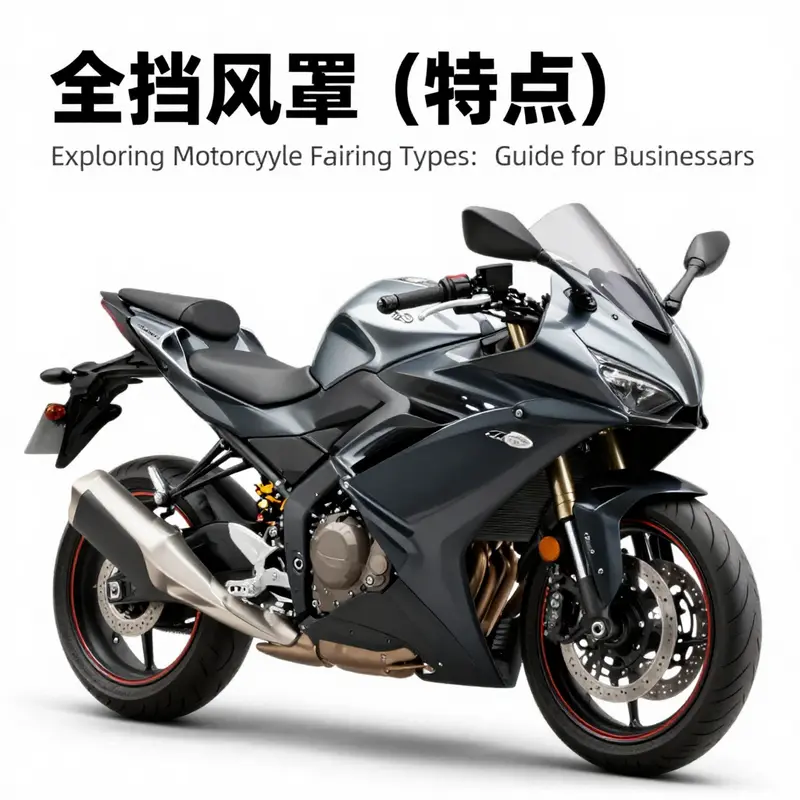
外部参考信息: https://www.1688.com/offer/649875581373.html
Half Fairing: A Design Equation of Protection and Style in Motorcycle Aerodynamics
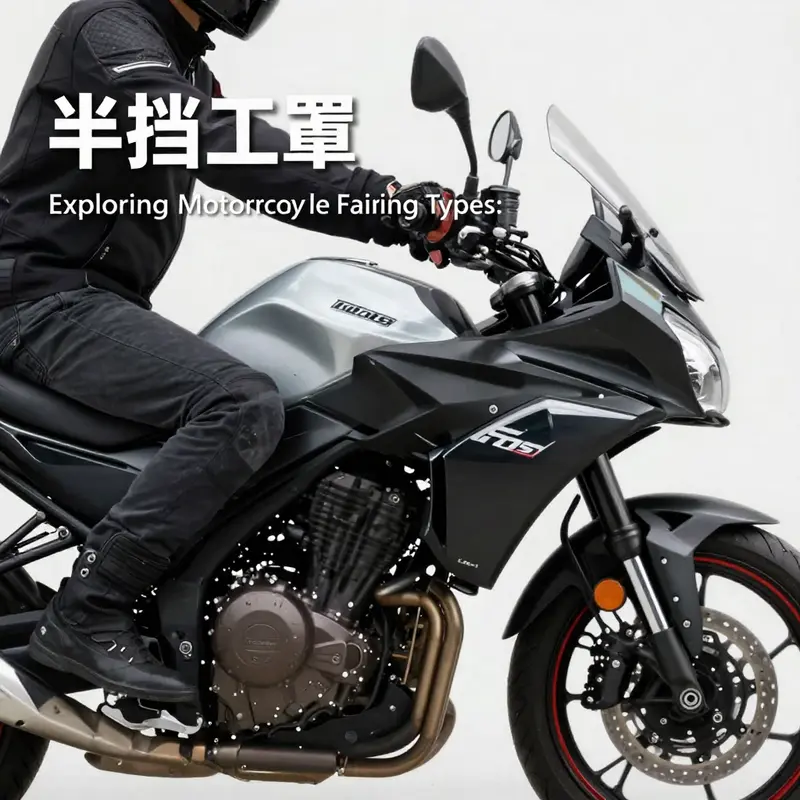
Half Fairing: A Design Equation of Protection and Style in Motorcycle Aerodynamics
Half fairings occupy a unique niche in the spectrum of motorcycle weathering and styling. They are not the full enclosure that blankets the front end and engine, yet they are far from bare visibility. In the language of motorcycle design, the half fairing speaks softly but carries a nuanced argument: you gain protective shelter for the rider and a refined aerodynamic profile without surrendering the naked machine’s character, accessibility, or weight advantages. This balance is not a mere aesthetic preference; it is a practical decision that influences how a rider experiences performance, comfort, and even the feel of a bike at the limits of urban speed and highway tempo. As the chapter unfolds, the half fairing’s role emerges as a carefully weighed compromise between two fundamental aims—shielding the rider from the gusts and splashes of the road while preserving the visual and mechanical honesty that many riders crave.
From the protective side, the half fairing reduces the direct onslaught of wind at the rider’s helmet and upper torso, especially during mid to high-speed riding. The effect is a noticeable drop in fatigue on longer rides, a quieter cockpit, and a more stable riding posture that helps the neck and shoulders resist strain. While it cannot claim the same level of weather sealing as a full fairing, it still offers a meaningful barrier against rain, wind-driven grit, and insects that can disrupt visibility and comfort. The result is a more controlled ride in typical road conditions, where the rider spends hours facing variable gusts rather than sudden squalls. In this sense, the half fairing functions as a selective shield, targeting the most fatigue-prone airflows while leaving the engine and lower structure more accessible for maintenance and heat management.
The aerodynamic story of a half fairing is about shaping the flow at the front of the machine without constraining every vent and passage. A well-designed half fairing introduces gentle, curved surfaces that guide air upward and around the rider’s helmet rather than pushing the air abruptly into the rider’s line of sight. The outcome is less wind noise, reduced buffering at the helmet, and a more coherent pressure distribution over the upper body. This is particularly important for riders who spend long hours in a fixed or semi-fixed riding posture, where even small reductions in drag and turbulence can translate into perceivable comfort gains. Yet the same elegance of airflow must work with the bike’s overall thermal design. Since the lower engine bay remains exposed to view and, in some cases, to more direct air contact, designers must ensure that cooling paths continue to function, and accessible service points remain reachable. The half fairing thus negotiates a careful relationship between shielding and venting, a relationship that keeps the bike thermally aware even as it looks sleeker than a naked configuration.
Aesthetically, the half fairing offers a disciplined option for riders who want structure and motion in the bike’s silhouette without the mass and volume of a full enclosure. The lines of a half fairing can emphasize the bike’s front-end geometry—the rake of the fork, the curvature of the tank area, and the sweep of the headlight housing—while preserving a clear view of the engine and chassis beneath. The result is a visual tension that reads as refined and purposeful rather than cluttered. In the broader design language of motorcycles, this is where the half fairing earns its stripes: it provides a stage for the machine’s character to express itself through geometry and light, not only through color and badge saturation. For riders who seek a blend of modern refinement and vintage soul, the half fairing acts as a bridge between two design eras, offering modern wind‑cutting efficiency with a nod to the clean, unbroken lines many associate with traditional naked bikes.
The material story behind half fairings complements this mid‑ground stance. In contemporary practice, high‑clarity polycarbonate and other tough plastics are common choices for fairing shells. These materials deliver excellent impact resistance, resistance to scratching, and long-term clarity, which preserves the rider’s visibility through the shield while withstanding the rigors of road debris and UV exposure. Coatings and edge finishing are not afterthoughts; they are integral to ensuring that the shield remains optically clean and resistant to sunlight degradation over years of riding. The choice of a transparent or lightly tinted header plate in a half fairing design is not merely stylistic. It influences rider visibility, glare reduction, and the overall impression of the cockpit clarity. In addition, the weight savings of well-chosen plastics contribute to handling and stand as a tangible benefit when compared to heavier full‑enclosure alternatives.
Beyond materials, the geometry of the half fairing matters. The protective portion typically covers the upper front of the bike—often integrating the headlight and instrument cluster area in a way that maintains access to controls and maintenance points. Designers often pursue a profile that complements the bike’s line, threading a path between keeping the air cleanly separated from the rider and ensuring that the fairing works in harmony with the bike’s other protective elements, such as the lower fairing or frame guards. In that sense, the half fairing becomes part of a modular ecosystem: it is not an isolated shell but a contribution to a coherent wind management strategy that respects the machine’s architecture. The rider’s line of sight, the positioning of the fairing’s surface, and the way it interacts with the handlebars are all factors that influence how easily a rider can adopt and adapt to that particular setup.
Practical considerations also steer the design toward usability. The half fairing’s lighter footprint translates into easier removal and service compared with a full fairing, which can simplify routine checks and minor repairs. For enthusiasts who rotate between daily commuting and weekend rides, the maintenance philosophy becomes a practical argument in favor of a half fairing. A light, modular shield can be removed without disassembling large sections of the bodywork, enabling quick oil checks, chain adjustments, or air filter inspections. This convenience resonates with riders who prize hands-on involvement with their machines, a sentiment that often accompanies classic or retro-inspired aesthetics. The design language thus aligns with broader riding cultures that value accessibility, repairability, and the tactile joy of maintaining one’s own machinery.
The decision to opt for a half fairing often depends on the rider’s specific use case. For city commuting and light touring, the balance of protection and visibility makes the half fairing an attractive compromise. For riders who prize a minimalist, naked-bike appearance but still want to soften wind on long rides, the half fairing provides enough shielding to reduce fatigue without erasing the naked-bike identity. In more aggressive sport-oriented contexts, where aero gains and helmet stability at high speeds become paramount, the half fairing can still contribute meaningfully to airflow management, though it must be integrated with lower bodywork and under‑body channels to maintain cooling efficiency and stable handling at the machine’s performance limits. In this sense, the half fairing is not a universal prescription but a design tool with a distinct operational envelope. It asks riders to consider what portion of the airfoil, shield, or silhouette they wish to invest in, and what they are willing to trade in terms of access, weight, and maintenance.
To explore how this design fits into broader fairing strategies, consider the way a manufacturer crafts a lineup that includes full, half, and even minimal wind protection. The half fairing is often paired with a lower fairing to complete an aerodynamic envelope that can still feel agile and uncluttered. The interaction between the upper shell and the lower sections becomes a study in how air finds its path along a bike’s frame, sometimes creating a calmer wake behind the rider and sometimes contributing to a more dynamic, responsive feel under acceleration. The rider’s experience is, in many ways, a dialogue between wind and chassis, where the half fairing helps shape the dialogue by directing air and reducing noise without overwhelming the senses with a fully enclosed, tour-ready cockpit. This dialogue is also a reminder that practical design choices are never in isolation; they ripple through maintenance schedules, heat management, weight distribution, and the bike’s overall personality.
In considering a rider’s path toward a half fairing, it is useful to think of the visual and tactile cues that the shield provides. The lines of the fairing can emphasize speed through sharp angles or soften the bike’s silhouette with smooth, sweeping curves. The choice of color, surface texture, and edge detailing all contribute to how the bike reads at a glance. For some riders, those cues communicate a commitment to a certain posture on the bike—an attitude toward the road that is less about aggression and more about control and poise. For others, the half fairing’s presence reinforces a sense of modernity without abandoning the machine’s historic charm. In both cases, the aesthetic value is not superficial; it aligns with the rider’s sense of identity and the bike’s message to the street. The half fairing, in this sense, becomes a language spoken through materials, lines, and the way light plays across a machine’s face.
As this discussion closes its loop, the half fairing emerges as a practical, stylish, and technically thoughtful solution. It offers meaningful protection against wind and rain for the upper body while preserving machine access, keeping maintenance straightforward, and allowing the rider to retain a core sense of mechanical honesty. The design does not pretend to be a universal answer for every riding scenario; instead, it provides a tailored compromise—an option for those who want an intermediate path between the naked aesthetic and the full aerodynamic cloak. For riders who seek a balance between everyday comfort and a trace of expressive, performance-oriented styling, the half fairing presents a compelling case. It is a design tool that respects the rider’s need for clarity, accessibility, and connection to the machine, while still delivering a refined aerodynamic performance that enhances the riding experience on a broad spectrum of roads.
For readers curious about how half fairings integrate with different frame lines and overall design ethos, one reference point to observe is the Yamaha fairings collection, which illustrates how form and function are aligned in a family of machines with shared rear geometry and front-end language. See: Yamaha fairings collection.
External references for deeper material and design considerations can be found in industry listings that discuss fairing materials, protectivity, and manufacturing considerations across various market offerings: https://www.alibaba.com/product-detail/Motorcycle-Fairing-Protective-Windshield-For-XSR900_1600324585417.html
风洞边界的美学与实用性:四分之一挡风罩在摩托车设计中的综合价值
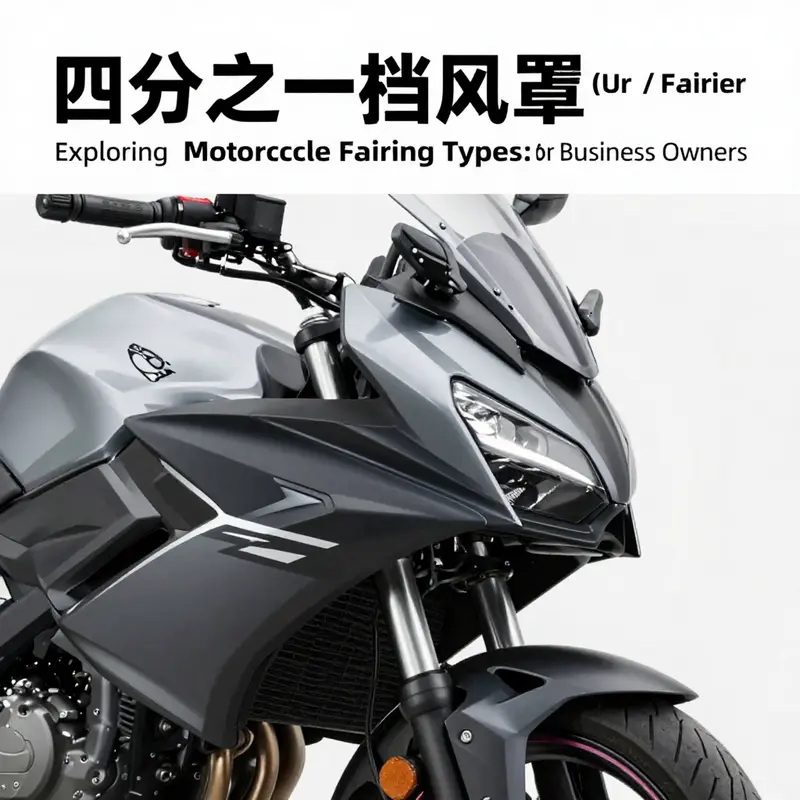
四分之一挡风罩并非单纯的外观配件,它处在空气动力学、热管理、维护便利性与美学表达之间的细小边界。它覆盖前部上方较窄的区域,常见于现代高性能摩托车的前脸结构中。它既要在高速行驶时减小气动阻力,又要确保前部部件的清晰可维护性,并在视觉上为整车赋予更强的运动气质。这种设计思想与全挡风罩、半挡风罩以及下挡风罩共同构成可调控的空气动力学体系。
通过对前缘、上沿与导流槽的微调,气流可更贴合车身轮廓,减少分离和乱流,在高速下提升附着力、纵向稳定性与舒适性。
热管理方面,四分之一挡风罩通过导流槽、进风口与排气路径的协同作用,优化散热回路,既帮助散热系统在需要时获得更直接的气流,又尽量保持重量与体积的克制,从而提升热传导效率与部件耐久性。
在舒适性方面,它能有效阻挡迎面风力,减轻颈肩部肌肉的紧张,降低风压波动带来的噪音感,从而在高速巡航和长途骑行中提升骑手的疲劳耐受性与交流清晰度。
对于前照灯、仪表盘等前部敏感部件,四分之一挡风罩提供了必要的遮挡与保护,避免碎石与尘土轻微冲击带来的损耗。通过优化外形线条,还能使整车外观更紧凑、利落,强化运动风格的视觉传达。
在品牌语言和设计美学层面,四分之一挡风罩的轮廓与灯光、进气口、前梁的线条共同构成整车的“脸谱”,提升科技感与速度预期。
作为全挡风罩与裸车之间的权衡,它提供风阻控制、维护便利性与美学表达的折衷。通过与下挡风罩、半包围风挡等部件的组合,形成多层次的气动系统,以适应不同工况。
未来设计将更多借助材料创新、仿真分析与数字化个性化配置,如更轻的碳纤维材料、精准成型、以及按需定制风挡模块,使骑手能够在购买后实现自定义风格与功能配置,结合风洞仿真实现更优的气动方案。
总之,四分之一挡风罩以其功能组合与美学特质,在摩托车设计中扮演连接速度、舒适与风格的桥梁角色,成为可持续且高度适应性的设计要素。
裸露的操控诗学:无挡风罩在摩托车气动文化与功能中的作用
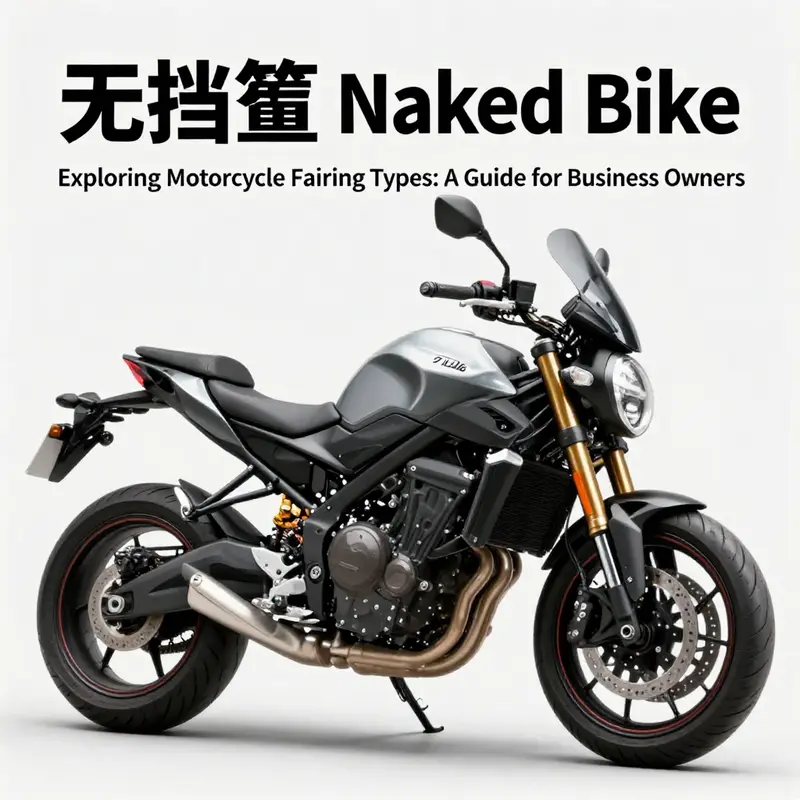
无挡风罩的设计并非对功能的忽视,而是一种对速度、操控与自我表达的直接声明。它摒弃了传统旅行车或拉力车所追求的全面包覆,将风从骑手的胸腔、肩膀与颈部一路推向身体的核心区域。这种无遮挡的暴露,既是一种挑战,也是一种邀请。挑战在于高速下的空气压力、风噪和长途骑行时的疲劳。邀请则来自于对机械语言的直接聆听——你能更清晰地感知车身的振动、轮胎与路面的接触,以及发动机的反应。对许多追求纯粹驾驶乐趣的骑手而言,这是一种“你在车里与风对话”的体验,一种与机器合一的沉浸感。无挡风罩的核心逻辑在于“去遮蔽”和“去保护”的并行追求。尽管这听起来像是两种对立的理念,事实上它们在裸车的设计语汇中彼此映照,使得骑行更具张力,也更具个性。风从前方卷来,直接作用于躯干和手臂,骑手需要更主动地调整姿态以维持平衡与节奏。速度越高,这种气动直觉就越强烈,身体的每一个微小动作都可能被放大。风噪在高速阶段尤为明显,耳膜与咽喉的振动也随之增强,安全判断必须更多地依赖胸腔共振之外的感知。这些现实并非单纯的缺点,而是无挡风罩所带来的独特信息源与训练场。通过长时间的高速巡航,骑手会学会以更有效的体态来分散风力对肩颈与手臂的冲击,于是所谓“风的训练场”变成了自我掌控与技艺提升的场域。与此同时,裸体的机械美也在无声地呼唤着一种古典的、直接的驾驶美感。没有挡风罩的遮挡,发动机的声浪、气流在车身表面产生的纹理,以及路面微妙的反馈都变得异常清晰。这种清晰感让人对油门、离合和节气门的响应有更细致的感知,仿佛每一次加减速都被放大成一次微型的驾驶演出。与之对照的是,装有挡风罩的车型则以“保护性”和“舒适性”为核心,风阻被设计成可控的扰流对象,雨水、尘土与飞石被阻挡在前舱之外,脸部与眼睛获得更为稳定的视线。寒冷天气中的保暖效果、风雨对比的屏障、以及高速航程中的疲劳抑制都成为挡风罩的显著优势。这两种设计并非互斥,而是在不同骑行语境中的选择策略。若以城市通勤与周末短途为主,许多骑手会在无挡风罩与小型挡风元素之间寻求折中,以保留敏捷操控的直觉,同时减少长途中的不适感。就此而言,拆解无挡风罩的“功能矩阵”不仅仅是看它是否遮风,更是理解它如何在不同情境中改变骑行者与车辆之间的互动方式。哪怕同一款车,换上不同的公路风挡,驾驶体验也会发生显著的变化,风格从野性逐步向可控的自如过渡。这种转变也折射出摩托车文化中的一个核心议题:极端的自由与实际的舒适之间如何达成平衡。无挡风罩往往成为对自由的象征,却需要对疲劳、姿态和听觉的适度妥协;而挡风罩则更像是一种现代出行的现实主义,强调持续性、稳定性与安全的综合性。于是,选择成为每一次骑行的起点,而不是单纯的产品评估。无挡风罩的美学魅力在于它的“裸露美学”和对速度语言的最小化干预。它让观者直观地看到发动机的结构、热管理系统的风道,以及车体刚性与悬挂的肌肉线条。对很多玩家而言,这种暴露感是一种宣言——他们愿意让路面、风与机械的直白对话成为日常体验的一部分。与此同时,文化层面的意义也在逐渐演化。早期的无挡风罩更多被视为赛车式、实验性或叛逆的象征,强调对规范的挑战和对速度的追逐。如今,随着城市化进程和骑士日常需求的多元化,一些街车和轻型旅行车型的车主开始在无挡风罩的基础上增设小型挡风元素,或选择可收折的护板,以兼顾城市通勤与周末短途的驾驶乐趣。这一趋势说明:无挡风罩并非要被彻底抛弃,而是在“自由美学”与“日常可用性”之间寻找新的共识。它们在一定程度上推动了整个行业对气动设计的重新评估——不仅要追求最高的理论风阻系数优化,还要考虑实际使用中的热管理、噪音、可维护性和可定制性。为了理解这种多层面的权衡,我们不妨从历史的角度略作回望。早期的裸车多出现在赛车化与街车之间的边界地区,设计师与工程师试图在轻量化、操控响应与外观标识之间取得折中。随着材料、制造工艺与风洞测试技术的发展,这种边界变得更为模糊。如今,许多玩家在保持裸露外观的前提下,采用创新的空气分布和微型气动元件来提升稳定性,甚至在下沿与引擎盖之间融入轻量化下挡风结构,以实现对风场的更高利用率。这表明,现代无挡风罩并非单纯某一种风格的代表,而是一个演化中的设计语汇,承载着对速度、声音、热管理与人机交互的新理解。文化层面的讨论也在同步深化。无挡风罩被看作对驾驶自由的不断再想象,它强调个体选择权、对自我边界的探索,以及对现代交通环境中“人-车-路”关系的直观体验。与此同时,挡风罩文化则在强调集体效率与系统保护——从空气动力学的角度看,它帮助减少风阻,降低振动对颈肩部的长期影响,提升在不同气候条件下的耐受性与安全边际。如今的骑行社群在这两种文化之间往往呈现出混合态势:不少车迷会用可拆卸或可调节的前罩来实现“半遮蔽”的体验,既能在城市中享受敏捷与风的直接触感,又能在高速公路上获得稳定的视野与舒适。这样的趋势揭示了一个关键点:不同的挡风罩类型并非简单的“有”或“无”,而是通过灵活的组合与改装来回应复杂的日常需求。接着,我们应把焦点放在设计哲学与骑行体验的交汇处。无挡风罩所代表的并非对抗风阻的极限,而是在特定语境中对“直觉性驾驶”的坚持。对于追求极致操控感、喜欢听任风势直接影响身体姿态的骑手而言,这是一种训练,也是一种乐趣。对于普通通勤用户而言,若能在关键路段获得短时的风挡保护,且在塞车与夜间骑行时减少风噪带来的干扰,则无挡风罩的意义会从“纯粹表达”转化为“可持续骑行体验”。这就解释了为何在当代摩托文化中,裸车并非简单的极端选择,而是一个需要不断自我调适的设计领域。最终,选择权力回到骑手手中——他是决定是否愿意以风为伴、也愿意为了一段旅程而承受疲劳的人。对于设计师与制造商而言,理解这种“风的语言”不仅有助于赋予车型个性,还能在产品线中提供更细致的差异化。正如资料中所强调的,拉力车与旅行车的挡风罩设计常被视作长期旅途与风阻管理的核心工具,而无挡风罩的车型则以速度直觉和维护便利赢得一批坚实拥趸。两种路径共存,形成了摩托车文化的双重谱系。此时,一位热衷改装的骑手可能会在城市中保留裸露的驾驶乐趣,在周末的公路远行时增加可拆卸的风挡以换取更平顺的风路,这种调和不仅是物理参数的调整,更是对生活方式的调适。为了进一步理解无挡风罩的物理与文化逻辑,读者可以将视线投向关于气动学的基础知识与理论框架的综合资源,那里系统地解释了空气阻力、分离点、扰流和噪声的相互作用,以及它们如何共同影响高速稳定性与舒适性。外部参考将为你提供一个更广阔的理论背景,帮助你在未来的选装与改装决策中做出更自信的判断。外部阅读推荐可参考关于气动学的基础知识,以理解风与车体在不同姿态下的互动关系,并帮助解读无挡风罩在特定条件下的表现。有关气动学的基础概念与应用,可以查阅维基百科的气动学条目。为了与章节整体的论述保持连贯性,读者也可以通过前述内部链接进一步探究与某些特定车型相关的挡风罩配置以及定制件的多样性与可获得性。对于追求更丰富驾驶体验的读者而言,了解不同挡风罩类型如何在不同场景中改变车身动态,是走向更成熟改装思维的起点。无论是选择保留裸露的驾驶乐趣,还是在某些路段重新装上风挡以提升舒适性,核心始终在于对自身骑行方式与环境条件的清晰认知。只有当骑手对“风”的存在与“车”的弹性有足够的认识时,才会出现真正的自由驾驶——那种在速度与安全之间找到自我平衡的状态。总之,无挡风罩类型在摩托车挡风罩的广阔生态中,既是极端表达的标记,也是可持续驾趣的实践场。它通过强调直接、鲜明的驾驶反馈,挑战骑手在疲劳与乐趣之间进行选择,同时也促使挡风罩这一传统保护元素不断演化,以适应日常生活中对安全、维护、可定制性的多层需求。从这个角度看,裸车与有罩车并非对立,而是一对互相补充的设计语言,指向一个共同的目标:让人与车在风的轨迹中实现最真实的对话。若你愿意继续探索这一主题,内部链接将带你走近具体车型的挡风罩方案与定制件的多样性,同时外部资源也会提供更广泛的气动学视角,帮助你在自己的骑行旅程中做出更明晰的选择。
Final thoughts
As the motorcycle industry continues to evolve, understanding the various types of fairings and their implications is vital for business owners. Full fairings provide the ultimate protection and aerodynamic advantages, while half fairings strike a practical balance of style and accessibility. Quarter fairings offer basic wind resistance with a simplified aesthetic, and naked bikes appeal to those seeking mechanical purity. Each type presents unique selling propositions that can enhance customer satisfaction and loyalty. By leveraging this knowledge, businesses can better align their products with the preferences of riders, ultimately driving sales and brand loyalty.