
The demand for motorcycle customization and maintenance has led to a burgeoning market for used motorcycle fairings. Business owners in the motorcycle industry must understand this trend, focusing not only on the market availability of these products but also on the quality and pricing considerations that affect purchasing decisions. Equally important is the impact of used fairings on the customization and repair sectors. In the following chapters, we will delve into the availability and variety of used motorcycle fairings, assess quality and pricing dynamics, and explore how these sales shape the broader landscape of motorcycle customization and repairs.
Market on the Move: Global and Local Pathways to Used Motorcycle Fairings for Sale
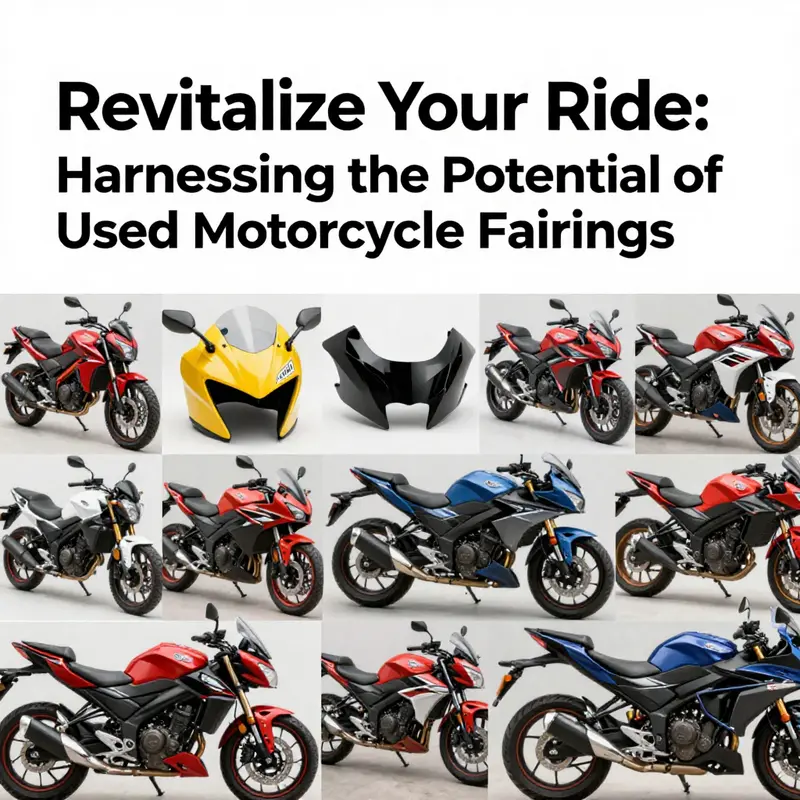
The story of used motorcycle fairings being readily available is a story about reach and timing. It is about the way a part that was once thought of as disposable can travel across oceans or slide down a quiet street market aisle, only to land in the hands of a rider who needs it for repair, restoration, or a new look. Availability is not a single phenomenon but a tapestry woven from global platforms, regional hubs, and the informal networks that enthusiasts rely on when a project demand appears on the calendar. What makes the market robust is not just the sheer number of listings but the way these listings sit at the intersection of fit, condition, price, and the promise of value. In practice, the market availability of used fairings reflects three currents: the broad reach of online marketplaces, the tangible economies of local markets, and the subculture networks that connect buyers with motivated sellers looking to upgrade or declutter. Taken together, these currents create a supply chain that feels almost anticipatory to riders who seek a quick, affordable cure for a dented panel or a fresh visual identity for a build-in-progress.
Online marketplaces have transformed how riders discover and assess used fairings. Platforms that host multiple sellers—ranging from individual owners to specialized repair shops—offer a panoramic view of what is available at any moment. The value of such platforms lies not only in the breadth of inventory but in the ways listings are presented to buyers. A well-crafted listing usually includes a clear description of what is being sold, photos from several angles, and a condition report that notes any scratches, cracks, repairs, or missing mounting hardware. This level of detail matters because fairings are a composite of styling and structure; even when a panel seems visually pristine, a hidden crack or a mounting point deformation can affect fit and installation. The existence of these details helps buyers make informed decisions without immediately turning to a local shop for an inspection.
Many listings will clearly differentiate OEM parts from aftermarket or custom designs. An OEM fairing promises a precision in fit that mirrors factory specs, while aftermarket options often prioritize a particular aesthetic or material choice—ultralight composites, higher gloss finishes, or color-matched schemes. For buyers, that distinction matters; it influences not only the cost but also the likelihood of a seamless swap during a repair or a weekend project that aims for a showroom-like result. The online marketplace ecosystem also explains why a fairing might move quickly. When a listing includes reliable photos, a transparent condition report, and a known fit reference, it reduces the perceived risk for a buyer who may be contemplating a cross-model compatibility check, a common scenario among riders who mix and match panels to recreate a specific look on a non-original model.
Another hallmark of the online market is the variety of sellers who participate. Some listings come from larger, professional stores that consistently supply a wide range of panels for common models. Others come from private enthusiasts who are upgrading their own bikes or completing a restoration. This diversity introduces both volume and character to the market. You might encounter a mint-condition fairing pulled from a low-mileage machine or a panel that has seen use but still carries a salvageable aesthetic. The diversity is not merely about the age of parts; it also reflects the language of customization: a fairing that carries a unique colorway or a design that evokes a specific era of sport bikes can be as desirable as a flawless OEM panel. In this sense, the market is not solely about “new old stock” but about the story a panel has accumulated and the way a new owner can carry that narrative forward.
Alongside global marketplaces, local markets remain an indispensable pillar of availability. In regions with large and active motorcycle communities, dedicated resale networks and wholesale hubs create a parallel stream to online listings. Guangzhou’s Baiyun Motorcycle Parts Wholesale Market in China is often cited in industry chatter as a microcosm of this local ecosystem. There, rows of stalls and warehouses offer used fairings at prices that can be significantly lower than new counterparts, especially when negotiating directly with sellers who can verify fit with their own eyes and hands. The local market dynamics are shaped by a few practical realities. First, transportation and logistics costs in a local market can dramatically influence the final price for a rider who is picking up a panel in person. Second, the chance to inspect the item firsthand before purchase reduces uncertainty about color fading, temperature-induced warping, or mounting hole alignment. Third, local markets often support a fast, cash-based transaction culture that benefits buyers who want to take a panel home that day rather than wait for shipping and handling windows. For the buyer, the local route complements the online route by providing a tactile confidence check that cannot be fully replicated through photographs alone.
The price psychology in both global and local markets is, at its core, a negotiation-driven ecosystem. Used fairings exist at the intersection of depreciation, demand, and the ever-shifting preferences of riders working within a fixed budget. Consumers are increasingly drawn to options that balance cost with responsibility. The eco-conscious dimension can be subtle but meaningful: choosing a used panel instead of a new one reduces the environmental footprint associated with production, paint, and packaging. This is especially true for riders who value long-term ownership and plan to ride their machines for many seasons. The broader consumer trend toward sustainability and value-driven purchases aligns with the practical realities of the market. A used fairing can be a smart, conscientious choice if it meets the right fit at the right price and continues to perform over time.
Beyond the mainstream marketplaces and the bustling stalls of regional hubs, the market also thrives through niche resources that speak to the passions of the restoration and customization communities. Forums and social groups dedicated to motorcycle modification and restoration become indispensable when a rider searches for models that are less common or requires parts from a particular era. In these spaces, owners discuss fit notes, color codes, and the subtle differences between model variants that can alter compatibility. A user who is restoring a vintage machine or building a show bike may not need a brand-new panel; instead, they seek the exact year, bodywork revision, or even the same shade of gloss as the original. The power of these communities lies not only in the access to hard-to-find parts but also in the peer-to-peer knowledge that reduces the risk of buying a misfit panel. A seller who posts a photo of a fairing installed on a similar model, or who shares a link to a color-match registry, can turn a casual browsing session into a confident purchase.
Taken together, these channels create a market that is both expansive and pragmatic. For a rider with a clear model in mind, the search can be narrowed by model-specific sections on a platform or by community-sourced directories that map compatible variants across generations. When a rider knows that a part exists, the hunt can be efficient; when a rider does not know that a compatible alternative exists, the wealth of listings, photos, and compatibility notes can surprise and inspire new creative directions. The result is a marketplace that doesn’t merely sell panels; it invites riders to reimagine their bikes, to find the right mix of form and function, and to balance the emotional appeal of a fairing’s aesthetics with the mechanical realities of fit and mounting.
For readers who want to anchor their search in a discipline that values both scale and specificity, a practical approach emerges: start with a broad online survey to understand the inventory spectrum and then narrow to a trusted local source for hands-on verification. The fiction of abundance becomes reliable when buyers check for crucial details in listings: whether the fairing includes mounting hardware, the number of pieces in the kit, the presence of any repairs that might affect alignment, and the availability of return policies or guarantees that can compensate for the lack of physical inspection. It is the combination of a generous catalog and a disciplined due diligence routine that makes the market not just available but navigable. The process allows riders to move beyond the fear of overpaying for a risky purchase and toward a confident decision that the panel will fit, function, and, above all, satisfy their project goals.
In the broader context of how used motorcycle fairings are consumed, the market’s vitality is bound to a cycle of listing, inspection, negotiation, and fulfillment. Each link in that chain plays a role in whether a buyer ends up with a seamless swap or a frustrating misalignment. Listings with detailed descriptions and multiple photos reduce the unknowns, while transparent notes about damage and the inclusion of mounting hardware make the decision to proceed smoother. The buying journey often travels from curiosity to certainty, with the online listing acting as the first handshake and the local inspection acting as the second. When a rider finally mounts the panel, the entire experience—its fit, its paint, its hesitation before the first ride—becomes part of the story of the bike itself.
For readers who want to explore model-specific inventories or to compare how different brands handle geometry and mounting points, one practical route is to explore model-focused collections hosted by dedicated retailers. These pages curate compatible panels by make and model, streamlining the search for riders who want to avoid the uncertainty that comes with generic listings. A model-focused approach not only saves time but also reduces the risk of receiving a fairing that cannot be mounted without significant modification. The culture of model-centric catalogs reflects a broader market recognition that fit matters as much as form. A well-presented collection communicates respect for a rider’s time and the integrity of the repair or build project. It demonstrates that the seller understands the nuances of the demand, whether for a modern sport bike’s crisp lines or a vintage bike’s era-defining silhouette.
As you navigate this landscape, the social dimension remains a steady force. The market thrives on word-of-mouth, enthusiastic recommendations, and the sense of community that surrounds bike culture. A rider who has successfully sourced a fairing through a community forum or a seller who has earned trust through consistent, well-photographed listings becomes part of a larger network that shortens the path from inquiry to installation. The social fabric also helps buyers understand what is feasible within a budget. A potential buyer who hears about a local market stall where a complete fairing set is available for a fraction of the online price can reframe a project timeline, deciding to pursue a restoration in stages rather than in a single, all-at-once investment. In this way, availability is not only about inventory; it is about the choreography of the rider’s plan, the market’s responsiveness, and the shared knowledge that moves both sides toward a satisfied outcome.
The chapter you are reading reflects a marketplace that does not assume a single route to fulfillment. It recognizes that availability comes from multiple sources, each with its own strengths and caveats. It recognizes that buyers are increasingly sophisticated about fit and condition, and they leverage both the transparency of online listings and the tactile assurance of in-person inspection. It recognizes that local markets, with their immediacy and price flexibility, continue to play a crucial role in balancing the scale of global inventories. And it recognizes that communities of enthusiasts—whether they gather on forums, social feeds, or model-specific catalog pages—provide not just guidance but a lived sense of what is possible when a bike’s look and performance depend on the right panel finding its way home.
For model-specific exploration beyond this narrative, readers can turn to specialized collections that assemble compatible fairings by model families. For example, the Honda fairings collection provides a starting point for enthusiasts seeking to restore or customize bikes in a way that preserves the machine’s original sense of proportion while embracing modern paint or material choices. This curated resource helps a rider know where to look first, what parts are likely to fit, and how much variation to expect across years and editions. By guiding the search toward model-aligned compatibility, such collections help reduce uncertainty and streamline decisions, making the market feel navigable rather than overwhelming. Honda fairings collection offers a practical anchor for those who want to align aesthetics with engineering compatibility while exploring the broader landscape of used panels.
The dynamic between global reach and local access continues to shape the market’s evolution. As more buyers become comfortable ordering parts from international sellers, new logistics patterns emerge—how shipping costs, transit times, and return policies interact with price to determine the true value of a used panel. At the same time, the local lane expands as regional communities organize swap days, market stalls, and informal exchanges where a rider can examine a fairing, compare it to the bike, and negotiate on the spot. That combination—global breadth with local immediacy—forms the backbone of the market’s resilience. It is this resilience that invites riders to think beyond the purely functional aim of replacing a broken piece. It invites them to reimagine their machines, to test out colors and shapes, and to enjoy the sense of possibility that comes from discovering a panel that both fits and pleases.
In sum, the market availability of used motorcycle fairings for sale is not a simple question of stock levels. It is a reflection of how online platforms, local markets, and community networks have coalesced to create a robust, dynamic economy around a component that is as much about expression as it is about function. Buyers can locate OEM panels with tight tolerances or embrace aftermarket designs that offer a fresh aesthetic, all with the knowledge that the listings they encounter are accompanied by photos, measurements, and condition notes. They can connect with local sellers who provide the tactile reassurance of inspection and a price that reflects immediate ownership. They can tap into niche communities where enthusiasts share model-specific insights that reduce the guesswork that often accompanies used-part shopping. And they can leverage curated model collections to accelerate their search, ensuring that fit and style align from the first click to the final installation. The market is alive because it speaks to a broad spectrum of needs: repair, restoration, customization, and the joy of seeing a machine emerge anew from something found, rather than created from scratch.
For readers ready to explore further, remember that the path to a successful purchase blends information, trust, and timing. Read listings with an eye for the details that matter: mounting points that align with your frame, condition notes that describe the extent of wear, and the existence of hardware that can save days of reassembly. Consider contacting sellers who offer detailed inquiries and prompt responses; a quick conversation about model year, paint code, and the possibility of color-matching can make a big difference in the final outcome. And when you are ready to take a deeper dive, the model-focused collection pages and community forums can shorten the journey from curiosity to a mounted panel that completes a bike’s transformation. The market exists not merely to supply parts but to support the creative process that enthusiasts bring to their machines, enabling them to move from concept to completion with confidence and clarity.
External resource for broader context on marketplace dynamics and listing practices: https://www.ebay.com/sch/i.html?_nkw=used+motorcycle+fairing
Repair, Refine, and Ride: Navigating Quality and Price in the Hunt for Used Motorcycle Fairings

A used motorcycle fairing is more than a shell of plastic and resin. It is the shield that protects the engine, the rider, and the airflow that keeps a bike stable at speed. When a fairing needs replacement or upgrading, the choice is rarely simply \”pick something cheap\” or \”snap up the first glossy set you find.\” The decision rests on a blend of quality and pricing that directly affects performance, safety, and the riding experience. This chapter traces that balance, offering a framework for assessing a used fairing, understanding what drives price, and navigating the market in a way that preserves the bike’s integrity while staying within budget. The journey starts with how to judge quality, moves through the economics of pricing, and finishes with practical steps to verify fit and plan for the work that often accompanies a second-hand panel set. Along the way, consider model-specific compatibility as your north star, and use curated resources to refine your search where possible. If you’re exploring a model-specific path, you may find it useful to consult a targeted collection that consolidates parts for your bike, such as the Honda CBR series fairings in the 2008-2011 window. For a model-specific starting point, see the Honda CBR1000RR fairings (2008-2011) collection. https://www.summitfairings.com/collections/honda-cbr1000rr-fairings-2008-2011
Secondhand Shells, New Roads: The Impact of Used Motorcycle Fairings on Customization and Repair Markets
Secondhand Shells, New Roads: The Impact of Used Motorcycle Fairings on Customization and Repair Markets
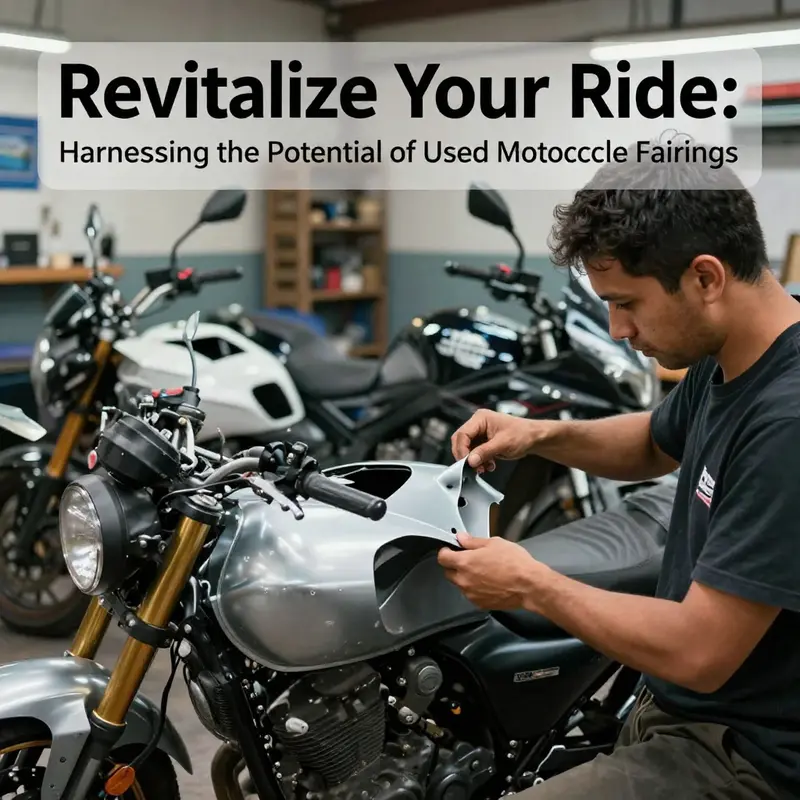
The bodywork of a motorcycle is more than a shield against wind and weather. It is a canvas for identity and a practical starting point for project work. When those shells—the fairings—enter the market as used parts, they do more than fill gaps. They reframe what is possible for customization and repair, expanding the economics, creativity, and pace of work around motorcycles. The resale of used fairings offers access to quality original panels at prices that can make a full fairing replacement feasible for small shops, hobbyists, and riders alike.
At first glance, a used fairing is a pragmatic choice. It provides a direct route to restore a bike after a crash, replace a faded piece, or pursue a makeover that would be expensive or impractical with new stock. But the ripple effects go beyond immediate needs. A full set at a lower cost broadens the spectrum of feasible projects, letting riders explore newer models, vintage identities, or contemporary silhouettes. The affordability of secondhand panels translates into a broader portfolio of possible outcomes and a shift in creative ambition.
In marketplaces that emphasize fit and condition, the used fairing market tends to stress compatibility as a core value. Clear model-year guidance and reliable fit indicators reduce the risk of ending up with a non-fitting panel. This lowers the barrier for novices and enables small shops to offer more diverse services. A shop can curate a library of used fairings that cover multiple model families, rotating projects quickly according to demand and the bike’s condition.
The economic dimension is meaningful. In traditional aftermarket workflows, a missing fairing or a cracked panel can stall a project for weeks. Used fairings disrupt that cycle by providing immediate replacements that can be integrated with service timelines. For independent mechanics and small workshops, this translates into shorter downtime and more reliable turnaround. A customer can be offered a fast option using a used panel followed by a later paint and finish update if desired.
Beyond repairs, the market nourishes a culture of customization that thrives on experimentation. A fairing from a newer model can be paired with an older chassis to create a hybrid silhouette at a fraction of the cost of full custom bodywork. The result is a remix culture that, while rooted in tangible parts, echoes the modern appetite for mashups and personal storytelling.
The practical pace of projects benefits as well. A clear design in mind allows a rider to source used fairings that approximate the vision without prohibitive costs. A complete set reduces the odds of mismatches between front and rear aesthetics, enabling bolder storytelling and faster iterations. In communities of builders, test-fits, mock-ups, and paint tests become feasible within realistic budgets.
This dynamic also extends to learning. Installation, alignment, and mounting become hands-on education for technicians and enthusiasts. Apprentices gain experience with real-world fit, and self-repairers learn to assess condition and decide when a replacement is needed rather than a repair.
In sum, the used fairing market democratizes access to original panels, fuels experimental design, and sustains a responsive repair economy. By lowering downtime and widening the pool of accessible parts, secondhand shells help shape a more dynamic and resilient chapter in motorcycle culture.
External resources
For a broader perspective, readers may consult market analyses on motorcycle parts trends, which show how secondhand components circulate and influence design language across generations.
Final thoughts
Understanding the dynamic landscape of used motorcycle fairings is crucial for business owners aiming to capitalize on this growing market. By focusing on the availability of fairings, considering quality and pricing implications, and recognizing the significance of these products in customization and repairs, businesses can position themselves advantageously. Embracing used fairings not only benefits cost-conscious consumers but also opens doors for innovative customization opportunities. Staying informed and adaptable will ensure your business thrives in this vibrant sector.