
Understanding the Motorcycle Fairing: A Key Component for Performance and Aesthetics
Have you ever wondered how motorcycle manufacturers enhance both the performance and style of their bikes? The answer often lies in a crucial component known as the motorcycle fairing. A motorcycle fairing is essentially a shell that envelops the bike’s interior parts, providing not only aesthetic enhancement but also aerodynamic benefits. Did you know that seamless aerodynamic design can improve top speeds by reducing drag? This makes fairings not just a matter of looks but a functional part of motorcycle engineering.
For motorcycle owners, custom fairings offer a personalized touch, showcasing individuality while serving practical purposes like wind deflection and body protection. As a business owner in the motorcycle industry, understanding the significance of these essential motorcycle parts can help you cater to an audience that values both style and efficiency. In this article, we’ll delve deeper into what fairings are, their various types, and how they can enhance your motorcycle experience.
Understanding the Different Types of Motorcycle Fairings
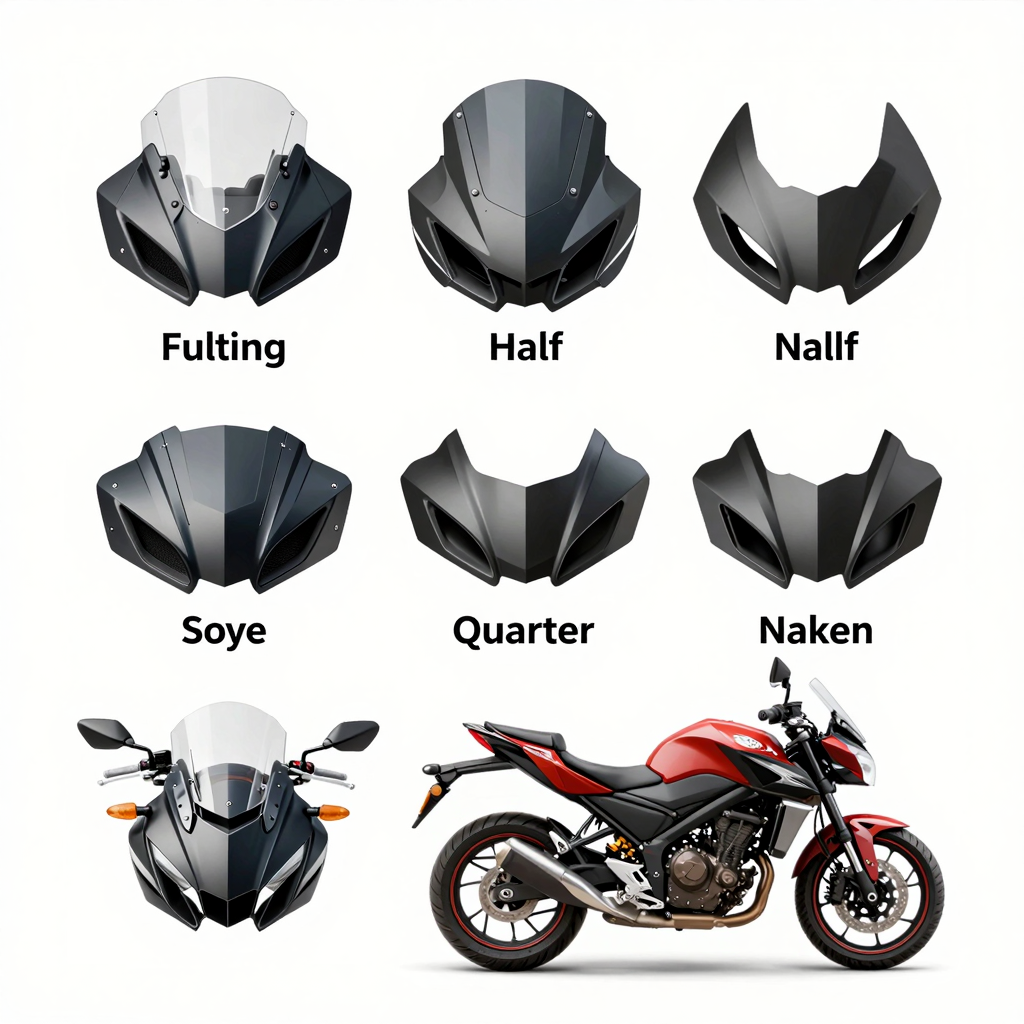
Motorcycle fairings are not just aesthetic enhancements; they play a crucial role in aerodynamics, rider comfort, and protection against the elements. Understanding the various types of motorcycle fairings can help business owners choose the right model for their needs or for customers. Below, we break down the main categories of motorcycle fairings:
1. Full Fairings
- Definition: Full fairings encapsulate the entire front and sides of the motorcycle, providing complete coverage.
- Advantages:
- Maximum wind protection and aerodynamic efficiency.
- Reduces drag, therefore enhancing speed and fuel efficiency.
- Offers robust rider protection from weather elements.
- Use Cases:
- Commonly found on sport bikes and racing motorcycles, where performance and aerodynamics are critical.
- Suitable for high-speed riding conditions.
2. Half Fairings
- Definition: Half fairings provide partial coverage, usually extending from the front to the upper sections of the bike, covering the fuel tank and part of the handlebars.
- Advantages:
- Offers a balance between aesthetics and aerodynamic performance.
- Generally lighter than full fairings, thereby improving handling at lower speeds.
- Provides a good line of sight while still protecting against wind.
- Use Cases:
- Popular among street bikes and touring motorcycles for both casual riding and commuting.
3. Quarter Fairings
- Definition: Quarter fairings, or minimal fairings, cover only the front of the motorcycle, typically just the headlight and instruments.
- Advantages:
- The lightest type of fairing, leading to enhanced maneuverability.
- Offers basic wind protection while preserving the bike’s sporty appearance.
- Easier to install and maintain.
- Use Cases:
- Favored by cafe racers and urban motorcycles, emphasizing a minimalist aesthetic.
- Ideal for riders who prefer less weight and more direct contact with the bike.
4. Touring Fairings
- Definition: Touring fairings are larger, often incorporating features designed for long-distance riding, such as windshields and storage compartments.
- Advantages:
- Enhanced comfort over long distances with better wind deflection.
- Typically includes additional features like integrated lights and communication systems.
- Provides increased storage options for tools and gear.
- Use Cases:
- Primarily used on touring motorcycles and cruiser bikes, catering to riders who frequently travel long distances.
Conclusion
Knowing the motorcycle fairing categories is essential for selecting the right type that aligns with business objectives and customer needs. Full fairings are ideal for speed, while half and quarter fairings cater to versatility and urban use. Touring fairings prioritize rider comfort for longer journeys. Whether you’re in manufacturing, retail, or custom bike services, understanding these fairings can enhance product offerings and customer satisfaction.
For more insights on fairings, check our guide on the different categories of motorcycle fairings. Additionally, if you’re interested in customization, find out how to paint motorcycle fairings.
Materials Used in Motorcycle Fairings
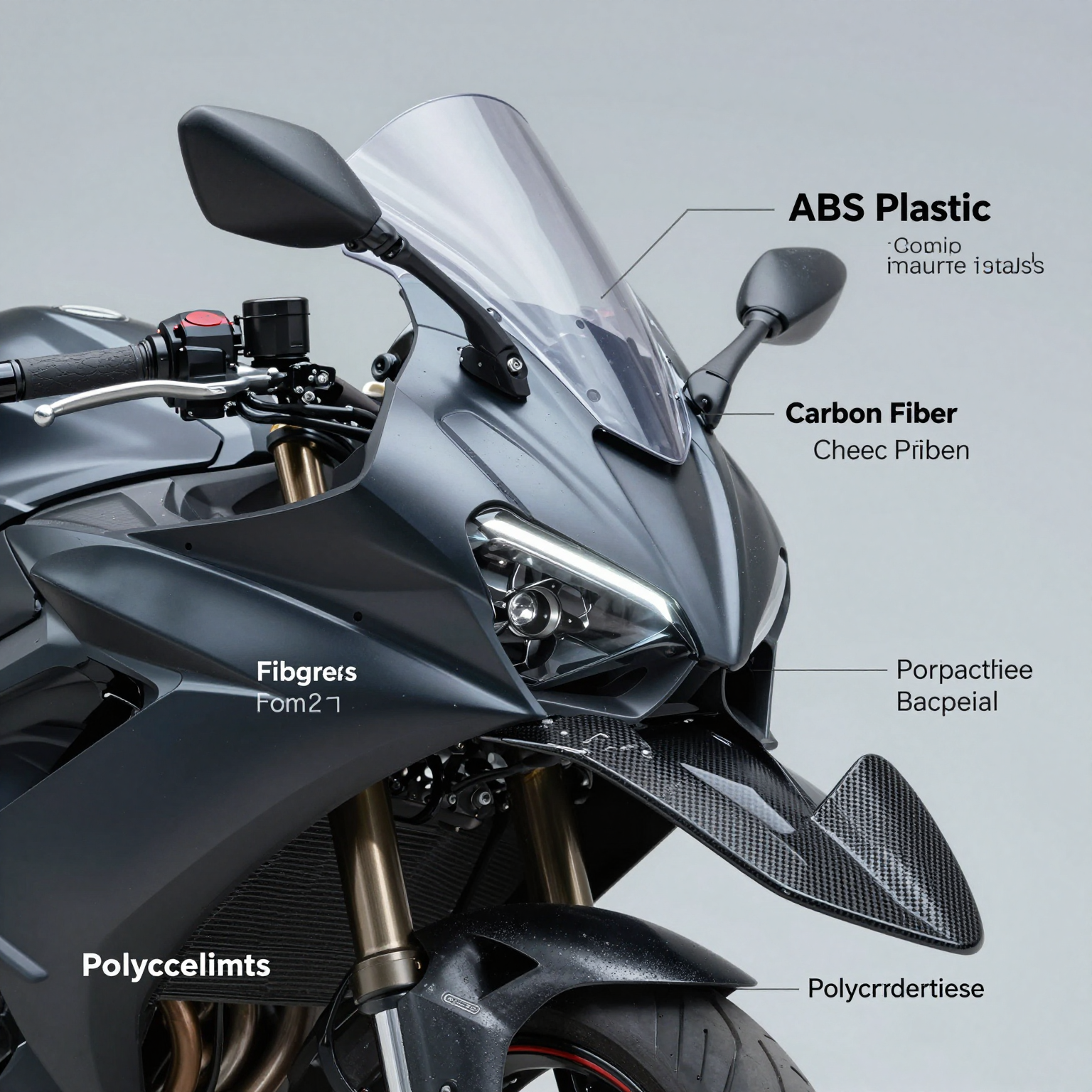
Motorcycle fairings are critical for enhancing both the aesthetics and performance of a bike. The materials used in these fairings affect durability, weight, and cost-effectiveness. Here we explore some of the most common materials used in the manufacture of motorcycle fairings: fiberglass, ABS plastic, carbon fiber, and polycarbonate.
1. Fiberglass
Fiberglass is a composite material made from glass fibers woven into a resin matrix. Its primary characteristics include:
- Durability: Offers excellent impact resistance but is more brittle compared to other materials.
- Weight: Light enough for sport bikes yet sturdy enough for touring models.
- Customization: Can be easily molded into different shapes and is often used for custom fairings.
When to Use: Fiberglass is ideal for high-performance bikes that require a balance of strength and weight. However, it may not be suitable for parts exposed to extreme impacts since it can crack upon severe blows.
2. ABS Plastic
Acrylonitrile Butadiene Styrene (ABS) is widely used in many applications, including motorcycle fairings.
- Cost-Effectiveness: Generally more affordable than fiberglass and carbon fiber, leading to its popular use in OEM fairings.
- Manufacturing: Easy to mold, which makes it suitable for mass production.
- Drawbacks: ABS is prone to deforming and cracking under high stress or extended sun exposure.
When to Use: ABS plastic is a good choice for general-purpose motorcycles or entry-level bikes where cost is a factor, but awareness of its UV degradation is crucial.
3. Carbon Fiber
Carbon fiber is known for its exceptional strength-to-weight ratio and is a premium material for motorcycle enthusiasts.
- Performance: Offers maximum tensile strength and rigidity, ideal for racing bikes.
- Lightweight: Significantly lighter than fiberglass and ABS, enhancing speed and handling.
- Cost: More expensive than other materials but often worth the investment for serious riders.
When to Use: Choose carbon fiber for top-tier racing applications or when weight savings are critical.
4. Polycarbonate
Polycarbonate (PC) is another material increasingly used for fairings due to its remarkable properties.
- Impact Resistance: Offers the best resistance to shattering and high-impact collisions.
- UV Stability: Maintains clarity and color without yellowing, even under extensive sunlight exposure.
- Flexibility: Less brittle than fiberglass, making it more forgiving in tough conditions.
When to Use: Perfect for riders seeking durability without compromising on weight, particularly for sport bikes.
Conclusion
Choosing the right fairing material can greatly influence your motorcycle’s performance and appearance. Understanding the properties and benefits of each material can help business owners in the motorcycle industry make informed choices about the best products for their customers or inventory. For more in-depth insights, check out our detailed guide on motorcycle fairings.
Benefits of Using Fairings on Motorcycles
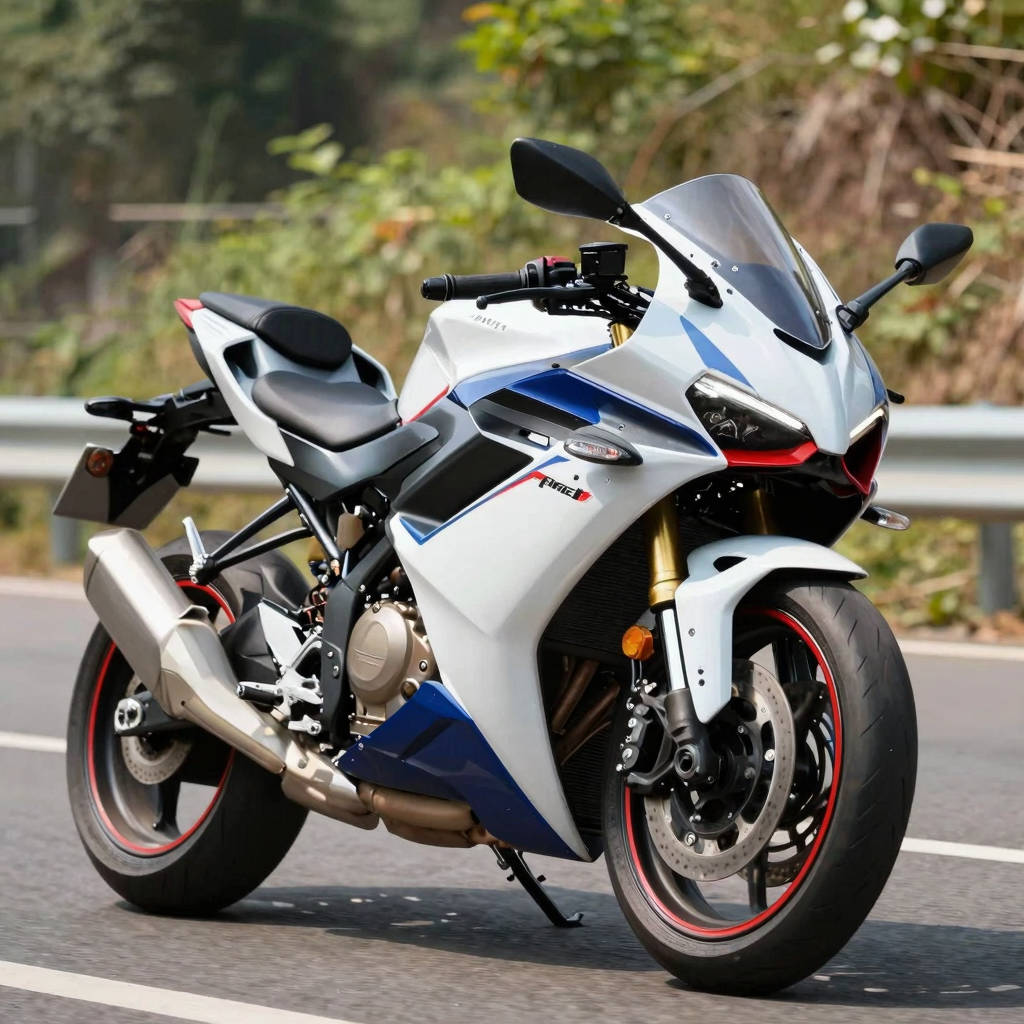
Motorcycle fairings play a crucial role in enhancing the overall performance and appearance of a motorcycle. Understanding the benefits of utilizing motorcycle fairings can be essential for business owners in the motorcycle industry. Here’s a detailed overview of the advantages:
-
Aerodynamic Efficiency: Fairings are designed to minimize drag, allowing motorcycles to cut through air more efficiently. This reduces wind resistance and enhances top speed and fuel efficiency, making them a vital addition for performance bikes.
-
Protection from Elements: Fairings shield the rider from wind, rain, and debris. This protection not only improves rider comfort but also enhances safety by preventing distractions caused by harsh weather conditions. Riders can enjoy longer journeys without the fatigue that wind exposure can cause.
-
Enhanced Rider Comfort: By acting as a barrier against buffeting winds, fairings significantly improve comfort during long rides. Improved aerodynamics lead to a smoother ride, allowing riders to focus more on the journey and less on the discomfort of wind and elements.
-
Safety and Structural Integrity: Fairings protect vital motorcycle components from damage caused by airborne debris and environmental factors. By safeguarding the electrical systems, engine components, and headlights, fairings contribute to the motorcycle’s longevity and reliability.
-
Aesthetic Enhancement: Beyond functional benefits, fairings provide a modern and aggressive look to motorcycles. They can be customized with colors and designs, enhancing brand identity or personal style. A well-designed fairing can significantly increase a motorcycle’s visual appeal.
-
Weight Reduction: Many fairings are made of lightweight materials such as fiberglass or carbon fiber. This reduces the overall weight of the motorcycle, improving handling and agility.
For more insights into motorcycle fairings, you can learn more about their construction and design or explore options for custom motorcycle fairings.
Comparison of Motorcycle Fairing Materials
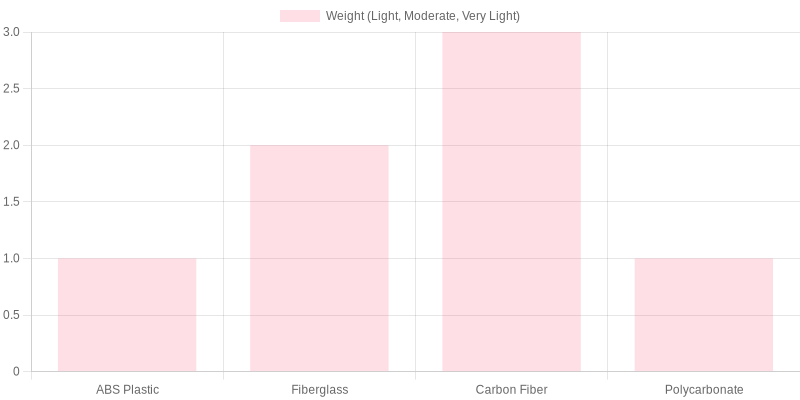
Understanding the various materials used in motorcycle fairings can greatly impact decisions for business owners involved in motorcycle retailing or repairs. Below is a comparative overview of four main fairing materials: ABS plastic, fiberglass, carbon fiber, and polycarbonate. Each material has its own unique set of advantages and disadvantages based on aspects such as weight, durability, cost, and aesthetics.
| Material | Weight | Durability | Cost | Aesthetics | Key Notes |
|---|---|---|---|---|---|
| ABS Plastic | Light | Moderate (resistant to impact, but can crack under stress) | Low | Good (can be molded into complex shapes, paintable) | Most commonly used in standard motorcycle fairings; suitable for daily riding and entry-level models. |
| Fiberglass | Light to Moderate | Low (brittle; prone to cracking or shattering on impact) | Moderate | High (easily customized, excellent surface finish when painted) | Popular in track bikes due to lightweight nature; requires careful handling and repair after damage. |
| Carbon Fiber | Very Light | High (extremely strong and stiff; resists deformation) | Very High | Excellent (premium look with distinctive weave pattern; often left bare or clear-coated) | Used in high-end and performance motorcycles; offers significant weight savings and stiffness benefits. |
| Polycarbonate | Light | High (very impact-resistant; resists cracking) | Moderate to High | Good (transparent or tinted options available; can be scratched easily) | Often used in windshields or visors; less common for full fairings due to lower rigidity compared to carbon fiber. |
For more in-depth insights on motorcycle fairings, you can learn more about the benefits of fairings or explore our guide on custom fairings.
Fairing Installation Tips for Motorcycles
Installing fairings on your motorcycle can enhance its appearance and improve aerodynamics, but it’s crucial to do it correctly to ensure your safety and the performance of your bike. Below are practical tips and steps for properly installing motorcycle fairings, along with safety considerations and guidance on when to seek professional help.
Preparation Steps
-
Ensure Compatibility: Before purchasing fairings, confirm that they are compatible with your motorcycle model. Mismatched fairings can lead to installation difficulties and even compromise safety. Learn more about the types of fairings available.
-
Gather Necessary Tools: Prepare all required tools such as screwdrivers, torque wrenches, and pliers. Ensure you have thread-locking compounds for screws to prevent them from loosening due to vibrations.
-
Clean Mounting Surfaces: Thoroughly clean the surfaces where the fairings will mount. Removing dirt, grease, and old adhesive will help achieve a better bond and prevent future issues.
Installation Steps
-
Remove Existing Components: Carefully dismantle existing parts that may obstruct the fairing installation. Use the manufacturer’s manual for guidance and keep all removed parts organized for eventual reinstallation.
-
Align the Fairings: Position the fairings over the mounting points. Make sure they align correctly without obstructing any handles, lights, or airflow. Improper alignment can lead to handling difficulties and increased wind noise during rides.
-
Secure with Proper Torque: Use a torque wrench to tighten screws according to the manufacturer’s specifications. Over-tightening can crack plastic or aluminum components, while under-tightening may lead to detachment during use.
-
Conduct Post-Installation Checks: After securing the fairings, perform a thorough inspection. Check for any gaps, misalignment, or loose fasteners. A brief test ride can help confirm stability and that there are no unforeseen noises or handling issues.
Safety Considerations
- Follow Manufacturer’s Instructions: Adhere to the installation manual provided by the fairing manufacturer. Deviating from these instructions can void warranties and increase the risk of accidents.
- Avoid Using Excessive Force: If a part doesn’t fit easily, don’t force it. Double-check for proper alignment, as improper fitting could lead to structural failure or malfunction.
- Inspect for Interference: Make sure that no wiring or hoses are pinched between the fairing and the frame. This can cause hazards during operation, including brake or steering failures.
- Test Ride: Conduct a pre-ride check where you confirm all fasteners are tight and the fairing is securely seated. It’s wise to take a short test ride in a safe area to ensure nothing interferes with your motorcycle’s operation.
When to Seek Professional Help
While many motorcycle owners are capable of installing fairings themselves, complex kits involving multiple panels may require specialized knowledge. Here are some scenarios when you should consider professional assistance:
- Complex Installation Kits: If your fairing kit involves intricate modifications or custom fittings, it may be best to consult a professional mechanic.
- Uncertainty About Safety: If you feel uncertain about any part of the installation process or safety checks, don’t hesitate to seek help.
- Time Constraints: If your schedule doesn’t allow you to complete the installation properly, a professional can ensure the job is done safely and efficiently.
Conclusion
Proper installation of motorcycle fairings not only enhances the aesthetic appeal of your bike but also contributes to its performance and safety. Following the steps outlined above can help ensure that you achieve a secure installation. If you’re unsure about any part of the process, consider reaching out to a professional. Read our comprehensive guide on motorcycle fairing installation here for more details.
Understanding User Reviews of Motorcycle Fairings
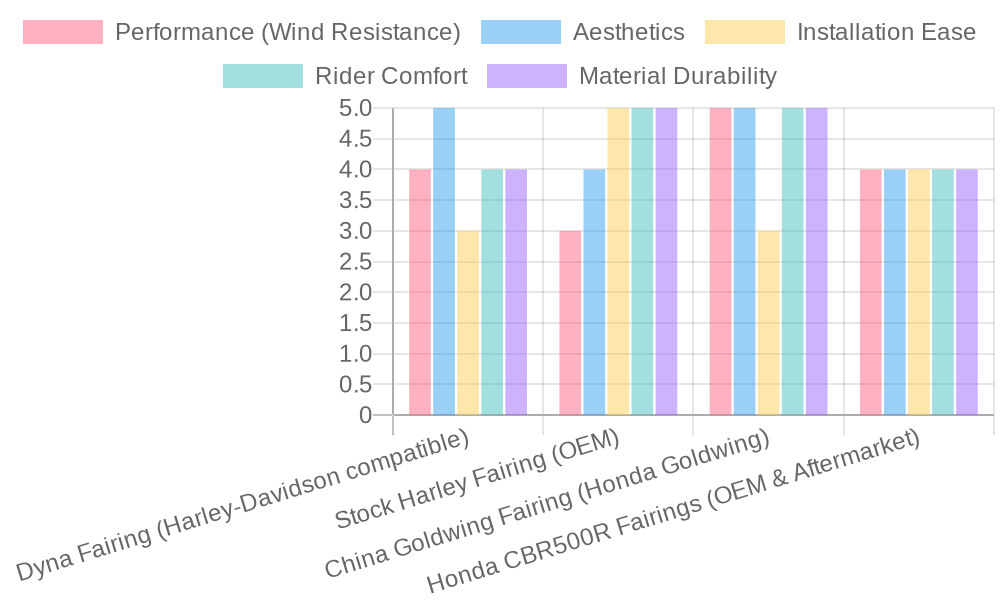
Motorcycle fairings not only enhance the aerodynamic performance of bikes but also contribute significantly to their aesthetic appeal. By examining user feedback from various sources, including Cycle World Magazine, we can identify common themes in satisfaction and dissatisfaction among riders regarding motorcycle fairings.
Common Themes in Satisfaction
- Performance Enhancements
Users frequently report that motorcycle fairings effectively reduce wind resistance, which contributes to improved stability at high speeds. For instance, fairings like the Dyna model have garnered attention for their aggressive airflow management, allowing motorcyclists to ride more comfortably without excessive wind buffeting at high speeds.
- Example: The Dyna fairing was praised for elevated stability during highway riding, making it a favorite among street and club riders seeking performance enhancements.
- Aesthetic Appeal
Another area of satisfaction is the visual impact of motorcycle fairings. Riders across different models appreciate the aggressive and modern designs, which transform the look of their bikes. Many users highlight that aftermarket fairings offer a customizable experience that aligns with their personal style, contributing to a unique look on the road.
- Example: The Suzuki GSX-R 750 fairing kit is noted for its ability to provide a “more aggressive and modern look,” enhancing the owner’s bike aesthetics significantly.
- Installation and Durability
Installation ease is a recurring positive theme, especially for OEM (original equipment manufacturer) fairings, which typically require no modifications for fitting. Beyond installation, riders appreciate the durability of high-quality materials in fairings like reinforced ABS or fiberglass, which resist impact and adverse weather effects.
Common Themes in Dissatisfaction
-
Wind Noise Concerns
A common complaint references wind noise, particularly with certain aftermarket models like the Dyna fairing, which users noted can disrupt the peaceful riding experience. Riders suggested that while performance is enhanced, the accompanying wind turbulence can be distracting during longer rides. -
Fitment Issues
Some users have expressed dissatisfaction with the fitment of aftermarket fairings, particularly lower-quality options. Non-professional installations may lead to misalignment, resulting in rattles or air leaks that could negate the aerodynamic advantages designed into the fairings.
- Example: Feedback on the Honda CBR500R fairings mentioned that while OEM options are easy to install, aftermarket choices sometimes necessitated drilling or adjustment, potentially affecting their performance and aesthetics.
- Limited Aesthetic Options Over Time
While the initial design might appeal to some, users pointed out that over time, their desire for diversity in aesthetic options can lead to dissatisfaction. Riders often seek more aggressive styling that reflects their riding culture, but not all models offer the customizable flair riders are looking for.
Conclusion
Overall, user reviews of motorcycle fairings reveal a mixed bag of experiences. Riders are predominantly satisfied with the performance and aesthetic improvements provided by motorcycle fairings, particularly high-quality OEM options. However, concerns regarding wind noise, fitment, and aesthetic variety provide crucial insights into areas for potential improvement in future designs. For further insights on choosing motorcycle fairings or how they affect performance, you can check our guides on customizing motorcycle fairings and the benefits of aftermarket fairings.
“Fairings are no longer just about aesthetics-they are critical performance components. Modern fairings integrate aerodynamic design principles that can reduce drag by up to 15%, significantly improving fuel efficiency and high-speed stability. For touring motorcycles like Harley-Davidson’s Street Glide, lower fairings specifically mitigate wind buffeting and enhance rider comfort on long-distance rides, directly impacting safety and operational value.”
- Dr. Elena Torres, Industry Analyst source
This commentary encapsulates the dual role of fairings in both enhancing the aesthetic appeal and the performance efficiency of motorcycles. For business owners in the motorcycle industry, understanding these dynamics is vital for product development and marketing strategies. If you’re interested in more about motorcycle fairing benefits, be sure to check out our insights.
Conclusion: The Importance of Fairings for Motorcycle Owners
In the realm of motorcycle ownership, fairings are more than just decorative panels; they are fundamental components that enhance both performance and aesthetic appeal. As discussed throughout this article, fairings play a pivotal role in improving aerodynamics, which leads to reduced wind resistance, increased speed, and better fuel efficiency. They also contribute significantly to rider comfort by deflecting wind and protecting against the elements, making long rides more enjoyable and less fatiguing.
Moreover, customized fairings allow riders to express their individuality and personal style. As you consider enhancing your motorcycle’s functionality and visual identity, investing in high-quality, custom fairings can profoundly transform your riding experience. These components are vital for safety as well, absorbing impact and minimizing injury severity in case of accidents.
Explore the diverse options available and consider customizing your motorcycle with high-quality fairings. Whether you are interested in performance upgrades or aesthetic enhancements, choosing the right fairing can dramatically elevate your overall riding experience. For more information, check out our motorcycle fairings guide and explore how to achieve the ideal blend of style and functionality for your bike.