
Motorcycle fairing sets offer business owners an opportunity to cater to riders looking to enhance the look and efficiency of their machines. These comprehensive kits not only replace or upgrade bodywork but also optimize aerodynamic performance and rider comfort. As the demand for custom motorcycle parts grows, understanding the intricacies of motorcycle fairing sets becomes essential for those looking to target this niche market. This article delves into the core aspects of fairing sets, including their components, compatibility requirements, material options, and the role they play in enhancing performance. Through a detailed exploration, business owners will gain the insights needed to effectively meet the evolving needs of motorcyclists.
Anatomy and Advantages of Complete Motorcycle Fairing Sets
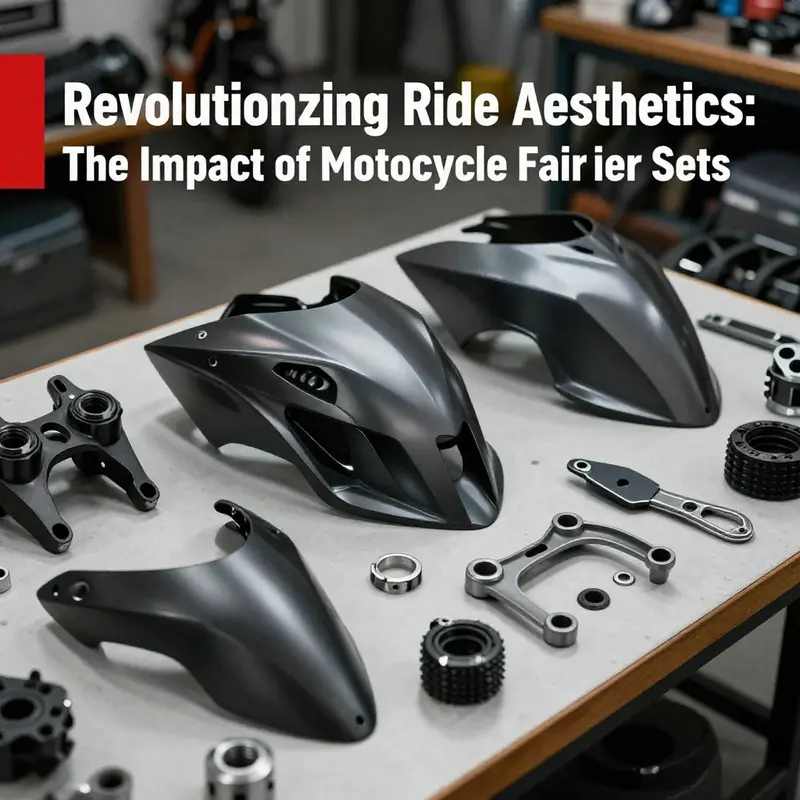
Understanding what a complete fairing set is and why it matters shapes every upgrade decision. A fairing set replaces the visible bodywork on a motorcycle with panels designed to protect mechanical parts, manage airflow, and define the bike’s visual character. These kits usually include a front cowl, side panels, lower belly pan, and often a tail section. They also supply the mounting hardware needed for a full swap: brackets, fasteners, and sometimes rubber cushions. When assembled correctly, the result is a tight, integrated shell that smooths airflow and shields components from the elements.
Materials define the balance between weight, durability, and finish. Modern kits typically use engineered thermoplastics that offer impact resistance, flexibility, and UV stability. These materials resist cracking from minor impacts and tolerate the flex that occurs during normal riding and storage. Alternatives exist—composite and fiberglass panels are stiffer and can feel more premium, but they often trade off impact resilience and cost. Choosing the right material depends on intended use: a commuter looking for longevity and low maintenance will prefer a resilient plastic kit, while a racer focused on stiffness and repairability might choose composites.
Fitment is the practical heart of any fairing set. Kits designed for a specific frame and fork geometry will align with mounting points and register cleanly to avoid rattles and misaligned seams. Poor fitment means more grinding, filler, and time in the body shop; good fitment saves hours and protects the bike from wind buffeting that can fatigue fasteners and mounts. Many manufacturers produce model-specific kits that replace the entire exterior shell; these often require removal of existing panels and careful reassembly. For riders who want minimal fuss, partial kits exist that attach to the original structure and deliver a refreshed appearance without a complete teardown.
Aerodynamics is more than a buzzword for fairings. A well-shaped set reduces drag, cleans airflow around the rider, and deflects wind away from sensitive areas. This improves comfort on long runs and can yield modest gains in fuel efficiency and top speed. Some fairing designs channel air to coolers and brakes, while others prioritize rider comfort by reducing helmet buffeting. Designers balance these goals; a full-coverage kit might produce the best drag coefficients, while partial or sport-oriented sets can leave areas exposed for heat dissipation or visibility. Understanding the trade-offs helps riders choose a set that matches riding style: touring, commuting, sport, or occasional track days.
Aesthetic impact is immediate and transformative. Swapping panels changes the silhouette, color, and character of a bike. Many kits are supplied in a primer or raw finish so buyers can customize paint and livery. This allows riders to match proprietary colors or create entirely new finishes. The modular nature of most kits supports mix-and-match customization: swap a different lower fairing, add decals, or change the tail unit without touching structural mounts. For those who want a turnkey look, pre-painted options exist but may be limited in palette and cost more than raw kits.
Installation complexity ranges widely. Some kits bolt on using existing fasteners and simple brackets, while others require bracket fabrication, trimming, or drilling. Professional installation ensures precision and preserves mounting points, but many mechanically inclined riders complete the work at home with basic tools. The critical steps are aligning panels so seams close uniformly and ensuring vents and ducting remain unobstructed. Missing a spacer or misrouting a wire can cause chafing or interference with suspension travel. When a kit replaces the stock body entirely, expect to spend additional time re-routing harnesses and ensuring that lights and instrumentation mount securely.
Durability considerations start with material but extend to finish and fasteners. UV-stable plastics protect color and integrity over years. Reinforced mounting points and stainless hardware resist corrosion. Some kits include vibration-isolating components to reduce stress on brittle edges. Maintenance is straightforward: clean with mild detergents, inspect fasteners periodically, and store in shade when possible. Repairability is another factor; modular kits let riders replace a single damaged panel rather than an entire assembly. For more extensive damage, thermoplastic panels can often be heat-bent or patched, whereas composite repairs are more involved but can restore structural nuance.
Compatibility and sourcing are practical concerns for buying a set. Many kits are produced by specialized manufacturers who focus on precision injection molding and large-volume production. These suppliers can offer both single-unit purchases and bulk quantities for shops or distributors. When shopping, verify that the kit lists exact model years and sub-models it supports. Avoid assumptions: frame geometry, headlight mounts, and radiator positions can vary between years, and a small difference will affect fit. If the kit arrives in a raw finish, budget for paint, primer, and any necessary filler to achieve a factory-quality result.
Performance-oriented riders often select fairing sets that reduce frontal area or add integrated splitter features that manage high-speed stability. Such components must be installed with attention to balance—adding asymmetric panels or heavy accessories can influence steering feel. Track-focused fairings sometimes sacrifice creature comforts like full wind protection to lower weight and improve feedback. Conversely, riders seeking long-distance comfort choose sets with larger front cowls and wind-tunnel-informed shapes that decrease rider fatigue.
Practical concerns around legal and safety compliance matter. Ensure that aftermarket panels do not obstruct lighting or turn signals and that any modifications maintain required visibility. Some jurisdictions have specific rules about reflectors or color-matched lighting; verify local regulations before making permanent changes. Insurance policies may require notification of major bodywork alterations, especially if the replacement significantly changes the motorcycle’s appearance or resale value.
Supply chain considerations affect price and lead time. Many manufacturing hubs specialize in injection molding and export logistics that support both custom small-batch work and large orders. Bulk procurement can lower per-unit cost for shops, while individual buyers may pay a premium for one-off finishes or shipping. Evaluate supplier reputation, return policies, and warranty terms; a fairing set that arrives cracked or with missing hardware can cost more in time and money than the kit itself.
Choosing the right fairing set is a matter of aligning priorities: material performance, aerodynamic benefit, aesthetic goals, installation capability, and budget. A full kit offers the cleanest lines and best integration for riders willing to invest time or professional installation. Partial kits allow for staged upgrades and easier reversibility. Wherever the balance falls, prioritize fitment tolerance and supplier reliability to avoid extended modification work.
For riders interested in model-specific options and curated collections, consult reputable suppliers who categorize kits by chassis and year to simplify compatibility checks—one such resource is a detailed fairings collection for specific model families. For practical advice on assessing kits and matching priorities to riding style, see this expert guide: https://www.motorcycle-magazine.com/how-to-choose-a-fairing-kit/.
Fit That Floats the Wind: The Crucial Role of Compatibility in Motorcycle Fairing Sets
The invisible spine of any aftermarket fairing set is compatibility. It may not be the first thing a rider notices as they admire a glossy panel or a sculpted line, but it anchors every other benefit a kit promises. A fairing set is more than a cosmetic upgrade; it is a carefully engineered system that must marry the bike’s original geometry, mounting architecture, and intent. If fit is off even slightly, the entire exercise can degrade aerodynamics, increase vibration, or compromise rider safety at speed. In the world of motorcycle aerodynamics, small misalignments can cascade into drag, noise, and heat buildup that undermine both performance and comfort. The premise is simple on the surface: a kit tailored for your model should slot in as if the bike had shipped from the factory with this exact bodywork. The reality, however, requires a careful, almost surgical attention to detail that begins with the bike’s make, model, and year and extends through every mounting point, fastener, and cutout for accessories.
To begin with, compatibility is not a single checkbox but a constellation of factors that determine whether a fairing will behave as intended at speed. The most fundamental requirement is that the kit is designed for a specific make, model, and year. Frames evolve; mounting points can shift with a redesign; handlebar clamps, steering stops, and radiator shrouds may alter the available space around the headstock. Even when two bikes look similar on the surface, a difference in frame geometry or the angle of a steering damper mount can create gaps that were never anticipated by the kit designer. Those gaps are not mere cosmetic blemishes; they can channel air in unpredictable ways, producing eddies that ruin the intended airflow path and upset the balance that the fairing was meant to deliver. On the road or track, that disruption translates into more than a peep of wind in the rider’s line of sight. It can translate into fatigue, reduced control, and, in the worst case, structural strain on the fairing materials when the bike is subjected to wind pressure during aggressive riding or in a crash scenario.
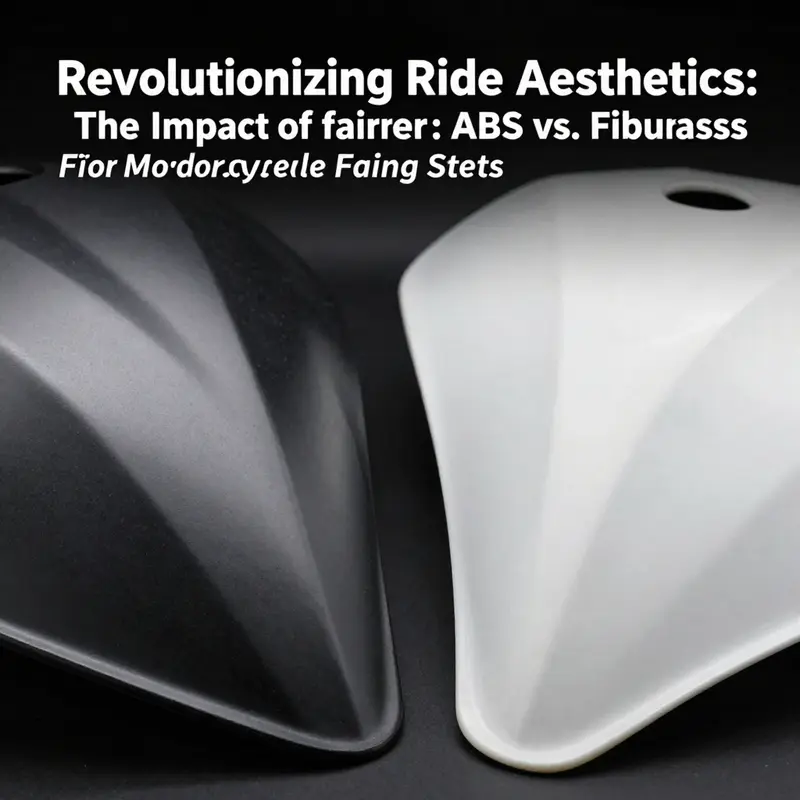
Material choice interlocks with fit in ways that often surprise riders. ABS plastic, fiberglass, and carbon fiber each bring different properties to the table, and compatibility must be understood through that lens. ABS offers a degree of resilience and impact resistance that helps with minor misalignments, but it also has a threshold for heat and UV exposure that can affect long-term rigidity. Fiberglass, while traditionally robust, tends to be heavier and stiffer in a manner that can highlight even small mounting tolerances. Carbon fiber brings exceptional stiffness and lightness, yet its precision demands can magnify the consequences of any misfit. A kit designed for a particular model assumes that its attachment points, inner mounting brackets, and fairing stays are calibrated to the same tolerances the factory used. If the mounting hardware included in the kit is not the correct size, thread pitch, or length for that bike, even a well-designed panel can sit askew, creating a cascade of stress points that eventually lead to cracks, fastener pull-through, or misalignment of critical gaps around the headlights and air ducts.
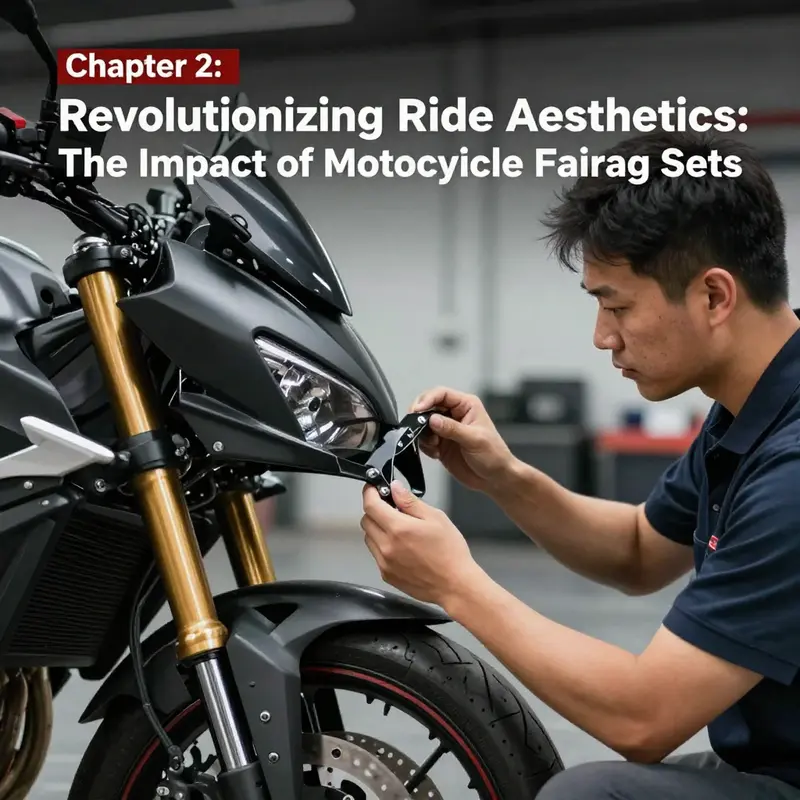
Time and again the mechanics who install fairing sets stress the importance of complete hardware kits. Some kits come with a full installation package, including all screws, nuts, brackets, and backing plates that align with the bike’s dedicated mounting tabs. Others may require a shopper to source parts separately or make modifications on the fly. This is not merely an inconvenience; it is a pitfall where compatibility slips into improvisation. If the hardware doesn’t align with the bike’s frame threads or the existing bodywork mounting points, the installer might need to re-tap holes, relocate fasteners, or introduce aftermarket brackets. Each modification carries risk: it can compromise the fairing’s structural integrity, alter the intended aerodynamics, or void warranty terms. When evaluating a kit, riders should verify that the included mount kit is compatible with their bike’s existing components and that there is a clear, stated policy about what to do if something does not align as advertised.
Another layer of compatibility concerns the integration of accessories. Modern riders frequently add audio systems, GPS units, LED lighting, or auxiliary vents to their fairings. A kit that has pre-cut openings for speakers, navigation gear, or lighting must match the exact locations and dimensions of the rider’s chosen equipment. Misplaced cutouts force drilling or reshaping, which can weaken the panel, compromise waterproofing, and create paths for water intrusion. If the kit assumes certain accessories but the rider uses different brands or configurations, compatibility becomes a moving target that can shift after installation. In such cases, it’s prudent to map out the entire accessory plan before purchase and confirm that the fairing’s design accommodates those components in a way that preserves sealing and structural integrity. This is not minutiae; it is the difference between a seamless, integrated look and a patchwork assembly that ages poorly under sun and vibrations.
Return policies and post-purchase support are often the practical checkpoints of compatibility. A reputable seller will offer a transparent window for returns if the kit proves incompatible once it arrives. This is not merely a courtesy; it is a signal that the supplier understands the risk that a model-specific fit will be crucial to a successful upgrade. Buyers should seek out vendors that provide explicit guidance, ideally with access to service manuals or fitment charts that cross-check the kit’s specifications against the rider’s exact bike. The best guides emphasize not only the initial fit but also ongoing compatibility with maintenance routines. A fairing that fits perfectly off the stand might still present issues after a few thousand miles of vibration if the mounting points are under sustained stress. Being able to exchange or adjust in response to real-world use is a vital part of making compatibility a lasting advantage rather than a temporary improvement.
Context matters in more subtle ways as well. Compatibility is linked to the intended use of the bike. A full fairing, while offering maximum protection and aero efficiency, may be less forgiving around radiators, exhaust routing, or electronic cooling vents. A half-fairing arrangement, by contrast, might offer easier access to the engine and a sportier silhouette but can demand precise alignment to maintain effective wind deflection and heat management. The goal is not to choose between form and function but to align both through a coherent design logic. For riders who ride aggressively on twisting roads or who push their bikes on track days, the consequences of poor fit are magnified. The fairing must complement the frame’s geometry, not fight against it. When done well, the integration becomes invisible to the rider; the wind feels like a coherent shield rather than a collection of mismatched panels that flutter and sag. When it is not done well, the rider can feel it in the shoulder muscles after an hour on the highway, in the way wind whispers into gaps that should be sealed, and in the way heat builds behind the windscreen where it should be vented smoothly.
To approach compatible fairing selection with the seriousness it demands, a disciplined, model-forward mindset is essential. Start by confirming that the kit is explicitly designed for your exact make, model, and year, rather than for a broad class of bikes. Then verify the mounting approach: are there factory-bracket references, or will you need to adapt? Check the hardware list for completeness and match with your bike’s existing fasteners. Inspect the cutouts and internal channels for accessories; sketch your wiring and speaker plans on paper to anticipate potential conflicts. Finally, consult the service manual or a certified installer to cross-check alignment tolerances, frame geometry, and clearance around critical components such as the headlights and radiator shrouds. In practice, this means taking the time to map out every step of the install in advance and treating compatibility as a design constraint that informs every decision, from the choice of material to the final tightening sequence.
Even within the broad landscape of compatible options, the narrative of fairing sets is anchored by a single truth: correct fit enables predictable, repeatable performance. A kit that is precisely matched to the bike’s frame allows the aerodynamics to manifest as intended. It ensures the rider experiences the designed wind deflection, minimizes buffeting, and provides a stable base for heat management and maintenance access. It protects the investment of both the rider and the manufacturer, because when compatibility is respected, the fairing’s components endure vibrations and temperature cycles without deforming or loosening. In short, compatibility turns a cosmetic update into a functional upgrade that sustains ride quality and safety over the long haul.
In the spirit of practical guidance, consider how a well-matched fairing set connects to broader maintenance and customization goals. A kit that fits your bike precisely can be inspected, adjusted, and serviced with tools and brackets that are part of standard maintenance routines, reducing the likelihood of forced improvisation. It also makes future upgrades more straightforward, because a model-aligned interface—where the fairing panels meet the frame cleanly and the mounting hardware seats without strain—provides a predictable baseline for any subsequent refinements. As riders chase improved airflow, weight savings, or a more aggressive aesthetic, they will find that compatibility remains the common ground that keeps those ambitions coherent with the bike’s fundamental architecture.
For readers seeking a concrete sense of how compatibility is discussed in industry contexts, one practical resource focuses on practical steps and considerations in fairing kit selection and installation. See the Honda fairings collection for an example of how a dedicated fitment approach translates into available configurations and mounting options, which can serve as a benchmark for evaluating other kits across brands and models. This approach helps ensure that the pursuit of style does not come at the expense of safety or performance. By foregrounding fit, riders can enjoy a broader spectrum of design choices while keeping the integrity of the motorcycle intact. Honda fairings collection offers a sense of how compatible options are organized and presented for riders who demand precision, even as they explore sportier or more understated lines.
Ultimately, the path to a successful fairing upgrade is paved with diligence, not enthusiasm alone. Compatibility is the lens through which all other considerations—style, weight, airflow, and ease of maintenance—are filtered. It is the hinge that connects the rider’s aspirations to the machine’s capabilities. When approached with careful cross-checking against the service manual, a clear hardware kit, and a thoughtful plan for accessories, a fairing set can deliver the intended aerodynamic benefits without compromising safety. The result is a balanced, harmonious integration that enhances the motorcycle’s character while preserving the reliability and predictability that riders depend on every time they twist the throttle. In this light, compatibility is not a constraint but a vehicle for realizing the full potential of aftermarket bodywork, turning a cosmetic upgrade into a purposeful performance enhancement that endures across miles and seasons.
For further reading that expands on these practical considerations, a detailed guide offers steps and insights into choosing fairing kits, including considerations of fit, material, and compatibility with various bikes. This resource can help readers translate the concept of compatibility into actionable decisions that align with their riding goals and mechanical comfort. How to Choose a Motorcycle Fairing Kit: A Practical Guide
null
null
Winds of Performance: Aerodynamics, Rider Comfort, and Fuel Efficiency through Motorcycle Fairing Sets
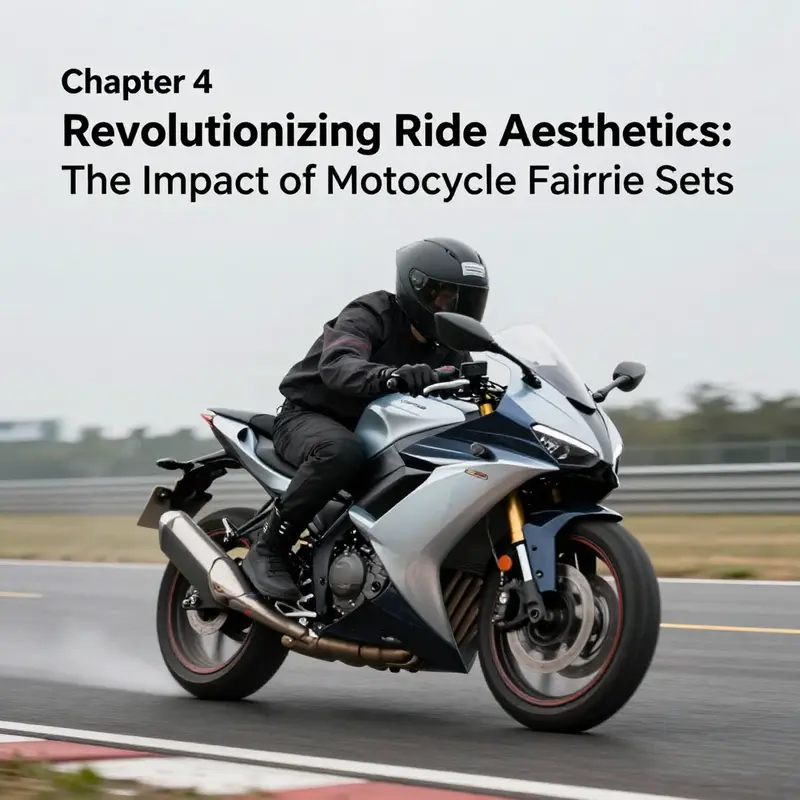
Of all the design choices that shape how a motorcycle feels on the road, the bodywork known as the fairing is perhaps the most intimate conversation between rider, machine, and environment. A well designed fairing choreographs air, acting as a sculpted shield that guides wind around the rider and the bike’s silhouette. In the world of motorcycle gear, aerodynamics is not mere ornament; it is a performance system. The goal is to minimize drag while preserving stability, heat management, and usability. The rider should feel less fatigue, more confidence, and the sense that the motorcycle carries them rather than fights the air. The balance between form and function becomes especially important for riders who spend long hours at highway speeds, where small drag reductions add up over miles.
Drag is the primary enemy at speed, and each fairing kit is a tool for shaving it away. When a motorcycle moves through air at highway speed, the front end meets resistance. A full or half fairing smooths the airstream, thinning the wake behind the bike. The result is less engine work to maintain velocity, translating to better fuel economy and a higher potential top speed without extra power.
Fairing types vary, and the choice is a negotiation between air, weather, and serviceability. A half fairing covers the upper front section and emphasizes a middle path: wind deflection around the torso and arms while keeping engine access reasonable. The rider still feels wind on the chest and shoulders, but the ride tends to be smoother at speed, and controls stay within reach. For sport standards or cafe racers, this offers a practical compromise: better aero than a bare bike, with more openness than a full enclosure. Lower fairings address turbulence that propagates beneath the chassis and help shape the flow to minimize drag and protect components from debris.
Practical performance emerges from how fairings interact with heat and maintenance. A windscreen, side panel, and underbody plenum influence heat around the engine and exhaust and affect how easily a technician can reach cooling fins or spark plugs. The line between rider comfort and engine efficiency is a curved one that depends on airflow, temperature, and speed. Some riders prize heat management in cooler climates; others prioritize maintenance access with designs that allow quick checks without disassembly. The most versatile kits balance protection from buffeting with ease of service. The engineering rests on careful shaping, material choice, and tolerance control to avoid flutter or panel gaps that would negate gains in performance and aesthetics.
Material choice matters as much as shape. ABS plastic offers rigidity, impact resistance, and light weight, helping keep mass manageable while preserving smooth curves. Fiberglass composites can be tuned for stiffness and weight but may require more attention to finish and alignment. The material affects not only durability but the long-term integrity of the aerodynamic surface. A warped panel can ruin the intended flow. Aerodynamics is a conversation that includes durability, fit, and color retention. Even DIY installation benefits from kits designed with precise mounting points and hardware. A well crafted set is not merely cosmetic; it is a subsystem that influences stability, fuel economy, and rider confidence. The difference between a kit that looks right and one that feels right is often found in how tightly the panels align to the bike’s lines, the cleanliness of joints, and how the edges meet the wind without gaps.
Compatibility is the first practical challenge. Not every set fits every model, and even so-called universal kits are best judged by how well contours follow the bike’s silhouette and how mounting hardware aligns with the frame. Builders and riders often consider a base kit that replaces front and side panels along with optional rear sections. Some kits offer partial coverage that preserves part of the stock styling and heat management while delivering enhanced aerodynamics and a cleaner spray path for the rider. The fit matters, not just for aesthetics, but for the stability of airflow at speed. If a panel sits slightly off, the wake can grow a source of buffeting, which translates to fatigue and reduced control. A complete bodywork setup that anchors securely to the bike keeps the aerodynamic intent intact through years of riding.
Riding style and climate dictate the fairing strategy. For long highway stints, a more enveloping package can reduce fatigue by deflecting crosswinds and gusts. For urban or mixed-terrain commuting, a half fairing can preserve the rider’s sense of speed and feedback. The rider still enjoys improved aerodynamics without sacrificing cornering feel. Weather protection matters; a full fairing shelters more of the upper body from cold and rain but adds mass and can hamper heat dissipation if not well vented. The decision becomes one of balance: how much air should be redirected, how much warmth should be retained, and how easily the engine and cooling system can breathe. The payoff is not only better miles per gallon but also a more confident sense of highway stability and a more relaxed posture after hours in the saddle.
Expert analyses provide a framework for these decisions. Studies show that full or half fairings deliver meaningful drag reductions at sustained speeds, which lowers engine workload. Smoother airflow makes throttle response feel more linear and predictable, helping riders anticipate engine behavior and modulate power smoothly on long rides. In practical terms, lighter engine loads at highway speeds translate to lower fuel consumption over a long journey and a more comfortable cruise. The literature also notes that mid-range adjustments—a half fairing—offer a practical compromise for riders seeking wind protection and serviceability. These conclusions help explain why riders in varied disciplines—sport touring to street riding—often select fairing configurations that reflect their priorities for wind protection, comfort, and maintenance.
While aerodynamics is often discussed in terms of drag coefficients, the riding experience adds a tactile dimension. The wind envelope around a well faired machine becomes a quiet partner that steadies the bike through gusts and reduces turbulence that would otherwise intensify at speed. The fairing’s geometry works in concert with the bike’s frame and the rider’s posture to minimize buffeting and keep steering light. This is why enthusiasts discuss not only the look of a kit but its effects on feedback at the handlebars. They notice how the wind wraps around the rider’s torso, how heat is managed around the engine, and how the lower edge of the fairing interacts with the road to shield the chassis from spray. A well conceived set changes the rhythm of a ride, making high-speed travel feel more controlled and human in scale.
Choosing a fairing kit is not about chasing trends but about aligning the machine’s aerodynamic personality with the rider’s practical needs. Compatibility, material behavior under load, and surface integrity shape the performance outcomes. For those seeking direction, exploring collections by fit and style can help. The Honda fairings collection, for example, provides a tangible sense of how fairing lines transition from headlamp to tail and how small contour changes ripple through the airflow around the rider. This kind of observation, measurement, and hands-on testing helps determine whether a full, half, or lower configuration will best meet one’s riding goals. The aim is not to replace the stock bodywork every season, but to tailor it so airflow is more predictable and comfortable, and so the motorcycle’s efficiency is maximized across the speeds you most often ride.
Ultimately, the aerodynamics of a fairing set operates as a quiet partner in performance. Its success is measured not only by how it looks in a showroom but by how it frees the rider to ride farther, longer, and with less fatigue. The best kits do more than cover the frame; they reframe airflow, balancing wind deflection with serviceability and heat management. They acknowledge that riders travel through a spectrum of speeds, weather, and road conditions and that the optimal fairing is the one that keeps the bike stable and the rider comfortable across that spectrum. The broader implication for riders seeking efficiency is clear: invest in a thoughtfully designed set, prioritize fit and finish, and recognize that the payoff appears at sustained highway speeds where drag compounds with distance. This is the convergence point where aesthetics meet physics, and where a well-chosen fairing set helps transform long rides into less tiring experiences while delivering meaningful fuel savings over time.
External resources exist to guide this selection: a practical guide on choosing a motorcycle fairing kit offers concrete steps for evaluating fit, materials, and installation considerations. For further practical guidance, see the following resource: https://www.motorcycle-magazine.com/how-to-choose-a-fairing-kit/
Final thoughts
Motorcycle fairing sets are not just cosmetic upgrades. They play a pivotal role in enhancing rider experience through improved aerodynamics, compatibility with the motorcycle model, and the choice of durable materials. Business owners can capitalize on this growing market by understanding the key components that attract riders and improve their motorcycling experience. By offering high-quality, compatible fairing sets, you can ensure that your customers leave with not only visually appealing enhancements but functional performance upgrades as well.